
When to Plant North Carolina Pansies for Better Winter Color
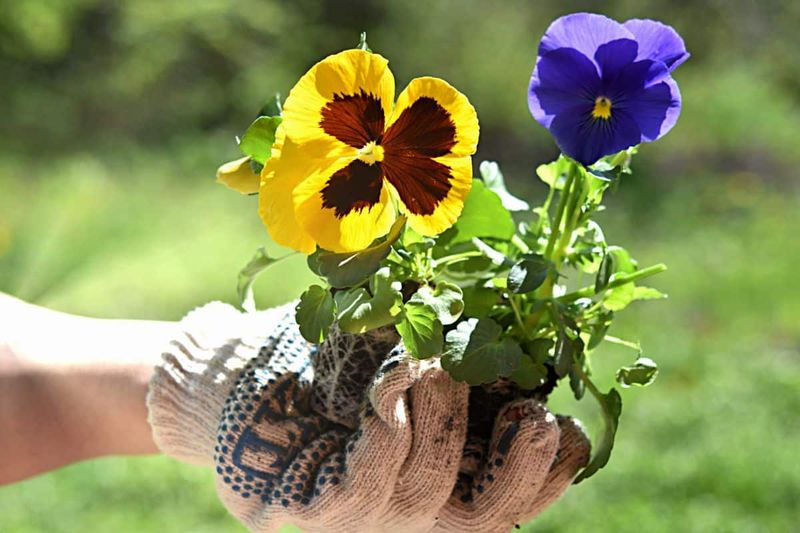
Pansies can brighten a North Carolina yard when most beds look tired and brown. You may have heard that they must be in the ground before December or they will sulk all winter.
The real guidance is more flexible, and it depends on where you live and how your soil feels. Here is how to give your fall pansies a good start without chasing a date that does not exist.
North Carolina has no single pansy deadline
Nobody at NC State has set December 1 as a cutoff for pansies, so you can relax about that date. NC State’s Extension Gardener Handbook recommends planting pansies in fall, after the soil has cooled, for flowers in winter and early spring.
It also warns that planting while the soil is still warm can lead to heat damage and disease. Planting as early as possible is not the goal.
Why not one statewide date? Because North Carolina covers a lot of ground.
NC State’s freeze-date table lists average first freezes of October 14 in Cullowhee, October 22 in Lenoir, November 1 in Concord, and November 18 in Wilmington. A mountain gardener and a coastal gardener are working on very different calendars.
Keep in mind that these are historical averages. They show how much the seasons vary, but they are not pansy planting deadlines.
Your own fall weather can run warmer or cooler than the average.
So let your yard guide you more than the calendar. When nights have turned reliably cool and the soil no longer feels warm, you are in the fall planting window for your area.
If your neighbors in the next county are planting earlier or later than you, that is normal.
Planting a bit later than ideal does not doom a bed. It simply means paying closer attention to how you plant, which the next sections cover.
Why late planting can slow root establishment
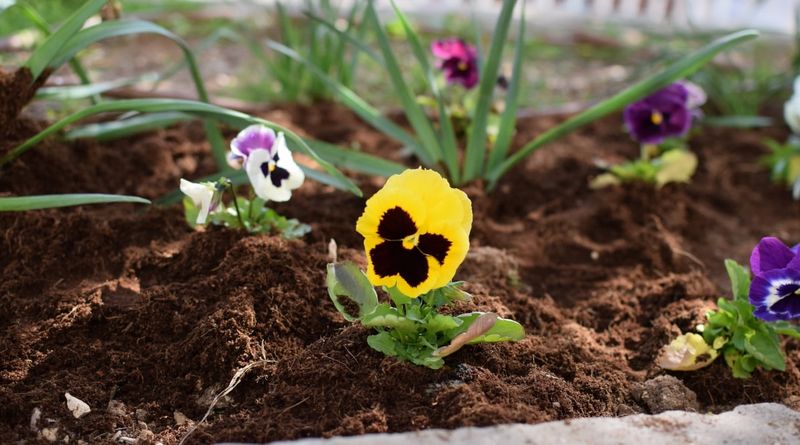
Roots are the quiet part of a pansy, and they do the work that keeps the flowers coming. A newly planted pansy needs some time to spread roots into the surrounding soil.
That works best while the ground still supports root activity.
A University of Georgia Extension guide explains that when soil temperature drops below about 45 degrees Fahrenheit, pansy roots function poorly. Plants in that situation may become stunted and flower poorly.
That is the reasoning behind not waiting too long.
Treat that number as regional context, not a North Carolina rule. The guide was written for Georgia, and it is not an exact line for every yard.
A sunny, sheltered bed near a south-facing wall can stay warmer than an open mountain bed on the same day.
Stunting is a possibility, not a certainty. Weather, the planting site, drainage, and the condition of the plants you buy all affect how pansies perform.
Some late-planted pansies settle in and flower fine, while others sit and wait.
If you have a soil thermometer, a quick reading in the morning gives you more useful information than a date on the calendar. If you do not own one, the general rule still works: plant once the soil has cooled, and do not put it off for weeks after that.
Give roots good contact with soil on planting day
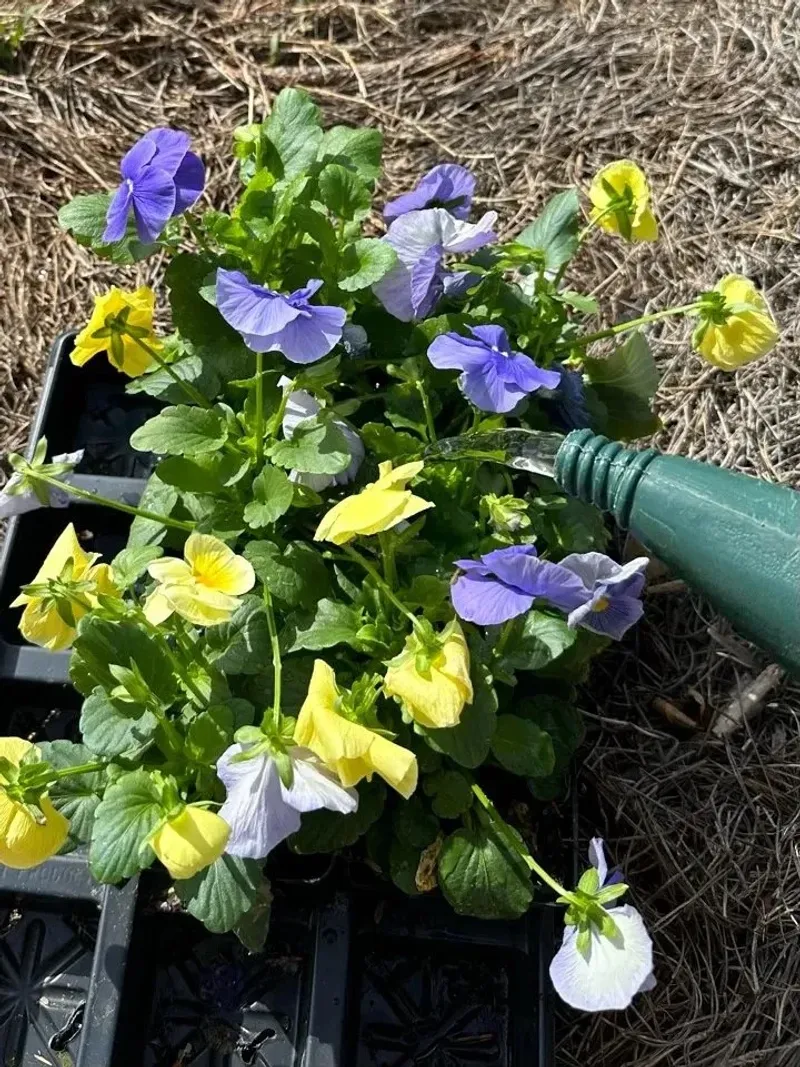
Start with the plant itself. NC State advises choosing a healthy, compact transplant rather than a leggy one with sparse leaves.
If you just brought plants home from the store, let them spend a few days outdoors in partial shade first. That helps them adjust before they go into the bed.
When it is time to plant, handle the root ball gently. Utah State Extension advises disturbing the roots as little as possible and setting each plant at the same depth it was growing in its pot.
Burying the crown deeper or leaving it high and dry can both cause trouble.
Firm the soil lightly around each plant so there are no air pockets next to the roots. Then water thoroughly one time.
University of Georgia specialists note that a thorough watering after planting settles the soil around the roots.
That single soaking is the point. You are closing gaps, not trying to keep the bed wet from here on.
Notice what is not on this list: a special product. Good contact between roots and soil, correct depth, and a gentle hand matter far more at this stage.
Heavy feeding in warm fall weather can even push soft, stretched growth that is more prone to winter injury, so follow the product label or ask your local Extension office before adding fertilizer.
Choose a site that drains well
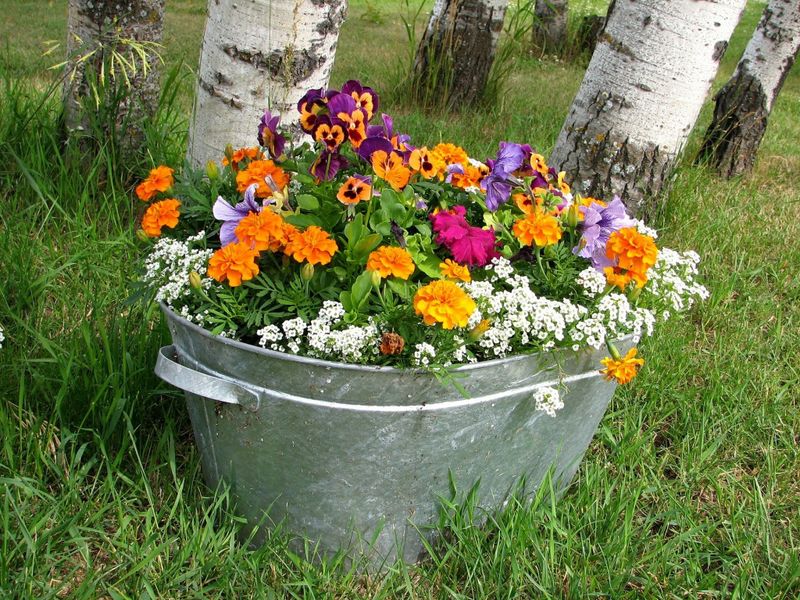
Where you plant counts as much as when. NC State’s Plant Toolbox describes pansies as suited to moist, well-drained soil, in full sun to part shade.
Think of soil that holds a little moisture but lets extra water slip away.
Heavy red clay in the Piedmont and soggy low spots on the coast are the usual trouble areas. Mixing compost into the bed, planting in a raised bed, or switching to a container with drainage holes can all help.
A spot where puddles linger after rain is a poor choice.
This is where the planting-day watering needs a clear boundary. One thorough soak settles the roots, but keeping soil saturated is a different thing.
NC State’s plant disease guidance lists prolonged watering, poor drainage, and standing water as conditions that favor Phytophthora root and crown rot, which can affect pansies.
After the first watering, check the soil with a finger before adding more. If the top inch or so feels damp, wait.
Cool fall weather means plants use less water than they did in summer.
Good drainage protects your plants from the problem before it starts, and that is easier than trying to rescue a rotting crown later.
Expect seasonal color, not nonstop winter bloom
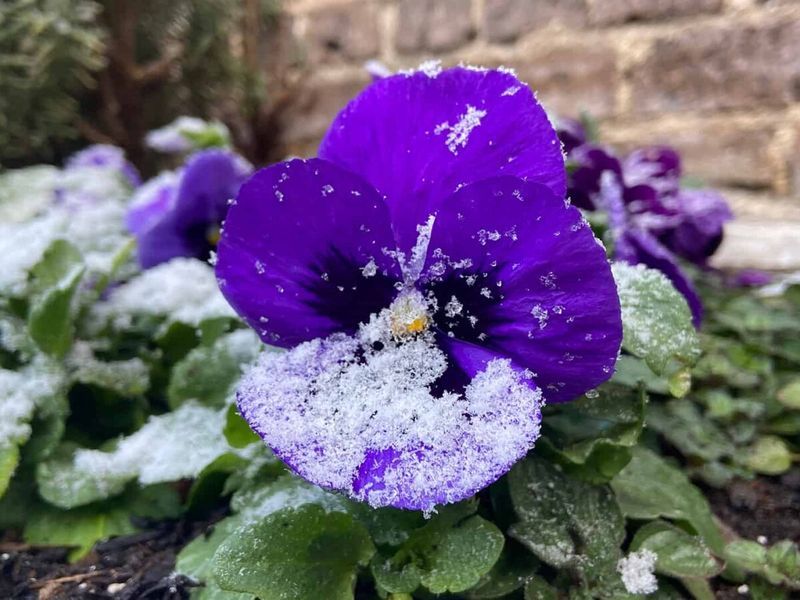
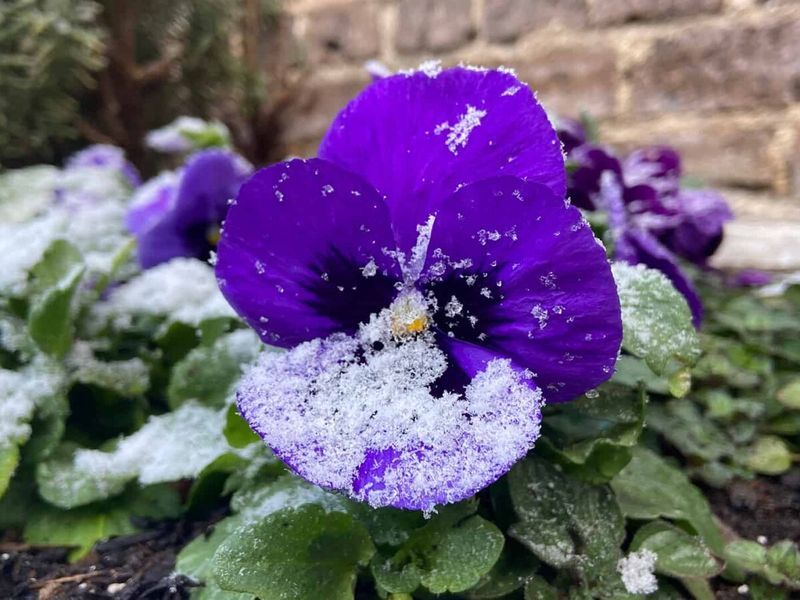
A frosty morning can make a pansy look flat and sad, and that worries many gardeners. Take a breath.
A cold spell does not automatically mean the plant is finished.
NC State notes that pansies can flower in winter and early spring. Clemson Extension adds that they bloom when temperatures are above freezing and describes spring as their peak bloom period.
In other words, flowering follows the temperature.
That means you may see steady color during mild stretches and fewer flowers during hard cold. Mountain gardeners will likely see longer pauses than gardeners near the coast.
Neither pattern means you did something wrong.
You can help the show along with small chores. NC State’s Plant Toolbox recommends deadheading spent flowers to prolong bloom.
Pinch or snip faded blooms with their stems whenever you walk by.
Garden pansies are cool-season bedding plants, originally from Europe and Asia, so think of them as seasonal color for beds and pots. Plan for patches of bloom through winter and a big burst when spring arrives.
If you have already planted, focus on sound care
Already planted, or planting later than you hoped? You still have useful jobs to do.
Check that each plant sits firmly in the soil at its original depth, as Utah State Extension advises, and press down any loose spots gently.
Water when the soil feels dry, not on a fixed schedule, and keep puddles from forming. Snip faded blooms, as NC State suggests, and skip heavy feeding.
These steps support your plants, but they cannot promise a rescue from late planting or flowers every week of winter. What they do is give the pansies their best chance in your conditions.
As NC State’s handbook suggests, let your local fall and the cooling soil be the guide, not December 1. Pansies are tougher than the calendar makes them sound.