
15 Tips For Planting And Caring For Perennial Geraniums So They Bloom Stronger And Longer
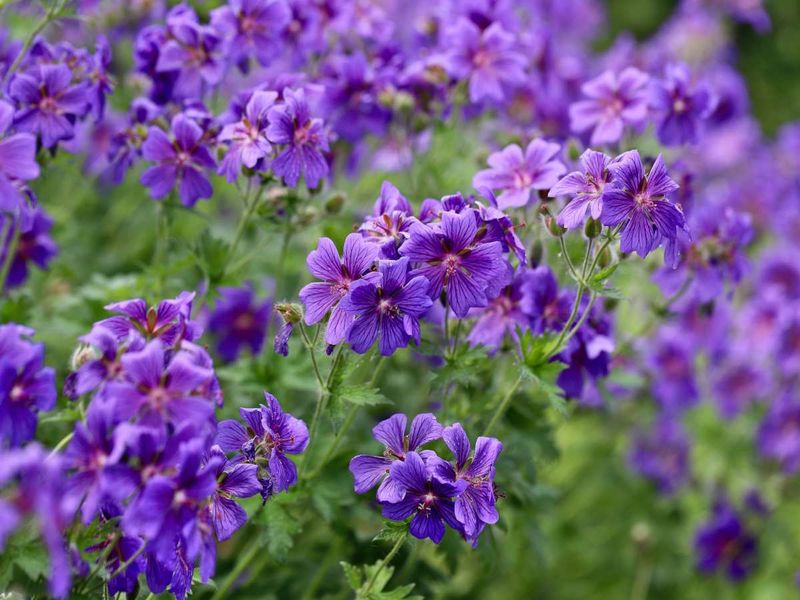
Perennial geraniums, sometimes called hardy geraniums or cranesbills, are tough little plants that come back year after year with almost no fuss. They fill your garden beds with soft mounds of leaves and cheerful flowers that bees and butterflies love. If you want more blooms that last longer into the season, a few smart planting and care habits make all the difference. Here are 15 practical tips you can put to work in your own backyard this weekend.
1. Pick the Right Variety for Your Zone
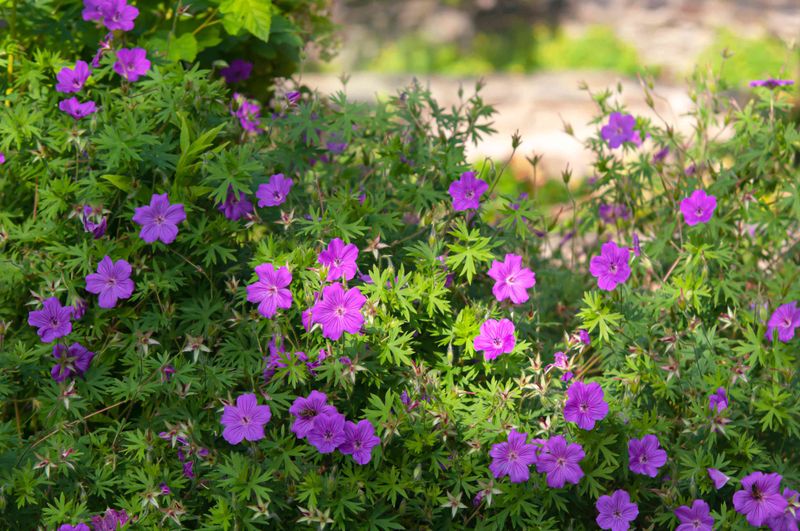
Not every hardy geranium thrives everywhere, and choosing one built for your region saves you a season of disappointment. Varieties like Rozanne and Johnson’s Blue handle a wide range of US zones, while some alpine types prefer cooler northern gardens.
Check the plant tag or catalog listing for the USDA hardiness zones before you buy. A geranium rated for zones 4 through 8 will shrug off a Michigan winter, while a zone 7 to 9 pick suits milder southern beds.
Matching the plant to your climate means less coddling and more flowering. When the variety already loves your weather, it puts its energy into blooms instead of just surviving.
2. Give Them the Sunlight They Prefer
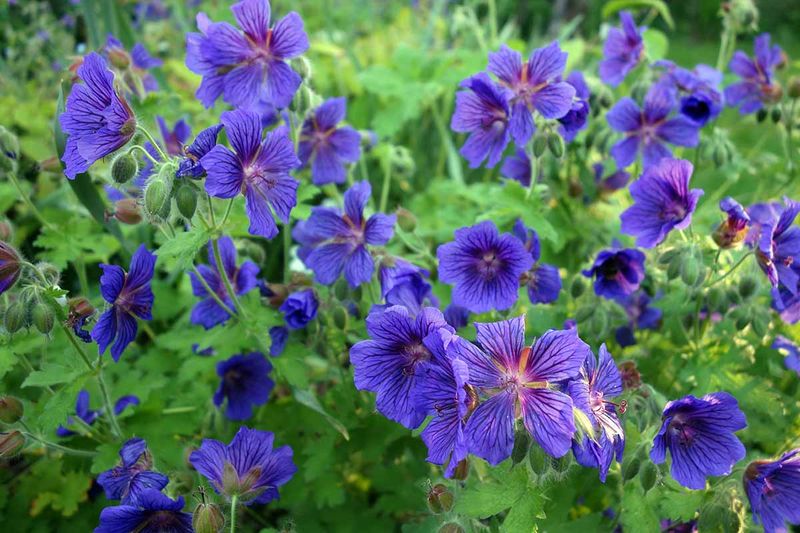
Sun is fuel for flowers, and most perennial geraniums bloom best with full sun to part shade. In cooler northern gardens, aim for six hours of direct light to keep the plants covered in color.
Down south where afternoons get brutal, a spot with morning sun and dappled afternoon shade keeps petals from scorching. The leaves themselves will tell you if you got it wrong.
Faded, sparse flowering usually means too much shade, while crispy leaf edges hint at more sun than the plant can handle. Read those signals and shift new divisions accordingly.
3. Prepare the Soil Before You Plant
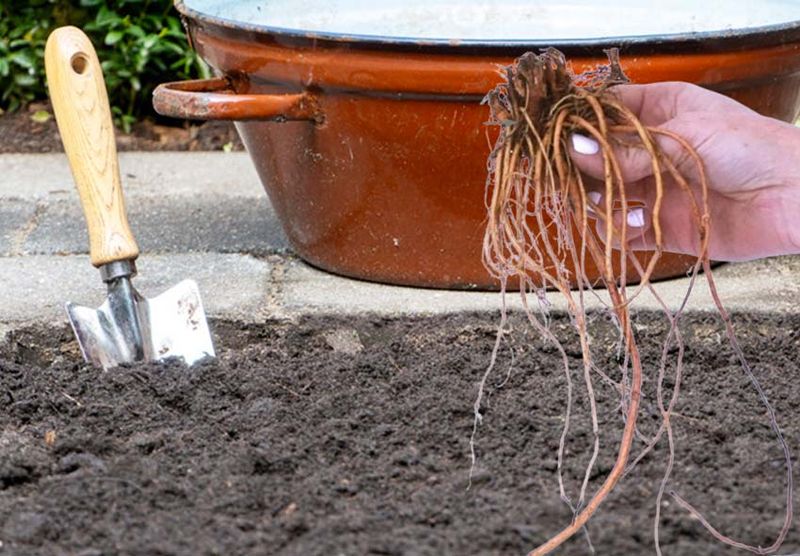
Loose, well-draining soil rich in organic matter is where hardy geraniums truly settle in. Before planting, work a few inches of compost into the top layer of your bed to loosen heavy clay and feed the roots.
These plants dislike soggy feet, so if your yard holds water after rain, mix in some coarse grit or plant on a slight mound. Good drainage prevents the root rot that quietly kills so many perennials.
A quick soil test from your local extension office tells you the pH, and geraniums are happy in the neutral-to-slightly-acidic range most backyard beds already sit in.
4. Space Them Out for Airflow

Crowding is a rookie mistake that leads straight to mildew and leggy growth. Most perennial geraniums spread into wide clumps, so give each plant 18 to 24 inches of elbow room depending on the variety.
Proper spacing lets air move freely between the leaves, which keeps fungal diseases from taking hold on damp mornings. It also lets each plant reach its full, rounded shape.
Here is a fun bit of history: the common name cranesbill comes from the plant’s seed pods, which look like a crane’s long beak. Give those spreading clumps space and you’ll see them form their signature mounds beautifully.
5. Plant at the Correct Depth
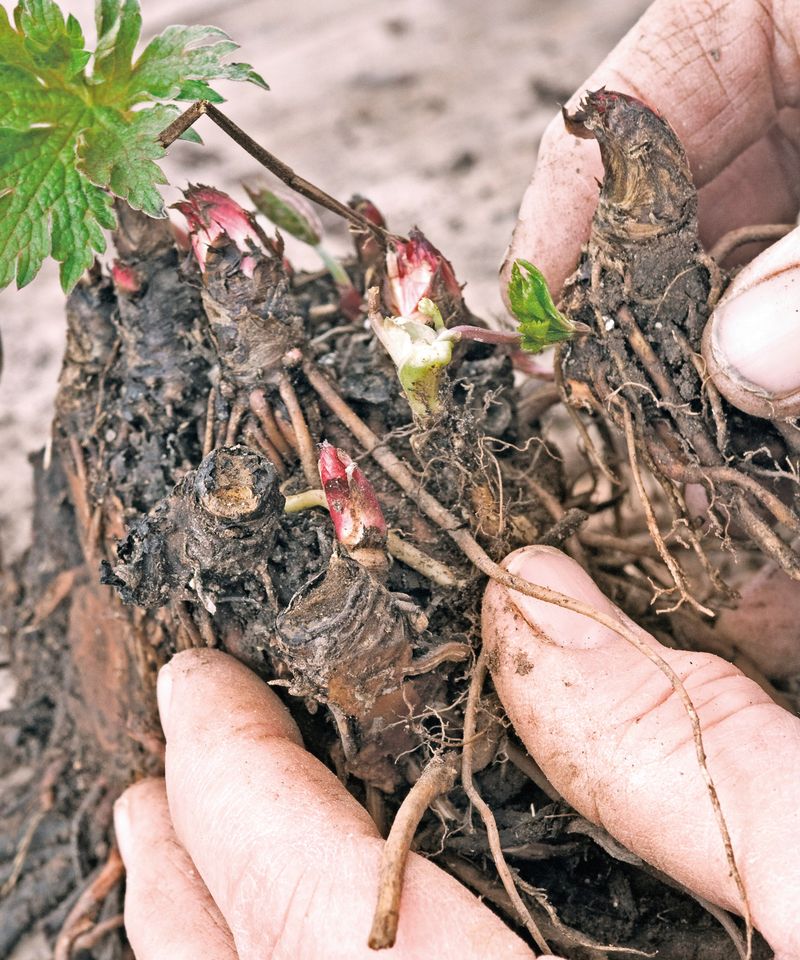
Burying the crown too deep is a silent bloom-killer. Set your geranium so the crown, where the stems meet the roots, sits right at soil level rather than sunk beneath it.
Dig a hole a bit wider than the root ball but no deeper, then backfill gently and firm the soil with your hands. Planting too low traps moisture around the crown and invites rot.
Water well right after planting to settle the soil and remove air pockets. Getting the depth right from day one gives the roots a clean start and encourages stronger flowering later.
6. Water Deeply but Not Too Often
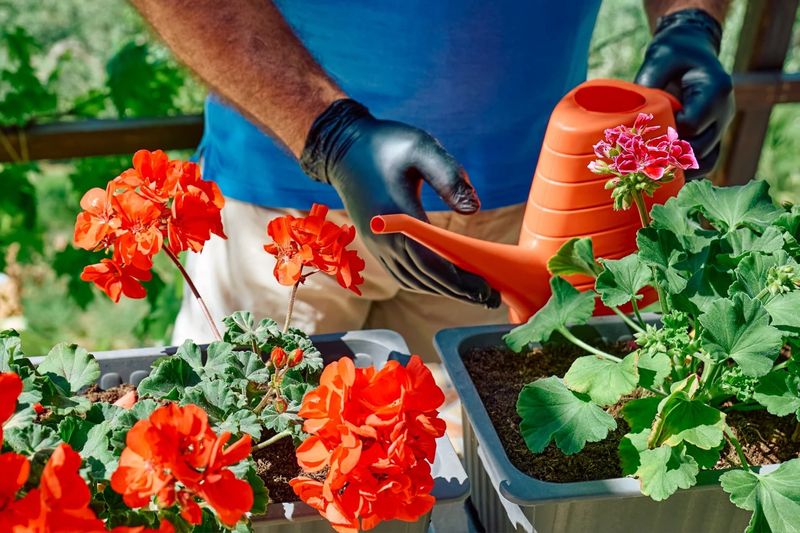
Once established, hardy geraniums are pretty drought-tolerant, and overwatering does more harm than a dry spell. Soak the root zone deeply about once a week rather than sprinkling a little every day.
Deep, occasional watering pushes roots downward, building a plant that can find its own moisture during hot stretches. Shallow daily splashes keep roots lazy and near the surface.
New transplants need a bit more attention their first few weeks, so keep the soil evenly moist until you see fresh growth. After that, let the top inch of soil dry between drinks and your geraniums will reward the tough-love approach.
7. Mulch to Lock In Moisture
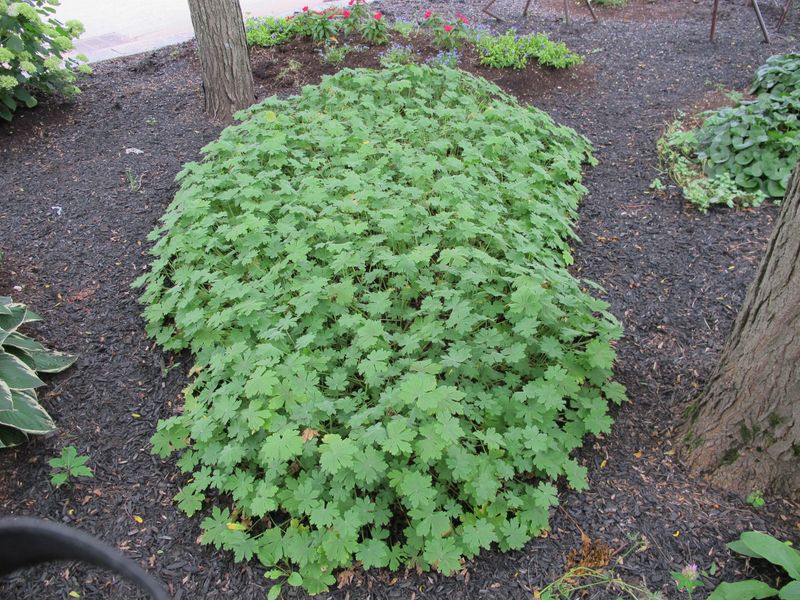
A two-inch blanket of mulch around your geraniums pulls double duty in the garden. Shredded bark or leaf mold keeps the soil cool, holds moisture, and smothers competing weeds that steal nutrients.
Keep the mulch pulled back an inch or so from the crown to avoid trapping dampness against the stems. As it breaks down, mulch also feeds the soil with a slow trickle of organic matter.
Refresh the layer each spring after the first flush of new growth appears. Your plants stay comfortable through summer heat, and you’ll spend far less time weeding on your knees.
8. Feed Lightly and Wisely
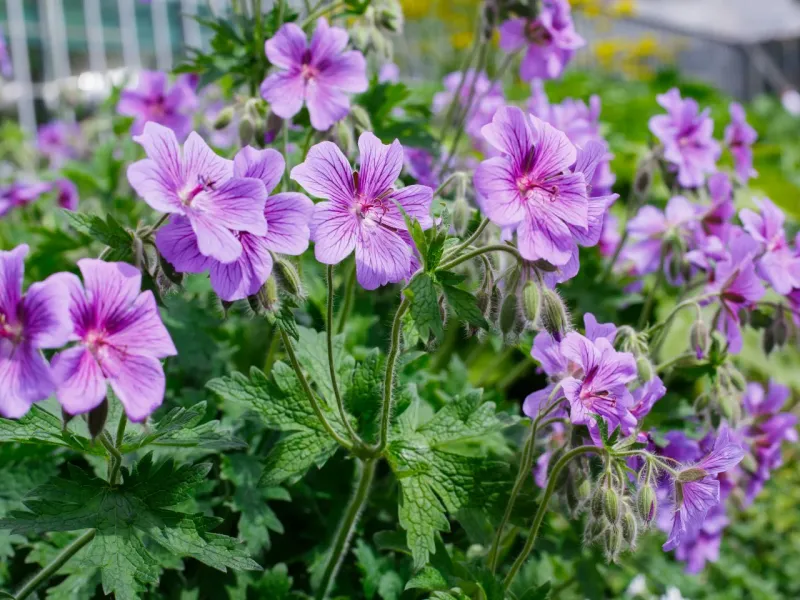
More fertilizer does not equal more flowers with these plants. Hardy geraniums are light feeders, and dumping nitrogen on them gives you a jungle of leaves with hardly a bloom in sight.
A single dose of balanced, slow-release fertilizer in early spring is usually all they ask for. If your soil is already rich with compost, you may not need to feed at all.
Should the foliage look pale and growth seem sluggish, a diluted liquid feed can perk things up midseason. Keep it gentle, though, because a hungry-looking plant recovers faster than one drowning in salts.
9. Deadhead Spent Blooms Regularly
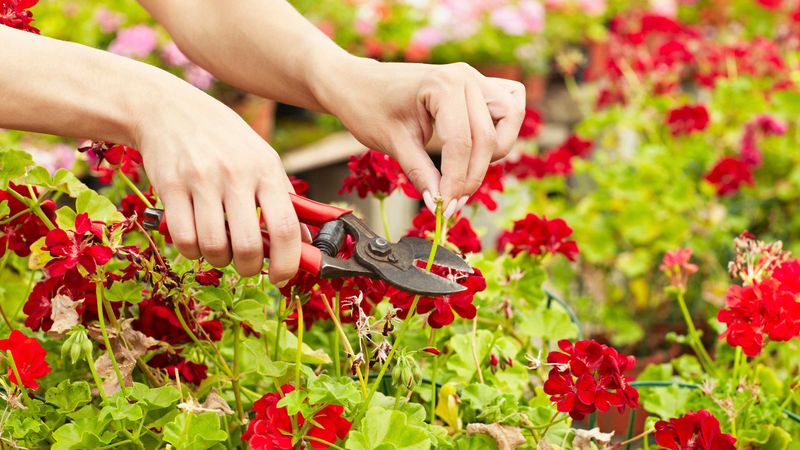
Snipping off faded flowers tricks your geranium into making more of them. When a bloom fades and starts setting seed, the plant thinks its job is done and slows production.
Pinch or clip those spent blossoms just above a leaf node, and the plant redirects its energy into fresh buds instead of seed pods. Do this every few days during peak season for a steady show.
Keep a small pair of snips in your garden basket so deadheading becomes a quick habit on your evening walk through the beds. The reward is a longer, fuller bloom season that stretches well past the first flush.
10. Cut Back After the First Flush
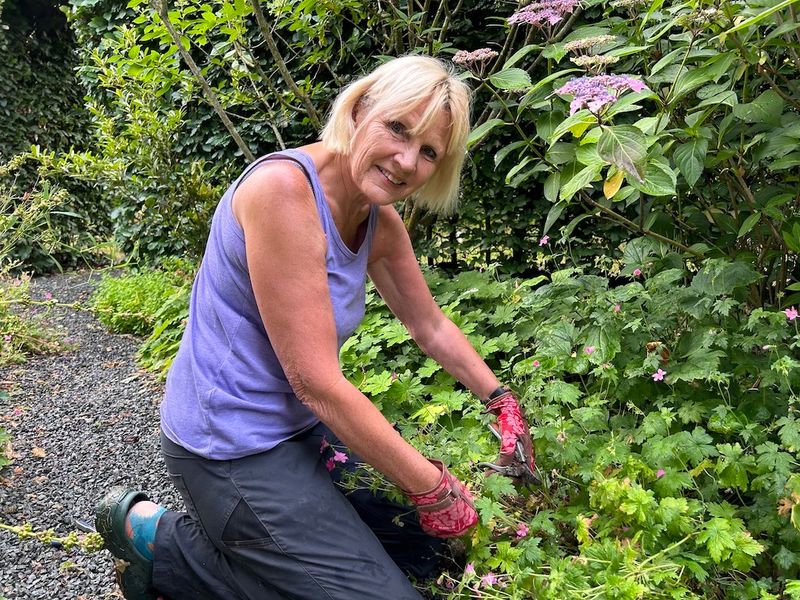
A hard chop midseason sounds scary, but it works wonders on hardy geraniums. Once the first big wave of flowers fades and the plant looks tired and floppy, shear the whole clump back by about one-third to one-half.
Within a couple of weeks fresh green leaves push up from the base, followed by a second round of blooms. Gardeners call this the Chelsea chop, and it keeps the plant tidy instead of sprawling open in the middle.
Water and a light feed right after cutting back help the plant bounce into its rebloom faster. You trade a short bare patch for weeks of renewed color in late summer.
11. Divide Clumps Every Few Years
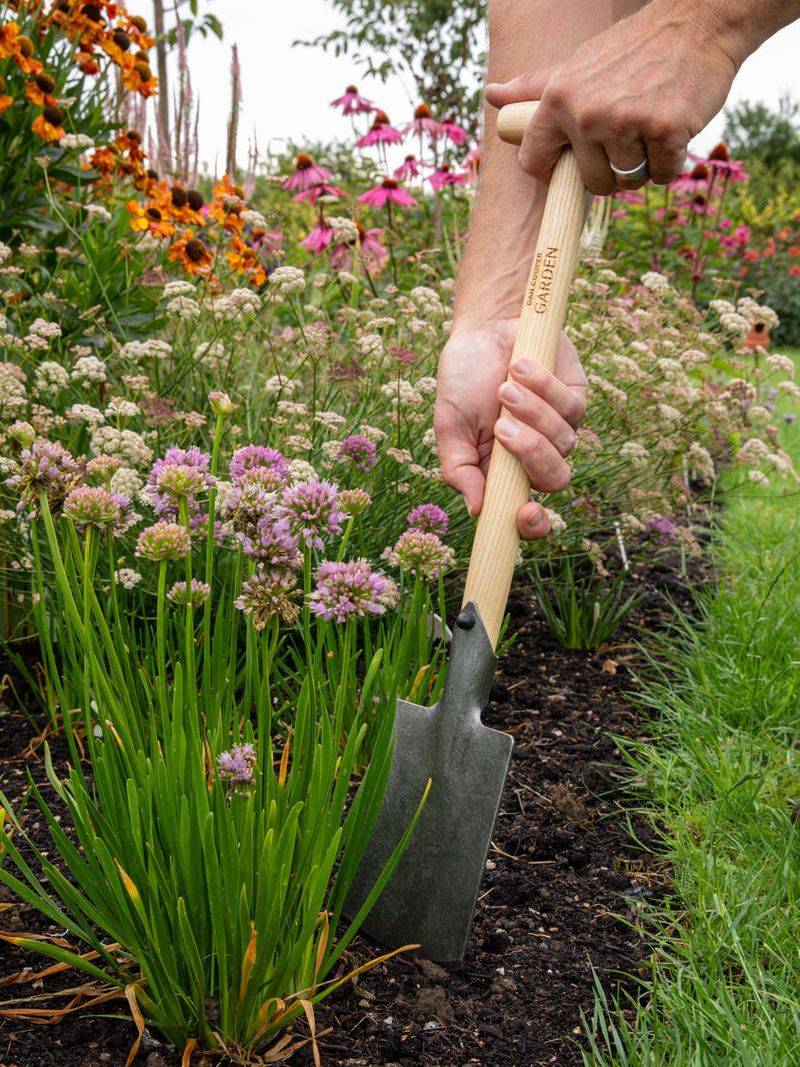
Even the toughest geranium slows down when it gets too big and woody in the center. Every three or four years, dig up crowded clumps in early spring or fall and split them into smaller pieces with a spade or sharp knife.
Each division needs a few healthy roots and a bit of crown to grow into a whole new plant. Replant them right away, water them in, and you have free plants for the rest of the garden.
Dividing also rejuvenates tired clumps, sparking a burst of vigorous new growth and heavier flowering. Think of it as pressing the reset button on a plant that has grown a little lazy.
12. Read the Leaves for Early Warnings
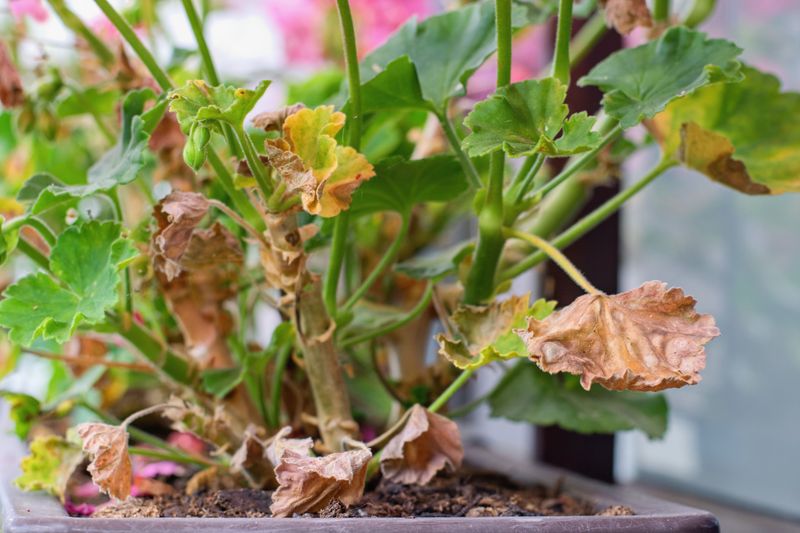
Your geranium’s foliage is a built-in health report if you know how to read it. Yellowing lower leaves often point to overwatering or poor drainage, while pale, washed-out leaves across the plant hint at hungry soil.
Powdery white patches signal mildew from crowding or damp air, and brown crispy edges usually mean sunburn or drought stress. Catching these clues early lets you fix the cause before it spreads.
Make a habit of flipping a few leaves over while you water, since pests and spots often show up underneath first. A quick glance now saves a bigger rescue later, and it keeps the whole clump blooming strong.
13. Use Scented Companions to Deter Pests
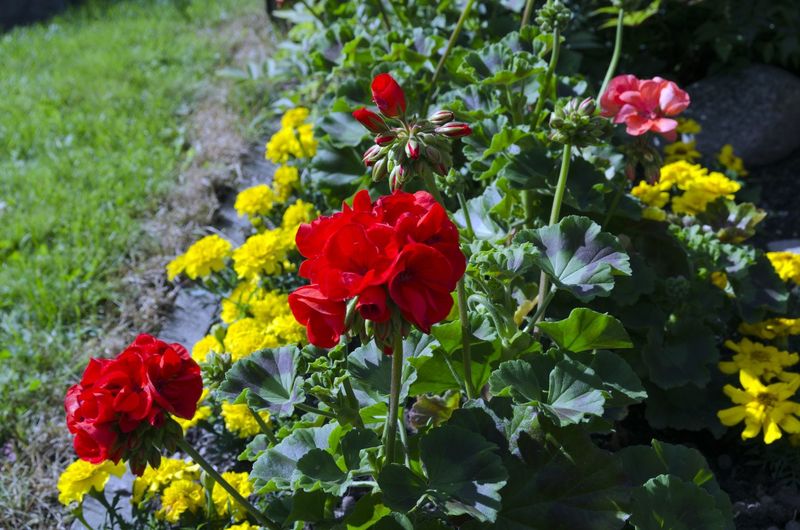
Slugs, aphids, and hungry beetles can nibble young geranium growth, but a few fragrant neighbors may help keep them at bay. Tucking marigolds, alliums, or chives nearby releases scents many common backyard pests would rather avoid.
Aromatic herbs like rosemary and lavender can also mask the smell of tender foliage, making your geraniums harder for insects to find. The bonus is a prettier, more layered garden bed.
For slugs specifically, a ring of crushed eggshells or coffee grounds around the crown can reduce their nightly raids. Pairing smart companions with a quick evening patrol keeps damage low without reaching for harsh sprays.
14. Protect the Crown Through Winter
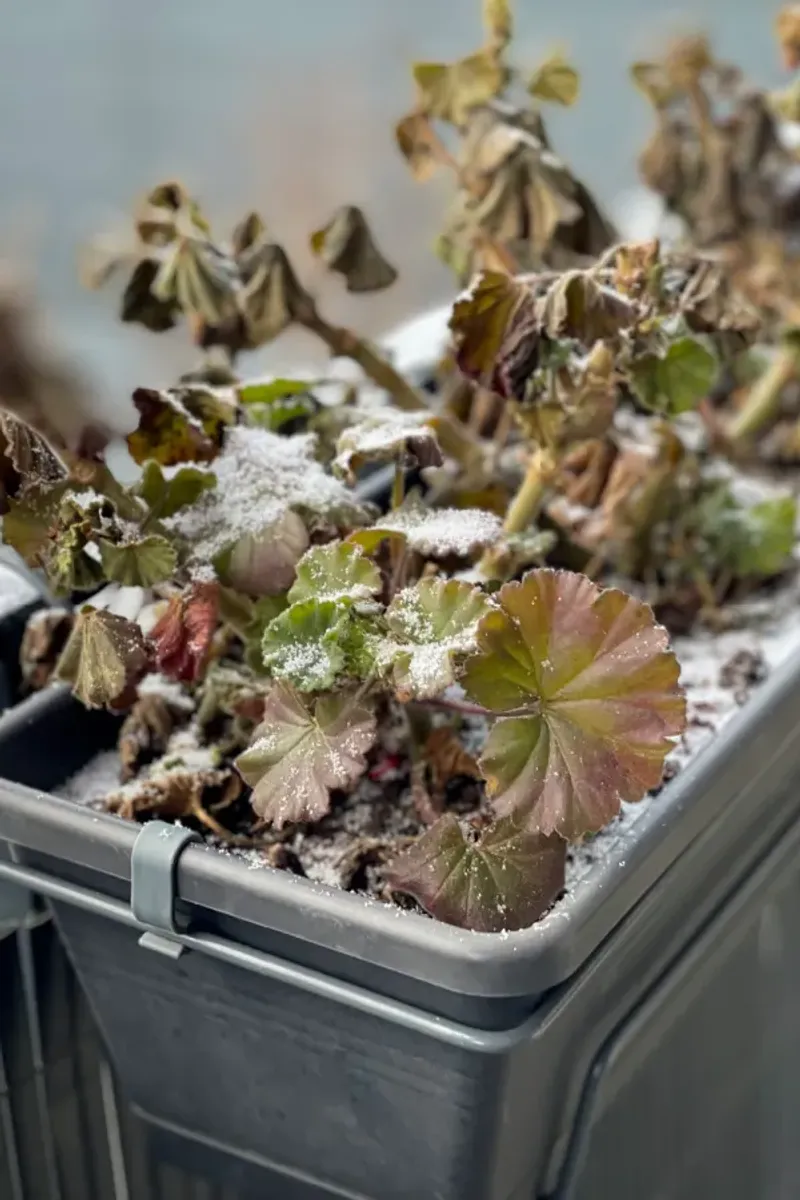
Hardy geraniums earn their name, but a little winter care means a stronger comeback in spring. After the first hard frost, trim the dead foliage back to a few inches and clear away any mushy debris that could harbor rot.
In colder northern zones, a loose mulch of straw or shredded leaves over the crown shields the roots from freeze-and-thaw heaving. Pull that cover back once the ground warms so new shoots can breathe.
Container-grown geraniums are more vulnerable, so move pots to a sheltered spot or sink them in the ground for the season. Come spring, a well-protected crown wakes up faster and blooms sooner.
15. Match the Right Type to Beds Versus Containers
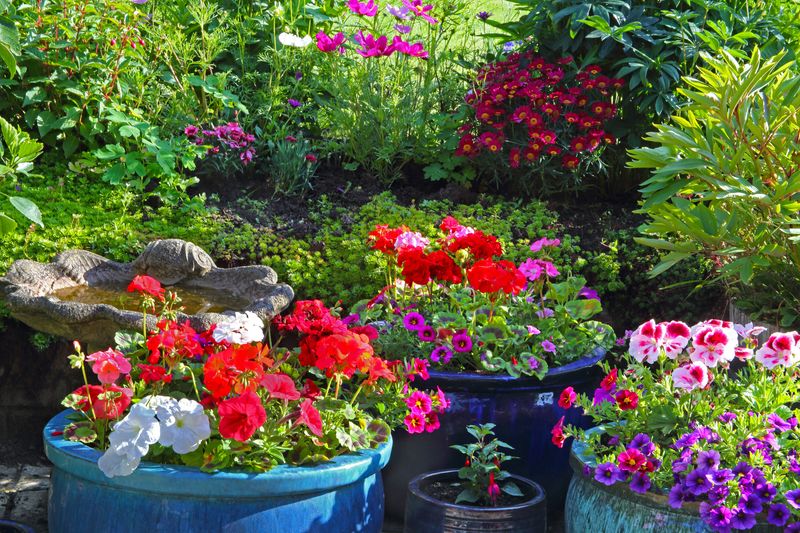
Where you plant matters as much as how you plant. Spreading, low-mounding varieties like Rozanne shine at the front of borders or trailing over walls, while more upright types hold their own in mixed perennial beds.
Containers call for compact, tidy geraniums that won’t outgrow their pots in a single season, paired with a rich potting mix and a drainage hole that actually works. Pots dry out faster, so plan on more frequent watering than in-ground plants.
Think about the finished look, too: cascading types soften hard edges, while clumping forms anchor a bed with structure. Choosing the right form for the right spot means healthier plants and a longer, more generous bloom season all around.