
7 Things To Do With Peonies After They Bloom (Most Gardeners Skip The One That Matters Most)
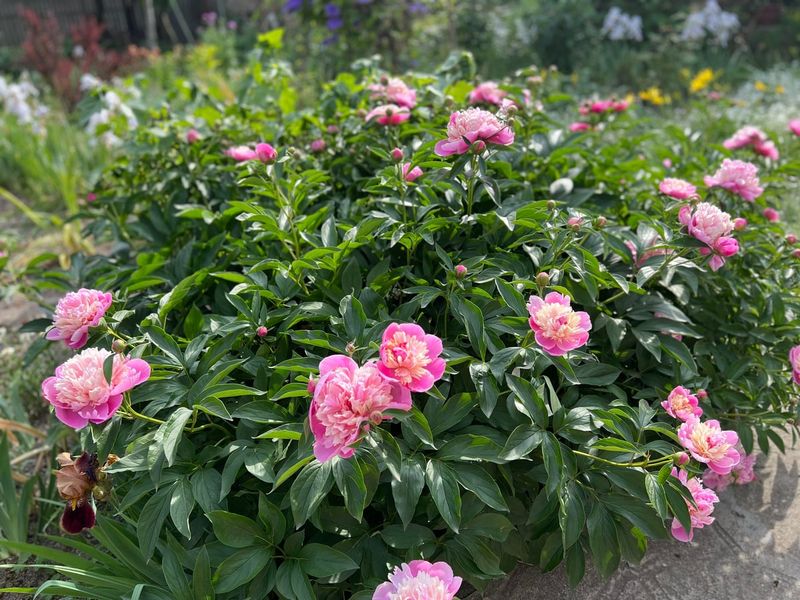
Peonies put on one of the biggest flower shows of the whole gardening year, but the real work starts once those big blooms fade. What you do in the weeks after flowering decides how strong and full your plants come back next spring. Most gardeners tidy up the obvious stuff and quit too soon, missing the single step that feeds next year’s flowers. Here are seven smart moves to make after your peonies finish blooming, including the one almost everyone skips.
1. Deadhead the spent flowers right away
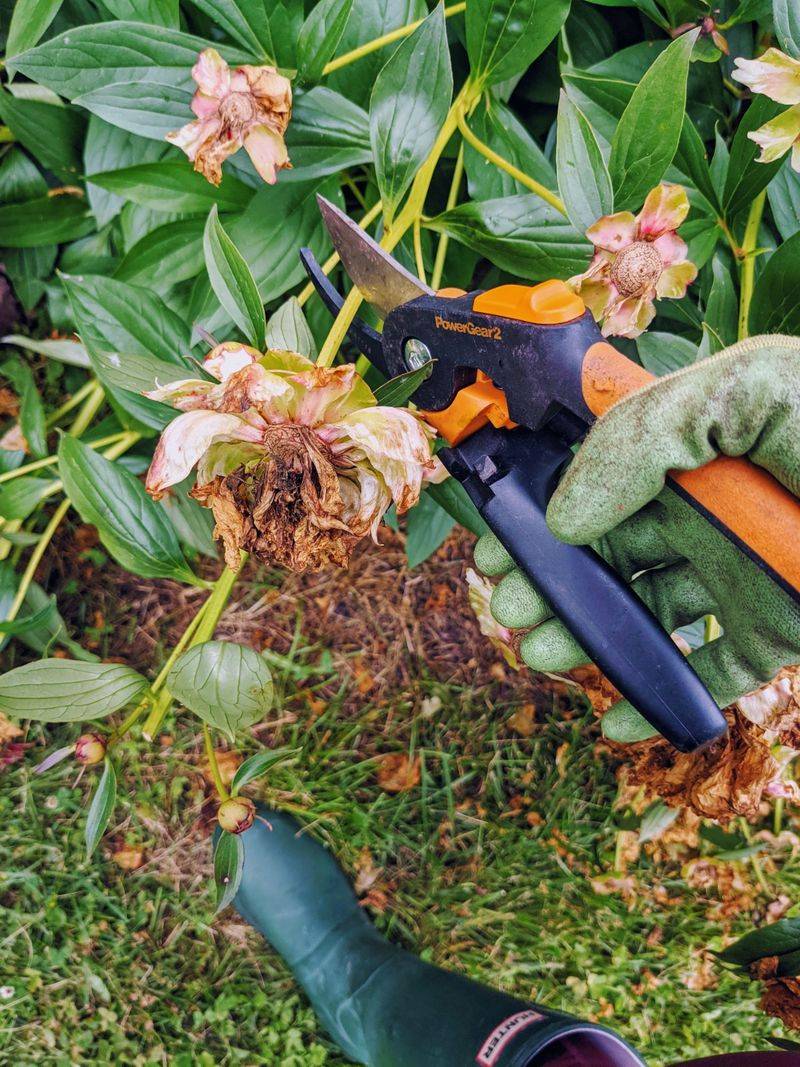
Once a peony bloom turns brown and mushy, it stops being pretty and starts being a job for the plant to carry around. Snipping off those faded flowers tells your peony to quit spending energy on old blooms and seed pods.
Cut each spent flower stem down to the first strong, healthy leaf. Use clean, sharp pruners so you leave a neat cut instead of a ragged tear that pests can crawl into.
The trick here is leaving as much leaf as possible. Those leaves are the plant’s solar panels, and you want them working all summer to fuel next year’s show. Deadheading also keeps your bed looking fresh instead of littered with soggy brown petals after a summer rainstorm.
2. Leave the healthy foliage standing all summer
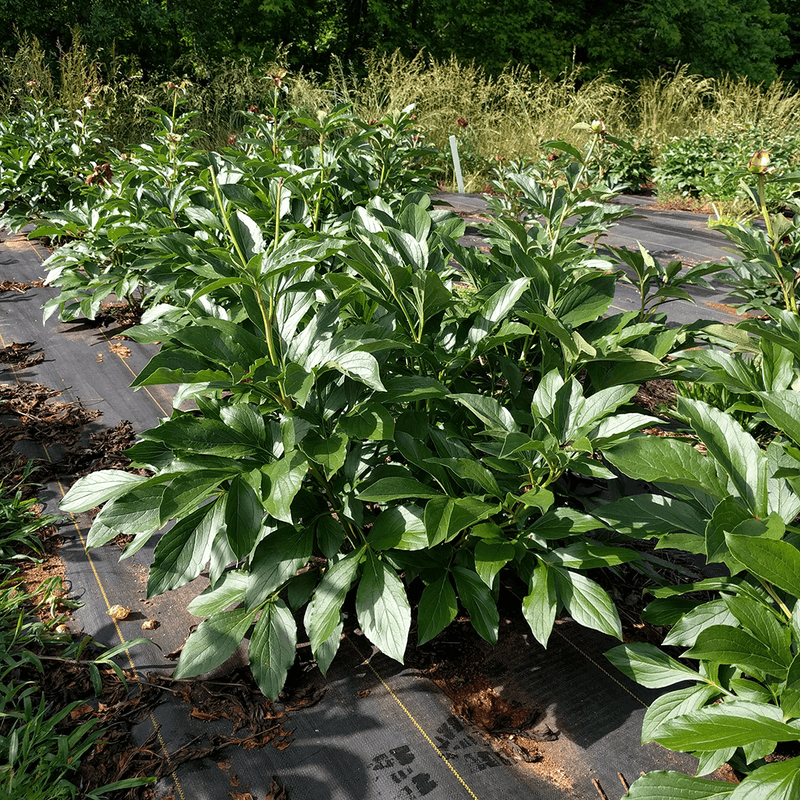
It feels tidy to chop a peony down to the ground the second the flowers are gone, but that is one of the fastest ways to weaken it. Those green leaves keep making food long after the petals drop, storing energy in the roots for next spring.
Think of the foliage as a summer-long battery charge. Cut it off early and you unplug the plant before the job is done.
Keep the leaves in place until fall, when they naturally yellow and fade. As long as the foliage looks green and firm, resist the urge to trim. Your patience now pays off with fatter buds and bigger flowers when the plant wakes up next year.
3. Feed the roots with the fertilizer step most gardeners skip
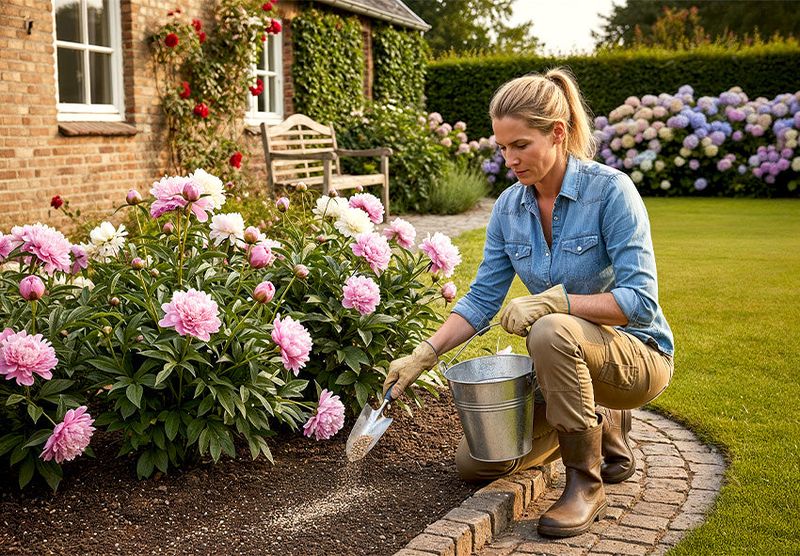
Here is the one almost everyone forgets, and it is the step that matters most. Peonies build next year’s flowers underground during the weeks right after blooming, so a light feeding now goes straight into next spring’s display.
Skip the high-nitrogen lawn stuff, which pushes floppy leaves and few buds. Reach for a low-nitrogen fertilizer, something like a bulb food or a balanced organic blend with a bit of bone meal worked gently into the soil around the plant.
Scratch it into the top inch of soil a few inches out from the crown, then water it in. Keep the fertilizer off the crown itself so you do not burn the buds. Do this once after flowering and your peony quietly banks the energy it needs. Miss it, and you may wonder next May why the blooms came in smaller.
4. Check the leaves for early signs of disease
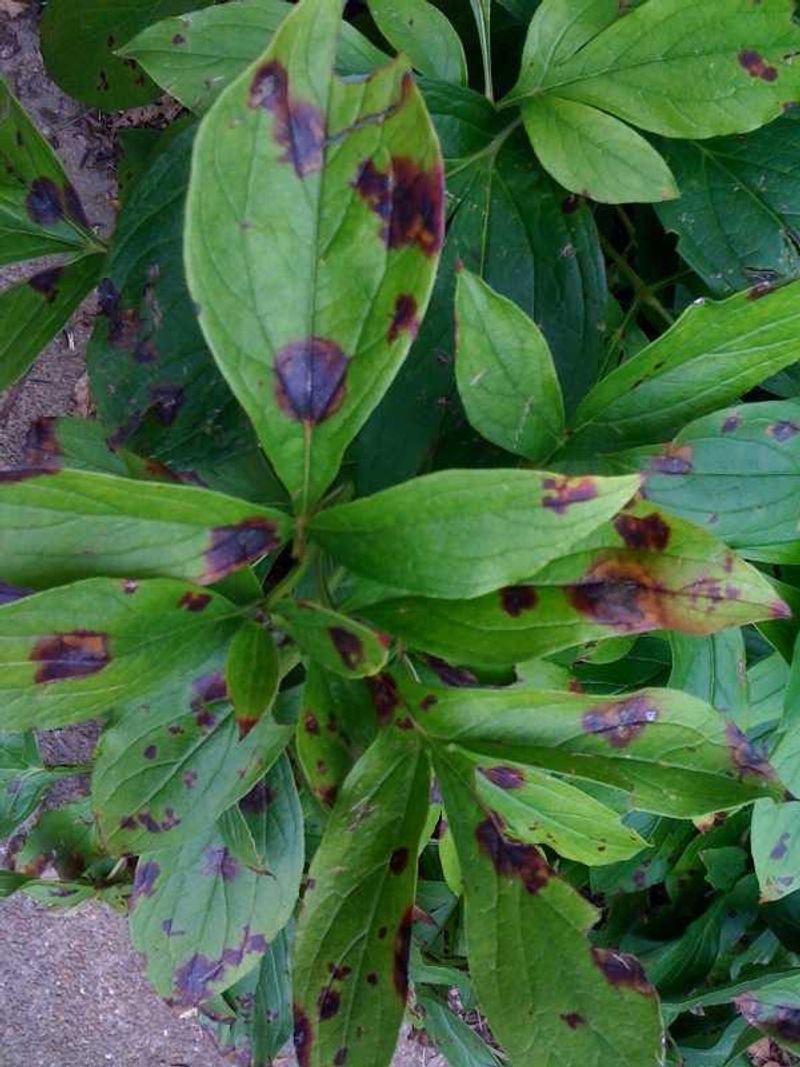
Peony leaves are like a report card you can read all summer. Dark spots, purple blotches, or a gray fuzzy coating usually mean botrytis or leaf blight is setting in, and the sooner you catch it the easier it is to stop.
Walk your bed once a week and turn a few leaves over. Reddish-brown spots that spread, or stems that wilt and blacken near the base, are your warning flags.
Snip off any affected leaves and toss them in the trash, not the compost pile, so spores do not spread. Improving airflow by thinning crowded stems can reduce how often fungus takes hold in humid US summers. Reading your foliage early turns a small problem into a quick fix instead of a plant you lose next year.
5. Stake and tidy the stems that flopped
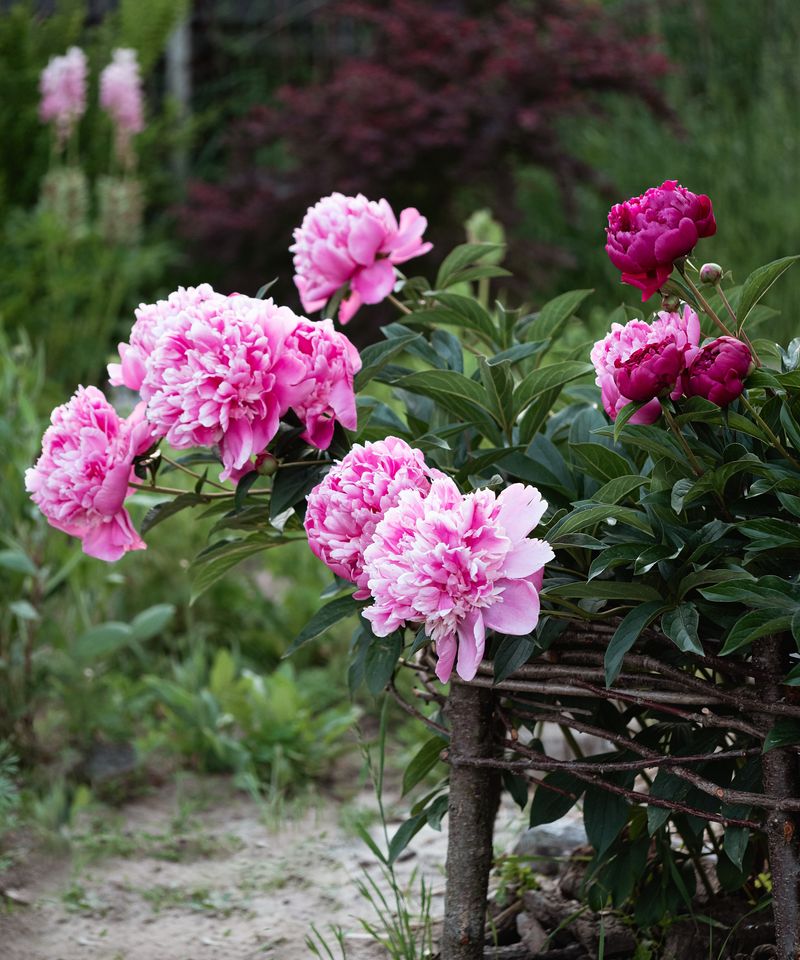
Big peony blooms have a habit of face-planting into the mud after heavy rain, dragging whole stems down with them. Even after the flowers fade, those sprawled stems can snap or shade out the healthy foliage you are trying to protect.
Gently lift the floppy stems and support them with a grow-through grid, a peony ring, or a few bamboo stakes and soft twine. The goal is to keep leaves off the wet ground where rot and slugs love to hang out.
While you are in there, pull any weeds crowding the crown and clear away debris. A neat, well-supported clump dries faster after rain and stays healthier straight through summer.
6. Mulch and water smartly through the heat
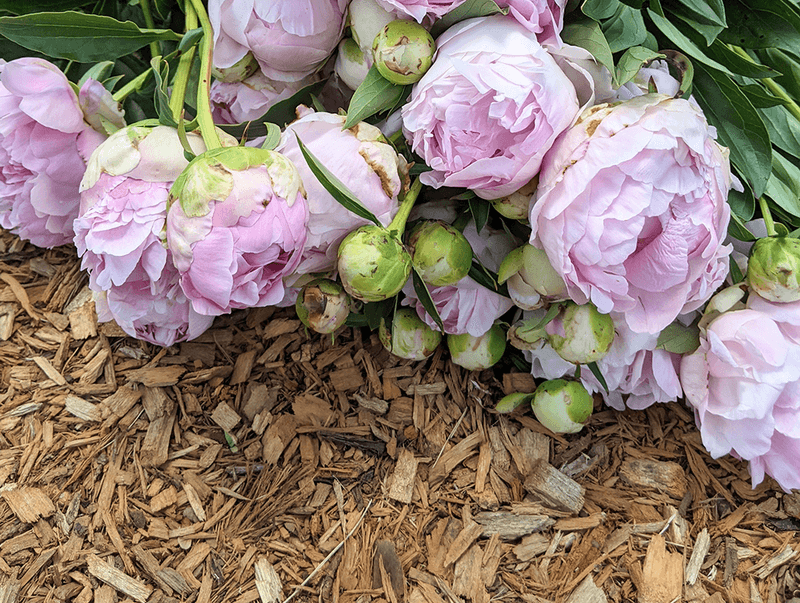
Once the flower show ends, peonies still need steady moisture to keep those leaves charging the roots. A two-inch layer of mulch around the plant holds water in the soil and keeps roots cooler during hot US afternoons.
Keep the mulch pulled back a couple of inches from the crown, though. Piling it right against the stems traps moisture and invites rot, which is the opposite of what you want.
Water deeply at the base once or twice a week rather than a light daily sprinkle, and aim for the soil instead of the leaves. Dry foliage means less fungus, and deep roots mean a tougher plant. A little consistency here keeps your peony coasting comfortably until fall.
7. Cut everything back at the right time in fall
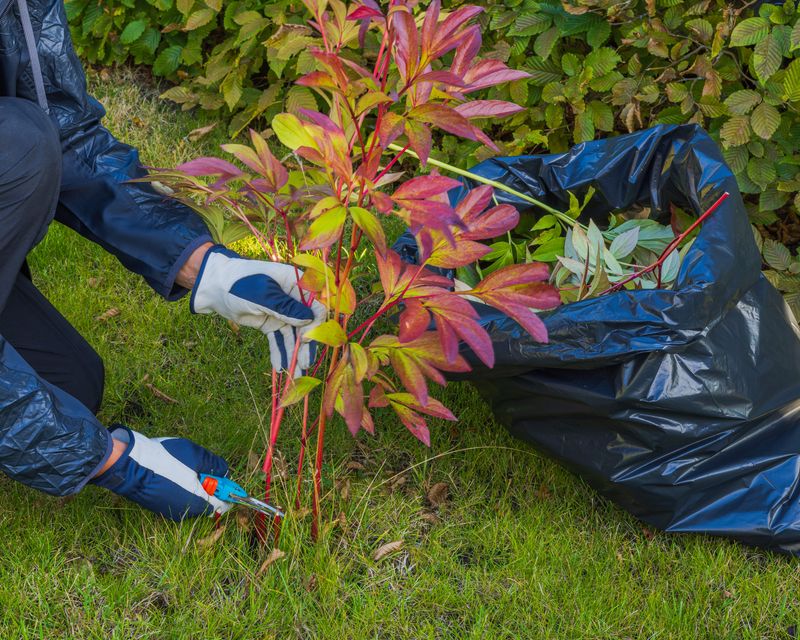
Did you know cutting peonies down at the wrong moment can undo a whole season of careful care? The final step is all about timing. Wait until fall, after the foliage has yellowed or the first hard frost has knocked it back, then cut the stems down to about an inch or two above the soil.
Fall cleanup is not just tidiness. Removing and trashing the old foliage clears away fungal spores that would otherwise overwinter in the debris and attack fresh growth next spring.
Rake the surrounding area clean and give the crown a light layer of mulch in colder zones for winter protection. Come spring, you will have a clean slate and a well-fed plant ready to burst back into bloom. Nail this last step and all seven come full circle.