
16 Fertilizers That Double Your Tomato And Cucumber Harvest From One Simple Boost
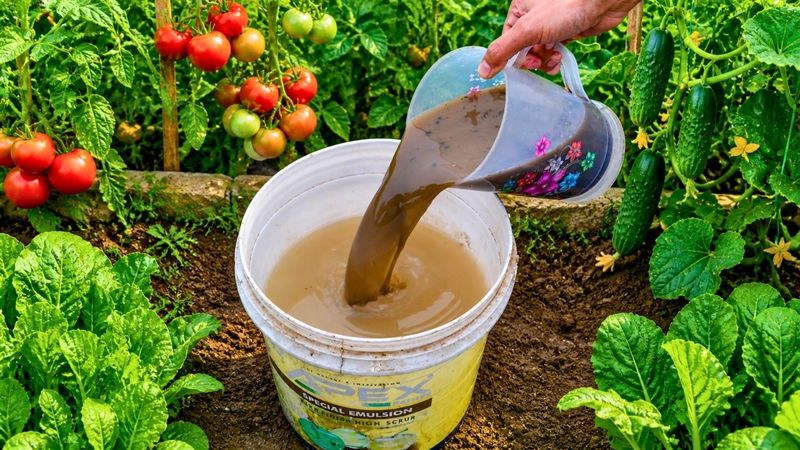
Tomatoes and cucumbers are two of the hungriest plants in any backyard garden, and feeding them right can be the difference between a handful of fruit and baskets you can’t give away fast enough. The good news is that the best boosts often come from simple, affordable stuff you can find at the garden store or even in your own kitchen. Below you’ll find 16 fertilizers, each with its own job to do, that can push your plants toward a bigger, healthier harvest. Grab your gloves and let’s set your vines up for a season worth bragging about.
1. Aged Compost
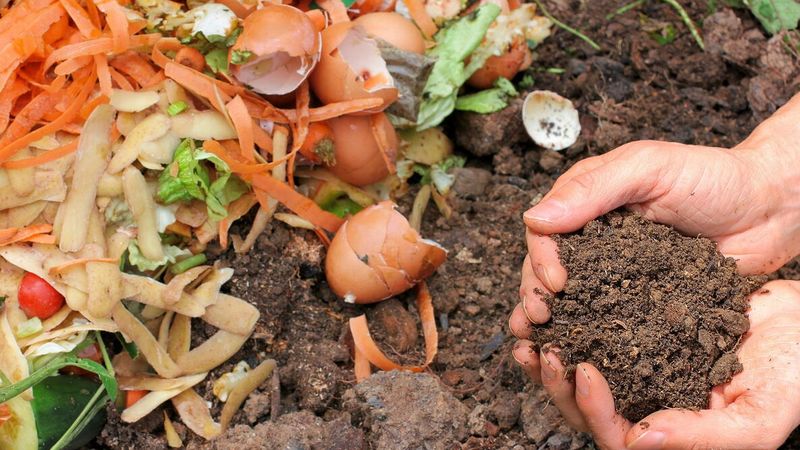
Every serious gardener has a soft spot for a good pile of finished compost, and for good reason. It works quietly, feeding your soil a slow, balanced meal of nitrogen, phosphorus, and potassium while also improving how well the dirt holds water.
Tomatoes and cucumbers both love the crumbly, sponge-like texture compost creates around their roots. Worked into the top few inches of a bed before planting, it gives young transplants a gentle running start without the risk of burning tender roots.
Beyond feeding, compost brings billions of helpful microbes to the party, and those little workers help unlock nutrients your plants can actually use. If you make your own from kitchen scraps and leaves, you’re also recycling waste that would otherwise sit in a landfill. Few boosts are this cheap, this forgiving, and this good for the long-term health of your garden.
2. Worm Castings
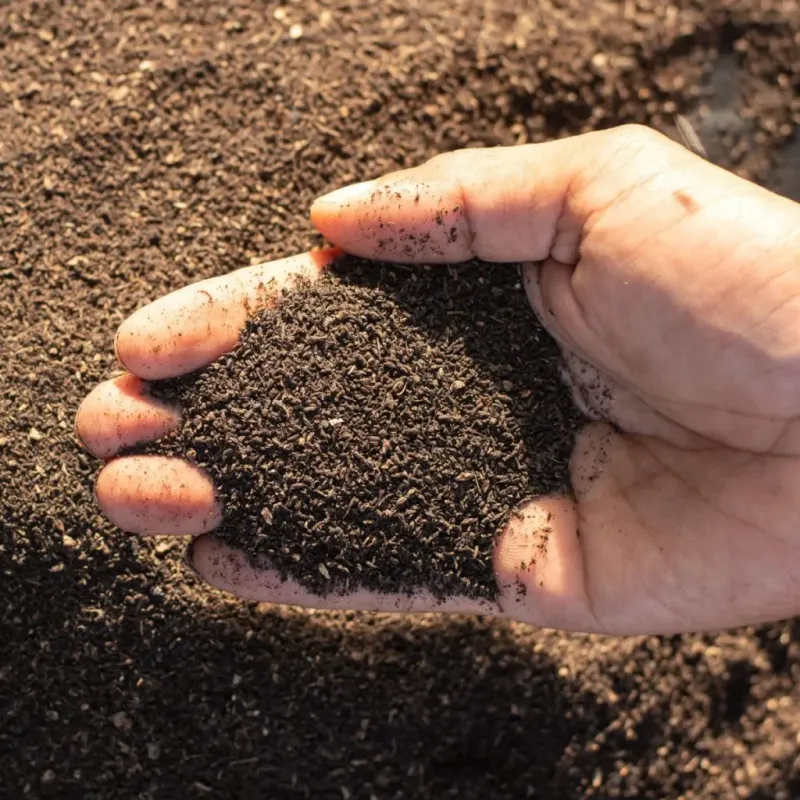
Think of worm castings as nature’s polite version of manure, odorless, gentle, and packed with slow-release nutrients. These dark, coffee-ground-like pellets are what earthworms leave behind after digesting organic matter, and gardeners treat them like black gold.
What sets castings apart from other feeds is their concentration of plant-available nutrients paired with beneficial microbes that fight off root diseases. A handful mixed into each planting hole can help cucumbers push out more flowers and help tomatoes resist the stress that stunts growth.
They will never burn your plants no matter how enthusiastic you get, which makes them a favorite for container growers and nervous beginners alike. Sprinkle them as a top dressing mid-season and water them in for a steady, quiet boost that keeps vines producing.
3. Fish Emulsion
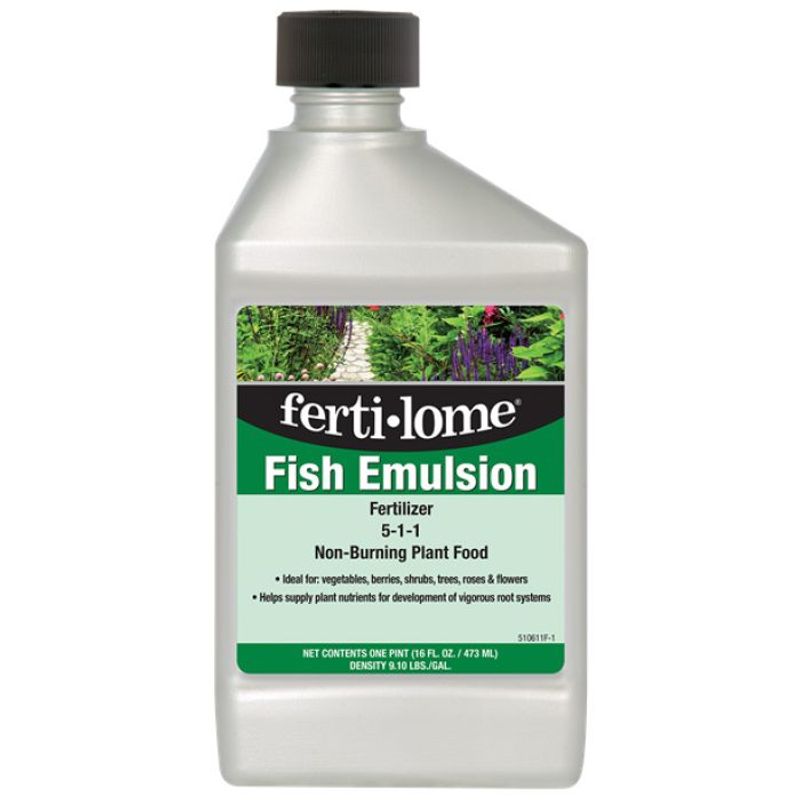
Not gonna lie, this one smells like a dock at low tide, but your plants will thank you for holding your nose. Fish emulsion is a fast-acting liquid fertilizer made from processed fish parts, loaded with nitrogen that leafy young plants crave.
Early in the season, when tomatoes and cucumbers are busy building strong stems and foliage, a diluted dose gives them the green push they need. Because it’s a liquid, roots absorb it quickly, so you often see results within a week or two.
Mix it according to the label, usually a few tablespoons per gallon of water, and apply it every couple of weeks. The scent fades fast once it soaks into the soil, though you may want to keep curious neighborhood cats in mind. For a quick pick-me-up when growth stalls, few things work faster.
4. Epsom Salt
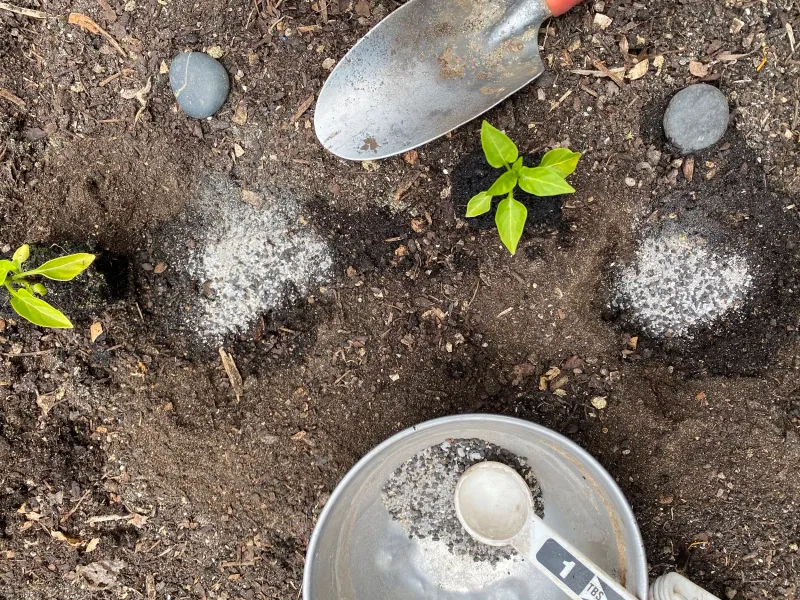
Cheap, common, and sitting in half the bathrooms in America, Epsom salt earns its spot on this list for one reason: magnesium. Tomatoes and cucumbers can develop yellowing leaves with green veins when they run short on it, and this simple mineral fix may help green them back up.
Magnesium plays a starring role in photosynthesis, which is basically how your plants turn sunlight into fruit. A tablespoon dissolved in a gallon of water, poured around the base every few weeks, can support fuller foliage and better fruit set.
It isn’t a complete fertilizer, so don’t rely on it alone, but as a targeted supplement it’s hard to beat the price. Some gardeners swear it reduces blossom drop on tomatoes, giving more of those flowers a chance to become fruit.
5. Bone Meal
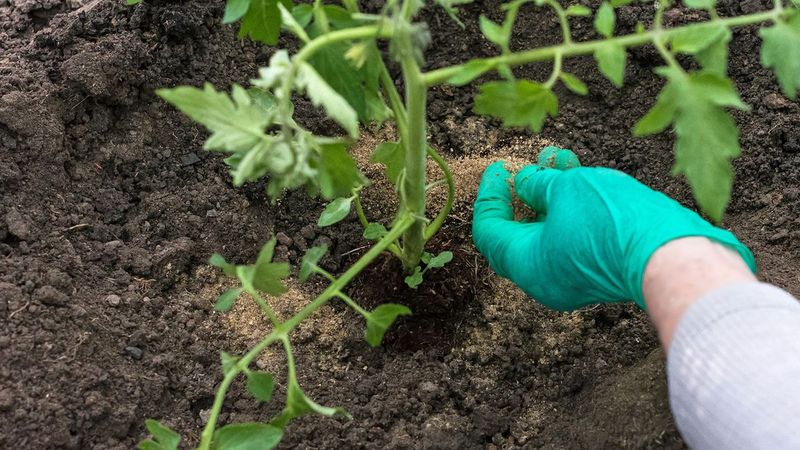
When your tomato plants are flowering but stubbornly refusing to set fruit, phosphorus is often the missing piece, and bone meal delivers it in spades. Ground from animal bones, this slow-release powder feeds roots and blooms over many weeks.
Phosphorus is the nutrient behind strong root systems and generous flowering, so working bone meal into the planting hole gives fruiting vegetables a foundation to build on. Cucumbers benefit too, developing sturdier roots that anchor those sprawling vines.
Because it breaks down gradually, one application early in the season can carry your plants a long way. Keep in mind dogs find the smell irresistible, so scratch it into the soil rather than leaving it on top. It’s an old-school amendment that has earned its keep in vegetable gardens for generations.
6. Blood Meal
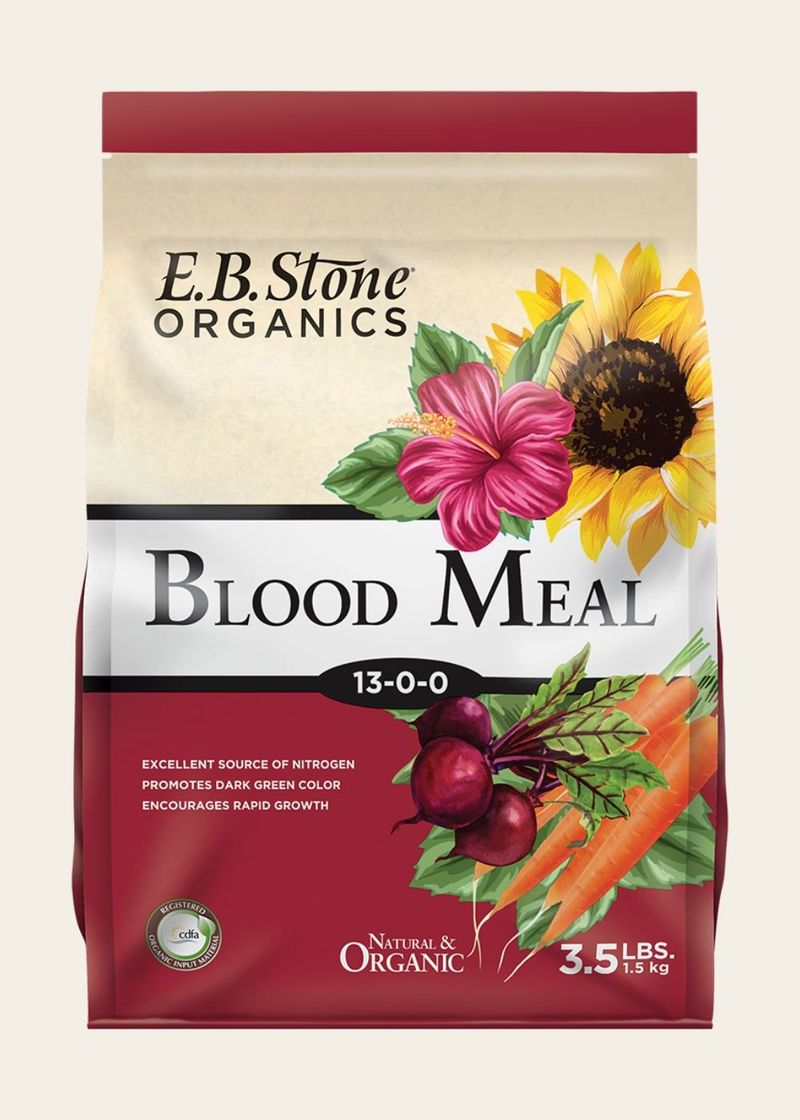
Pale, hungry-looking plants with washed-out leaves are practically begging for nitrogen, and blood meal answers that call loudly. Dried and powdered animal blood might sound gruesome, but it’s one of the most concentrated organic nitrogen sources you can buy.
A little goes a long way here. Sprinkle it lightly and water it in, and within days your tomato and cucumber leaves should deepen to a rich, healthy green as the plant fuels new growth.
Because it’s so potent, restraint is the name of the game, since too much nitrogen pushes leaves at the expense of fruit. Reach for blood meal when foliage looks thin and yellow early in the season, then ease off once the plants perk up. As a bonus, its scent tends to keep deer and rabbits at a polite distance.
7. Banana Peel Fertilizer
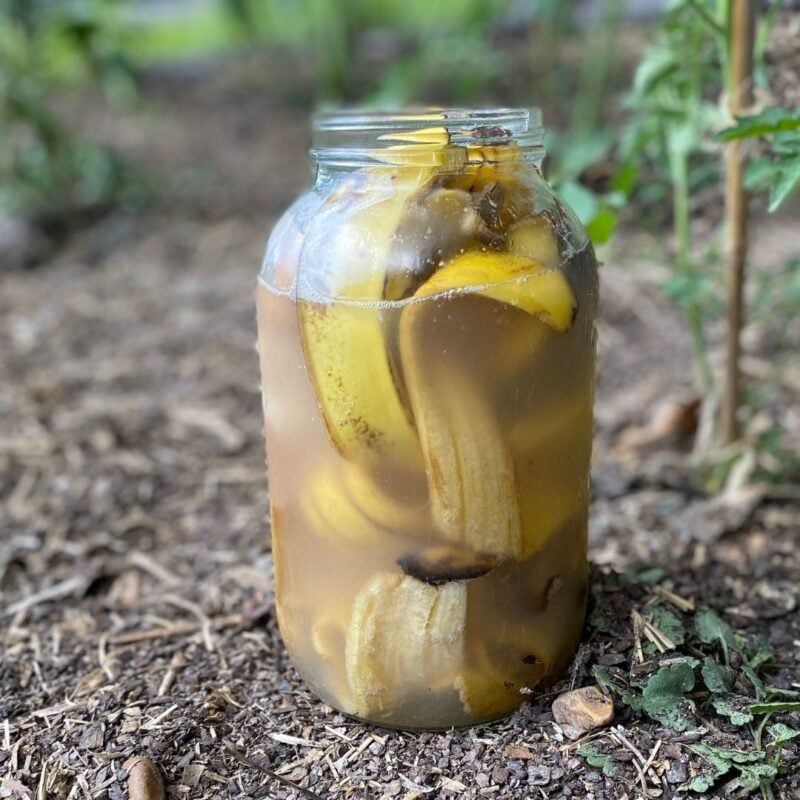
Before you toss that banana peel in the trash, consider that it’s basically a free potassium supplement for your fruiting plants. Potassium helps tomatoes and cucumbers move sugars around and develop plump, flavorful fruit.
You can chop peels and bury them near the roots, or soak them in water for a few days to make a simple potassium-rich tea to pour around the base. Either method recycles kitchen scraps into something your garden genuinely uses.
The results won’t be instant, but as the peels break down they release potassium along with small amounts of calcium and magnesium. Gardeners on a budget love this trick because it costs nothing and keeps organic waste out of the bin. Save a week’s worth of peels and your vines get a steady, gentle mineral drip.
8. Tomato-Specific Granular Fertilizer
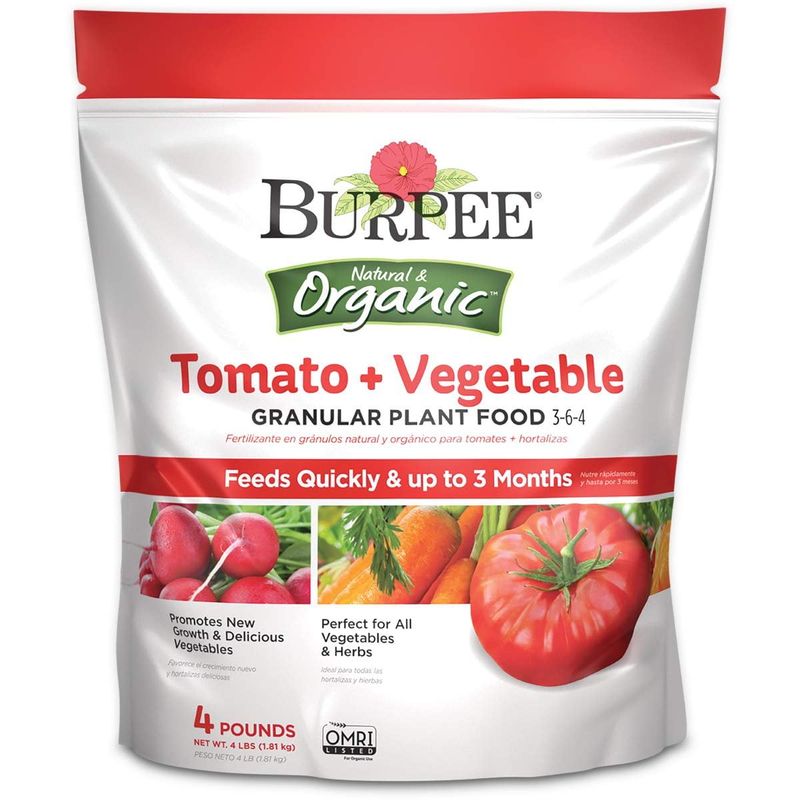
Sometimes the simplest answer is a bag that literally says tomato on the front. These blended granular fertilizers are formulated with the specific ratio of nutrients that fruiting vegetables prefer, usually lower nitrogen and higher phosphorus and potassium.
The beauty of a purpose-built feed is that the guesswork is done for you. Scatter the recommended amount around the drip line, scratch it into the soil, and water it in for a controlled release that feeds over several weeks.
Despite the name, cucumbers respond just as happily to these formulas since they share similar appetites. Many blends also toss in calcium to help ward off blossom end rot, that frustrating brown patch on the bottom of tomatoes. For gardeners who want reliable results without mixing anything, this is the grab-and-go option.
9. Seaweed and Kelp Extract
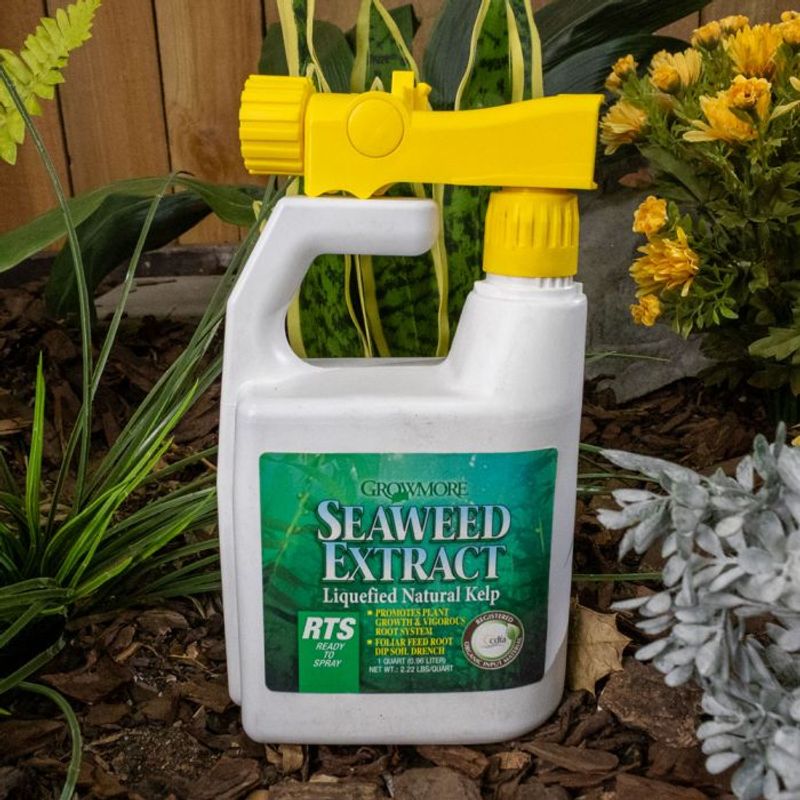
Harvested from the ocean, seaweed extract brings something to the table that most fertilizers skip: a rich mix of trace minerals and natural growth hormones. It’s less about big bursts of nitrogen and more about overall plant vigor and stress resistance.
Sprayed on the leaves or poured around the roots, kelp helps tomatoes and cucumbers shrug off heat, transplant shock, and the general bumps of a growing season. Those natural hormones can encourage stronger root development and better flowering.
Gardeners often pair it with fish emulsion for a one-two punch of quick nutrients plus micronutrients. It’s gentle enough to use often and won’t burn foliage when applied at the right dilution. Consider it less of a heavy meal and more of a daily vitamin that keeps your vines resilient.
10. Crushed Eggshells
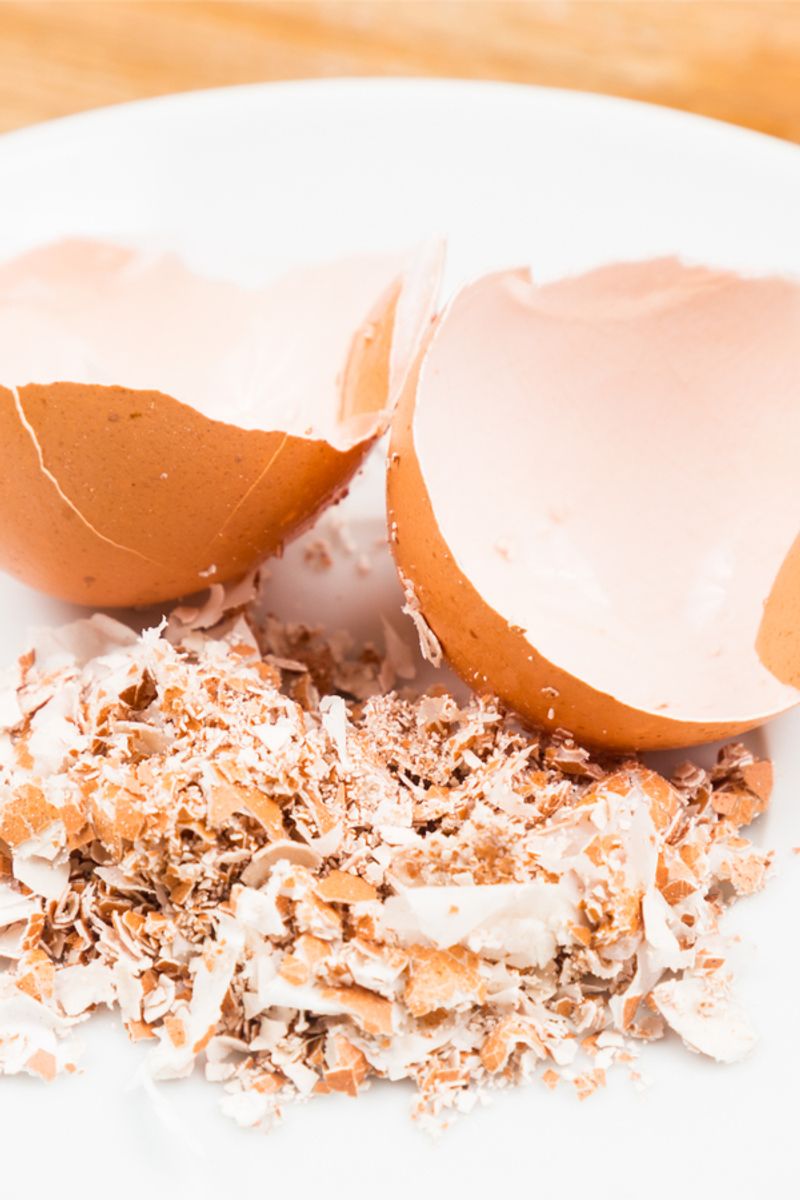
That carton of eggs in your fridge doubles as a calcium factory for your garden. Crushed eggshells slowly release calcium into the soil, the very nutrient that helps prevent blossom end rot in tomatoes and keeps cucumber walls firm.
Rinse and dry your shells, crush them into small pieces or grind them to a powder, then mix them into the planting hole or sprinkle around established plants. The finer you crush them, the faster the calcium becomes available.
Don’t expect overnight miracles, since shells break down slowly, but starting early in the season gives them time to work. Some gardeners also credit the sharp edges with discouraging soft-bodied pests like slugs from crawling too close. It’s a thrifty, satisfying way to turn breakfast leftovers into stronger fruit.
11. Composted Manure
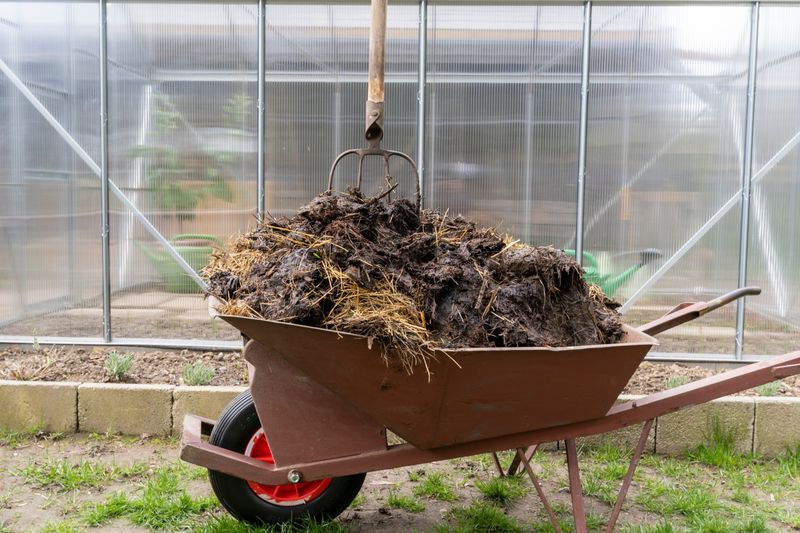
Farmers have leaned on aged manure for centuries, and backyard growers can tap into that same power. Well-composted cow, chicken, or horse manure delivers a balanced load of nutrients plus a big boost of organic matter that improves soil structure.
The key word is composted. Fresh manure is too hot and can burn roots or carry pathogens, so always use the aged, crumbly kind that smells earthy rather than sharp.
Chicken manure runs especially high in nitrogen and phosphorus, making it a strong pick for hungry tomatoes, while cow manure offers a milder, all-around feed. Worked into beds a few weeks before planting, it builds the kind of rich, dark soil that vines dig their roots into eagerly. Bagged versions from the garden center make it easy and mess-free.
12. Wood Ash
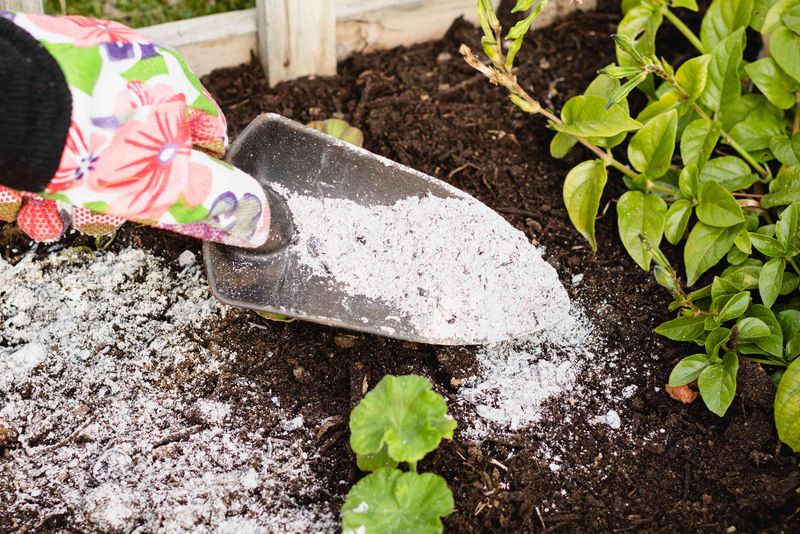
If you’ve got a fireplace or fire pit, you’ve been throwing away a decent source of potassium and calcium all winter. Cooled wood ash from untreated, natural wood can be sprinkled lightly around tomatoes and cucumbers to supply those minerals.
Potassium supports fruit development while the calcium content can help nudge soil pH upward, which matters if your ground runs acidic. A light dusting scratched into the soil is all you need, since ash is potent stuff.
Use it sparingly and test your soil first, because too much can push pH too high and lock out other nutrients. Never use ash from charcoal briquettes or painted wood, which carry chemicals you don’t want near food. Applied with a careful hand, it’s a resourceful way to close the loop between your fireplace and your garden.
13. Coffee Grounds
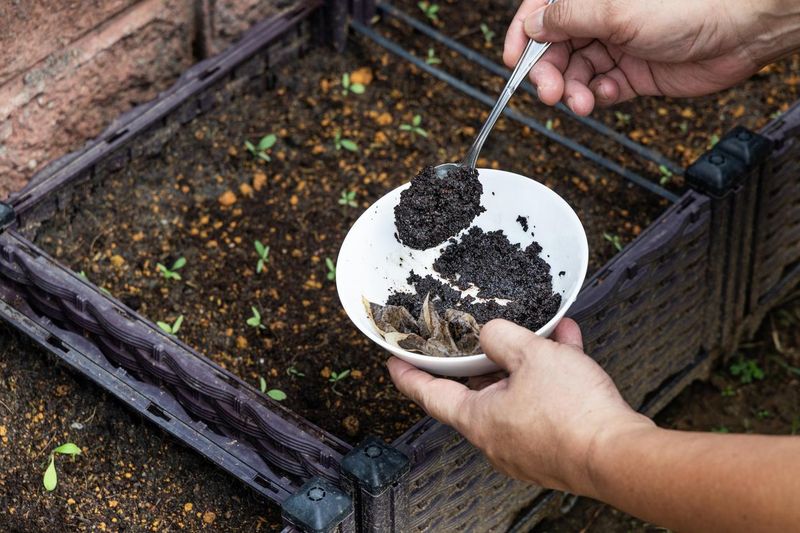
Your morning brew leaves behind something the garden appreciates just as much as you appreciated the caffeine. Used coffee grounds add a modest amount of nitrogen and organic matter, and they blend easily into compost or straight into the soil.
Sprinkled thinly around tomato and cucumber plants and worked in, grounds feed soil life and improve texture over time. Earthworms in particular seem drawn to beds amended with coffee, and more worms means better soil.
Moderation matters, since a thick wet layer can mat and repel water, so scatter them lightly rather than dumping the whole filter. Many local coffee shops give away spent grounds by the bucket if you ask, making this an almost limitless free resource. It’s a small, everyday habit that quietly enriches your garden season after season.
14. Alfalfa Meal
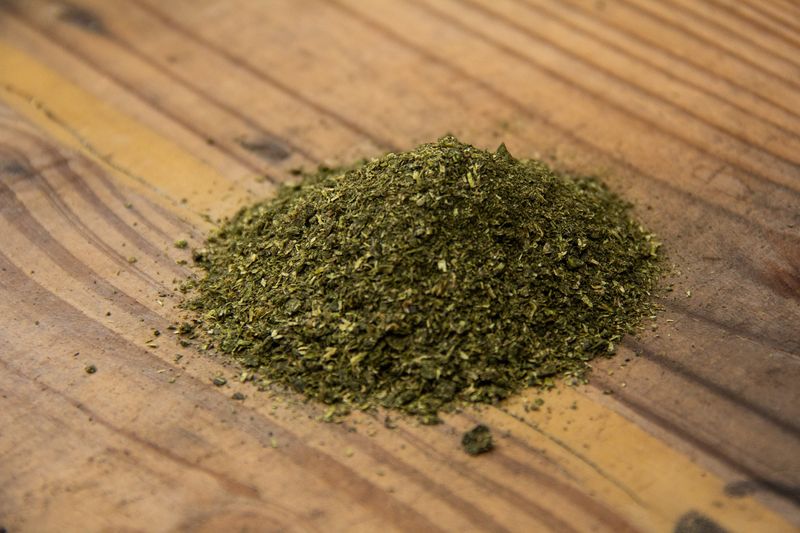
Popular among rose growers, alfalfa meal deserves a spot in the vegetable patch too. Made from ground alfalfa plants, it contains a natural growth stimulant called triacontanol that can encourage vigorous, bushy growth in tomatoes and cucumbers.
Beyond that special ingredient, it supplies a gentle dose of nitrogen and a spread of trace minerals as it breaks down. Because it feeds slowly, it works well mixed into beds at planting time or brewed into a tea for a mid-season lift.
Plants fed with alfalfa often respond with a noticeable flush of new leaves and stems within a couple of weeks. It also feeds soil microbes, keeping the underground ecosystem lively and productive. For gardeners looking for something a little different from the usual suspects, alfalfa meal is a quietly powerful choice.
15. Molasses and Water Feed
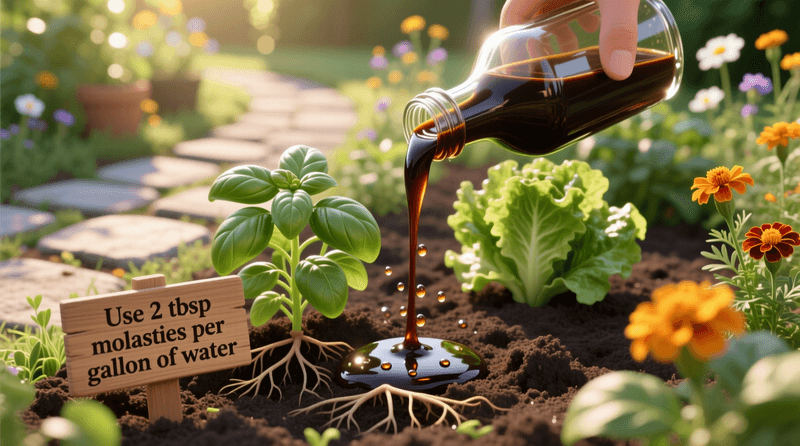
Sweet, sticky, and surprisingly useful, unsulfured molasses feeds not your plants directly but the microscopic life in your soil. Diluting a tablespoon in a gallon of water creates a sugary drink that beneficial bacteria and fungi feast on, and a thriving microbe population unlocks nutrients for your vines.
Molasses also carries a bit of potassium and iron, adding small but welcome mineral value. Pour it around the roots of tomatoes and cucumbers, or add it to compost teas to supercharge the brew.
Gardeners often notice sweeter-tasting tomatoes when they use molasses regularly, likely a happy side effect of healthier, better-fed soil biology. It pairs beautifully with other organic feeds rather than replacing them. Think of it as throwing a dinner party for the invisible helpers doing the hard work below ground.
16. Calcium Nitrate
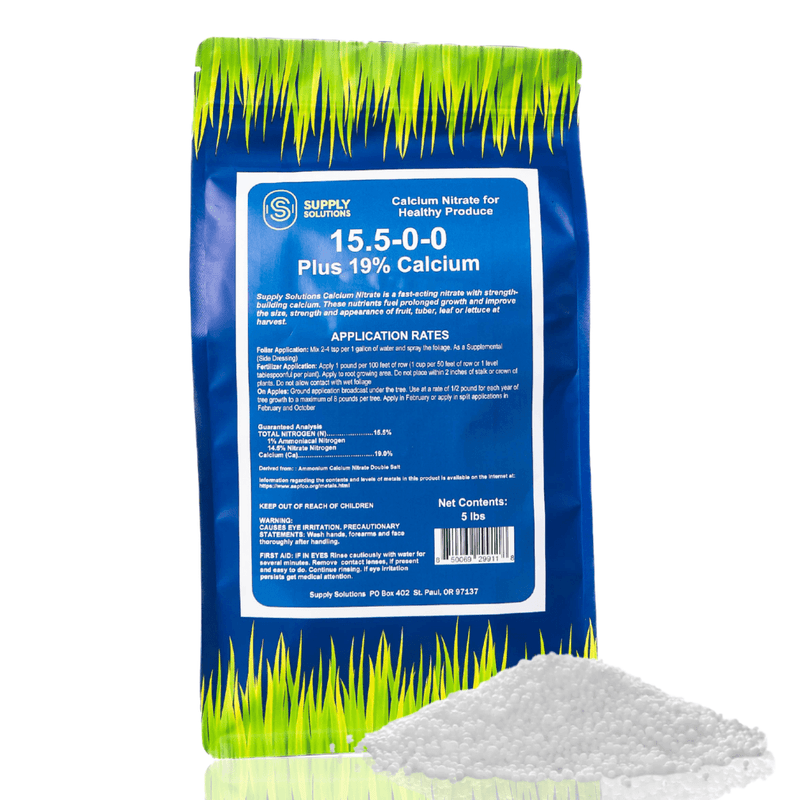
For gardeners battling stubborn blossom end rot, calcium nitrate is the targeted solution that gets right to the point. This water-soluble fertilizer delivers both calcium and a readily available form of nitrogen, feeding fruit development and preventing that dreaded brown patch on tomato bottoms.
Because it dissolves completely, plants take it up almost immediately, making it useful when a problem shows up mid-season and you need a fast correction. Cucumbers benefit from the steady calcium supply too, growing firmer, better-shaped fruit.
Follow label rates closely, since this is a concentrated synthetic feed and more is definitely not better. Applied through the watering can every couple of weeks during fruiting, it keeps calcium flowing exactly when heavy fruit set demands it most. When homemade fixes fall short, this dependable staple often turns a struggling crop around.