
Pair Your Petunias With These 10 Flowering Plants For A Display That Stops People In Their Tracks
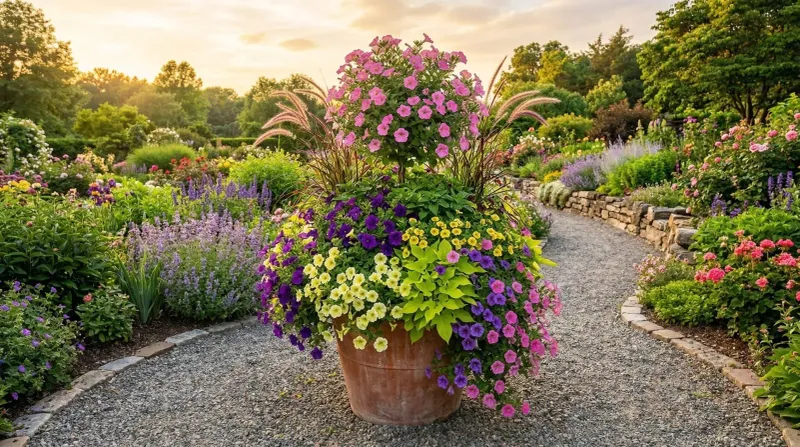
Petunias are the workhorse of American flower beds, blooming their hearts out from spring until the first frost. On their own they look nice, but paired with the right partners they turn an ordinary bed or container into something neighbors actually slow down to admire. The trick is matching plants that share petunias’ love of sun while adding height, texture, or a burst of contrasting color. Here are ten flowering companions that make petunias shine and pull your whole garden together.
1. Calibrachoa (Million Bells)
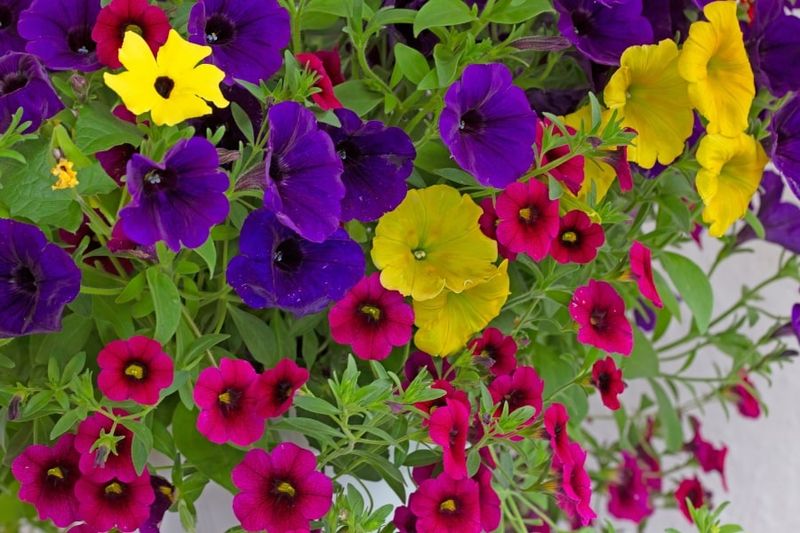
Think of calibrachoa as the petunia’s tiny lookalike cousin who never quits. The blooms are smaller, but there are hundreds of them at once, spilling over container edges in waves of orange, magenta, and buttery yellow.
Because both plants thrive in full sun and the same well-drained soil, they are practically built to grow side by side. Petunias give you the big, trumpet-shaped flowers up front while calibrachoa fills every gap with confetti-sized color, so you never see a bare patch of dirt.
For hanging baskets and window boxes, this pairing is hard to beat. The two share feeding needs too, so a weekly dose of balanced fertilizer keeps both flowering strong through the heat of a US summer. Try a deep purple petunia with a coral calibrachoa and watch how the eye bounces between the two.
2. Sweet Alyssum
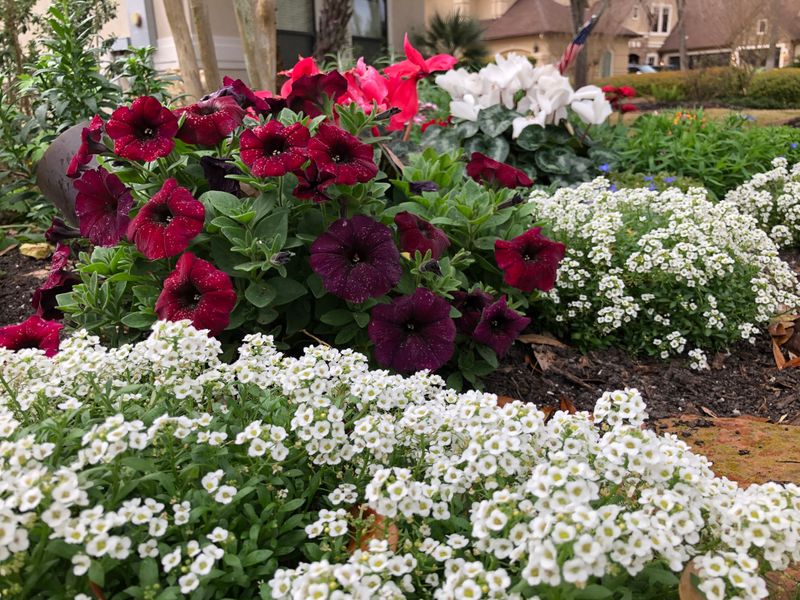
A low cloud of tiny white blooms sounds modest until you catch the honey-sweet scent drifting across the yard on a warm evening. Sweet alyssum hugs the ground and softens the front edge of any bed, giving bold petunias a gentle place to land.
The frothy texture is the real selling point here. Where petunias bring broad, colorful faces, alyssum answers with a lacy carpet that makes the whole planting look fuller and more finished.
Pollinators love it, so expect bees and tiny beneficial wasps that may help keep aphids off your petunias. It reseeds happily in most US zones, meaning you often get a repeat show the following spring without lifting a finger. White alyssum tucked beneath hot-pink petunias creates a crisp, wedding-cake effect that reads clean and expensive.
3. Verbena
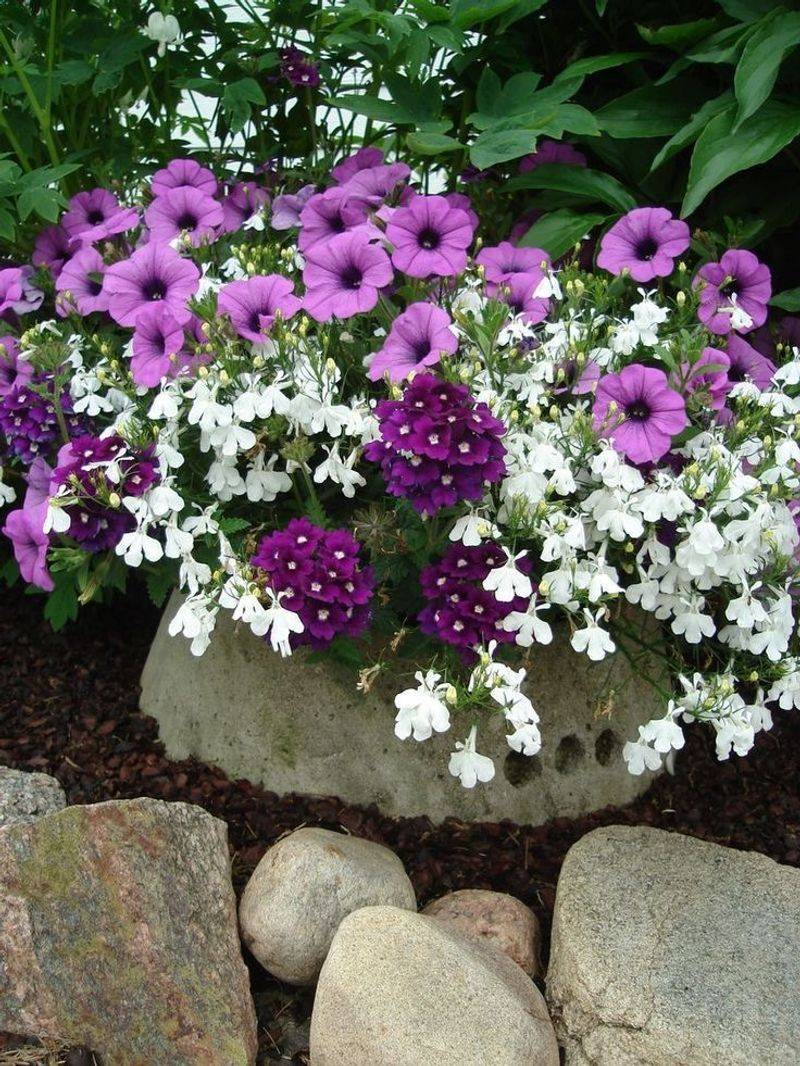
Ever noticed how some flowers look great from across the street? Verbena is one of them, sending up flat clusters of jewel-toned florets that catch attention from a distance.
Its trailing, spreading habit weaves right through petunias, knitting a container or bed into one seamless mass of color. Because verbena stems ramble sideways rather than mounding up, it fills the middle layer that petunias sometimes leave thin.
Both plants shrug off heat and want plenty of sun, so they rarely compete for different conditions. A purple verbena laced through white petunias, or a red verbena beside soft lavender petunias, gives you that layered, magazine-cover look. Deadhead the spent verbena clusters now and then and you will keep the color rolling well into fall across most of the country.
4. Marigolds
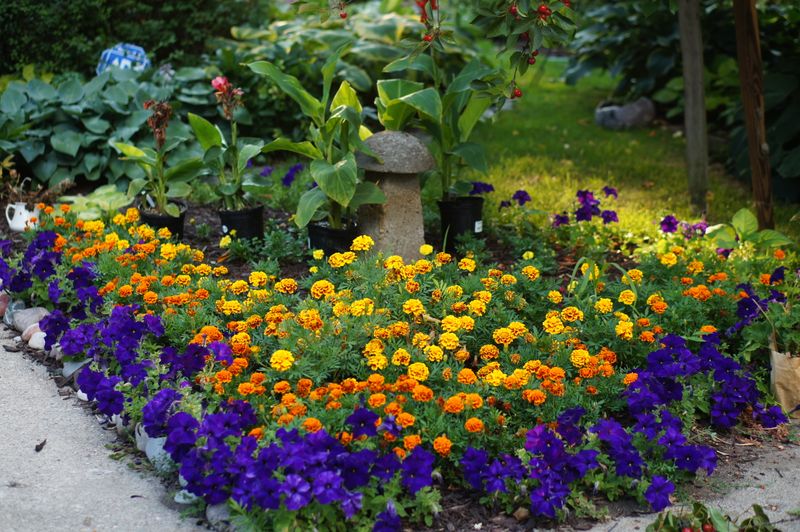
Bold, cheerful, and tough as nails, marigolds bring a punch of gold and rusty orange that makes cooler petunia shades pop. Their tidy, mounded shape also gives your planting a bit of backbone next to the looser sprawl of petunias.
Gardeners have paired marigolds with vegetables for generations because their strong scent may help deter certain pests. Slipped in among petunias, they add that same working-plant value alongside the color.
Heat barely fazes them, which makes marigolds a reliable partner during a blazing July in the South or Midwest. Pair short French marigolds with blue or violet petunias for a high-contrast combo, or line them along a walkway border where the sunny tones greet visitors first. Deadheading keeps both plants producing fresh flushes right up to frost.
5. Salvia
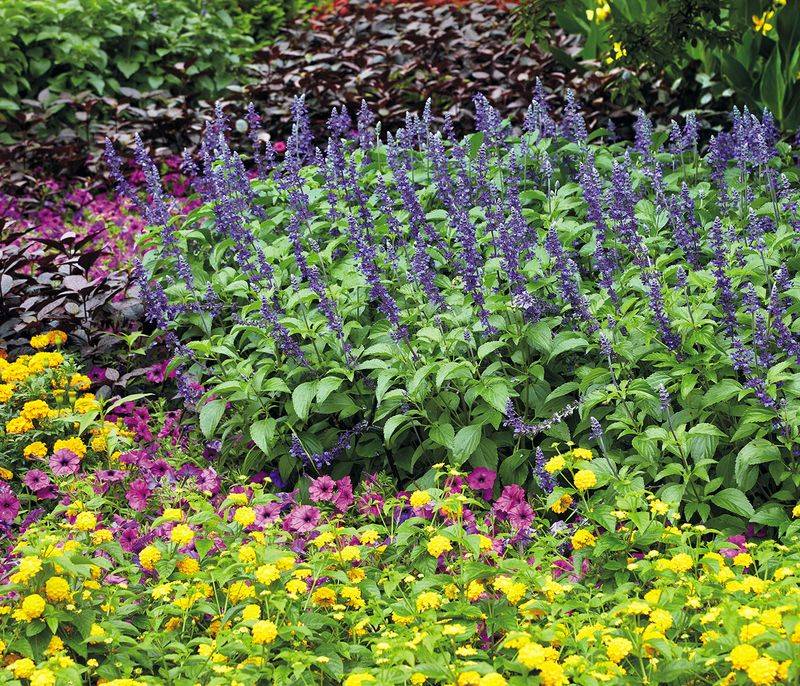
Vertical spikes change everything in a flat bed, and salvia delivers them in electric blues, purples, and reds. The tall, pointed flower stems rise above the rounded petunia mounds and give the eye somewhere to travel.
Height contrast is the whole point of this pairing. Petunias handle the horizontal spread while salvia builds the skyline, so a container or border suddenly feels layered instead of flat.
Hummingbirds and bees make regular stops at salvia’s tubular blooms, adding movement and life to the display. Both plants love sun and drink up similar watering routines, so care stays simple. A stand of deep blue salvia behind pale pink petunias looks especially striking, and the flower spikes hold their color for weeks with only occasional trimming.
6. Geraniums
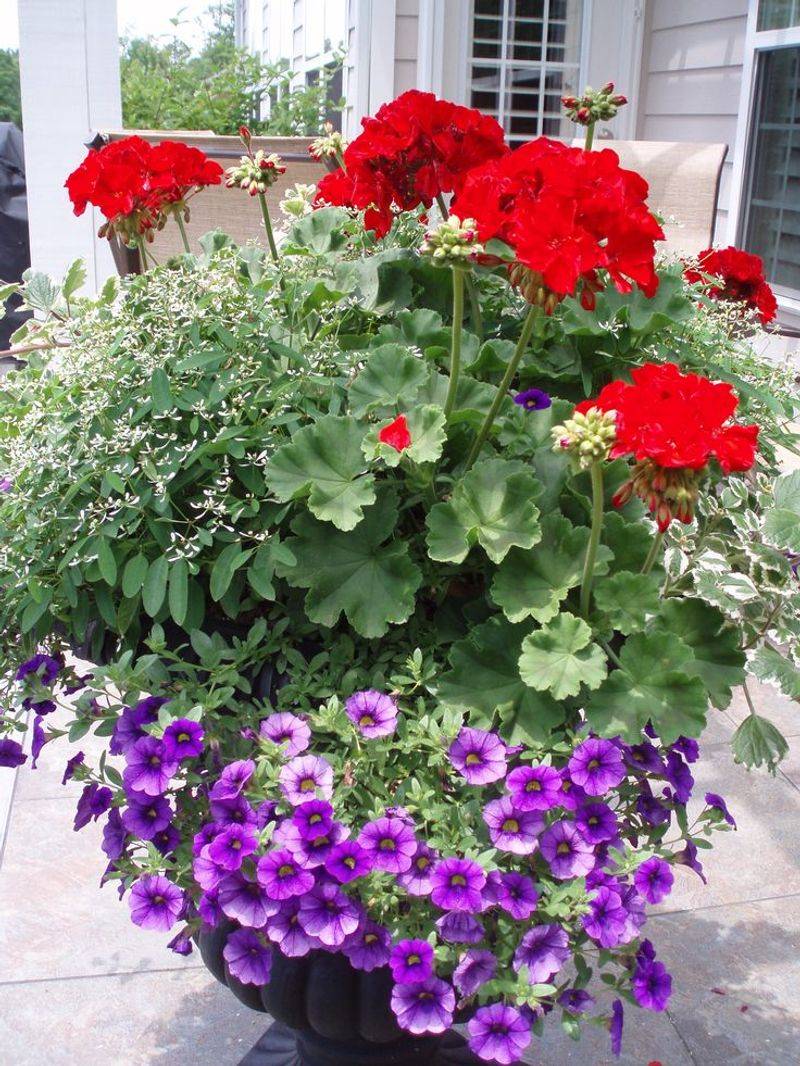
Few plants say classic American porch quite like a geranium, with its bold ball-shaped flower heads and thick, scalloped leaves. Set beside petunias, those solid blooms act as anchor points that keep a busy planting from looking scattered.
The chunky flower clusters give visual weight that petunias, for all their charm, cannot provide alone. Together they build a full, layered look in half barrels, urns, and big porch pots.
Geraniums handle heat and even a little neglect, so they suit gardeners who travel or forget the watering can now and then. Red geraniums with white petunias hit that timeless patriotic note popular for summer holidays, while salmon geraniums warm up a bed of purple petunias. Pinch off faded heads and both keep pushing new color through the season.
7. Lobelia
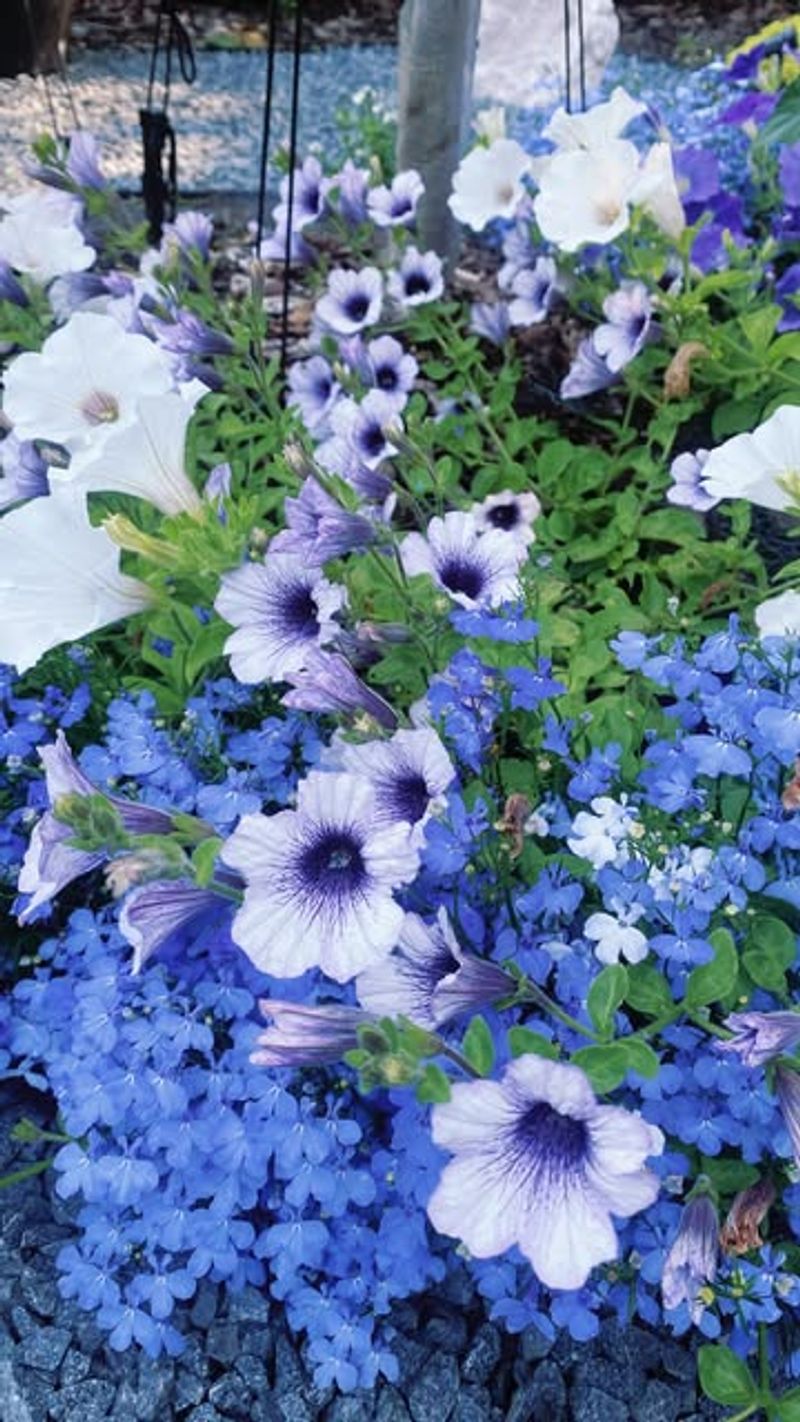
That impossible-to-fake true blue is what makes lobelia a treasure among gardeners. Its dainty, star-shaped flowers come in shades of sapphire and periwinkle that few other bedding plants can match.
Where petunias bring warmth and heft, lobelia scatters cool little pops of blue that make pinks and reds look even richer. The delicate trailing stems drip beautifully over the rim of a basket or wall planter.
Lobelia does prefer things a touch cooler and appreciates afternoon shade in the hottest US zones, so tuck it where it gets relief during peak afternoon sun. Combine sapphire lobelia with coral petunias for a combination that feels fresh and slightly beachy. In milder northern summers it will flower nonstop, and a light shearing revives it if it starts to fade.
8. Bacopa
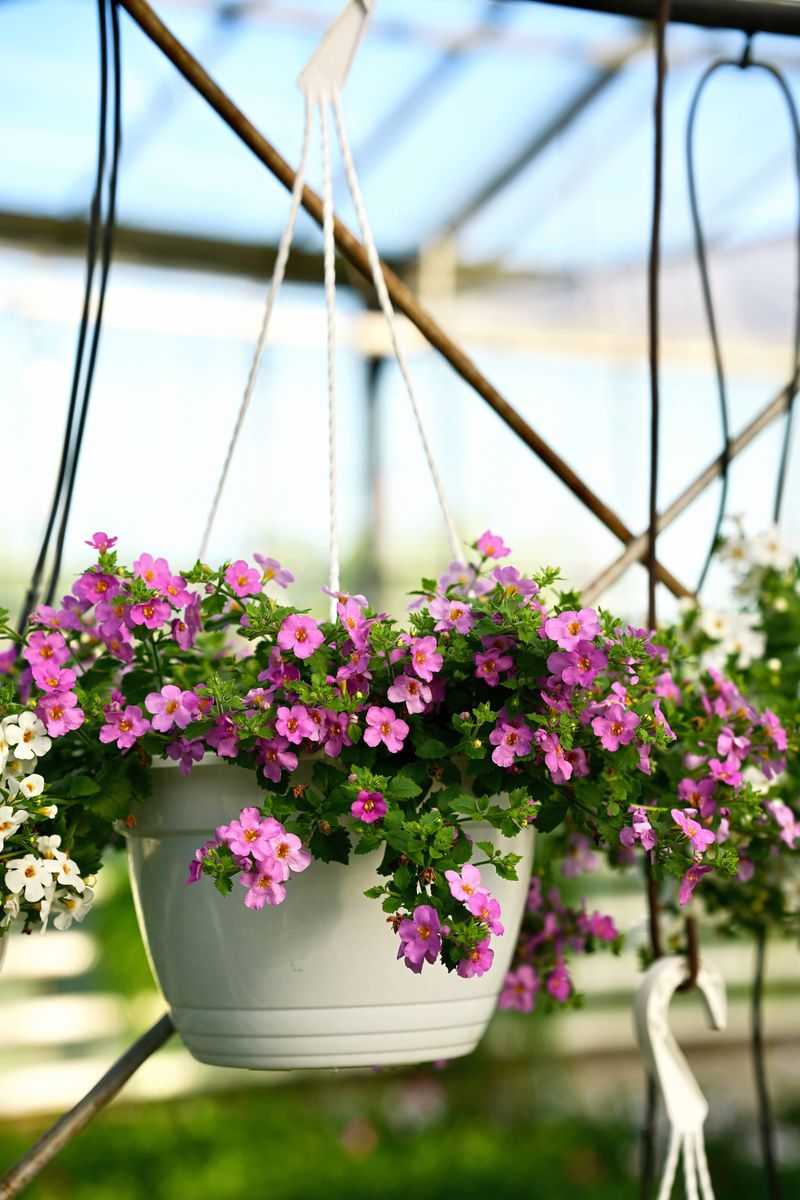
Delicate and dreamy, bacopa trails in long strands studded with tiny white or lavender stars that look almost like falling snow. It is the quiet supporting actor that lets petunias take the spotlight while still adding something special.
The graceful cascade fills the awkward lower zone of a hanging basket where petunias sometimes go bare. Its fine texture also softens the bolder petunia blooms, creating a gentle waterfall effect down the sides of a container.
Bacopa likes steady moisture, so it pairs best with petunias in pots you can water regularly rather than dry borders. A white bacopa waterfall beneath deep magenta petunias reads elegant and airy, perfect for a front-door display. Keep it from drying out completely and it rewards you with flowers all season long.
9. Angelonia (Summer Snapdragon)
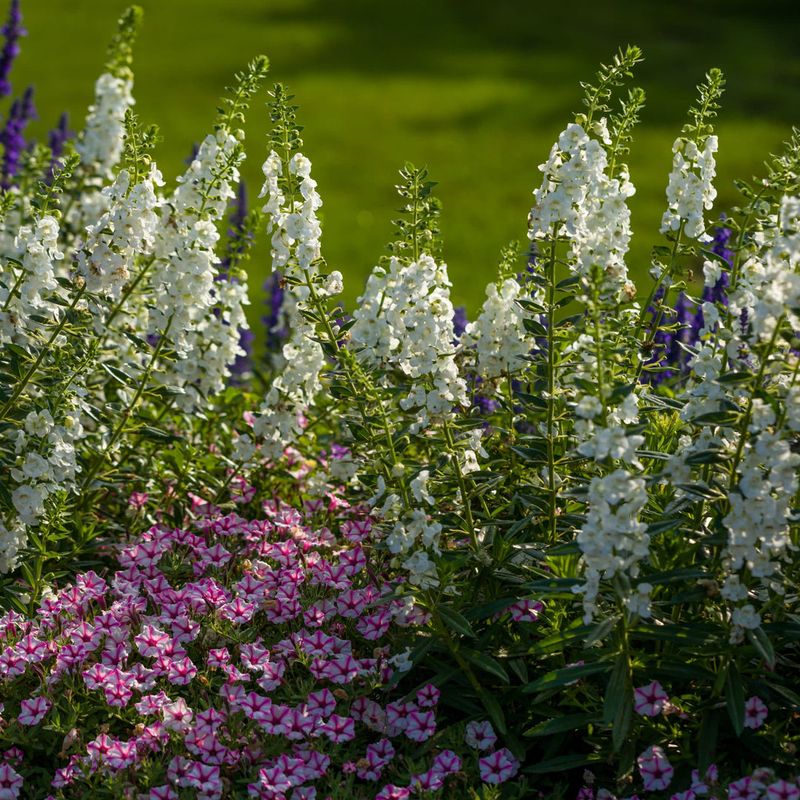
Nicknamed the summer snapdragon, angelonia laughs at the kind of heat and humidity that flattens other flowers by August. Its slender spires of purple, white, and pink stand tall and steady even when the thermometer climbs.
Vertical structure is what it lends to a petunia planting. The upright spikes rise above the spreading petunias, giving mid-height lift without the fussiness of true snapdragons.
Southern and Midwestern gardeners especially love angelonia because it keeps blooming through the sticky dog days when little else looks fresh. Try white angelonia among purple petunias for a cool, breezy feel, or mix pink spires into a warm-toned bed for extra dimension. It needs almost no deadheading, which makes it a low-effort way to add serious visual interest.
10. Dusty Miller
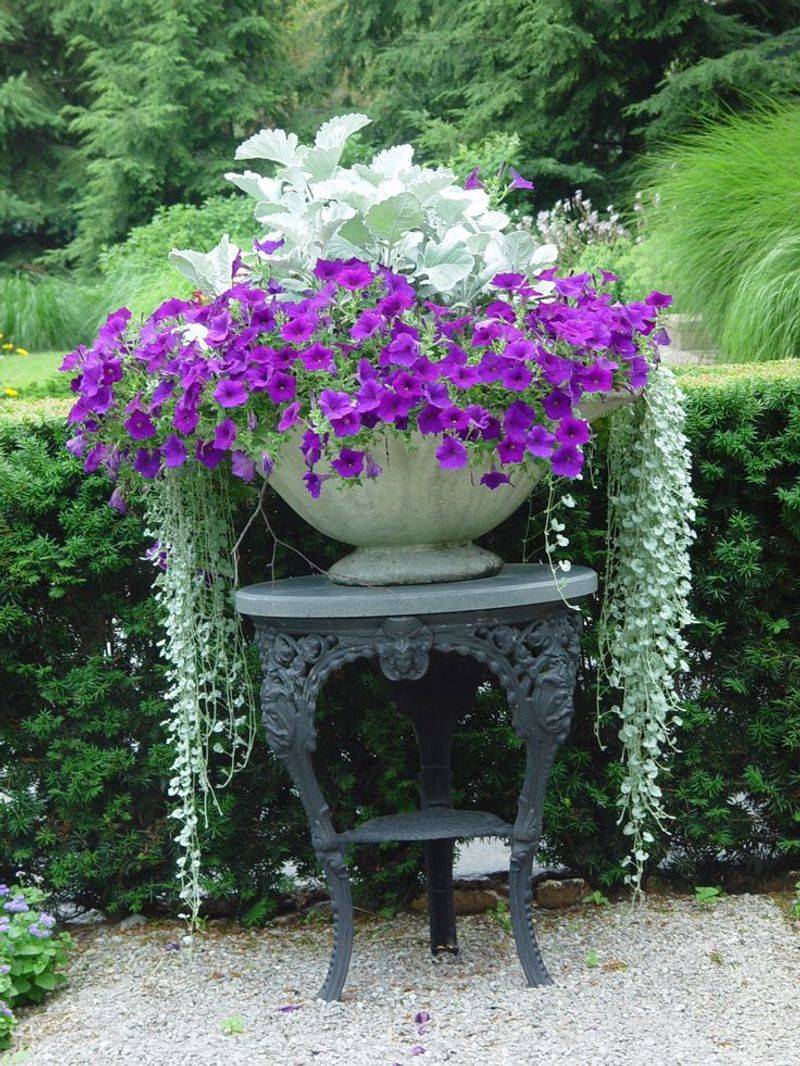
Not every companion has to bloom to steal the show. Dusty miller earns its place with silvery, felted foliage that makes every color around it look brighter and more polished.
Color theory is quietly at work here. That cool silver acts like a frame, so hot-pink or purple petunias suddenly glow against the neutral backdrop, and the whole bed looks intentional rather than thrown together.
Dusty miller is famously drought-tolerant and unbothered by heat, so it holds its good looks long after some flowers fade. Weave it between petunias in a container or use it as an edging ribbon along a border. Because the silver reads well at dusk, it also brightens evening displays near patios and entryways, giving your petunias a glow that lasts past sundown.