
16 Genius Tricks For Growing Perfect Cucumbers In Pots (Plus 4 Mistakes That Ruin Them)
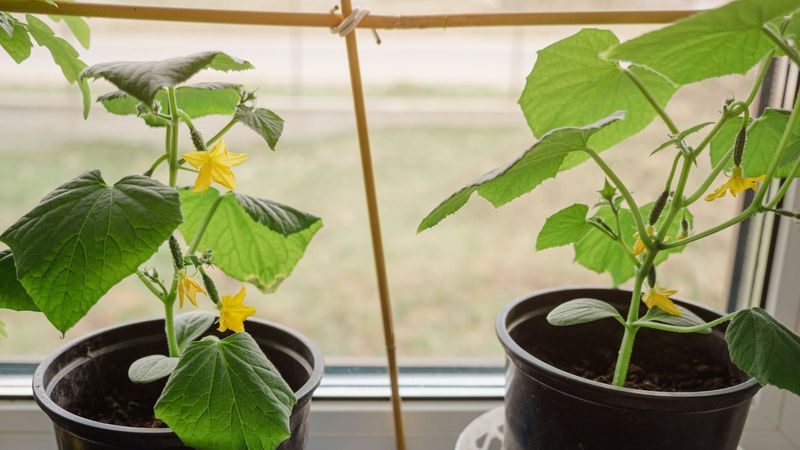
Fresh cucumbers taste amazing, and you do not need a huge garden to grow them. A simple pot on your porch, balcony, or patio can produce buckets of crisp cucumbers all summer long. The trick is knowing a few smart moves that make container cucumbers thrive, plus dodging the small mistakes that quietly wreck your plants. Grab a pot and let’s get your cucumber patch started the right way.
1. Pick a Bush or Compact Variety
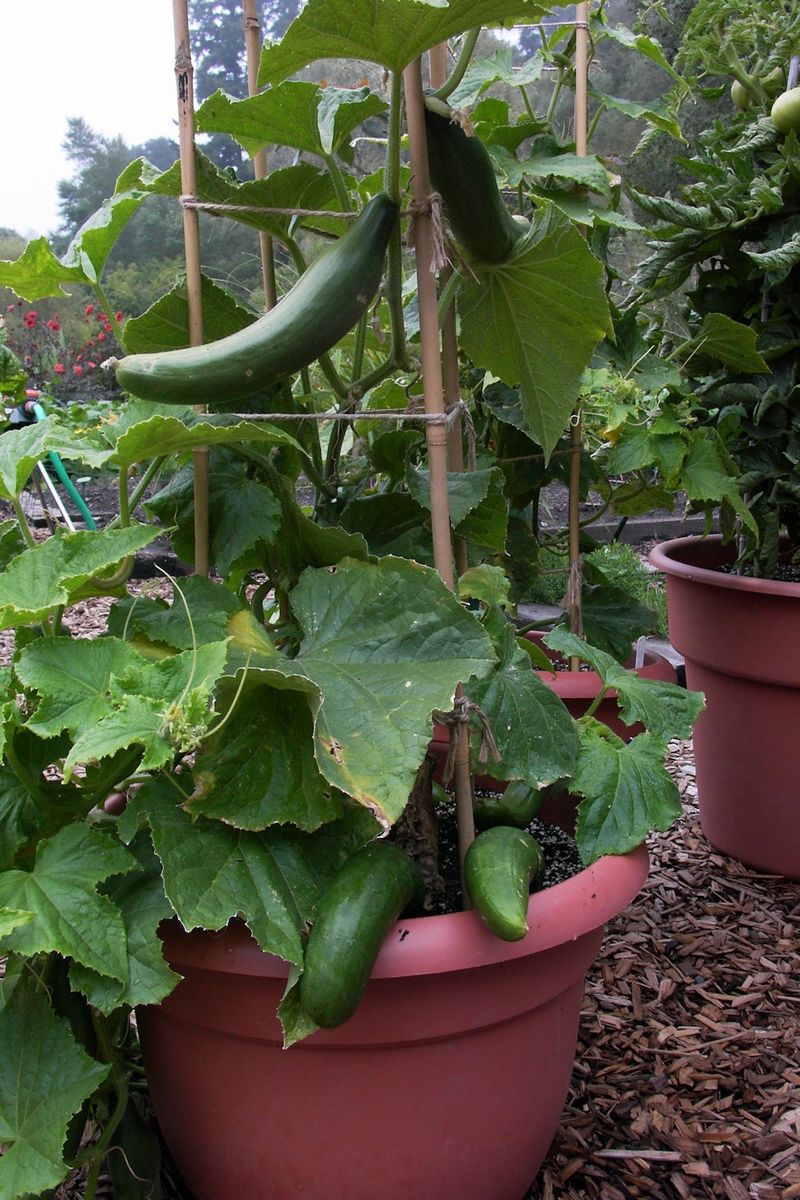
Not every cucumber wants to live in a pot, and choosing the wrong seed packet is the fastest way to end up frustrated. Bush and compact types like Spacemaster, Bush Champion, and Patio Snacker were bred to stay small while still cranking out fruit.
Sprawling vining varieties can work in containers too, but they demand more support and root space than beginners expect. If your growing spot is tight, the compact varieties keep everything manageable without sacrificing your harvest.
Read the seed packet for words like patio, bush, or space-saver. Those clues tell you the plant will behave itself and reward a small footprint with big flavor.
2. Go Big on Pot Size
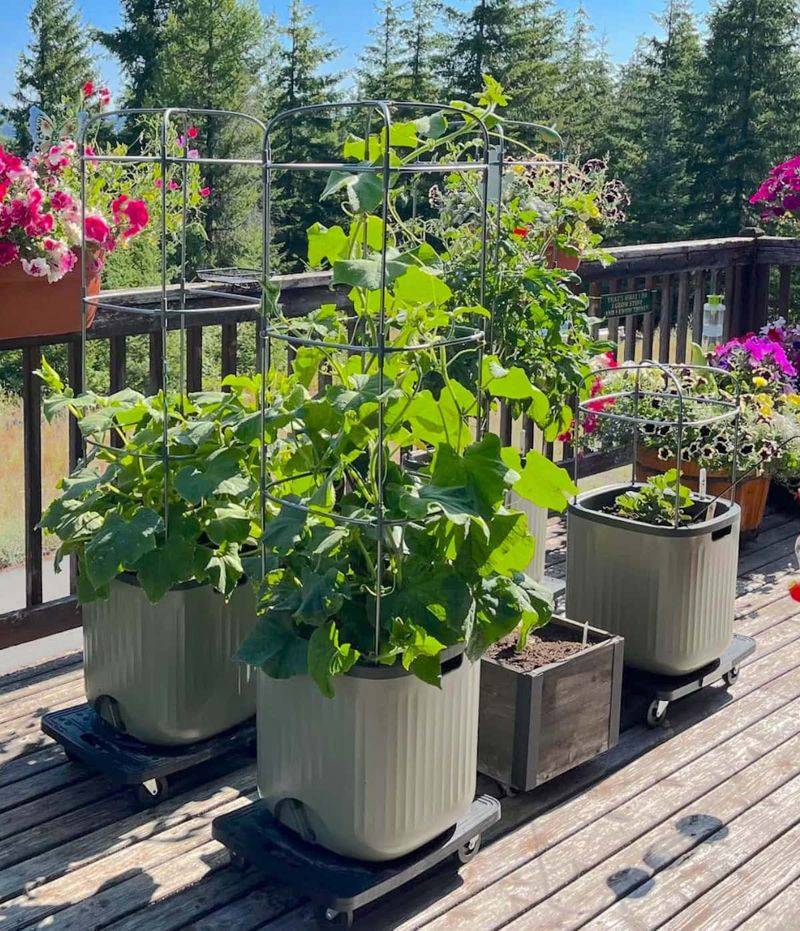
A tiny pot might look cute, but cucumber roots are hungry and thirsty, and cramped roots mean stunted plants. Aim for a container that holds at least 5 gallons of soil, with 7 to 10 gallons being even better for a single plant.
Bigger pots hold more moisture, which means you water less often and your cucumbers stay evenly hydrated during hot US summers. That steadiness is what produces straight, sweet fruit instead of bitter, misshapen duds.
Half-barrels, fabric grow bags, and deep buckets all work great. Just make sure whatever you pick gives roots room to stretch downward and sideways.
3. Drill Enough Drainage Holes
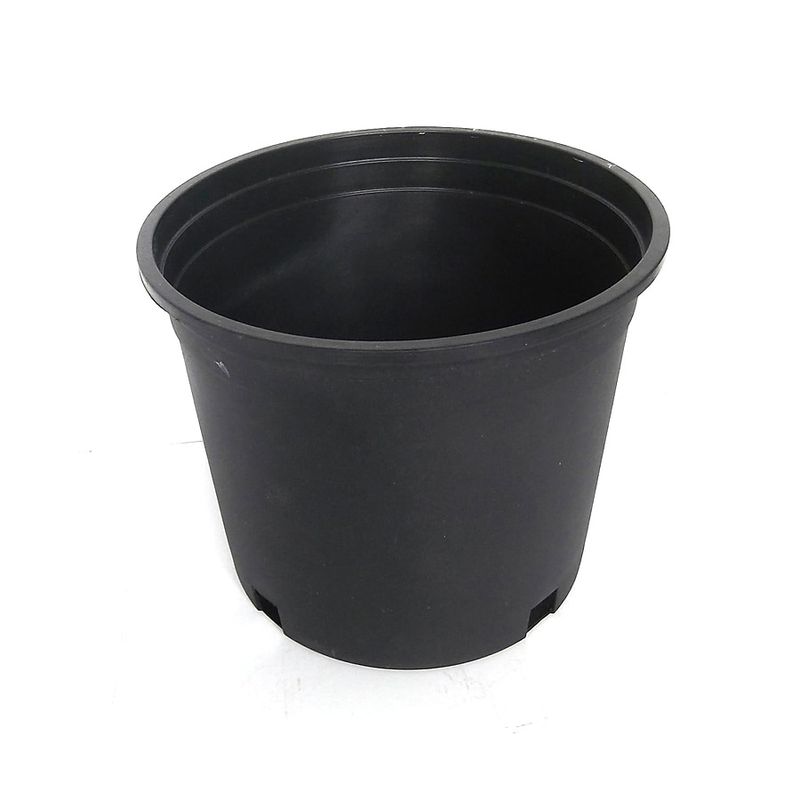
Soggy roots are a silent killer, and a pot without proper drainage traps water where cucumber roots suffocate. Every container needs several holes in the bottom so extra water can escape after you water or after a rainstorm.
If you bought a decorative pot with just one small hole, grab a drill and add three or four more. For fabric bags this is already handled since the material breathes and drains on its own.
Lift the pot occasionally and check that water runs out the bottom within a minute or two. Standing water inside means it is time for more holes.
4. Use Light, Fluffy Potting Mix
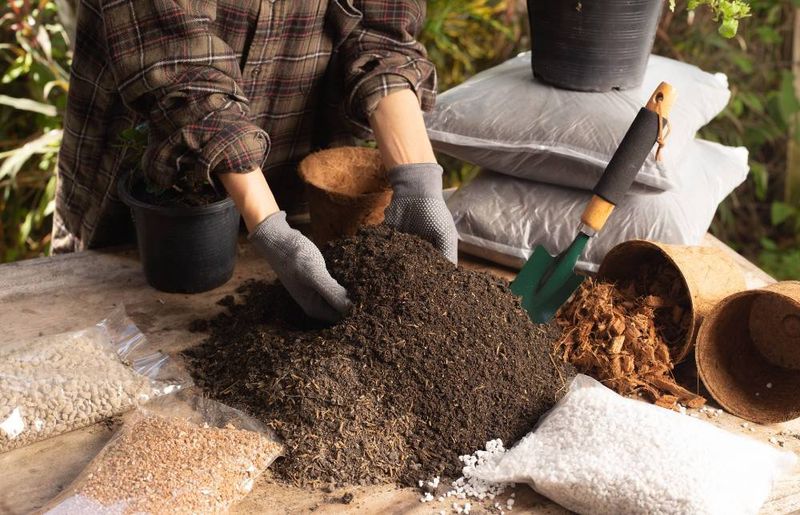
Scooping dirt from your backyard into a pot feels thrifty, but garden soil compacts into a hard brick that roots hate. A quality potting mix stays loose and airy, letting roots breathe and drain while still holding moisture.
Look for a mix that blends peat or coco coir with perlite and compost. That combination gives cucumbers the fluffy, nutrient-rich home they crave in a container.
You can boost any bagged mix by stirring in a handful of compost or worm castings. Your plants will reward the extra effort with faster growth and healthier leaves.
5. Add a Trellis From Day One

Trying to add support after a cucumber vine sprawls everywhere is a tangled nightmare that damages stems. Set up a trellis, tomato cage, or netting in the pot before or right when you plant.
Growing cucumbers upward saves precious space, keeps fruit off the wet soil, and lets air move freely around the leaves. Better airflow means fewer disease problems and cleaner, straighter cucumbers.
Anchor the trellis firmly so it will not topple once the plant is heavy with fruit. As the vine climbs, gently guide the tendrils toward the support and let them grab on naturally.
6. Give Them Full Sun
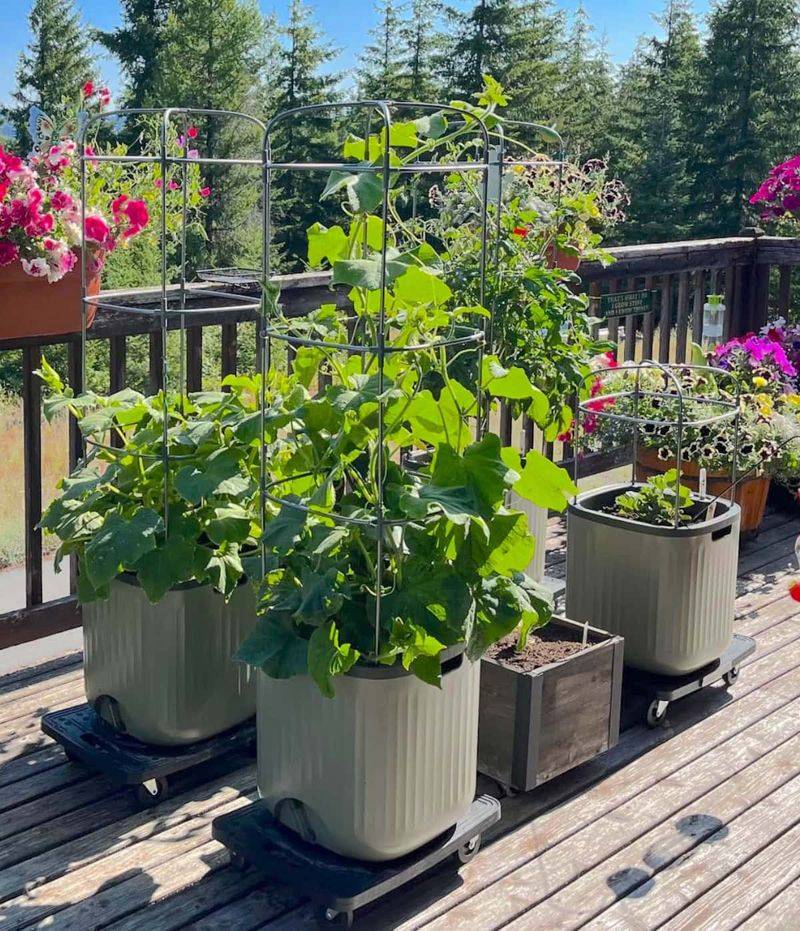
Cucumbers are true sun lovers, and a shady corner will leave you with skinny vines and barely any fruit. Aim to place your pot where it soaks up at least six to eight hours of direct sunlight each day.
One handy perk of container growing is that you can move the pot to chase the sun as the season shifts. If a spot turns shady by August, roll the container somewhere brighter.
In the hottest southern zones, a little afternoon shade during a brutal heat wave can actually protect the plant. Morning and midday sun is what fuels those flowers into becoming cucumbers.
7. Water Deeply and Consistently
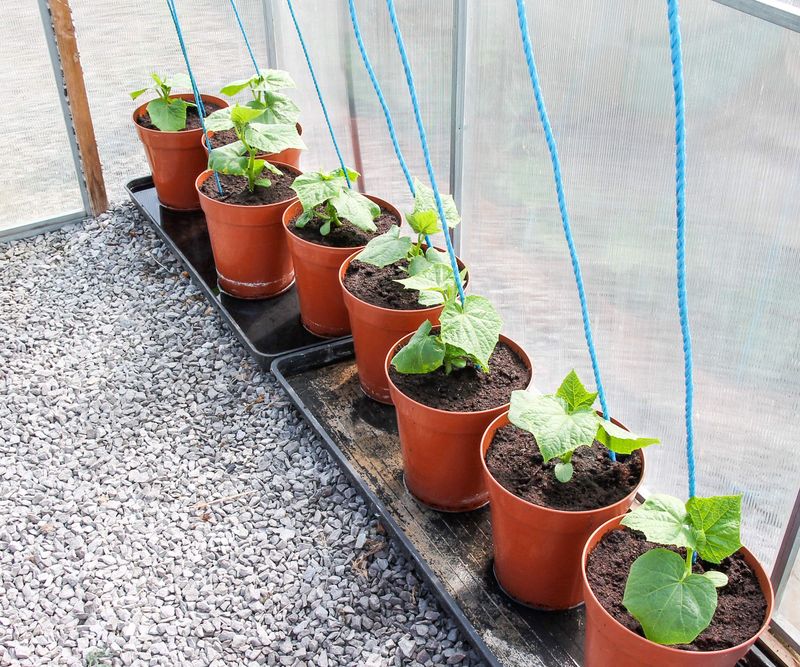
Container cucumbers dry out much faster than in-ground plants because pots heat up and hold less soil. The goal is steady moisture, so the soil stays damp like a wrung-out sponge, never bone dry and never swampy.
During peak summer you may need to water once or even twice a day, especially for smaller pots in full sun. Stick a finger an inch into the soil, and if it feels dry, it is time to water.
Inconsistent watering is what causes bitter, curled, or hollow cucumbers. Pour slowly until water runs from the drainage holes so the entire root zone gets a drink.
8. Mulch the Top of the Soil
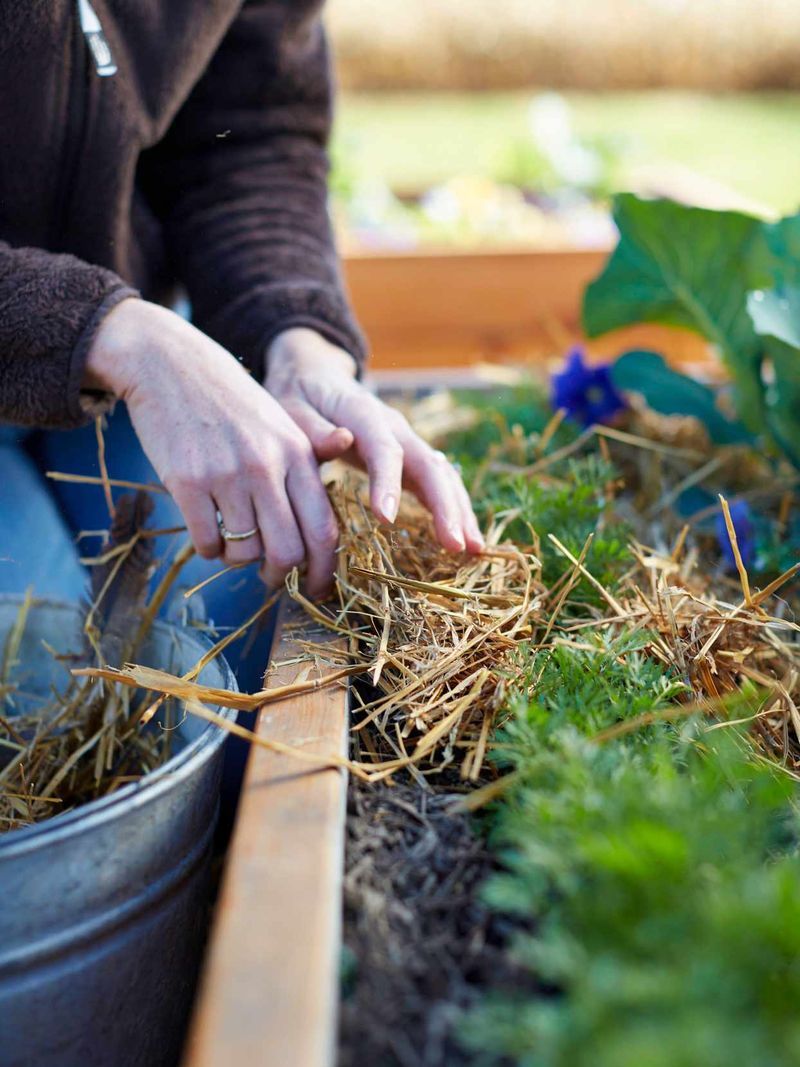
Bare soil in a pot bakes in the sun and loses water fast, which stresses your cucumbers on hot days. A thin layer of mulch on top acts like a blanket, locking in moisture and keeping roots cooler.
Straw, shredded leaves, grass clippings, or even a bit of wood chip all work well in containers. Spread about an inch, keeping it slightly away from the main stem to avoid rot.
Mulch also slows down weeds and keeps soil from splashing onto leaves when you water. That splash-guard effect may help reduce some soil-borne diseases that spread through wet foliage.
9. Feed Them Regularly
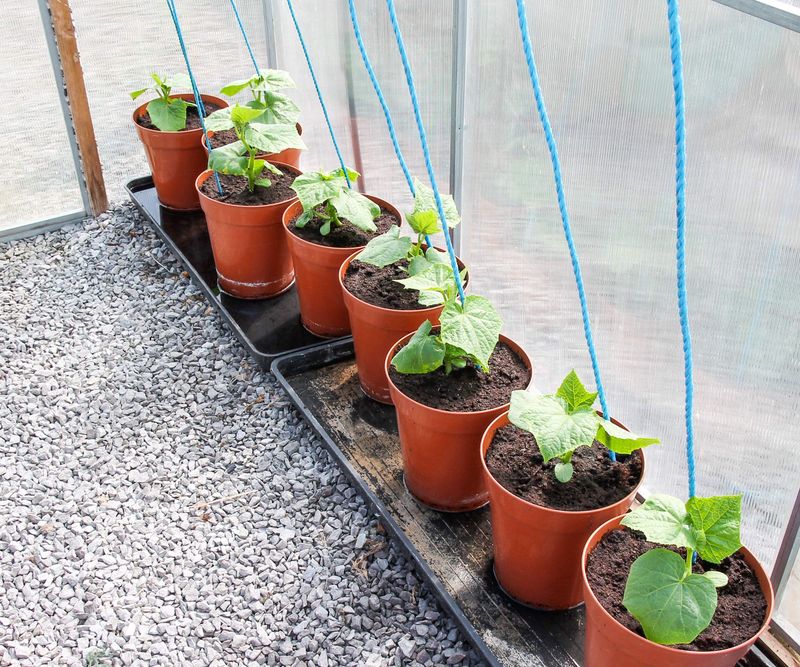
Every time you water a container, nutrients wash out through the drainage holes, so potted cucumbers get hungry quickly. Feeding them a balanced liquid fertilizer every couple of weeks keeps the growth strong and the fruit coming.
Once flowers appear, switch to a formula with a little more phosphorus and potassium to encourage fruit over leaves. Fish emulsion, compost tea, and tomato-and-vegetable feeds all do the job nicely.
Watch for pale, yellowing lower leaves, which often signal the plant is running low on nitrogen. A light, regular feeding schedule beats one heavy dose that can burn tender roots.
10. Read the Leaves for Early Warnings
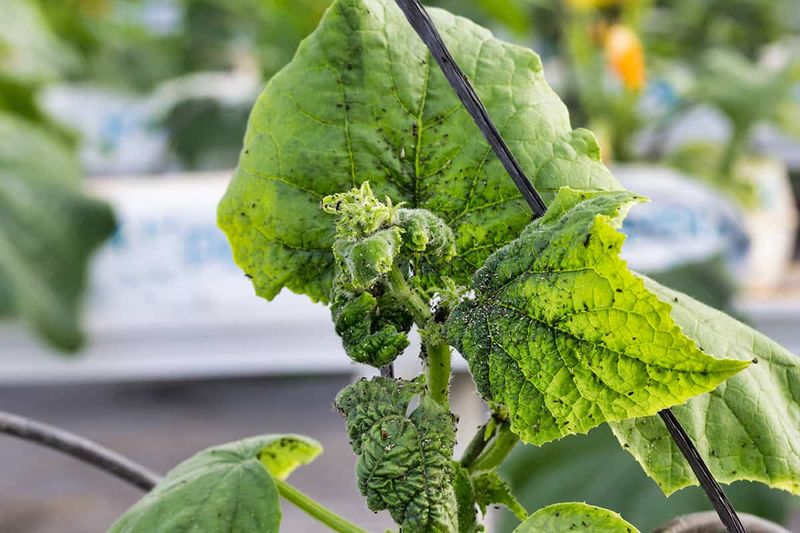
Your cucumber leaves are basically a health report, and learning to read them saves plants before problems spiral. Yellowing between green veins often points to a nutrient shortage, while crispy brown edges hint at thirst or salt buildup.
Powdery white patches usually mean powdery mildew is creeping in, especially when air is muggy and crowded. White or yellow speckling with fine webbing underneath can signal spider mites setting up shop.
Catch these signals early and you can adjust watering, feeding, or airflow before the whole plant suffers. Make a habit of flipping a few leaves over each morning to spot trouble hiding on the undersides.
11. Plant Scented Herbs to Deter Pests
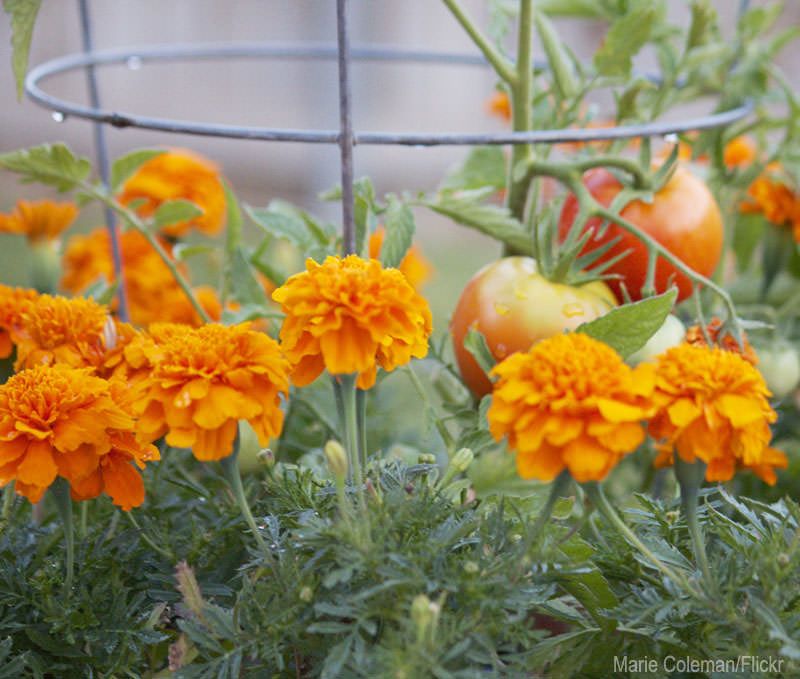
Cucumber beetles and aphids can find a lone patio plant in no time, but strong smells confuse and repel them. Tucking pots of dill, nasturtium, marigold, or oregano near your cucumbers may help mask the scent bugs are hunting for.
Nasturtiums pull double duty as a trap crop, luring aphids away from your prized cucumbers. Marigolds give off a scent many US backyard pests dislike and add a cheerful pop of color to your setup.
Radishes planted at the base are another old-timer trick some gardeners swear can reduce cucumber beetle visits. Companion scents will not replace good care, but they stack the odds in your favor without any chemicals.
12. Hand-Pollinate for More Fruit
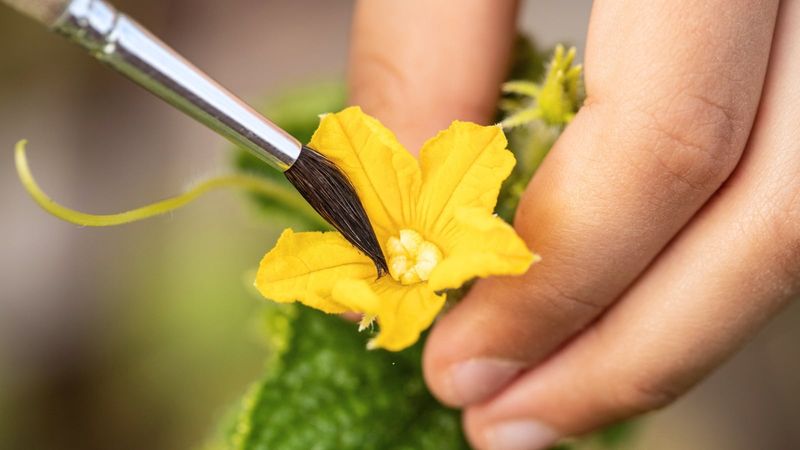
Ever seen tiny cucumbers shrivel and drop before they grow? On a balcony or screened porch, there may simply not be enough bees to move pollen between the flowers.
You can play the bee yourself with a small paintbrush or cotton swab. Male flowers grow on thin stems, while female flowers have a tiny cucumber shape behind the bloom, and you just dab pollen from one to the other.
A quick morning pollination session dramatically boosts fruit set for container growers. It takes thirty seconds and turns those dropping baby cucumbers into a real harvest.
13. Prune the Lower Leaves and Suckers
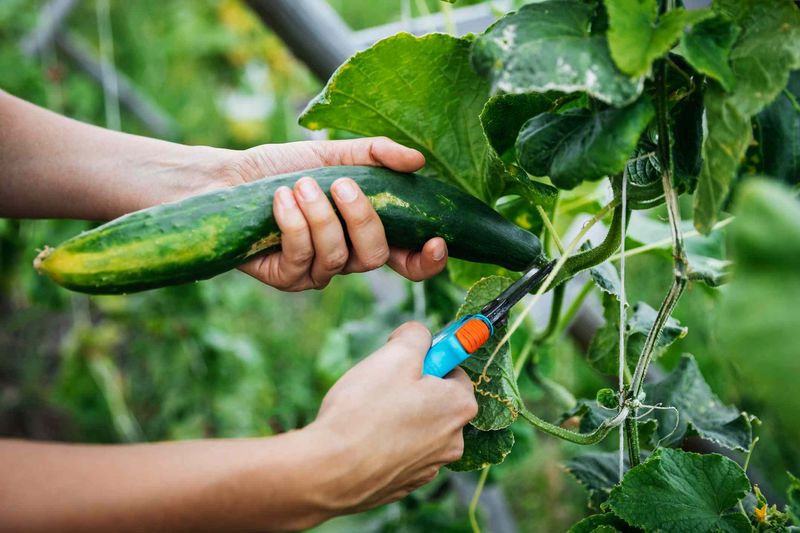
A jungle of leaves might look lush, but it traps damp air and hides pests near the soil. Snipping off the bottom leaves and a few side shoots opens up airflow and directs energy toward fruit.
Remove any leaves touching the soil, since those are the first to catch splashed-up disease. On vining types, pinching some suckers keeps the plant from becoming an unruly tangle in a small pot.
Use clean snips and cut on a dry morning so wounds heal fast. A tidy, breezy plant fights off mildew far better than a crowded one.
14. Harvest Early and Often

Leaving cucumbers on the vine too long tells the plant its job is done, and it slows fruit production to a crawl. Picking young, medium-sized cucumbers keeps the plant pumping out new ones all season.
Most slicing types taste best around six to eight inches, while pickling types shine at three to five inches. Oversized cucumbers turn seedy, bitter, and yellow, losing that crisp snap everyone loves.
Check your plant every day or two during peak season, because they swell up fast in the heat. Snip the stem rather than tugging, which protects the vine from tearing.
15. Shield Pots From Scorching Surfaces
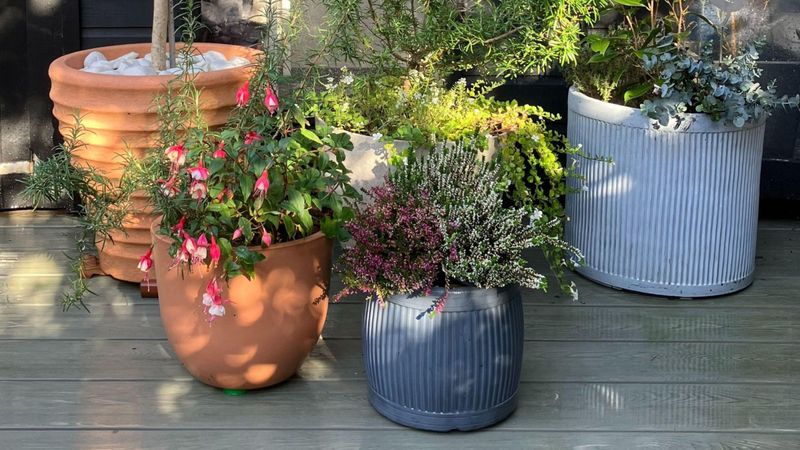
Concrete patios, metal railings, and dark decks soak up heat and radiate it straight into your pot. That extra warmth can cook cucumber roots and dry the soil out shockingly fast in a US summer.
Raise the pot on a plant stand or wooden slats so air can circulate underneath. A light-colored pot or a wrap around a dark one also reflects heat instead of trapping it.
If your plant sits against a bright wall, the reflected glare can push temperatures even higher. Moving pots off scorching surfaces keeps roots comfortable and moisture from vanishing.
16. Avoid These 4 Cucumber-Ruining Mistakes
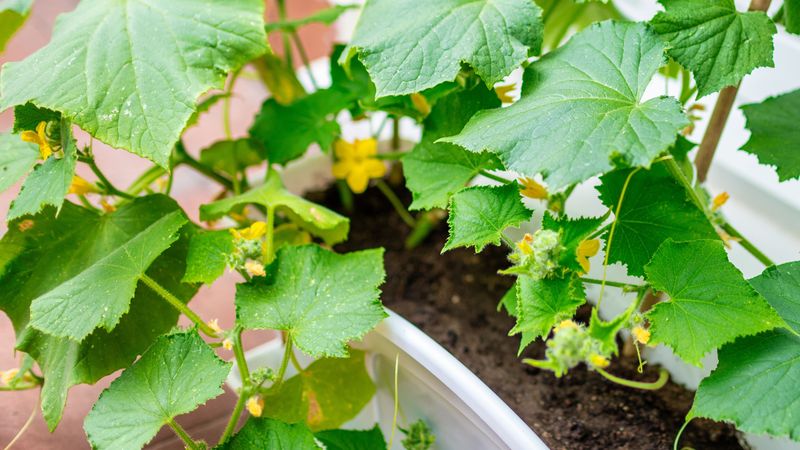
Even great care unravels fast if a few classic blunders sneak in, so here are the ones to sidestep. First, letting the soil swing between bone-dry and soaking wet, which triggers bitter, curled fruit and stresses the whole plant.
Second, crowding several plants into one small pot, where they compete for water and air until all of them struggle. Third, skipping fertilizer entirely, since container soil empties out fast and leaves your plant starving by midsummer.
Fourth, wetting the leaves during evening watering, which leaves foliage damp overnight and invites powdery mildew to spread. Dodge these four traps and every other trick on this list works twice as well.