
16 Reasons Your Tomato Plants Grow Nothing But Leaves (And How To Force Them To Set Fruit)
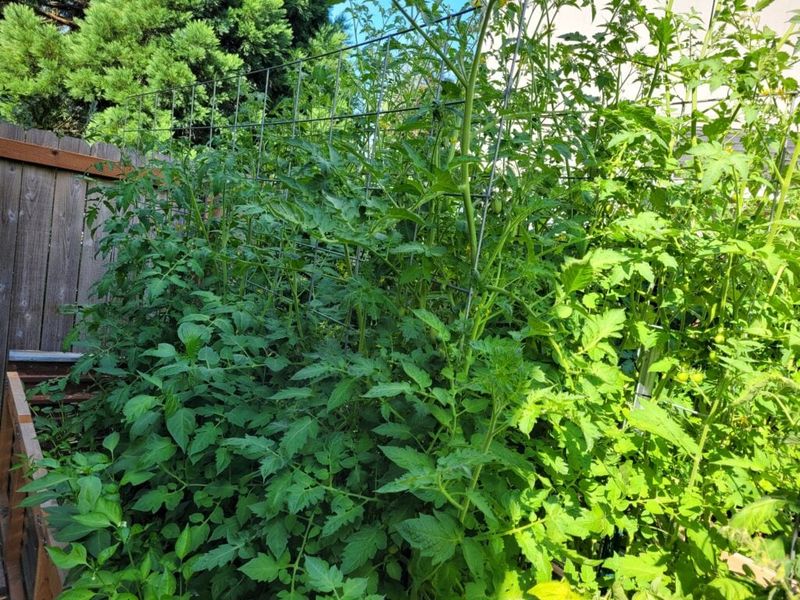
You planted tomatoes hoping for baskets of juicy fruit, but all you got was a jungle of green leaves and no tomatoes in sight. It feels like your plant is teasing you, growing bigger every week while refusing to give you a single harvest.
The good news is that a leafy, fruitless tomato plant is almost always fixable once you know what is holding it back. Below are 16 common reasons this happens, plus simple steps you can take today to push your plants into finally setting fruit.
1. Too Much Nitrogen
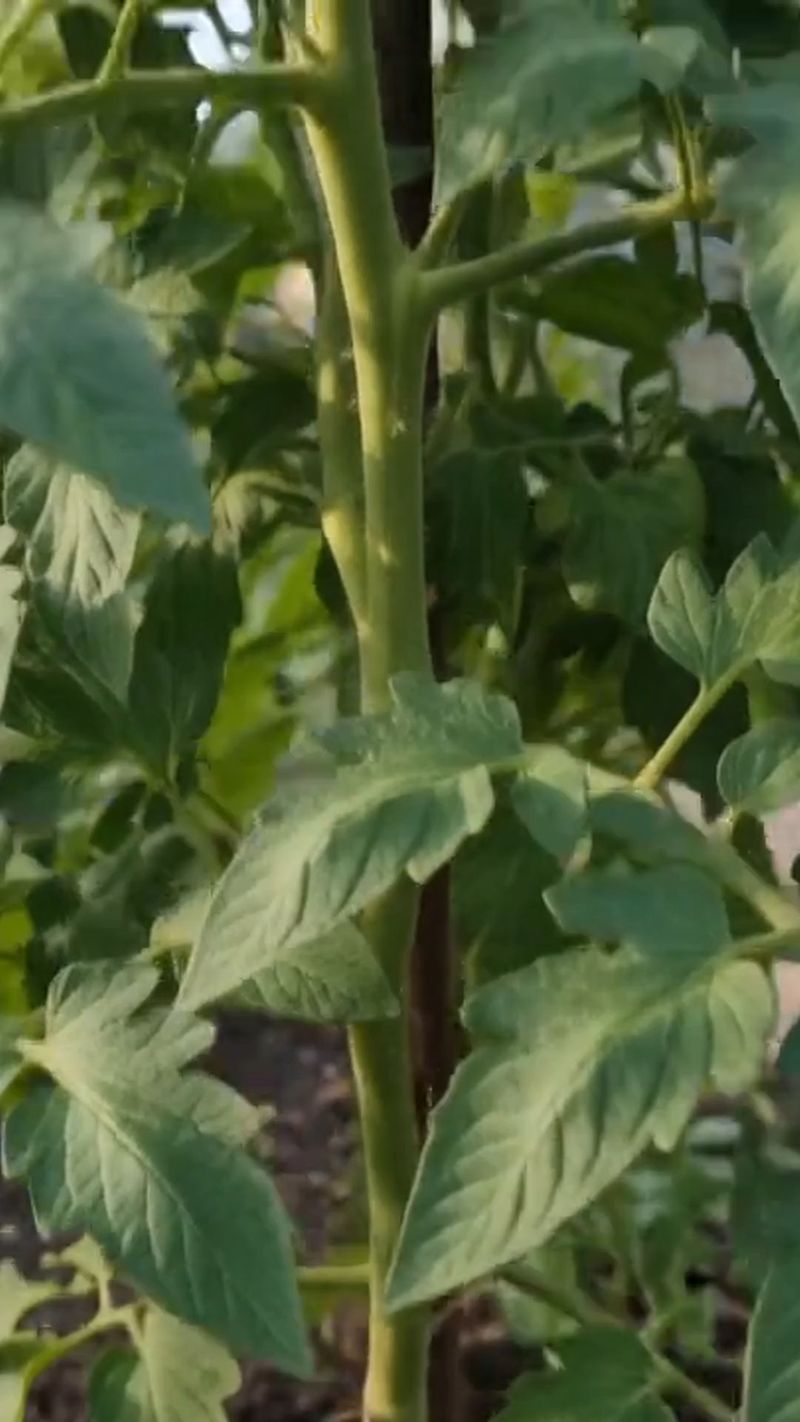
Ever notice how your tomato plant looks like it belongs on a magazine cover, all lush and dark green, yet gives you zero fruit? That show-off appearance is usually the fingerprint of too much nitrogen in the soil.
Nitrogen tells a plant to build leaves, stems, and roots. When there is a flood of it, the tomato happily grows foliage and puts flowering on the back burner.
You may spot abnormally deep-green leaves, thick but weak stems, and blossoms that drop before they ever become fruit.
The fix starts with putting away that high-nitrogen lawn or all-purpose fertilizer. Once flowering begins, switch to a low-nitrogen blend that is higher in phosphorus and potassium, something like a 5-10-10, which supports flowers and fruit instead of more leaves.
If you suspect a real overdose and the leaves look dark and curled, flush the soil with plain water and work in high-carbon material like sawdust to help pull nitrogen levels back down. Give it a couple of weeks and watch those blossoms finally hold.
2. Insufficient Pollination
Here is a fun bit of tomato trivia: each flower carries both male and female parts, so a single blossom can technically fertilize itself. Sounds foolproof, right?
Not quite.
Those flowers still need a good shake to knock the pollen loose. In nature, wind and buzzing bees do the job.
But tomatoes grown indoors, on a sheltered patio, or in a very still greenhouse often stand there with open blossoms and nothing to move the pollen along. The result is flowers that bloom, wither, and fall without ever setting fruit.
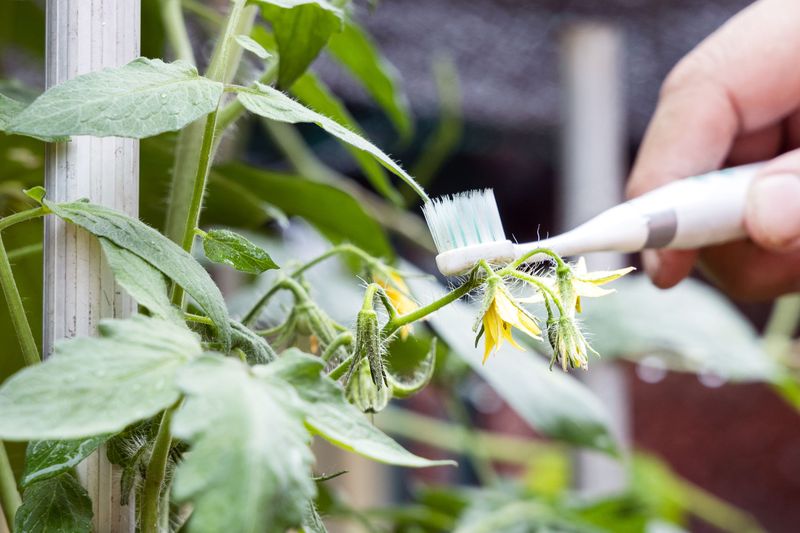
You can play matchmaker yourself. When blossoms are open, gently flick or shake the plant every day, or tap the stems behind the flower clusters to mimic a breeze.
Some gardeners use an electric toothbrush held to the flower stem for a bee-like buzz. If your plants live in pots, wheel them outside during nice weather so real pollinators can find them.
A little daily nudge often turns a bloom-heavy, fruitless plant into a productive one within a week or two.
3. High Heat Levels
Tomatoes love warmth, but there is such a thing as too much of a good thing. When summer cranks up and daytime temperatures sit above 85 to 90 degrees, with nights staying above 70 to 75 degrees, your plant starts dropping its blossoms.
The reason is invisible but real. Extreme heat can make pollen sterile or too sticky to release, so even a well-pollinated flower fails to set fruit.
Spikes as high as 104 degrees for just a few hours can shut down fruit set entirely, which is why a heat wave often lines up with a sudden bare stretch on the vine.
You cannot control the weather, but you can help your plant ride it out. Keep it well watered and healthy so it has energy to spare when the heat breaks.
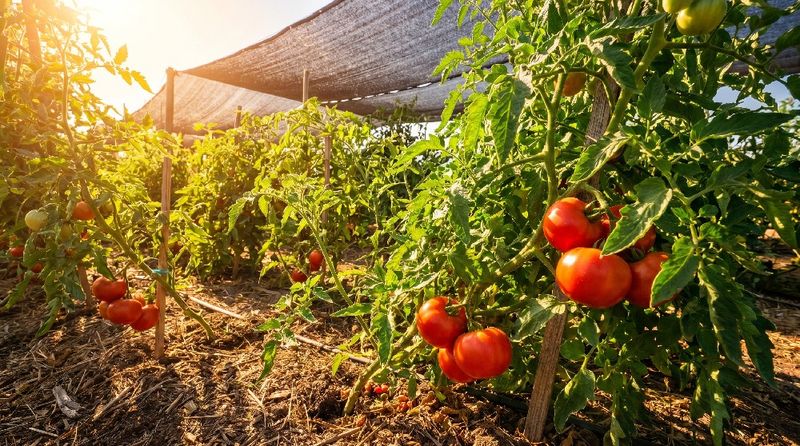
A light shade cloth during the worst afternoon hours can take the edge off. And if brutal summers are normal where you live, plant heat-set or heat-tolerant varieties bred to hold their blossoms when the thermometer climbs.
Once temperatures settle back into a comfortable range, fruit set usually picks right back up.
4. Insufficient Sunlight
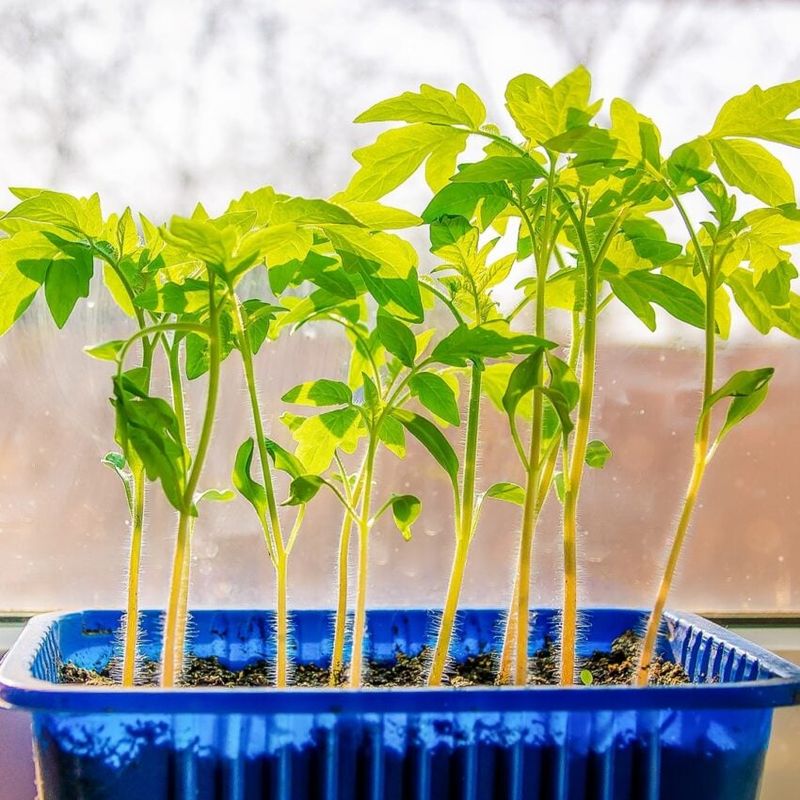
A tomato plant tucked in a shady corner is a bit like an athlete trying to run on an empty stomach. Without enough fuel, it simply cannot perform.
Sun is that fuel. Tomatoes need at least 6 to 8 hours of direct light every day to produce flowers and fruit.
When they get less, they stretch tall and spindly, reaching for light instead of building blossoms, and any harvest you do get stays sparse and small.
Take a walk around your garden at a few different times of day and notice where the shadows fall. A fence, a growing tree, or a neighbor’s shed may be stealing hours of sun you did not realize you were losing.
Move potted plants to your brightest spot, trim back anything casting shade, and if you are growing indoors, add a good grow light on a timer. More light directly translates to more flowers, and more flowers mean more tomatoes on your plate.
5. Inconsistent Watering
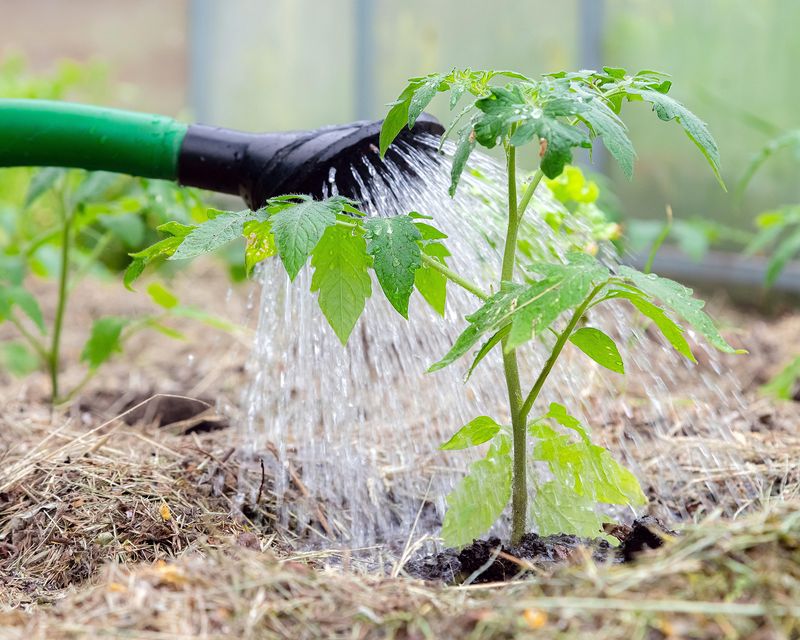
Tomatoes are creatures of habit, and nothing rattles them like a watering schedule that swings from swamp to desert. Feast-or-famine moisture stresses the plant and shows up as wilting, dropped blossoms, and stalled growth.
Too much water for too long suffocates the roots and invites rot, while bone-dry soil brings development to a halt. Either extreme convinces the plant to focus on survival rather than fruit.
Steady is the name of the game. Aim for about 1 to 2 inches of water per week for in-ground plants, delivered deeply rather than in frequent light sprinkles.
Push a finger 2 to 3 inches into the soil and water when it feels dry down there. Container tomatoes dry out faster and may need water daily, or even twice a day, during a heat wave.
Always water at the base to keep the leaves dry and disease-free, and lay down a layer of organic mulch to lock in moisture and even out soil temperature. Consistent roots make for consistent fruit.
6. Nutrient Imbalances
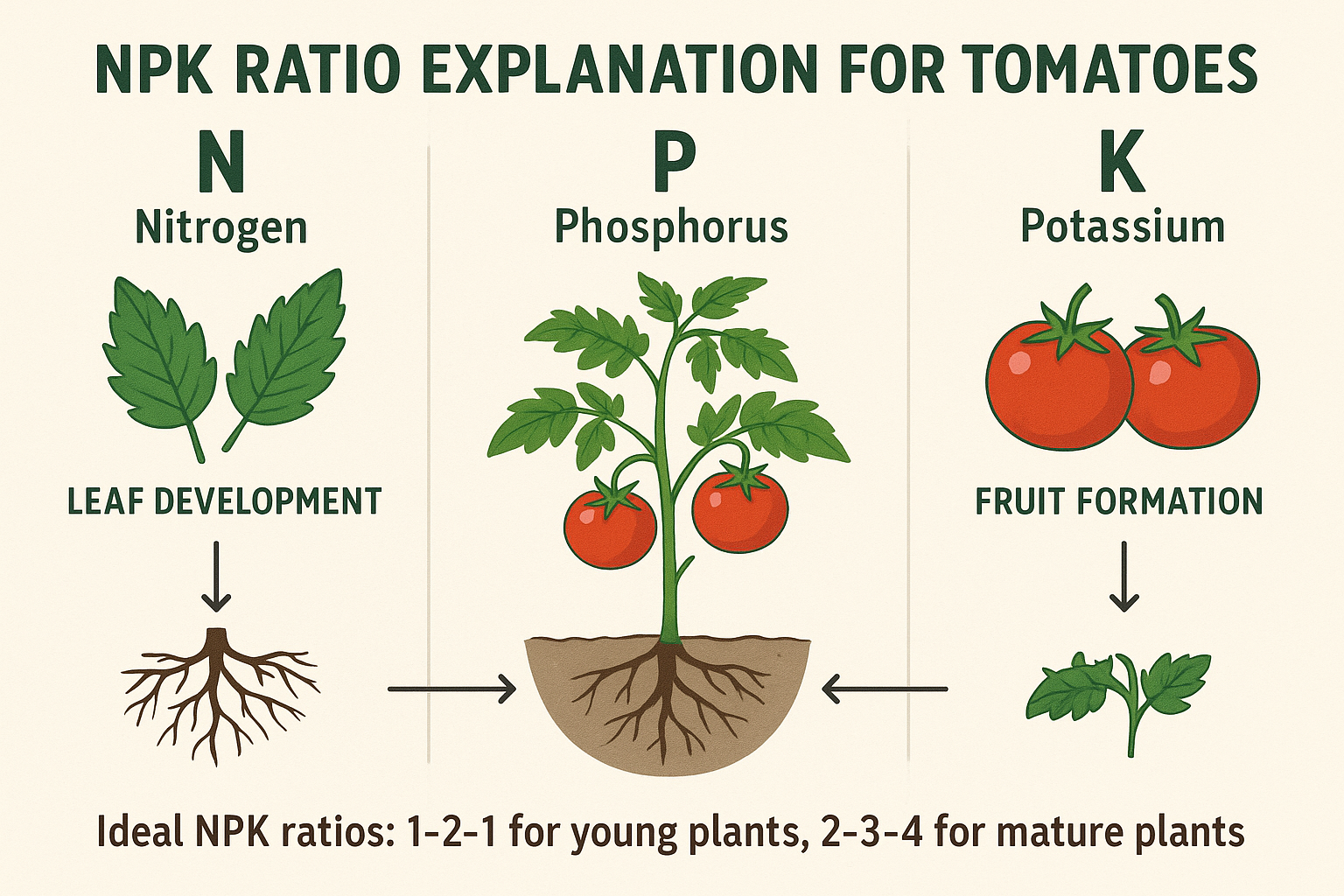
Nitrogen gets most of the blame for leafy tomatoes, but it has some quieter accomplices. Even with nitrogen under control, a plant can stall out when other nutrients are missing or out of balance.
Phosphorus and potassium are the real fruiting heroes, driving strong flower formation and quality tomatoes. Magnesium plays a supporting role too, with demand peaking right when your plant is flowering and setting fruit.
Shortchange any of these and you may get plenty of green growth but a disappointing harvest.
A simple soil test takes the guesswork out and tells you exactly what is short. Feed with a fertilizer weighted toward phosphorus and potassium once blossoms appear, and if magnesium is lacking, a dose of Epsom salt dissolved in water can help.
Think of it as giving your plant a balanced diet instead of just piling on one nutrient. When the whole menu is covered, flowers turn into fruit far more reliably.
7. Overcrowding and Poor Airflow
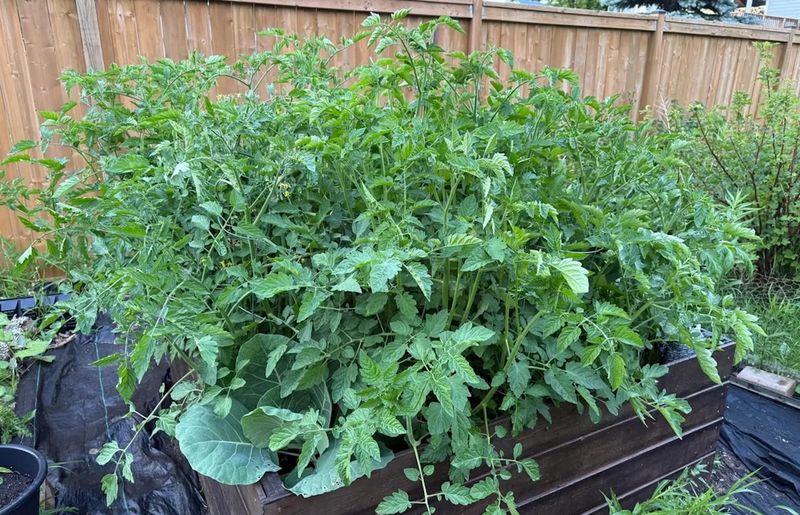
Squeezing tomato plants together to fit more in the bed feels efficient, but crowded tomatoes tend to underperform. When leaves from neighboring plants tangle into one dense wall, air stops moving through them.
Stagnant air creates a cozy home for fungal diseases and leaves the plant spending energy on defense and competition instead of fruit. Roots and canopies fight each other for water, light, and nutrients, and the harvest suffers for it.
Give each plant room to breathe. Space determinate types roughly 2 feet apart and sprawling indeterminate varieties even wider, depending on your support system.
If your plants are already jammed in, thinning out a few or removing some of the crowded lower foliage opens up airflow and lets sunlight reach the interior. Better circulation means fewer disease problems and more of the plant’s energy pointed exactly where you want it, toward setting fruit.
8. Lack of Early Pruning (Suckers)
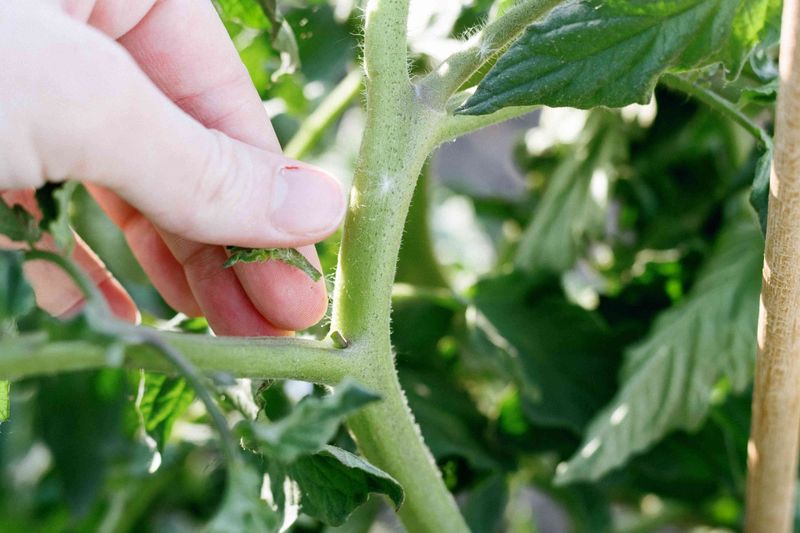
Those little shoots sprouting from the joint where a leaf meets the main stem have a name: suckers. Left alone on indeterminate tomatoes, they turn one tidy plant into a sprawling, leaf-heavy monster.
Every sucker that grows into a full branch is another mouth demanding the plant’s energy. On vining indeterminate varieties, unchecked suckers pull resources away from fruit, leaving you with lots of greenery and smaller, fewer tomatoes.
Pinching suckers is a quick weekly habit that pays off big. When a sucker is small, just squeeze it off between your thumb and finger.
Focus on the ones low on the plant and keep the main stems clear so light and energy flow to the fruit clusters. Determinate bush varieties are the exception here, since they carry their crop all at once and need most of their foliage, so go easy on them.
For everything else, a little routine pruning steers your plant from making leaves to making tomatoes.
9. Early Blossoms Left On
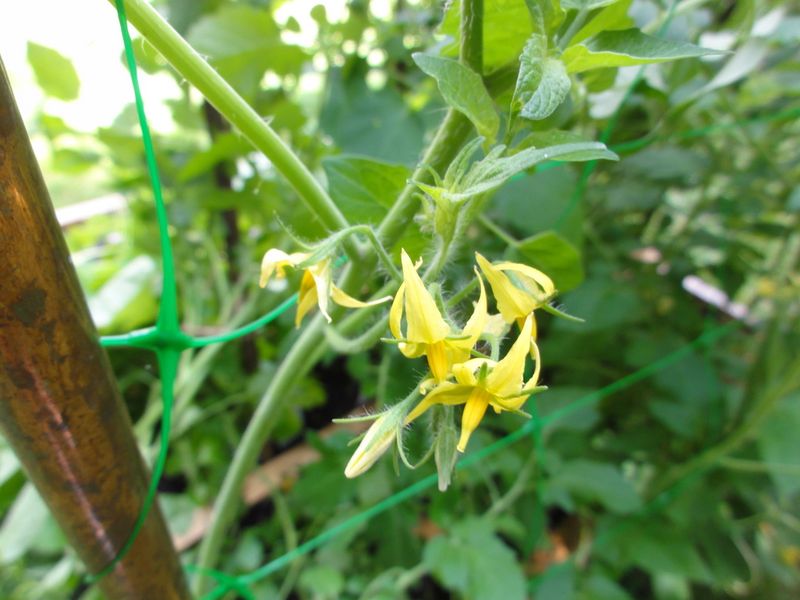
It is tempting to cheer when a tiny transplant pushes out its very first flowers, but on a young plant those early blooms can actually backfire. A small tomato that starts fruiting too soon spends its energy on that fruit instead of building the foundation it needs.
Plants under about 12 to 18 inches tall are still developing their root system. Let them set fruit at that stage and you may exhaust them early, ending up with a weaker plant and a smaller total harvest over the season.
The counterintuitive move is to pinch off those first blossoms until the plant reaches a sturdy 12 to 18 inches. It stings a little to remove flowers on purpose, but you are trading a couple of premature tomatoes for a stronger plant that will out-produce a stressed one many times over.
Once the roots and frame are solid, let the flowers stay and the plant will reward your patience with a heavier crop.
10. Variety Not Suited to Climate
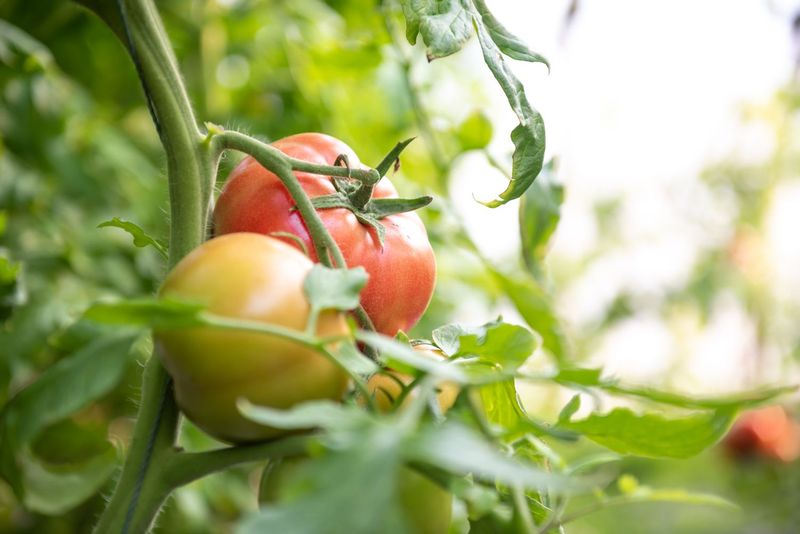
Sometimes the problem is not what you did but what you planted. A tomato variety that thrives in a mild coastal garden may sulk and refuse to fruit in a scorching inland summer, and a slow, late-maturing type may run out of season in a short-summer region.
Every variety has its comfort zone. Push it far outside that range and flowering and fruit set become a struggle no amount of good care can fully overcome.
Before next season, match your seeds to your climate. In hot regions, look for heat-tolerant or heat-set varieties bred to hold blossoms through high temperatures.
Where the growing season is short, choose early-maturing types that race to ripen before frost arrives. Check the days-to-maturity number on the tag and compare it to your typical frost-free window.
Picking the right variety from the start quietly solves fruiting problems that would otherwise haunt you all summer.
11. Transplant Shock
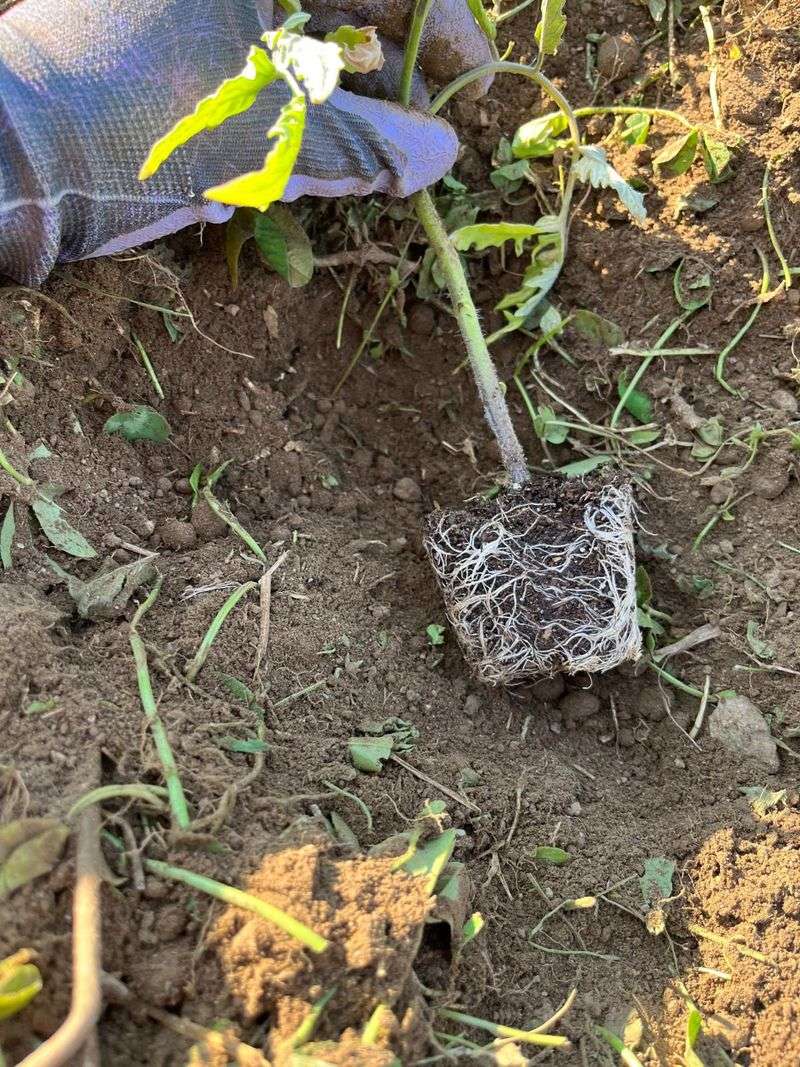
Moving a seedling from its cozy pot into the wide-open garden is a bigger deal to the plant than it looks. That sudden change in light, temperature, and root space can throw a tomato into transplant shock, a stretch where it seems to freeze in place.
During this pause, growth slows and fruit development goes on hold while the plant scrambles to adjust to its new home. Rushed or rough transplanting only makes the shock worse.
Ease the transition by hardening off your seedlings first. Over a week or so, set them outside for gradually longer periods so they toughen up to sun and wind before their permanent move.
Transplant on a cloudy day or in the evening, water them in well, and resist the urge to fuss over them afterward. Given a gentle start, most tomatoes shake off the shock, resume growing, and get back to the business of flowering and setting fruit.
12. Plant Is Still Too Young
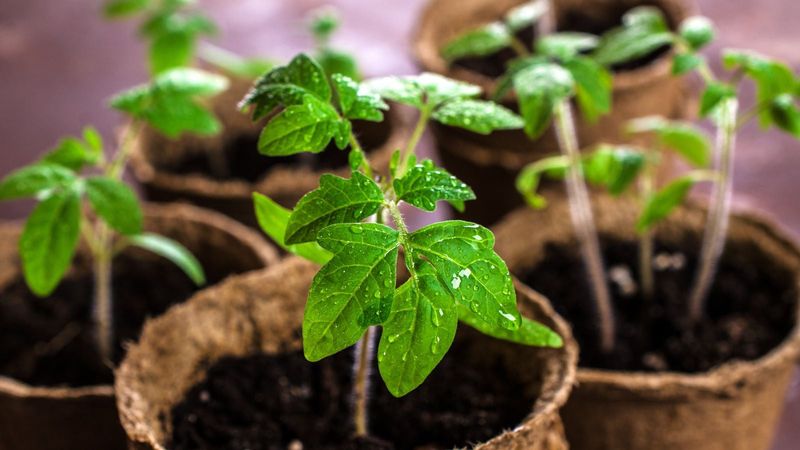
Before you panic, ask yourself one question: how old is this plant, really? A young tomato that is all leaves might simply be doing exactly what it should for its age.
In their early weeks, tomatoes pour their energy into building a strong root system and a leafy frame. Flowers and fruit come later, once that groundwork is in place.
Expecting tomatoes from a plant that only went in the ground a few weeks ago is a bit like waiting for apples the month after planting the tree.
Patience is genuinely part of the plan here. Keep giving your young plant steady water, good light, and balanced feeding, and let it grow into its fruiting stage on its own timeline.
If it is healthy, green, and putting on size, you are on track. The blossoms will show up when the plant is mature enough to support them, usually as it approaches that sturdy foot-and-a-half height.
13. Pest or Disease Pressure
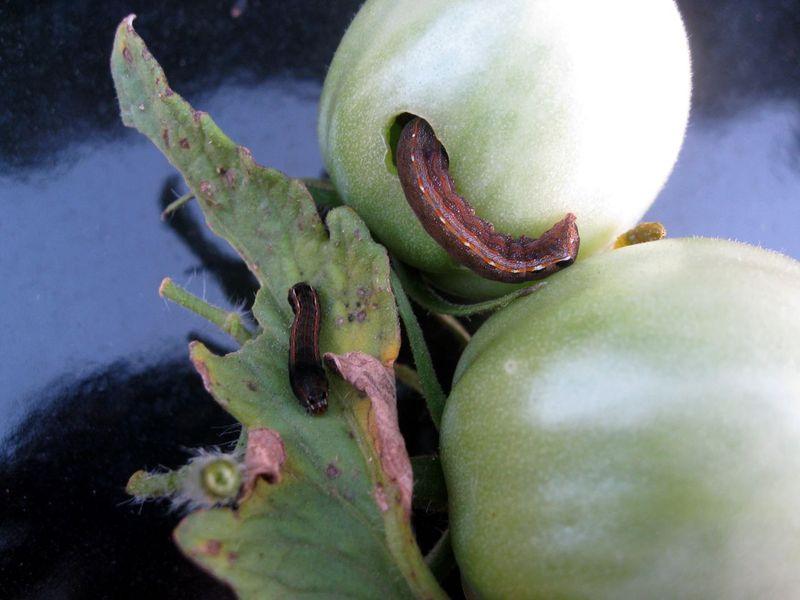
A tomato plant under attack has bigger worries than making fruit. When pests chew through leaves or disease creeps in, the plant redirects its energy toward survival and defense, and fruit production quietly stalls.
Aphids, hornworms, whiteflies, and a lineup of fungal and bacterial diseases can all sap a plant’s strength. You might notice chewed foliage, spots, yellowing, or sticky residue long before you connect it to your missing harvest.
Make a habit of inspecting your plants a few times a week, checking the undersides of leaves where trouble likes to hide. Pick off hornworms by hand, blast aphids off with a strong spray of water, and remove any diseased leaves promptly to slow the spread.
Good spacing, dry foliage, and clean tools go a long way toward prevention. The sooner you catch and calm these stressors, the sooner your plant can get back to pouring energy into tomatoes instead of fighting for its life.
14. High Humidity
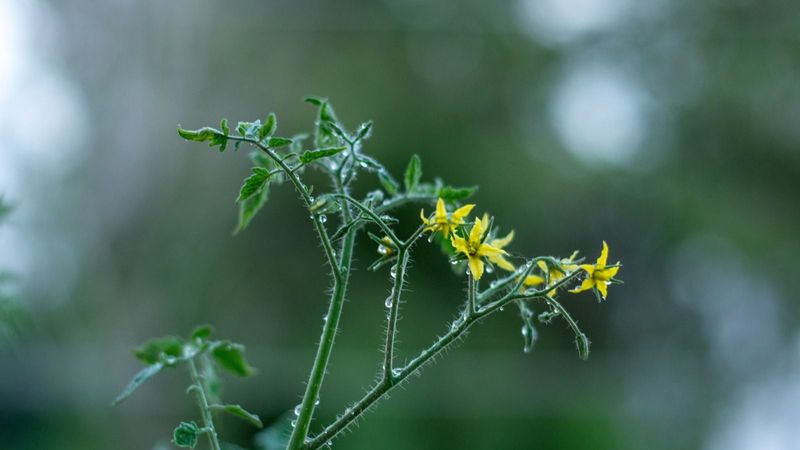
Muggy, sticky air does more than make you uncomfortable in the garden. When humidity climbs above roughly 70 percent, it can quietly sabotage your tomato harvest.
The problem is pollen. In damp, heavy air, pollen grains turn sticky and clump together, so wind and insects cannot move them from one part of the flower to another.
Blossoms open, look perfectly healthy, then drop without ever setting fruit.
You cannot dial down the weather, but you can help pollen travel despite it. Improve airflow around your plants with generous spacing and by pruning crowded lower leaves so breezes reach the blossoms.
Hand-pollinate during humid spells by gently shaking the plant or flower clusters in the drier morning hours, when the air holds a little less moisture. In greenhouses, running a fan keeps air moving and pollen loose.
A few small tweaks can rescue fruit set even when the air feels like soup.
15. Very Low Nighttime Temperatures
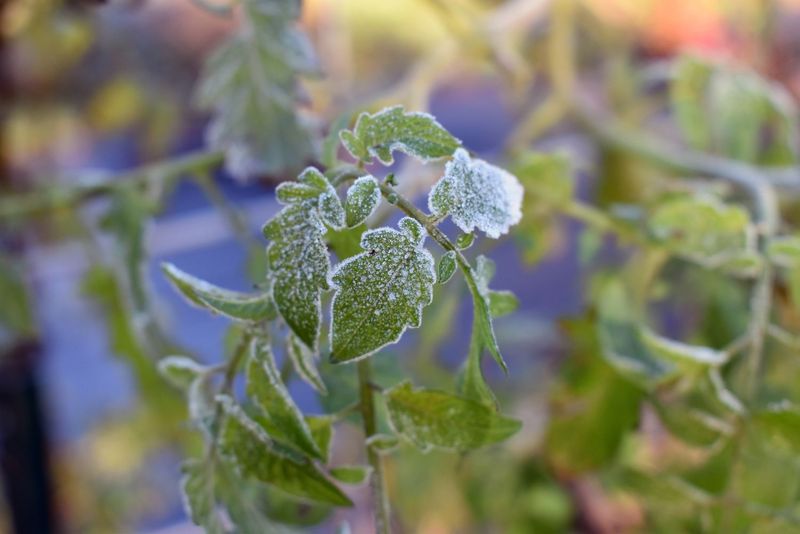
Cool nights can be just as troublesome for tomatoes as blistering days. While the plants enjoy a bit of a temperature dip after dark, dropping too far tips the scale the wrong way.
When nighttime temperatures stay below about 55 degrees, pollen viability takes a hit, and blossoms start dropping instead of forming fruit. Early-season and late-season chills are the usual culprits, catching gardeners off guard when the days still feel warm enough.
Timing helps you dodge this one. Hold off on planting until nights reliably stay above the mid-50s, and cover plants with row cover, a cloche, or even an old sheet when a surprise cold night is forecast.
Growing against a south-facing wall that soaks up daytime heat and releases it overnight can nudge those temperatures up a few crucial degrees. Keep your tomatoes out of the cold zone and their blossoms will hold long enough to turn into the fruit you have been waiting for.
16. Acidic or Alkaline Soil
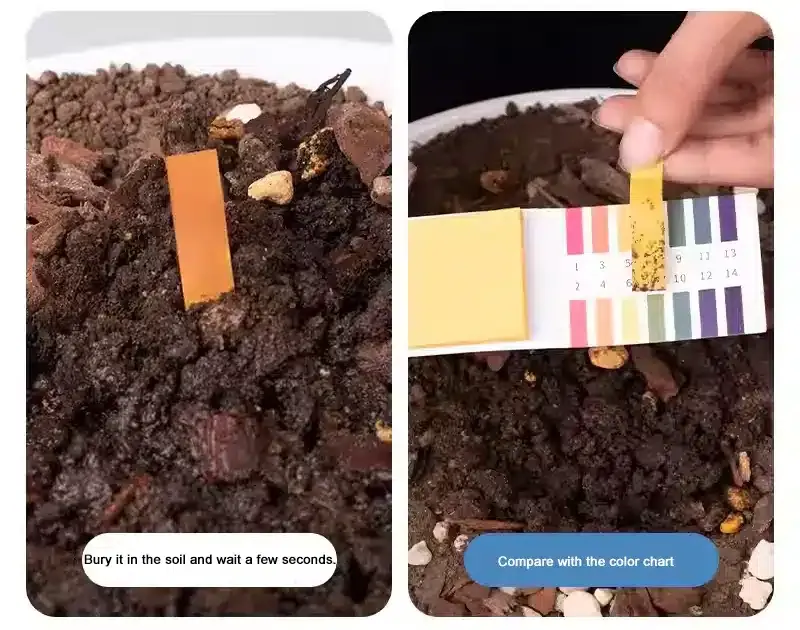
Your soil might look perfectly ordinary and still be quietly starving your tomatoes. The pH, or how acidic or alkaline the soil is, controls which nutrients your plant can actually absorb.
Tomatoes are happiest in slightly acidic soil, right around a pH of 6.0 to 6.8. Drift too far above or below that sweet spot and even a well-fed plant cannot take up the phosphorus, potassium, and other nutrients it needs to flower and fruit.
The result is a plant that looks hungry no matter how much you feed it.
A cheap soil test kit clears up the mystery fast. If your soil reads too acidic, garden lime raises the pH; if it is too alkaline, elemental sulfur or peat brings it back down.
Make adjustments gradually and retest, since pH shifts slowly. Getting into that 6.0 to 6.8 window unlocks the nutrients already in your soil and often flips a stubborn, leafy plant into a fruit-setting one.