
16 Simple Feeders That Double The Tomatoes And Cucumbers You Pull From Every Plant
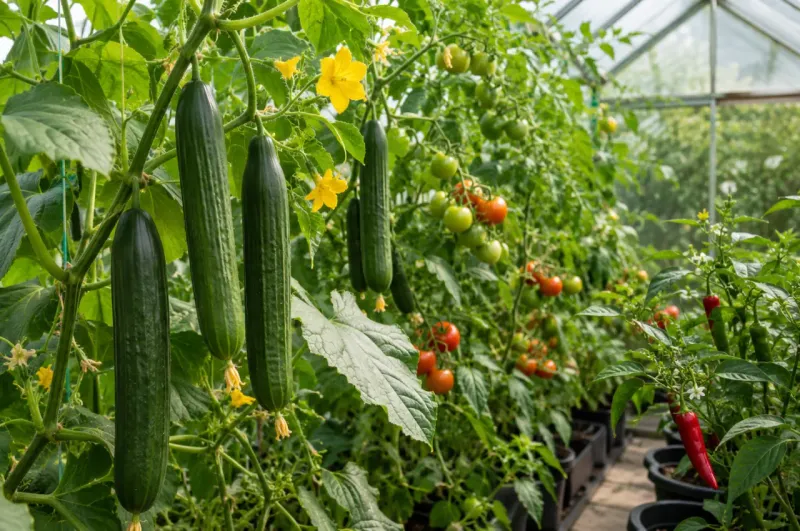
Your tomato and cucumber plants want to give you more fruit than you might think, and often the only thing holding them back is a little extra food and care. The good news is you probably have most of these feeders sitting in your kitchen or shed right now.
Feed your plants the right way at the right time, and you can walk away with twice the harvest from the same vines. Here are 16 simple feeders and tricks that keep your plants strong, healthy, and loaded with fruit all season long.
1. Consistent and Deep Watering
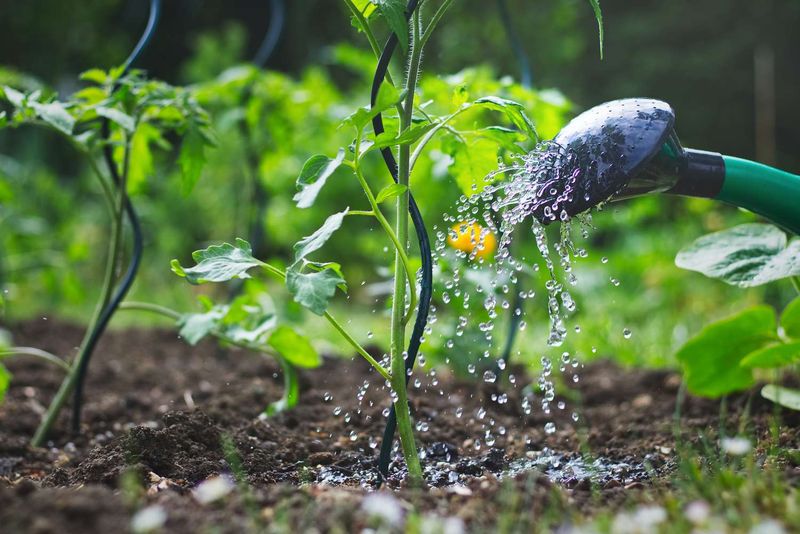
Nothing quietly wrecks a tomato harvest faster than water that comes and goes on a whim. When your plants get soaked one day and go bone dry the next, tomatoes crack open and cucumbers turn bitter and lumpy.
The fix is steady, deep watering that reaches down where the roots live. Let the top inch of soil dry out just a little, then water slowly and thoroughly so moisture sinks deep instead of running off the surface.
Deep roots make tougher plants that shrug off summer heat and keep pumping out fruit. Uneven watering is also the main culprit behind blossom end rot, that ugly black patch on the bottom of your tomatoes, so a reliable rhythm can save the fruit before it ever spoils.
Aim to water in the morning so leaves dry off during the day, and your plants will reward you with a much fuller basket.
2. A Thick Layer of Mulch
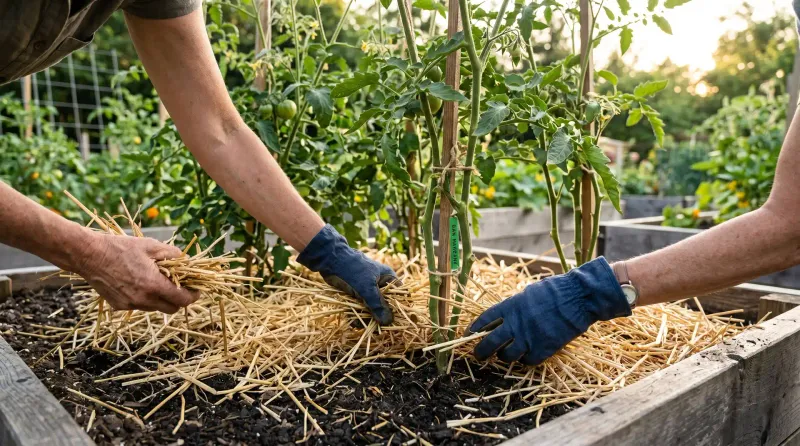
Picture a blanket tucked around the base of your plants, holding in water and shielding roots from the blazing sun. That is exactly what a few inches of straw or hardwood chips do for tomatoes and cucumbers.
Mulch keeps soil moisture from evaporating in the heat, which means you water less and your plants stress less. It also smothers weeds that would otherwise steal nutrients and crowd your vines.
There is a bonus for anyone tired of gritty, dirt-splashed harvests. A good mulch layer keeps cucumbers and low-hanging tomatoes clean and off the bare soil, which cuts down on rot and the diseases that splash up when rain hits the ground.
Spread it a couple of inches thick, keep it slightly away from the main stem, and refresh it as it breaks down through the season.
3. Vertical Support With Trellises and Cages
Sprawling vines lying flat on the ground are basically an open invitation for rot, bugs, and disease. Lift them up instead, and everything changes.
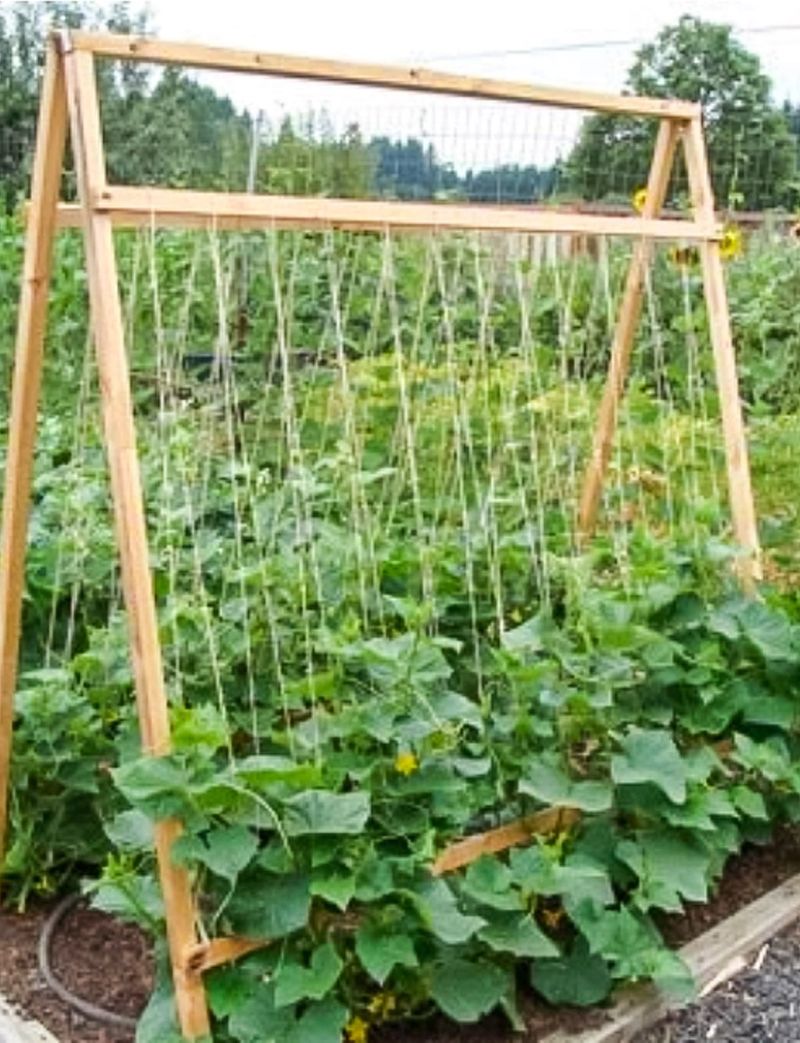
Staking, caging, or trellising your tomatoes and cucumbers gets the fruit off the dirt and opens up airflow between the leaves. Better air circulation means fewer fungal problems, and dry leaves are happy leaves.
Trellised cucumbers hang straight down as they grow, so they come out longer and straighter instead of curled into odd shapes. You will also find harvesting much easier when the fruit dangles at eye level instead of hiding under a tangle.
As a nice extra, going vertical frees up a surprising amount of garden space, letting you fit more plants into the same small patch and stack up an even bigger harvest.
4. Compost Tea
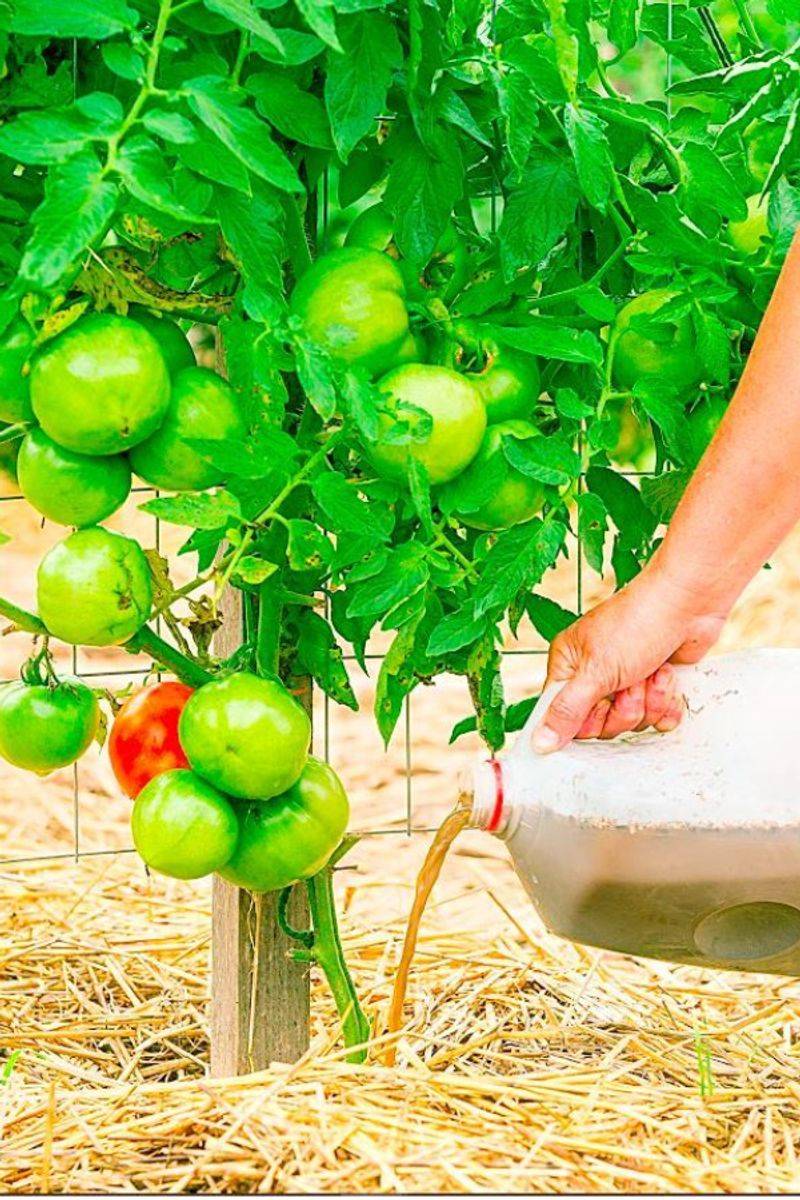
Brewing a batch of compost tea feels a bit like making a health drink for your garden. Steep finished compost in water, and you end up with a dark, nutrient-rich liquid loaded with living microorganisms.
Those tiny microbes go to work in the soil, helping your plants grab more of the nutrients already sitting around their roots. The result is stronger growth and a busier, healthier soil ecosystem underneath everything.
Pour it around the base of your tomatoes and cucumbers every couple of weeks, and you may notice greener leaves and more flowers turning into fruit. It costs almost nothing if you already keep a compost pile, and it is gentle enough that you never have to worry about burning your plants.
Think of it as a quiet boost that keeps the whole underground world of your garden thriving.
5. Worm Castings
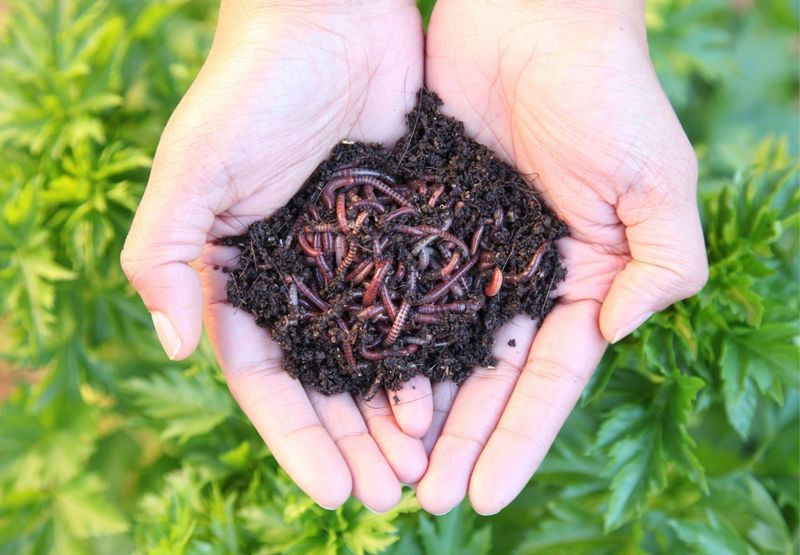
If gardeners had a secret handshake, it might involve a bag of worm castings. This dark, crumbly material is basically worm-processed compost, and it is one of the gentlest fertilizers you can hand your plants.
Castings release their nutrients slowly, so your tomatoes and cucumbers get a steady meal instead of one big jolt. They also bring beneficial microbes and improve the way soil holds together and drains.
The best part is that you can pile them right against the stem without any risk of scorching the roots the way harsh chemical fertilizers can. Sprinkle about a cup around the base of each plant once a month and lightly scratch it into the top layer of soil.
Over time you will build richer, fluffier dirt that grows better plants year after year.
6. Crushed Eggshells for Calcium
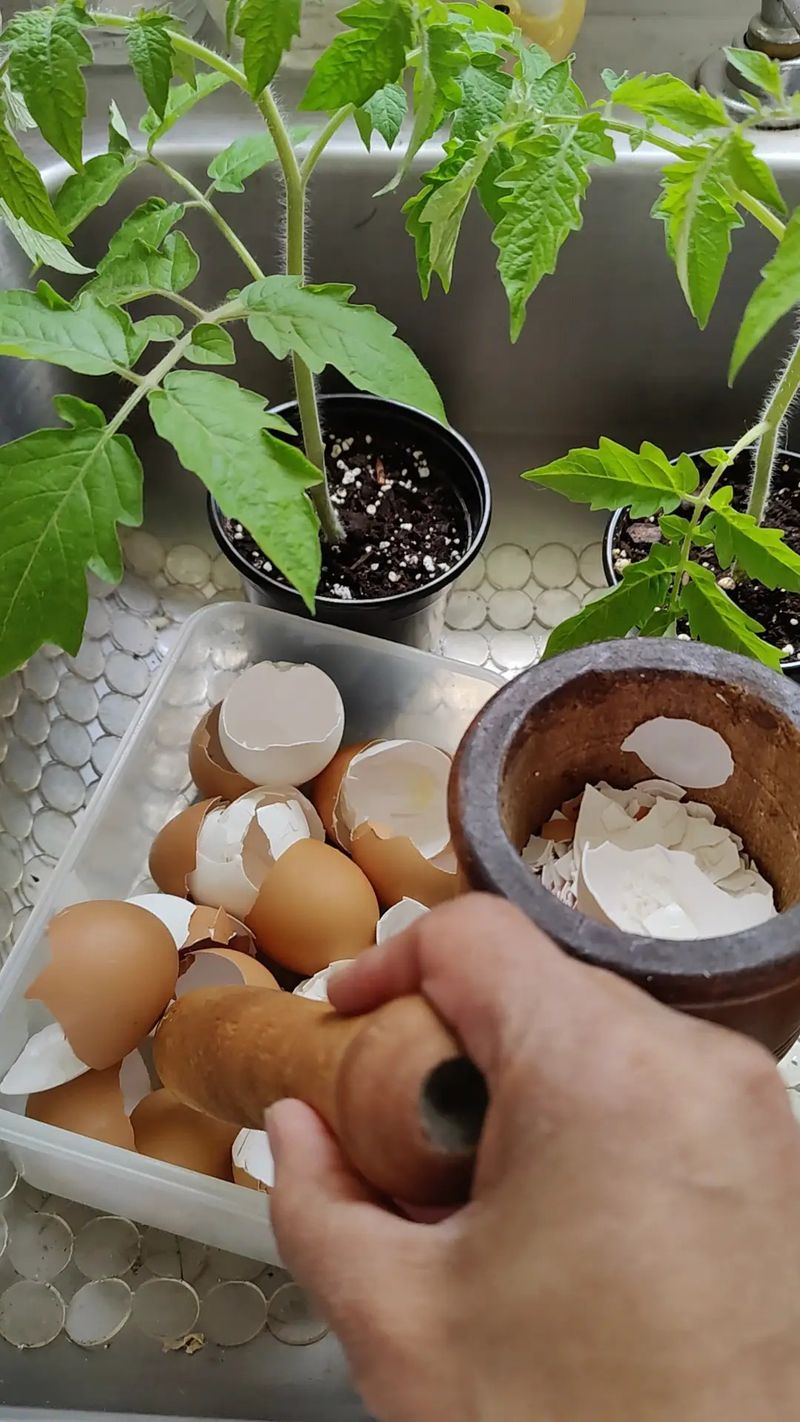
Before you toss those breakfast eggshells, know that they hold something your tomatoes badly want. Calcium is the mineral that keeps blossom end rot from ruining the bottoms of your fruit.
Crush the shells into a fine powder and mix them into the planting hole, or work them into the soil around established plants. That calcium strengthens cell walls in both tomatoes and cucumbers, helping the fruit hold up firm and healthy.
Want it to work faster? Soak the powdered shells in a bit of white vinegar to make a calcium acetate solution the roots can drink up almost right away.
It is a thrifty, satisfying way to turn kitchen scraps into stronger plants, and it may help you dodge one of the most heartbreaking tomato problems there is. Keep a jar of dried, crushed shells handy and you will always have some ready to feed the garden.
7. Coffee Grounds
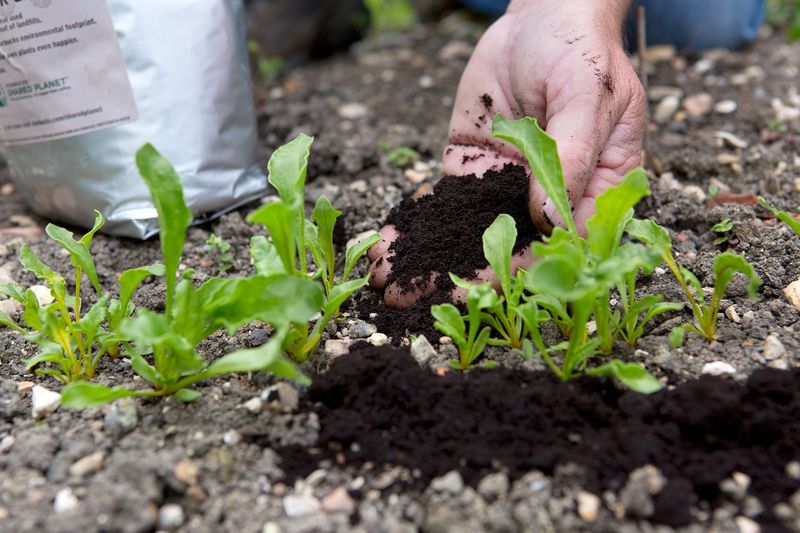
That damp pile of used coffee grounds in your filter is worth more than the trash can. Sprinkled around your plants, it adds a slow dose of nitrogen and loosens up heavy soil.
Cucumbers in particular like a mildly acidic patch of ground, somewhere in the pH 6.0 to 7.0 range, and coffee grounds nudge the soil gently in that direction. The improved texture also helps water and air move through the root zone more easily.
A little goes a long way here, so scatter a moderate handful around the base and mix it lightly into the top of the soil rather than dumping a thick layer. Too much can clump and repel water, so keep it modest and let it break down naturally.
It is a free, everyday resource that turns your morning routine into a small favor for the garden.
8. Stage-Specific Feeding for Tomatoes
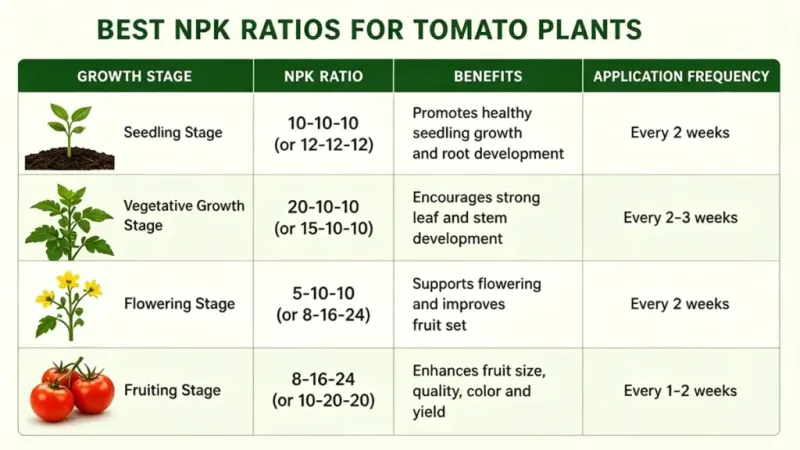
Tomatoes are famously hungry plants, but they do not want the same meal from seedling to harvest. Feeding them the right nutrients at the right moment can genuinely change how many fruit you pull off each vine.
Start at planting time with a balanced granular fertilizer, something like a 5-5-5 or 10-10-10, to fuel early roots, stems, and leaves. Once flowers appear, switch to a bloom booster higher in phosphorus and potassium to push flower and fruit set.
When the fruit starts swelling, move to a low-nitrogen, high-potassium mix such as 10-10-20 or 5-10-20 to plump up the tomatoes and improve their flavor. Too much nitrogen late in the game just grows bushy leaves and hides your harvest, so easing off it is key.
Match the feed to the stage, and you give the plant exactly what it needs to keep loading up branches.
9. Pruning Tomato Suckers
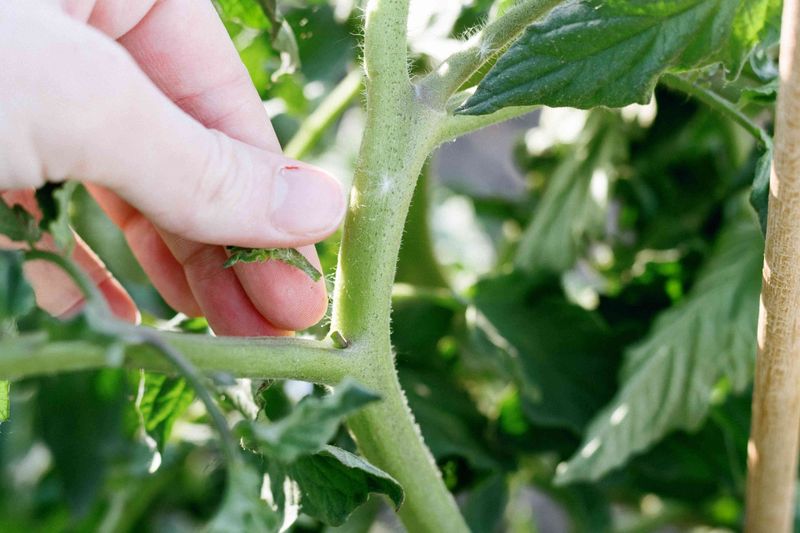
Those little shoots sprouting in the V where a branch meets the main stem have a name gardeners love to hate: suckers. On indeterminate tomato varieties, they quietly drain energy that could be going into fruit.
Pinch them off while they are small and tender, and you redirect the plant’s effort toward growing tomatoes instead of extra leafy stems. Fewer crowded shoots also mean better airflow through the plant.
Improved circulation helps leaves dry faster after rain, which lowers the chance of the fungal diseases that thrive in damp, packed foliage. Just check that you are growing an indeterminate type first, since bushy determinate tomatoes generally do not need this treatment.
A quick weekly walk through your patch with your fingers ready to pinch keeps your plants focused and productive.
10. Removing Lower Tomato Leaves
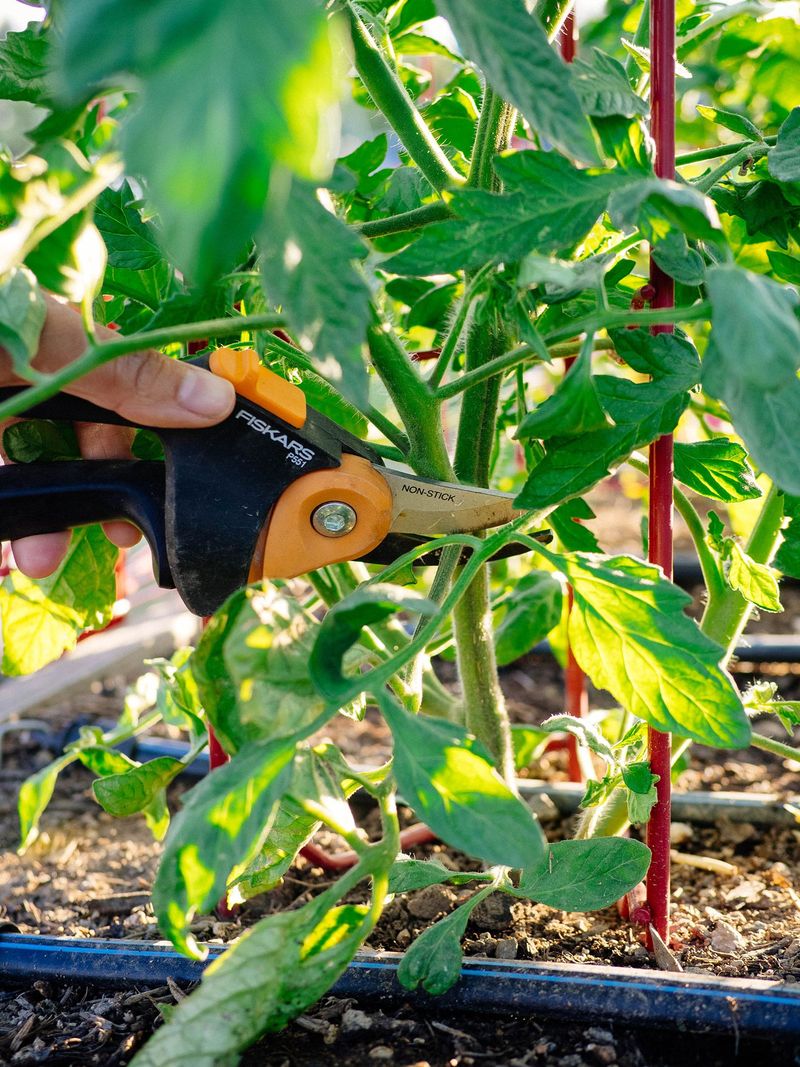
The leaves closest to the ground are usually the first to cause trouble. As your tomato plant climbs, those bottom leaves sit right in the splash zone where soil-borne diseases lurk.
Snip off the lower 6 to 12 inches of foliage once the plant has some height on it. Getting them out of the way keeps rain from splashing dirt and disease spores up onto the plant.
You also open up the base of the plant to more air movement, which helps everything dry out and stay healthy in humid weather. It feels almost wrong to cut healthy-looking leaves, but the plant does not need them low down where they get little light anyway.
This simple trim protects your investment and keeps your tomatoes producing longer into the season.
11. Pinching Off Early Blossoms
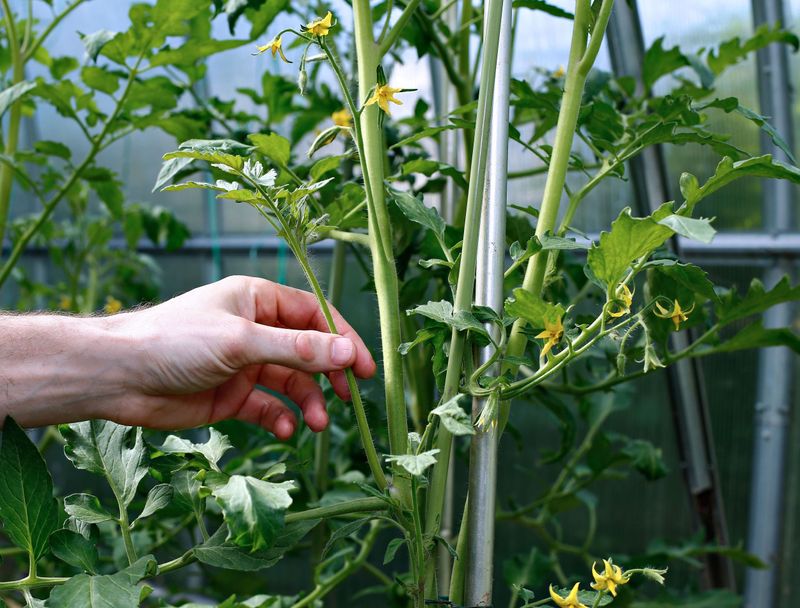
Here is a move that makes new gardeners wince: pulling flowers off a plant you want fruit from. Yet on freshly transplanted young tomatoes, removing that first set of blossoms pays off big later.
Instead of rushing to make a tomato or two, the young plant pours its energy into building a deeper, stronger root system. A better root network supports a bigger, healthier plant down the road.
That early sacrifice can lead to far more fruit once the plant is well established and ready to produce in earnest. It only applies right after transplanting, while the plant is still small and settling in, so you are not giving up much at all.
Trust the process, and your patience turns into a heavier harvest weeks later.
12. Topping Tomato Plants Late in the Season
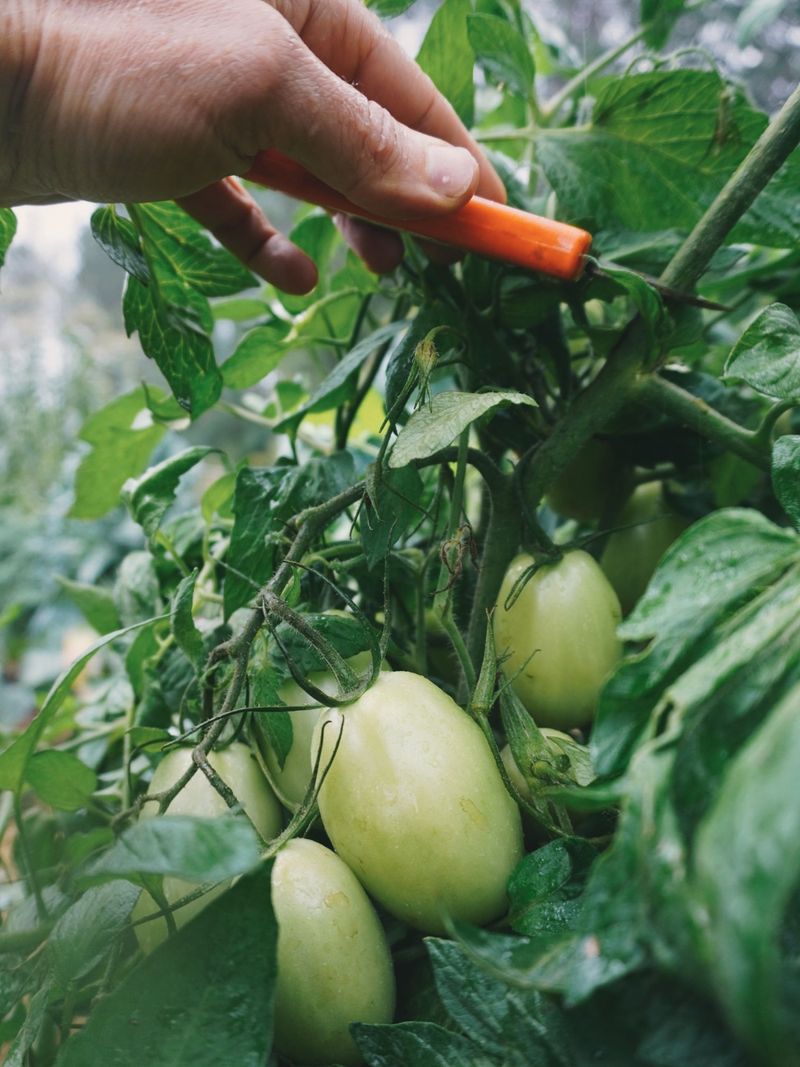
As fall creeps closer, your tomato plant faces a losing race against frost. Any new flowers forming now will never have time to ripen, so they are just wasting the plant’s energy.
About four weeks before your first expected frost, snip off the growing tip at the top of each main stem. This topping tells the plant to stop chasing new growth and start finishing what it already has.
All that saved energy and sugar rushes into the green tomatoes still hanging on the vine, ripening them faster and fuller. You end up rescuing fruit that might otherwise have been caught unripe when the cold hits.
Keep an eye on your local frost dates, make the cut at the right time, and you squeeze the last generous round of ripe tomatoes out of the season.
13. Stage-Specific Feeding for Cucumbers
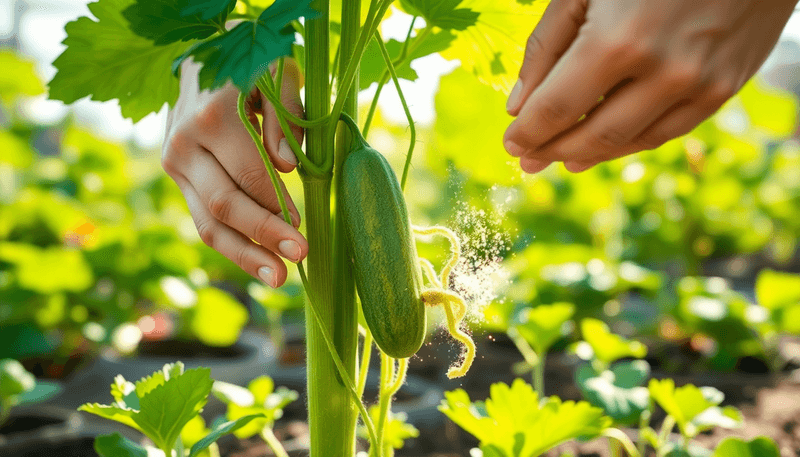
Cucumbers grow fast and fruit heavily, which means they get hungry at every stage of the game. Matching the fertilizer to where the plant is in its life keeps that production rolling.
When seedlings are just settling in, give them a balanced feed like 10-10-10 or 5-10-10 to establish strong early growth. As flowers and baby cucumbers show up, shift to a formula lower in nitrogen and higher in phosphorus and potassium.
That switch matters more than it sounds. Feed cucumbers too much nitrogen once they start flowering, and you get a jungle of gorgeous leaves with barely a cucumber in sight.
Dialing back the nitrogen at the right moment channels the plant’s effort into actual fruit, so you pick more crunchy cucumbers instead of just admiring the greenery. Adjust the menu as the plant grows and the harvest keeps coming.
14. Pruning Cucumber Lateral Shoots
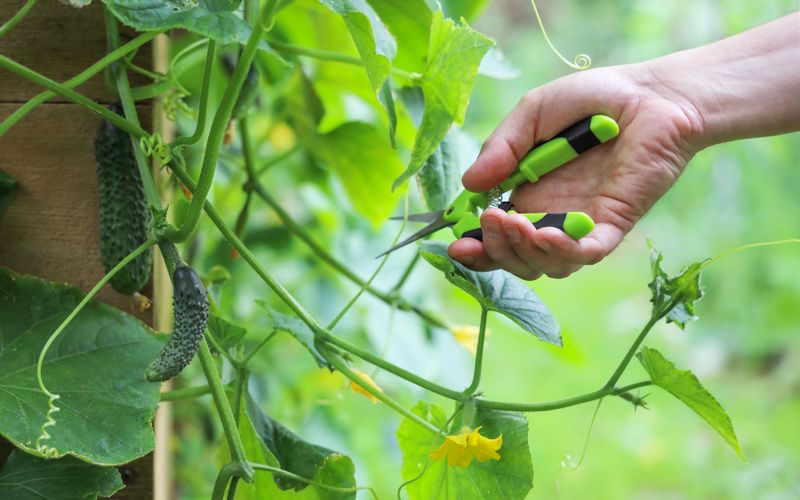
On a trellised cucumber vine, all those side shoots reaching out can turn into a leafy traffic jam. Thinning them out helps the plant put its energy where you actually want it.
Remove the lateral shoots and leaves up to a certain height on the lower part of the vine, especially on climbing varieties. This directs the plant’s strength toward producing cucumbers rather than sprawling greenery.
Opening up the vine also lets air flow freely between the stems and leaves, which keeps things drier and healthier as the plant climbs. Do it thoughtfully on vining types grown up a support, and you will often end up with more fruit and fewer disease headaches.
A tidier vine is easier to harvest from too, since you can actually see the cucumbers hanging there instead of digging through a wall of leaves.
15. Banana Peel Fertilizer
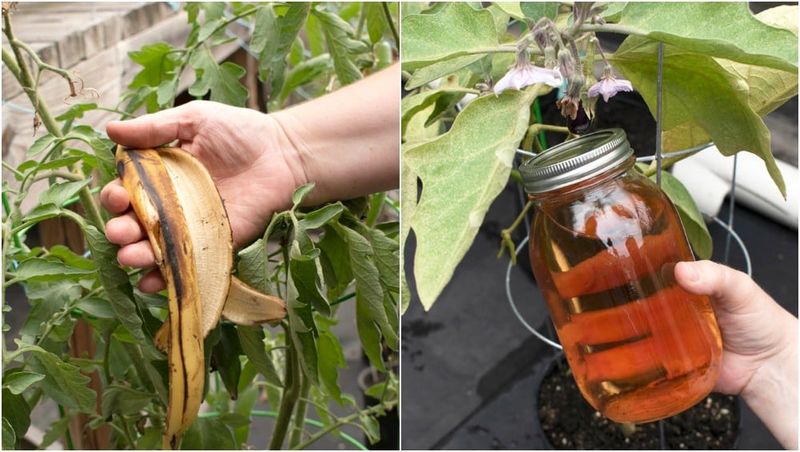
The humble banana peel headed for your compost is packed with potassium, and potassium is fuel for fruit. That makes it a surprisingly handy feeder for cucumber plants working hard to produce.
Bury chopped peels a few inches down around the base of your plants, where they break down and release their nutrients right into the root zone. Prefer a liquid version?
Steep the peels in a jar of water for a few days to make a simple banana peel tea, then pour it around your cucumbers.
It is such an easy habit to fall into, since you are already peeling bananas anyway. That extra potassium supports flowering and helps the plant size up its fruit, giving your cucumbers a nudge toward a heavier, tastier crop.
Keep it up through the growing season and you turn a piece of kitchen waste into real garden results.
16. Nettle or Comfrey Tea
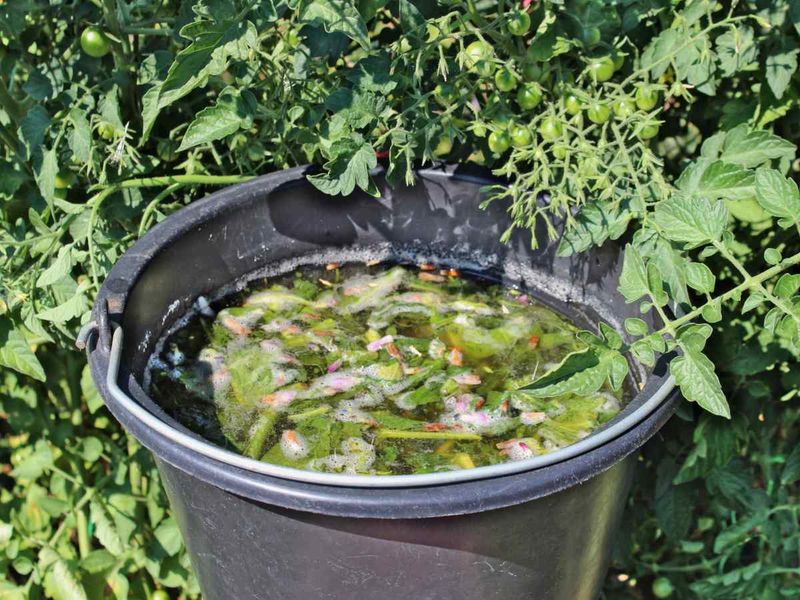
Old-time gardeners swear by a stinky bucket of homemade plant tea, and there is real substance behind the smell. Nettle and comfrey both make powerful liquid fertilizers you can brew for free.
Nettle tea is loaded with nitrogen and micronutrients, which is perfect for fueling active leafy growth early on. Comfrey tea leans heavy on potassium, making it ideal once your plants shift into flowering and fruiting.
Chop the leaves, steep them in water until they break down into a dark brew, then dilute the tea about one part to ten parts water before you pour it on. That dilution keeps the feed strong enough to help without overwhelming your plants.
Use nettle when you want growth and comfrey when you want fruit, and you have a natural, wallet-friendly one-two punch that keeps both tomatoes and cucumbers cranking out a harvest worth bragging about.