
16 Simple Tricks That Get Your Petunias Blooming Like Crazy Before Summer Runs Out
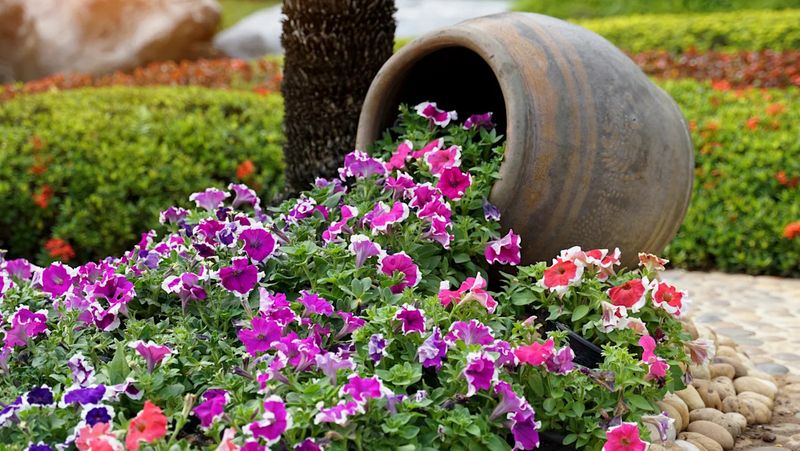
Petunias have a habit of starting strong in spring and then fizzling out by mid-summer, leaving you with leggy stems and just a few sad flowers. The good news is that a handful of easy habits can flip that story and keep your pots and beds packed with color right up until fall. None of these tricks require fancy tools or a green thumb you were born with, just a little know-how and a few minutes here and there. Grab your gloves, because these sixteen ideas will have your petunias showing off before the season slips away.
1. Pinch Back the Stems Early
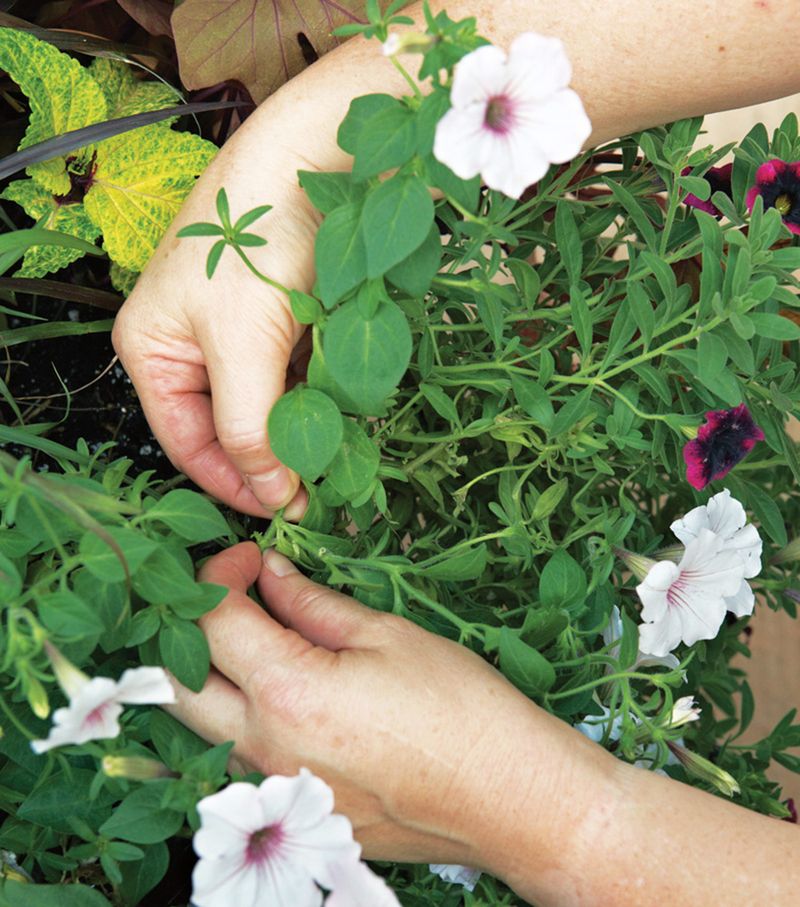
A young petunia that looks a little scraggly is actually begging you to pinch it. When you nip the top inch off each stem, the plant responds by pushing out two new branches where there was one, and more branches mean more places for flowers to form.
Do this when your plants are about six inches tall, using clean fingers or small scissors. It feels wrong to snip off healthy growth, but the fuller, bushier plant you get a few weeks later makes the sacrifice worth it.
Growers who skip this step usually end up with long, bare stems and a flower or two dangling off the end. A quick pinch early on trades a tiny bit of patience for a mound of blooms later.
2. Deadhead Spent Blooms Regularly
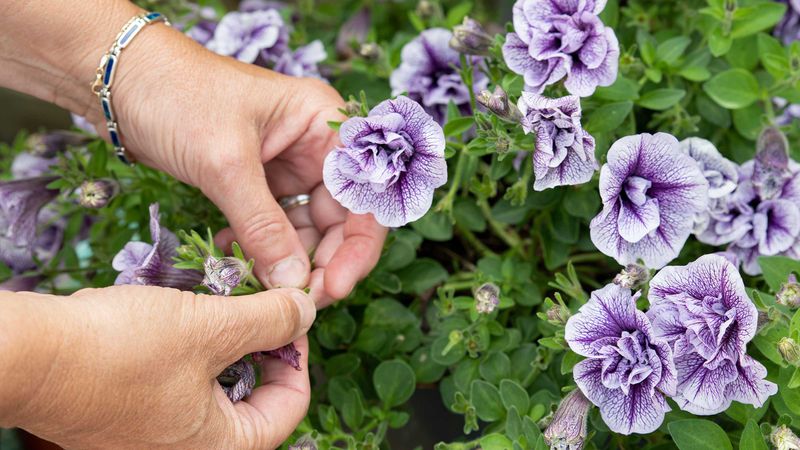
Every wilted flower left on the plant is quietly telling your petunia to slow down and make seeds instead of new buds. Removing those faded blooms flips the switch back to flower production.
Grab the whole spent flower along with the small green seed pod behind it, not just the papery petals. That little pod is the part that steals the plant’s energy, so pulling it off keeps the show going.
Set aside five minutes every couple of days during peak season. It becomes a relaxing little ritual, and your reward is a plant that never seems to run out of steam.
3. Feed Them Like Hungry Teenagers
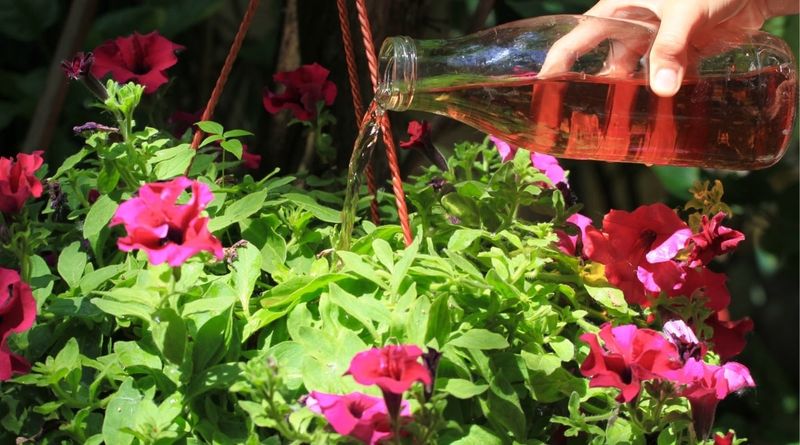
Petunias are famously heavy feeders, which is a polite way of saying they eat constantly. In containers especially, the nutrients wash out fast, so a plant that started lush can go pale and stingy with flowers if you stop feeding.
A balanced water-soluble fertilizer every seven to ten days keeps the color coming. Some gardeners in warm US zones even do a light weekly feeding once the plants are cranking in June and July.
Watch the leaves for a hint of yellowing between the veins, which often means the plant is running low on iron or nitrogen. A quick meal usually greens things back up within a week.
4. Give Them a Serious Chop by Midseason
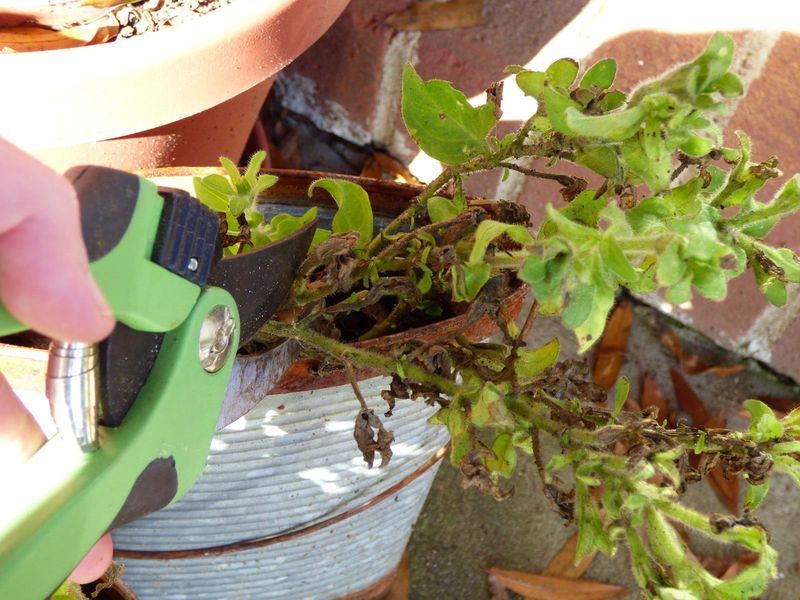
Sometime around the Fourth of July, many petunias look tired, stretched out, and blooming only at the tips. That is the moment to be brave with the scissors.
Cutting the whole plant back by about a third, or even by half for really leggy ones, sounds drastic. The plant sulks for a week or two, then comes roaring back thicker and more colorful than before.
Stagger the haircut if you cannot stand a bare-looking pot. Trim half the stems one week and the rest the next, so you always have some flowers while the plant rebuilds. By late summer you will be glad you did not let it limp along.
5. Water at the Roots, Not the Flowers
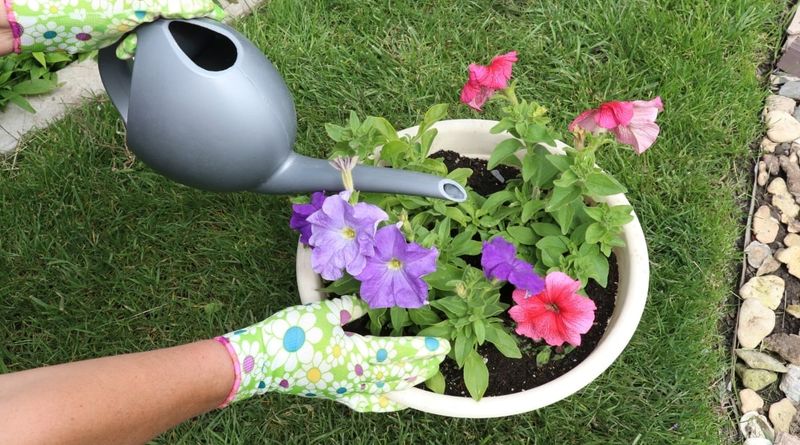
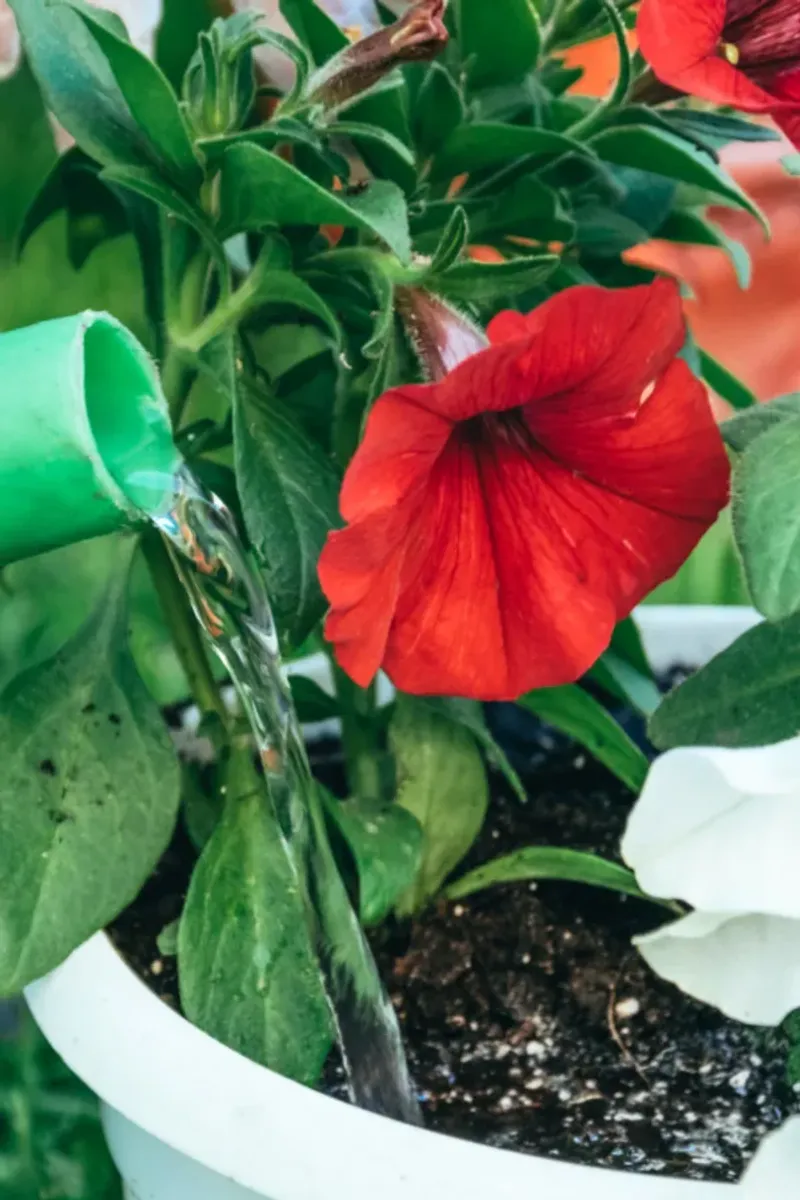
Blasting the whole plant from above feels efficient, but petunia flowers are delicate and turn to mush when they stay wet. Soggy blooms also invite gray mold that can spread through a whole basket fast.
Aim your hose or can at the soil line so the roots drink deeply while the petals stay dry. Early morning is the sweet spot, giving any splashed leaves time to dry before the afternoon heat.
Consistent, deep watering beats frequent little sips too. Roots that reach down for moisture build a sturdier plant that shrugs off a skipped day far better than one trained to expect a shallow splash every morning.
6. Read the Leaves as an Early Warning System
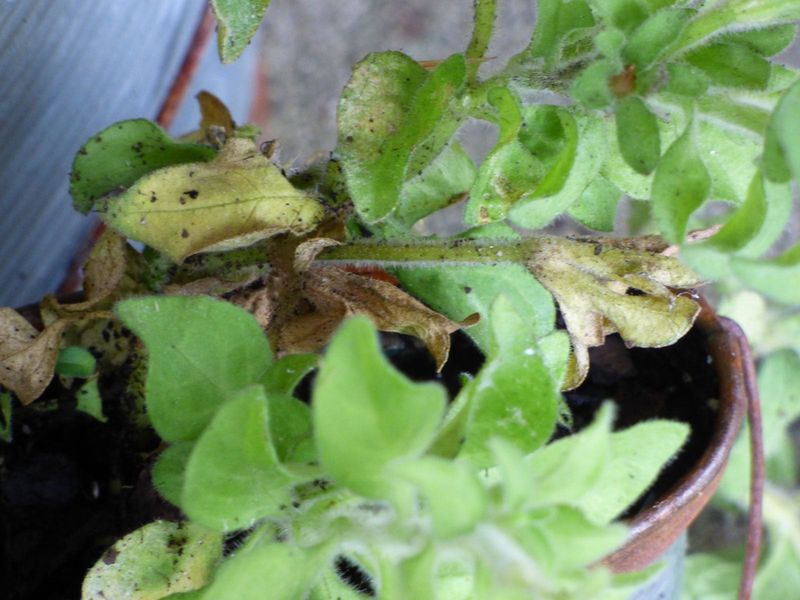
Long before a petunia stops blooming, its leaves start dropping hints. Pale, washed-out foliage often points to a nutrient shortage, while yellowing lower leaves can signal overwatering or roots that have run out of room.
Purple-tinged undersides sometimes appear during a cold snap or when phosphorus is low. Crispy brown edges usually mean the plant dried out too far between waterings.
Getting in the habit of flipping a few leaves over each week turns you into a detective. Catching a problem while it is still just a leaf color change, rather than a wave of dropped flowers, gives you time to fix it before the whole plant coasts to a stop.
7. Pick the Right Petunia for the Job
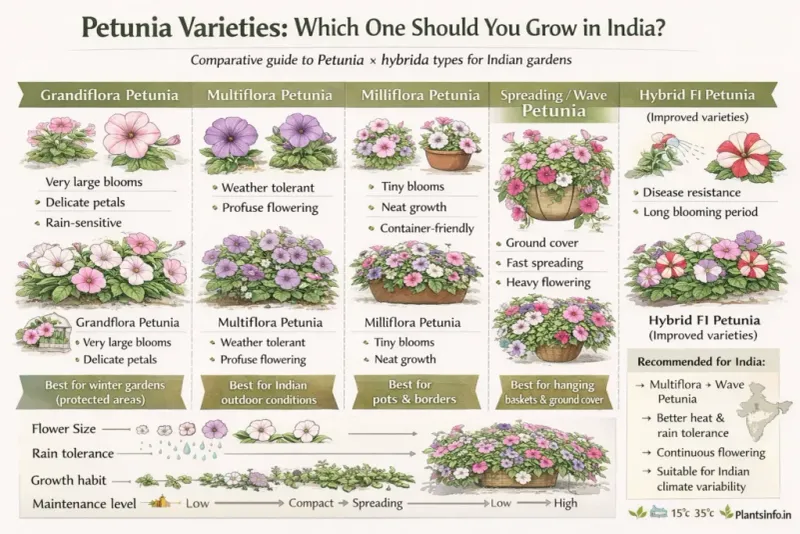
Not all petunias behave the same way, and choosing the wrong type sets you up for disappointment. Spreading and trailing kinds like the Wave series flow over container edges and rarely need deadheading, while classic grandifloras produce huge blooms that flop in heavy summer rain.
Milliflora types stay compact and covered in tiny flowers, perfect for a tidy border. Multifloras handle weather beatings and keep pumping out medium blooms all season.
Match the plant to your spot before you buy. A hanging basket in blazing afternoon sun wants a tough spreading variety, not a fussy show-flower that melts by August. Reading the tag at the garden center saves a lot of heartache later.
8. Give Them All the Sun You Can
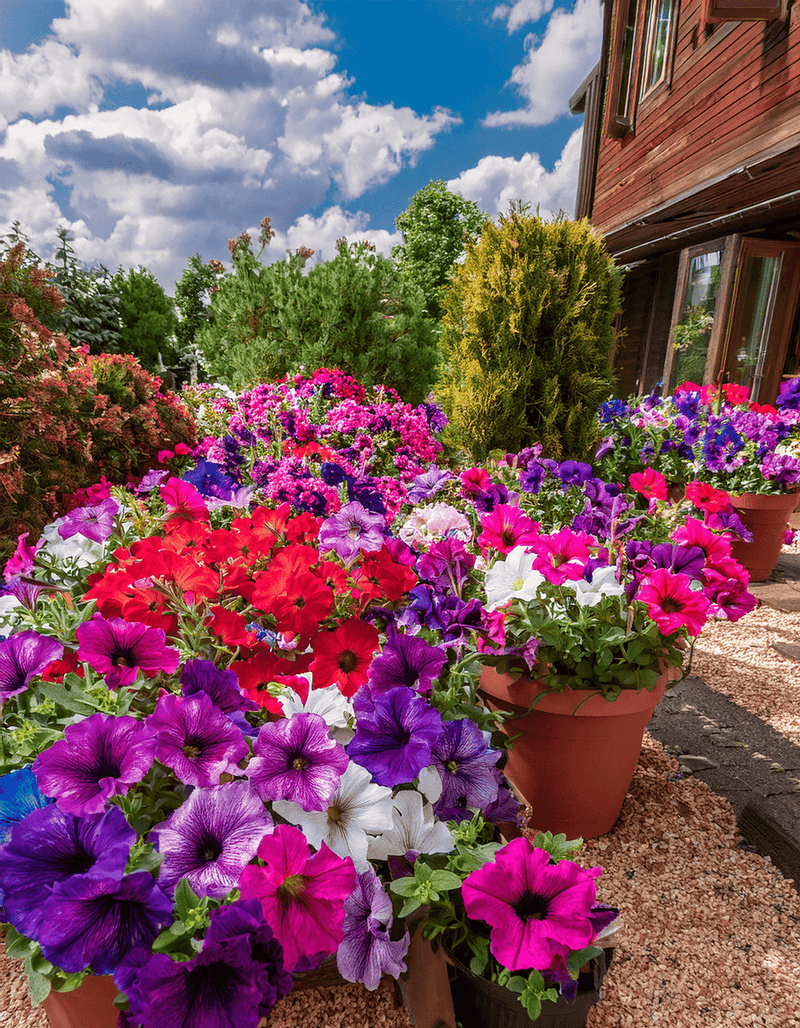
Sunlight is basically fuel for petunia flowers, and skimping on it is the quiet reason many plants underperform. Six to eight hours of direct sun is the target, and more is usually better in most US backyards.
A petunia stuck in part shade will stretch toward the light, grow leggy, and produce a fraction of the blooms it could. If your porch only gets morning sun, the plant will survive but never truly show off.
Move containers into brighter spots if you can, and rotate them every few days so all sides get their turn. Sun-drenched petunias reward you with the dense, glowing color that made you buy them in the first place.
9. Repot Rootbound Plants Into Bigger Homes
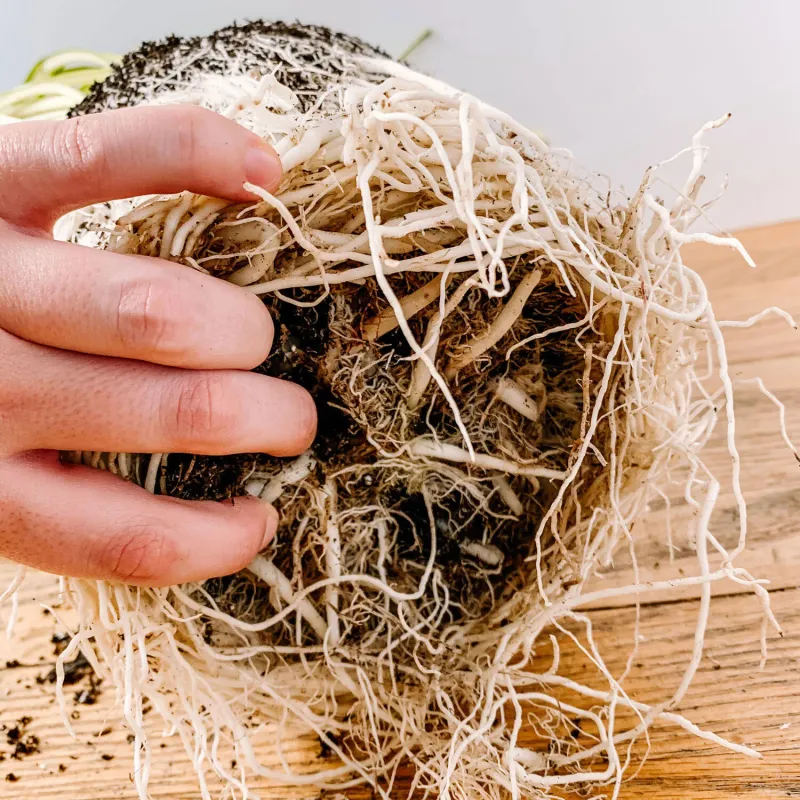
Slide a struggling petunia out of its pot and you might find a solid mass of coiled roots with barely any soil left. A plant that cramped cannot take up enough water or food to keep flowering.
Bumping it up to a container a couple inches wider gives the roots fresh soil to explore and holds more moisture through hot afternoons. Loosen the tangled root ball gently before setting it in.
Store-bought hanging baskets are the usual culprits, since they are often packed with several plants in a small space to look full on the shelf. Giving them room to breathe midseason can be the difference between a fading basket and one that blooms into fall.
10. Mulch Containers and Beds to Hold Moisture
Bare soil in a summer container dries out shockingly fast, and a petunia that keeps hitting drought stress will drop buds to protect itself. A thin layer of mulch acts like a blanket that slows evaporation.
In garden beds, a couple inches of shredded bark or straw keeps roots cooler and cuts down on weeds competing for food. In pots, even a light scattering of fine mulch or coconut coir helps.
The payoff shows up during those stretches when you cannot water for a day or two. Mulched petunias ride out the dry spell without missing a beat, while bare-soil neighbors wilt and stall.
11. Keep Budworms and Aphids in Check
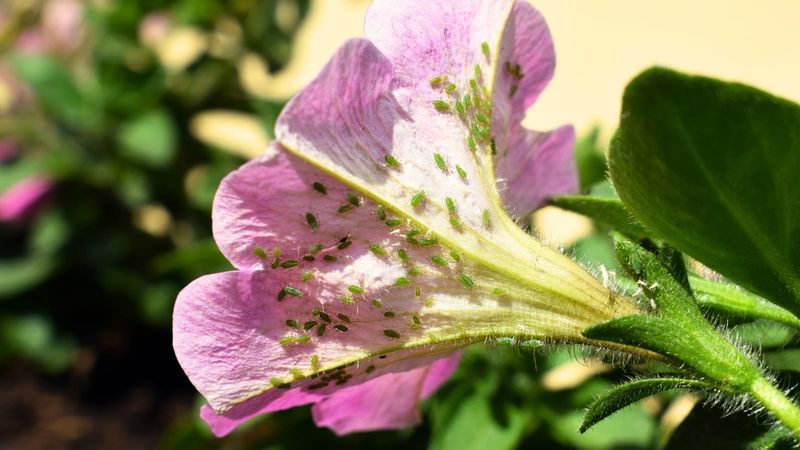
Ever notice tiny holes in the buds or flowers that never fully open? The tobacco budworm is likely the vandal, chewing petunias from the inside before you even see the caterpillar. Aphids pile up on tender new growth and sap the plant’s strength too.
Check under leaves and inside developing buds in the evening, when budworms come out to feed. A spray of Bt, a natural bacteria harmless to people and pets, can knock back the caterpillars without harsh chemicals.
A strong squirt of water may help dislodge aphids, and inviting ladybugs into the yard keeps them from coming back. Catching an infestation early means the difference between a quick fix and a stripped, budless plant.
12. Plant Aromatic Companions to Repel Pests
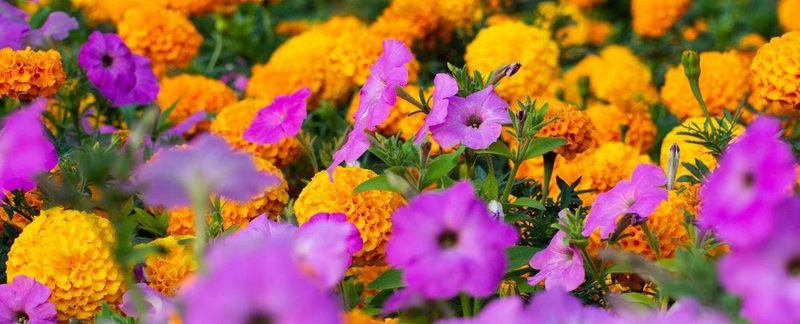
Some of the best pest protection smells wonderful to you and terrible to bugs. Tucking marigolds, basil, or lavender near your petunias can help throw off the aphids, whiteflies, and beetles that hunt by scent.
Marigolds are the classic backyard bodyguard, their pungent foliage confusing pests looking for a meal. Basil planted in the same container does double duty, flavoring your dinner while its strong oils discourage flying nuisances.
Nothing here is a magic force field, and heavy infestations still need direct attention. But layering fragrant companions around your petunias may reduce how many pests ever find them, and the mixed planting looks charming too.
13. Use the Right Potting Mix, Not Garden Dirt
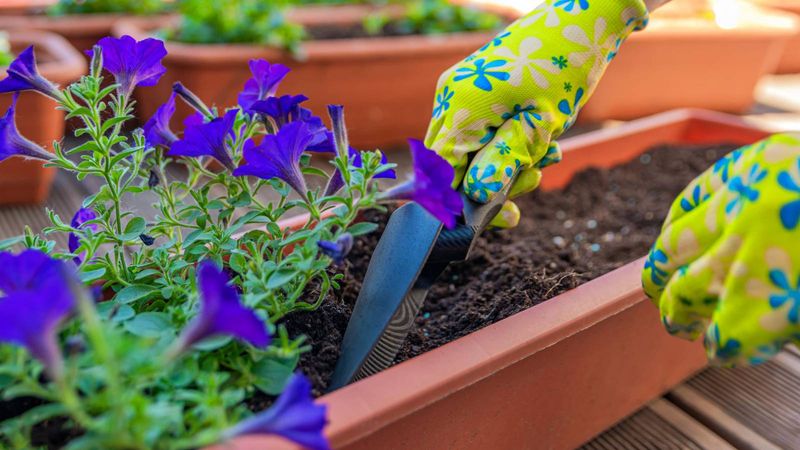
Scooping soil straight from the yard into a petunia pot is a common shortcut that backfires. Dense garden dirt compacts in containers, chokes the roots, and holds water in all the wrong ways.
A light, fluffy potting mix built for containers drains well while still holding enough moisture for thirsty petunias. Many mixes already include a starter dose of fertilizer to get plants off to a fast start.
For extra insurance, stir in a handful of compost or slow-release granules at planting time. Roots in a loose, rich mix spread quickly and support the wall of blooms you are after, something compacted yard soil almost never delivers.
14. Cool the Roots During Heat Waves
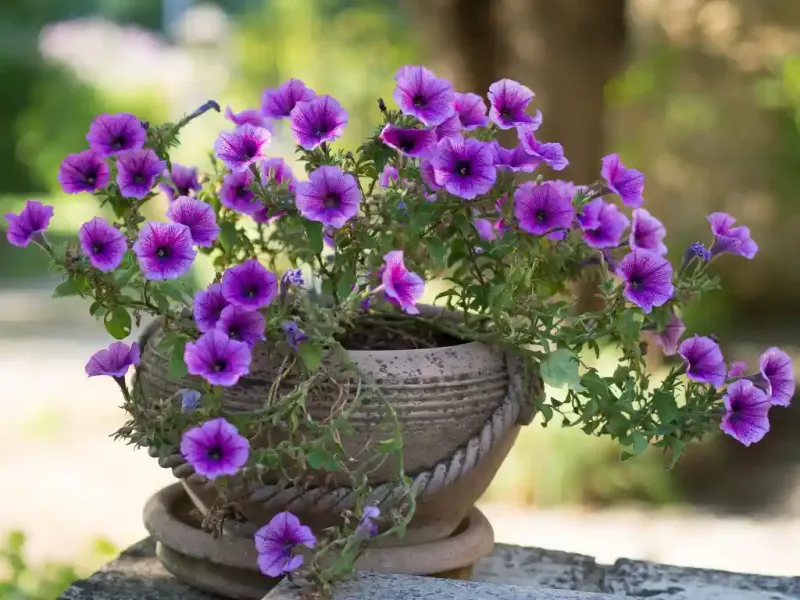
Petunias love sun, but their roots hate baking inside a hot dark pot on a scorching afternoon. A container sitting on a sun-blasted concrete patio can cook the roots even while the leaves look fine.
Grouping pots together shades each other’s sides, and slipping a smaller pot inside a larger decorative one adds an insulating air gap. Light-colored containers reflect heat far better than dark plastic or metal.
During a brutal stretch, moving containers to catch morning sun and afternoon shade can ease the strain without sacrificing blooms. Roots kept a few degrees cooler keep sending up flowers instead of hunkering down to survive.
15. Skip the High-Nitrogen Fertilizer
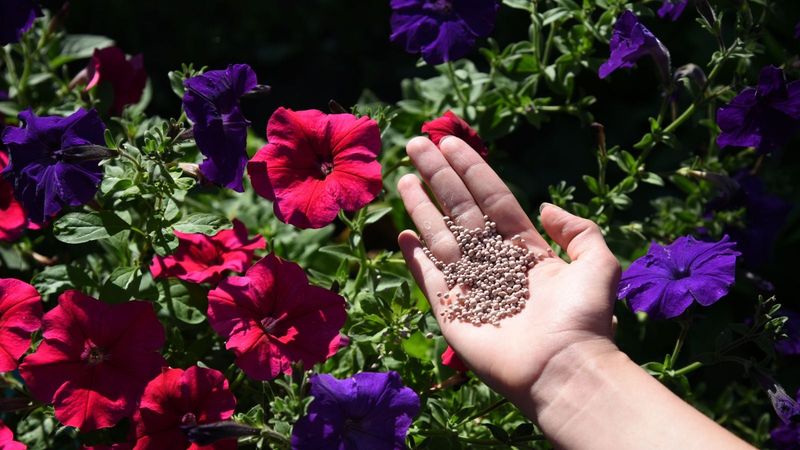
Reaching for a lush-lawn fertilizer to boost your petunias is an easy mistake with a disappointing result. Products heavy in nitrogen, that first number on the bag, push out loads of leafy green growth at the expense of flowers.
You end up with a big, healthy-looking jungle that stubbornly refuses to bloom. What petunias actually crave is a balanced formula or one slightly higher in the middle and last numbers, which support buds and blooms.
Reading the three-number ratio before you pour takes ten seconds and saves you a whole season of leafy frustration. When flowers, not foliage, are the goal, match the food to the mission.
16. Stop Overwatering and Let Them Breathe
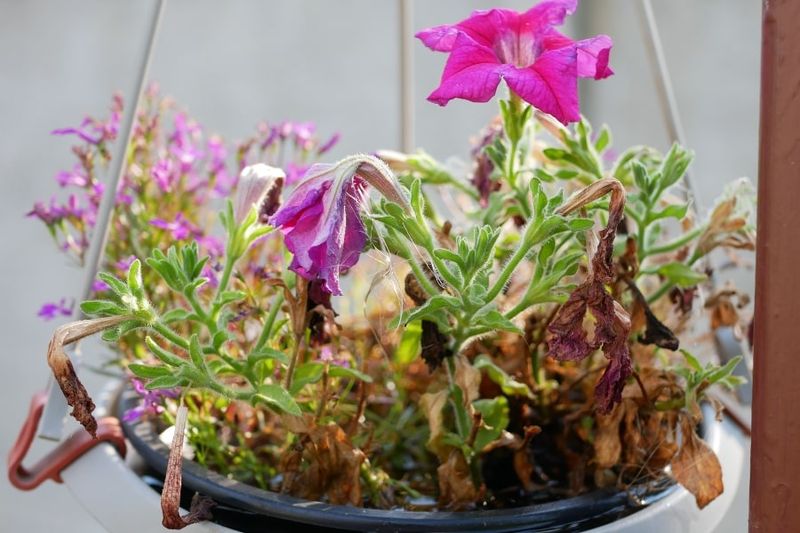
Kindness can drown a petunia. Constantly soggy soil suffocates roots, invites root rot, and ironically produces the same droopy, yellowing look that a thirsty plant shows, which tempts you to water even more.
Stick a finger an inch into the soil before reaching for the hose. If it comes out damp, wait a day. If it is dry at the fingertip, water deeply until it runs from the drainage holes.
Good drainage is half the battle, so make sure every pot has open holes and never let one sit in a saucer of standing water. Roots that get to breathe between drinks build the vigor that keeps blooms coming until the season winds down.