
17 Kitchen Scraps And Pantry Staples That Feed Your Tomatoes Better Than Store-Bought Fertilizer
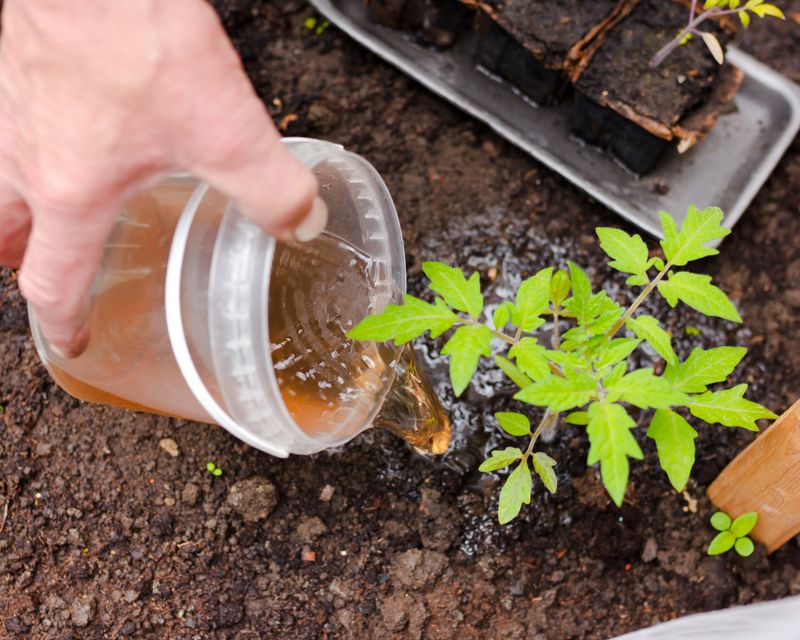
Your tomato plants are hungry, and the snacks they crave might already be sitting in your trash can or pantry. Banana peels, coffee grounds, eggshells, and even a box of baking soda can help fix yellow leaves, weak stems, and that dreaded black bottom on your fruit.
Using what you already have saves money and keeps good stuff out of the landfill. Here are 17 everyday items that can give your tomatoes a real boost this season.
1. Banana Peels
Your morning banana does double duty once you stop tossing the peel. Each one carries potassium, a nutrient tomatoes lean on heavily once fruit starts forming.
Potassium helps move water and sugars through the plant, which shows up as sturdier stems and better-tasting tomatoes.
Peels also hold small amounts of calcium and phosphorus. That calcium may help reduce blossom end rot when paired with steady watering.
Phosphorus supports roots and flowers.
Chop peels into small pieces and bury them a few inches deep near the root zone. Whole peels on top of the soil just attract fruit flies and take forever to break down.
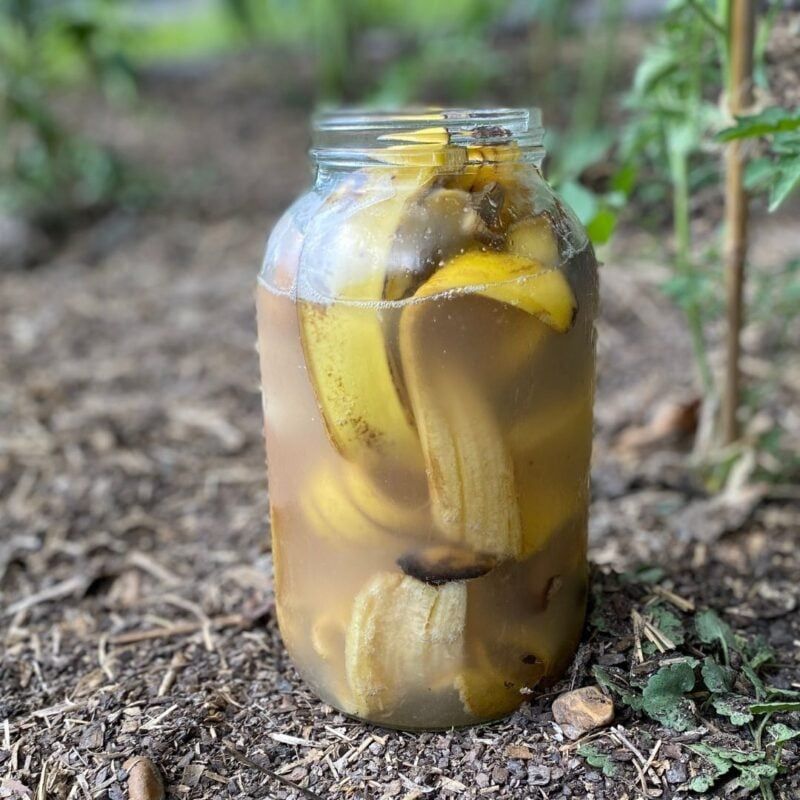
You can also soak peels in a jar of water for two or three days and pour the liquid around your plants.
2. Used Coffee Grounds
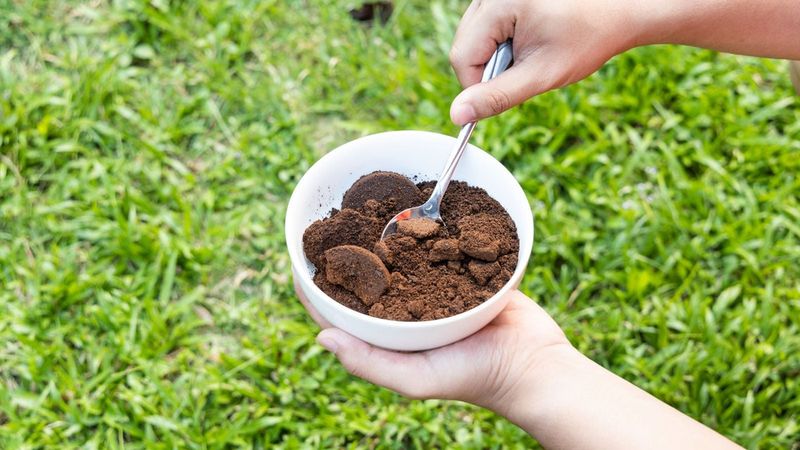
Coffee lovers, you have a garden secret hiding in the filter. Used grounds contain nitrogen, the nutrient behind lush, green tomato foliage, along with a little potassium and phosphorus.
The bigger win might be the soil itself. Grounds add organic matter, improve drainage, and tend to attract earthworms, which do a lot of free work loosening the ground.
Moderation matters here. A thick layer can clump, stay soggy, and invite mold, so sprinkle a thin dusting and scratch it into the top inch.
Keep grounds a few inches away from the stem. Better yet, toss them into your compost first so the nutrients become easier for roots to use.
3. Crushed Eggshells
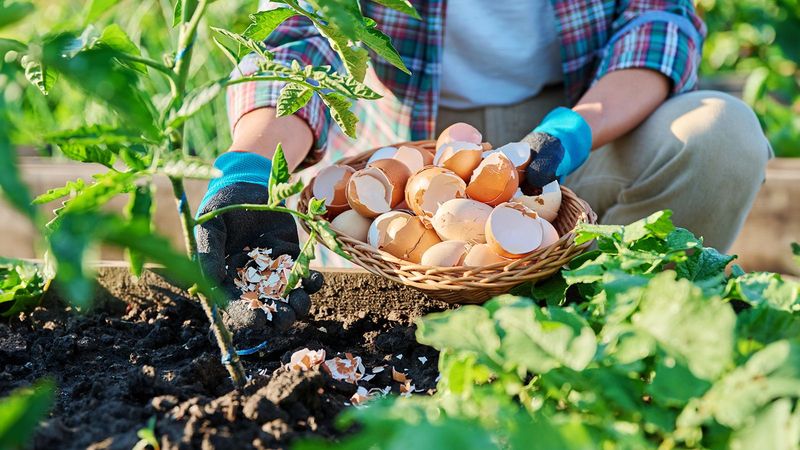
Grandma probably saved her eggshells in a coffee can by the sink, and she was onto something. Shells are mostly calcium carbonate, and calcium builds strong cell walls in tomato fruit.
Here is the catch most people miss. Tossing big shell pieces into the bed does almost nothing this season because they can take years to break down.
Rinse the shells, let them dry, then grind them into a powder with a blender or coffee grinder.
Mix a handful of powder into each planting hole or add it to your compost. Coarser bits scattered on the surface may also help deter slugs and snails.
Just remember that blossom end rot is usually about uneven watering, so shells work best as part of a steady routine.
4. Wood Ash
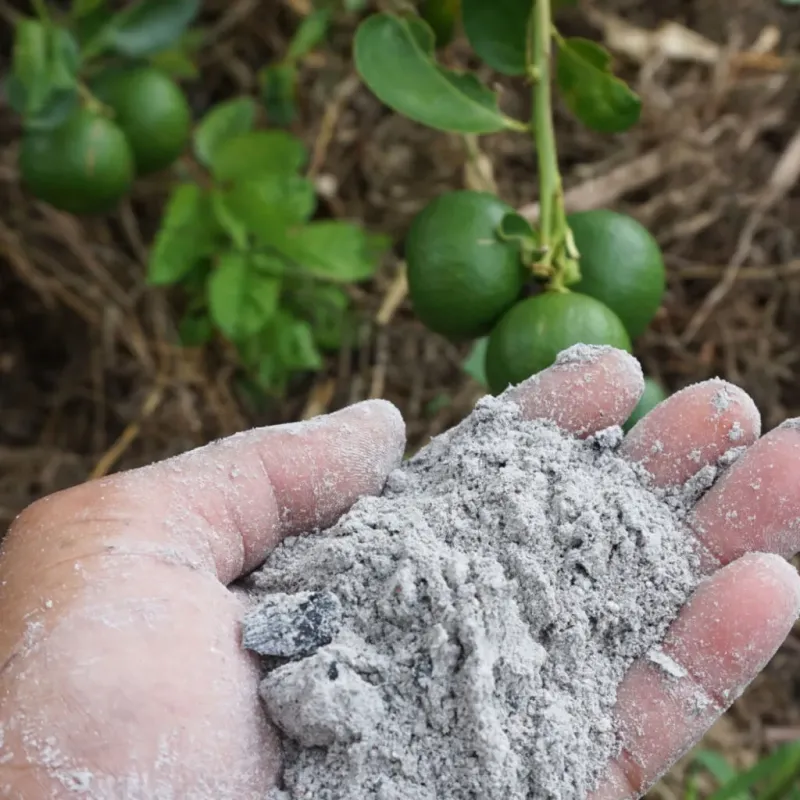
Last winter’s fireplace leftovers can become this summer’s tomato food. Hardwood ash supplies potassium, calcium, magnesium, and a bit of phosphorus.
Ash also raises soil pH, so it shines in acidic ground. If your soil is already neutral or alkaline, skip it, since too much can lock up other nutrients.
A cheap soil test tells you which camp you are in.
Mix about one to two cups into a planting hole before transplanting, or scatter a light dusting around established plants and water it in. Use only ash from untreated wood.
Charcoal briquettes, painted lumber, and pressure-treated scraps carry chemicals you do not want near food.
5. Baking Soda
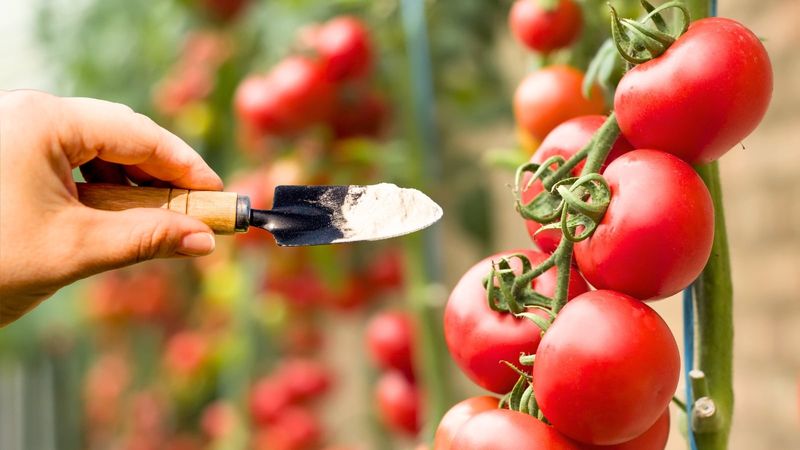
Spotted, yellowing lower leaves send a lot of tomato growers into a panic. Baking soda is not a fertilizer, but it earns a spot here because it can help protect the leaves that power your harvest.
Sprayed on foliage, it makes the leaf surface more alkaline, which may slow early blight and septoria leaf spot. Mix 3 tablespoons of baking soda, 1 tablespoon of vegetable oil, and 2 drops of dish soap into a gallon of water.
Spray in the early morning or evening, never in midday heat, and test a few leaves first. Reapply weekly and after rain.
Pull off badly spotted leaves too, since no spray can bring them back.
6. Epsom Salt
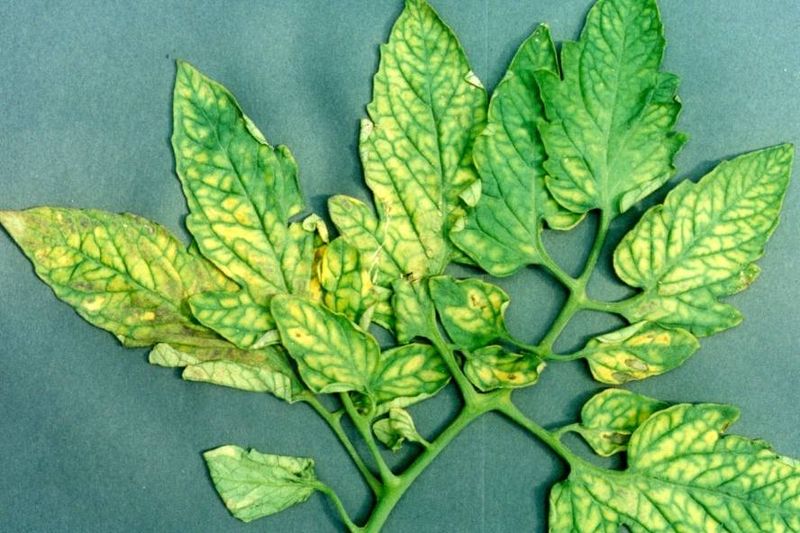
Older tomato leaves turning yellow between green veins? That pattern often points to low magnesium, and Epsom salt is magnesium sulfate.
Magnesium sits at the center of chlorophyll, so plants need it to turn sunlight into energy. The sulfur helps too.
Add one to two tablespoons to the bottom of the planting hole at transplant time. For established plants, dissolve one tablespoon in a gallon of warm water and pour it at the base when flowers appear.
More is not better, though. Too much magnesium can crowd out calcium and actually make blossom end rot worse, so use it only when leaves show signs.
7. Diluted Milk
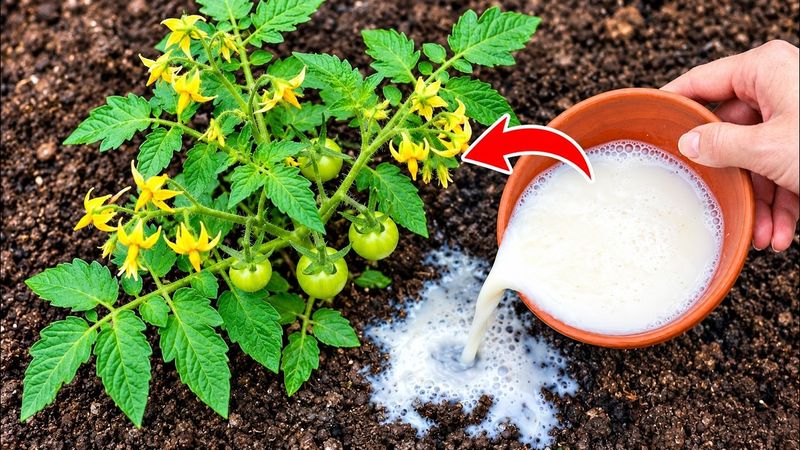
Found a carton past its date in the back of the fridge? Before pouring it down the drain, think of your tomatoes.
Milk carries calcium, potassium, and phosphorus. Mix it with water at least half and half, or as weak as one part milk to ten parts water, then pour it into the soil around the plant.
Keep it off the leaves for tomatoes, since sticky, wet foliage can invite fungus and smell sour in summer heat. Powdered milk works too.
Sprinkle a quarter to half cup around each plant and water it in well.
8. Onion Skins
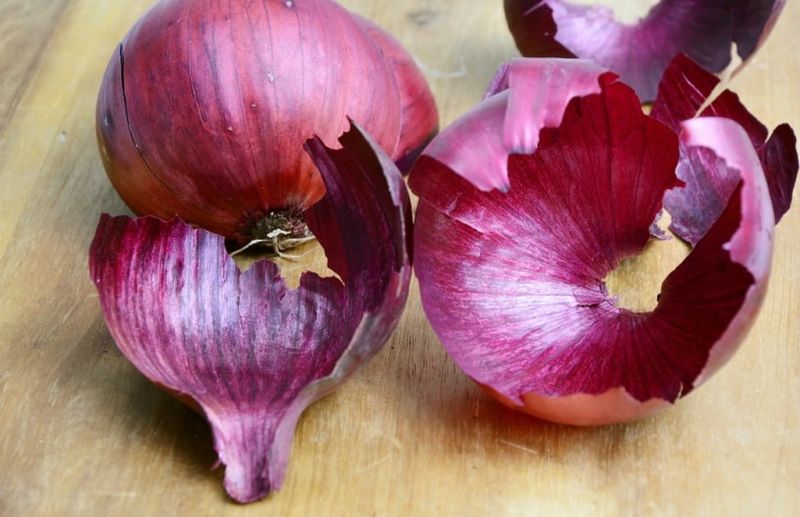
Those papery onion skins that drift across your counter are surprisingly useful. They contain calcium, magnesium, iron, and potassium in small amounts.
Soak a handful of dry skins in water for two or three days until the liquid turns amber. Strain it, then mix one part onion water with four parts plain water and pour it at the base of your tomatoes.
Some gardeners say the compounds in onions may help discourage certain pests, though results vary. Another option is baking the skins until brittle, grinding them, and sprinkling the powder around plants.
9. Compost Tea
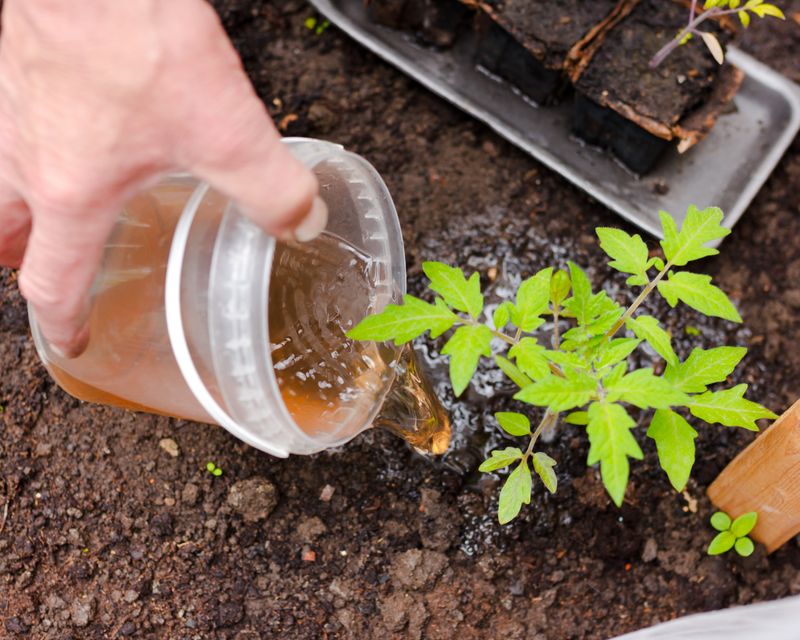
Think of compost tea as a probiotic shot for your soil. It is made by steeping finished compost in water, which pulls out nutrients and billions of helpful microbes.
Those microbes break down organic matter and help roots absorb what is already in the ground. Tomatoes grown in living soil often handle stress better.
Steep a shovelful of finished compost in a bucket of rainwater or tap water left out overnight to lose its chlorine. Stir it daily for two or three days, strain, and dilute until it looks like weak iced tea.
Pour it around plants every couple of weeks.
10. Vegetable Cooking Water
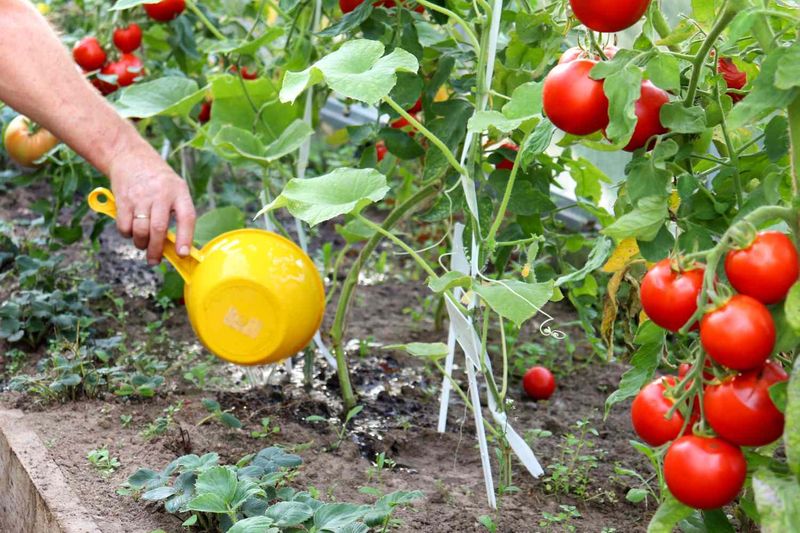
Every time you boil potatoes, broccoli, or eggs, some nutrients leach into the water. Instead of pouring that cloudy liquid down the sink, let it cool and give it to your tomatoes.
Vegetable water carries trace minerals like potassium. Egg water picks up a little calcium from the shells.
Two rules keep this safe. Only use unsalted water, because salt damages roots, and let it cool completely first.
It is a small boost, but container tomatoes on a patio really appreciate it.
11. Aquarium Water
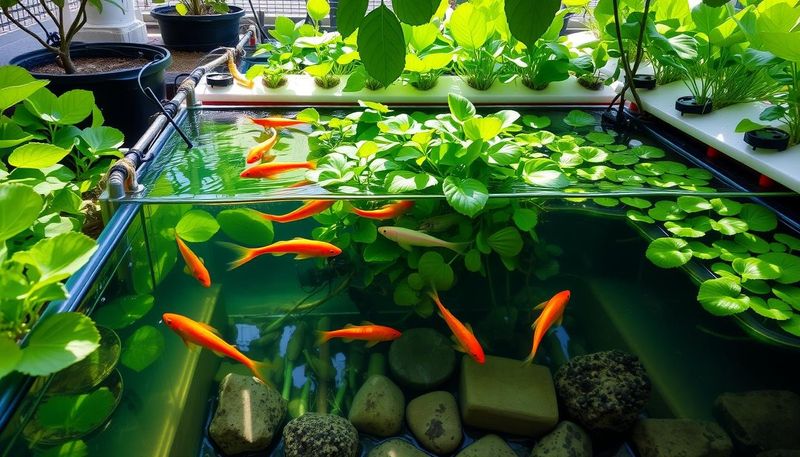
Fish keepers have a free fertilizer every time they clean the tank. Old aquarium water is full of fish waste, which supplies nitrogen and other nutrients in a gentle form.
It works much like a very mild liquid feed and will not burn roots. Pour it right around the base of your tomatoes when you do water changes.
Only use water from freshwater tanks. Saltwater tanks will harm plants, and skip water from tanks you recently treated with medication.
12. Fruit and Vegetable Scraps
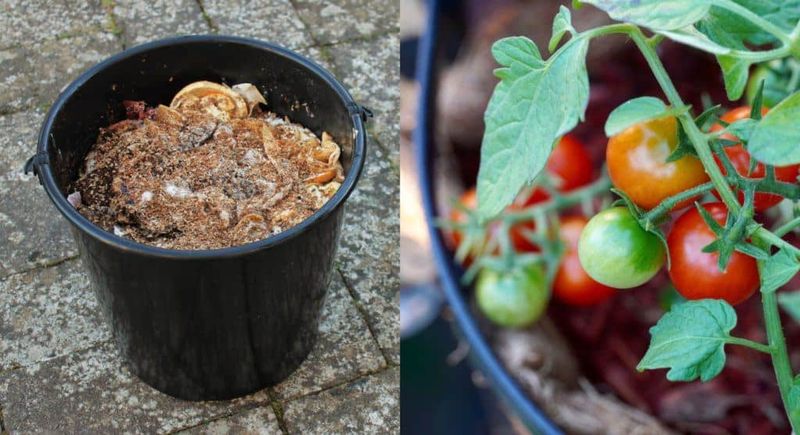
Carrot tops, lettuce ends, apple cores, and melon rinds all have a future in your garden. Composted, they become the dark, crumbly material tomatoes thrive in.
Finished compost releases nutrients slowly, so there is little risk of overfeeding. It also holds moisture, which matters a lot in July heat.
Spread an inch or two around your plants as a side dressing midsummer. Avoid burying fresh scraps right next to tomatoes, since they can attract critters and tie up nitrogen while they rot.
13. Green Tea and Tea Bags
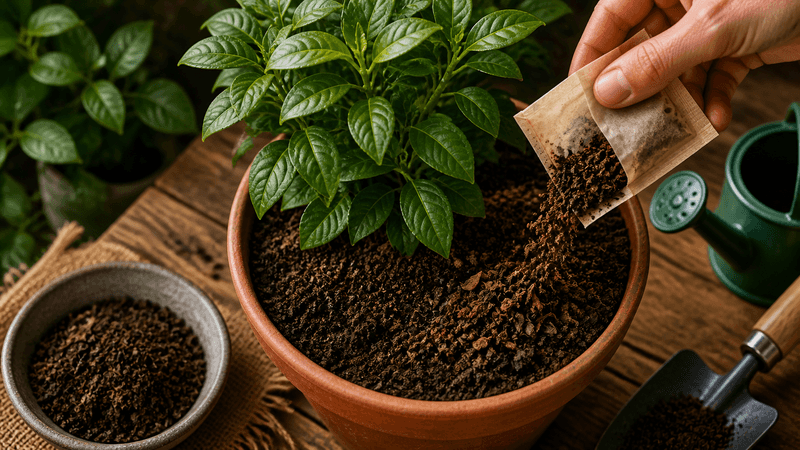
A cup of tea leaves behind a damp little packet of goodness. Used tea leaves contain nitrogen plus tannins and trace minerals.
Tear open the bag and scatter the leaves around your plants, or work them into the top layer of soil. Many tea bags contain plastic mesh, so check the box before burying the whole thing.
Cold, weak leftover tea can also be poured around tomatoes. Skip anything with sugar or milk added.
14. Molasses
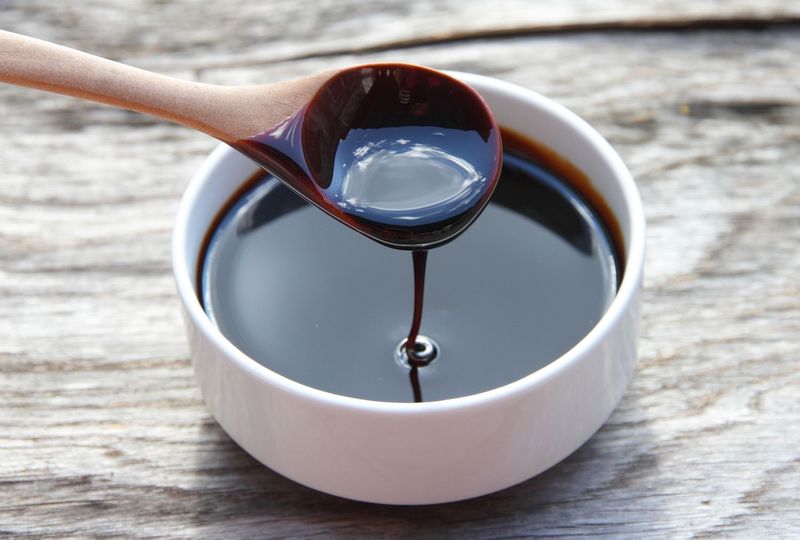
Here is a sweet surprise from the baking aisle. Unsulfured blackstrap molasses feeds the microbes in your soil, and those busy microbes then free up nutrients for your tomatoes.
Blackstrap also contains potassium, calcium, magnesium, and iron in small amounts.
Stir one tablespoon into a gallon of warm water and pour it around plants once every few weeks. It pairs nicely with compost tea.
Choose unsulfured types, since sulfur preservatives may harm soil life.
15. Cornmeal
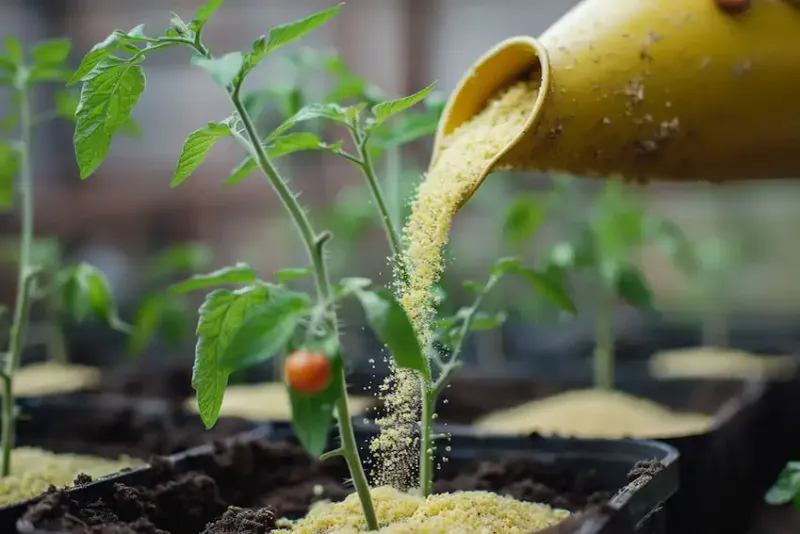
Plain cornmeal is a fun bonus for tomato beds. As it breaks down, it adds a little nitrogen and feeds soil life.
Many gardeners use it because it may encourage beneficial microbes that compete with some soil fungi. Research is limited, so think of it as a soil helper, not a cure.
Work about a cup into the soil around each plant at planting time. Do not use corn gluten meal for seeding areas, as it slows seed sprouting.
16. Seaweed
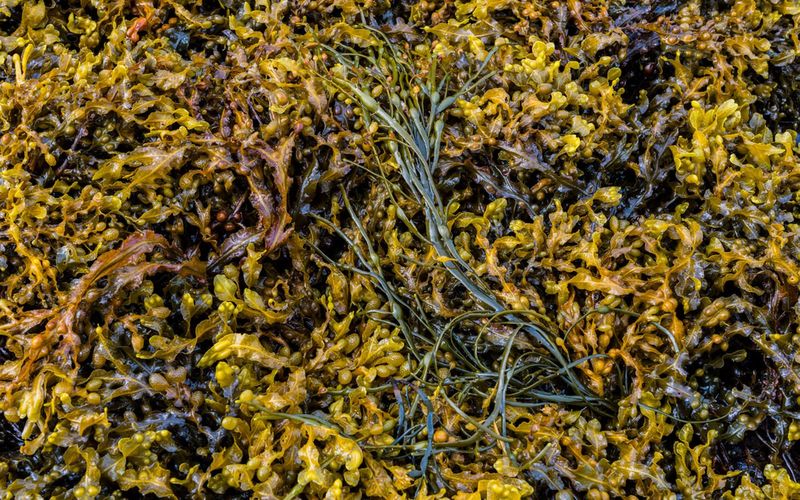
Coastal gardeners have long hauled seaweed up from the beach, and for good reason. It carries potassium plus dozens of trace minerals.
Rinse fresh seaweed well to wash off salt, then chop it and use it as mulch or compost it. Leftover dried kelp or nori from the kitchen can be soaked in water for a quick liquid feed.
Check local rules before collecting from beaches.
17. Powdered Gelatin
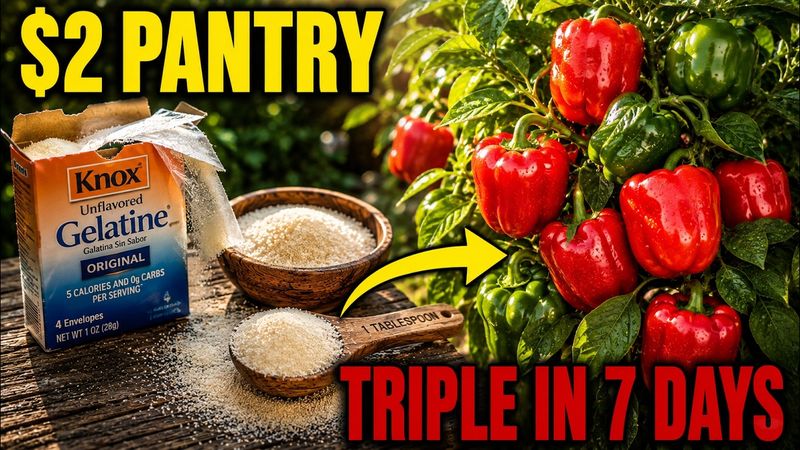
A forgotten packet of unflavored gelatin is mostly protein, which means it is loaded with nitrogen.
Dissolve one packet in a cup of hot water, then stir in three cups of cool water. Pour it around young tomatoes once a month to push leafy growth.
Stop once plants start flowering. Too much nitrogen late in the season gives you giant leafy plants with very few tomatoes.