
Wild Turkeys in Your North Carolina Yard This Fall Show How Birds Use the Wider Landscape
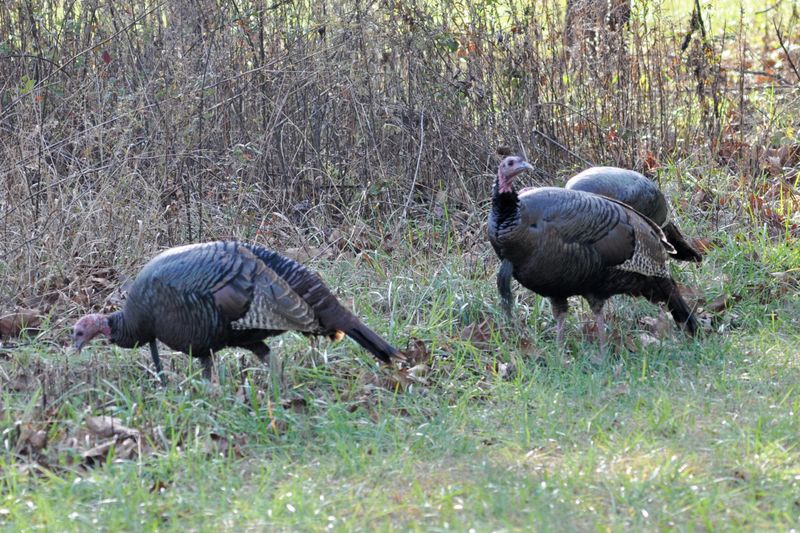
A flock of wild turkeys crossing your lawn on a crisp fall morning is hard to ignore. It feels like a gift, and many people wonder what it says about their trees and woods edge.
The honest answer is more interesting than a simple thumbs-up. Here is what a turkey visit can tell you, what it cannot, and how to care for your yard either way.
A fall visit is a clue, not a verdict
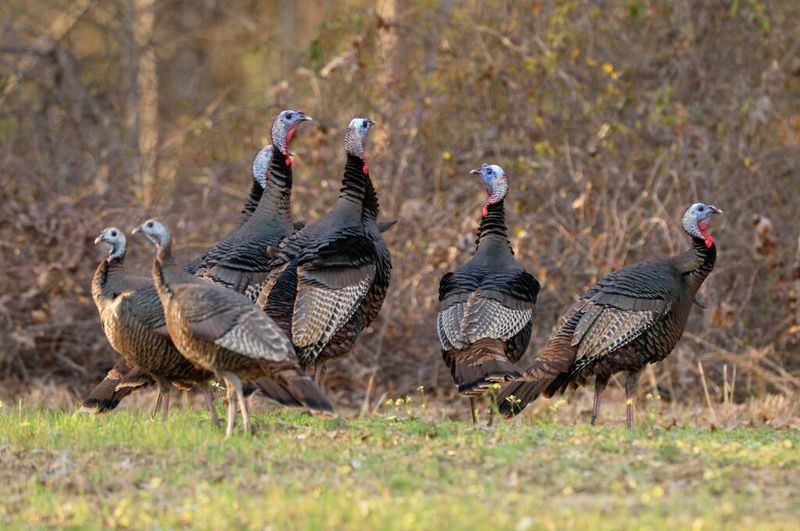
Dry leaves crunch, the coffee is hot, and suddenly a line of turkeys steps out of the trees and across the grass. It is a lovely moment, and it deserves to be enjoyed.
It just should not be treated as a report card for your property.
A fall flock may be using your yard or woods edge for food, for cover, or simply as a path through the neighborhood. Turkeys cover a lot of ground.
NC State Extension reports that the home ranges of many turkeys may exceed 1,000 acres. That is far bigger than any residential lot.
So when birds walk through, they may be drawing on food, roosting spots, and open areas spread across a big stretch of land. Your yard could be one stop on a long daily route.
It might offer something useful, or it might just be in the way of where they were headed.
There is a real difference between an encouraging wildlife encounter and a reliable habitat diagnosis. The first is a happy clue that turkeys are using the surrounding landscape.
The second would need much more than one morning of watching. Think of the visit as a hello from the neighborhood, not a grade for your trees.
That mindset keeps you curious instead of overconfident. It also leaves room for the practical steps later in this article, which make sense whether or not turkeys ever return.
Acorns matter, but turkeys eat more than acorns
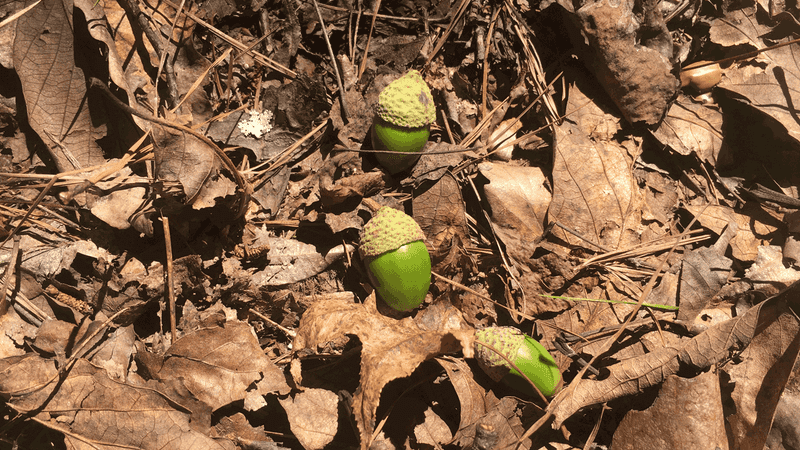
Walk under a big oak in October and you may hear acorns tick down through the branches. For turkeys, that sound can mean dinner.
Acorns and other hard mast are important fall and winter foods, according to NC State Extension, and turkeys may shift toward places where those nuts are plentiful.
Still, turkeys are not acorn-only eaters. They also take seeds, fruits, insects, and other foods, so a flock in your yard might be after a dropped crabapple or a few beetles in the grass.
Acorn crops also swing a lot. University of Florida IFAS Extension notes that production varies across years, locations, oak species, and even individual trees.
One white oak may drop heavily while the red oak next door barely does.
That variety is why seeing turkeys cannot confirm a bumper crop on your property. The birds could be eating acorns two ridges away and just passing through on the way back to roost.
If you want a real clue, look down. Check the ground under your own oaks for sound acorns and signs of scratching in the leaves.
Compare that from one fall to the next, and you will learn far more than a single turkey sighting can tell you.
A strut tells a different story
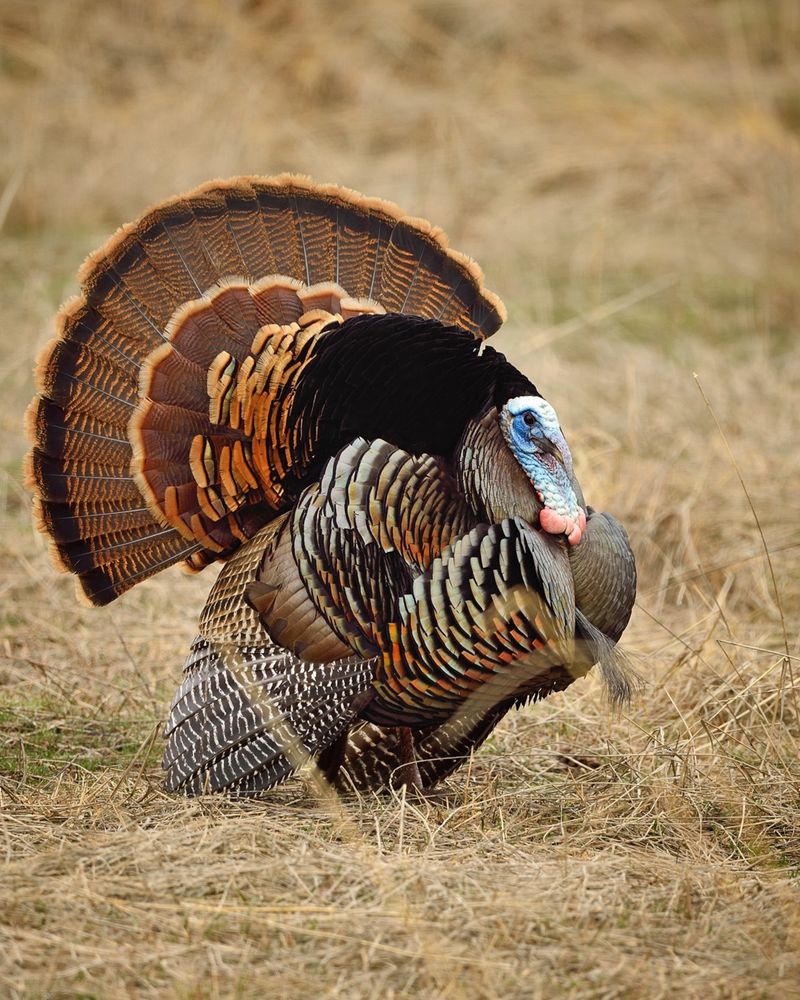
A tom with his tail fanned and chest puffed out looks like he has something to announce. Many people assume he is announcing good news about the food supply.
In truth, the display is about other turkeys.
Strutting can be a courtship show, but it is also a way to assert dominance. The Pennsylvania Game Commission describes it as a dominance display as well as part of mating, and it can happen outside spring.
That means a fall strut does not point to a hidden acorn feast. It does not say anything about your leaf litter or the health of your woods edge either.
A bird can puff up in a barren parking lot just as easily as in a rich oak forest.
What you may be watching is social sorting. Males in a group can sort out who ranks where, and your lawn happens to be the stage.
A reflection in a car door or a window can sometimes set off the same show.
Enjoy it for what it is, a bit of wild theater. Just keep the food question separate.
If you want to know about acorns, check the oaks. If you want to know about habitat, look at the bigger landscape around you.
Turkey habitat extends beyond one woods edge
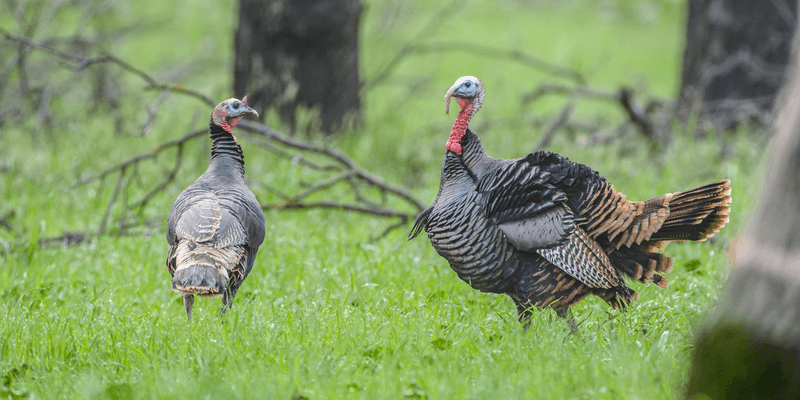
Turkeys need a patchwork. According to NC State Extension, their needs include mature forest, safe roost sites, and openings that offer nesting or brooding cover.
Few single yards have all of that.
Picture a flock’s day. They may leave tall trees where they roosted overnight, cross a power line cut, scratch through a stand of oaks, and wander through a few backyards before heading home.
Your property may be one piece of that loop.
This is good news for ordinary homeowners. You are not responsible for supplying every habitat element.
A quarter-acre lot in the Piedmont cannot grow a roost forest and a brood field too, and it does not need to.
It also explains why one visit cannot grade your habitat. The birds may have come for resources found somewhere else entirely, or they may have used your yard only as a shortcut.
The same turkeys might skip your place all winter and return in spring.
What you can do is be a good neighbor in the larger landscape. Mature trees, some native shrubs, and a bit of untidy edge help many species, not just turkeys.
Talk with neighbors, too. A string of modest, wildlife-friendly yards adds up to real habitat across a community.
Protect the trees and leaves your yard can support
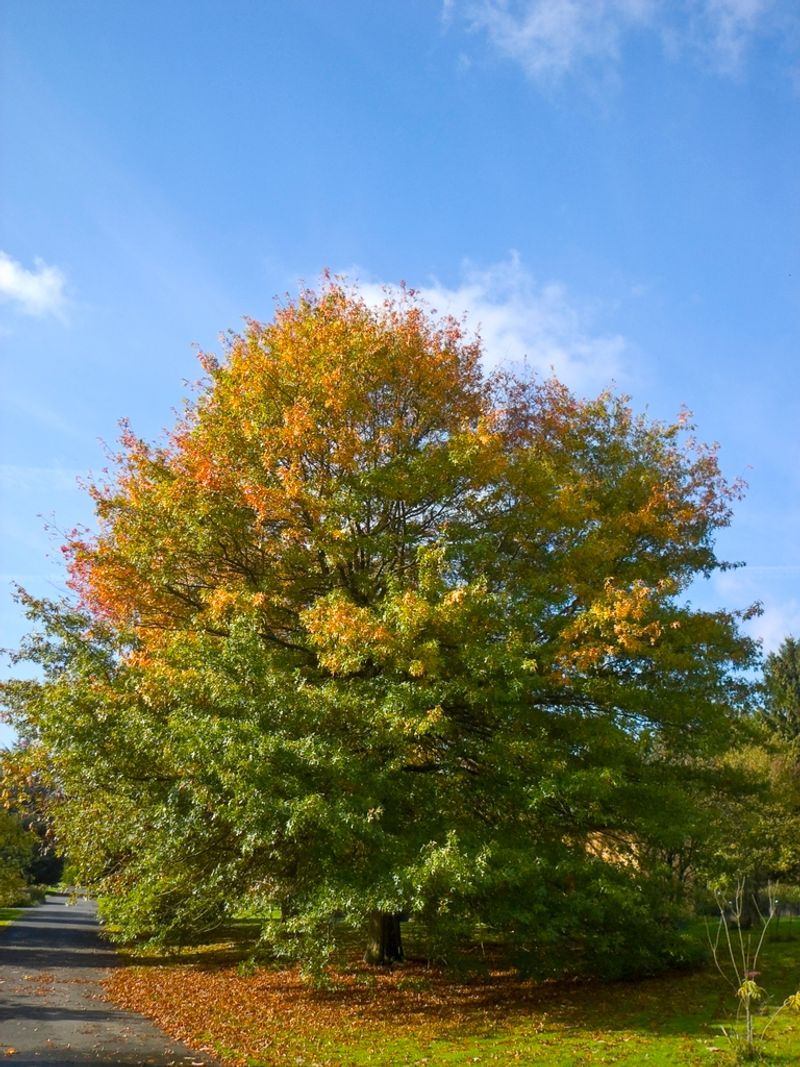
Start with the big trees. If you have mature native oaks or other mast-producing trees, protect them where it is safe to do so.
Avoid trenching across their roots, piling soil against trunks, or parking heavy equipment under the canopy. Trees that drop acorns are slow to replace, and an old oak is worth more than a dozen saplings.
Of course, safety comes first. A dead or leaning oak over the house is a job for a certified arborist, not a reason to feel guilty.
Next, consider your leaves. NC Wildlife recommends leaving leaves to support moths, butterflies, and fireflies.
NC State Extension adds that leaf litter can be useful foraging ground for ground-feeding birds.
Notice the limits of that claim. Leaf cover helps a range of wildlife, but nobody can say it brought turkeys to your yard.
Treat it as good stewardship, not a lure.
Keep it practical. Rake leaves off walkways, the driveway, and the play area.
Then let them lie under shrubs, along the back fence, or in beds near the woods edge. Mulching a few leaves into the lawn works too.
You do not need to leave every leaf in every corner. A few well-chosen patches do real good and keep the rest of your yard usable.
Keep wild turkeys wild—and respond only to real conflicts
Welcoming wildlife is not the same as feeding it. Putting out corn or seed to keep turkeys coming teaches them to expect handouts and gather close to homes.
NC Wildlife advises against feeding wildlife, so skip the food and let the birds find their own.
Also close off the accidental buffet. NC Wildlife recommends securing pet food, trash, and other unnatural food sources.
Bring pet bowls in, use lidded cans, and clean up spilled birdseed under feeders.
Most turkey visits are not problems at all. A flock walking through and moving on is simply wildlife viewing, and no action is needed.
Sometimes, though, birds do cause trouble. They may scratch up beds, leave a mess on a porch, or keep returning to a spot.
In that case, NC Wildlife guidance says loud noises or spraying with a hose can be effective nonlethal harassment.
Always give the birds an escape route, such as an open path toward the woods, so they leave instead of feeling trapped. If the problem is serious or persistent, contact NC Wildlife for help.
Keep the habitat, not the assumptions
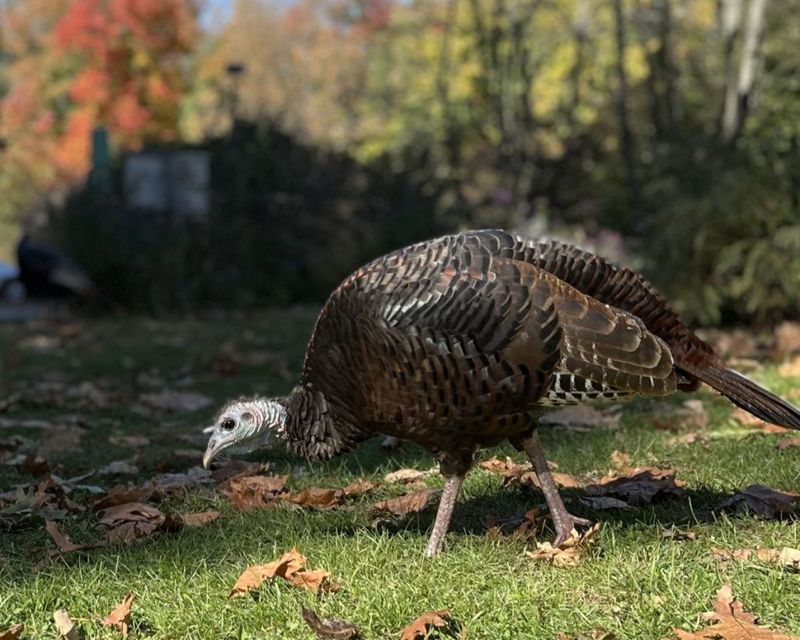
The next time turkeys cross your lawn, stop and watch. Enjoy the sighting without asking it to prove more than it can.
Then pick the steps that fit your own property: protect your best oaks, keep a few leafy patches, and leave the feeding to nature.
A visit is a hello from the wider landscape. Your job is simply to be a good neighbor to it.