
17 Perennials That Fill An Empty Bed In A Single Season (Plant Them This Fall For Next Summer)
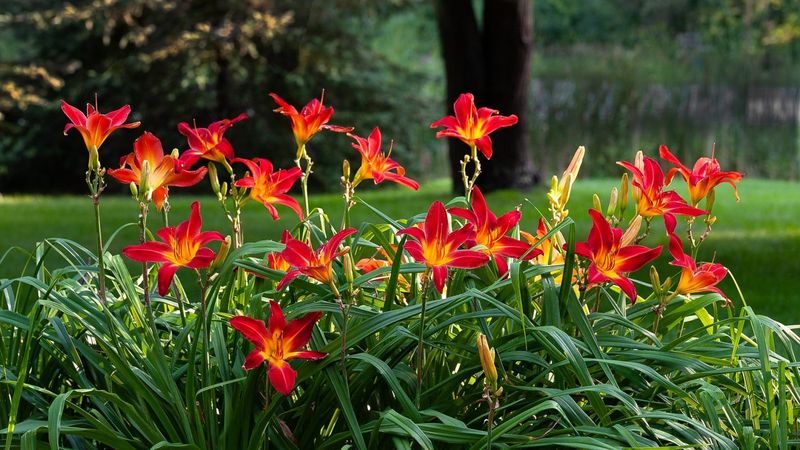
Staring at a bare patch of dirt every summer gets old fast, and buying annuals every spring adds up. The good news is that some perennials grow so quickly they can cover an empty bed in just one season.
If you plant them this fall, their roots settle in over winter and they come back next summer ready to bloom. Here are 17 tough, easy plants that can turn that empty spot into a full, colorful bed.
1. Black-Eyed Susan (Rudbeckia)
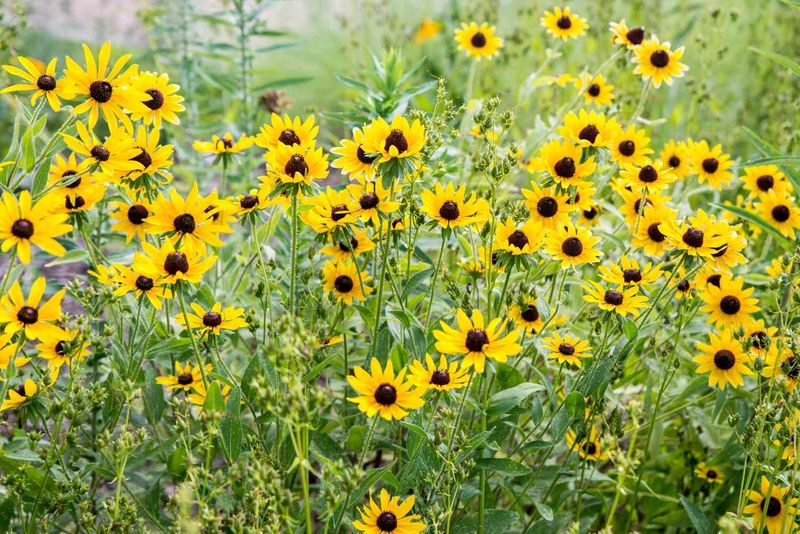
Some plants take years to get going. Black-eyed Susans act like they are late for something, pushing out wave after wave of golden, dark-eyed blooms from early summer into fall.
Fall planting gives the roots months to anchor in before summer heat arrives. By next July, a few nursery pots can spread into a sunny sweep of yellow that hides bare soil completely.
They shrug off drought and most insects, so you will not be babysitting them. Space plants about 18 inches apart, water them well until the ground freezes, and let them do the rest.
Leave a few seed heads standing in winter, and goldfinches will thank you.
2. Coneflower (Echinacea)
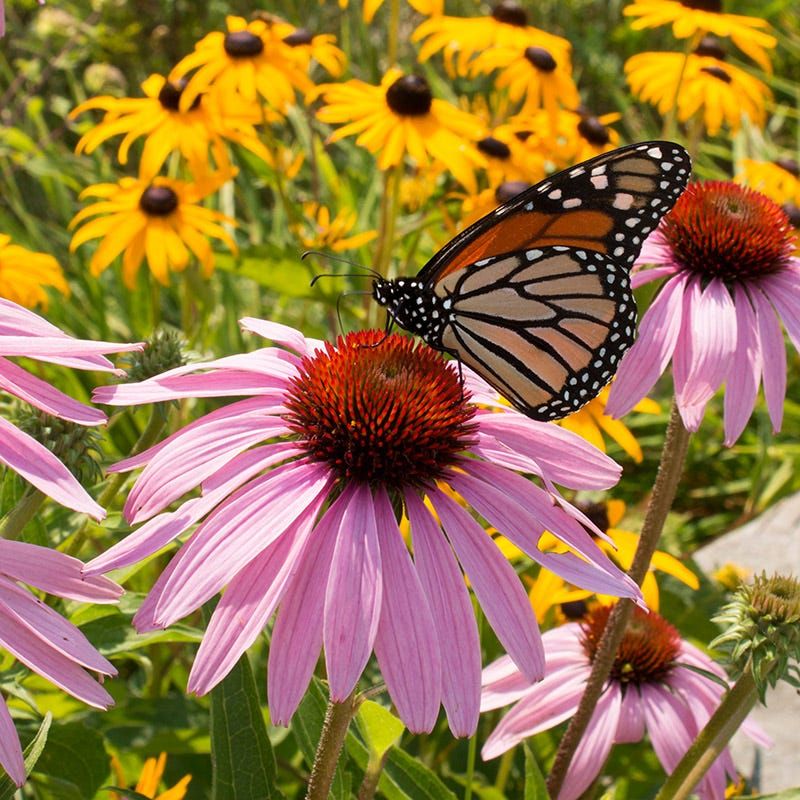
Butterflies seem to find coneflowers before you even finish watering them in. Those raised, spiky centers and drooping pink-purple petals are a landing pad for pollinators all summer long.
Why plant in fall? Coneflowers hate being stressed by heat while their roots are young.
Getting them in the ground now means they skip that rough start and hit summer with deep, sturdy roots that handle dry spells like pros.
A single plant can bloom for two months or more. Snip faded flowers to keep new ones coming, or let late blooms go to seed for birds.
Newer colors like orange and white mix well with the classic purple if you want variety.
3. Daylily (Hemerocallis)
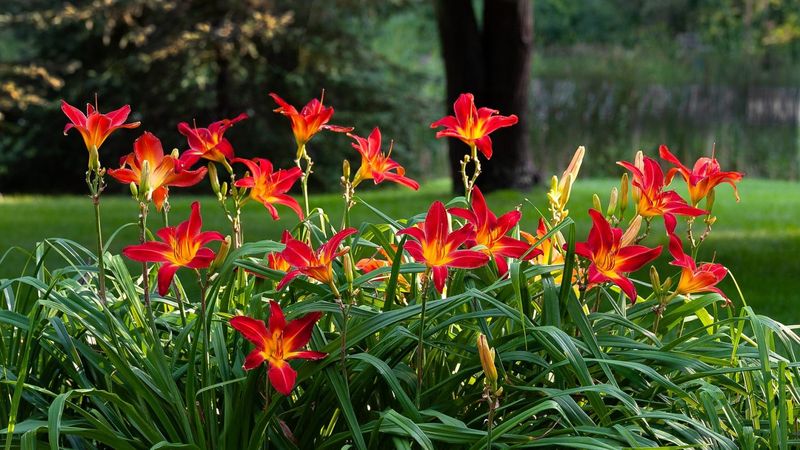
Grandma probably had a row of these by the mailbox, and there is a reason they never left. Daylilies are close to impossible to kill.
Bare roots planted in late summer or early fall settle quickly and come back with a thick clump of arching leaves. That foliage alone covers ground fast, and the flowers are a bonus.
Each bloom lasts only a day, but every stem carries many buds, so the show keeps rolling.
Reblooming types like Stella de Oro flower on and off from late spring to fall. Set the crown just an inch below the soil and water deeply the first few weeks.
4. Sedum Autumn Joy (Stonecrop)
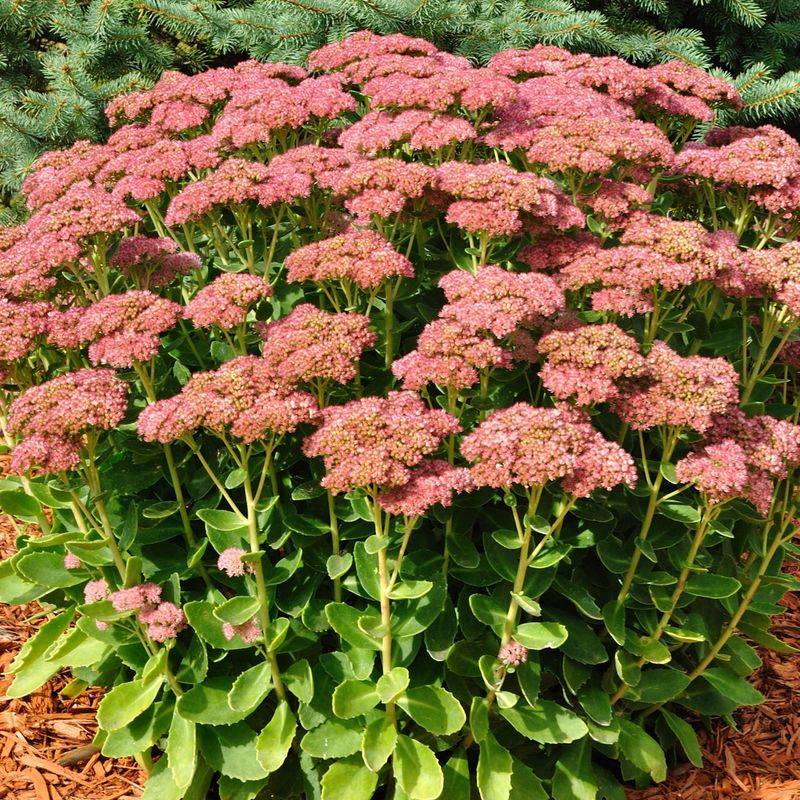
Got a hot, dry corner where everything else fries? Sedum laughs at it.
Thick, juicy leaves store water, so Autumn Joy keeps looking fresh when other plants flop in August. The broccoli-like heads start pale green, turn pink, then deepen to a rusty red as fall comes on.
That color shift gives you interest for months from one plant.
Fall planting sets it up for dependable color next year. Give it sun and soil that drains well, and skip the fertilizer, because rich soil makes stems lazy and floppy.
If it starts leaning, pinch the tips back by half in early June for a tighter clump.
5. Perennial Salvia
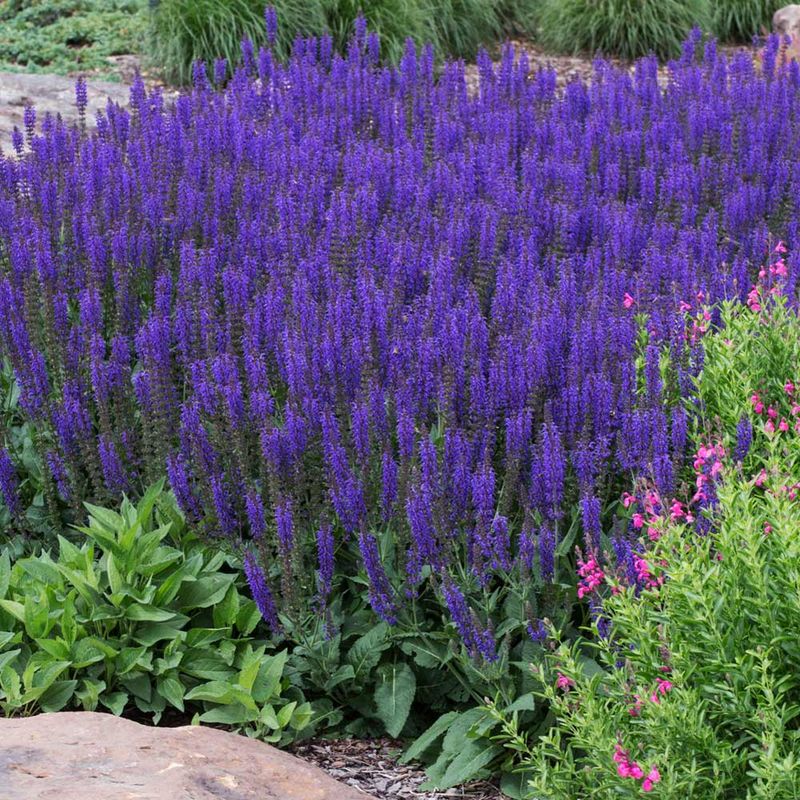
True blue is a rare color in the garden, and salvia delivers it in deep violet spikes that look almost electric at dusk.
Planted this fall, varieties like May Night or Caradonna wake up early and start blooming by late spring. Here is the trick most people miss: once the first flush fades, shear the whole plant back by about a third.
Within a few weeks, a second round of flowers shows up.
Bees go wild for it, deer usually leave it alone, and it handles heat without complaint. Plant in groups of three or five for a bold block of color that fills space quickly.
6. Aster
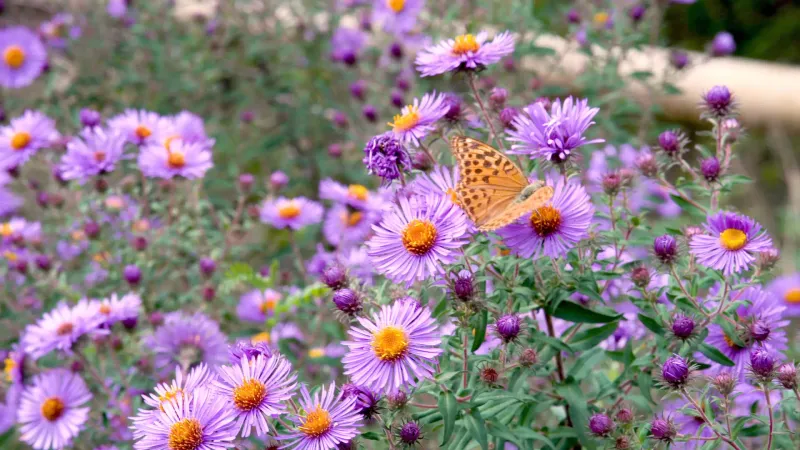
When summer flowers start looking tired, asters are just warming up. They cover themselves in small, starry blooms in shades of purple, blue, and pink right when your bed needs a lift.
Fall-planted asters spend next season bulking up into bushy mounds, then explode with color as the weather cools. Migrating monarchs rely on them for fuel, so you are helping wildlife too.
Tall types can get leggy. Cut them back by half around the Fourth of July, and you will get shorter, fuller plants with even more flowers.
Good air flow between plants also may help reduce powdery mildew.
7. Coreopsis (Tickseed)
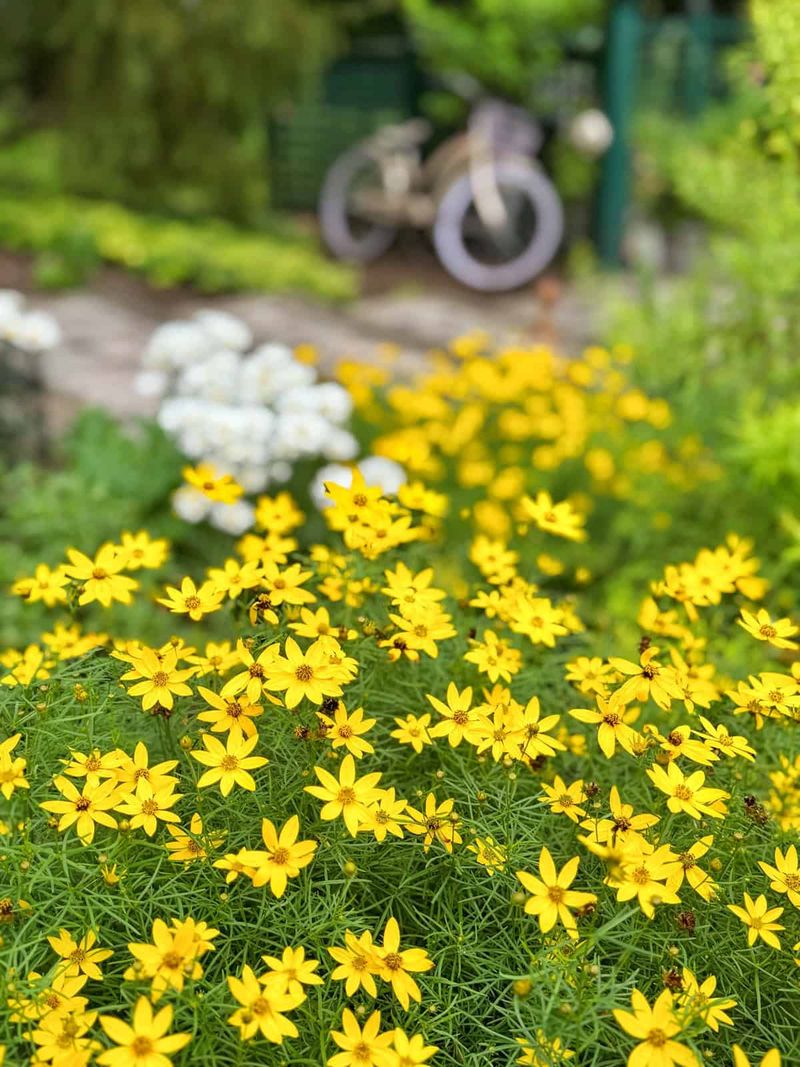
Think of coreopsis as the overachiever of the bunch. It blooms for weeks on end with cheerful daisy flowers in yellow, orange, coral, or red.
It handles heat, cold, and drought, and once it is settled in, it needs almost nothing from you. Fall planting lets the roots get comfortable so the plant can spread into a wide, frothy mound by midsummer.
Deadheading keeps it blooming, but with tiny flowers that gets tedious. Instead, give the whole plant a quick haircut with shears when blooms slow down.
It will bounce back with fresh buds in a couple of weeks.
8. Blanket Flower (Gaillardia)
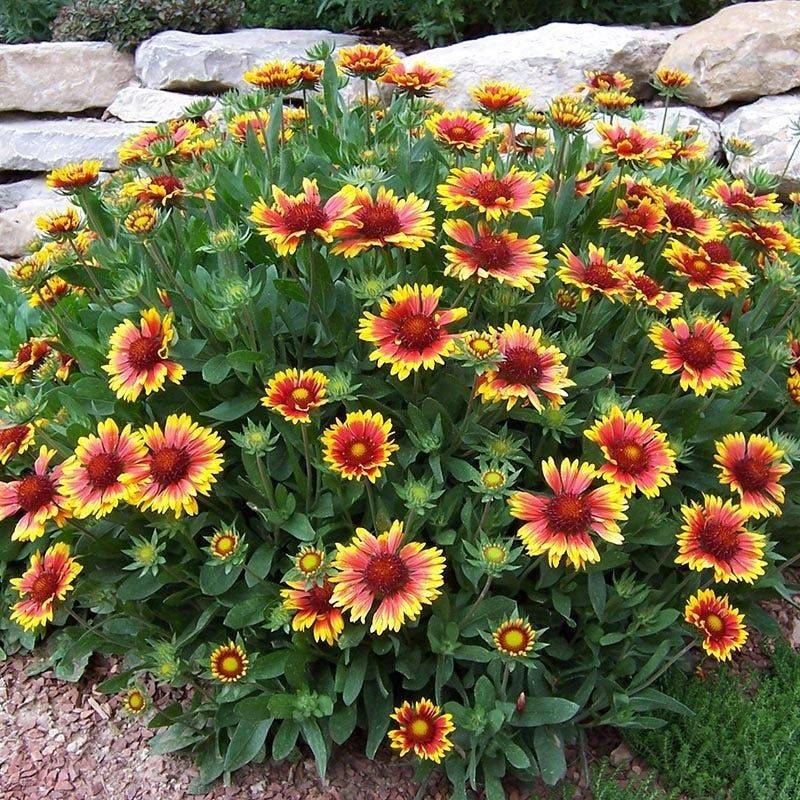
Named for the bold patterns on Native American blankets, gaillardia brings fiery red and yellow tones that look like a sunset in flower form.
Poor, sandy soil? Perfect.
Blanket flower actually prefers lean ground and dry conditions, and too much water or fertilizer can shorten its life. It blooms in spring, summer, and fall, and grown from seed it can fill a bed in about 12 weeks.
It is a short-lived perennial, often lasting two or three years. Let a few flowers drop seed and new plants will pop up to replace the old ones, keeping the bed full on its own.
9. Catmint (Nepeta)
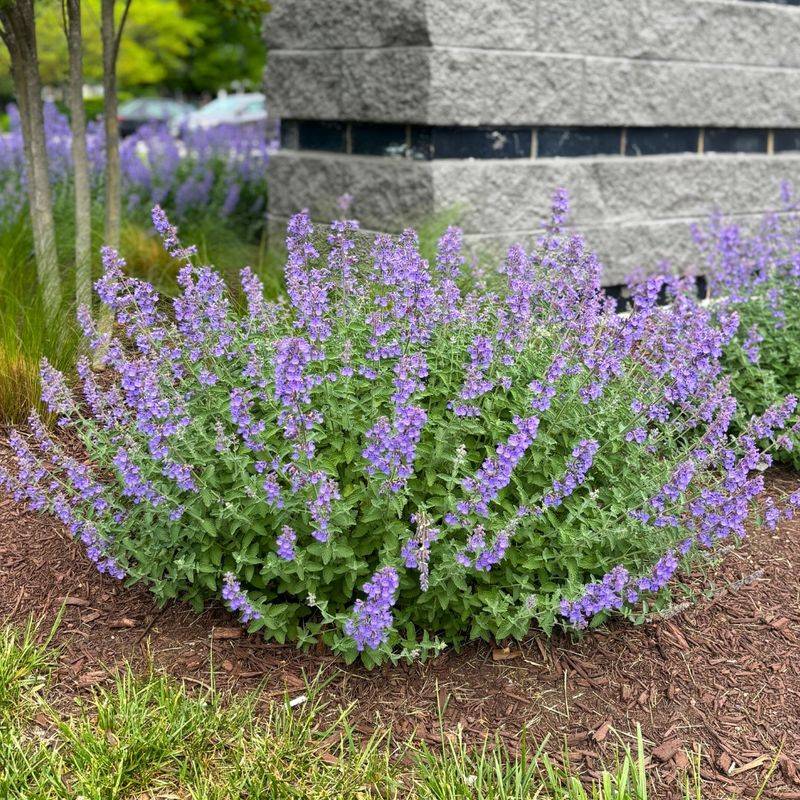
If you want the look of lavender without the fussiness, catmint is your answer. It billows out in soft gray-green foliage topped with clouds of lavender-blue flowers.
Walkers Low can reach three feet wide in one season, which makes it one of the fastest ways to cover bare soil along a path or bed edge. Bees hum around it from late spring onward.
After the first bloom, cut it back hard and it will flower again. Your cat may roll in it, though most varieties are less tempting than true catnip.
10. Hardy Geranium (Cranesbill)
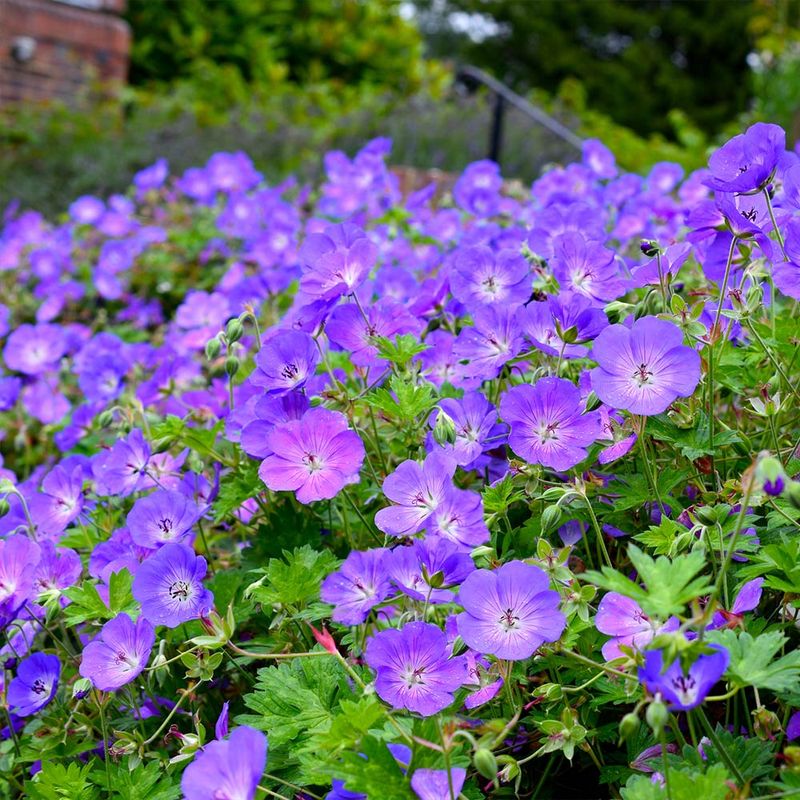
Love your potted geraniums but wish they came back every year? Hardy geraniums, also called cranesbill, are the perennial cousins that really do.
Rozanne is the star here. One plant can sprawl two feet or more and bloom violet-blue from late spring until frost.
It weaves around taller plants and fills gaps so weeds have nowhere to sprout.
Plant this fall in sun or part shade. If it looks floppy in midsummer, trim it back and it will refresh with new leaves and flowers within weeks.
11. Yarrow (Achillea)
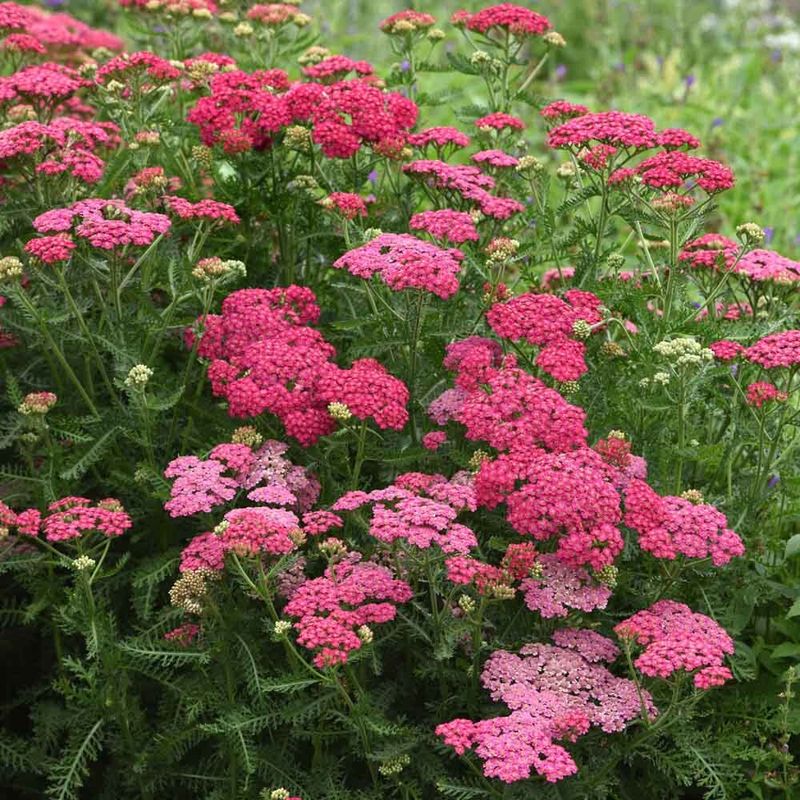
Ancient Greek legend says Achilles used yarrow to treat soldiers’ wounds, which is where its botanical name comes from. Today it is better known for being nearly unkillable.
Feathery, fern-like leaves spread quickly, and flat flower clusters in pink, red, gold, or white rise above them all summer. It gives a bed a relaxed cottage feel almost overnight.
Yarrow loves sun and tolerates poor, dry soil. Rich soil and lots of water make it flop, so go easy.
Its fast spread is great for empty beds, but divide it every few years to keep it in bounds.
12. Shasta Daisy
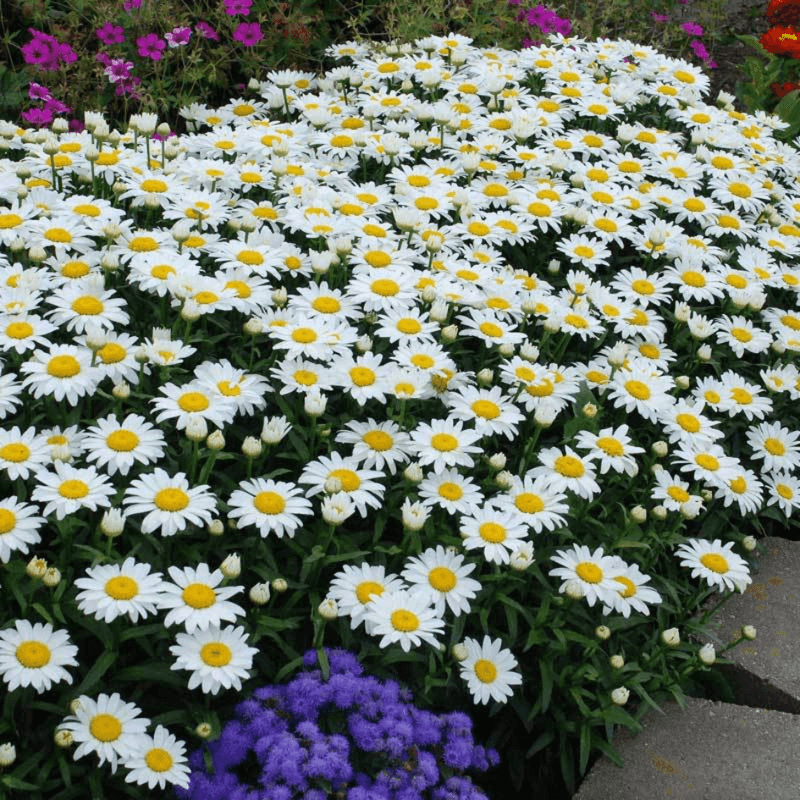
Nothing says summer quite like a clump of crisp white daisies nodding in the breeze. Shasta daisies bring that classic look and fill in fast.
Each plant forms a leafy clump that widens every year. Plant in fall and you can expect a solid mound with plenty of flowers next June and July.
They make great cut flowers too, so bring some indoors.
Keep cutting spent blooms to stretch the season. Becky is a strong variety that stands up well in heat and humidity.
13. Bee Balm (Monarda)
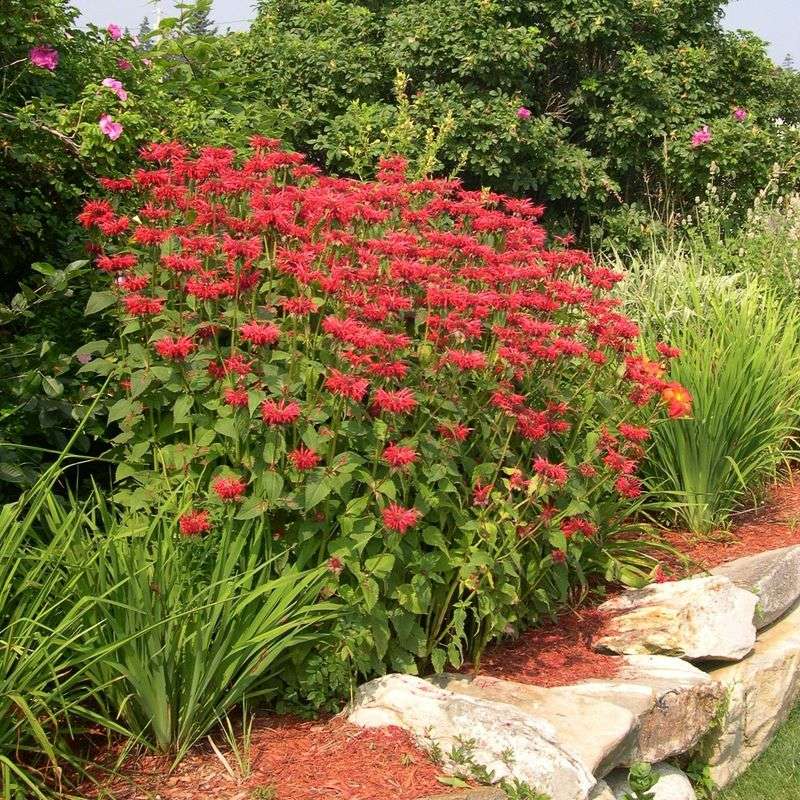
Sit near a patch of bee balm in July and you will hear it before you see it. Bees, butterflies, and hummingbirds all crowd around those shaggy red, pink, or purple blooms.
It spreads by underground runners, which is exactly what an empty bed needs. One fall planting can turn into a wide colony by next summer.
Powdery mildew is the classic worry. Choose resistant types like Jacob Cline, give plants space for air flow, and water at the base to help keep leaves healthy.
14. Garden Phlox
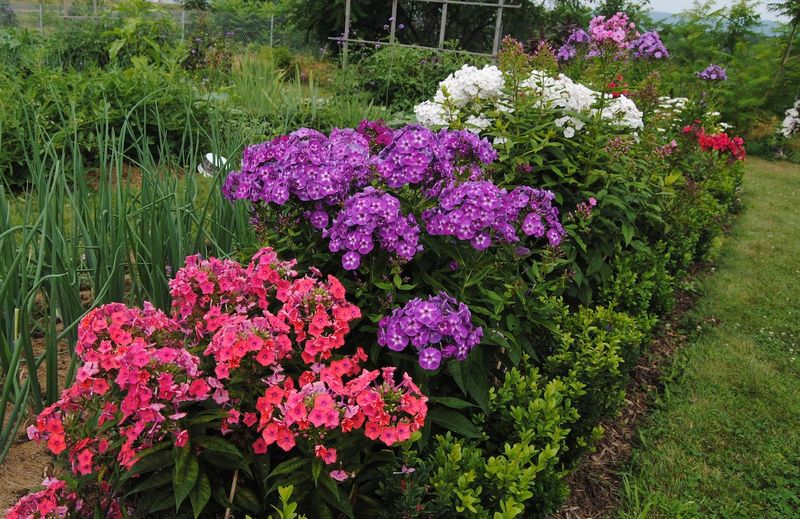
Walk past garden phlox on a warm evening and the sweet scent stops you in your tracks. Big clusters of pink, purple, or white flowers bloom from mid to late summer.
Compact types like the Flame series stay about 15 to 18 inches tall, making them easy to tuck into front borders. Deer tend to avoid them, while butterflies and hummingbirds can’t resist.
Fall is a smart time to plant. Thin crowded stems in spring and water at soil level to help limit mildew.
15. Hosta
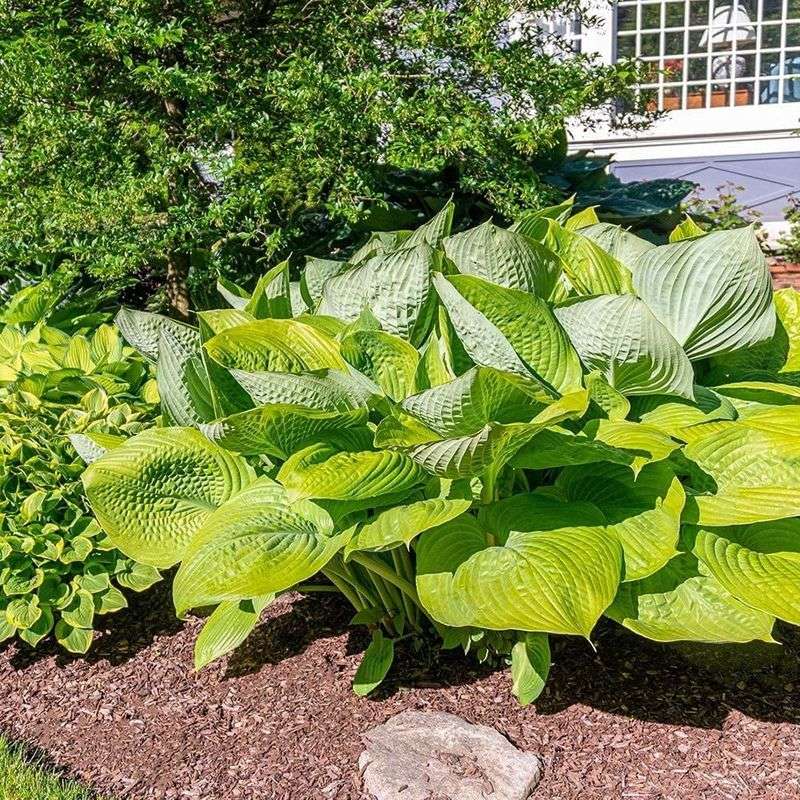
Shady beds are tricky, but hostas were made for them. Their big leaves unfurl fast in spring and cover lots of ground.
Early fall planting gives roots time to settle before the ground freezes. Next year, varieties like Sum and Substance can grow huge, while smaller ones work as edging.
Slugs are their main enemy. Check under leaves on damp nights, and a little crushed eggshell or a beer trap may help reduce damage.
16. Lavender
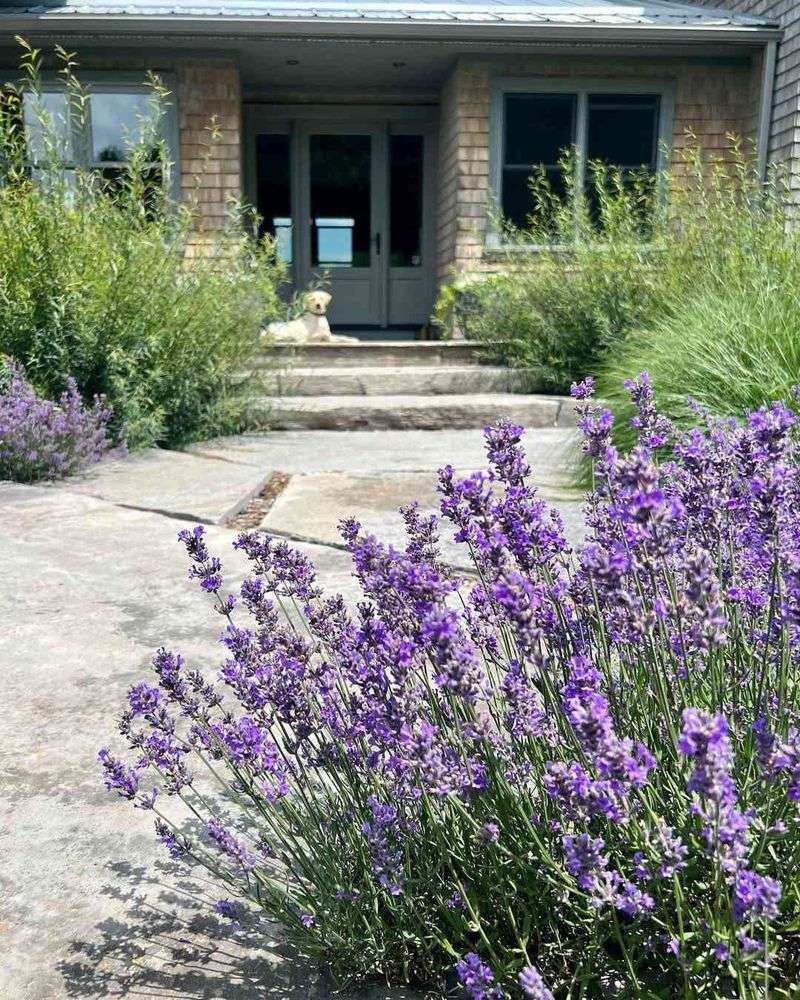
Brush past lavender and your whole yard smells like a spa. It is one of the most loved perennials for good reason.
The secret is drainage. Lavender rarely dies from cold; it dies from wet roots.
Plant it in a sunny, dry spot, mix in gravel if your soil is heavy, and do not overwater.
Hardy types like Phenomenal and Munstead handle US winters well. Trim lightly after blooming to keep plants bushy and full of new flowers.
17. Dianthus (Pinks)
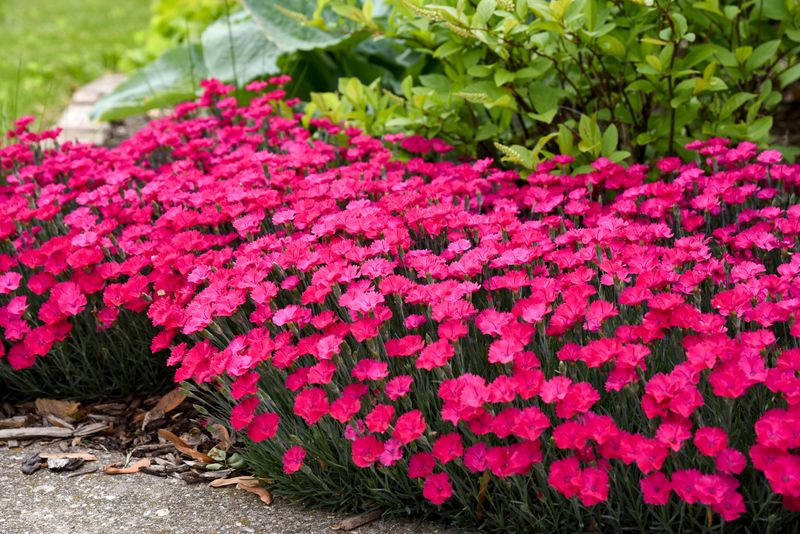
Smell a dianthus bloom and you will catch a spicy, clove-like scent. These little fringed flowers bring early color when the rest of the bed is still waking up.
Plant them this fall for spring blooms. Their low, blue-gray mounds edge beds nicely, and spreading types knit together fast.
Give them sun and good drainage. Shear off faded flowers and many varieties will bloom again later in summer.