
17 Perennials That Triple In Size In One Season And Fill Your Beds Fast
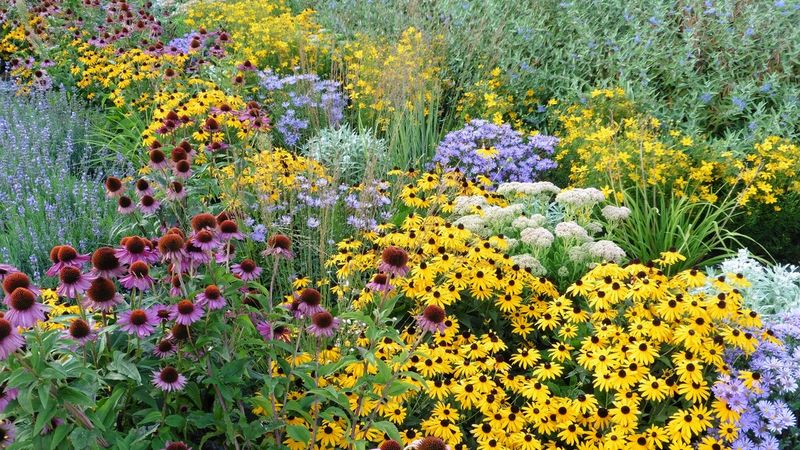
Waiting years for a garden bed to fill in can test anyone’s patience. The good news is that some perennials grow so fast they can triple in size in a single season, giving you full, lush beds almost before you know it. Below are 17 hardworking plants that spread, clump, and bloom their way across your garden in record time. Pick a few that match your zone and soil, and watch those bare spots disappear.
1. Black-Eyed Susan (Rudbeckia)
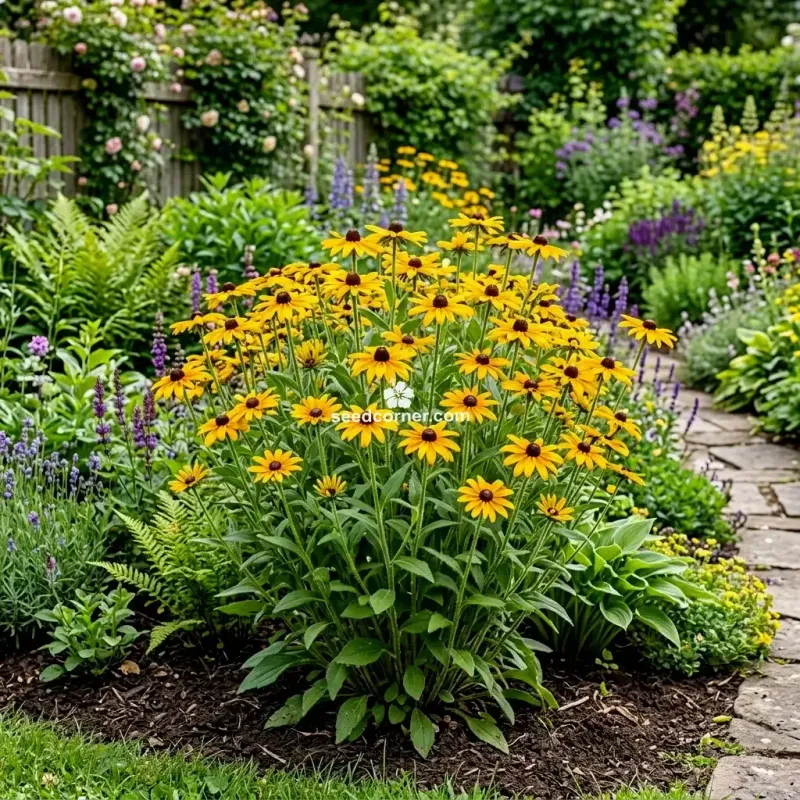
Few plants earn their keep as fast as Black-Eyed Susan. Plant a small clump in spring and by late summer you will have a golden mound crowded with cheerful daisy-like blooms.
What sets it apart on this list is how casually it handles poor soil and full sun. It shrugs off drought once established and keeps flowering while fussier neighbors sulk.
The plant spreads by both seed and creeping roots, so a single starter can become a broad patch within a couple of years. Deadhead if you want to keep it in bounds, or leave the seed heads standing for goldfinches to raid in fall. In most US zones from 3 through 9, it comes back reliably and fuller every season.
2. Bee Balm (Monarda)
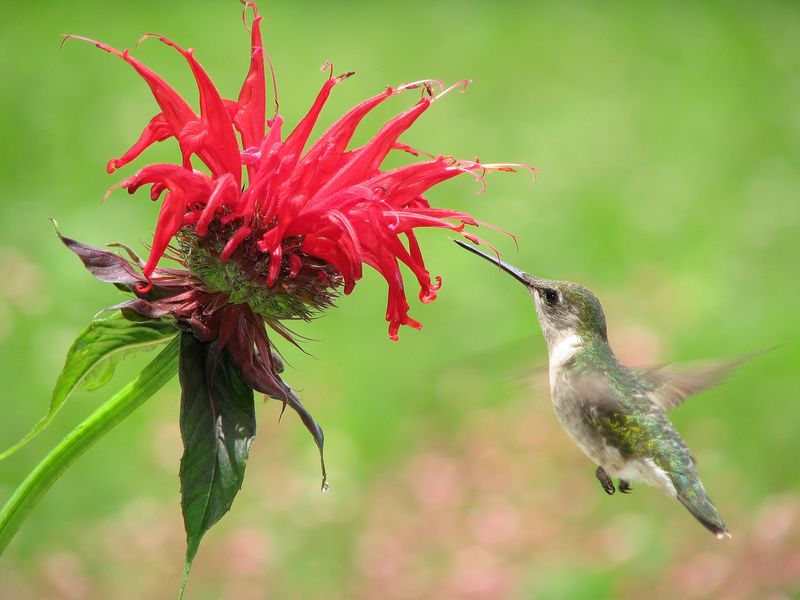
Ragged, firework-shaped blooms in red, pink, and purple make Bee Balm impossible to ignore, and pollinators feel the same way. Hummingbirds and bees line up for it all through midsummer.
Its claim to fame here is aggressive underground runners that push outward fast, turning a single plant into a colorful thicket in one growing season. Give it room or expect it to muscle into neighboring plants.
Native to North America, it was once brewed into a minty tea by settlers after the Boston Tea Party, which is why some folks still call it Oswego tea. Choose mildew-resistant varieties for humid US regions and thin the clump every couple of years to keep air moving through the stems.
3. Catmint (Nepeta)
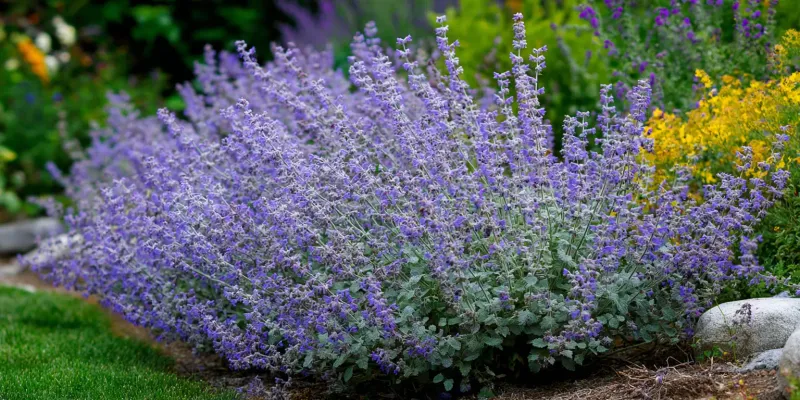
Imagine a soft cloud of silvery-green foliage smothered in lavender-blue spikes, and you have Catmint doing what it does best. It billows outward with almost no encouragement.
A young transplant can spread into a two-foot mound in a single season, filling gaps along walkways and bed edges beautifully. Unlike its cousin catnip, most ornamental varieties stay tidy and won’t send cats into a frenzy.
Once the first flush of bloom fades, shear the whole plant back by a third and it rebounds with a fresh wave of flowers within weeks. Bees adore it, deer tend to leave it alone, and it laughs at hot, dry US summers. That combination of speed and toughness earns it a permanent spot in low-water beds.
4. Shasta Daisy
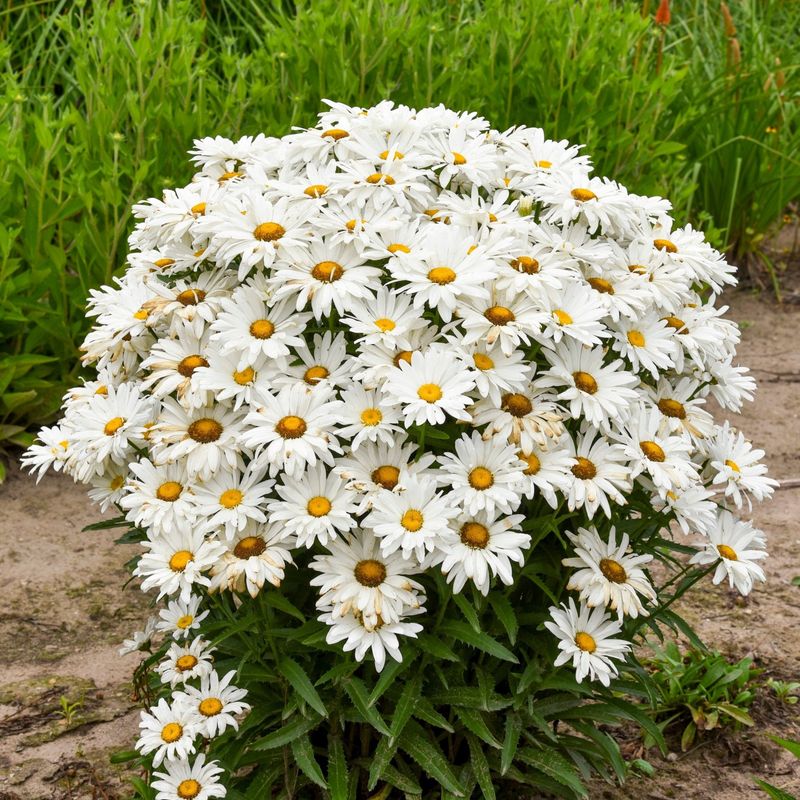
Crisp white petals around a sunny yellow eye give Shasta Daisy that classic garden look everyone recognizes. Plant one and you soon have a whole colony.
The clumps bulk up quickly, widening each year until a lone plant becomes a sweeping drift of blooms. Divide it every two or three springs and you multiply your stock for free.
Cut flowers last a good week in a vase, so this is a reliable pick for anyone who likes bringing the garden indoors. It thrives in full sun across zones 4 to 9 and asks only for decent drainage. Snip off spent blooms and the show keeps rolling from early summer well into fall.
5. Daylily (Hemerocallis)
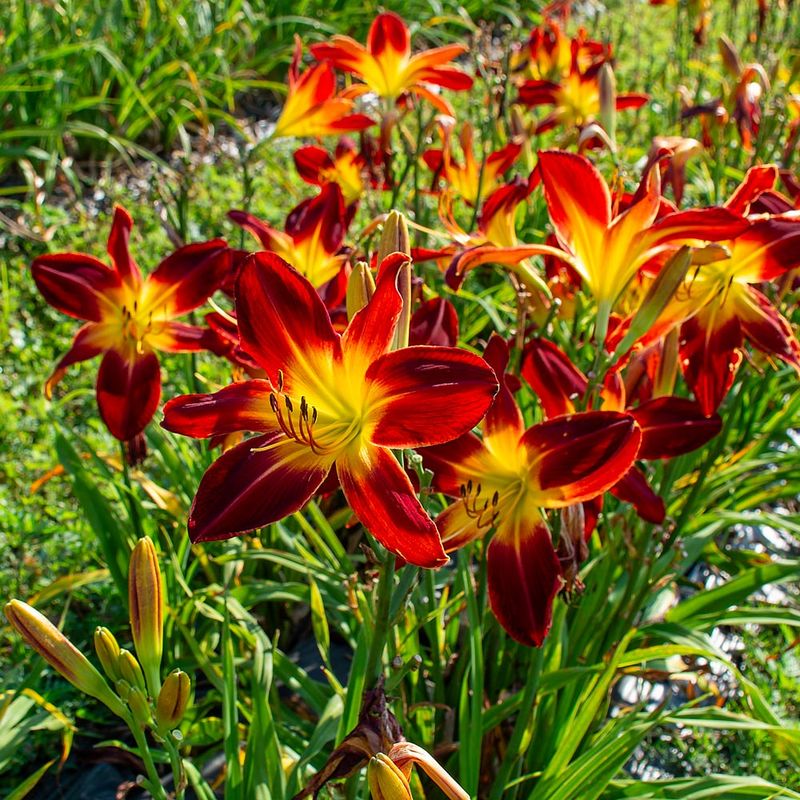
Tough as boots and pretty as a picture, the daylily fills space faster than almost anything with roots. A single fan of foliage multiplies into a fat clump of many fans within a season or two.
Each bloom lasts just one day, but a healthy plant pushes out so many buds that the color never seems to stop. Modern reblooming types stretch the display from early summer into autumn.
They tolerate clay, sand, drought, and neglect, which is why you see them thriving in ditches and along highways all over the US. Dig up a crowded clump, pull it apart with your hands, and replant the divisions to blanket a whole border in a couple of years.
6. Coneflower (Echinacea)
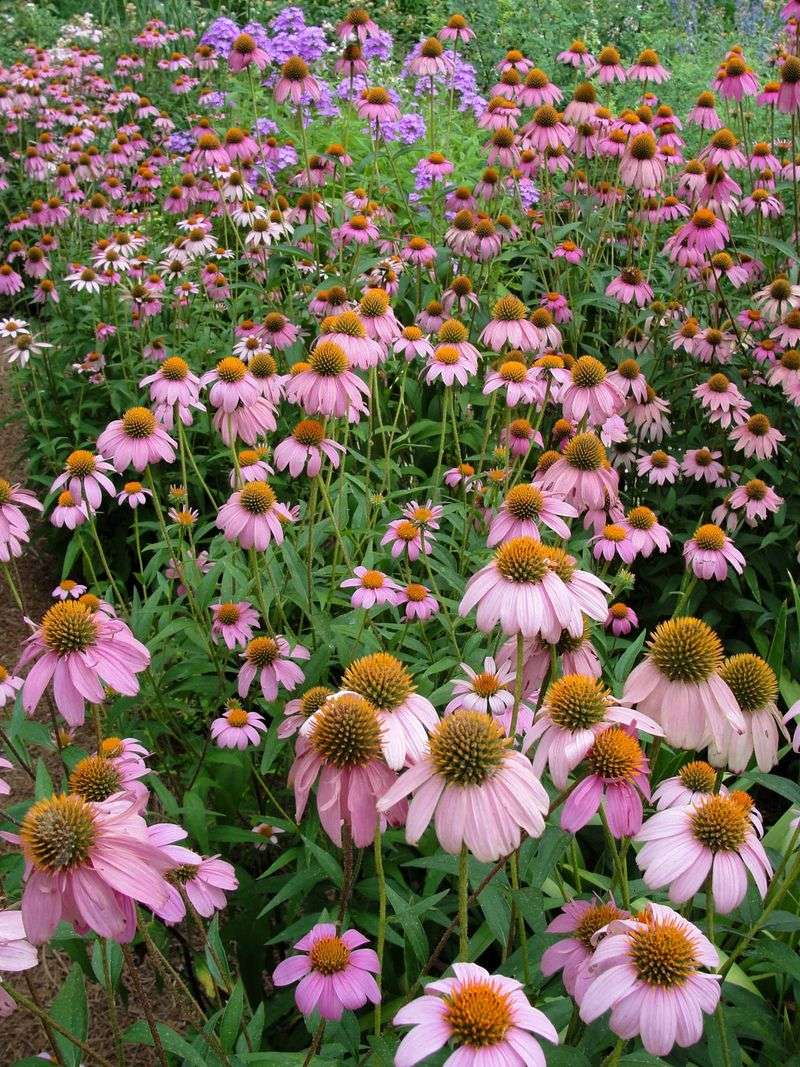
Sturdy stems, papery petals in pink, orange, and white, and a spiky central cone that bees can’t resist define the coneflower. It bulks up fast while staying upright without staking.
Set out a few plants and they widen into robust clumps by season’s end, often seeding themselves into nearby soil for bonus plants. That self-sowing habit is how a small planting becomes a prairie-style sweep in no time.
The roots have a long history in traditional herbal remedies, and the plant still shows up in garden borders and butterfly gardens across the country. Leave the cones standing over winter and the seeds may help feed finches while adding structure to a frosty bed.
7. Russian Sage (Perovskia)
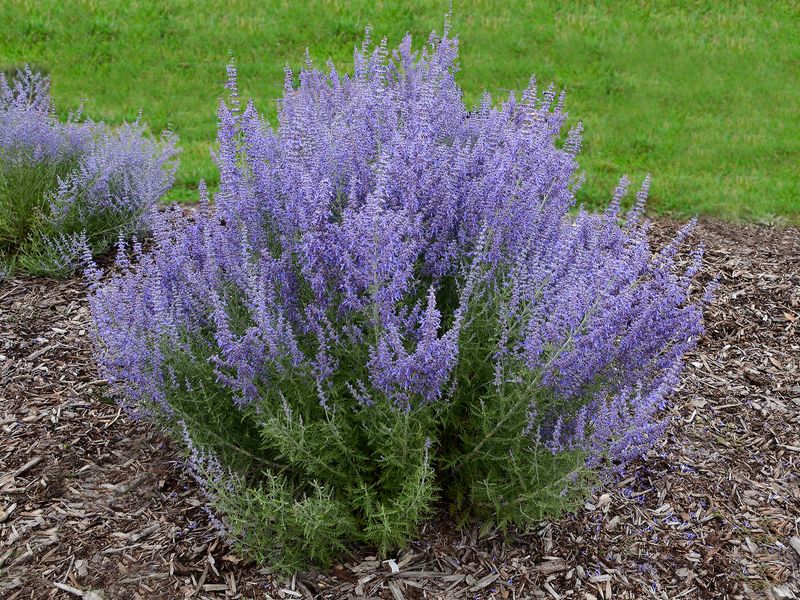
A haze of tiny lavender-blue flowers floating over silvery, aromatic stems gives Russian Sage an almost weightless look in the garden. Behind that airy appearance is a plant that expands with real gusto.
In one warm season, a modest starter can swell into a shrubby four-foot mound that fills an awkward corner completely. The stems smell faintly of sage when brushed, and deer and rabbits usually keep their distance because of it.
Full sun and lean, well-drained soil bring out its best, and it barely blinks at drought once its roots go deep. Cut it back hard in early spring, and it explodes into fresh growth that carries color from midsummer straight through fall.
8. Hardy Geranium (Cranesbill)
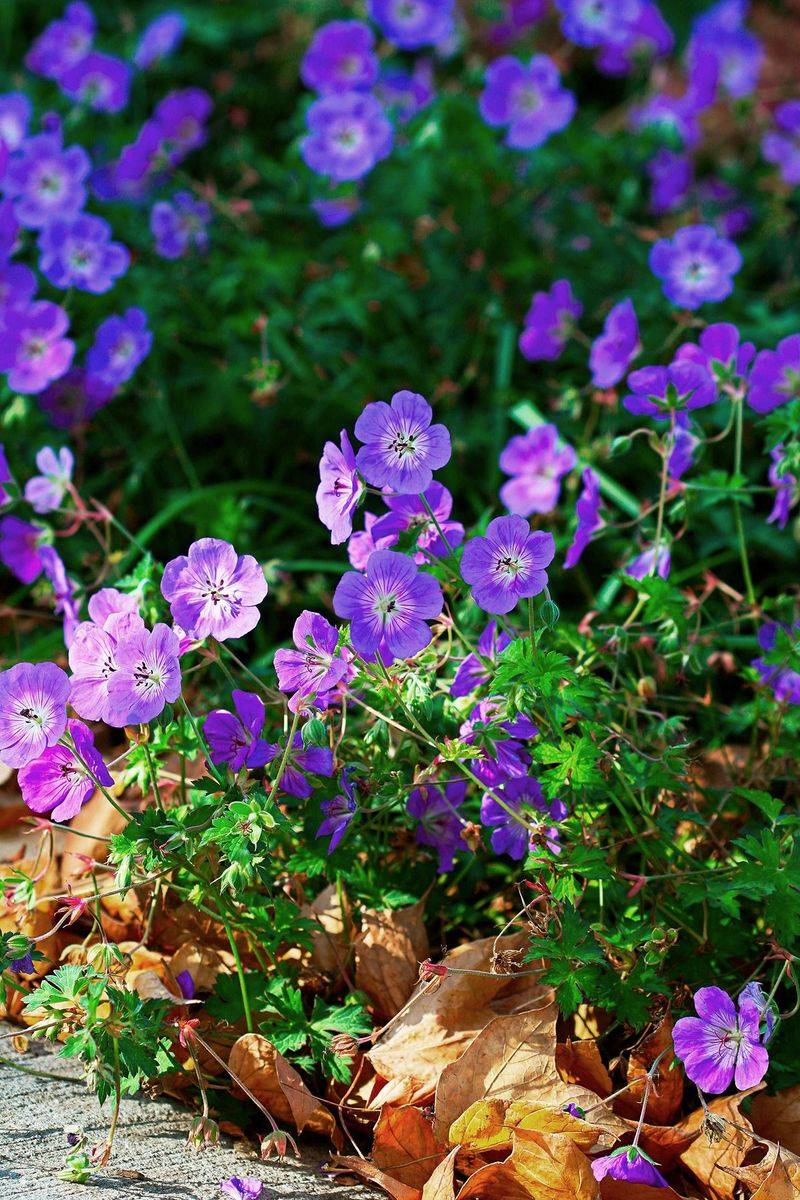
Don’t confuse this with the potted annual geraniums at the garden center. Hardy cranesbill is a true perennial that knits itself into a weed-smothering carpet with surprising speed.
The low, mounding foliage spreads sideways all season, and by fall a single plant can cover a couple of square feet with saucer-shaped blooms in blue, pink, or magenta. That ground-hugging habit makes it a champion at filling gaps beneath taller perennials.
It handles part shade beautifully, which few fast fillers manage, so it earns a spot where sun-lovers struggle. Give the whole plant a haircut after the first bloom flush and it greens back up, often with a second round of flowers before frost.
9. Yarrow (Achillea)
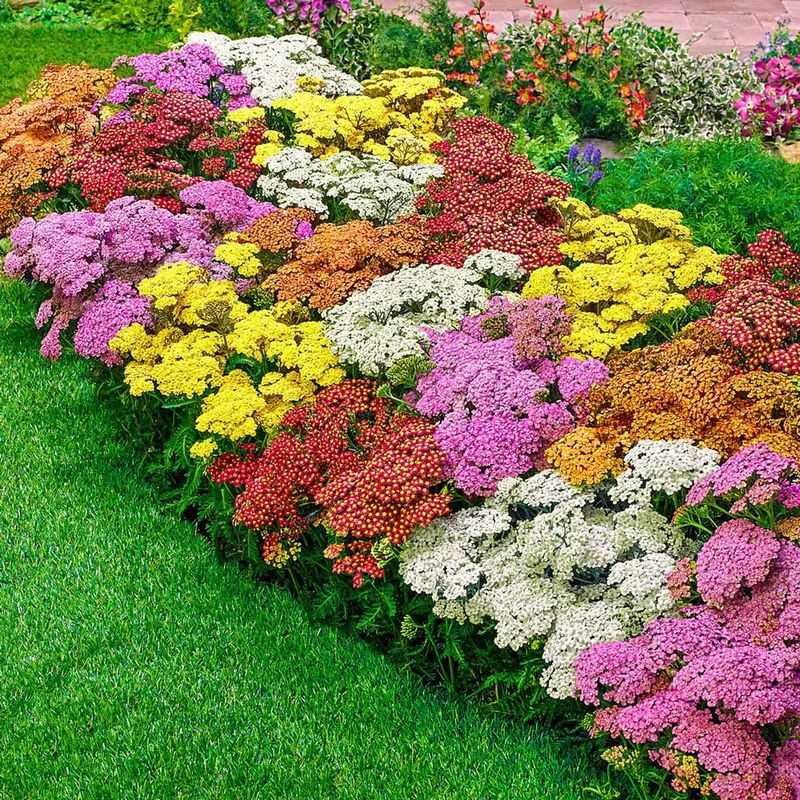
Flat-topped flower clusters in yellow, red, pink, and cream sit atop feathery, ferny foliage, and yarrow wears them all summer long. The plant creeps and clumps at the same time, so it fills ground fast in tough spots.
Poor soil actually suits it better than rich soil, where it can flop, so this is the plant for that hot, neglected strip nobody knows what to do with. It drinks little water and keeps blooming through heat that stops other flowers cold.
Legend says Achilles used it to treat soldiers’ wounds, which is how it got its botanical name. The dried flower heads hold their color for crafts, and pollinators cover the blooms all season, making it a workhorse that pulls double duty.
10. Hosta
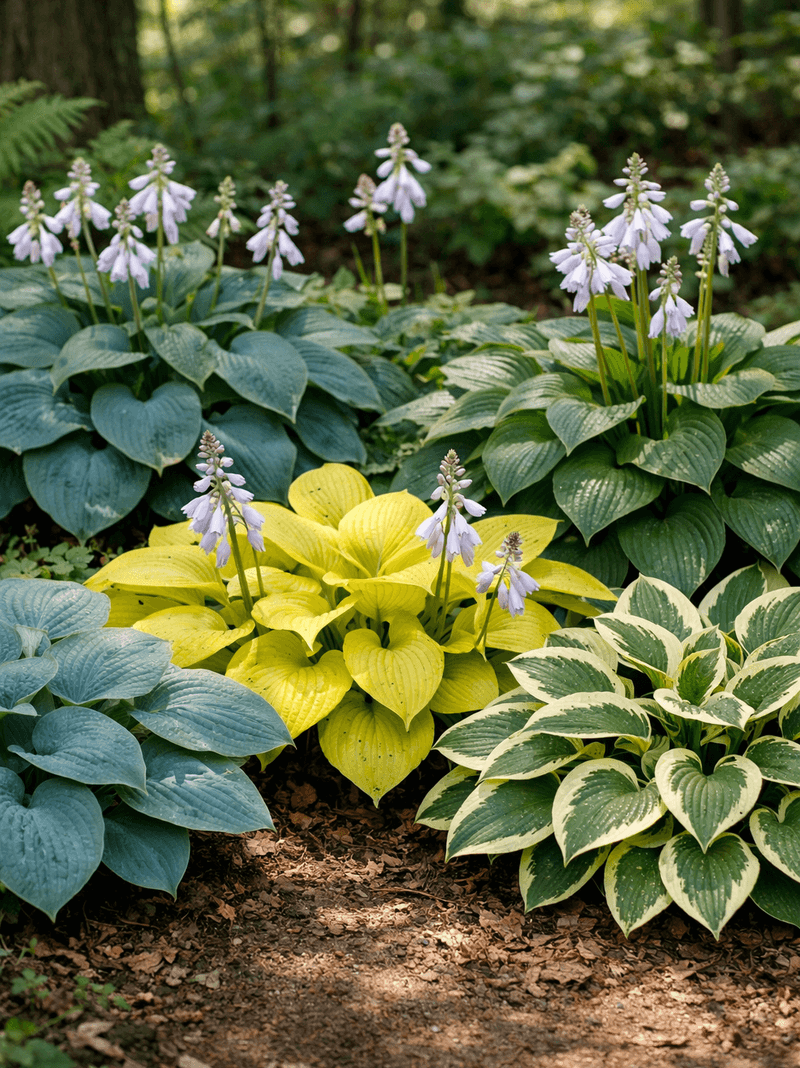
For the shady side of the yard where flowers refuse to cooperate, hosta is the answer. Its lush mounds of broad leaves swell dramatically once the plant settles in.
A skinny first-year clump can balloon into a substantial mound of overlapping foliage within a season or two, and mature plants read like small green sculptures. Leaf colors range from deep blue-green to bright chartreuse to crisp white-edged variegation.
Slugs are the main headache, so a ring of crushed eggshells or a beer trap may help keep leaves hole-free. Divide an oversized clump in spring by slicing it like a pie, and you’ll have several new plants to spread shade coverage across the whole bed.
11. Sedum (Autumn Joy Stonecrop)
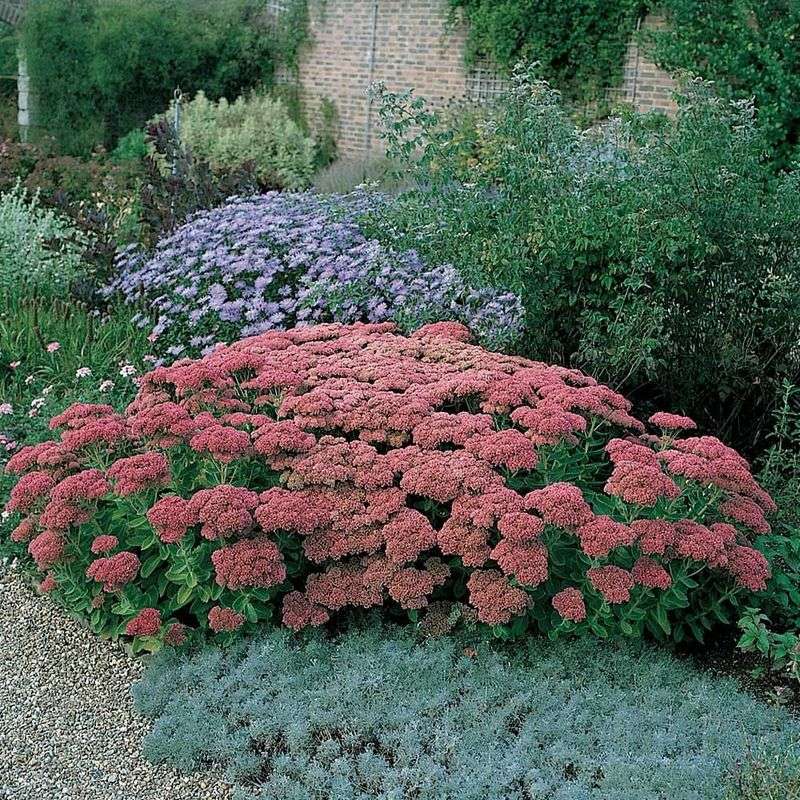
Thick, succulent leaves store water like little reservoirs, making sedum practically indestructible in a hot US backyard. Autumn Joy is the classic upright variety, and it fattens up impressively as the season rolls on.
Broccoli-like flower heads start green, shift to dusty pink, then deepen to rusty bronze by fall, giving you months of changing interest from one plant. The clumps widen steadily and divide easily for more coverage.
Bees and butterflies swarm the late blooms when little else is flowering, so it’s a lifeline for pollinators heading into autumn. Leave the dried heads up all winter for texture, then cut them down as new rosettes push through in spring.
12. Salvia (Perennial Sage)
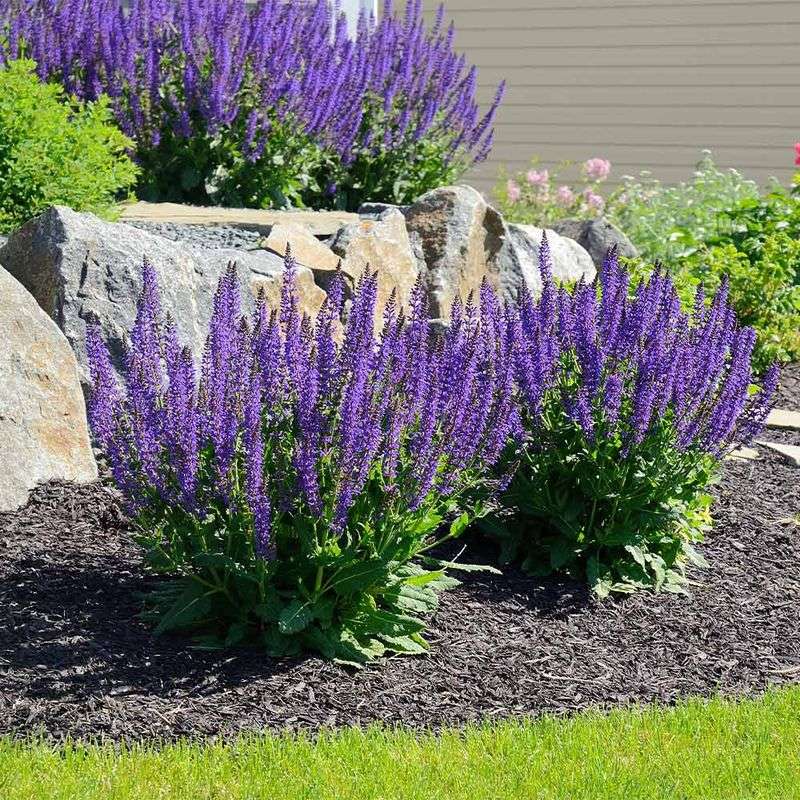
Spiky wands of violet, blue, or pink rise above tidy green foliage, and perennial salvia keeps pumping them out from late spring onward. It bulks up into a full, bushy clump remarkably fast.
Shear the faded spikes and a fresh flush follows within a week or two, so the plant rarely takes a break from blooming. Bees and hummingbirds treat it like an all-you-can-eat buffet.
Deer and rabbits usually pass it by thanks to its slightly pungent leaves, a bonus in areas where browsing wildlife ruins other flowers. Plant it in full sun with average soil, and this dependable spreader will hold up a bed edge from spring frost to first cold snap.
13. Lamb’s Ear (Stachys)
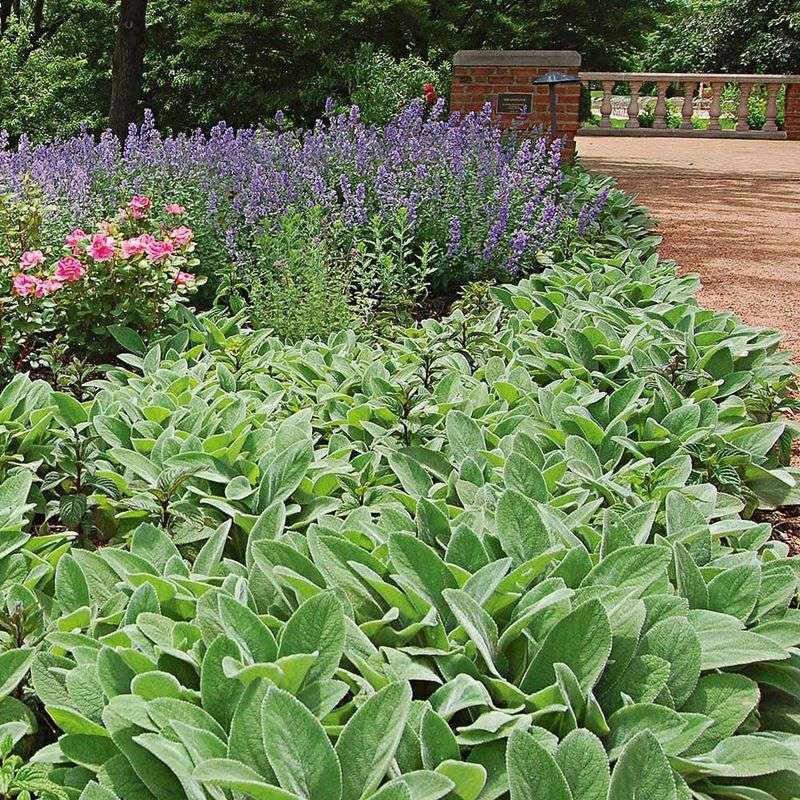
Run your hand across lamb’s ear and you’ll understand the name instantly, because the silvery leaves feel like soft velvet. Kids can’t stop petting it, and it spreads to make plenty of leaves to go around.
The fuzzy rosettes multiply sideways quickly, forming a shimmering silver carpet that lights up the front of a border. That pale color also cools down hot color schemes and glows softly at dusk.
It thrives in dry, sunny spots and asks for almost nothing, though it dislikes soggy soil, which can rot the woolly leaves. Snip off the flower stalks if you prefer the foliage neat, or leave them for the bees that visit the small purple blooms.
14. Coreopsis (Tickseed)
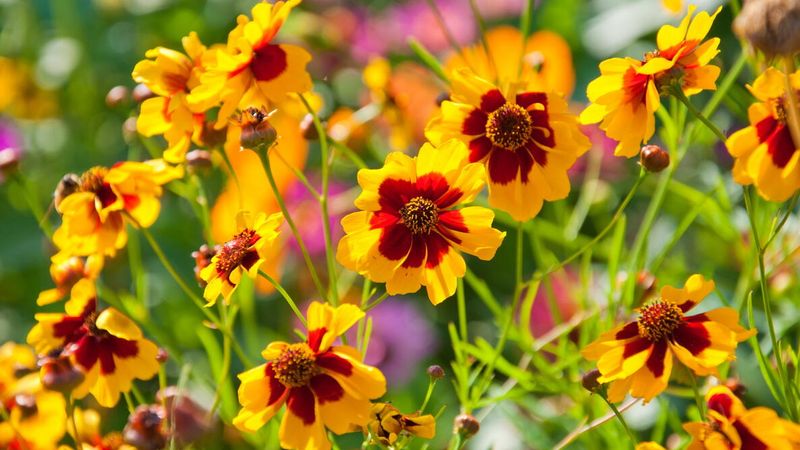
Cheerful golden and pink blooms scatter across airy foliage like confetti, and coreopsis produces them by the hundreds. This is one of the longest-blooming perennials you can grow.
A single plant fills out fast into a dense, flower-covered mound, and threadleaf types weave together into a soft cloud of color. Shearing it midseason triggers a second wave that carries the show into fall.
The odd common name tickseed comes from the seeds, which supposedly resemble little ticks. It handles heat, drought, and lean soil without complaint, making it a set-it-and-forget-it choice for busy gardeners who still want nonstop color across their beds.
15. Creeping Phlox
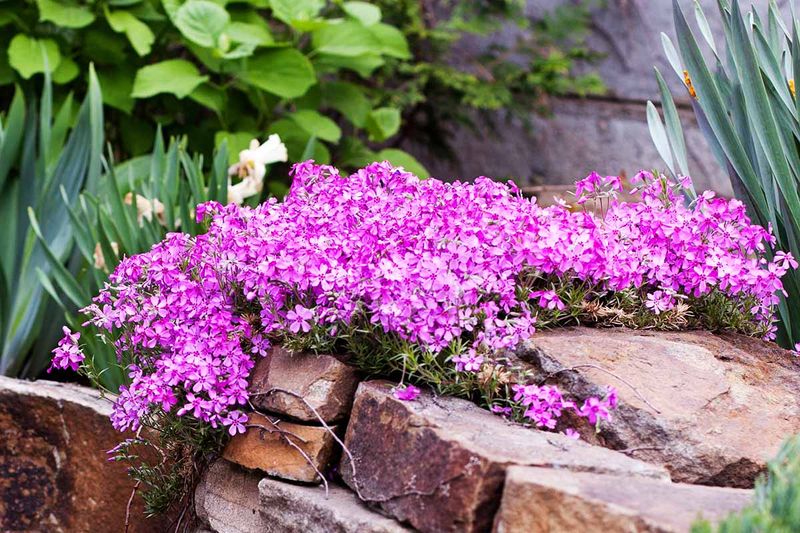
Come spring, creeping phlox erupts into such a solid sheet of color that it can hide the foliage entirely. Pink, purple, white, and blue varieties spill over walls and slopes in a jaw-dropping display.
The mat-forming stems root as they travel, so the plant widens its territory a little more each season until it blankets a whole slope. That knitting habit makes it a top pick for holding soil on banks where mowing is a pain.
After the big spring show, the needle-like green foliage stays neat and evergreen through the rest of the year in many US zones. Give it full sun and good drainage, and it will reward you with one of the most dramatic seasonal carpets in the garden.
16. Ornamental Grass (Feather Reed Grass)
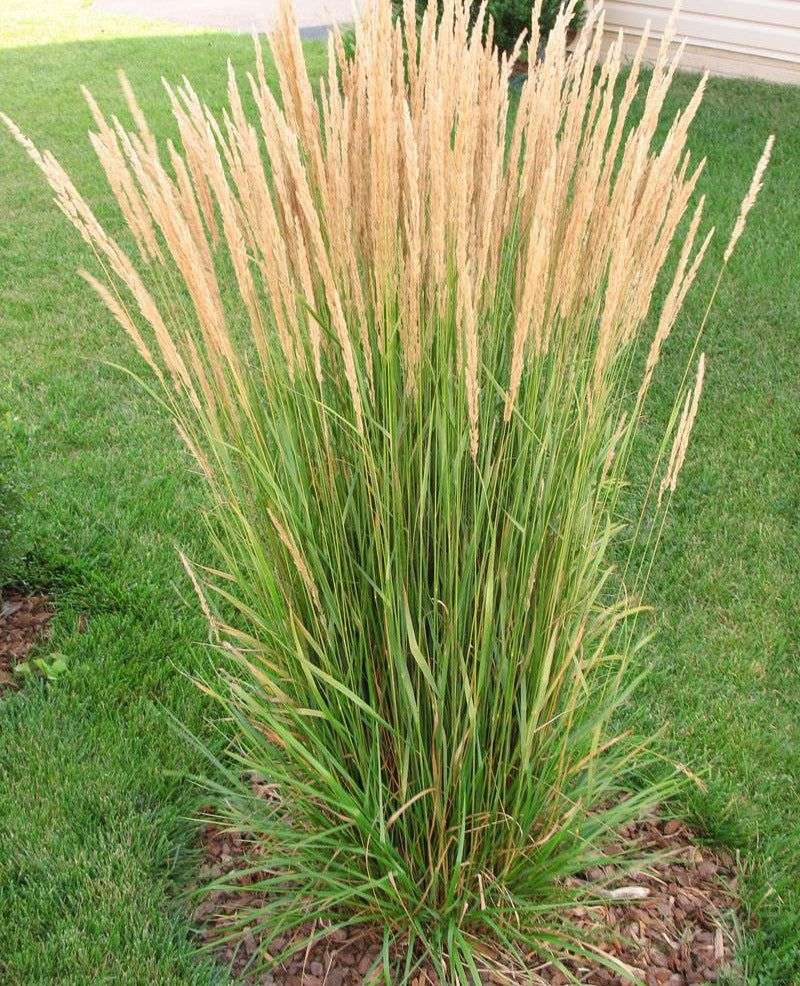
Not everything in a fast-filling bed needs petals, and feather reed grass proves it with vertical drama. The narrow upright clumps shoot up quickly and add motion as they sway in the slightest breeze.
By late summer, feathery plumes rise above the foliage and catch the light, then fade to warm tan that holds through winter. A young plant bulks into a substantial column within a single season, filling vertical space that flowers can’t reach.
Karl Foerster is the go-to variety because it stays put in a clump instead of running wild across the bed. Leave it standing for winter structure, then cut it to the ground in early spring before new blades emerge, and it comes roaring back.
17. Lady’s Mantle (Alchemilla)
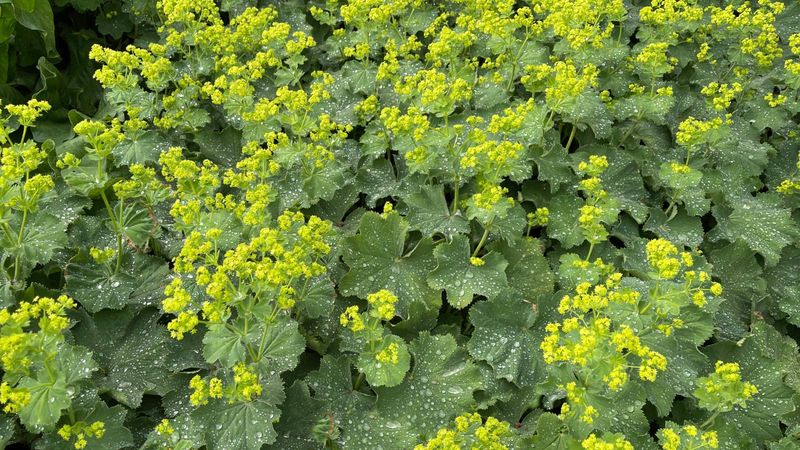
After a rain, lady’s mantle turns into a jewel box as water beads sit like silver pearls on its scalloped, fuzzy leaves. That trick alone makes it a favorite, but its filling power is what lands it here.
The soft green mounds expand steadily through the season and self-sow gently, quietly closing gaps along shaded paths and border fronts. Frothy chartreuse flower sprays float above the foliage in early summer and pair with nearly every other color.
It handles sun in cooler US regions and prefers part shade where summers turn brutal. Cut it back after flowering if it looks tired, and a flush of fresh leaves fills the space right back in, keeping the bed looking full into fall.