
10 Fiery Orange Flowers Hummingbirds Can’t Resist In Your Backyard
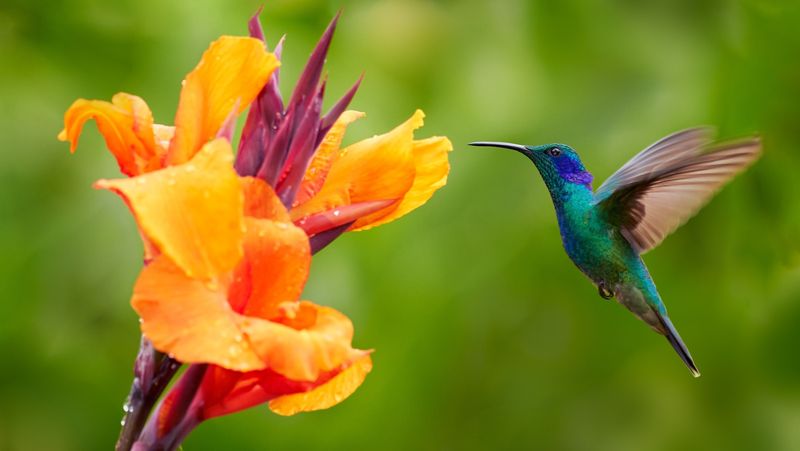
Hummingbirds have a real weakness for the color orange, and once they spot those glowing petals, they will zip back to your yard again and again. Planting the right blooms turns an ordinary garden into a busy pit stop for these tiny, energetic fliers. The ten flowers below are packed with nectar and easy to grow across most US backyards. Get a few of these in the ground and you will be trading your morning coffee scroll for a front-row seat to the show.
1. Trumpet Vine (Campsis radicans)
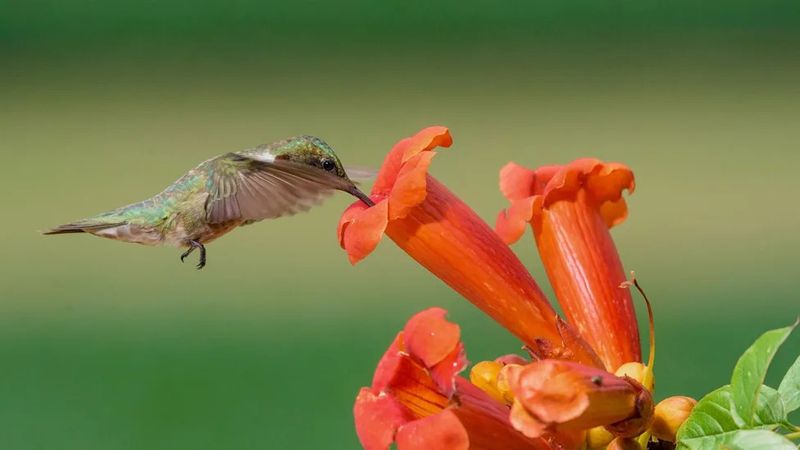
If you want a plant that practically shouts “hummingbirds welcome,” this rambling vine is your loudmouth. Its trumpet-shaped orange blooms are built like nectar cups, and the shape matches a hummingbird’s long bill almost perfectly.
Native across the eastern and central US, it climbs fences, arbors, and old sheds with wild energy. Give it a sturdy support and plenty of sun, and it will reward you with clusters of flame-colored flowers from summer into early fall.
One friendly warning for suburban growers: this vine spreads fast and can send up shoots several feet away from the main plant. Plant it where you can keep it in check, such as along a chain-link fence or in a spot you mow around regularly. A yearly hard prune keeps it tidy and actually encourages more blooms, which means more visitors buzzing your yard.
2. Butterfly Weed (Asclepias tuberosa)
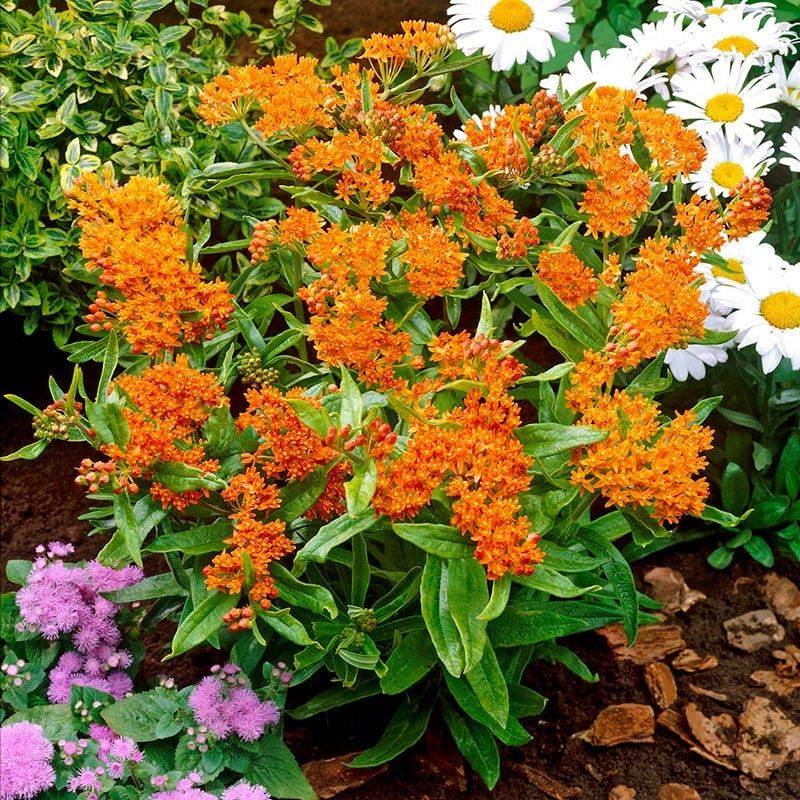
Do not let the name fool you into thinking only butterflies show up. This native milkweed produces flat-topped clusters of vivid orange flowers that hummingbirds work over just as eagerly.
Tough as nails, it handles dry soil, poor dirt, and blazing sun without complaint, making it a low-fuss pick for busy weekend gardeners. Once established, it rarely needs watering and comes back reliably year after year across most of the continental US.
Here is a bonus that earns it a spot on any list: it doubles as a host plant for monarch caterpillars, so you get pollinators of every stripe. The deep taproot means it does not love being moved, so pick your spot carefully the first time. Plant it in a sunny border and enjoy watching your patch turn into a wildlife rest stop.
3. Cape Honeysuckle (Tecoma capensis)
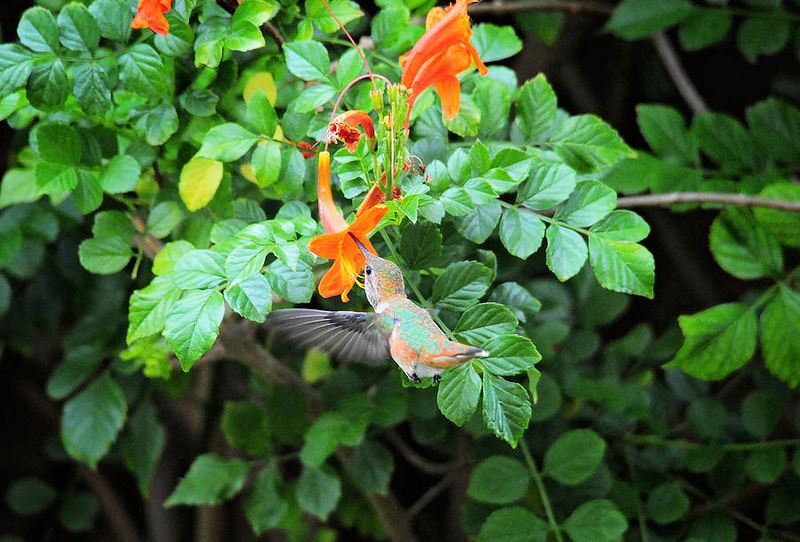
Warm-climate gardeners in the South and Southwest have a secret weapon in this sprawling shrub. Its clusters of tubular orange flowers bloom for months, sometimes nearly year-round in frost-free zones, giving hummingbirds a dependable buffet.
Unlike some fussier plants, it shrugs off heat and salty coastal air, which is why you will spot it along fences and walls in California, Arizona, Texas, and Florida. You can train it as a hedge, let it scramble up a trellis, or keep it clipped as a mounded shrub.
Gardeners in colder zones can still get in on the fun by growing it in a large container and moving it indoors before frost. Either way, its long bloom window means the hummingbirds keep coming back long after other flowers have called it quits for the season.
4. Orange Daylily (Hemerocallis fulva)
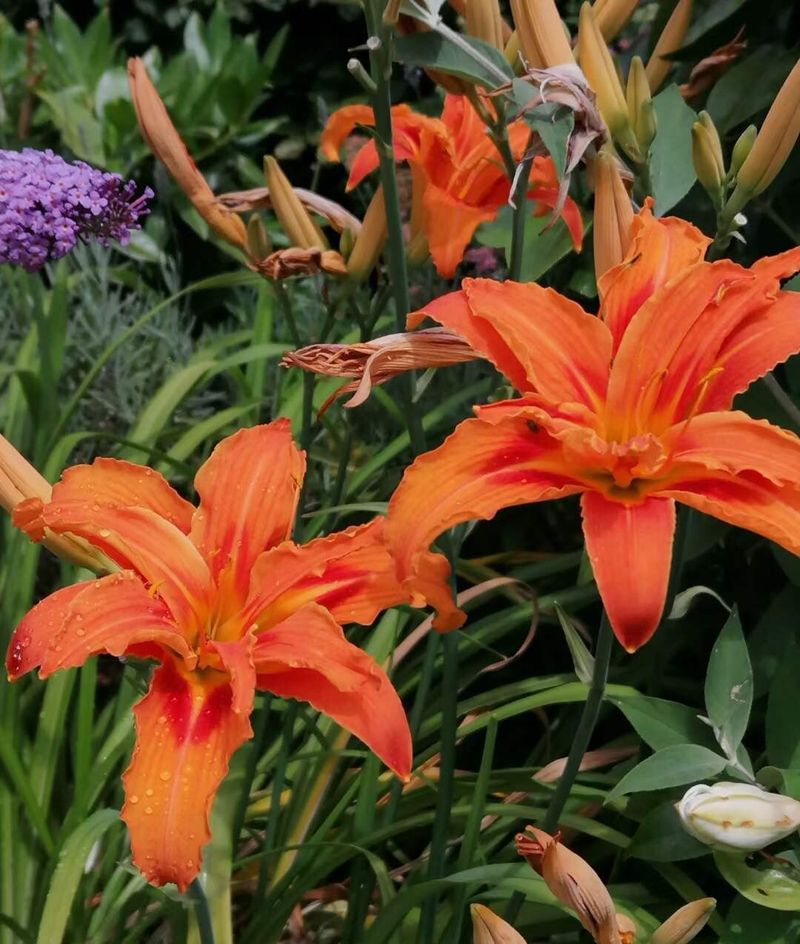
Nearly everyone has driven past a ditch bank glowing with these cheerful orange blooms without realizing how popular they are with hummingbirds. Each flower lasts just a single day, but the plant pumps out so many buds that the show runs for weeks.
Ridiculously forgiving, orange daylilies grow in almost any soil and tolerate drought, clay, and neglect that would kill fussier perennials. They spread into thick clumps that crowd out weeds, which makes them a favorite for filling awkward slopes and problem corners.
Divide the clumps every few years and you can spread free plants all over your property, or share them with a neighbor. The wide, open blooms let hummingbirds dip in easily, and the sheer number of flowers means there is always a fresh one waiting. Few plants deliver this much color for so little effort.
5. Mexican Sunflower (Tithonia rotundifolia)
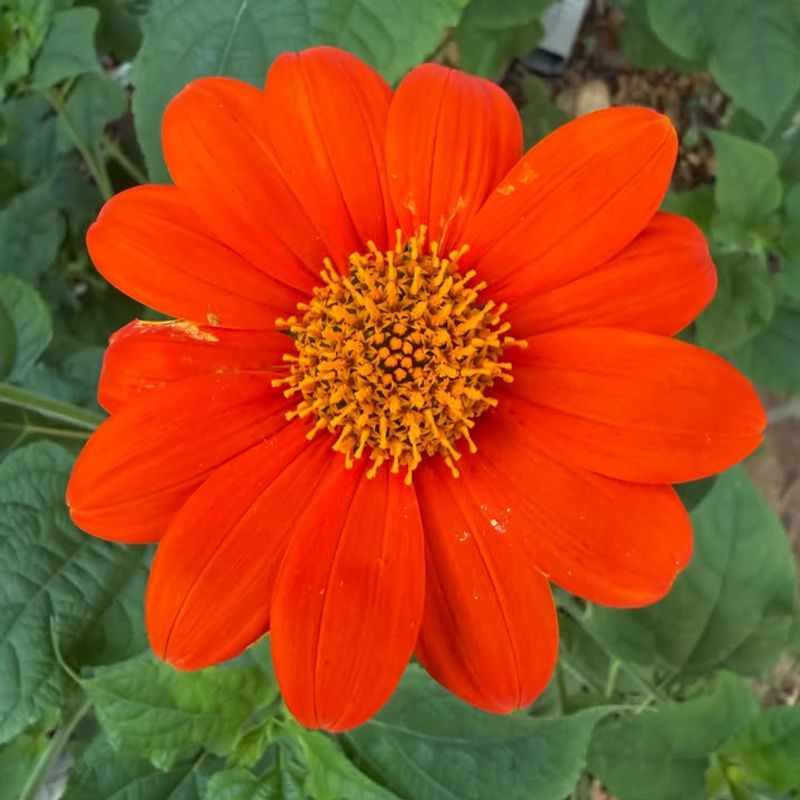
Picture a plant that shoots up to head height in a single summer and then covers itself in electric orange, daisy-like blooms. That fast, dramatic growth is exactly why this annual has such a loyal following among gardeners chasing pollinators.
Start it from seed after your last frost and it takes off in hot weather, thriving in the kind of heat that flattens other flowers. Hummingbirds, bees, and butterflies all crowd the blossoms, turning one plant into a living traffic jam.
Because it grows tall, tuck it toward the back of a border or along a fence line where it can lean into the sun. Deadhead the spent flowers to keep new ones coming right up until frost. For gardeners who want a big splash of orange without waiting years for a plant to mature, this one delivers in a single season.
6. Orange Crocosmia (Crocosmia ‘Lucifer’ relatives)
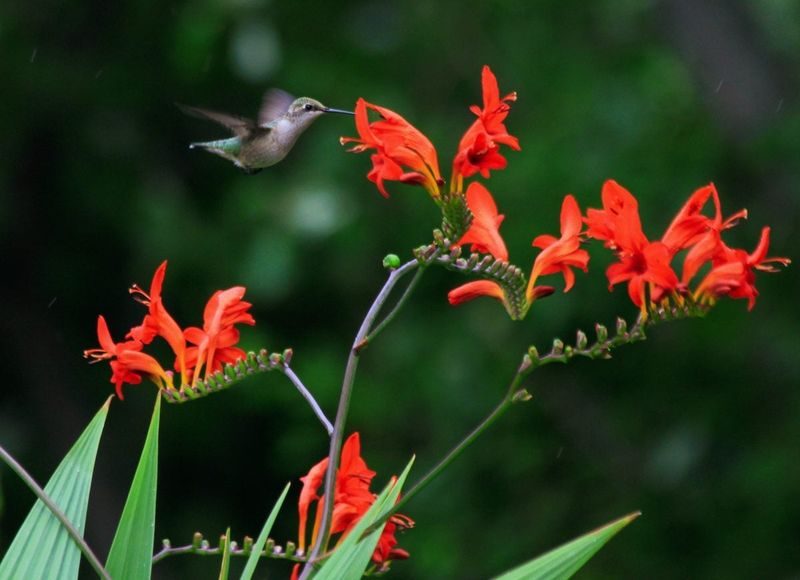
Few flowers look as much like a hummingbird invitation as the arching sprays of crocosmia. The tubular blooms line up along curving stems, and the fiery orange varieties glow like sparks against green sword-shaped leaves.
Grown from corms planted in spring, these South African natives naturalize happily in much of the US and multiply underground into fuller clumps each year. They prefer full sun and soil that drains well, rewarding you with midsummer color right when many spring bloomers fade.
The nodding, curved flower stalks make it easy for hummingbirds to hover and sip, almost like the plant designed a perch just for them. Cut a few stems for a vase and they last a surprisingly long time indoors. Once you have a clump going, you will be dividing and replanting them across your beds within a couple of seasons.
7. Trumpet Honeysuckle (Lonicera sempervirens ‘Major Wheeler’)
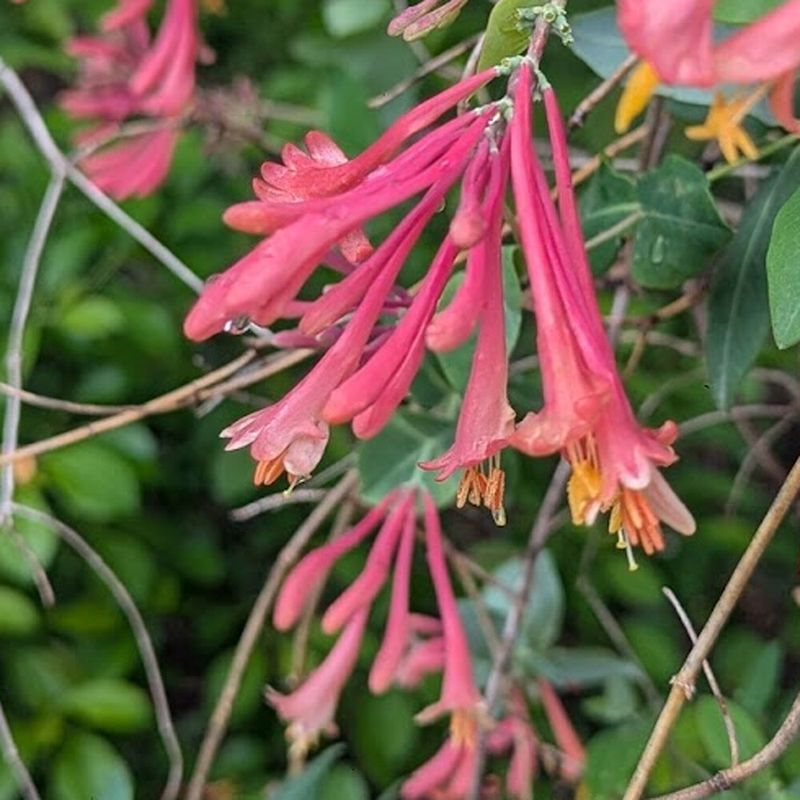
Gardeners who love the trumpet vine but not its aggressive habits often turn to this better-behaved native cousin. It offers the same slender orange-red tubes packed with nectar, without the runaway spreading that keeps some people up at night.
A twining climber, it clings politely to trellises, mailboxes, and porch railings while staying manageable in a small suburban yard. It blooms in flushes from late spring through summer, and each wave brings fresh nectar for returning hummingbirds.
Unlike the invasive Japanese honeysuckle many people fear, this species is native to the eastern US and plays nicely with local wildlife. Songbirds even snack on the berries later in the season. If you want vertical color that pulls in hummingbirds without taking over the whole garden, this vine hits the sweet spot.
8. Orange Cape Fuchsia (Phygelius)
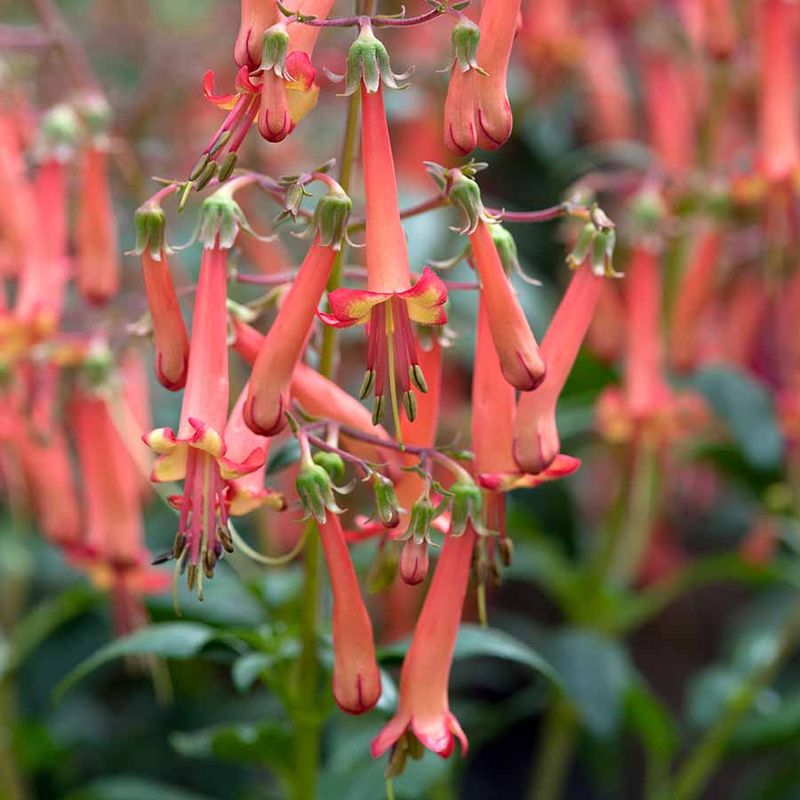
Dangling clusters of slim orange tubes give this shrubby perennial an almost chandelier-like look, and hummingbirds treat it exactly like one. Each pendulous flower is a bite-sized nectar tank hanging at the perfect angle for a hovering visitor.
Half shrub and half perennial, cape fuchsia blooms for a remarkably long stretch through summer and into fall, especially if you snip off faded flowers. It likes full sun to light shade and appreciates a drink during dry spells, though it is far from needy.
Gardeners in milder US zones can leave it in the ground year after year, while those in colder areas often treat it as a container plant. The soft, tubular blooms and steady flower production make it a quiet overachiever that keeps hummingbirds circling back all season without demanding much from you.
9. Orange Bird of Paradise (Strelitzia reginae)
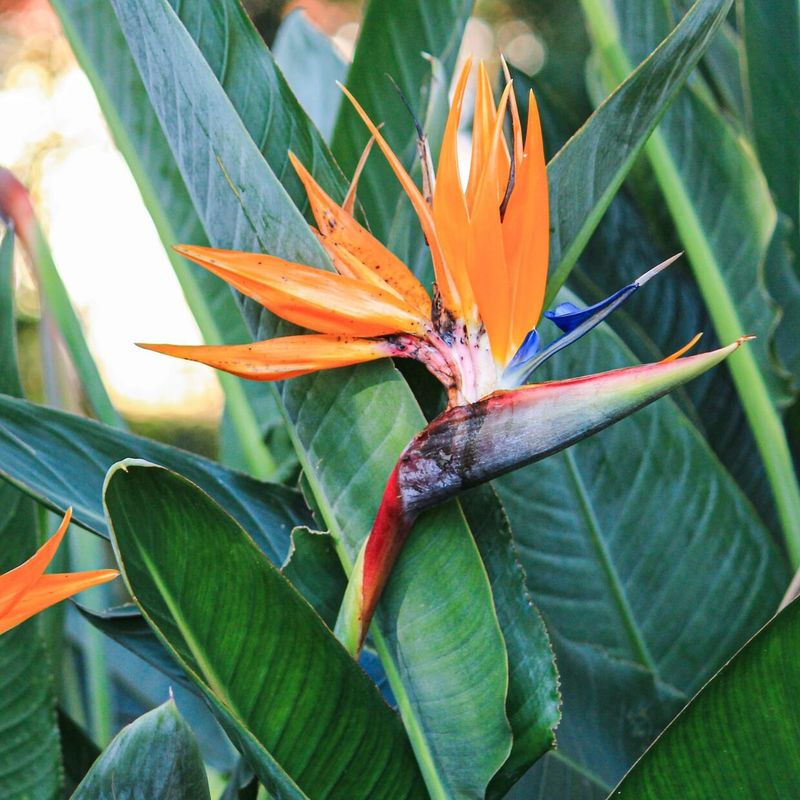
Talk about a showstopper. With its spiky orange and blue blooms that really do resemble an exotic bird mid-flight, this tropical stunner turns a patio into a mini vacation.
Warm-region gardeners in Florida, Southern California, and coastal Texas can grow it right in the ground, where it forms bold clumps of large, paddle-shaped leaves. Everyone else can enjoy it as a striking container plant that summers outdoors and winters inside near a bright window.
The sturdy, beak-like flowers hold generous nectar, and hummingbirds sometimes even use the stiff blooms as a landing perch. It takes a little patience to reach flowering size, but the payoff is a dramatic focal point unlike anything else on this list. For gardeners who want their orange with a side of jaw-dropping style, nothing else compares.
10. Orange Zinnia (Zinnia elegans)
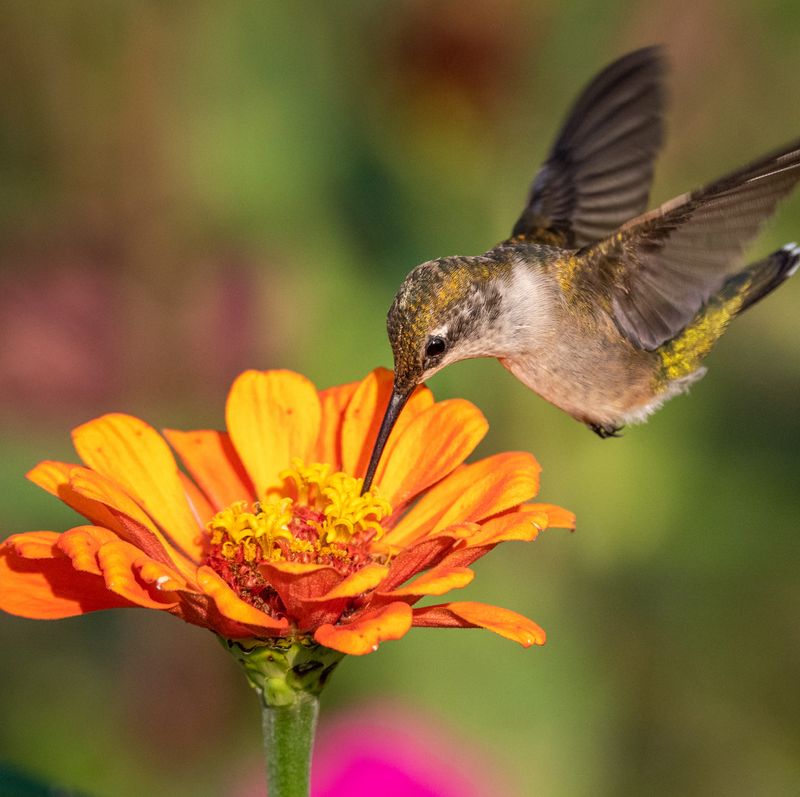
Beginner gardeners, this one is for you. Toss a handful of zinnia seeds into warm soil, keep them watered while they sprout, and within weeks you will have a patch of bold orange blooms buzzing with life.
These cut-and-come-again annuals flower harder the more you pick them, so a single row can supply both your kitchen vases and your local hummingbirds all summer. They handle heat beautifully and are among the most reliable flowers you can grow from seed.
Fun fact worth sharing: zinnias trace back to wildflowers of Mexico, where the Aztecs grew them centuries ago. Choose the larger dahlia-flowered orange types for the biggest visual punch and the most nectar-friendly blooms. Cheap, fast, and endlessly cheerful, orange zinnias prove you do not need a fancy garden to keep hummingbirds coming home.