
32 Beautiful Plants To Grow Instead Of Marigolds When Your Beds Feel Overused
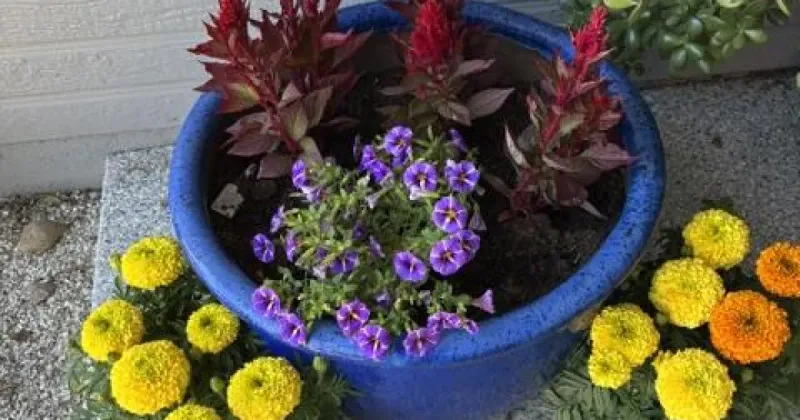
Marigolds are the go-to bloom for almost every backyard, and after a while, all that orange and yellow can start to feel a little tired. The good news is that plenty of other flowers, foliage plants, and edibles can bring the same easy color while giving your beds a fresh look. Some even do double duty by pushing back against common backyard pests. Here are 32 plants worth trying when your marigold patch needs a break.
1. Zinnia
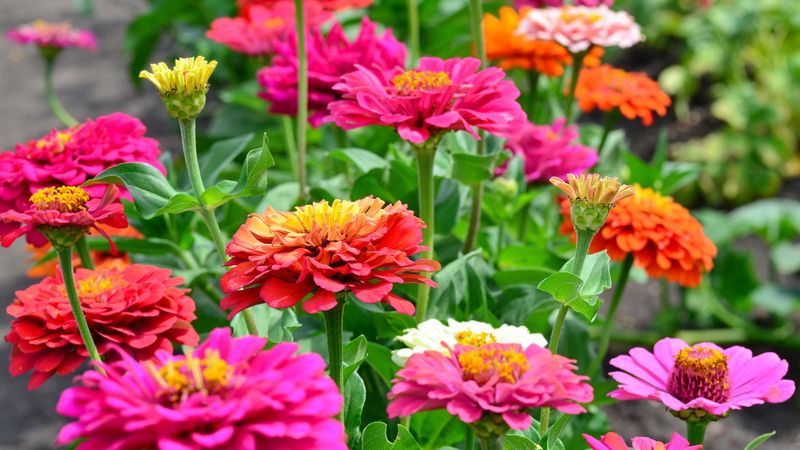
Few flowers reward a lazy gardener like the zinnia. Toss the seeds into warm soil after your last frost, water them in, and by midsummer you have a wall of color that keeps blooming until fall.
Where marigolds stick to a warm palette, zinnias hand you nearly every shade under the sun. Cherry red, hot pink, lime green, and sunset orange all show up, and the more you cut them for bouquets, the harder the plant works to make new buds.
Butterflies treat a zinnia patch like a diner, so you get a moving show of wings all season. They shrug off heat across most US zones, which makes them a reliable swap in beds that used to hold marigolds.
2. Calendula
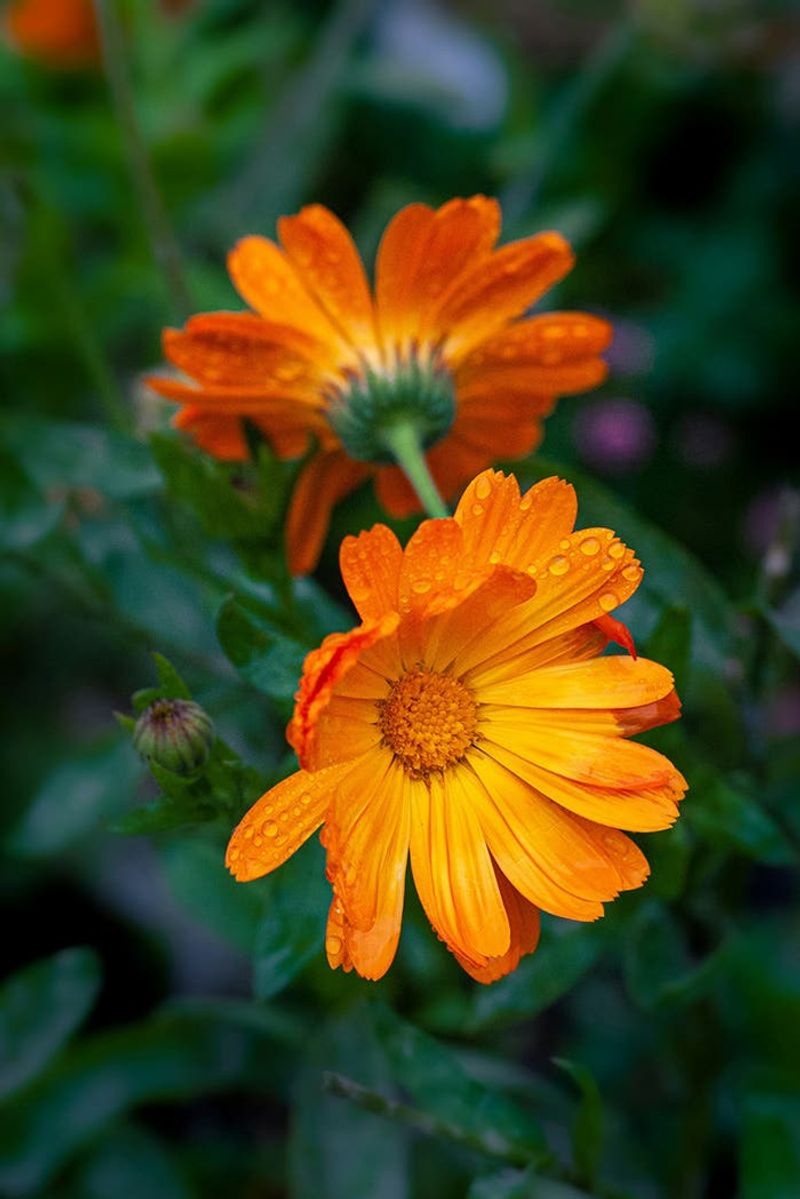
Often called pot marigold, calendula gives you that same cheerful golden glow without being an actual marigold at all. The petals are soft and daisy-like, and the plant handles cool weather far better than its lookalike cousin.
Gardeners have grown it for centuries, using the petals in salads, soothing salves, and even to add color to butter. That edible history makes it a fun pick if you like plants that work as hard in the kitchen as they do in the bed.
It self-seeds happily, so one packet often turns into a returning patch year after year. In cooler US regions it will bloom right through spring and again in the fall.
3. Nasturtium
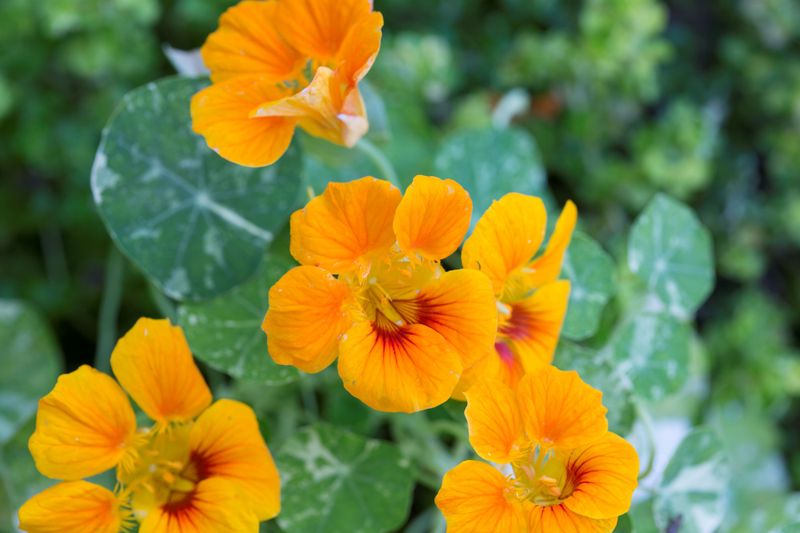
Trailing over the edge of a raised bed with round leaves and jewel-toned flowers, nasturtium looks fancy but grows like a weed. Poor soil actually suits it better than rich soil, so you can plant it in the spots where nothing else wants to grow.
Every part above ground is edible, and the flowers carry a peppery bite that dresses up a summer salad. Kids love popping the blooms straight off the vine.
Aphids find nasturtiums irresistible, which is exactly why some gardeners plant them as a trap crop near vegetables. The pests flock to the nasturtium and may leave your tomatoes and beans alone.
4. Cosmos
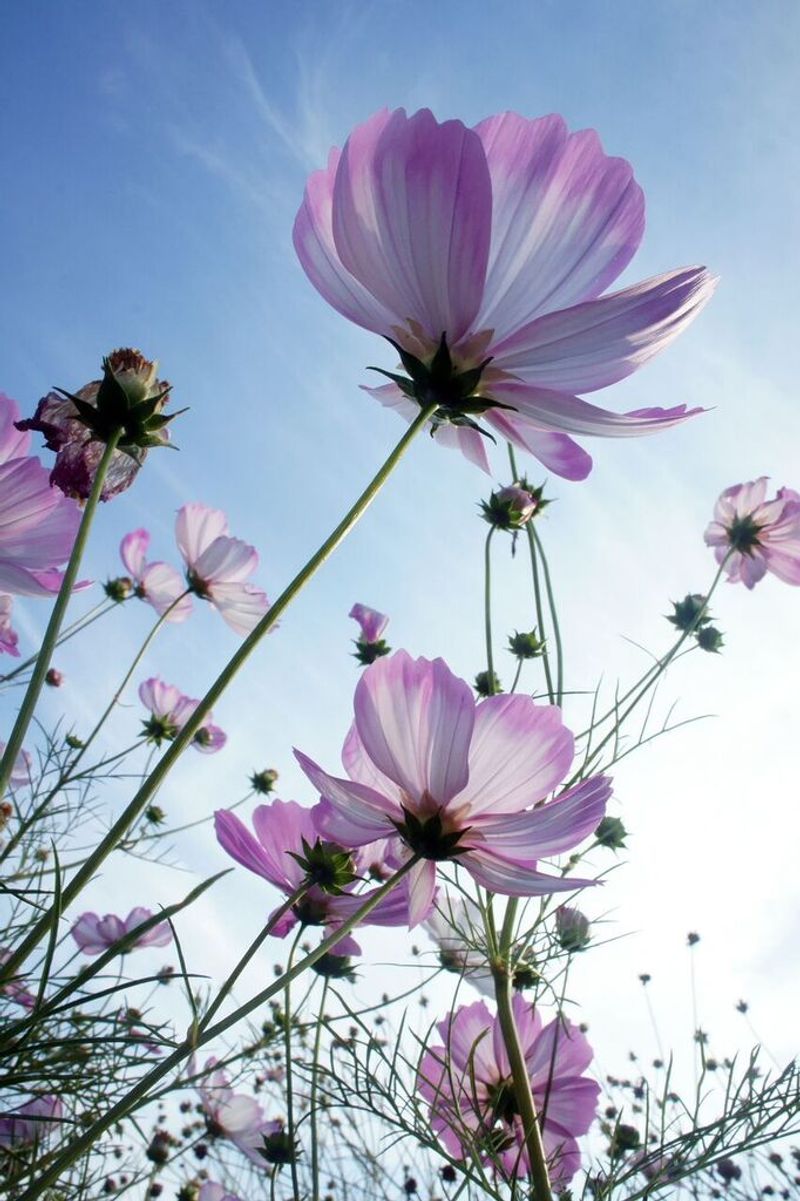
Airy, tall, and always swaying, cosmos bring a soft meadow feel that stiff marigold rows never could. The finely cut foliage looks like green lace, and the flowers float above it on slender stems.
Native to Mexico, cosmos thrive in heat and dry spells, asking for almost nothing once established. Overfeeding actually backfires and gives you leaves instead of blooms, so neglect is your friend here.
Bees and hoverflies crowd the open faces of the flowers, and those hoverflies happen to munch aphids. Plant a drift of cosmos at the back of a bed and let it become the tall, dreamy backdrop for shorter plants up front.
5. Petunia
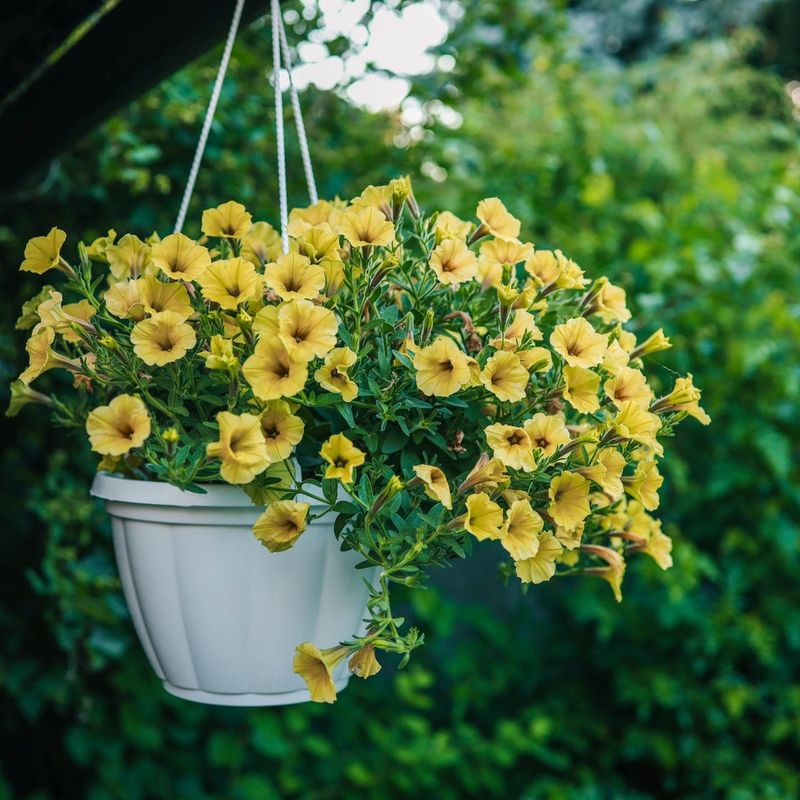
For sheer flower power, petunias are hard to beat. A single plant can spill out of a container or carpet a bed with trumpet-shaped blooms that keep coming from spring until frost.
Color choices run wild, from soft lavender to nearly black, with stripes and veined patterns that look painted by hand. Newer trailing types like the Wave series need zero deadheading, which saves you a fussy chore.
Warm US patios and hanging baskets are where petunias really shine. Give them sun and a drink when the soil dries, and they will reward you with a nonstop parade of color that easily outshines a bed of marigolds.
6. Salvia
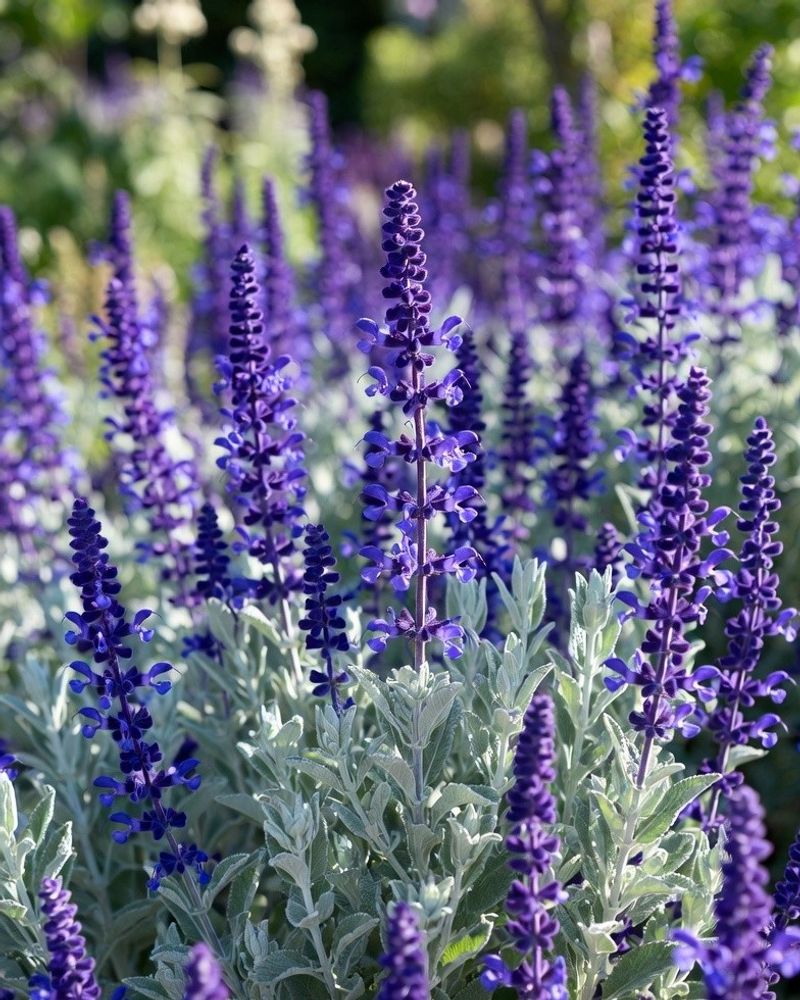
Spiky and upright, salvia adds vertical drama that low mounding marigolds simply cannot deliver. The flower spikes come in deep purple, fiery red, and clear blue, giving your bed real architecture.
Hummingbirds treat salvia like a favorite fuel stop, hovering at each tubular flower for a sip of nectar. Plant a patch near a window and you will have front-row seats to the show.
Many varieties are drought tough and deer resistant, which is a lifesaver in rural US yards. The strong scent of the leaves is part of why grazing animals leave it alone, so it does quiet double duty as a deterrent.
7. Lantana
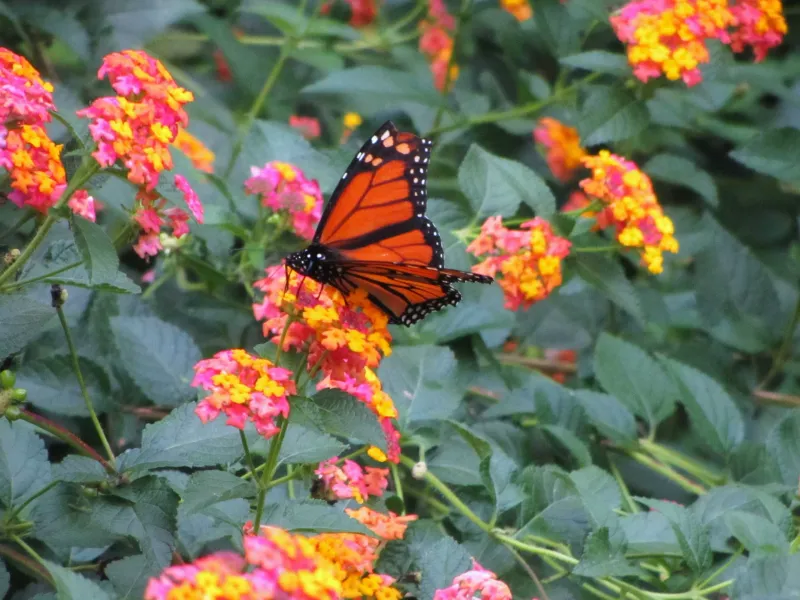
Heat that would flatten other flowers only makes lantana happier. Through the worst of a Southern summer, its clustered blooms keep glowing in shifting shades of yellow, orange, and pink, often on the same flower head.
Butterflies simply cannot resist it, and a mature lantana can look like it is dressed in living wings on a warm afternoon. The plant grows fast and fills space, so a few starts cover a lot of ground.
Its aromatic leaves give off a scent that many mosquitoes and other pests dislike, which is a handy bonus near a seating area. In frost-free parts of the US it comes back as a shrub, while northern gardeners grow it as a bold annual.
8. Geranium
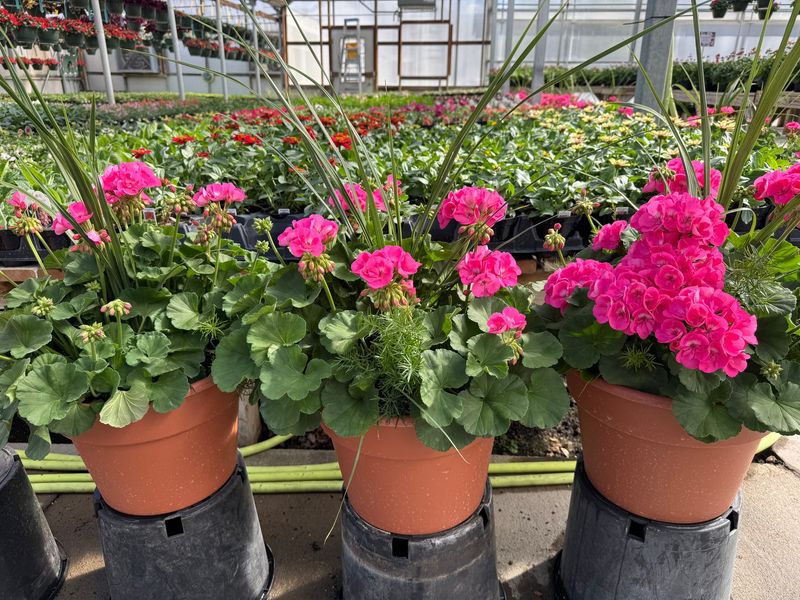
Grandmother’s front porch probably had a pot of geraniums, and there is a reason they never go out of style. Bold flower clusters sit atop rounded leaves, and the plant blooms tirelessly with just a bit of deadheading.
The scented-leaf types release lemon, rose, or mint aromas when you brush against them, and those smells help mask the cues that draw certain insects. Some gardeners tuck them near doorways for that reason alone.
Whether you grow them in window boxes or a sunny border, geraniums bring a tidy, dependable structure. They also overwinter easily indoors, so a favorite plant can follow you from year to year.
9. Coneflower
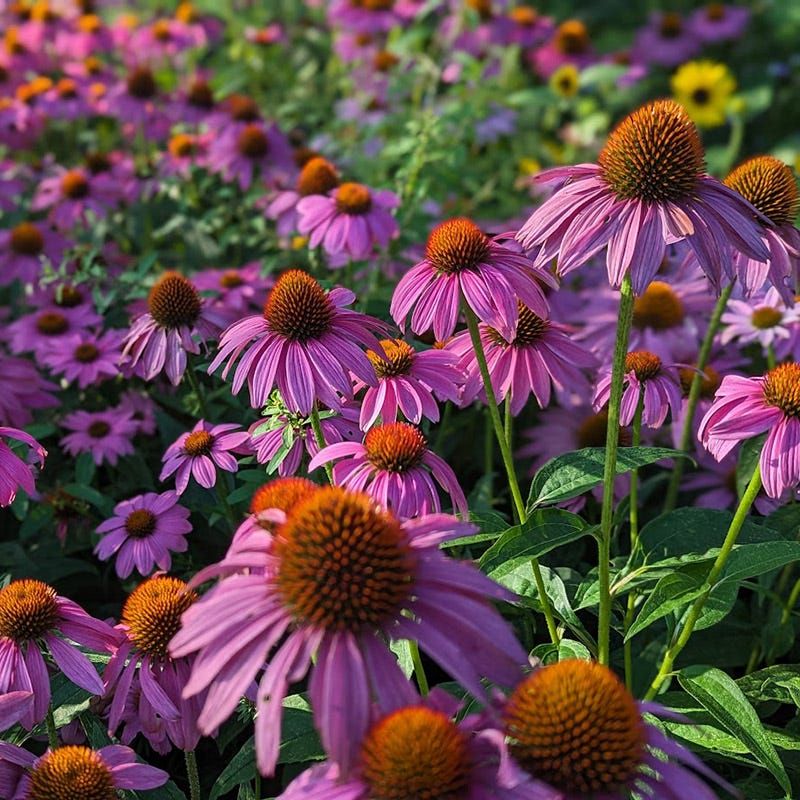
Native prairies gave us the coneflower, and it carries that tough, self-reliant spirit into the home garden. The daisy-shaped blooms have a raised bristly center that gives the plant its name and its unmistakable look.
Purple is the classic color, but breeders have added orange, white, and even ruby-red versions to the mix. Once the roots settle in, it comes back bigger every summer with almost no effort from you.
Goldfinches love to pick seeds from the dried cones in fall, so leaving the spent flowers standing feeds birds through the cold months. As a perennial, it saves you the yearly replanting that marigolds demand.
10. Black-Eyed Susan
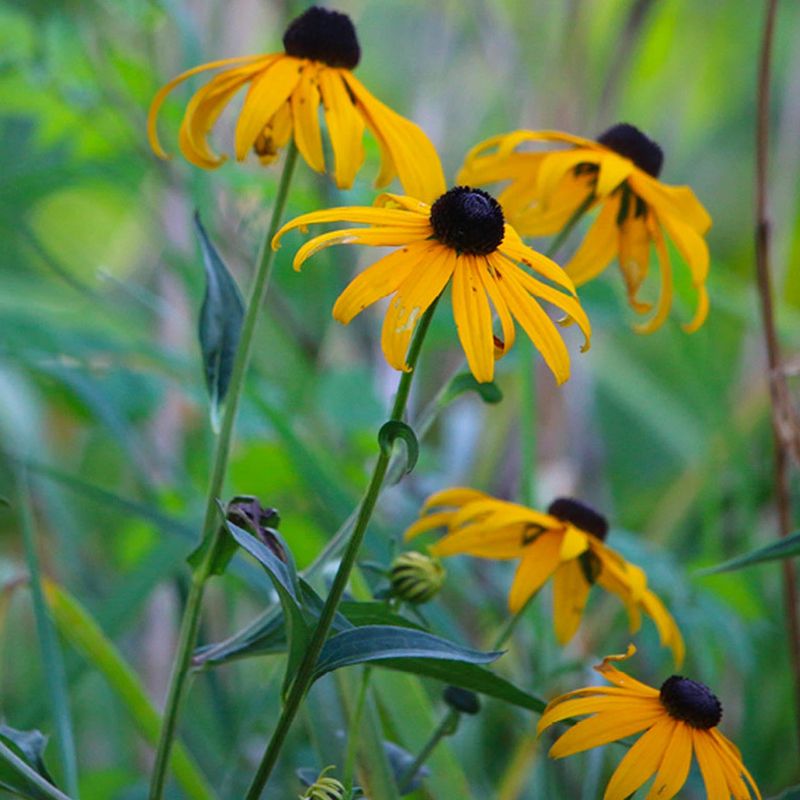
Golden petals wrapped around a dark chocolate center make black-eyed Susan look like sunshine caught mid-bloom. The flowers cover the plant so thickly that the green almost disappears in peak season.
As a native across much of the US, it laughs at heat, drought, and clay soil that would sink a fussier flower. Plant it once and it often reseeds and returns, spreading a little wider each year.
Pollinators of every kind stop by, and the seed heads feed birds long after the color fades. If you want the golden warmth of marigolds but on a hardy perennial, this is your plant.
11. Marigold-Free Nemesia
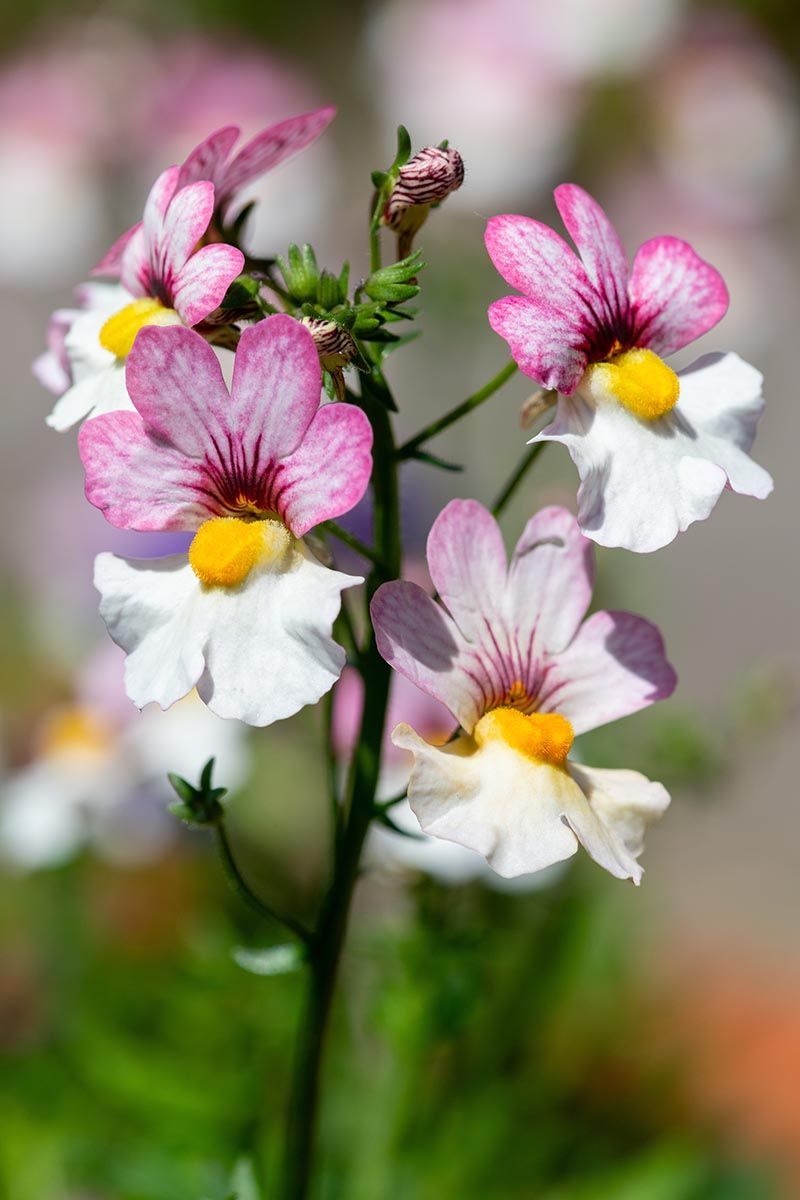
Delicate and sweetly scented, nemesia offers a dainty alternative for gardeners tired of coarse marigold texture. The tiny snapdragon-like flowers cluster together in soft pastels and vivid two-tones.
Cool weather is when it truly shines, making it a smart choice for spring and fall beds in much of the US. A light shearing when it slows down brings on a fresh flush of blooms.
The gentle fragrance carries best in the morning and evening, giving containers near a patio a quiet perfume. Pair it with taller plants and let its low mounds soften the front edge of a bed.
12. Snapdragon
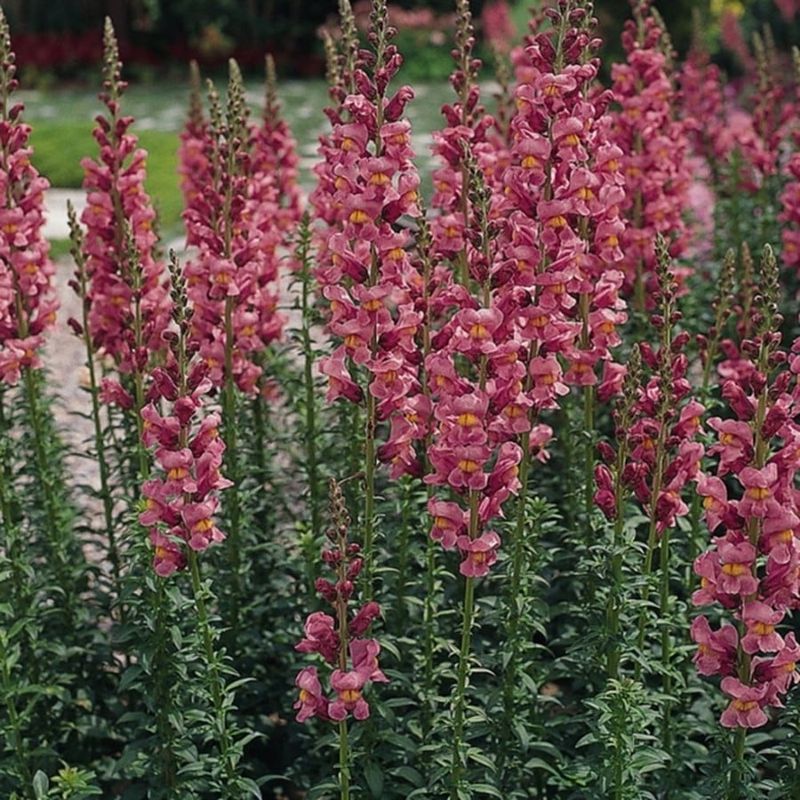
Squeeze the sides of a snapdragon flower and it opens like a tiny dragon’s jaw, a trick that has delighted children for generations. Beyond the fun, these tall spires bring height and old-fashioned charm to a bed.
Cool spring and fall temperatures suit them best, and in mild US regions they will bloom straight through a gentle winter. The color range covers nearly everything except true blue.
Bumblebees are strong enough to pry the flowers open, so a row of snapdragons becomes a busy landing strip. Cut a few stems for a vase and the plant simply produces more.
13. Verbena
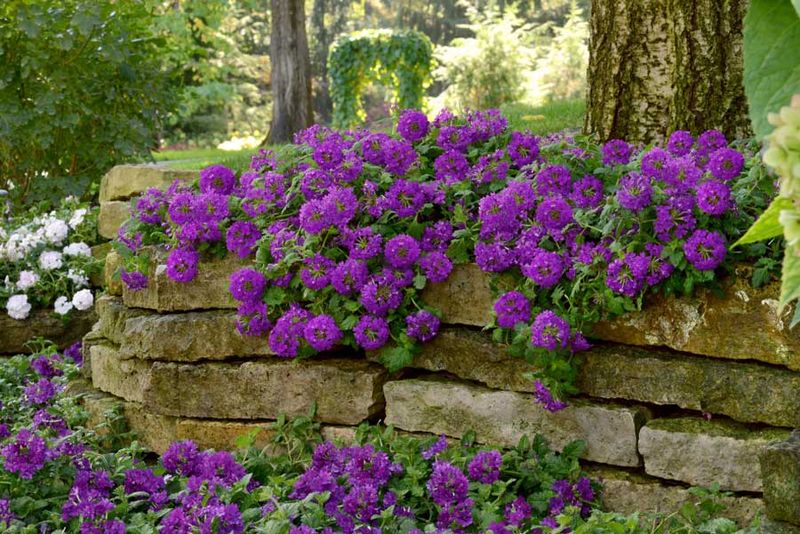
Low and spreading, verbena knits together the front of a bed with a quilt of small flower clusters. It flowers relentlessly from spring to frost, barely pausing even in brutal heat.
The trailing types drape beautifully over walls and container edges, while upright forms fill gaps between larger plants. Butterflies favor the flat flower heads because they make an easy landing pad.
Drought hardly slows it down once the roots take hold, which makes it a smart pick for sunny, dry US yards. A quick trim mid-season keeps it from getting leggy and pushes out fresh blooms.
14. Marigold-Alternative Ageratum
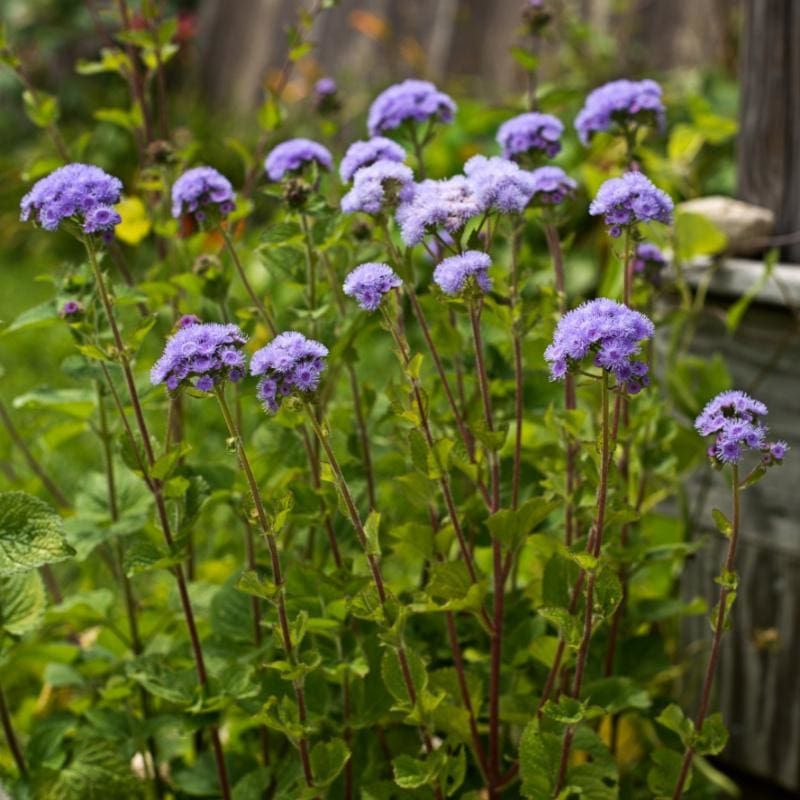
Fuzzy, cloud-like flowers in cool blue set ageratum apart from almost everything else in the summer garden. True blue is rare in flowers, so a patch of it draws the eye instantly.
The soft, powder-puff blooms sit on tidy mounds that stay neat all season without much fuss. Dwarf types edge a bed cleanly, while taller ones make surprisingly good cut flowers.
Butterflies drift to those fluffy heads, adding movement to the calm blue haze. Grow it beside yellow or orange partners and the color contrast practically hums.
15. Marigold-Free Marguerite Daisy
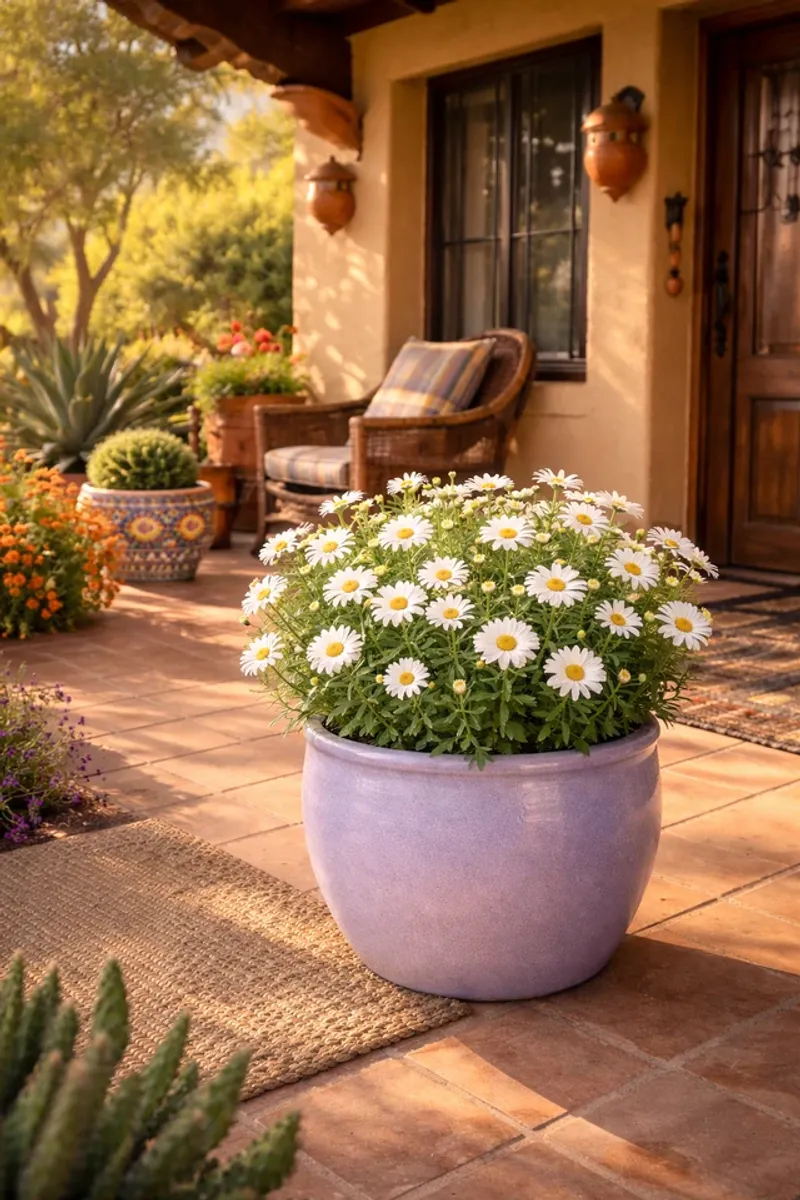
Crisp white petals around a sunny center give the marguerite daisy a clean, cheerful face that never feels overdone. The plant forms a rounded bush covered in dozens of blooms at once.
Mild weather brings out its best, so it thrives in spring and fall and in the cooler coastal parts of the US. Regular deadheading keeps the flower show rolling for months.
Its bushy shape works beautifully as a container centerpiece or a low informal hedge. Simple and honest, it proves you do not need loud color to make a bed feel alive.
16. Lavender
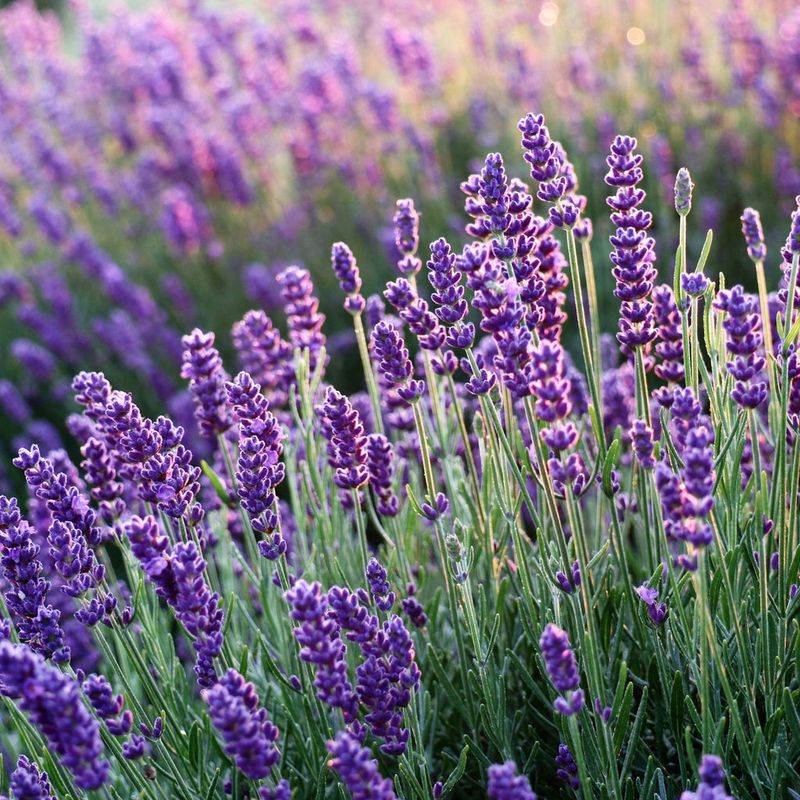
Run your hand along a lavender plant and the whole garden suddenly smells like a spa. Those silvery-green leaves and purple flower spikes bring calm, structured beauty to a bed that once held busy marigolds.
Bees adore the flowers, but many pests do the opposite and steer clear of the strong oils. Gardeners often plant it near patios and paths so the scent releases every time someone brushes past.
Full sun and lean, well-drained soil are all it asks, and it despises soggy feet. As a perennial in much of the US, it rewards a little patience with years of fragrance and color.
17. Marigold-Alternative Sweet Alyssum
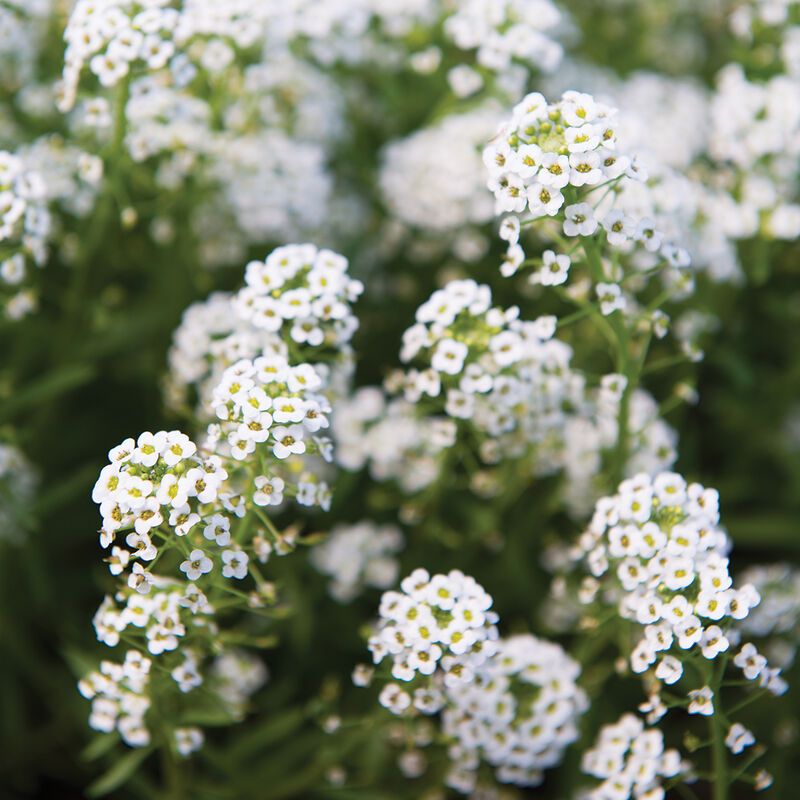
A carpet of sweet alyssum smells like honey on a warm day, and the fragrance carries surprisingly far for such tiny flowers. The plant hugs the ground in a froth of white, purple, or pink.
Tuck it along a path edge or between stepping stones and it fills every gap with soft bloom. It tolerates heat and keeps flowering as long as you give it an occasional trim.
Hoverflies and tiny beneficial wasps love it, and those insects help keep aphids and other pests in check nearby. Many vegetable gardeners plant it as a living mulch for exactly that reason.
18. Coreopsis
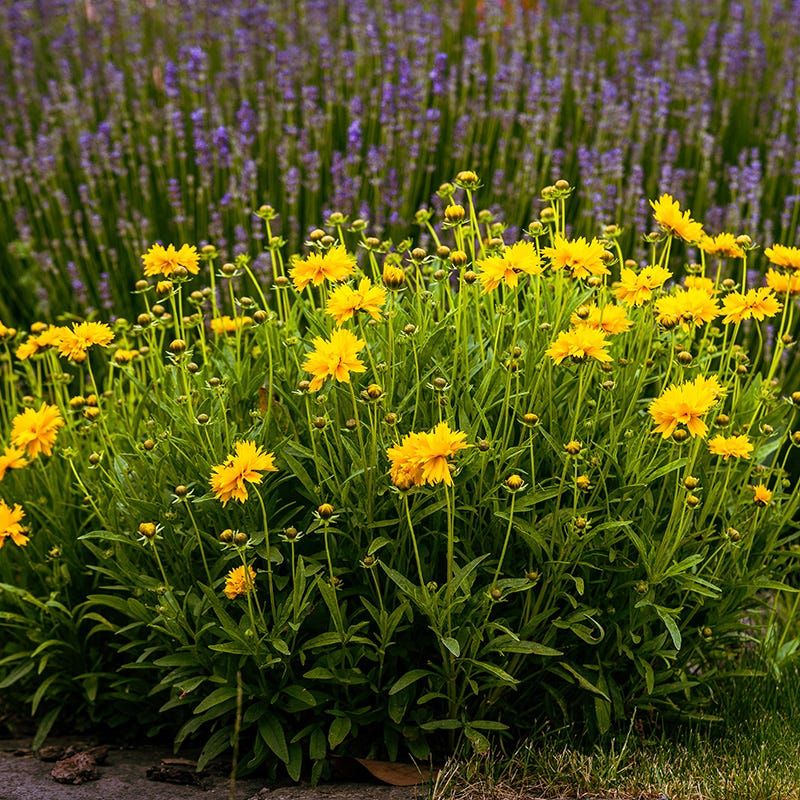
Sunny and unstoppable, coreopsis pumps out golden daisy flowers from early summer until the first hard frost. The nickname tickseed comes from its little seeds, but the cheerful blooms are what win people over.
Many types are native to the US, so they handle heat, poor soil, and drought without complaint. The threadleaf varieties add a fine, ferny texture that softens a stiff border.
A quick shear mid-summer brings on a whole new wave of flowers. As a returning perennial, it saves you the marigold ritual of buying fresh plants every spring.
19. Gaillardia
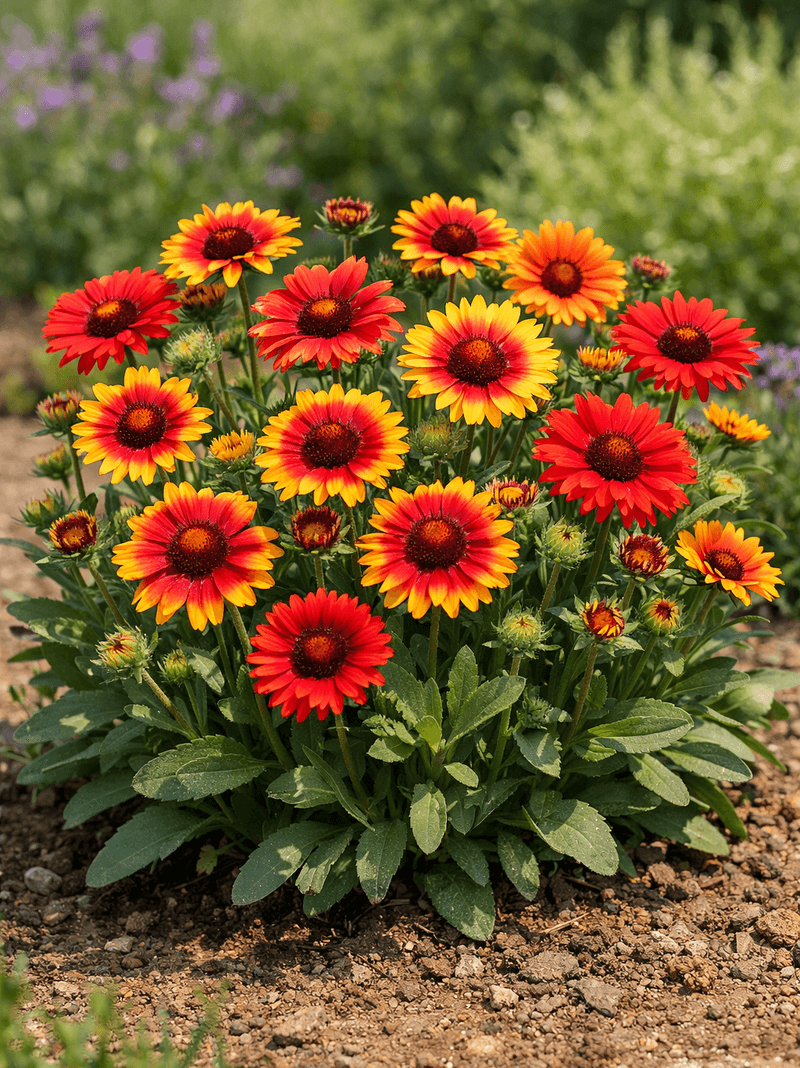
Bands of red, orange, and yellow radiate out from each gaillardia flower, earning it the fitting name blanket flower. The colors look like a Southwestern quilt spread across the bed.
Tough as they come, these plants thrive in sandy soil, blazing sun, and coastal wind that would wreck fussier flowers. They bloom for months and ask for very little water once settled.
Butterflies and bees keep steady company with the flowers all summer long. When the petals drop, the round seed heads add texture and feed goldfinches into fall.
20. Marigold-Free Portulaca
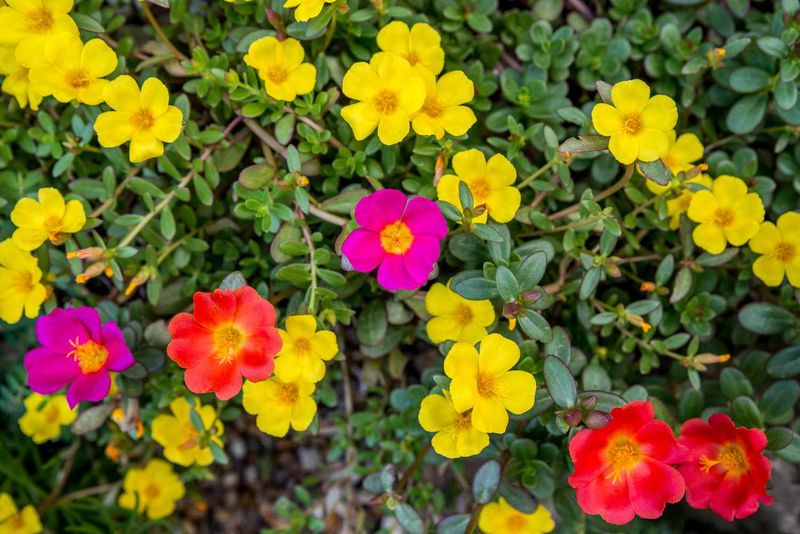
When the soil turns to dust and the sun beats down, portulaca just keeps smiling. Also called moss rose, it stores water in its plump, succulent leaves so it can bloom through drought that would fry other flowers.
Silky, rose-like flowers open in jewel tones of magenta, orange, gold, and white, usually spreading in the morning sun. The low, spreading habit makes it perfect for rock gardens and hot container edges.
It practically thrives on neglect, which is a gift for busy gardeners or forgetful waterers. Plant it in the spot that bakes hottest and watch it turn misery into color.
21. Begonia
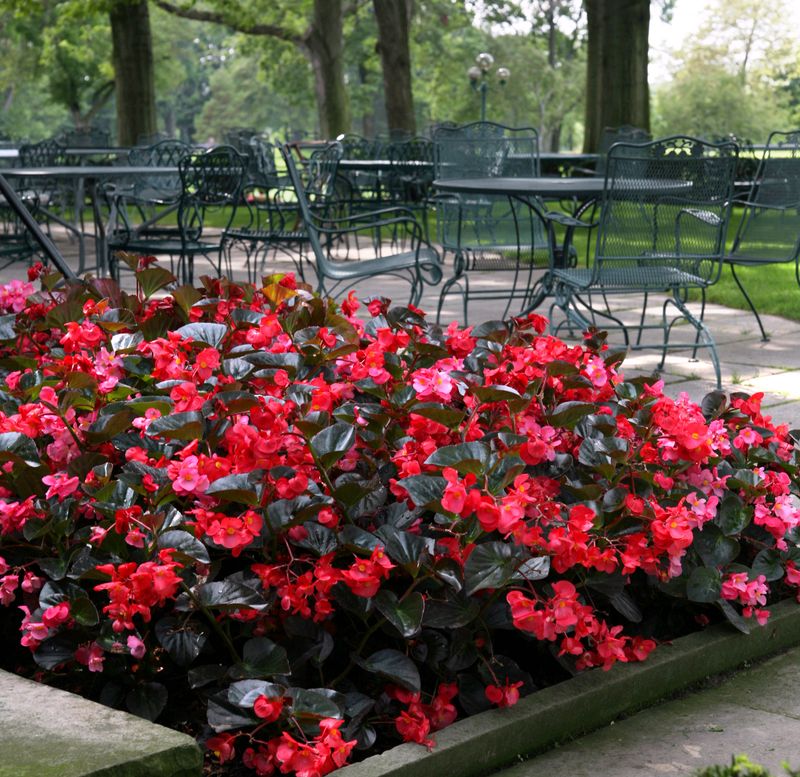
Shade throws most bright flowers into a sulk, but begonias flourish where the sun barely reaches. Their waxy leaves and clustered blooms light up dim corners that would leave marigolds stretched and floppy.
The glossy foliage comes in green, bronze, and deep burgundy, so the plant looks good even between flushes of flower. Wax and tuberous types both offer nonstop color with very little effort.
Water when the soil surface dries and they will bloom from spring to frost. For a shady bed or a covered porch, few plants deliver more reliable, easygoing beauty.
22. Impatiens
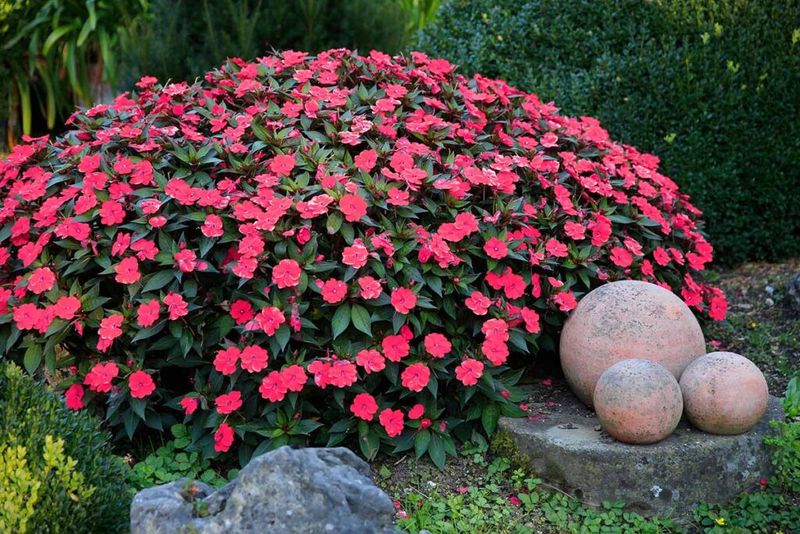
For a shady spot that feels gloomy, a sweep of impatiens acts like turning on a light. The plants smother themselves in flat-faced flowers that glow in pink, coral, white, and violet even under a tree canopy.
They grow into tidy mounds and rarely need deadheading, which makes them refreshingly hands-off. Keep the soil evenly moist and they will bloom without pause all season.
The newer disease-resistant SunPatiens types even take sun and heat, widening where you can plant them. In beds where marigolds struggle for lack of light, impatiens simply take over the job.
23. Marigold-Alternative Celosia
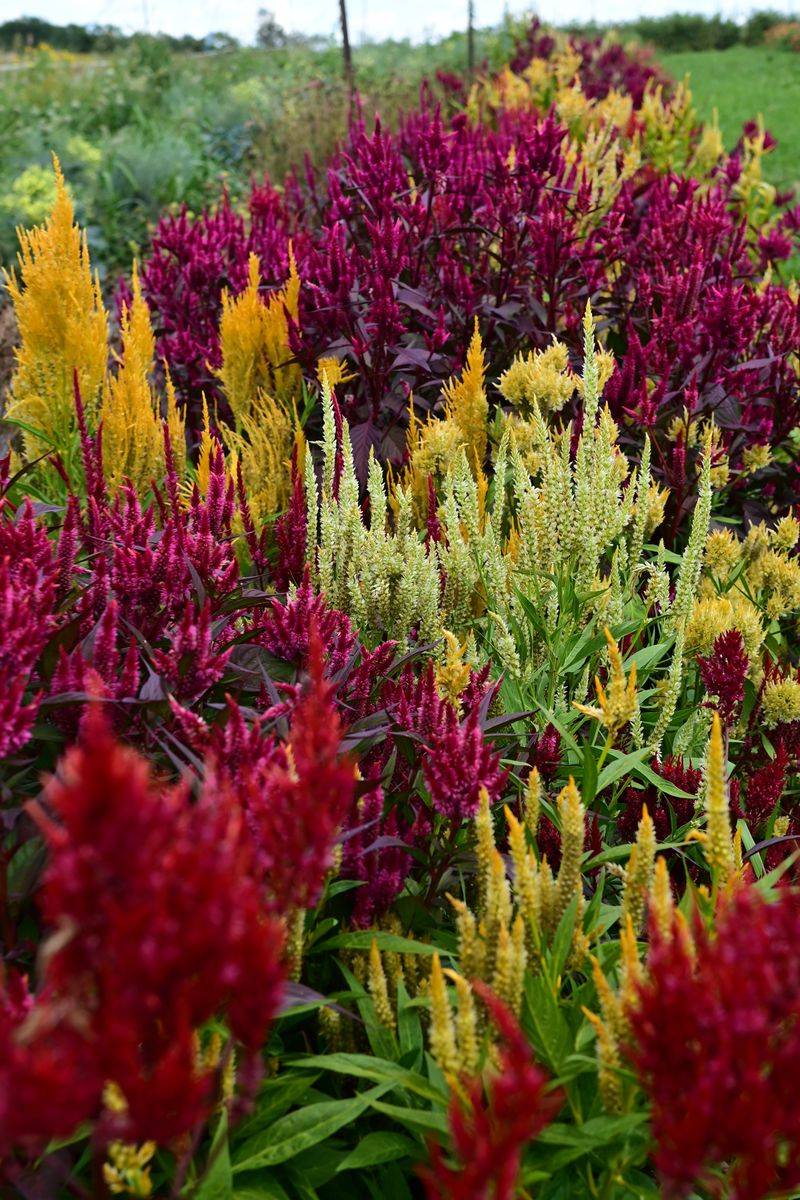
Strange and striking, celosia grows flower heads that look like flames or the crested comb of a rooster. The plumed types shoot up feathery spires while the crested types twist into brainy, coral-like ridges.
The colors burn bright in red, orange, magenta, and gold, holding that intensity through the hottest weeks. Heat and humidity only seem to encourage it, making it a champ in Southern US gardens.
Cut and dried, the blooms keep their color for months in arrangements. For a bed that needs a jolt of texture and drama, celosia breaks every rule marigolds play by.
24. Marigold-Free Vinca
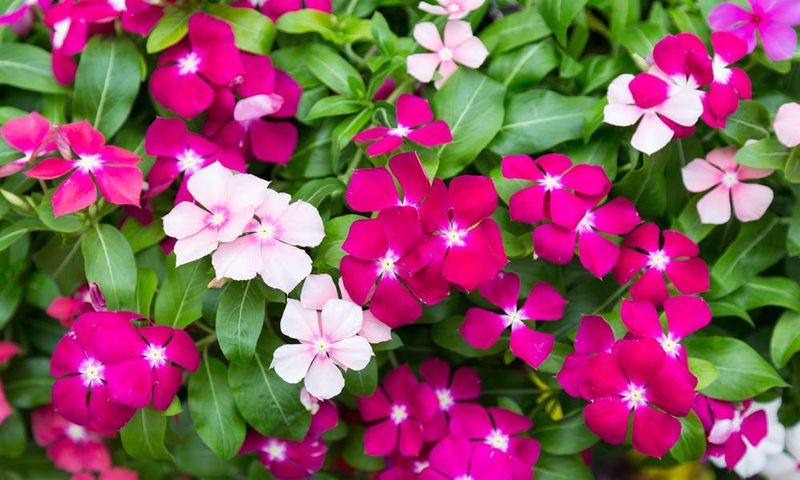
Annual vinca, or Madagascar periwinkle, keeps its cool while summer tries to melt everything else. Glossy leaves and clean, five-petaled flowers in pink, white, and red stay crisp through heat and humidity.
The waxy foliage resists drought and disease, so the plant looks polished with minimal babysitting. It fills beds and containers with a neat, low profile that never looks messy.
Deer and rabbits generally leave it alone, a real plus in yards where wildlife treats the garden as a buffet. Plant it in full sun and it just keeps performing while other flowers wilt.
25. Dianthus
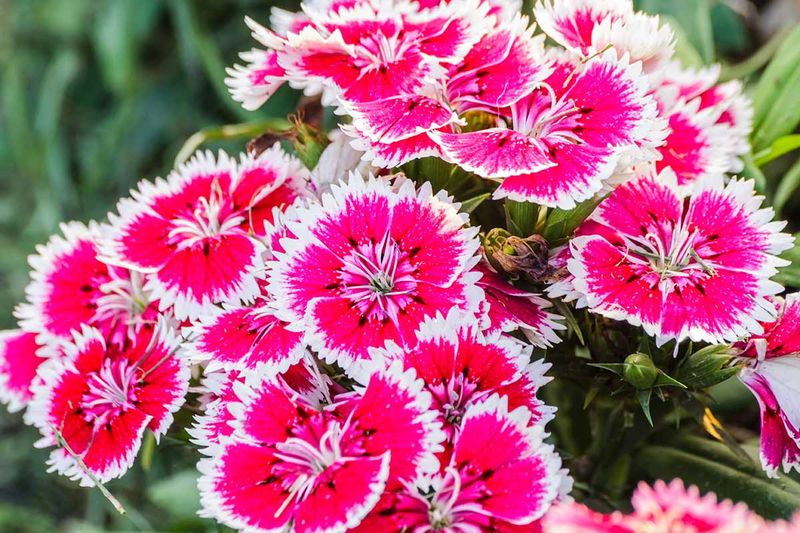
Lean in close to a dianthus and you may catch a spicy hint of clove drifting up from the fringed petals. That old-fashioned scent, paired with jewel-bright pinks and reds, makes it a garden charmer.
The blue-green foliage forms neat cushions, and the flowers rise just above in tidy clusters. Many types come back year after year, straddling the line between annual and perennial depending on your zone.
Cool weather suits it, so it brightens spring and fall beds beautifully across the US. Snip a few stems for a small vase and the clove fragrance fills the room.
26. Marigold-Alternative Gazania
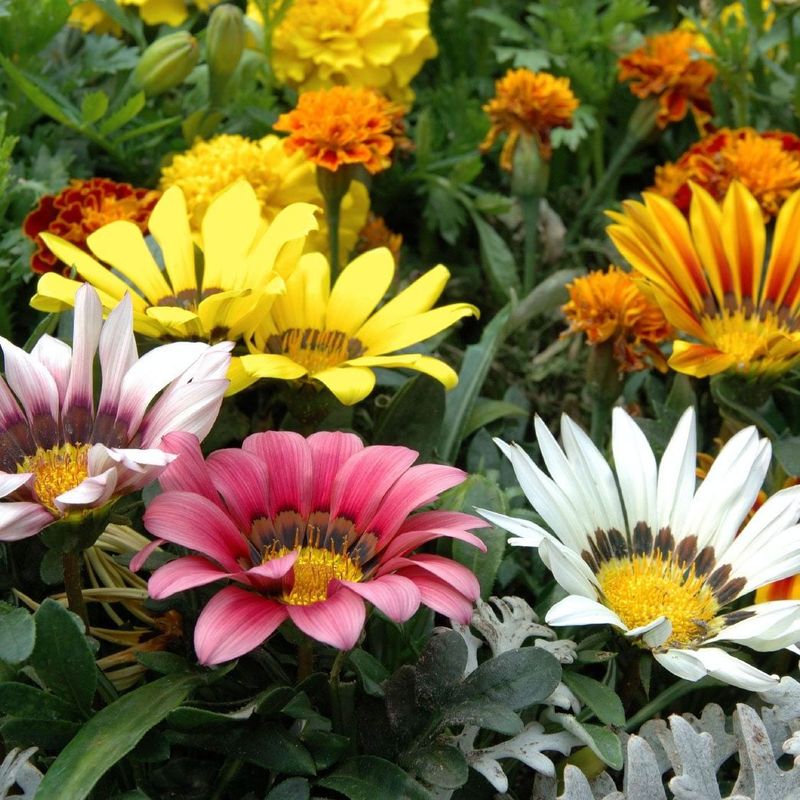
On a bright afternoon, gazania flowers open wide like little satellite dishes tracking the sun. The bold, striped petals in orange, yellow, and pink practically glow when the light hits them.
Native to South Africa, it thrives in sandy soil, heat, and salty coastal air, so seaside US gardens love it. When clouds roll in or evening falls, the flowers politely close up again.
Silvery foliage sets off the vivid blooms and hints at how well it copes with drought. Give it the hottest, driest patch you have and it turns that hardship into a daily display.
27. Marigold-Free Cleome
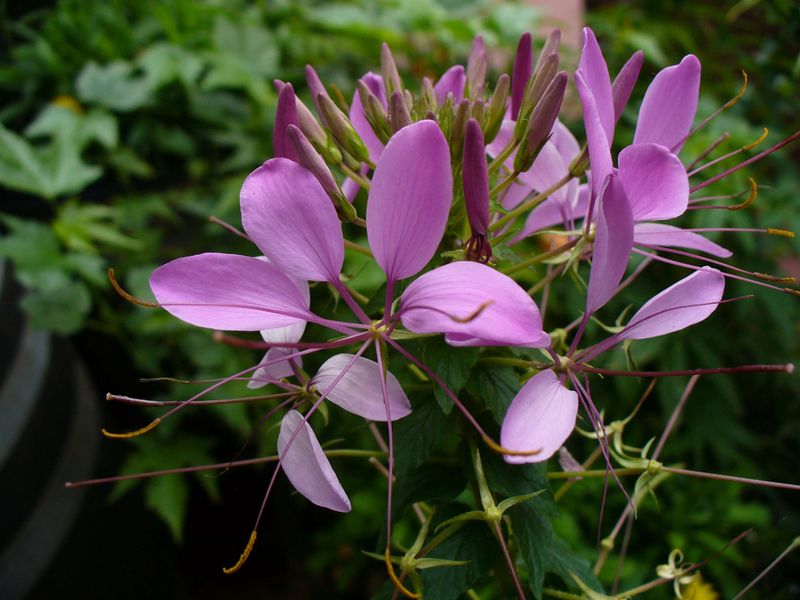
Standing tall with airy, spidery flowers, cleome adds a wild, whiskery silhouette to the back of a bed. The long stamens shoot out from each bloom like fireworks frozen mid-burst, earning it the name spider flower.
It reaches shoulder height in a single season, giving instant vertical drama that marigolds could never manage. The flowers open in soft pink, white, and lavender, glowing at dusk.
Hummingbirds and night-flying moths visit the tall spires, adding motion after sunset. Once planted, it reseeds freely, so it often returns to fill the same corner year after year.
28. Marigold-Alternative Bidens
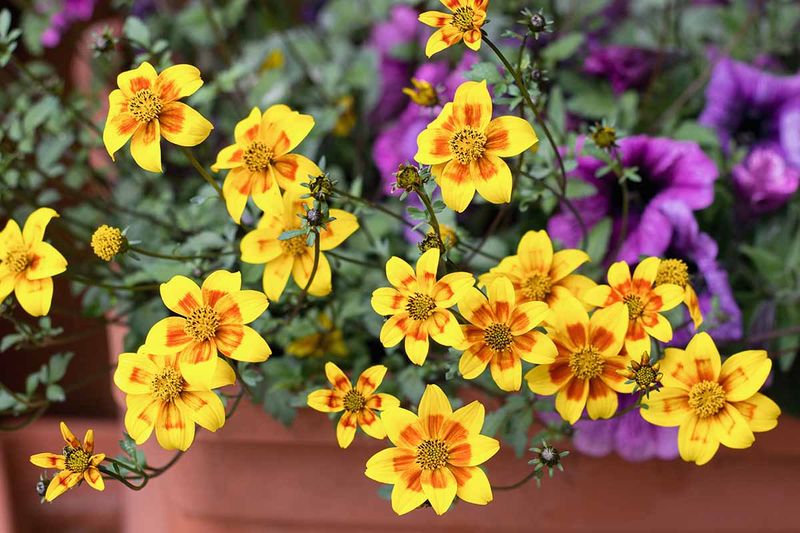
If marigolds gave you the golden color you loved, bidens delivers a similar sunny glow with a lighter, more graceful touch. Small starry flowers cover the trailing plant in a spray of cheerful gold.
It spills gorgeously from hanging baskets and window boxes, softening any edge it drapes over. Heat and drought barely faze it, and it keeps blooming right through the dog days.
Bees make constant rounds of the tiny flowers, so the plant stays gently abuzz. For a fuss-free container filler that never quits, bidens earns its keep.
29. Marigold-Free Marigold Substitute Tithonia
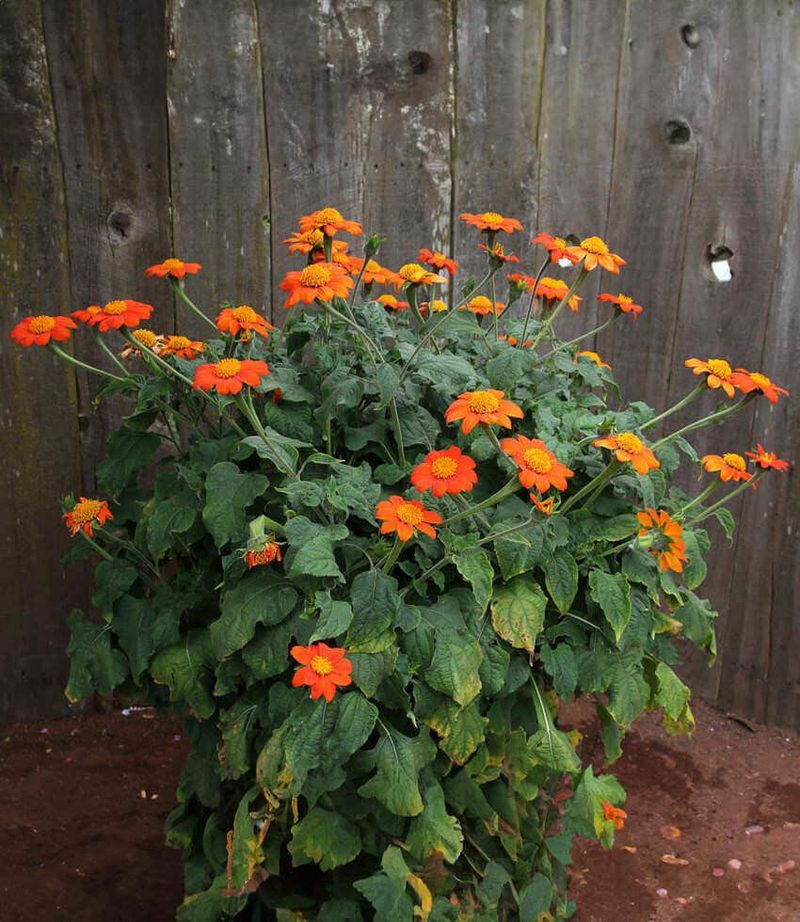
Mexican sunflower, or tithonia, is what you plant when you want to make a big, bold statement. The plant rockets up to six feet or more and crowns itself with brilliant orange, sunflower-like blooms.
Monarch butterflies find it nearly irresistible, and during fall migration a tall stand can be dotted with orange wings. The sturdy stems shrug off wind and heat that flatten weaker plants.
It grows fast from seed, filling a bare corner within weeks and blooming until frost. For gardeners who miss the warm marigold palette but want serious height, this is the upgrade.
30. Marigold-Alternative Angelonia
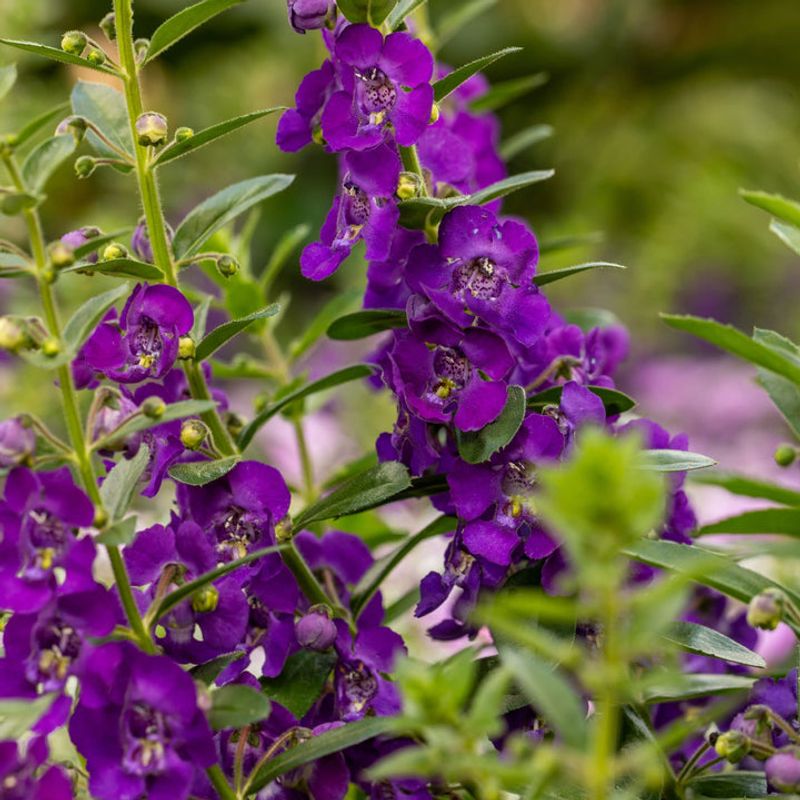
Nicknamed summer snapdragon, angelonia keeps its cool composure through heat and humidity that wilt lesser flowers. Slender spikes of purple, pink, and white rise above tidy foliage from spring to frost.
The flowers carry a faint grape-like fragrance that surprises people who lean in for a sniff. Unlike true snapdragons, it loves warm weather, making it a reliable choice for Southern US summers.
No deadheading is required, which frees you up to enjoy the garden instead of grooming it. Bees work the spikes steadily, adding a soft hum to the vertical color.
31. Marigold-Free Sweet Basil
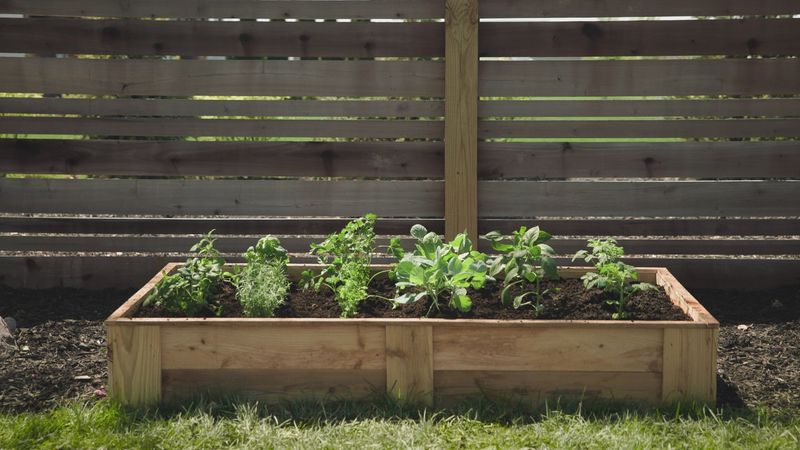
Not every bed swap has to be a flower, and basil proves the point beautifully. The lush green or purple leaves add fragrant, edible texture that looks handsome tucked among ornamentals.
Brush against it and the air fills with a warm, spicy aroma that many mosquitoes and flies reportedly dislike. Gardeners often plant it near seating areas and tomato beds for that reason.
Pinch it regularly for the kitchen and the plant grows bushier and greener in response. A bed that mixes basil with flowers feeds both your table and your senses.
32. Marigold-Alternative Chrysanthemum
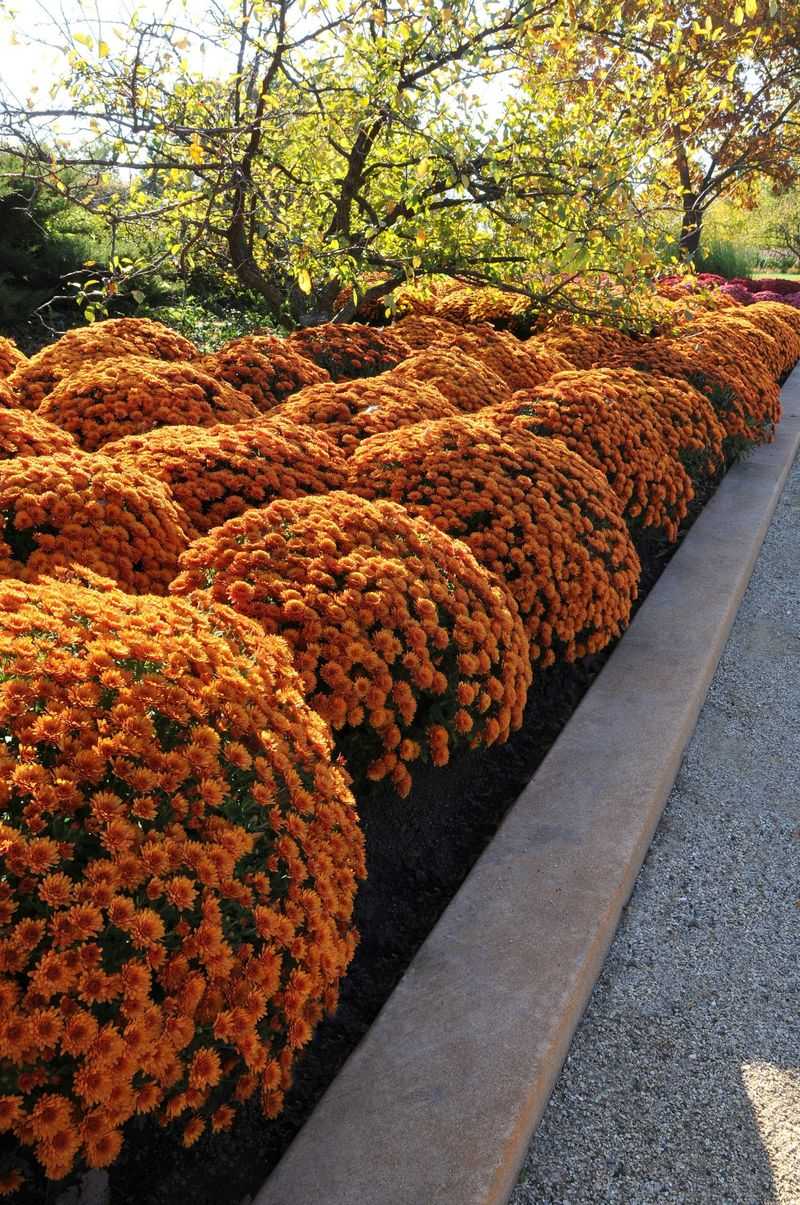
When the rest of the garden starts winding down in fall, chrysanthemums step into the spotlight. Their dense mounds of bronze, rust, gold, and burgundy flowers capture the whole autumn palette in one plant.
The strong, herbal scent of the foliage is off-putting to a number of common backyard pests, so mums do a bit of quiet defending. Planted as hardy perennials, many varieties return each fall for years.
They fill the seasonal gap after summer annuals fade, keeping beds and porches colorful into cool weather. For a bed that stays lively long past the marigold season, mums close out the year in style.