
17 Budget-Friendly Plants That Fill Empty Garden Spaces Fast
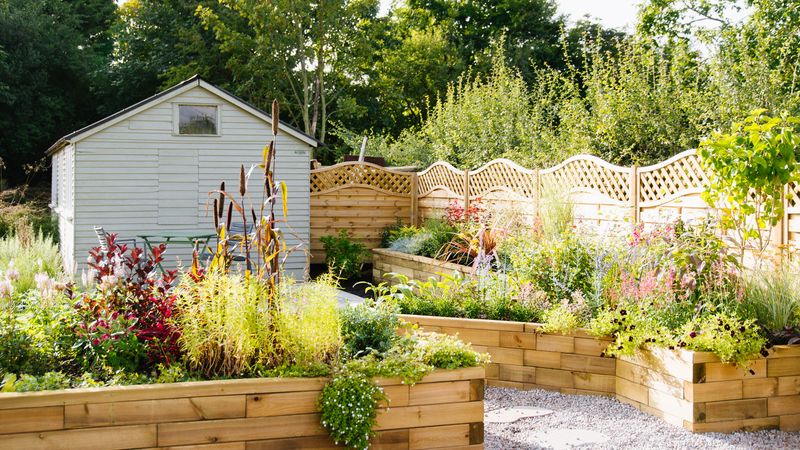
Bare patches in a garden have a way of nagging at you every time you walk past them. The good news is you don’t need a fat wallet or years of patience to fill those gaps, because plenty of low-cost plants spread and grow quickly once they settle in. Below you’ll find 17 wallet-friendly picks that cover ground, climb, or bush out fast without draining your budget. Whether you garden in raised beds, borders, or a few pots on the patio, there’s something here to make those empty spots disappear.
1. Creeping Thyme
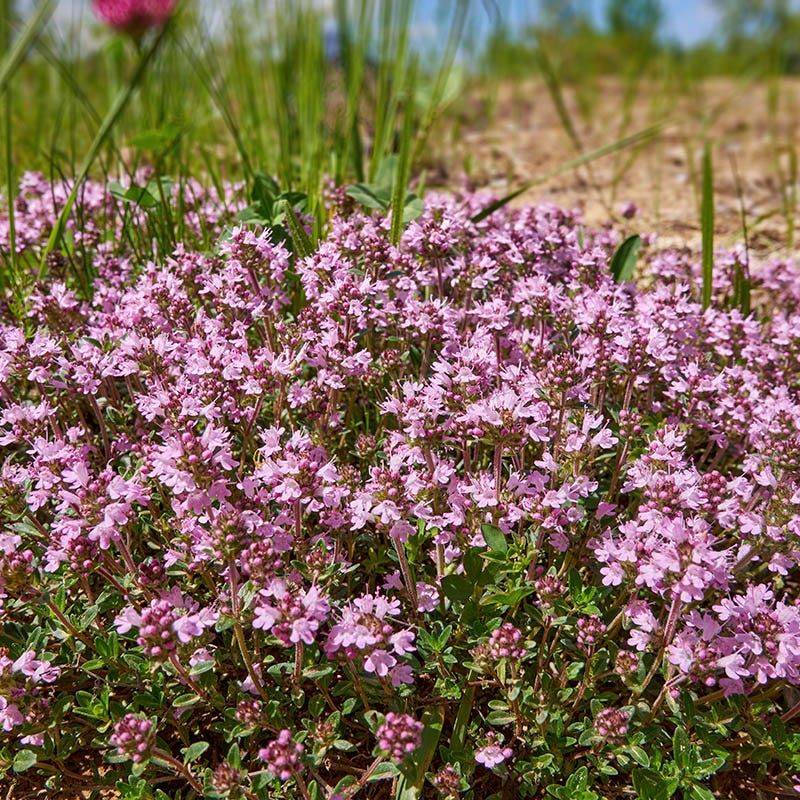
Step on a patch of creeping thyme and it releases a scent that makes you want to kick off your shoes and do it again. That low, carpet-forming habit is exactly why gardeners love it for filling awkward gaps between stepping stones or spilling over the edge of a raised bed.
A single small plant will knit outward season after season, and you can divide it into several pieces to stretch your dollars even further. It shrugs off dry spells and poor soil, which is handy for those sun-baked corners nothing else wants to grow in.
Bonus for backyard growers: the aromatic foliage may help discourage certain insects from lingering nearby. Buy a couple of small pots in spring, split them, and watch a green rug spread by late summer.
2. Nasturtium
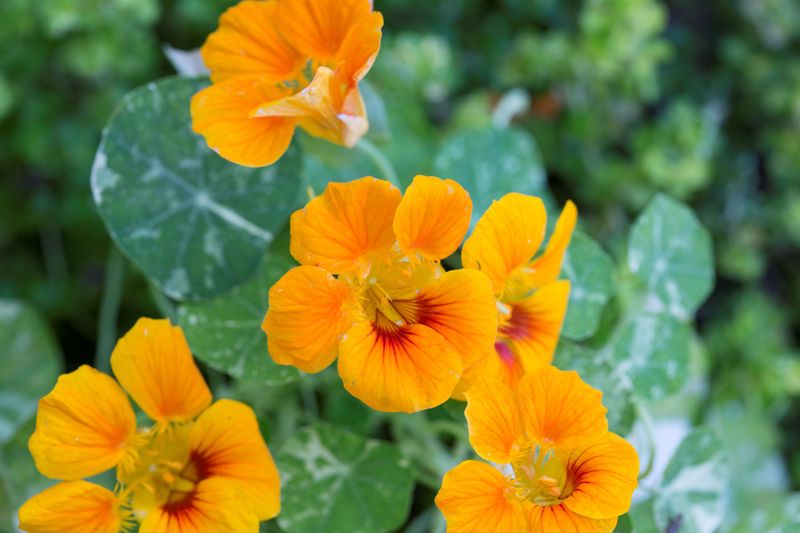
Toss a handful of nasturtium seeds into bare dirt and within weeks you’ll have a tumble of round leaves and jewel-toned blooms. Few plants give you this much return from a packet that costs less than a coffee.
The seeds are big enough for kids to plant, and they germinate fast in warm soil without any fussing. Vining types scramble across ground or up a low fence, while bushy ones mound up to hide a tired border edge.
Here’s a fun bonus: both the flowers and leaves are edible, adding a peppery kick to summer salads. Many gardeners also plant them as a decoy crop, since aphids tend to swarm nasturtiums instead of nearby vegetables.
3. Sweet Potato Vine
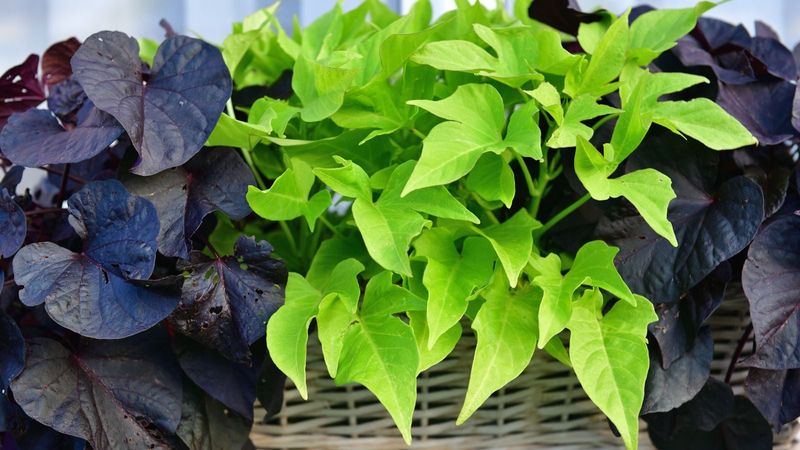
Chartreuse or deep burgundy, the sweet potato vine pours out of containers and beds like a leafy waterfall. One small starter plant can trail several feet in a single season, so a little goes a remarkably long way.
Heat that flattens other plants only makes this one hustle harder, which is a real advantage in southern and midwestern summers. It roots easily from cuttings too, meaning one plant this year becomes half a dozen next year for free.
Use it to soften the front of a bed, drape a hanging basket, or fill a gap where you need color but not more flowers to deadhead. The bold foliage carries the show all on its own.
4. Marigold
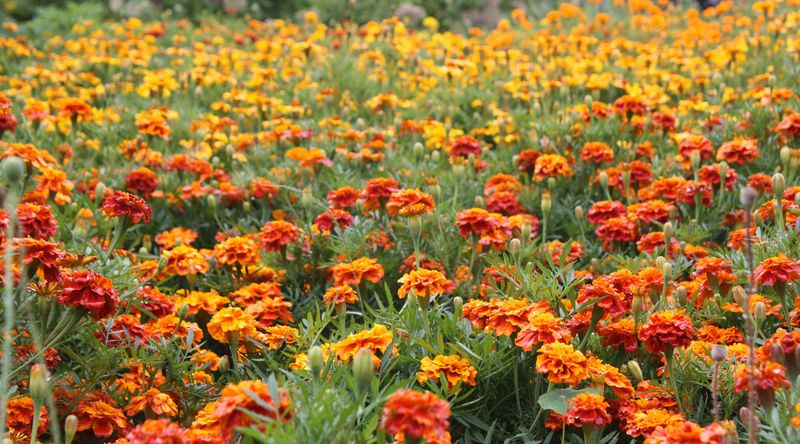
Cheerful and nearly impossible to kill, marigolds have earned their spot in beginner gardens for good reason. A six-pack from the garden center costs pocket change and blooms nonstop from late spring until frost.
They fill in fast, forming tidy mounds of gold and orange that patch bare spots in a border almost overnight. Deadhead a few spent blooms and they’ll reward you with even more.
Gardeners have tucked marigolds among tomatoes for generations, believing their strong scent can help keep certain pests at bay. Even if you’re skeptical, the color alone earns its keep, and you can collect seeds in fall for next year’s free batch.
5. Zinnia
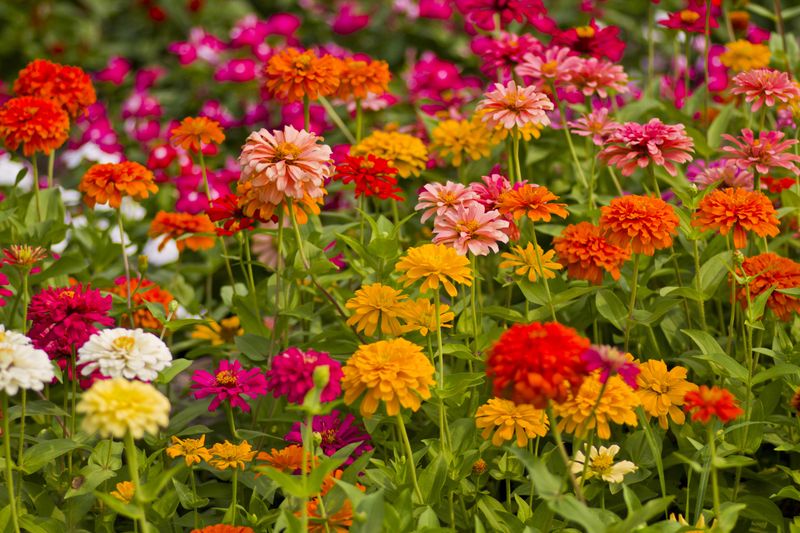
Want a cutting garden on a shoestring? Zinnias deliver armloads of blooms from seeds you can practically scatter and forget. They sprout in days and hit full flower within a couple of months.
The plants branch out and fill space quickly, and the more you cut for bouquets, the more they produce. Colors run the whole rainbow, from soft pastels to eye-popping magenta.
Pollinators adore them, so a patch of zinnias doubles as a butterfly buffet right outside your window. Direct-sow after your last frost and you’ll be swimming in flowers by midsummer, all for the price of a seed packet or two.
6. Hosta
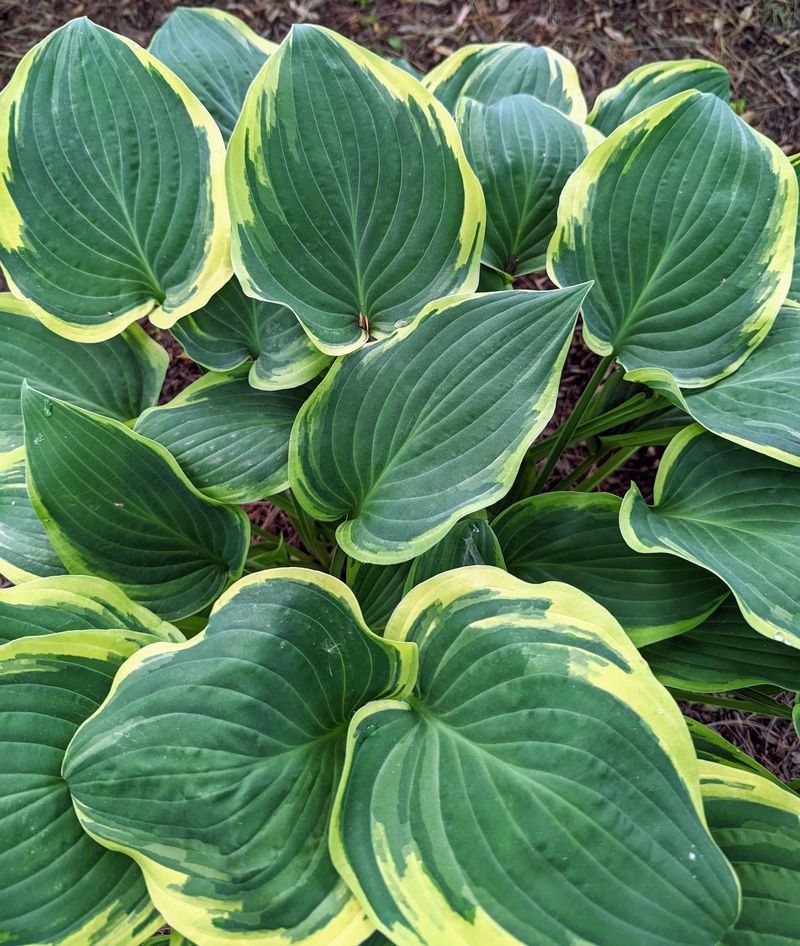
For that shady corner where the sun never quite reaches, hostas are the reliable workhorse. Their broad leaves overlap into lush mounds that swallow bare ground and suppress weeds along the way.
One clump can be divided into three or four every couple of springs, so a single purchase multiplies into a whole shade border over time. Little effort is required once they’re rooted, making them a favorite for busy gardeners.
Leaf color ranges from blue-green to variegated cream, letting you brighten dim spots without a single flower. Keep an eye out for slug-chewed holes, an early sign you may need a little defense around the base.
7. Petunia
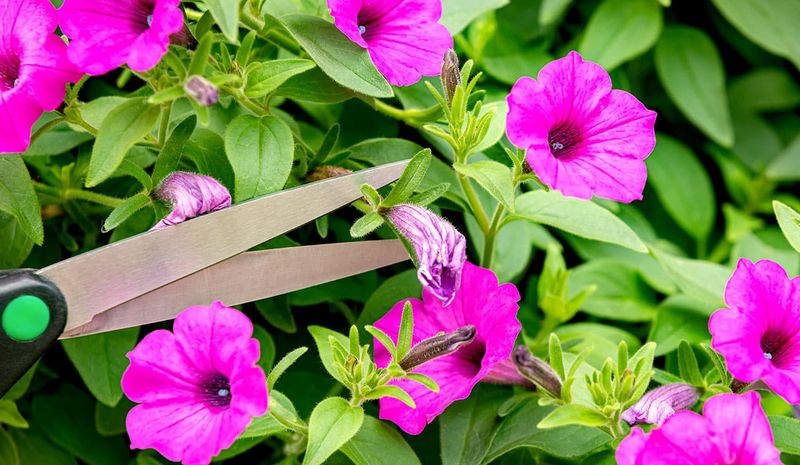
Spreading petunias behave like a color explosion that just keeps going. Trailing varieties can blanket a wide swath of ground or overflow a container in weeks, giving you maximum coverage from a modest cell pack.
They thrive in sun and bounce back after summer storms, blooming right up until cool weather arrives. A quick pinch here and there keeps them full instead of leggy.
Because they root and branch so freely, petunias fill a gap faster than most annuals in the same price range. Mix a few colors together and one flat can transform an entire bare stretch of bed into a living quilt.
8. Sedum
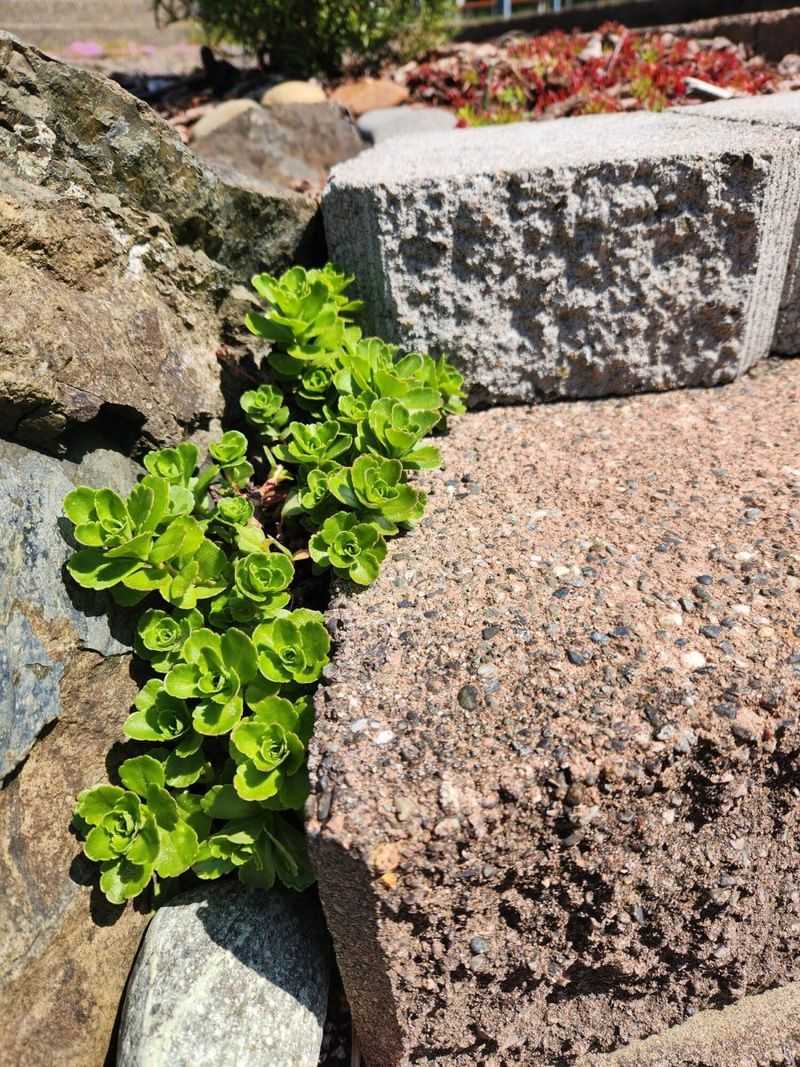
Tough as nails and thrifty to boot, sedum asks for almost nothing and gives back plenty. The low, spreading types creep across dry banks and gravelly spots where other plants sulk.
Snap off a stem, poke it in the soil, and it usually roots without complaint, which makes propagating a whole colony essentially free. That fleshy foliage stores water, so it laughs off drought and neglect.
Upright varieties like the popular fall bloomers add late-season color when much of the garden is winding down. Whether you want a groundcover or a filler clump, sedum earns a spot for pure resilience and easy multiplication.
9. Cosmos
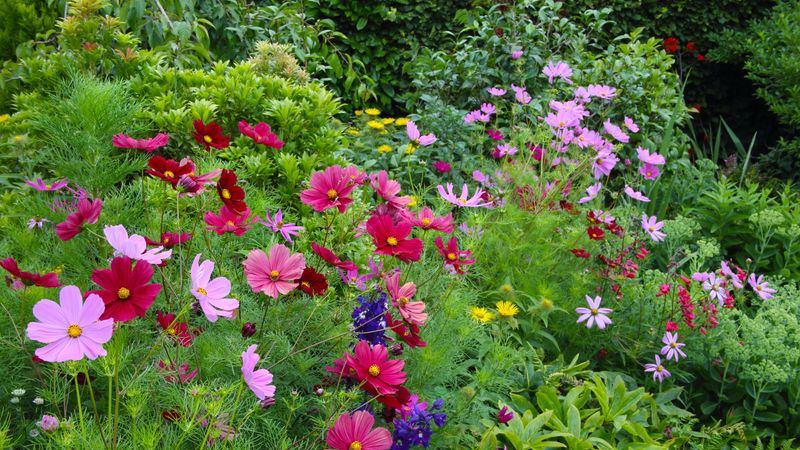
Airy, tall, and wonderfully carefree, cosmos fill vertical space that low bedders can’t reach. A single packet of seeds sown in a bare patch will grow into a swaying cloud of daisy-like flowers by midsummer.
They prefer lean soil, so you don’t even need to fertilize, which saves both money and effort. Left to their own devices, they often reseed and return the following year at no extra cost.
Bees and butterflies treat a cosmos stand like a favorite diner. Plant them at the back of a border to disguise a fence or fill an empty stretch with movement and height in record time.
10. Sweet Alyssum
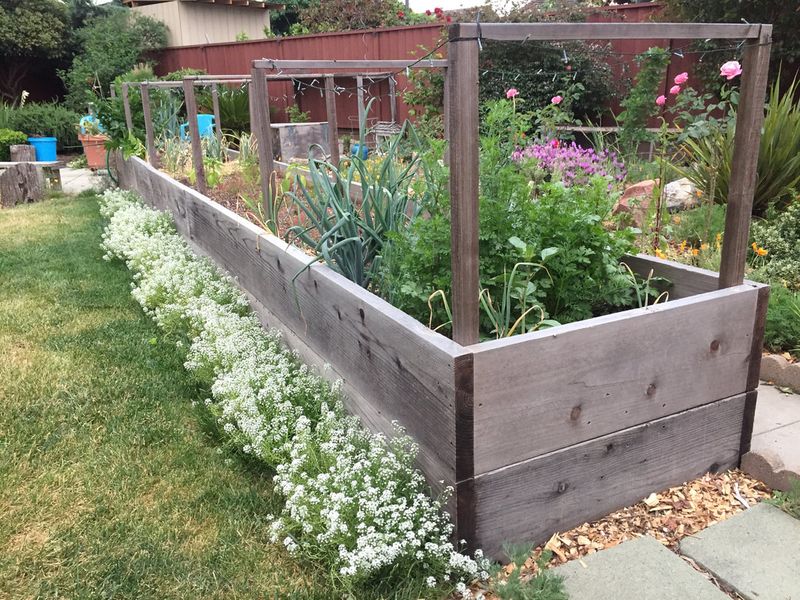
Sweet alyssum smells like honey on a warm afternoon and spreads into a frothy low mat almost before you notice. From a tiny cell pack, it fans out to edge a path or fill the gaps around taller plants.
Cool weather doesn’t faze it, so it keeps flowering through spring and again in fall when many annuals quit. In milder climates it self-sows and pops up wherever it pleases.
The clouds of tiny blooms draw in hoverflies and other helpful insects that prey on garden pests. For a plant this cheap and quick to fill in, that little extra service is a genuine perk.
11. Black-Eyed Susan
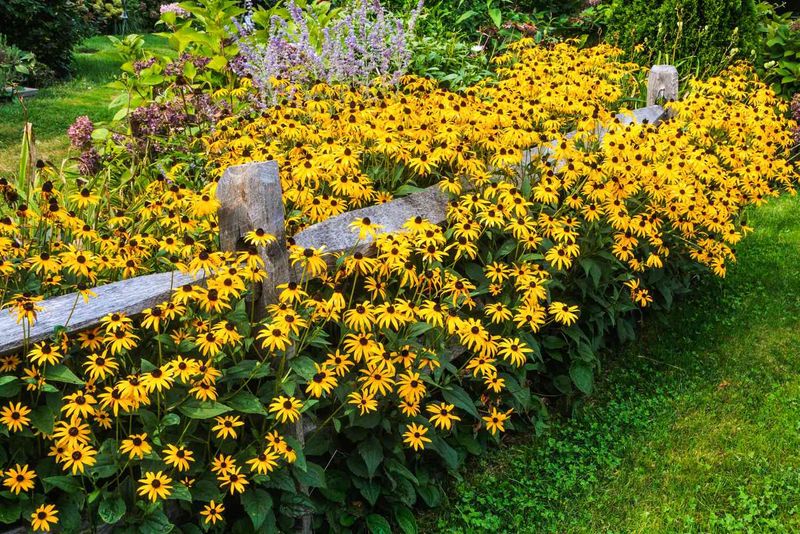
Golden petals ringing a dark button center, black-eyed Susans bring a warm prairie feel to any bed. Once established, they clump and self-seed into generous drifts that fill open ground year after year.
A budget-minded gardener can buy one plant, let it set seed, and end up with a whole colony for nothing. They stand up to heat and clay soil that would defeat fussier flowers.
Native to much of the United States, they support local bees and, later, seed-eating birds like finches. Plant a few this season and you’ll likely be pulling up volunteers to share with neighbors before long.
12. Coleus
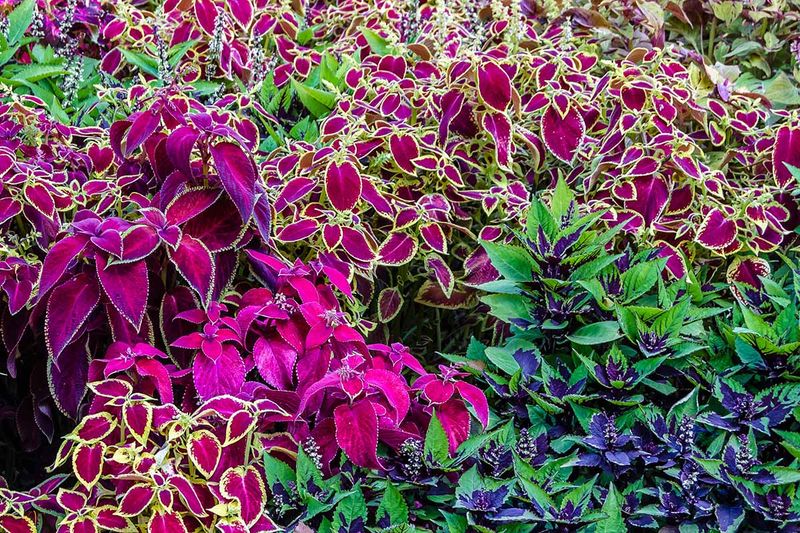
Who needs flowers when the leaves do all the talking? Coleus fills shady and part-sun gaps with foliage in wild patterns of burgundy, lime, and rose that stay vivid all season.
Cuttings root in a glass of water in about a week, turning one plant into an army for free. That easy multiplication makes coleus one of the cheapest ways to color a large area.
Pinch the growing tips now and then and each plant bushes out fast to cover more ground. From a single starter, you can fill a whole shaded bed by the height of summer.
13. Daylily
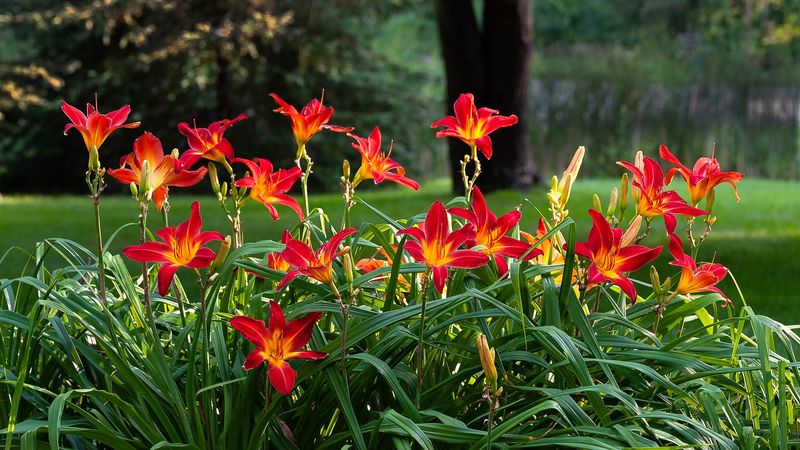
Nicknamed the perfect perennial, the daylily thrives on neglect and multiplies like it has somewhere to be. Each fan of strappy leaves widens into a clump that you can dig up and split into many new plants.
One purchase truly becomes a lifetime supply, which is about as budget-friendly as gardening gets. They tolerate drought, poor soil, and the kind of forgetful watering most of us are guilty of.
Though each bloom lasts a single day, a healthy clump pumps out flower after flower for weeks. Use them to fill a long border or hold a sunny slope in place with their sturdy roots.
14. Morning Glory
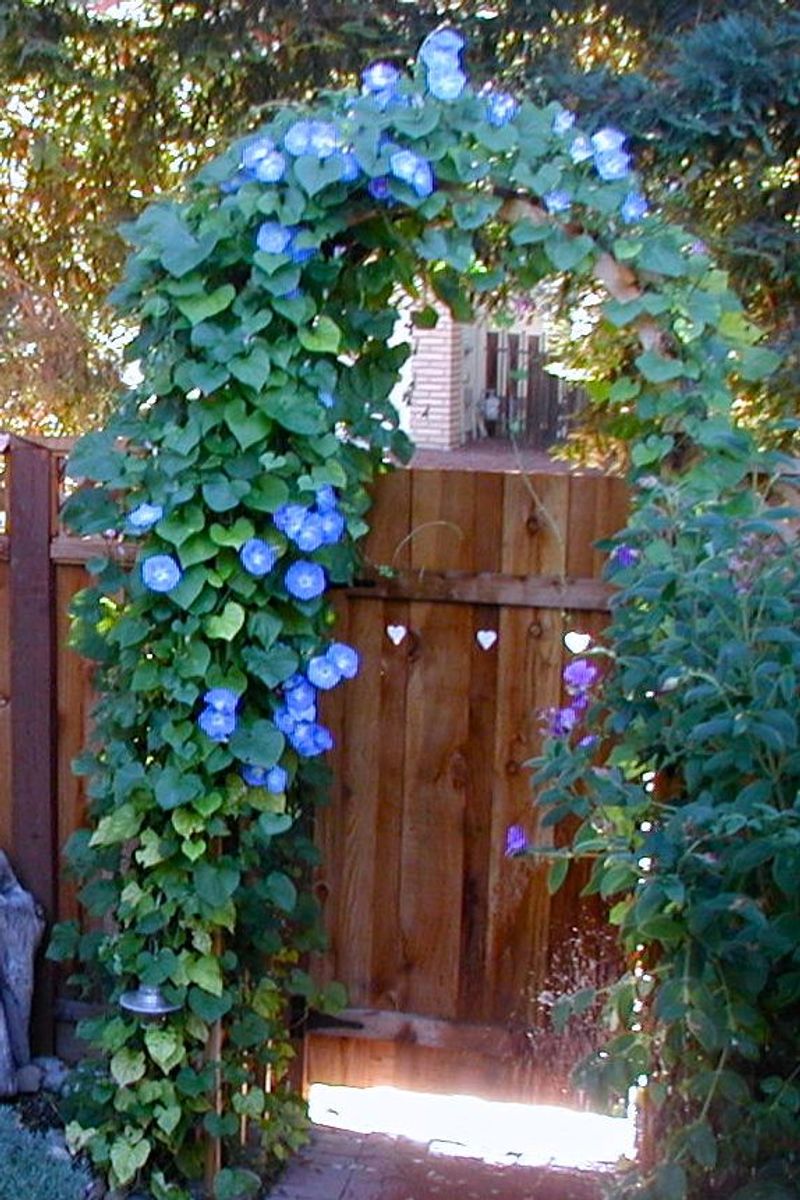
Give morning glory a string, a trellis, or an old chain-link fence and it will race skyward in a matter of weeks. Those bare vertical eyesores vanish behind heart-shaped leaves and trumpet flowers that open with the sunrise.
Seeds are cheap and germinate faster if you nick and soak them overnight first. By high summer a single plant can cover a surprising amount of fence or arbor.
The sky-blue and violet blooms bring hummingbirds and bees around each morning. Just plant it where you want it to stay, since this enthusiastic climber is happy to reseed and return on its own.
15. Lamb’s Ear
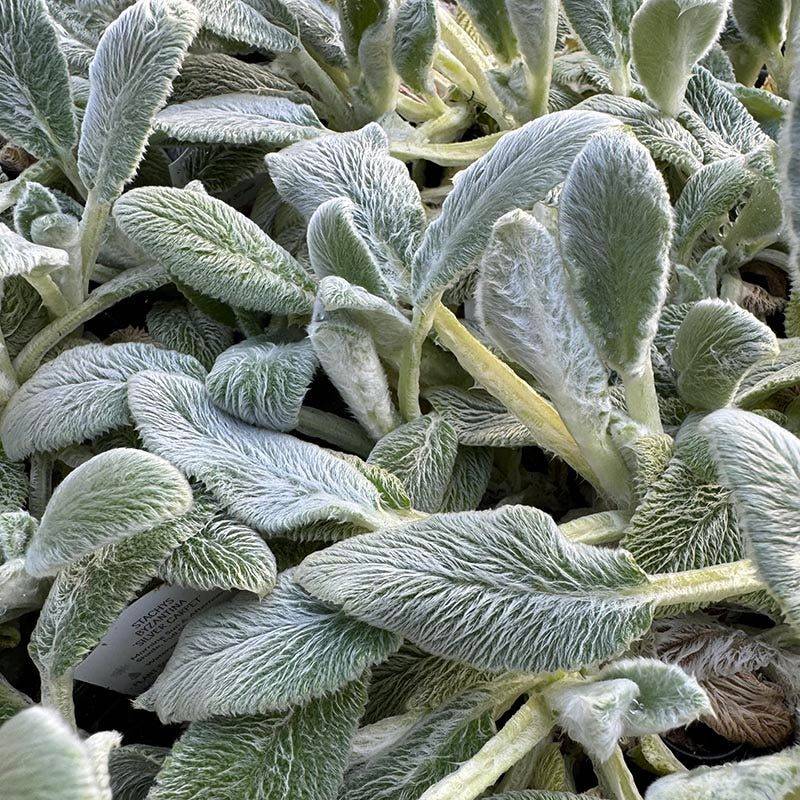
Reach out and touch lamb’s ear once and you’ll understand the name instantly. The soft, silvery, fuzzy leaves feel like velvet and form a spreading mat that fills gaps between showier plants.
It expands steadily by creeping roots, so a couple of plants soon become a soft gray carpet you can divide and share. Drought and heat barely register with this tough customer.
The pale foliage acts as a calming buffer between bright bloomers, tying a busy border together. Kids can’t resist petting it, which makes it a quiet favorite in family gardens across the country.
16. Impatiens
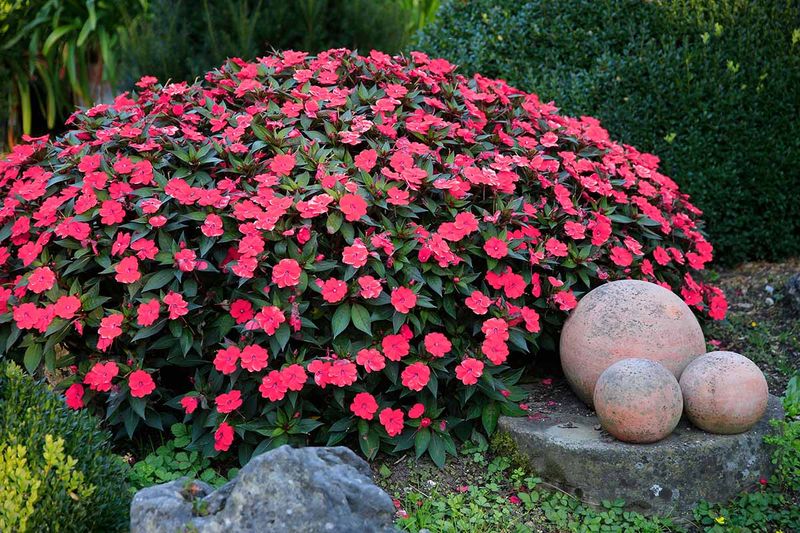
Shade gardeners rejoice, because impatiens light up the dimmest corners without demanding a thing. A single flat of these little bloomers spreads into a solid sheet of color where sun-lovers refuse to grow.
They fill in fast, mounding up and knitting together so bare soil disappears within weeks. Keep them watered and they bloom relentlessly from spring straight through to frost.
Pinks, corals, whites, and reds glow softly under trees and along the north side of the house. For cheap, quick, dependable color in the shade, few annuals can match them dollar for dollar.
17. Yarrow
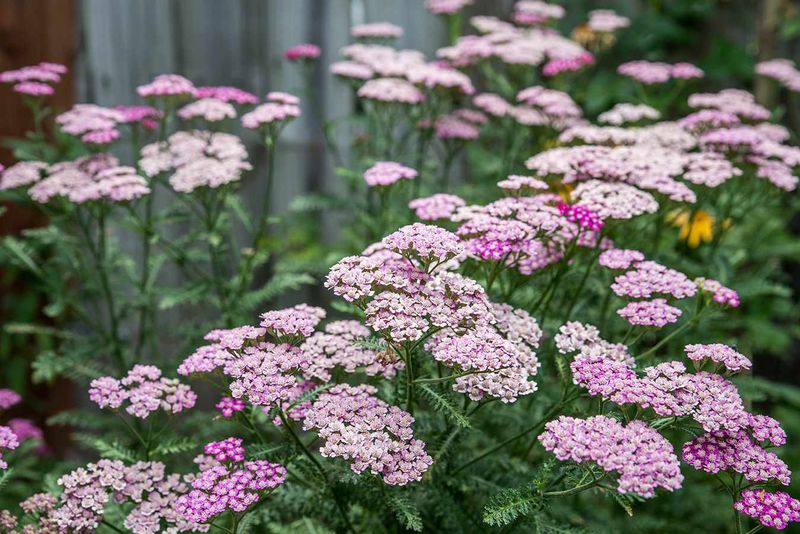
Flat-topped clusters of tiny flowers give yarrow a feathery charm that belies just how tough it really is. It spreads by roots and seed to fill dry, sunny gaps most plants would find impossible.
Once it takes hold, you can divide the clumps freely, turning one plant into many at zero cost. Poor soil and long dry spells only seem to make it happier.
Its lacy blooms in white, gold, or rosy pink draw a steady parade of beneficial insects. Cut a few stems for fresh or dried arrangements and the plant keeps right on filling its patch of the garden.