
16 Tips For Growing A Full, Stunning Field Of Petunias That Stays Healthy All Season
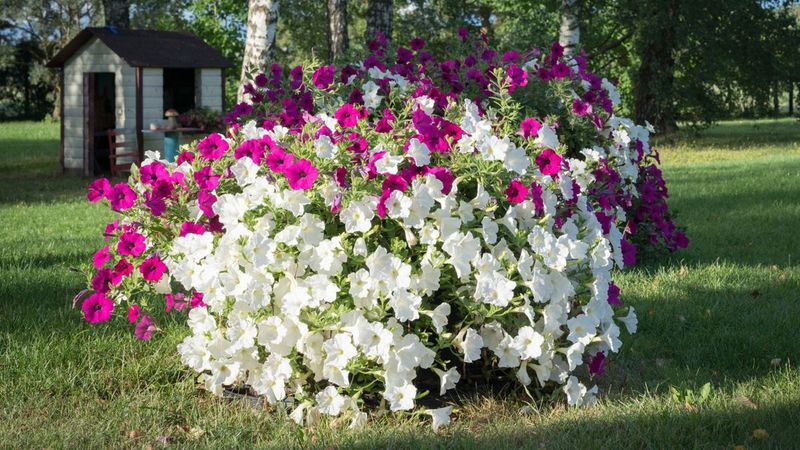
Petunias can turn any dull patch of yard into a river of color that lasts from spring until frost. But keeping a whole field of them lush, blooming, and disease-free takes a little know-how beyond just sticking plants in the ground. The good news is that most of the tricks are simple things you can start this weekend. Here are 16 practical tips to help your petunias stay full, vibrant, and healthy all season long.
1. Pick the Right Petunia Type for Your Space
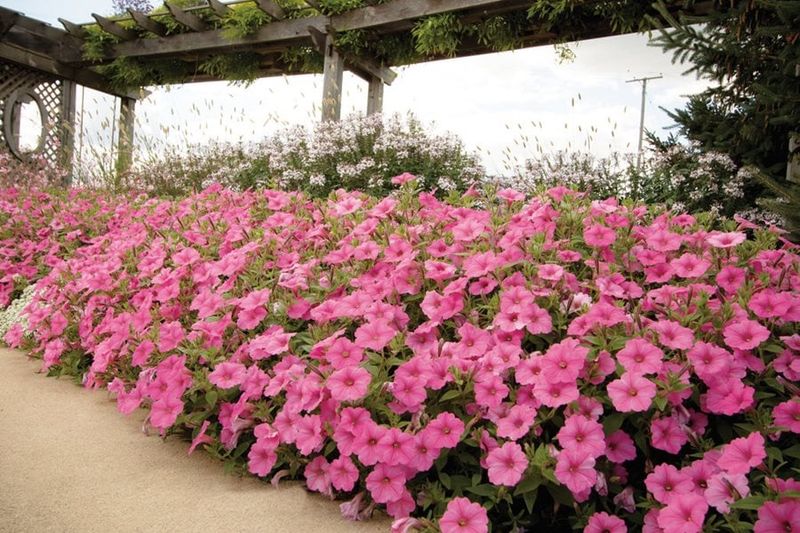
Not all petunias behave the same way, and choosing the wrong kind is the fastest way to end up disappointed. Grandifloras throw huge showy blooms but sulk in heavy rain, while multifloras and spreading types like the Wave series shrug off wet weather and blanket the ground.
If you are covering a large field, spreading and trailing varieties give you the most coverage for your money. They fill gaps quickly and knit together into that seamless carpet look everyone wants.
For tight beds or borders, milliflora types stay compact and tidy without much fuss. Match the plant to the job and half your battle is already won before the first seed goes in.
2. Give Them At Least Six Hours of Full Sun
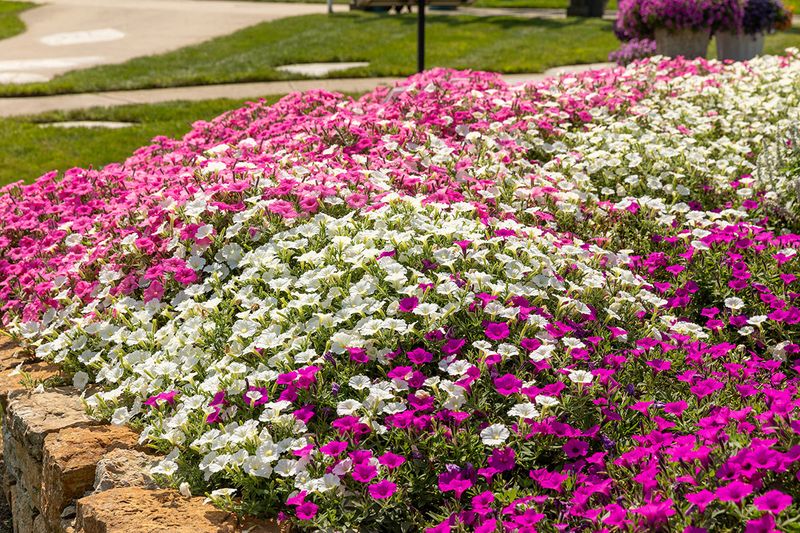
Sunlight is the fuel petunias run on, and skimping on it is the number one reason blooms fizzle out. Aim for six to eight hours of direct light a day, and your plants will reward you with dense mounds packed with flowers.
Plants stuck in shady spots stretch out, get leggy, and produce sad little blooms scattered here and there. If a corner of your yard only gets morning sun, save it for shade lovers and put petunias where the light really pours in.
In the hottest southern zones, a bit of light afternoon shade can actually help prevent scorch. Everywhere else, more sun almost always means more color.
3. Prep the Soil With Compost Before Planting
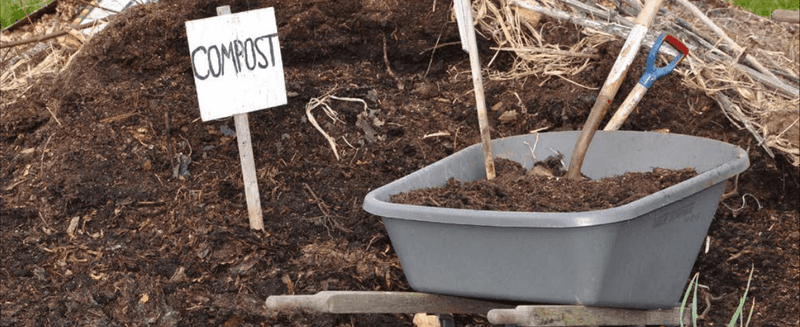
Rich, well-draining soil sets the whole season in motion, and compost is the cheapest upgrade you can hand your petunias. Work two or three inches of finished compost into the top layer of your bed before anything goes in the ground.
Compost feeds beneficial microbes, improves drainage, and holds just enough moisture without turning soggy. Heavy clay soils especially benefit, since petunias hate having their roots sitting in muck.
A quick soil test never hurts either. Petunias prefer a slightly acidic to neutral pH, somewhere around 6.0 to 7.0, and a five-dollar test kit takes the guesswork out of it.
4. Space Plants So Air Can Move Freely
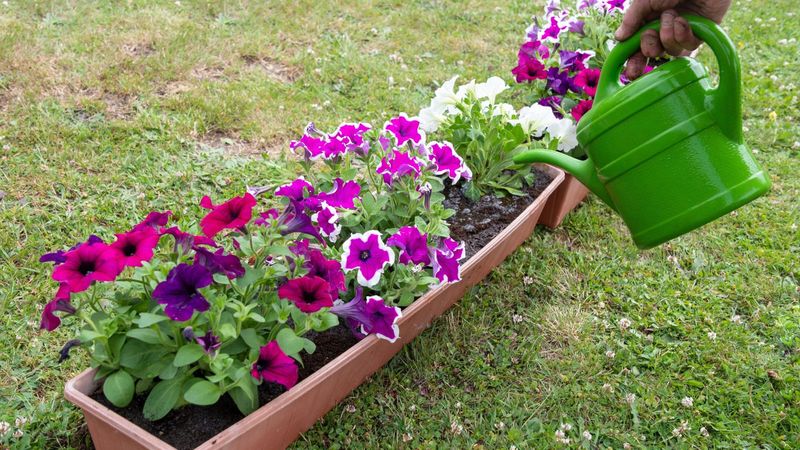
Crowding petunias might feel like a shortcut to instant fullness, but it backfires fast. Plants jammed too close trap humid air between their leaves, and stagnant air is an open invitation for mildew and rot.
Give each plant roughly ten to twelve inches of breathing room, more for aggressive spreaders. They will grow toward each other and close the gaps naturally within a few weeks.
Good airflow keeps foliage dry after rain and morning dew, which is one of the quietest ways to dodge disease all season. Think of the space between plants as free insurance for the healthy field you are after.
5. Water at the Base, Never From Overhead
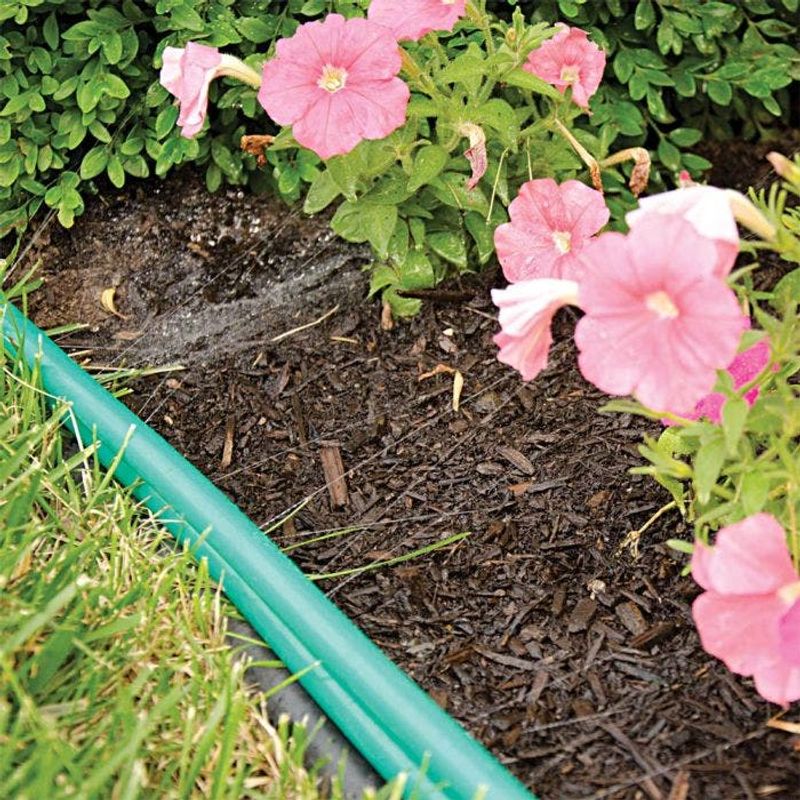
How you water matters as much as how often. Splashing water across the leaves leaves them damp for hours, and damp foliage is exactly where fungal spots and botrytis love to set up shop.
Aim your hose or watering can right at the soil around each stem, or better yet run a simple soaker hose or drip line through the field. The roots get a deep drink while the leaves stay dry and happy.
Water early in the morning so any stray droplets evaporate quickly under the rising sun. A deep soak a couple of times a week beats a shallow daily sprinkle every time.
6. Feed Regularly Because Petunias Are Hungry
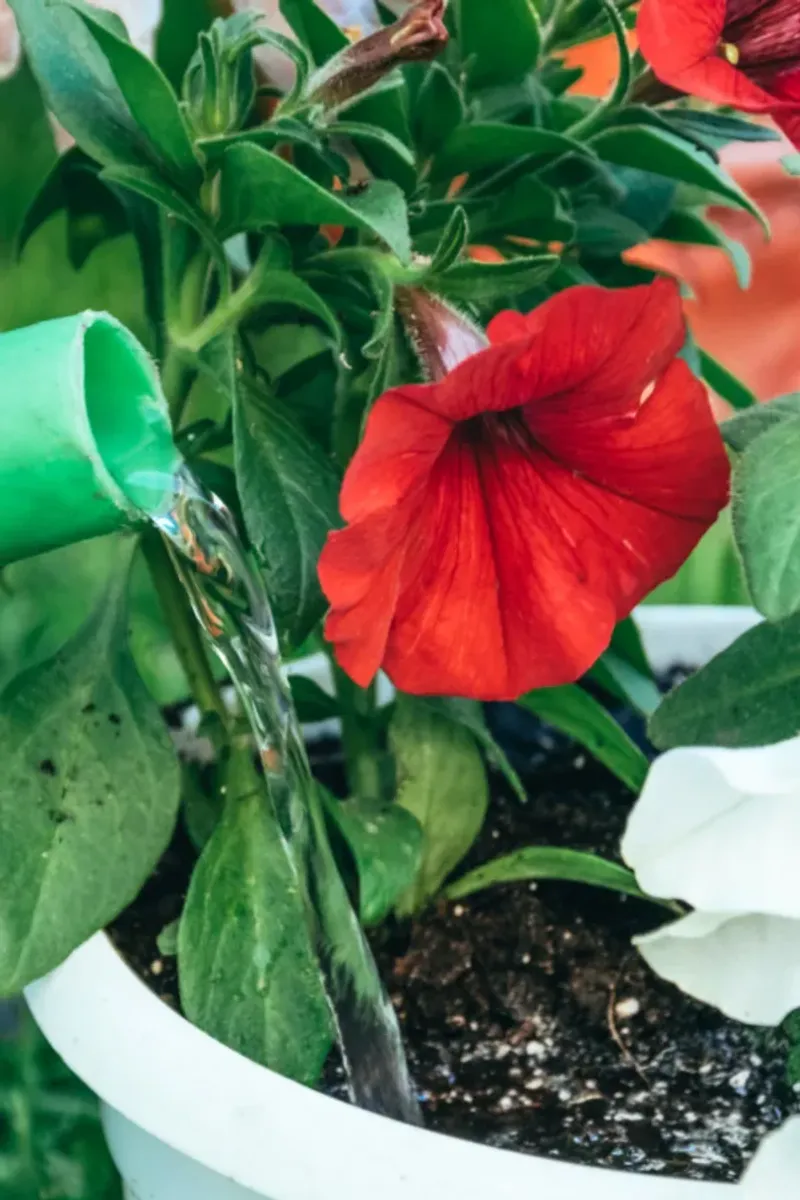
Few annuals eat like petunias do, especially the vigorous spreading kinds that pump out flowers nonstop. Without steady food they turn pale, slow down, and start dropping their color right when you want the show at its peak.
A balanced water-soluble fertilizer every week or two keeps the engine running. Look for a formula labeled for blooming annuals, and follow the mixing directions rather than guessing.
Some gardeners swear by mixing a slow-release granular into the soil at planting and then topping up with liquid feed midseason. Whatever you choose, consistency is what separates a tired patch from a jaw-dropping one.
7. Pinch Young Plants to Force Bushiness
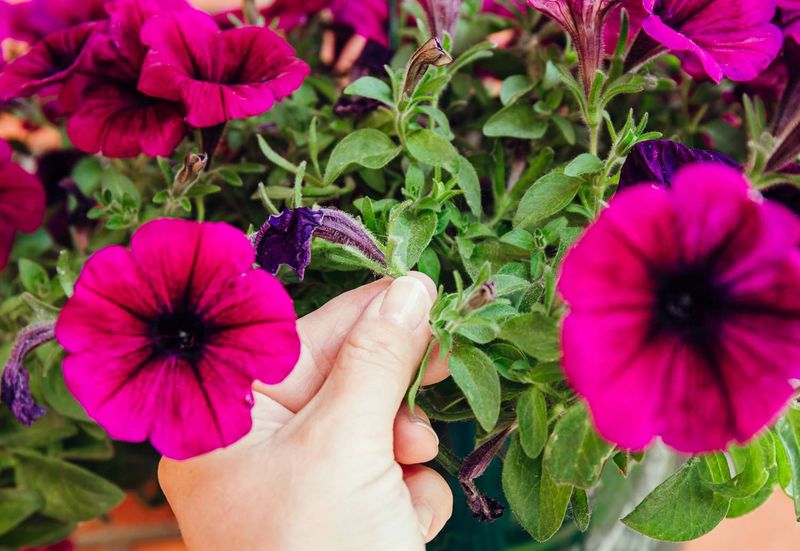
It feels wrong to snip a healthy young plant, but pinching is the secret behind those impossibly full mounds you admire in magazines. Removing the growing tip of each stem when plants are small tells them to branch out sideways instead of shooting straight up.
Use your fingers or clean scissors to nip off the top inch of new growth a couple of weeks after planting. Each cut turns one stem into two or three, multiplying your future flowers.
Leggy, sparse petunias almost always trace back to skipping this step. A little tough love early pays off with a thicker, sturdier field later.
8. Deadhead Spent Blooms to Keep Flowers Coming
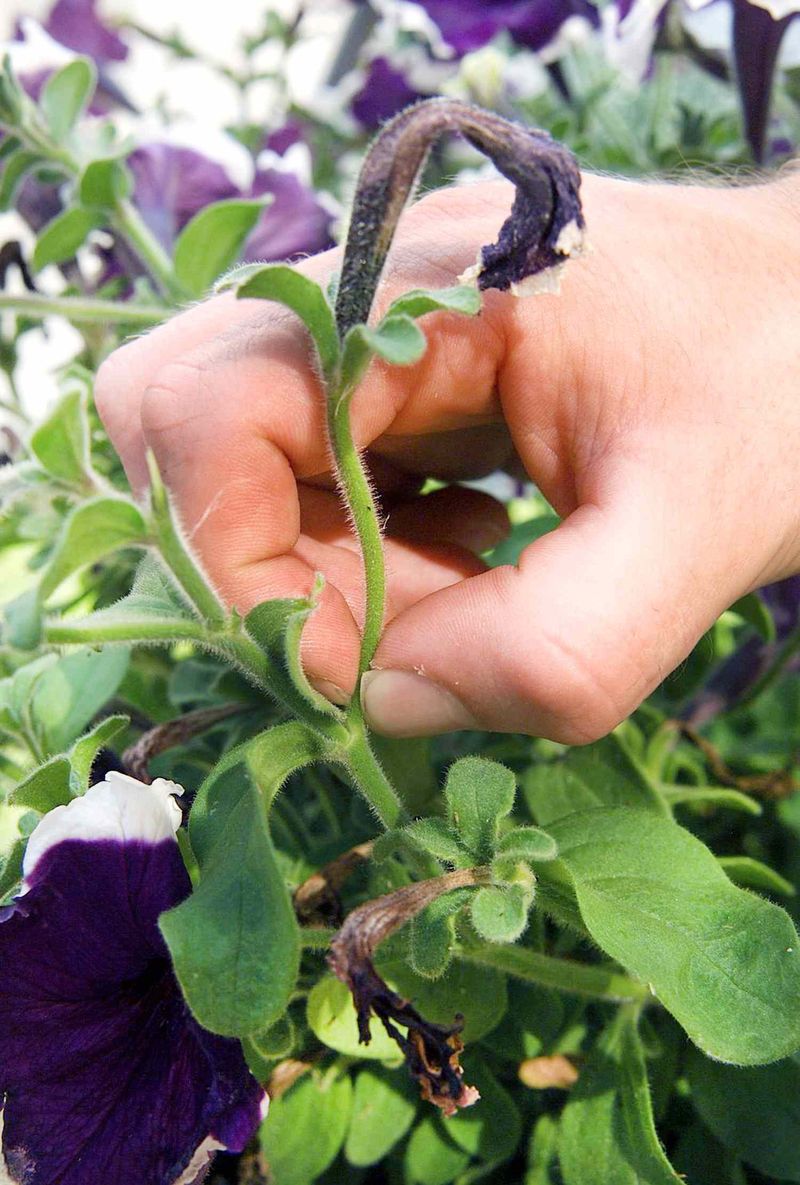
Every faded flower left on the plant is quietly telling it to make seeds instead of more blooms. Snap off those wilted, papery flowers along with the little swelling seed pod behind them, and the plant redirects that energy straight back into new buds.
On a big field this sounds like a chore, but a quick pass with your fingers every few days keeps it manageable. Grab the whole spent bloom, not just the petals, or the seed pod hidden underneath will still steal energy.
Newer self-cleaning varieties drop their own spent flowers, which is worth knowing if you dread the task. Still, even those look tidier with an occasional grooming.
9. Give Them a Midseason Haircut
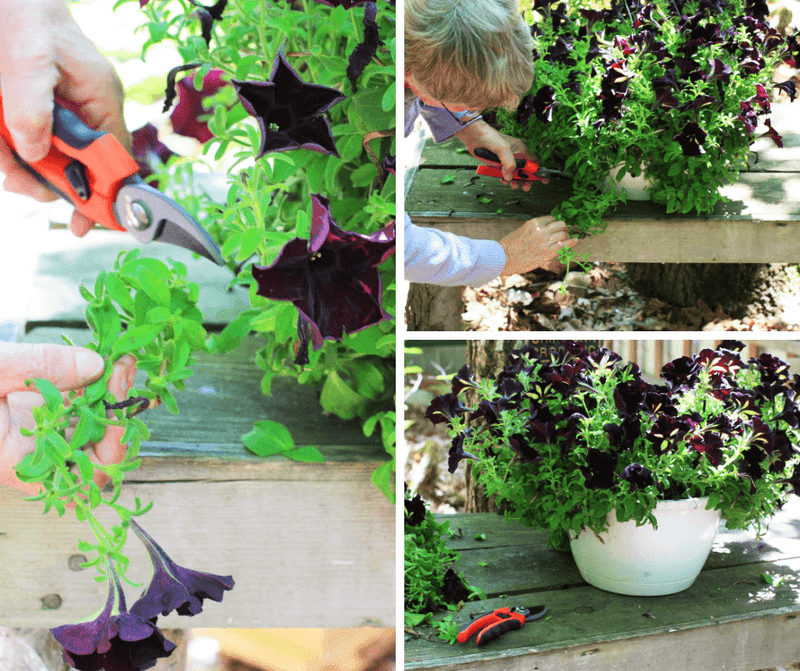
By July or so, even well-tended petunias tend to sprawl and go bare in the middle, leaving flowers only at the stem tips. A bold trim rescues the whole planting and looks dramatic for about a week before the payoff arrives.
Cut stems back by roughly a third, working around the field in stages if you cannot bear to chop it all at once. Water and feed well afterward, and fresh growth explodes from the base within days.
Within two weeks the plants come back thicker and fuller than before, ready to bloom hard through late summer. Skipping the haircut is why so many petunia beds look shabby by August.
10. Mulch to Lock In Moisture and Block Weeds
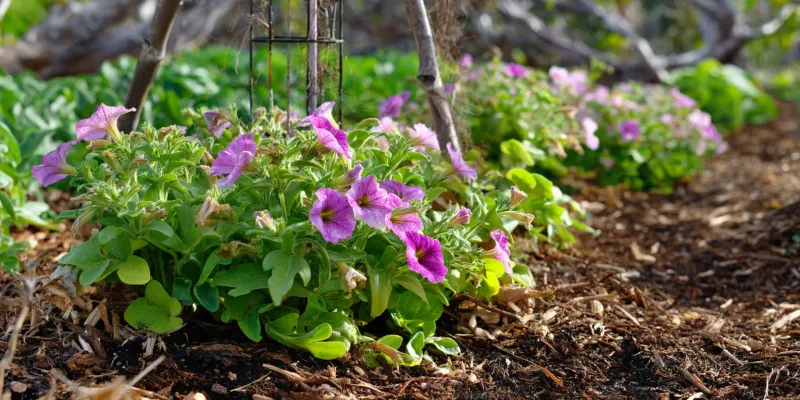
A two-inch blanket of mulch does more quiet work than almost anything else in the bed. It keeps soil moisture steady between waterings, smothers weeds that would otherwise fight your petunias for nutrients, and keeps roots cooler during hot spells.
Shredded bark, pine straw, or fine wood chips all work well spread around the plants. Just leave a little gap right at the base of each stem so moisture does not pool against the crown.
Fewer weeds also means less competition and less disturbing the shallow petunia roots when you pull them. Mulch is one of those set-it-and-forget-it moves your future self will thank you for.
11. Read the Leaves as Early Warning Signs
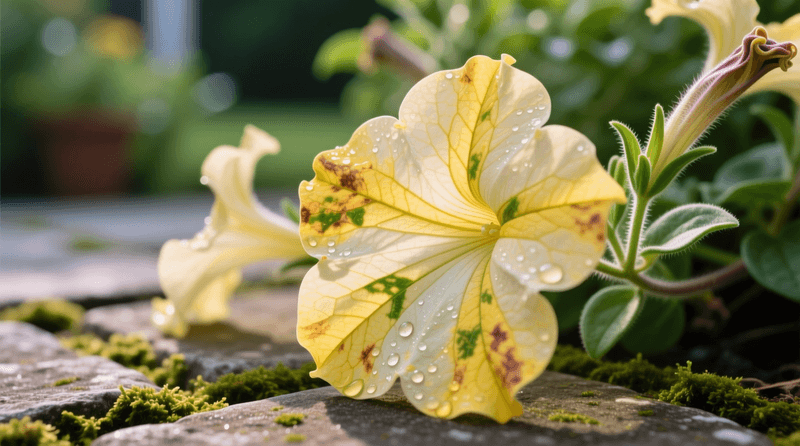
Petunia leaves tell you what is wrong long before the whole plant collapses, if you know how to listen. Pale yellowing between the veins often points to an iron or nitrogen shortage, common in petunias grown in soil that is too alkaline.
Purple or reddish undersides can signal cold stress or a phosphorus issue, while sudden crispy brown edges usually mean the plant went too dry. Sticky, curling, or speckled leaves hint that insects have moved in.
Walking the field once or twice a week and glancing at the foliage turns you into an early-warning system. Catching a problem while it is still one droopy leaf is far easier than saving a whole struggling patch.
12. Outsmart Budworms Before They Ruin the Show
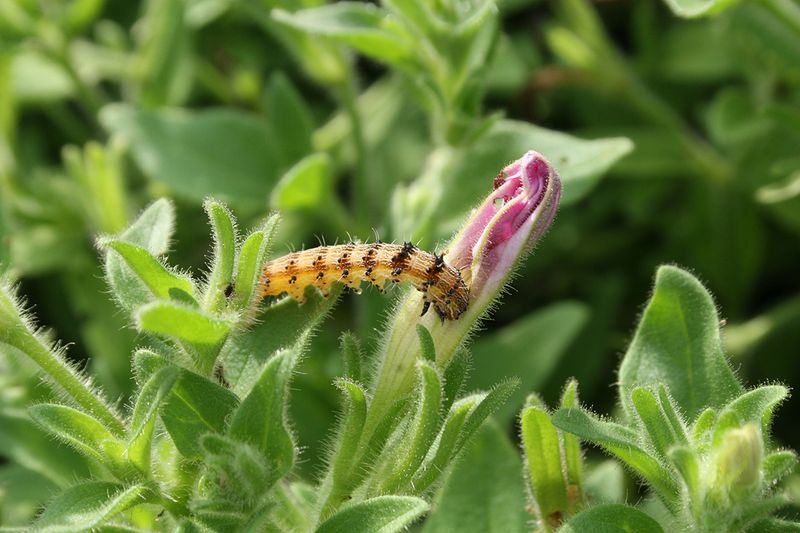
Ever notice tiny holes chewed in your petunia buds or little black droppings on the foliage? The culprit is almost always the tobacco budworm, a sneaky caterpillar that burrows into buds and eats them from the inside out.
They feed at night and hide by day, so damage often appears before you ever spot the pest. Handpicking after dark with a flashlight works on small plantings, and a spray of Bt, a natural bacteria that targets caterpillars, can help knock them back on a bigger field.
Staying on top of them early keeps a minor nuisance from wiping out weeks of blooms. Once budworms settle in, they can chew through a stunning display shockingly fast.
13. Use Companion Scents That Bugs Dislike
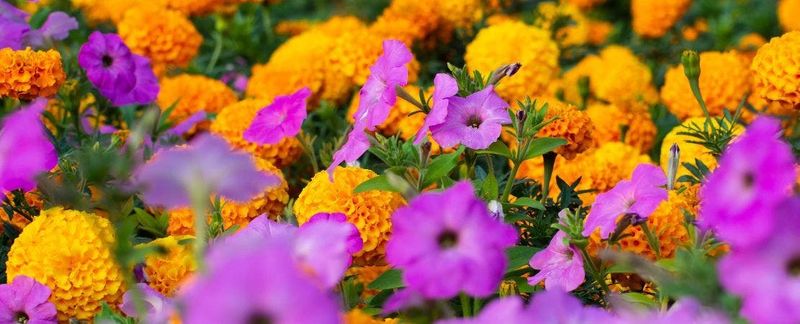
Petunias actually earn their keep as natural bug fighters, and pairing them with the right neighbors turns your field into a fragrant defense line. Marigolds, basil, and nasturtiums give off scents that many aphids and beetles would rather avoid.
Tucking marigolds around the border may help deter some soil pests, while a few basil plants can confuse insects hunting for a meal. The bonus is a prettier, more varied bed that does not rely on a single plant.
Petunias themselves are known to repel certain pests like asparagus beetles and leafhoppers. Stack a few aromatic companions among them and you build a garden that quietly works against the bugs instead of just feeding them.
14. Keep the Bed Clean to Stop Disease Cold
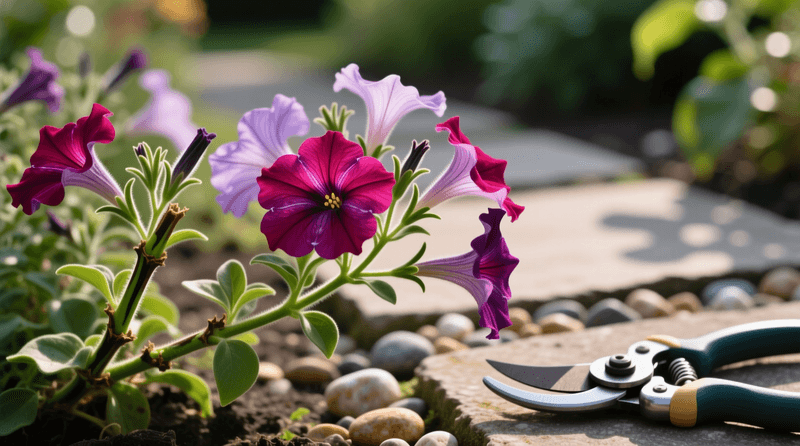
Fallen petals, dead leaves, and yanked weeds left lying in the bed become a nursery for mold, mildew, and hungry pests. A tidy field is a healthy field, and garden hygiene is one of the most underrated habits a grower can build.
Clear out plant debris as you deadhead and trim, and toss anything diseased in the trash rather than the compost pile. Botrytis and powdery mildew spread from that leftover litter faster than most people realize.
Cleaning your snips between heavily infected plants stops you from carrying trouble down the row. Five minutes of cleanup after each grooming session saves hours of heartbreak later.
15. Watch Drainage So Roots Never Drown
Soggy feet kill more petunias than almost any pest ever will. Their roots need oxygen, and waterlogged soil suffocates them while inviting root rot to move in.
If water puddles in your bed after a rain and lingers, you have a drainage problem worth fixing before planting more. Raising the bed a few inches, mixing in coarse compost, or adding some grit can turn a swampy spot into a workable one.
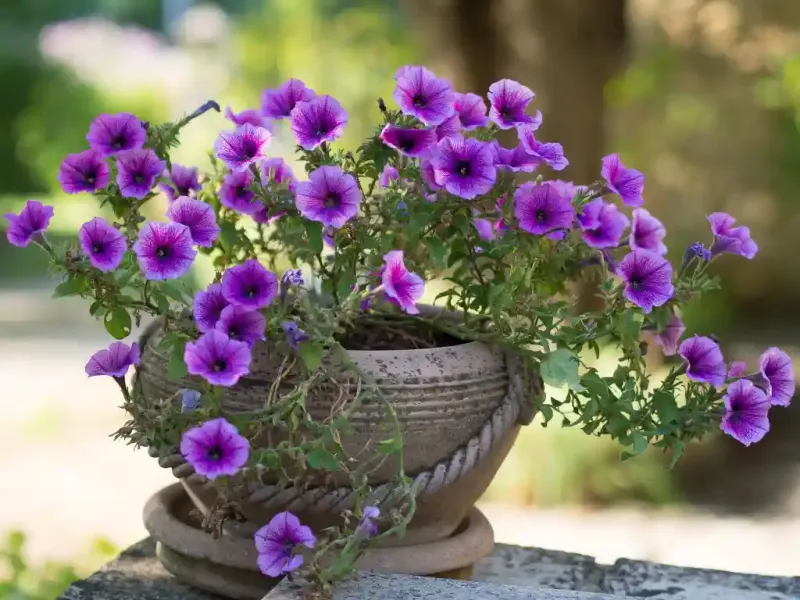
Container growers should double-check that every pot has open drainage holes and never let saucers stay full. Petunias would rather be a touch dry than sitting in a puddle any day of the week.
16. Refresh and Extend the Season Into Fall
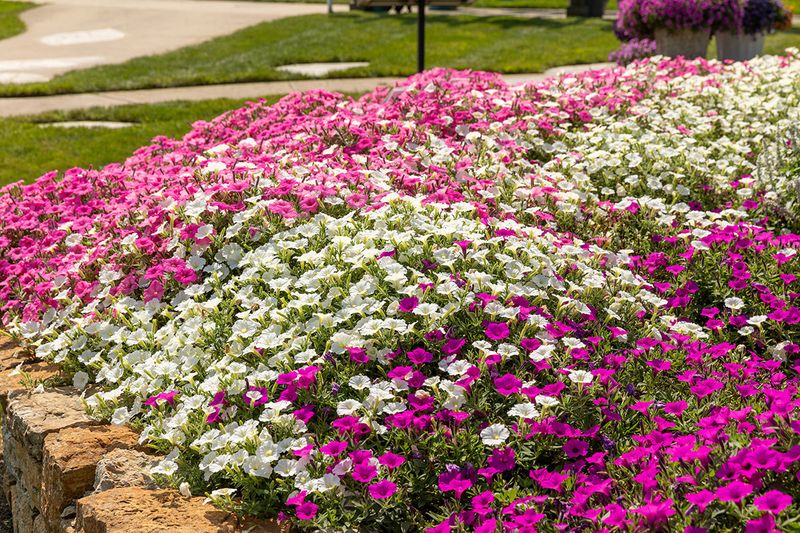
Just because summer is winding down does not mean the color has to. Petunias often catch a second wind once the brutal heat breaks, blooming beautifully well into the cooler fall weeks in much of the country.
Give the field a light trim, a fresh dose of fertilizer, and a good soak in early September to wake it back up. Removing any tired, spent plants and tucking in a few fresh transplants can patch bare spots for a strong finish.
In warmer southern zones, petunias may push blooms clear until the first hard frost. A little late-season attention stretches your stunning display weeks past when most neighbors have already given up.