
How to Feed Your Roses So They Flower Their Best This Summer
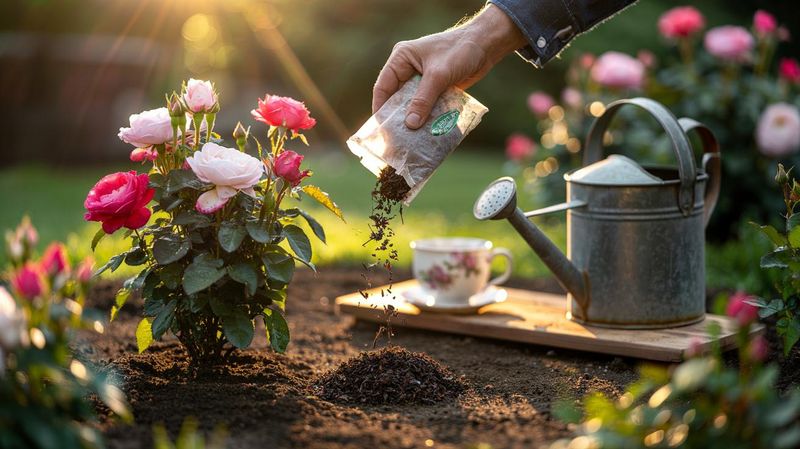
Roses have a reputation for being demanding, but most gardeners who struggle with sparse blooms are surprised to learn that feeding is only part of the story. Pouring on extra fertilizer in hopes of more flowers can actually work against you, pushing plants toward leafy growth while flowers stay scarce. Getting the feeding right means knowing your rose, checking your soil, and timing applications to match how the plant actually grows. Do those things well, and you give your roses the best realistic shot at a strong summer display.
Too much nitrogen can make a rose leafy instead of floriferous
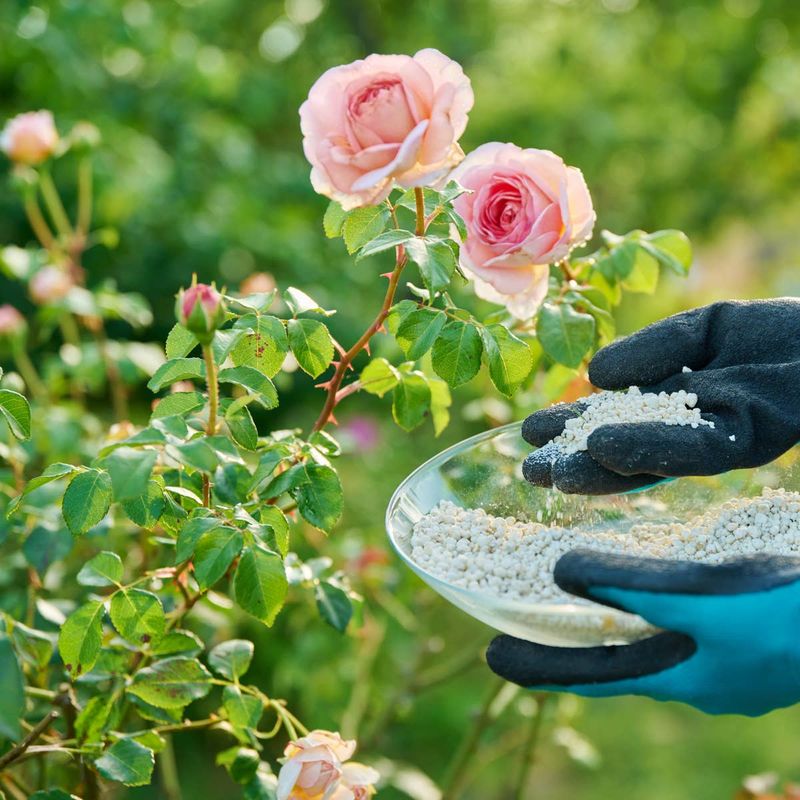
Gardeners who pour on fertilizer hoping for an explosion of color sometimes end up with the opposite: a rose that looks impressively leafy but stubbornly refuses to open more than a handful of flowers. Readily available nitrogen is usually the culprit. Illinois Extension guidance on rose types notes that excessive fertilization pushes soft, lush growth, and that kind of sappy new tissue is exactly what aphids prefer to colonize. Oregon State Extension also warns that nitrogen-rich growth can set off aphid outbreaks, adding a pest problem on top of a bloom problem.
That said, blaming nitrogen for every quiet rose is too simple. Vigorous foliage paired with few flowers is a signal worth investigating, not a verdict. The same symptom can show up when a rose is planted in too much shade, when pruning was skipped or done at the wrong time, when the plant is young and still establishing its root system, or when the cultivar naturally flowers once and has already finished its season. Overfeeding is one plausible contributor, not a universal diagnosis.
A useful first step is to look at the whole picture. Has the rose ever flowered heavily, or has it always been reluctant? Are the leaves a deep, almost blue-green that hints at nitrogen excess, or are they pale and undersized, which points toward deficiency? Are there other plants nearby that are also struggling, suggesting a site problem rather than a feeding problem?
Answering those questions honestly will point you toward the right fix faster than reaching for another bag of fertilizer.
Feeding roses correctly is worth doing, and a moderate, well-timed program can support better flowering when soil fertility is genuinely limiting. The goal is to match nutrients to actual need, not to overwhelm the plant with the assumption that more always means more blooms.
Start with the rose and the soil, not a bloom-booster label

Before opening a bag of fertilizer, two questions are worth asking: what kind of rose is this, and what does the soil actually contain? The answers shape every decision that follows. Illinois Extension’s overview of rose types makes clear that roses differ enormously in flowering habit. A once-flowering shrub rose will produce one glorious flush and then hold its energy in reserve regardless of how much fertilizer it receives.
A repeat-blooming hybrid tea or floribunda can be nudged toward additional flushes, but only if the other conditions are right. Knowing which plant you have sets a realistic ceiling for what feeding can accomplish.
Soil testing is the step most home gardeners skip, and it is the one that matters most before correcting nutrients. University of Minnesota Extension soil testing guidance explains that without knowing what nitrogen, phosphorus, and potassium are already present, there is no reliable way to know how much to add. Adding more of a nutrient that is already adequate does not improve flowering and can create environmental runoff problems, particularly with phosphorus. Your local cooperative extension office or a certified soil lab can process a sample and return results with specific amendment recommendations.
The high-phosphorus bloom boosters sold at garden centers are popular, but they are not a general flowering solution. University of Minnesota Extension’s fertilizer selection guide advises choosing fertilizer based on soil test results and plant needs rather than on label marketing. A balanced, complete fertilizer such as a 10-10-10 is a reasonable starting point when you have not tested but suspect overall low fertility, while a soil test can tell you whether a specific nutrient genuinely needs a boost.
Container roses deserve a separate note. Minnesota Extension’s quick guide to fertilizing plants and the RHS rose growing guide both point out that pots hold far less soil volume than garden beds, which means nutrients flush out more quickly with watering. Container roses may need more frequent feeding than their in-ground counterparts, but they are also more vulnerable to salt buildup and root injury if fertilizer is applied carelessly or at too high a rate. Follow the product label closely, and reduce frequency if leaf edges show brown scorching.
The feeding window follows growth, bloom, and local dormancy
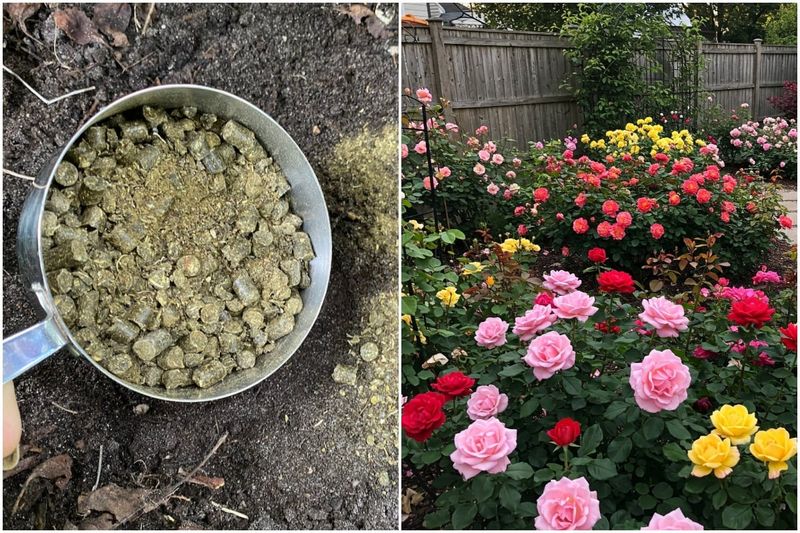
Rose fertilizer timing is not a fixed national calendar. The right moments depend on where you live, what rose you are growing, whether it is in a container or in the ground, and what formulation you are using. Treating a specific regional date as universal advice is one of the more common ways gardeners end up feeding at the wrong time.
A reasonable framework for many repeat-blooming roses in temperate U.S. climates begins at spring bud break, when new growth is actively pushing and the plant can actually use nutrients. Oregon State Extension’s rose care publication recommends starting with a general balanced product such as 10-10-10 at bud break and continuing applications every four to six weeks through the growing season. That guidance is written for Central Oregon conditions, so consider it a framework to adapt rather than a rule to follow precisely in Florida, Minnesota, or the Pacific Northwest.
For repeat-blooming roses, a second application after the first flush of flowers has faded makes sense if the plant is actively growing and conditions are favorable. Illinois Extension’s rose care guidance recommends a follow-up application around mid-June or at the end of spring bloom, and suggests a third application in mid-July for continuous or repeat-flowering types. Again, these dates reflect Illinois conditions, not a nationwide prescription. Gardeners in hotter or cooler climates should shift timing to match their local growing season.
Stopping on time matters as much as starting on time. Fertilizing too late in the season pushes tender new growth that has no chance to harden before frost arrives, leaving stems vulnerable to winter damage. Illinois Extension advises stopping by mid-August; Oregon State’s Central Oregon guidance extends that window slightly into late August or early September. The practical rule is to count backward from your expected first frost date and stop feeding early enough for any new growth to firm up before cold arrives.
Once-flowering roses generally do not need feeding timed around bloom cycles at all, since their flowering is determined by the previous season’s growth rather than by a current-season push.
Safe application protects roots while fertilizer does its limited job
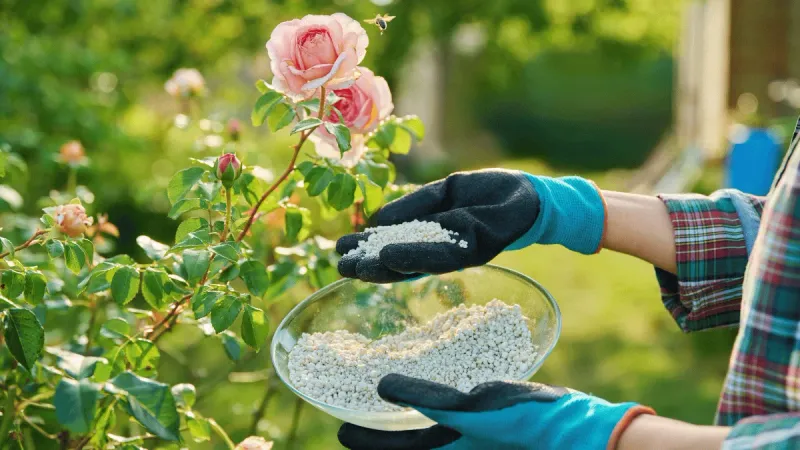
How fertilizer goes onto the soil matters almost as much as which product you choose and when you apply it. Granular fertilizers applied incorrectly can injure the very roots they are meant to support, and a stressed plant with burned roots is in worse shape than one that received no fertilizer at all.
Illinois Extension’s rose care page recommends spreading granular fertilizer in a band that starts roughly six inches out from the crown and extends outward toward the drip line, keeping product away from the main stems. After spreading, water the area thoroughly so the granules dissolve and move into the root zone rather than sitting concentrated on the surface. Product label rates should always take priority over any general quantity suggestion, because formulations vary widely in nutrient concentration.
Drought-stressed or severely heat-stressed plants are poor candidates for feeding. University of Minnesota Extension fertilizing guidance and Minnesota’s soil testing resource both note that fertilizer salts can injure roots more readily when soil is dry or when concentrated product is not watered in adequately. If your rose is wilting in a heat wave, the first correction is water, not fertilizer. Wait until the plant has recovered and soil moisture is reasonable before resuming a feeding program.
Container roses need special attention at application time. The RHS rose growing guide notes that pots can dry out quickly and that salt buildup from repeated fertilizer applications is a real risk in confined soil volumes. Water containers thoroughly before applying fertilizer, follow label rates carefully, and watch for tip burn on leaves as an early sign that salt is accumulating. If you notice browning edges, flush the pot with plain water for a few cycles before resuming feeding.
Some combination rose-and-pesticide products also exist on the market; if you use one, check the active ingredients, read the EPA label fully, and follow all safety directions including any re-entry intervals for children and pets.
Deadheading can help repeat-flowering roses produce another flush
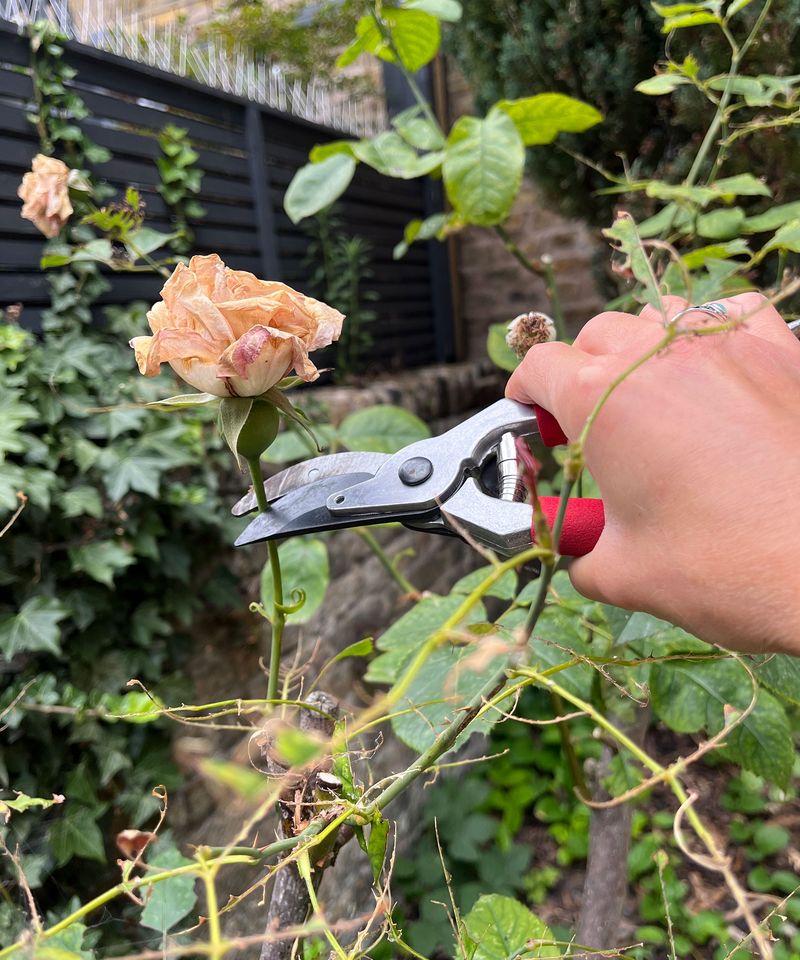
Removing faded flowers is one of the simpler things you can do to keep a repeat-blooming rose working through summer. When spent blooms are left on the plant, many rose cultivars shift energy toward forming hips and developing seeds. Taking those faded flowers off before hips develop redirects that energy back toward new growth and the next round of buds.
Oregon State Extension’s rose pruning guidance recommends cutting back to an outward-facing bud when deadheading, which encourages the new shoot to grow away from the center of the plant and improves air circulation. The RHS rose growing guide similarly advises removing fading flowers because many modern roses will form hips and slow their rebloom cycle if spent blooms are allowed to mature.
Deadheading is a useful practice, but keep its role in proportion. It works alongside good watering, appropriate feeding, adequate light, and pest and disease management rather than replacing any of those things. Skipping it on a repeat bloomer will likely reduce the number of follow-up flushes, but adding it to an otherwise neglected plant will not rescue a display that is limited by shade, drought, or disease.
One important distinction: deadheading cannot change the fundamental flowering habit of a once-blooming rose. Species roses, many old garden roses, and some shrub cultivars are genetically programmed to flower once per season, and removing spent blooms will not trigger a second flush. If you are not sure whether your rose repeats, check the plant tag, look up the cultivar name, or consult a local extension publication for your region. Knowing the answer will save you a season of wondering why the deadheading is not producing more flowers.
Light, moisture, pruning, and plant health set the bloom ceiling
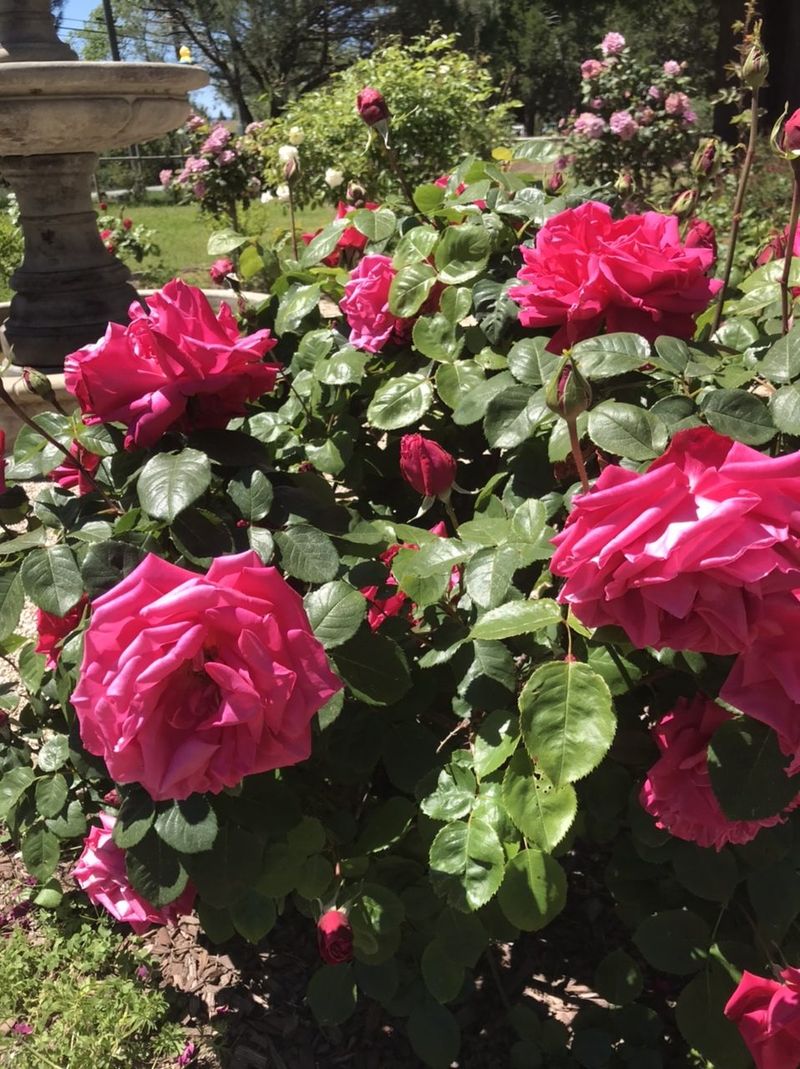
Fertilizer cannot compensate for a rose that is planted in the wrong spot, struggling through drought, or fighting off a fungal infection. Before adding another application, it is worth checking whether one of these other factors is quietly capping what the plant can produce.
Light is foundational. Roses generally need six or more hours of direct sun per day to flower well, and a plant growing in significant shade will produce fewer blooms regardless of how well it is fed. If surrounding trees or structures have grown to cast more shade than they did when the rose was planted, that may explain a gradual decline in flowering that has nothing to do with nutrition.
Consistent moisture is equally important. The RHS rose growing guide and RHS general rose guidance both emphasize that roses perform best with steady soil moisture, and that both drought and waterlogging can reduce vigor and bloom. Established in-ground roses generally benefit from deep, infrequent watering during dry periods rather than frequent shallow sprinkles. Do not feed a wilted rose as a way to revive it; address the water deficit first, then return to a normal care routine once the plant has recovered.
Disease and pests can quietly drain a plant’s energy before the bloom loss is obvious. Oregon State Extension’s guidance on early-season rose problems identifies black spot, powdery mildew, rust, and aphid pressure as common threats to rose health and flowering. Poor air circulation encourages fungal diseases, so pruning to open the center of the plant and spacing roses appropriately both help. Oregon State’s rose care publication also notes that plant age and establishment affect flowering, with younger plants often producing a more modest display as they build their root systems.
Running through a short checklist before assuming a feeding problem is the most efficient diagnostic approach: Is the rose getting enough sun? Is the soil consistently moist but not waterlogged? Are there disease spots on the leaves? Are aphids clustering on new growth?
Was the plant pruned at the right time? Answering those questions honestly often reveals the real limiting factor faster than any fertilizer application could.
Aim for healthier flowering, not a guaranteed doubling
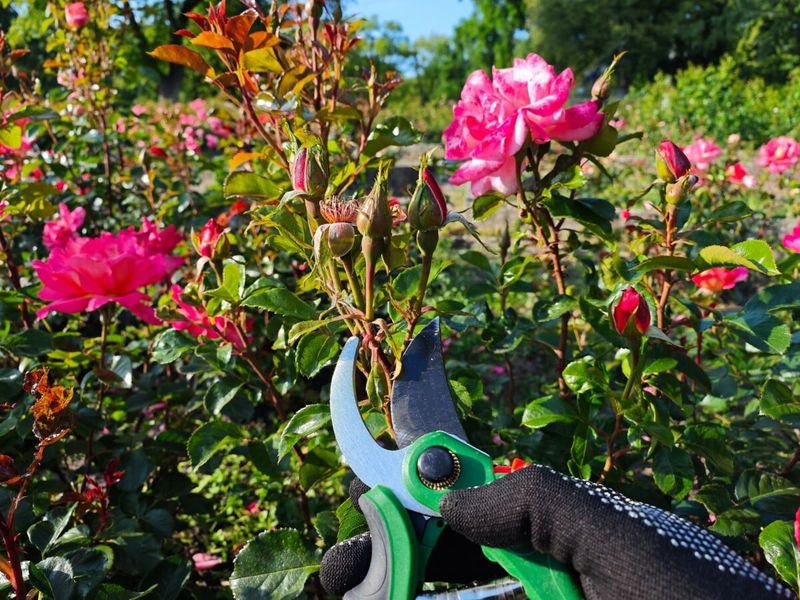
A sensible rose-feeding plan is not complicated, but it does require a few deliberate steps rather than a reflexive reach for the fertilizer bag. Start by identifying the rose: is it a repeat bloomer or a once-flowering type? That single answer determines whether timing applications around bloom cycles makes any sense at all. Illinois Extension’s guide to rose types is a practical reference for sorting out cultivar differences if you are uncertain.
Test the soil before correcting nutrients. Feed moderately with a balanced product during active growth if fertility appears to be limiting, and follow the product label for rates and intervals. Apply granular fertilizer away from the crown, water it in, and never feed a plant that is wilting or severely heat-stressed. Illinois Extension’s rose care guidance provides a reliable regional framework for timing, and stopping before dormancy approaches is as important as starting at the right moment.
Deadhead repeat bloomers to encourage the next flush, keep an eye on light and moisture, and check for disease and pests before assuming a feeding change is the answer. If a reasonable feeding plan is already in place and flowering is still disappointing, the fix is more likely found in a pruning correction, a disease treatment, a watering adjustment, or an honest look at how much sun the plant actually receives each day. Oregon State Extension’s rose pruning resource is a useful next stop for gardeners who suspect timing or technique there may be holding the plant back.
The realistic goal is a healthier plant that flowers as well as its genetics, site, and care allow. That is genuinely worth working toward, even if the result is better measured in fuller flushes and more consistent rebloom than in any guaranteed count of flowers per cane.