
Plant This One Stunning Ground Cover And Watch Your Garden Stay Weed-Free All Year
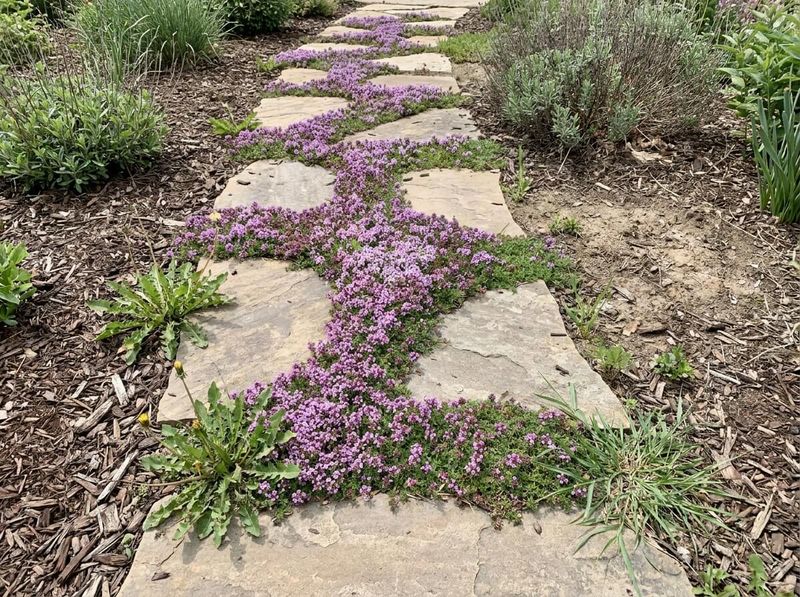
Spending every weekend pulling weeds is exhausting, and most gardeners are looking for a smarter way to keep beds tidy. Creeping thyme is a low-growing, flowering perennial that can cover sunny, well-drained spots with a fragrant mat and crowd out many weeds once it fills in. The catch is that no single plant can promise a weed-free garden everywhere and all year long, but in the right spot, creeping thyme can seriously cut down on how much weeding you do. Understanding where it works well, and where it falls short, makes the difference between a thriving planting and a frustrating one.
Creeping thyme suits a specific kind of weed-prone space
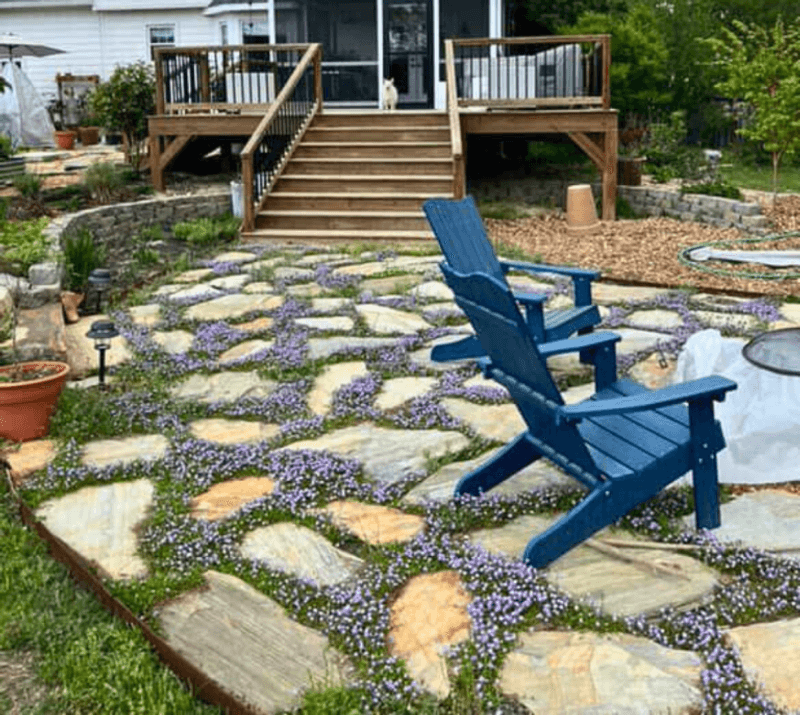
Creeping thyme earns its reputation in certain gardens, but only certain gardens. University of Illinois Extension describes it as a low-growing perennial well suited to small lawn-replacement areas and planting between stepping stones, where it forms a fragrant, flowering mat that stays close to the ground. That mat can be genuinely beautiful in the right setting, with tiny pink, lavender, or white blooms appearing in late spring and early summer.
The critical qualifier is site fit. Creeping thyme performs best in full sun and very well-drained soil. Shade, persistently wet ground, compaction, or poor drainage can substantially reduce its vigor, slow its spread, and limit how much weed suppression it actually delivers. Illinois Extension’s ground-cover design guidance notes that successful thyme plantings may require conditions resembling a gravelly or succulent-style soil mix, which is a meaningful constraint for gardeners with heavier clay or irrigated beds.
The spaces where creeping thyme tends to shine include sunny rock gardens, gravel paths, dry slopes, and the gaps between pavers or stepping stones. These are spots that often stay weedy precisely because lawn mowers can’t reach them and hand-weeding is tedious. Colorado State University Extension lists creeping thyme among the ground covers suited to dry, sunny xeriscape-style settings, reinforcing that its best work happens where moisture is limited rather than abundant.
Thinking of it as a site-specific tool rather than a universal fix keeps expectations honest. A shady, moist flower bed, a clay-heavy lawn area, or a heavily irrigated vegetable garden border are all places where creeping thyme is likely to struggle rather than thrive. Matching the plant to the site is the first decision that determines whether the reduced-weeding payoff actually materializes.
How a living mat suppresses weeds
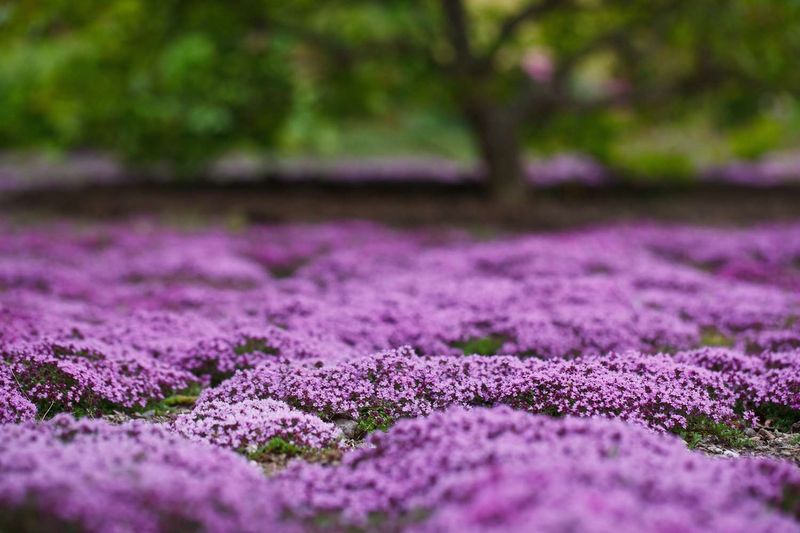
Once creeping thyme knits together into a continuous mat, it starts working against weeds in a straightforward way. The dense foliage shades the soil surface, which cuts off the sunlight that most weed seeds need to germinate and grow. At the same time, the established plant competes with any emerging seedlings for water, nutrients, and physical growing space, making it harder for annual weeds to get a foothold.
Penn State Extension’s cover-crop weed management guidance explains that dense living cover can create a physical barrier against weed emergence and, in some plant systems, may release compounds that slow germination. That mechanism is worth understanding with some care, because the research behind it comes largely from agricultural cover crops managed for maximum biomass, not from ornamental ground covers in home flower beds. A meta-analysis published in Weed Science confirms that cover-crop systems can meaningfully reduce weed biomass, but results vary widely by species, climate, soil, and how well established the planting is. Those findings support the general principle, not a guarantee for any single ornamental plant.
The most important practical point is that suppression depends on a closed canopy. Open soil between young plants is just as vulnerable to weeds as bare ground anywhere else in your yard. Annual weeds, the ones that sprout from seed each season, are the type most likely to decline once thyme fills in completely. Established perennial weeds with deep roots or spreading rhizomes are a different story: they can push through a ground-cover mat, re-sprout from root fragments, and continue showing up even after the thyme looks fully established.
Suppression and eradication are not the same thing. Thinking of creeping thyme as a plant that reduces weed pressure in a suitable site, rather than one that eliminates weeds permanently, leads to a more realistic and ultimately more satisfying result.
Prepare the site before planting
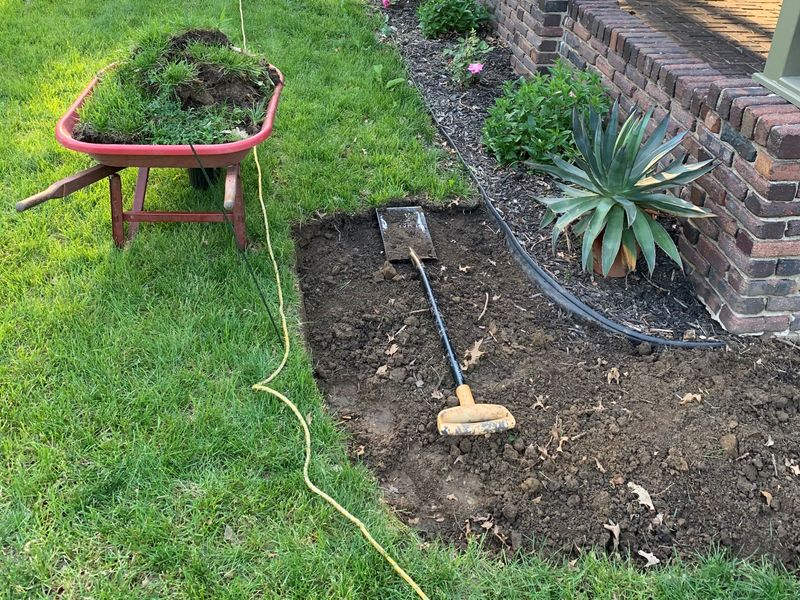
The work you do before a single thyme plant goes in the ground matters more than almost anything that happens afterward. Starting with a clean site gives the ground cover a real chance to spread without competing against an entrenched weed population from day one. Skipping this step and simply planting into existing weedy ground is one of the most common reasons a ground-cover project disappoints.
Penn State Extension recommends removing existing grass and weeds before installation, then leaving the prepared area unplanted for two to three weeks. That waiting period lets any perennial weed roots still in the soil send up new shoots, which you can then remove before planting. One extra pass at weeding during that window pulls out far more of the problem than you would catch by planting immediately. It is a simple step that significantly reduces the competition your new thyme will face during its most vulnerable months.
Soil correction belongs in this phase too. If the area drains poorly, adding coarse grit, fine gravel, or a sandy amendment can improve conditions before planting rather than after. Illinois Extension’s ground-cover design guidance specifically flags drainage as a make-or-break factor for thyme, noting that wet or compacted soil can prevent the plant from establishing at all. Attempting to fix drainage after the ground cover is in place is difficult and disruptive.
Colorado State University Extension’s weed management guidance reinforces that persistent perennial weeds, bindweed, thistle, and quackgrass being familiar examples, may require repeated removal or targeted treatment before a ground cover can compete effectively. Creeping thyme cannot compensate for a severe perennial-weed problem or for soil that stays soggy after rain. Those are site conditions to address in preparation, not plant-after-and-hope situations.
Choose spacing for coverage, cost, and growth rate
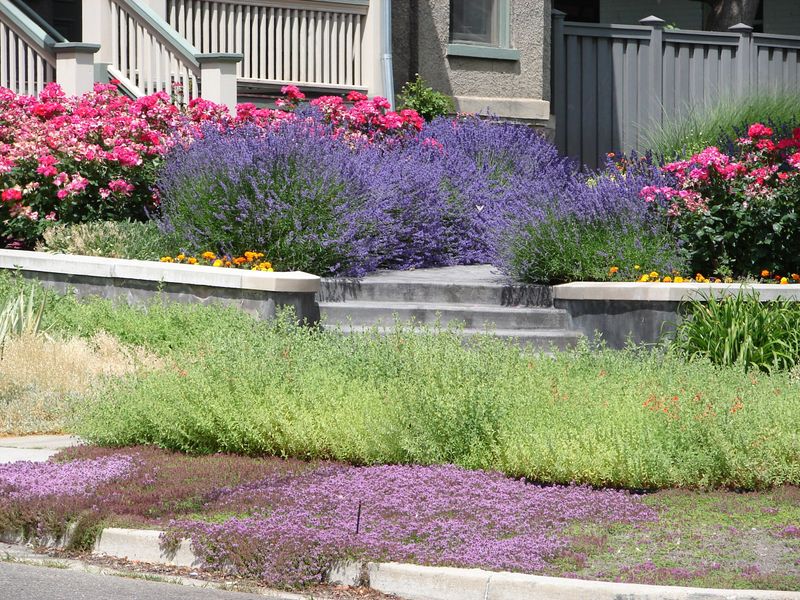
Spacing decisions come down to three things: how quickly you want coverage, how much you want to spend, and how fast your selected thyme cultivar naturally spreads. Different species and cultivars of creeping thyme vary in their mature spread, so checking the label or the nursery description for your specific plant is a more reliable starting point than any single number.
University of Illinois Extension cites a commonly used spacing of about 8 to 12 inches apart for creeping thyme, which is a reasonable reference range rather than a hard rule. Planting closer than that speeds up canopy closure, which means less exposed soil for weeds to colonize during the fill-in period. The trade-off is cost: smaller spacing requires more plants, and the difference adds up quickly over even a modest-sized bed.
Wider spacing costs less upfront but leaves more bare ground between plants for longer. That open soil will need mulch and hand-weeding attention while the thyme spreads to fill the gaps, sometimes for a full growing season or more depending on conditions. Penn State Extension notes that spacing should reflect the plant’s mature spread and growth rate, with closer spacing used when faster closure is a priority and wider spacing acceptable when budget is the main constraint and the gardener is prepared to manage the gaps in the meantime.
Timing matters alongside spacing. Spring planting gives thyme a full warm season to root and spread before winter, while fall planting in most U.S. regions allows root establishment before the ground freezes. Both windows work better than midsummer planting, when heat stress can slow establishment. Newly planted thyme needs regular watering until it shows consistent new growth, even though mature plants are relatively drought tolerant once their roots are settled in.
Use mulch and early care while thyme fills in
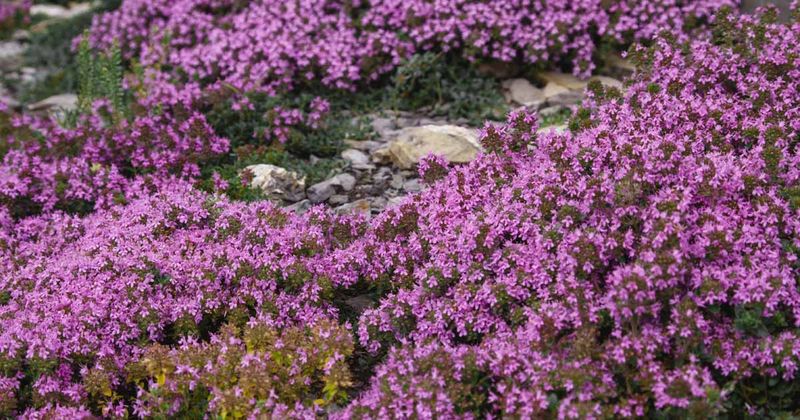
Newly planted thyme occupies its spot in the ground but hasn’t yet earned its keep as a weed suppressor. The weeks and months between planting and full canopy closure are the most vulnerable stretch, and how you manage that period affects whether the planting succeeds or gets overtaken before it has a chance to spread.
Applying at least 2 inches of organic mulch after planting is one of the most practical things you can do. Penn State Extension recommends organic mulch to shade exposed soil, conserve moisture, and keep roots cooler during hot weather. Keep the mulch pulled back slightly from plant stems so it doesn’t trap moisture against the crown of each thyme plant, which can cause rot rather than help establishment. University of Minnesota Extension’s mulching guidance echoes that mulch should never be piled against stems or trunks.
Hand-weeding during the fill-in period is not optional if you want the ground cover to win. Pull or dig emerging weeds as soon as you spot them, before they set seed or establish deep roots alongside the thyme. Small weeds pulled early take far less effort than large ones removed later, and every weed you remove is one fewer competitor stealing resources from your establishing plants.
Mulch helps, but it doesn’t replace good site preparation or fix poor drainage. If the soil stays wet after rain, the mulch layer can make conditions worse by holding even more moisture around the crowns. Think of mulch as a tool that supports a well-prepared planting, not a fix for a site that wasn’t ready in the first place. Once the thyme begins spreading and filling gaps, you can gradually reduce the mulch layer as coverage takes over the soil-shading job.
Manage the planting after the mat closes
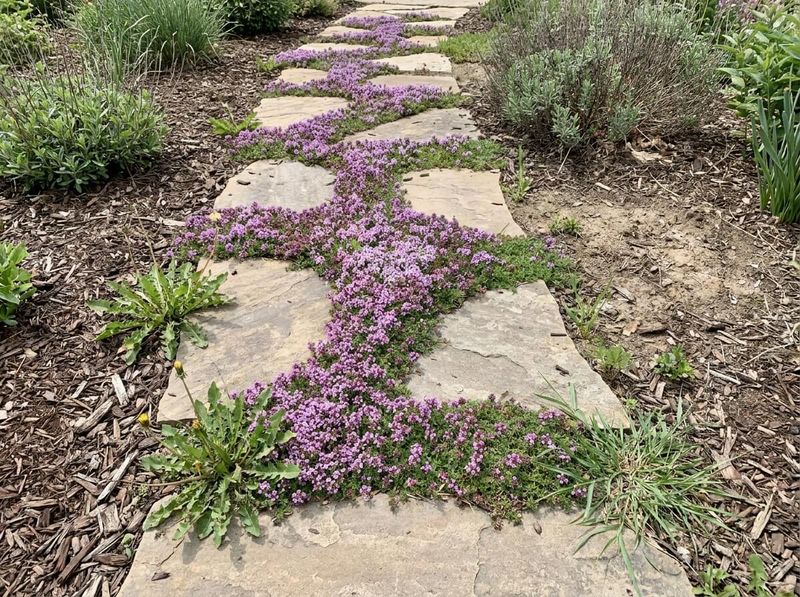
A fully established creeping thyme mat is genuinely satisfying to look at and noticeably easier to maintain than bare soil. But easier is not the same as effortless. University of Maryland Extension specifically warns that removing weeds after a ground cover is installed can be difficult, and that weed competition can hamper establishment even in a planting that looks healthy from a distance. That caution applies after establishment too, particularly for persistent perennial weeds.
Annual weeds that sprout from seed are the ones most likely to decline once the canopy closes, because the shaded soil surface gives seeds less opportunity to germinate. Perennial weeds are a different problem. Plants like bindweed, ground ivy, or nutsedge can push through a thyme mat, regrow from root fragments left in the soil, or creep in from adjacent areas. Spotting them early and removing them by hand before they spread through the planting is the most effective response.
Colorado State University Extension’s ground-cover guidance is direct on this point: ground covers are not no-maintenance plants, and ongoing weed management remains part of the job.
Edge control is another task that comes up regularly. Creeping thyme can spread beyond its intended boundary into lawn areas, adjacent beds, or between pavers where you don’t want it. Trimming edges once or twice a season keeps the planting tidy and prevents it from becoming its own management problem.
Foot traffic is also worth addressing directly. Most ground covers, including creeping thyme, are not built for regular heavy crossing. If people routinely walk through the area, install stepping stones or a designated path so the mat isn’t repeatedly crushed in the same spots.
Before choosing any alternative fast-spreading ground cover for problem areas, check your state’s invasive-plant guidance. The National Invasive Species Information Center identifies English ivy as invasive or problematic in parts of the United States, and similar concerns apply to wintercreeper and some periwinkle varieties. Vigor that looks appealing in the garden can become a serious problem in natural areas nearby.
Judge the payoff realistically
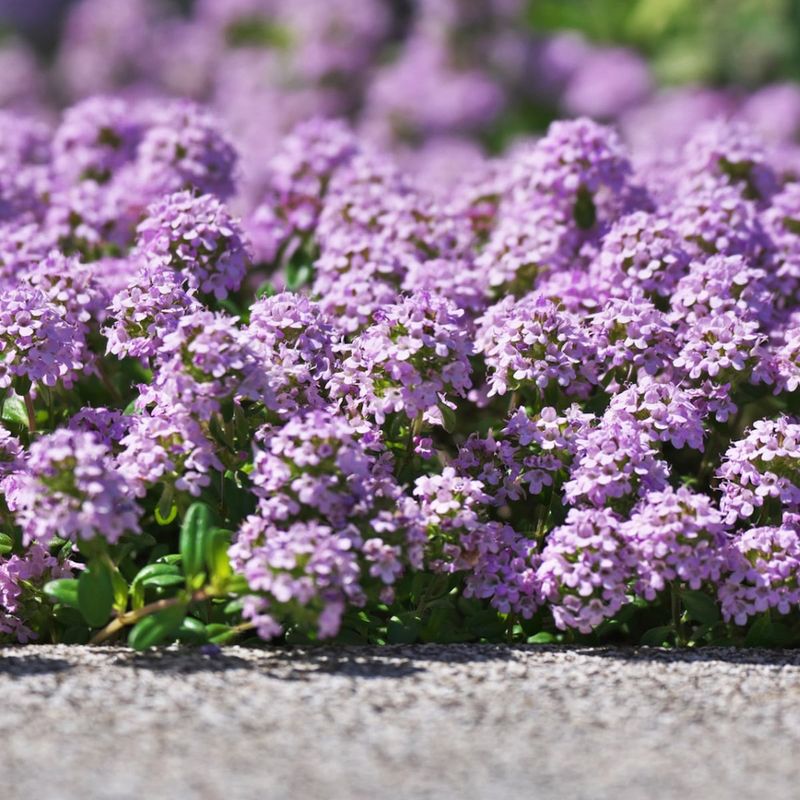
Creeping thyme is worth planting when the site genuinely suits it: strong direct sun, very good drainage, clean soil preparation, and enough patience to water and weed during the establishment period. Given those conditions, the mat that forms over one to two growing seasons can meaningfully reduce the amount of bare soil available for weed seeds, and routine weeding in that spot can drop noticeably.
University of Illinois Extension and Colorado State University Extension both present creeping thyme as a practical choice for the right dry, sunny setting, and that endorsement is earned in those specific conditions. What neither source promises, and what the plant itself cannot deliver, is a permanently weed-free outcome across every U.S. garden regardless of site, season, or weed pressure.
Seasonal gaps are real. Winter appearance varies with zone, cultivar, snow cover, and cold severity, and coverage that looks dense in July may thin in January in colder regions. Persistent perennial weeds can re-emerge. Edges need occasional attention.
Colorado State’s ground-cover publication puts it plainly: no ground cover eliminates maintenance entirely. The honest payoff is a reduction in routine weeding labor in a suitable spot, paired with a planting that looks attractive and smells pleasant when you brush against it. That is a genuinely good trade for the right garden space.