
If Your Hot Beds Cook Petunias By August, Swap Them For These Tougher Heat-Loving Blooms
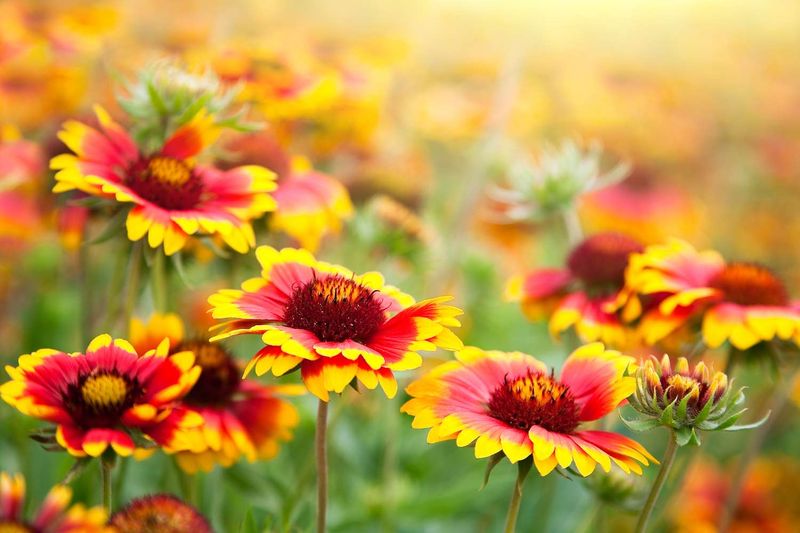
Petunias look amazing in June, but by late summer a lot of them go crispy, leggy, and sad in a blazing-hot bed. If you keep replanting the same flowers only to watch them melt every August, the problem might be the plant, not your thumb. There are gorgeous bloomers that actually get happier as the temperature climbs and the soil bakes. Here are eight tough, sun-loving swaps that can keep your beds colorful long after petunias have thrown in the towel.
1. Lantana
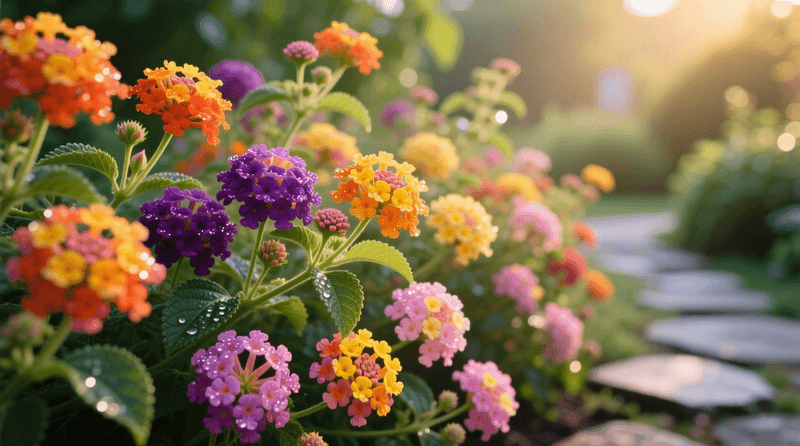
Butterflies seem to have a group text about lantana, because they show up in swarms the moment it starts blooming. That alone earns it a spot near the front of any hot bed.
What makes lantana such a standout is its stubborn refusal to quit in heat. While petunias sulk during a Texas or Georgia August, lantana keeps pumping out clusters of tiny flowers that often shift color as they age, giving you two or three shades on a single plant. It shrugs off drought once its roots settle in, so you are not chained to the hose every evening.
Give it full sun and well-draining soil, and it asks for almost nothing else. A quick shearing when growth gets floppy keeps it tidy and pushes fresh blooms.
One heads-up for pet owners and parents: lantana berries and leaves are toxic if eaten, so plant it where curious kids and dogs will not snack on it. Handled with that small caution, it is one of the most reliable color machines you can grow.
2. Angelonia (Summer Snapdragon)
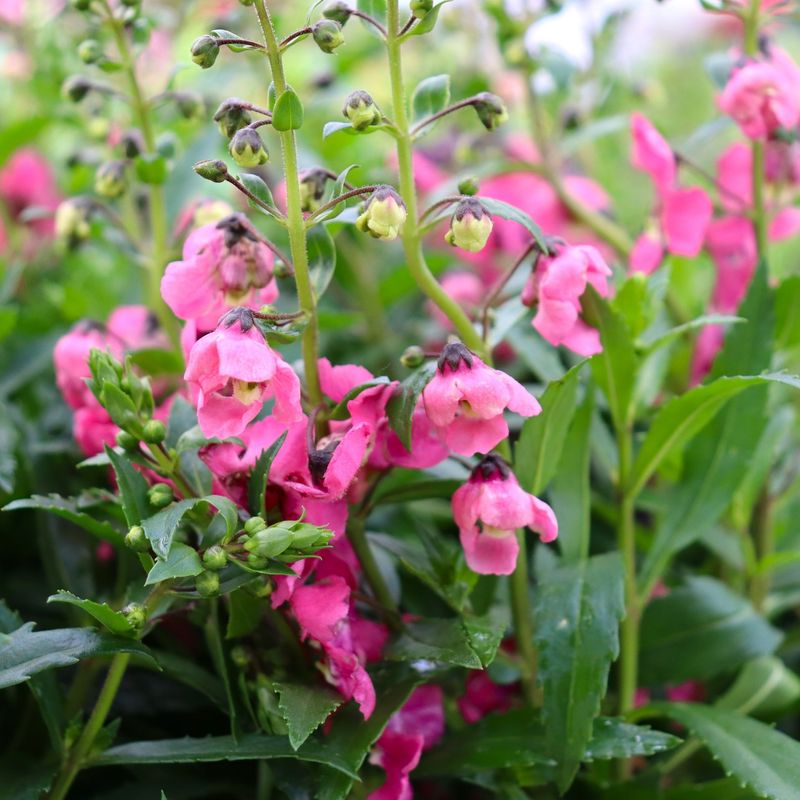
Gardeners nicknamed angelonia the summer snapdragon because its little flower spikes look like snapdragons that decided to stick around through the hottest months instead of fading in the heat.
Where it really outshines petunias is humidity. Muggy Southern nights that leave other flowers spotted and mildewed barely faze angelonia. It stands upright in purple, white, pink, and soft blue spires, holding its shape without the flopping and matting that petunias fall into by midsummer.
Another quiet perk is how little grooming it needs. There is no deadheading marathon here, since it keeps flowering on its own from spring straight through to frost.
Plant it in full sun with decent drainage, water while it establishes, then let it coast. It works beautifully as a mid-height filler between shorter groundcovers and taller focal plants, adding vertical interest that a bed of trailing petunias simply cannot deliver.
3. Portulaca (Moss Rose)
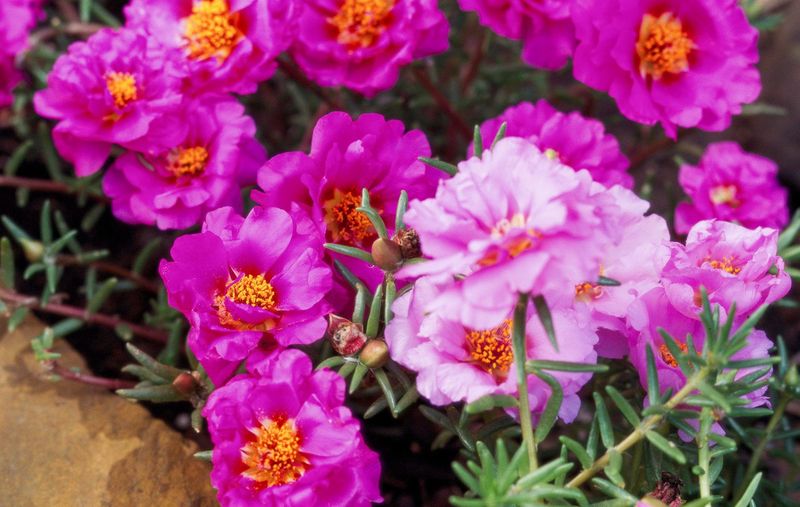
Picture the toughest strip of your yard, the spot near the driveway that turns to dust by July. Portulaca will actually thrive there while everything else surrenders.
Its secret is those plump, succulent-like leaves that store water, letting it laugh off heat and neglect that would fry a petunia in days. The rose-shaped blooms come in electric pinks, oranges, yellows, and whites, opening wide in the sunshine and closing as evening rolls in.
Because it hugs the ground and only reaches a few inches tall, portulaca is a natural for edging paths, tucking into rock gardens, or spilling over the lip of a hot container that would otherwise cook a fussier flower.
Poor, sandy, fast-draining soil is exactly what it wants, which is the opposite of most bedding plants. Skip the fertilizer and the frequent watering, and you will be rewarded with a low carpet of color all summer.
4. Zinnia
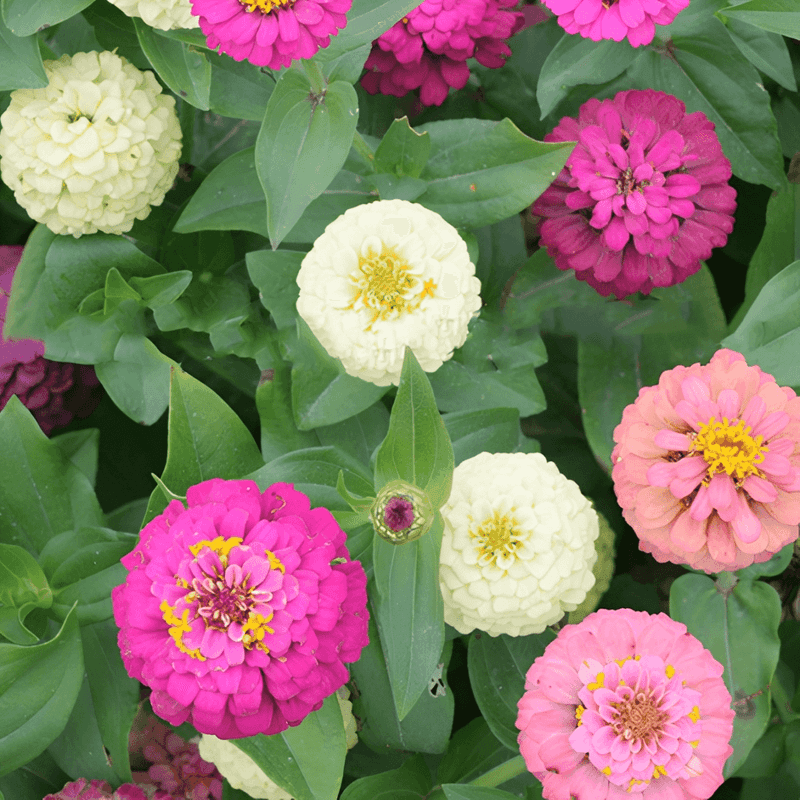
Cut a handful of zinnias for the kitchen table and the plant rewards you by blooming even harder. That give-and-take makes it the friendliest cutting flower a hot bed can offer.
Heat is where zinnias feel most at home. They germinate fast from cheap seed, shoot up quickly, and flower in nearly every color except true blue, from softball-sized dahlia types to button-sized little guys. August sun that scorches petunias just tells zinnias to keep the show going.
Fun fact: zinnias are native to the hot grasslands of Mexico, so brutal summer conditions are basically their home turf.
Give them full sun and space for air to move around the leaves, which helps keep powdery mildew at bay. Snip spent blooms or bouquets regularly, and a single seed packet can hand you months of color for the price of a coffee.
5. Vinca (Annual Periwinkle)
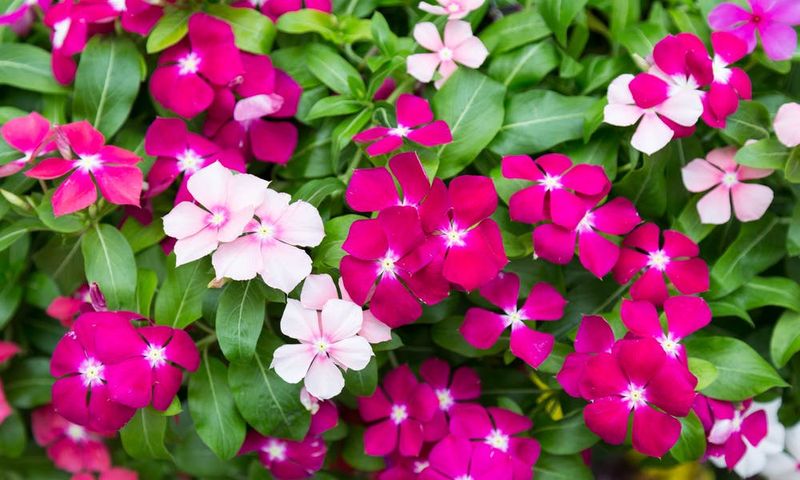
Some plants love the exact weather that stresses out gardeners, and vinca is one of them. The hotter and drier the afternoon, the glossier and happier this little annual looks.
Not to be confused with the trailing ground vine, annual vinca forms neat mounds of shiny green leaves topped with flat, five-petaled blooms in white, pink, red, and lavender, often with a contrasting eye in the center. It sails through the same humid, blazing stretches that turn petunias into a mildewed mess.
Because it resists most of the leaf diseases that plague summer flowers, vinca is a smart pick for beds along hot sidewalks, reflective driveways, and south-facing foundations.
One thing worth knowing: vinca hates cold, wet feet, so wait until the soil is truly warm before planting. Rush it into chilly spring ground and it sulks, but set it out in early summer and it will not stop until frost.
6. Pentas (Star Flower)
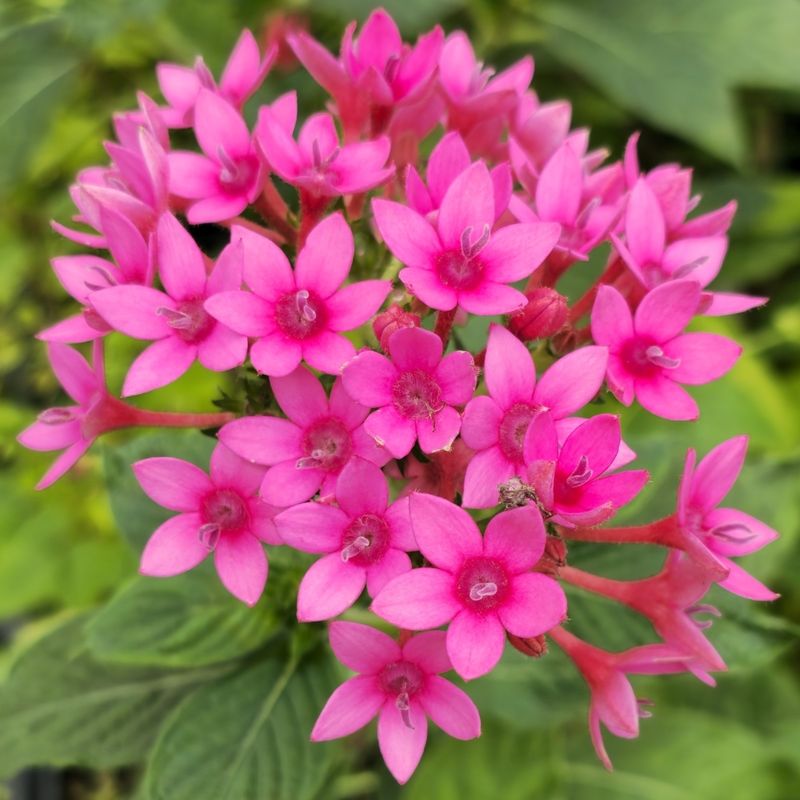
If you want your bed to double as a butterfly and hummingbird buffet, pentas belongs on the menu. Those nectar-rich star-shaped clusters are pollinator magnets from morning until dusk.
Named for the five points on each tiny bloom, pentas gathers dozens of them into rounded flower heads in red, pink, white, and purple. Rather than fading in the heat, it hits its stride in the dog days, holding strong color through the muggiest weeks when petunias have long given up.
Its upright, bushy habit gives structure to a bed, so it plays well as a middle layer with low creepers up front and taller grasses behind.
Consistent moisture during establishment helps, but once settled it handles heat with ease and asks only for full to part sun. In frost-free zones it can even come back year after year, though most US gardeners treat it as a dependable summer annual.
7. Gomphrena (Globe Amaranth)
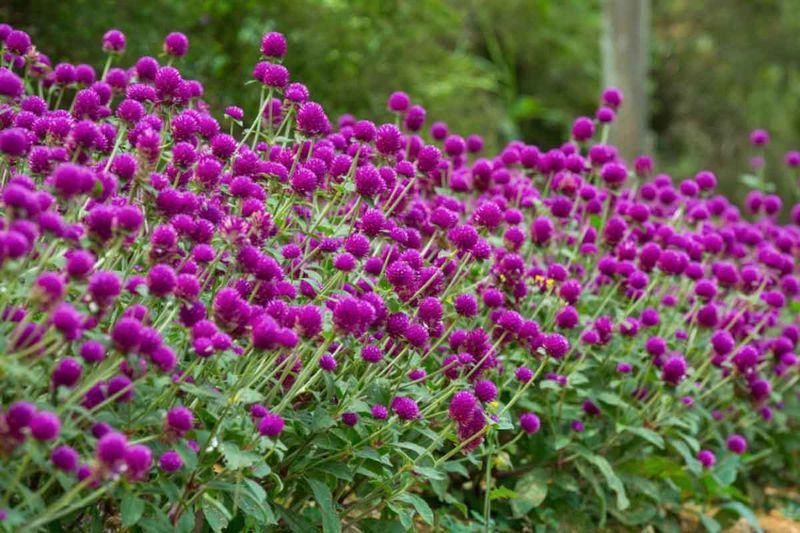
Squeeze a gomphrena bloom and it feels almost like a papery little clover pom-pom, which is exactly why it dries so beautifully for winter bouquets. Few summer flowers pull double duty this well.
Toughness is its calling card. Gomphrena stands up to heat, drought, and poor soil with a cheerfulness that borders on stubborn, sending up round, everlasting blooms in magenta, purple, orange, and white on wiry, breezy stems.
Where petunias flatten and rot in a downpour followed by scorching sun, gomphrena barely notices the drama.
Butterflies adore it, and because the flower heads hold their color as they dry, you can cut them at peak and hang them upside down for arrangements that last all winter. Plant it in full sun, give it room to breathe, and enjoy one of the most carefree color sources in the whole bed.
8. Blanket Flower (Gaillardia)
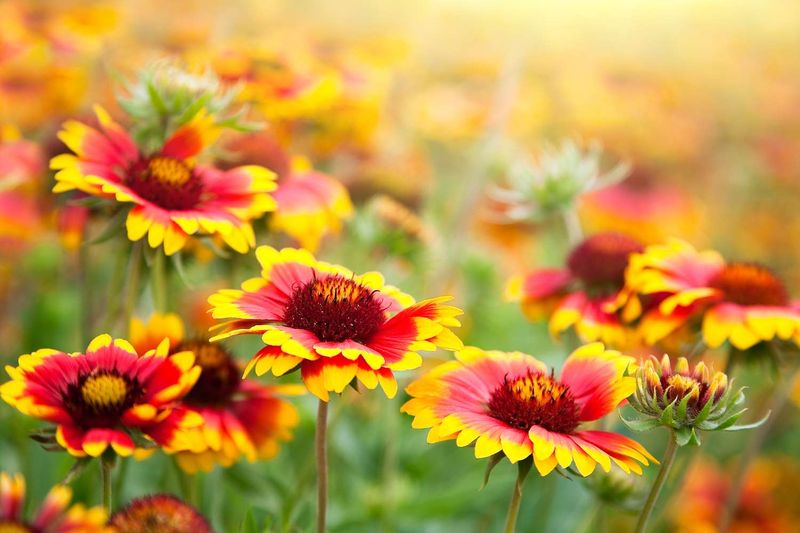
Named for the warm, woven look of old trade blankets, gaillardia brings a sunset right into your flower bed with rings of red, orange, and gold on every daisy-like bloom.
Being a tough North American native, it is built for lean, dry, sunbaked conditions that make pampered annuals throw a fit. Sandy soil, coastal salt spray, and reflected heat from pavement barely register.
Unlike petunias, which are one-and-done annuals, many blanket flowers behave as short-lived perennials, coming back for a few seasons and often reseeding themselves into new patches you did not even plant.
Bees and butterflies work the blooms all day, and the spiky seed heads left standing feed finches into fall. Give it full sun and skip the rich soil and heavy watering, since too much kindness actually makes it floppy. Treat it a little rough, and gaillardia will pay you back with color from early summer to frost.