
17 Reasons Your Tomatoes Stayed Small This Year-And The Quick Fix For Each One
You babied your tomato plants all season, and yet the fruit came out marble-sized instead of the big, juicy slicers you pictured. Tiny tomatoes almost always trace back to a handful of fixable mistakes, not bad luck. Once you learn to read the signs your plants are showing you, most of these problems take just a few minutes to correct. Here are 17 reasons your tomatoes stayed small, plus a simple fix for each one you can put to work in your own backyard.
1. You Planted a Naturally Small Variety
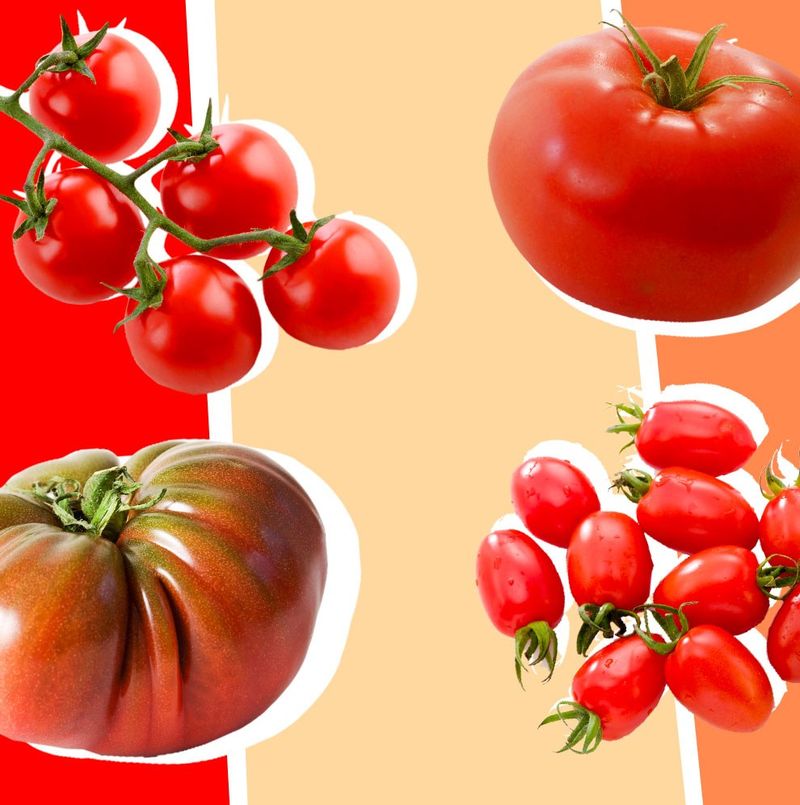
Before you blame yourself, check the seed packet. Some tomatoes are small on purpose, and no amount of care will turn a currant or grape type into a beefsteak.
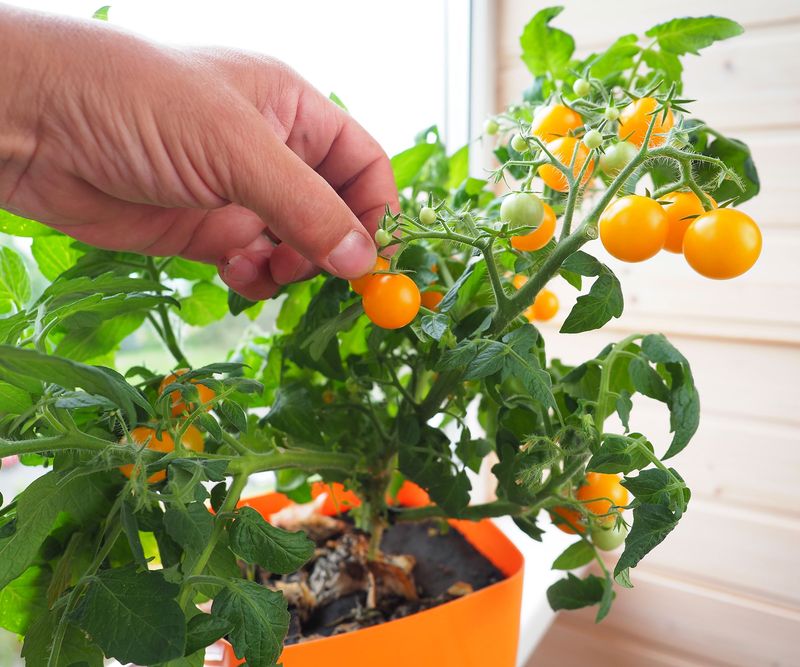
Varieties like Sungold, Sweet Million, and Tiny Tim are bred to stay bite-sized. If you grabbed a mystery seedling from a garage sale table, you may simply have a cherry type doing exactly what it was designed to do.
The fix is easy for next season. Read the label for words like beefsteak, slicer, or the mature fruit size in ounces, and pick a big-fruited cultivar such as Brandywine, Big Beef, or Cherokee Purple if size is your goal.
2. The Plant Never Got Enough Sun
Tomatoes are sun hogs, plain and simple. Anything less than six to eight hours of direct light and the plant spends its energy stretching toward the sky instead of pumping up fruit.
Watch for leggy stems with wide gaps between leaves and pale, floppy growth. Those are your plant’s way of telling you it is starving for light, often because a fence, tree, or the house is throwing afternoon shade you did not notice in spring.
To fix a shaded plant mid-season, prune back overhanging branches or reflect extra light with a white board or foil behind it. Next year, track the sun across your yard for a full day and reserve the brightest corner for your tomatoes.
3. You Skipped the Phosphorus
Nitrogen gets all the attention, but phosphorus is the nutrient that actually drives flowering and fruit development. Skimp on it and you get a jungle of leaves with disappointing little tomatoes hiding underneath.
A soil test is the honest way to know, and many US county extension offices run them cheaply. Purple-tinged undersides on the leaves can also hint that phosphorus is running low, especially in cool soil.
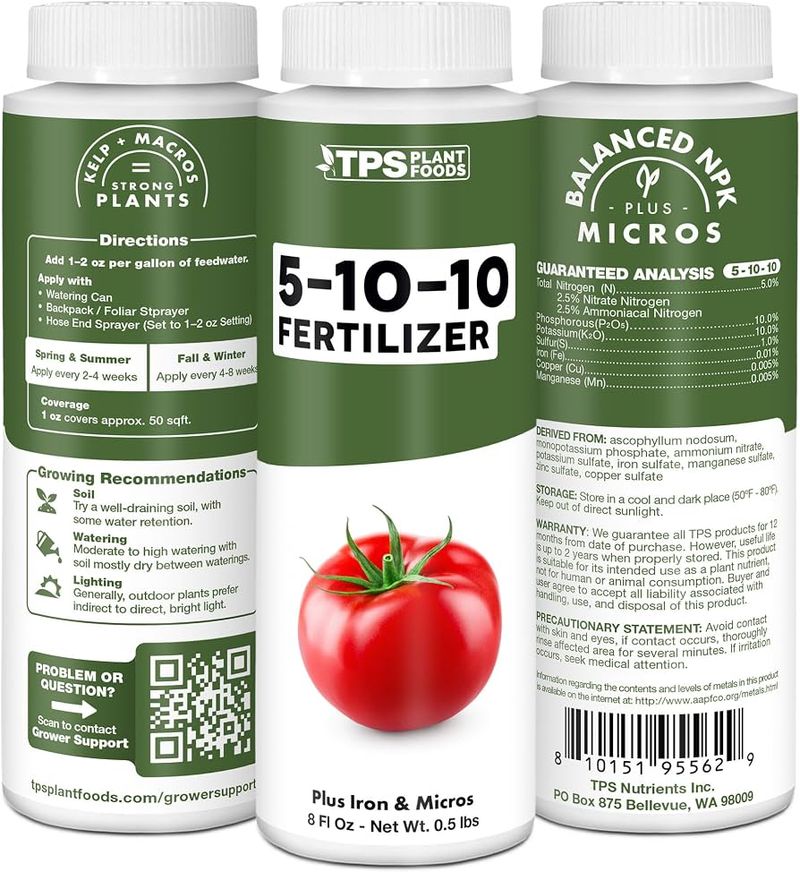
Switch to a fertilizer with a higher middle number, like a 5-10-10, or work in some bone meal around the root zone. Feeding at planting and again once flowers appear gives the fruit the building blocks it needs to bulk up.
4. Too Much Nitrogen Fed the Leaves Instead
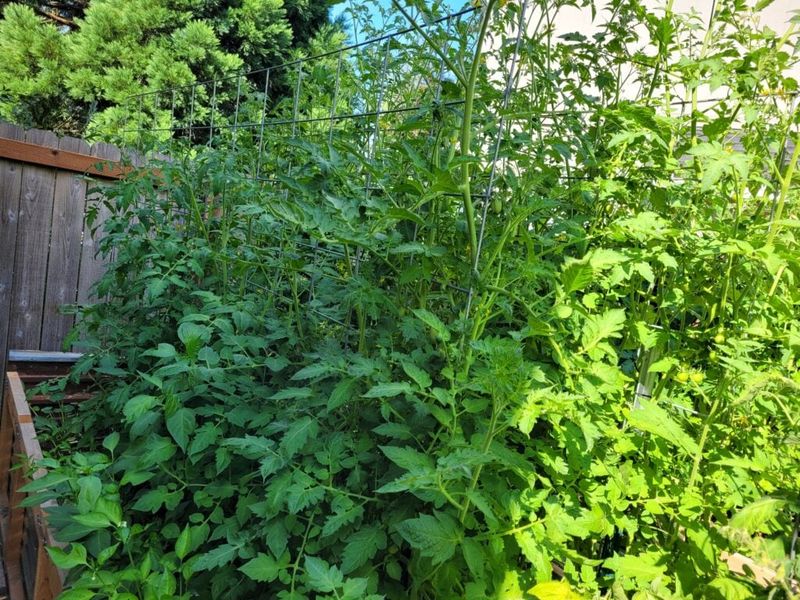
Here is the flip side that trips up eager gardeners: you can love your plants right into tiny fruit. Pile on the high-nitrogen lawn feed and the plant grows lush and green while forgetting to make tomatoes.
A telltale sign is a huge, dark, leafy bush with barely any flowers or fruit for its size. All that vigor went into foliage because nitrogen tells the plant to grow stems and leaves, not set fruit.
Ease off the nitrogen and switch to a balanced or bloom-focused fertilizer. If you overdid it, watering deeply can flush some excess through the soil, and the plant will usually redirect its energy toward fruiting within a couple of weeks.
5. The Roots Were Cramped in a Small Pot
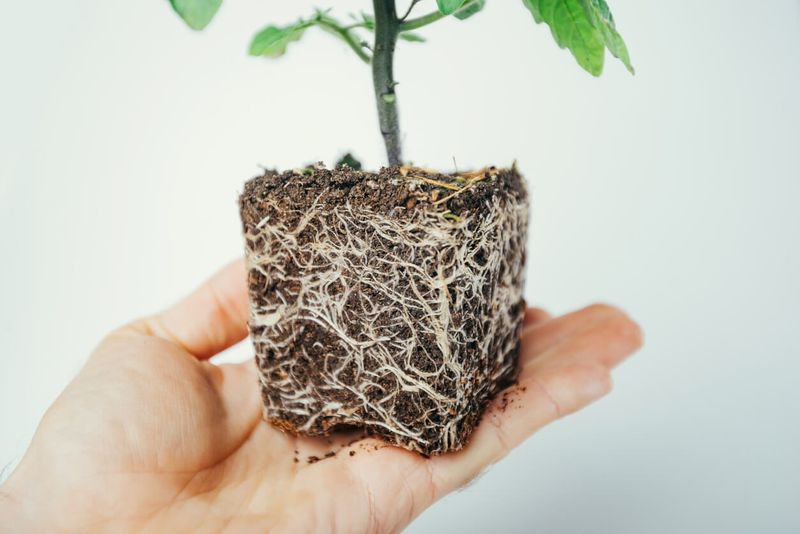
Container growers, this one is for you. A tomato in a tiny pot is like a big dog in a small crate, and cramped roots simply cannot support big fruit.
When roots circle a pot that is too small, the plant dries out fast, wilts by afternoon, and rations its resources into a few undersized tomatoes. Determinate types manage a little better, but even they resent a five-inch nursery pot in July.
Move indeterminate tomatoes into a container that holds at least five gallons, and go bigger if you can. More soil means steadier moisture, more room for roots, and the extra muscle a plant needs to swell its fruit to full size.
6. You Forgot to Prune the Suckers
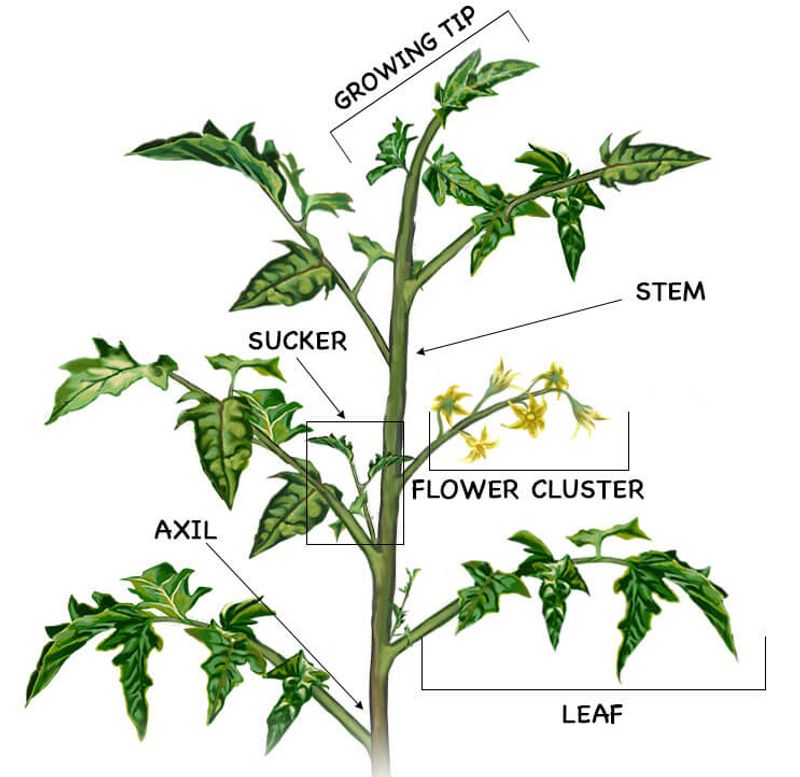
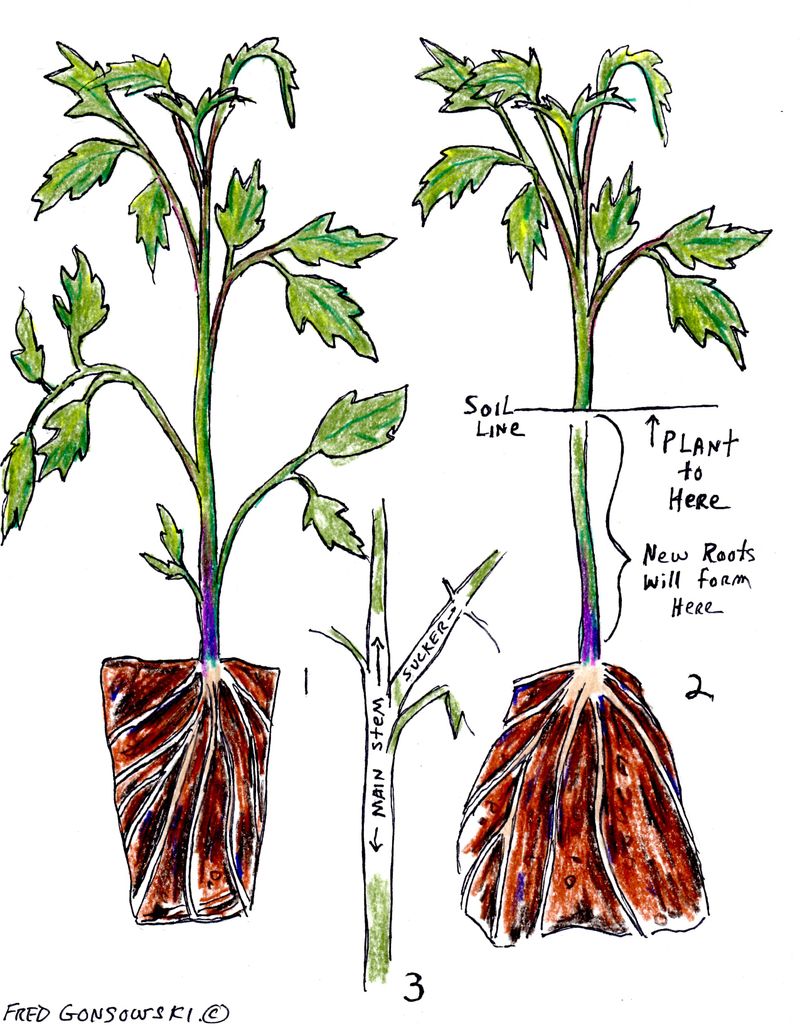
Those little shoots that pop up where a branch meets the main stem have a name: suckers. Left alone on an indeterminate tomato, they turn one plant into a tangled thicket, and the plant divides its energy across dozens of stems.
Spread thin like that, the fruit tends to stay small because no single stem gets enough sugar to fill it out. A crowded interior also traps humidity and invites disease.
Pinch out suckers while they are small, keeping one or two main stems for indeterminate varieties. Determinate tomatoes need little pruning, so know your type first. Concentrating the plant’s energy on fewer stems often rewards you with noticeably larger tomatoes.
7. Watering Was All Over the Place
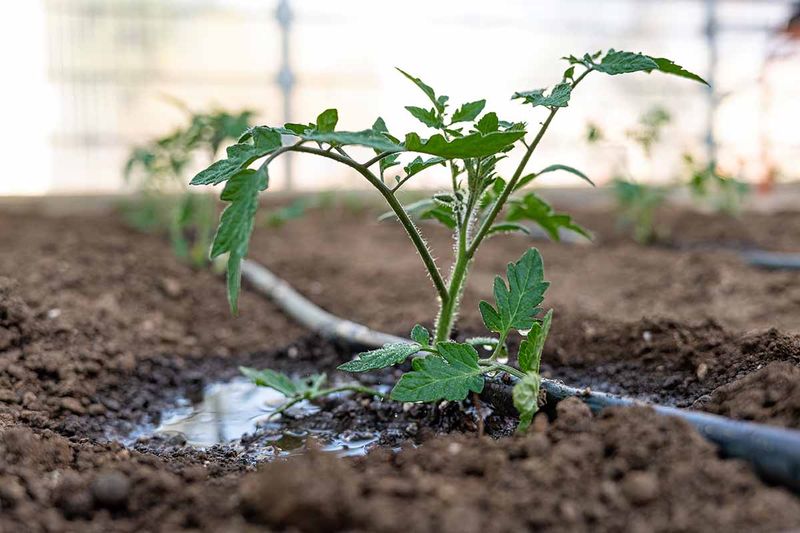
Tomatoes crave a steady drink, not a feast-or-famine schedule. When the soil swings from bone dry to soggy and back, the plant stresses and stalls fruit growth to protect itself.
Uneven moisture also causes cracked skins and blossom end rot, so wildly fluctuating fruit size often travels with other problems. Shallow, frequent sprinkles are usually the culprit, since they never reach the deep roots.
Aim for deep, consistent watering that keeps the soil evenly moist a few inches down, roughly one to two inches a week depending on your weather. A layer of mulch and a simple drip line or soaker hose can steady things out so your fruit sizes up without interruption.
8. Blossoms Dropped Before They Set Fruit
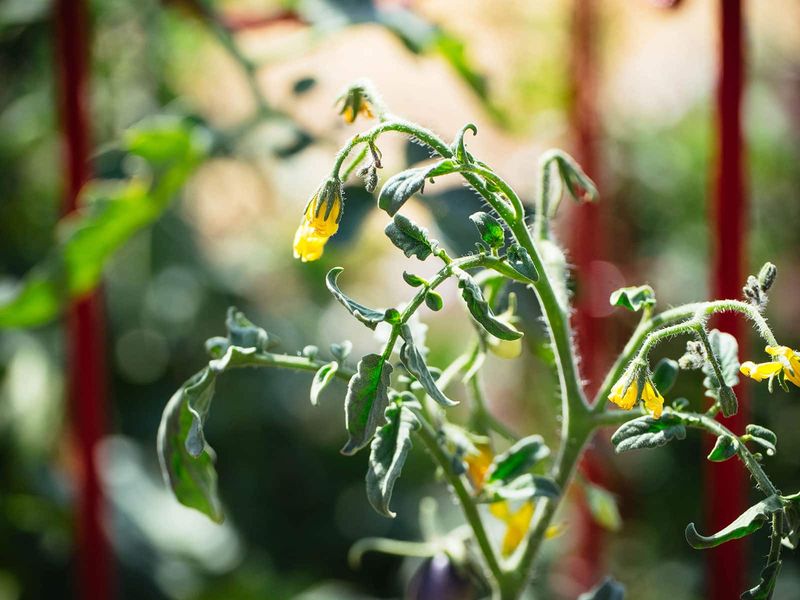
Sometimes the problem starts before a tomato even forms. Flowers open, look promising, then yellow and fall off without setting, leaving you with a plant that flowers plenty but fruits little.
Temperature is the usual troublemaker. Nights above roughly 75 degrees or days over 90 can keep pollen from doing its job, and cold snaps below 55 cause the same drop.
You cannot control the weather, but you can help. Choose heat-tolerant varieties in warm US regions, provide light afternoon shade during a scorching stretch, and give plants a gentle shake or tap on the stakes at midday to jostle the pollen loose. Steady moisture and easy feeding also reduce the stress that triggers dropping.
9. Poor Pollination Left Fruit Undersized
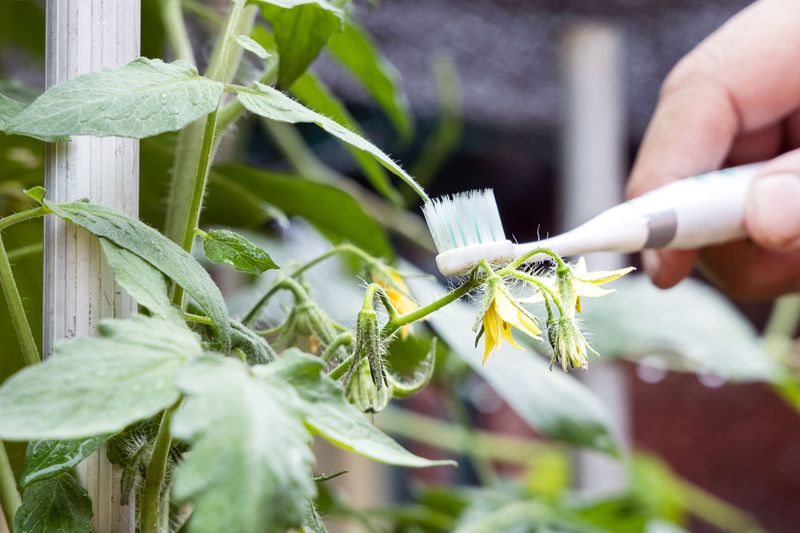
A tomato flower needs a good shake to spill its pollen, and when that job goes undone, you get lopsided or stunted fruit. Greenhouse and patio plants suffer most because wind and bees rarely reach them.
Ever notice tiny, misshapen tomatoes that never fatten up? Incomplete pollination means only part of the flower got fertilized, so only part of the fruit develops.
Invite more pollinators by planting basil, marigolds, and borage nearby, which draw bees to the neighborhood. For sheltered plants, hand-pollinate by tapping the flower clusters with your finger or an electric toothbrush every couple of days when blooms are open. Better pollination means fuller, rounder, larger tomatoes.
10. The Soil Was Hard and Compacted
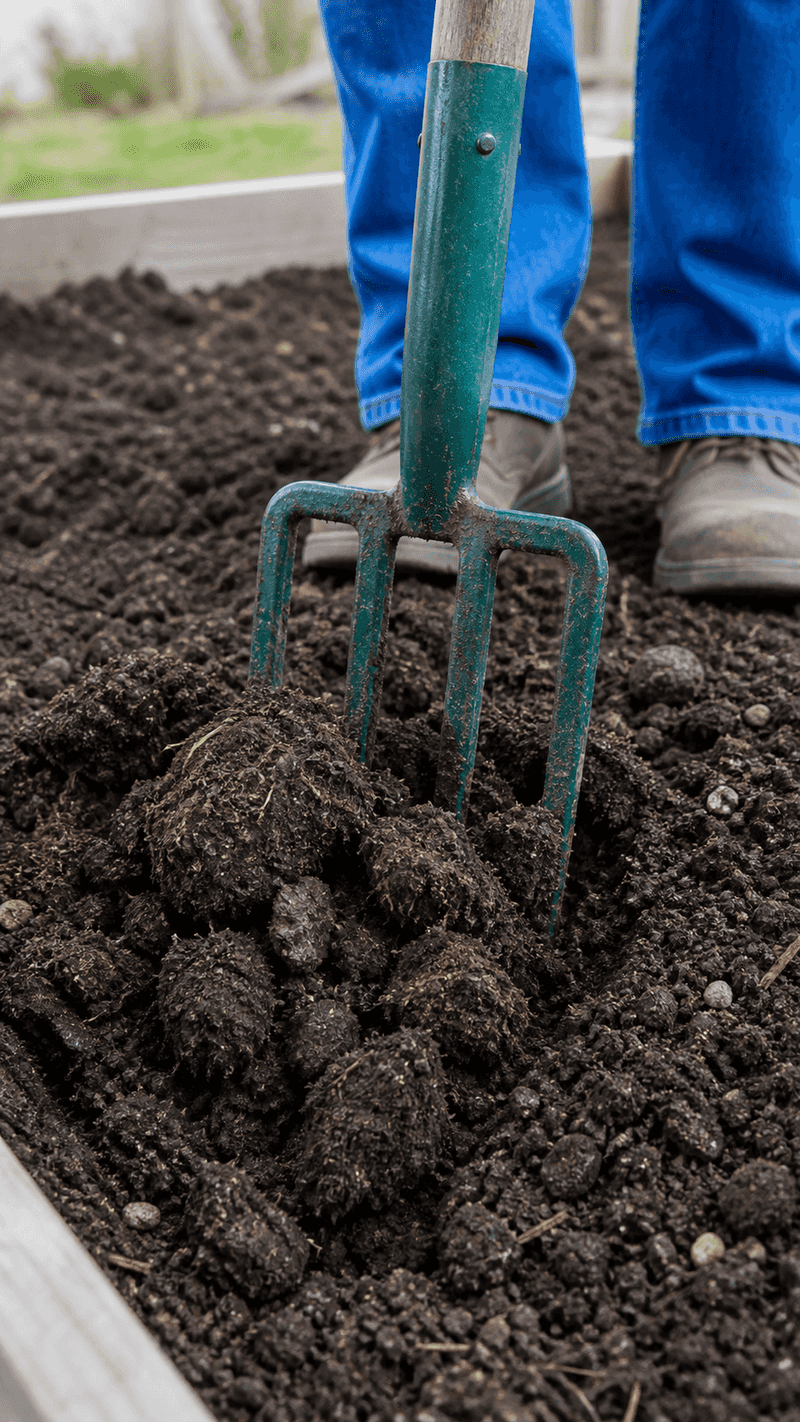
Dig your finger into the bed. If it feels like poking concrete, your roots are fighting for every inch, and choked roots cannot deliver the water and nutrients that big fruit demands.
Compacted soil is common in new builds where topsoil was scraped away, and it also creeps into beds that get walked on or never amended. Water tends to run off the surface instead of soaking in, starving the plant just below.
Loosen things up by working in generous amounts of compost, aged manure, or leaf mold before planting. Mid-season, you can gently fork the surrounding soil without disturbing roots, then mulch to keep it crumbly. Loose, living soil lets roots roam and fruit grow.
11. Overcrowded Plants Fought for Resources
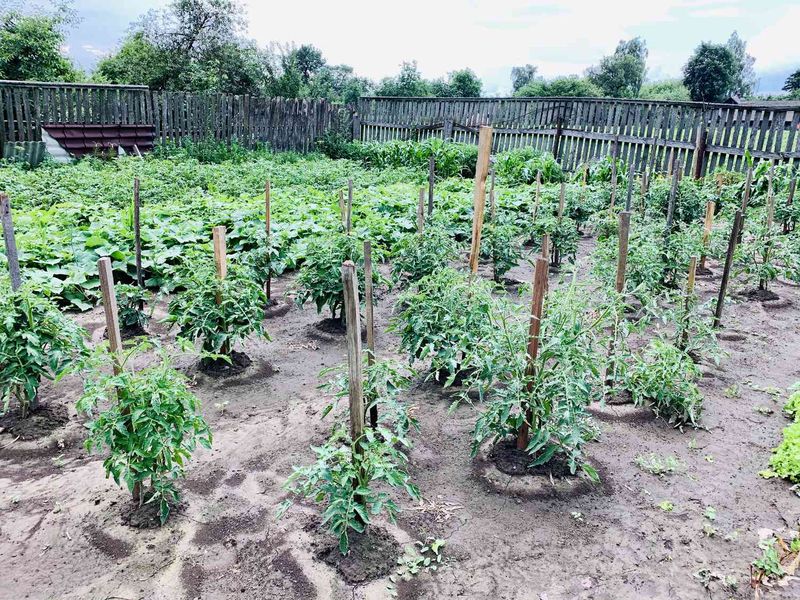
It is tempting to squeeze in one more seedling, but tomatoes planted elbow to elbow become rivals. Roots and leaves compete for the same water, food, and light, and everybody loses.
Crowded rows also stay damp and shady in the middle, which slows growth and invites fungus. When plants are this close, the fruit rarely reaches full size because no single plant gets its fair share.
Give each plant room to breathe, spacing indeterminate types about two to three feet apart. If your bed is already packed, thin out the weakest plants so the strongest ones can bulk up. Fewer, healthier plants almost always beat a crowded jungle for total harvest and fruit size.
12. A Potassium Shortage Stunted the Fruit
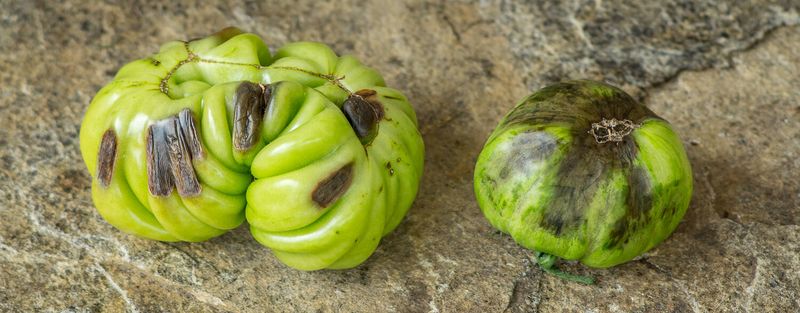
Potassium is the quiet workhorse behind plump, evenly colored tomatoes. When it runs short, fruit stays small and often ripens unevenly with yellow shoulders and blotchy patches.
Older leaves may show yellowing or browning along their edges while the veins stay green, a classic hunger signal. Sandy soils and heavy rain both wash potassium away, so it is a common gap even in otherwise good gardens.
Feed with a tomato fertilizer that carries a strong final number, or scratch in some kelp meal or wood ash in modest amounts. Keeping potassium topped up during fruiting can help the plant size up its tomatoes instead of leaving them stunted.
13. You Left Too Much Fruit on One Stem
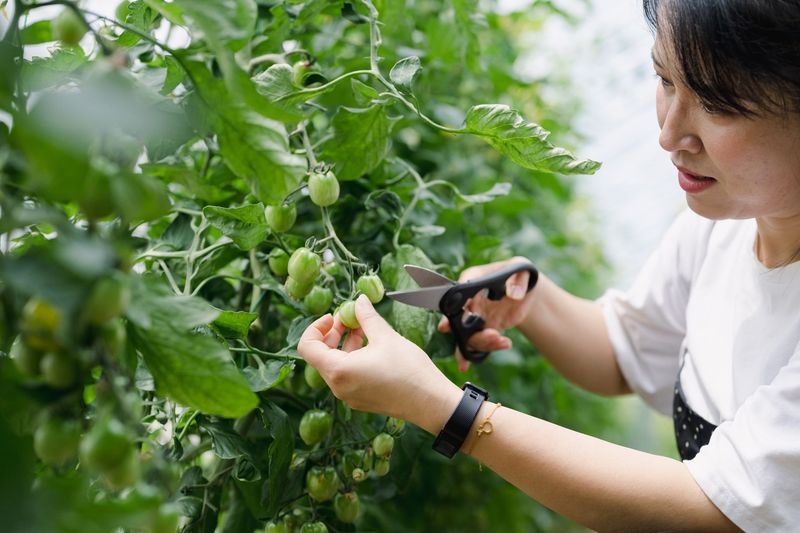
More flowers do not always mean more tomato. When a single plant tries to ripen an enormous cluster all at once, it spreads its sugars so thin that every fruit ends up small.
Growers chasing show-stopping beefsteaks have known this trick for ages. By removing some of the young fruit, the plant funnels its energy into the ones that remain.
Thin each cluster to a few of the healthiest fruits, especially on large-fruited varieties, and clip off any tiny latecomers near the end of the season that will never ripen. The plant repays your restraint with bigger, meatier tomatoes on the fruit you kept.
14. Hidden Pests Were Draining the Plant
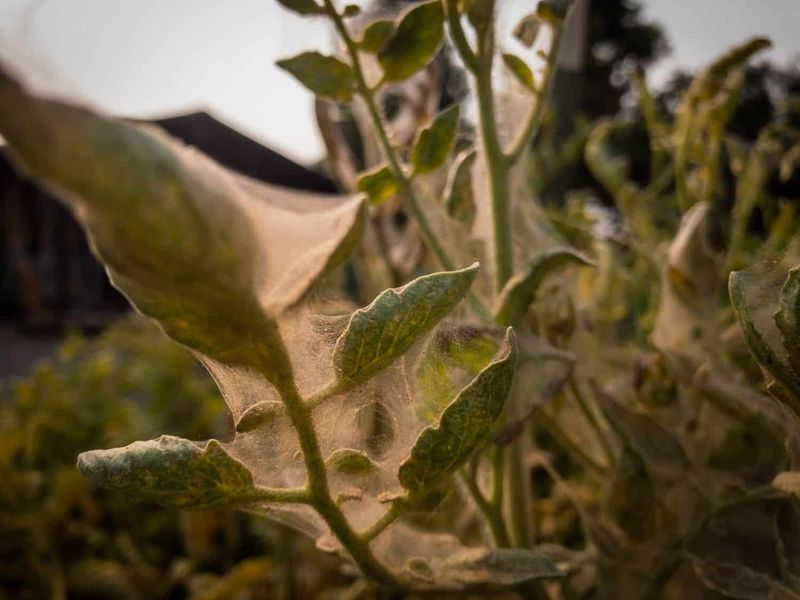
Small fruit sometimes has a culprit you can barely see. Aphids, spider mites, and whiteflies gather on the undersides of leaves and quietly siphon off the sap that should be building tomatoes.
Flip a few leaves and look for sticky residue, fine webbing, or clusters of tiny bugs. A plant under this kind of steady drain looks tired, its leaves speckled or curling, and its fruit never quite fills out.
Blast light infestations off with a strong spray of water, then follow with insecticidal soap or neem oil on the leaf undersides. Planting aromatic companions like basil, chives, and nasturtiums nearby may help deter these pests so your plant can pour its energy back into fruit.
15. Root Damage From Overzealous Weeding
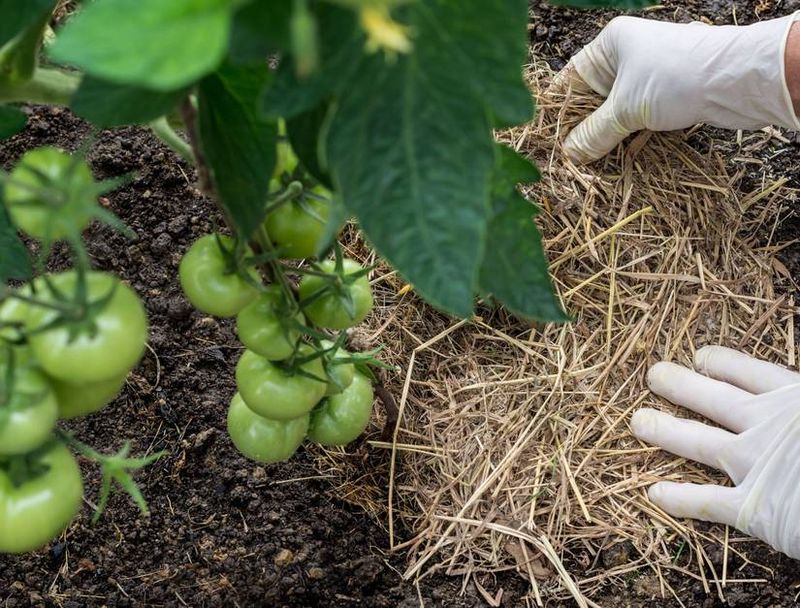
Good intentions can backfire when the hoe comes out. Tomato feeder roots spread wide and shallow just under the surface, and slicing through them while weeding sets the whole plant back.
A plant recovering from root injury often wilts in the heat, stalls its growth, and shrinks the size of whatever fruit it is carrying. You may not connect the dots because the damage happens out of sight.
Weed by hand close to the stem, or smother weeds with a thick mulch of straw or shredded leaves so you rarely need to disturb the soil at all. Protecting those shallow roots keeps the plant’s plumbing intact and its fruit growing.
16. Disease Sapped Its Strength Early
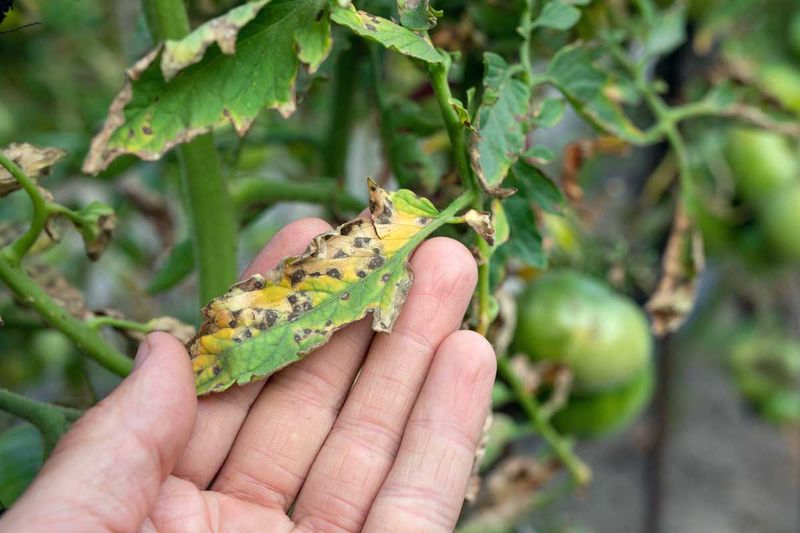
A tomato battling illness has little to spare for fruit. Early blight, septoria leaf spot, and fusarium wilt attack the foliage and vascular system, cutting off the flow of energy that fruit needs to grow.
Read the leaves like a warning label. Yellowing lower foliage, brown bullseye spots, or peppery specks tell you a fungal problem is chipping away at the plant’s ability to feed its tomatoes.
Remove affected leaves promptly, water at the soil line to keep foliage dry, and rotate where you plant tomatoes each year so soilborne diseases do not build up. Choosing disease-resistant varieties marked with letters like V, F, and N gives your plants a head start on staying big and productive.
17. You Harvested at the Wrong Time
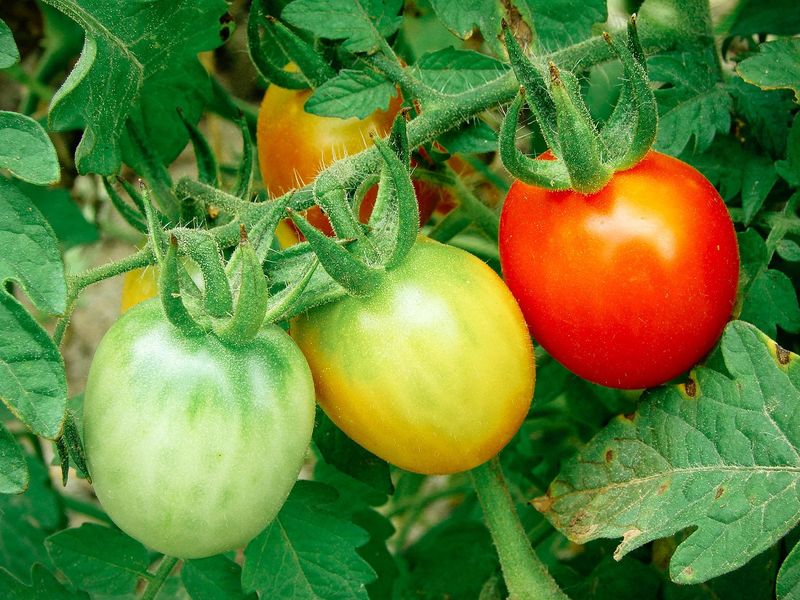
Every so often the fruit was destined to get bigger, and impatience got in the way. Picking too early, when a tomato has only just blushed, means you never let it reach its full weight on the vine.
On the other end, leaving a plant loaded with old, overripe fruit signals it to slow down new growth, and the next round comes in smaller. Timing, it turns out, shapes size more than gardeners expect.
Let each tomato ripen to full color and a slight give when squeezed before you pick, then harvest regularly to keep the plant producing. Toward season’s end, pinch off the growing tips so the plant funnels its remaining energy into fattening the fruit already on the vine.