
17 Single-Ingredient Fertilizers That Make Your Tomatoes Grow Like Never Before
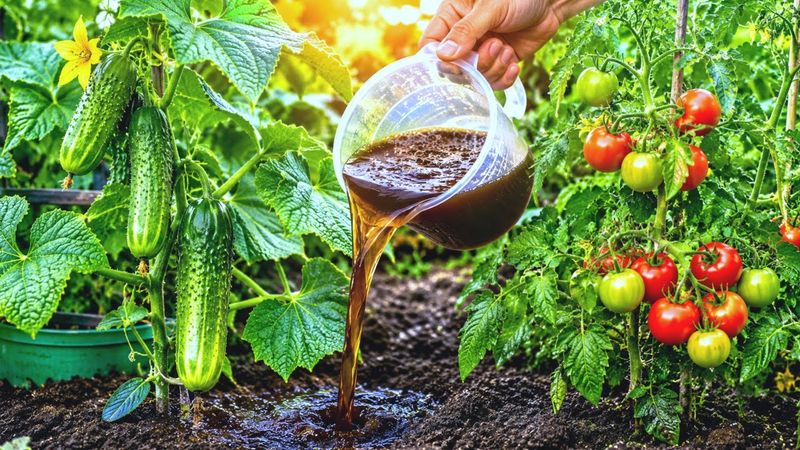
Great tomatoes do not need a shelf full of fancy fertilizers. Sometimes a single kitchen scrap or garden staple does more good than an expensive bottle of blue liquid. In this guide, you will find 17 simple, single-ingredient boosters that give your tomato plants exactly what they crave at different stages of growth. Try a few this season and watch your plants reward you with bigger leaves, stronger stems, and baskets of fruit.
1. Crushed Eggshells
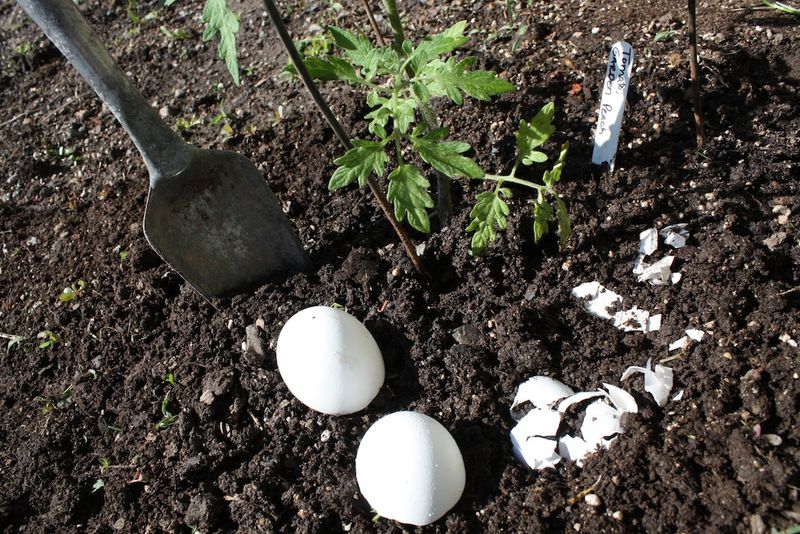
Save the shells from your morning omelet instead of tossing them in the trash. Rinsed, dried, and ground into a coarse powder, they slowly release calcium right where your tomato roots can reach it.
Calcium is the mineral that keeps the dreaded sunken brown patch of blossom end rot from ruining your fruit. Work a small handful of the powder into each planting hole in spring, or sprinkle it around established plants and scratch it into the topsoil.
Because eggshells break down slowly, they feed the soil over weeks rather than all at once. That steady drip of calcium makes them a set-it-and-forget-it favorite for backyard growers who hate blossom end rot.
2. Used Coffee Grounds
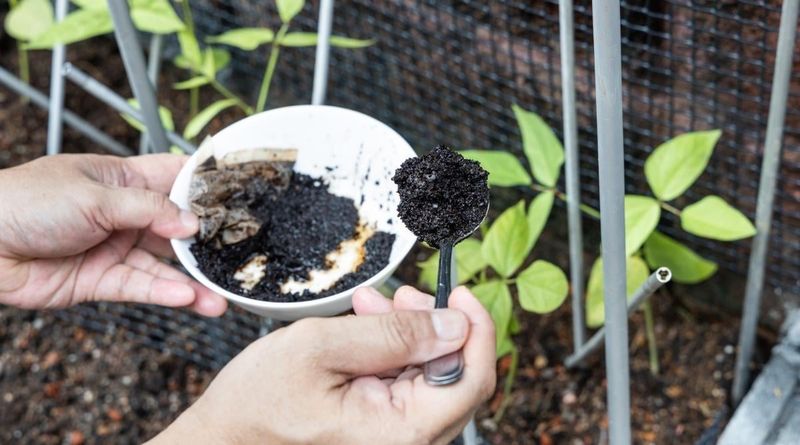
That damp clump left in your filter is quietly loaded with nitrogen, the nutrient tomatoes burn through while pushing out leafy green growth. Rather than sending it to the landfill, spread it thinly around the base of your plants.
A light layer worked into the top inch of soil adds a gentle dose of nitrogen along with a bit of texture that earthworms adore. Keep the layer thin, since a thick wet mat can turn moldy and block water from soaking in.
Fun fact: coffee grounds are close to pH neutral once brewed, so they will not turn your garden dangerously acidic the way many gardeners fear. Compost them first if you want an even safer, slower feed.
3. Epsom Salt
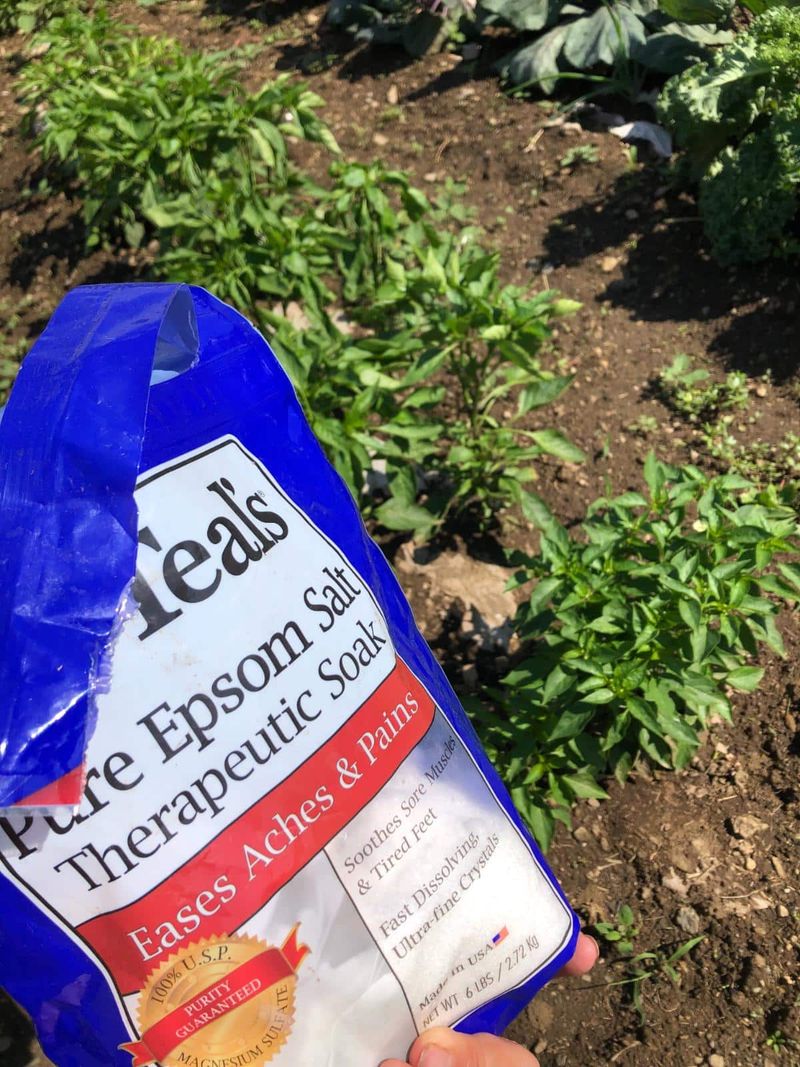
Yellowing leaves with green veins are a classic cry for magnesium, and a spoonful of Epsom salt answers that call fast. It is simply magnesium sulfate, two nutrients tomatoes use to build chlorophyll and take in other minerals.
Dissolve one tablespoon in a gallon of water and pour it around the roots once a month, or mist it directly onto the leaves for a quicker pick-me-up. Many gardeners swear it also improves fruit flavor and greens up tired-looking foliage within days.
Go easy though, because more is not better here. A little magnesium may help fix a deficiency, but dumping too much can throw the rest of your soil chemistry off balance.
4. Banana Peels
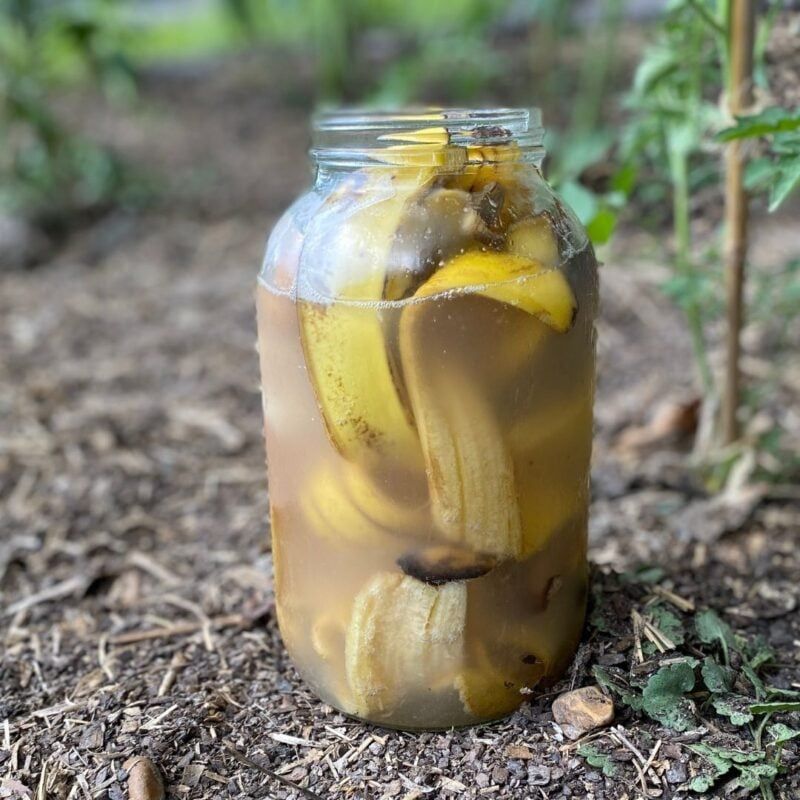
Bananas are famous for potassium, and that same mineral is exactly what tomato plants need to set flowers and swell their fruit. The leftover peels carry a surprising amount of it straight from your kitchen counter.
Chop the peels into small pieces and bury them a few inches deep near the root zone, where they rot down and release potassium plus a little phosphorus. Some folks soak peels in water for a couple of days and pour the resulting tea around their plants instead.
You get the biggest payoff when flowers start appearing, since that is when tomatoes hunger for potassium the most. It is basically free plant food hiding in your fruit bowl.
5. Wood Ash
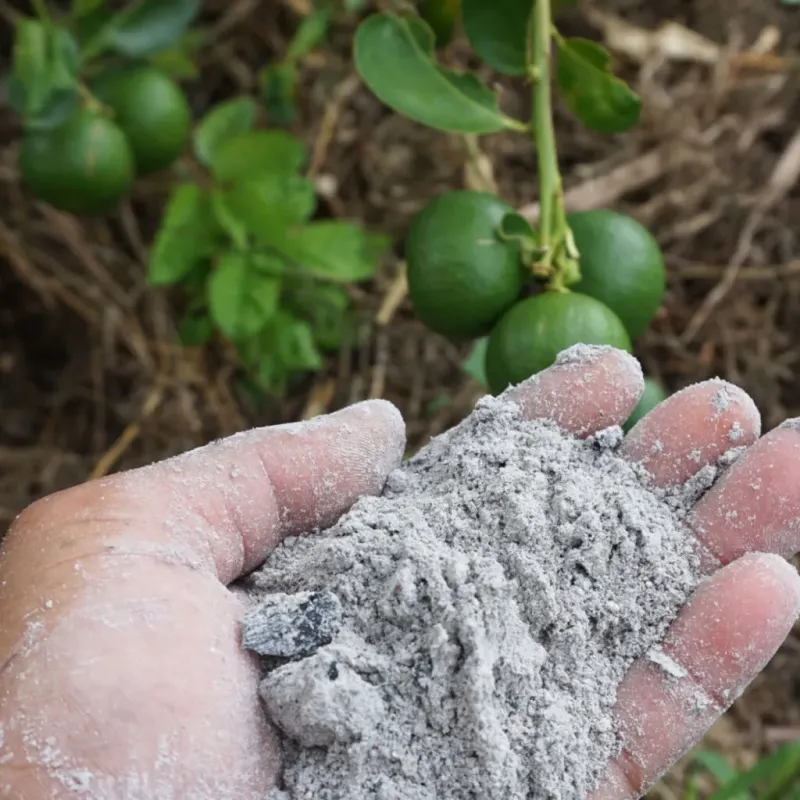
The gray powder left in your fire pit or wood stove is a hidden treasure for the vegetable patch. Wood ash is rich in potassium and also carries calcium and trace minerals that support strong fruiting.
Sprinkle it lightly around plants and rake it in, using no more than a thin dusting per plant a couple of times a season. Because it raises soil pH, it works best in gardens that lean acidic, so a quick soil test saves you from overdoing it.
Only use ash from clean, untreated wood, never from painted boards, charcoal briquettes, or anything with lighter fluid. Handled correctly, it is one of the oldest free fertilizers gardeners have relied on for centuries.
6. Fish Heads
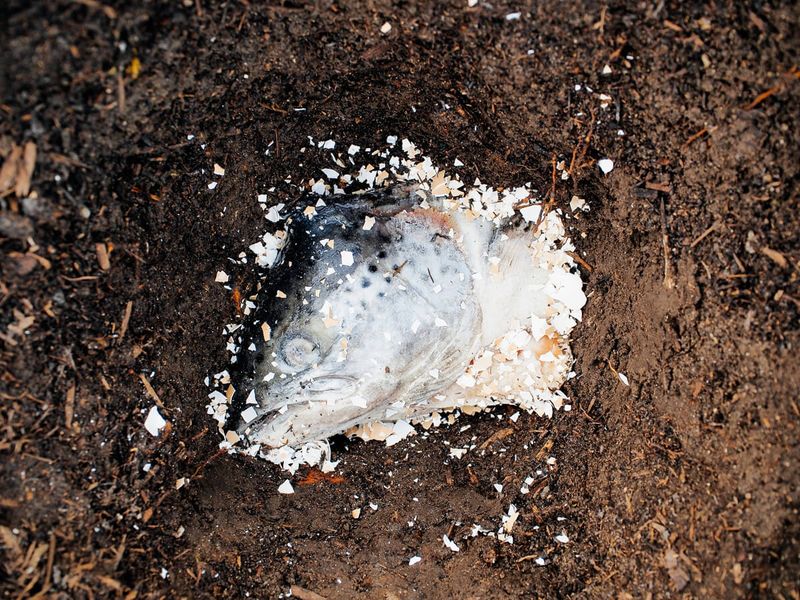
Old-timers along the coast have long dropped a fish head into the planting hole before setting a tomato, and there is real science behind the tradition. As the fish breaks down, it releases nitrogen, phosphorus, and calcium in a slow feast for the roots.
Dig the hole extra deep, drop in a fish head or fish scraps, cover with several inches of soil, then plant your seedling on top so tender roots never touch the decaying matter directly.
Bury it deep enough and cover it well, or curious raccoons and neighborhood cats may come digging. Do it right and that single fish head can quietly fuel a plant for much of the season.
7. Molasses
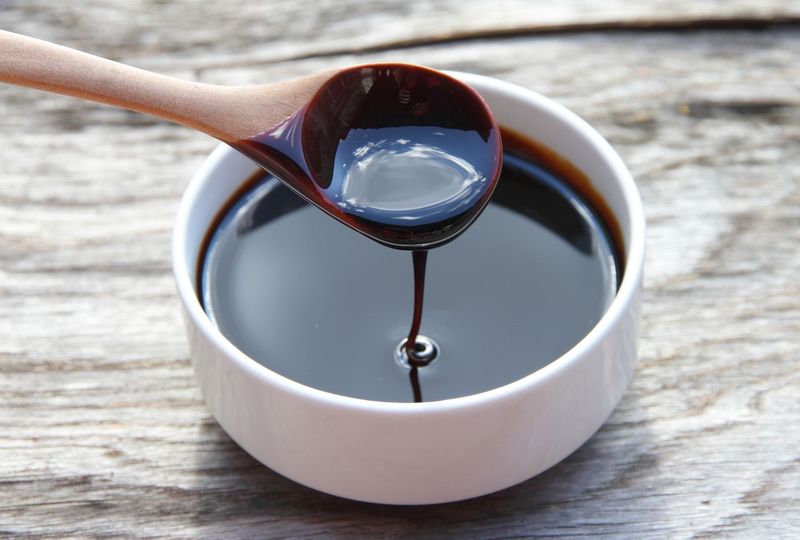
A splash of blackstrap molasses does something clever: it feeds the microbes in your soil rather than the plant directly. Those tiny organisms multiply, break down nutrients, and hand them off to your tomato roots in a form they can gulp down.
Mix one to two tablespoons into a gallon of water and use it as a soil drench every couple of weeks. The natural sugars, iron, and potassium give the whole underground ecosystem a jolt of energy.
Gardeners often pair it with compost tea for an even bigger boost. Sweet, sticky, and cheap, it turns your dirt into a bustling city of helpful bacteria.
8. Aged Cow Manure
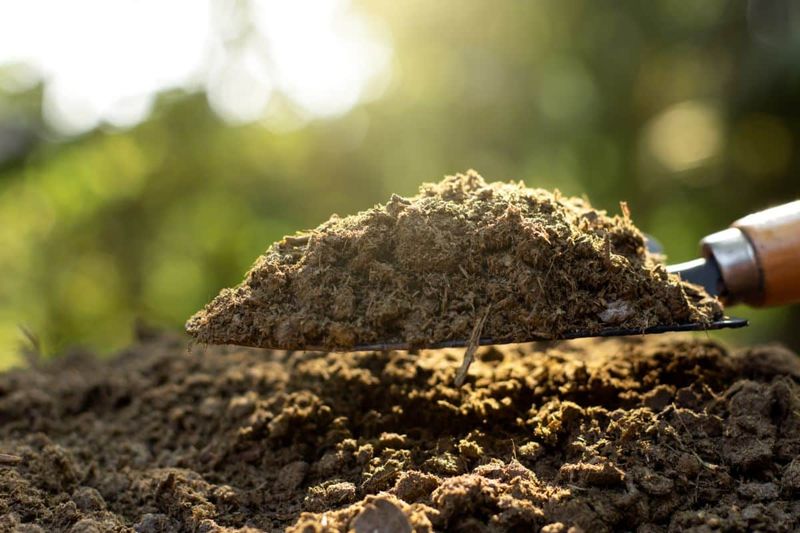
Few things build lush, productive tomato plants like well-rotted cow manure. Once it has aged for several months, the harsh ammonia has mellowed and what remains is a balanced, gentle source of nitrogen and organic matter.
Spread a couple of inches over the bed and mix it into the top layer before planting, or side-dress around plants midseason. The added organic matter also helps sandy soil hold water and loosens heavy clay.
Never use fresh manure straight from the barn, since it can burn roots and carry harmful bacteria. Give it time to compost, and it becomes one of the most reliable feeds in the garden.
9. Bone Meal
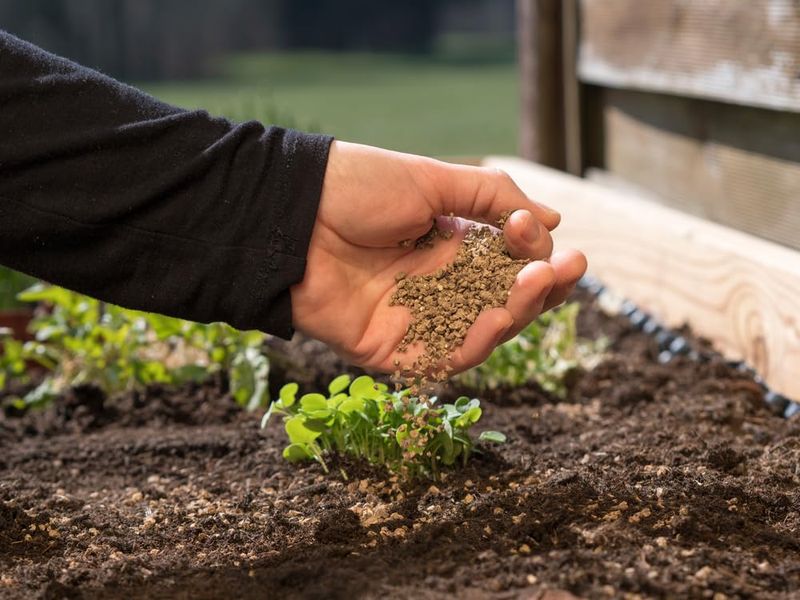
Weak, spindly plants that refuse to flower are often starving for phosphorus, and bone meal is packed with it. Ground from animal bones, this fine powder feeds root development and flower production, which means more tomatoes down the line.
Mix a couple of tablespoons into each planting hole at transplant time so the roots find it as they spread. It releases slowly over months, so a single application at planting often lasts most of the season.
Because it also supplies calcium, it doubles as insurance against blossom end rot. Think of it as the underground engine that powers strong roots and heavy fruit set.
10. Grass Clippings

After you mow the lawn, do not bag those clippings for the curb. Fresh green grass is loaded with nitrogen and makes a fantastic free mulch that feeds tomatoes as it slowly breaks down.
Lay a thin layer around the base of your plants, keeping it a couple of inches away from the stems to avoid rot. As it decomposes, it holds moisture in the soil and releases a steady trickle of nutrients.
Skip clippings from any lawn treated with weed killer, since those chemicals can travel straight into your vegetables. Used wisely, one afternoon of mowing feeds your tomato patch for weeks.
11. Comfrey Leaves
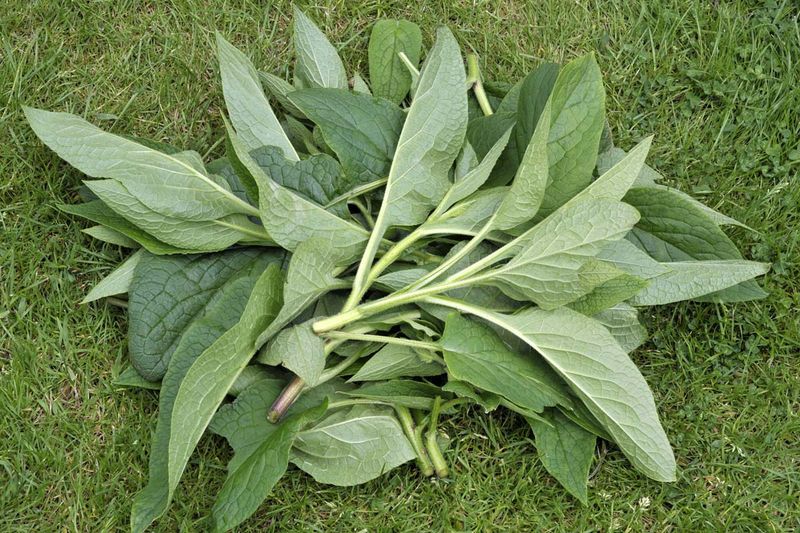
Gardeners call comfrey the dynamic accumulator because its deep taproot mines minerals from far below the surface and stores them in fast-growing leaves. Chop those leaves and you have a homemade fertilizer bursting with potassium.
Layer the leaves as mulch around your tomatoes, or steep a bucketful in water for a few weeks to brew a potent, if smelly, liquid feed. Dilute the finished tea and pour it around plants when flowers and fruit are forming.
Plant a comfrey patch once in a corner of the yard and it comes back stronger each year, giving you cuttings all season. It is the kind of plant that pays you back for a lifetime.
12. Kelp Meal
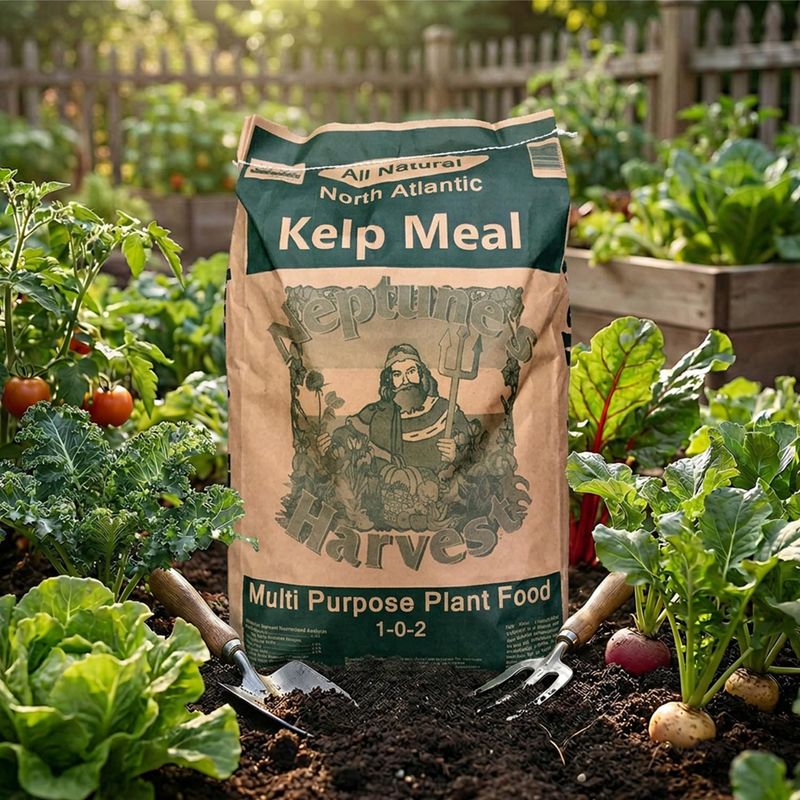
Straight from the ocean, dried seaweed carries a rich mix of trace minerals and natural growth hormones that few land-based fertilizers can match. Kelp meal will not give a big nitrogen jolt, but it strengthens plants from the inside out.
Work a light handful into the soil around each plant, or dissolve the powdered form in water for a foliar spray. Growers report sturdier stems and plants that shrug off heat and transplant shock more easily.
The natural hormones in kelp encourage roots to branch and cells to divide, giving seedlings a real head start. Consider it a multivitamin rather than a heavy meal for your tomatoes.
13. Worm Castings
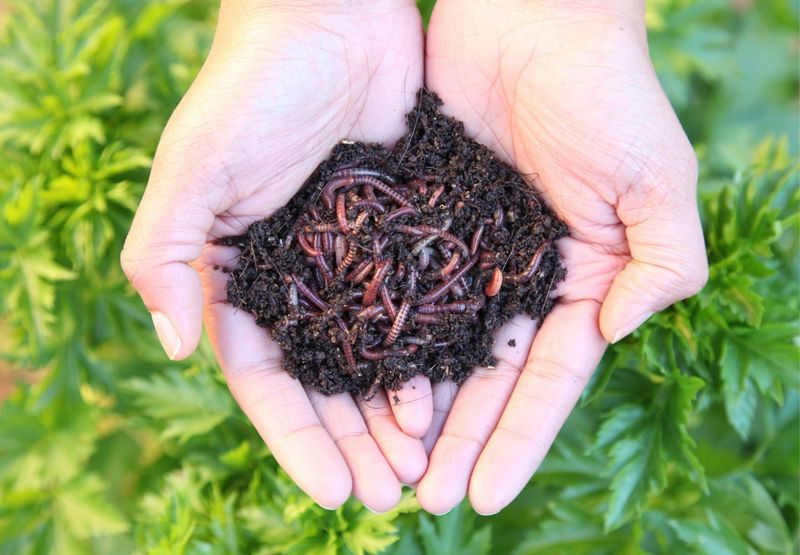
The rich, crumbly waste left behind by earthworms is often called black gold, and one whiff of the earthy smell tells you why. Worm castings deliver nutrients in a gentle, plant-ready form that never burns tender roots.
Mix a handful into each planting hole, or steep some in water to make a mild casting tea for regular feeding. Beyond nutrition, the castings bring beneficial microbes and enzymes that keep soil alive and healthy.
Because they are so mild, you truly cannot overdo them, which makes them ideal for nervous first-time growers. A little goes a long way toward plants that look greener and grow faster.
14. Alfalfa Meal
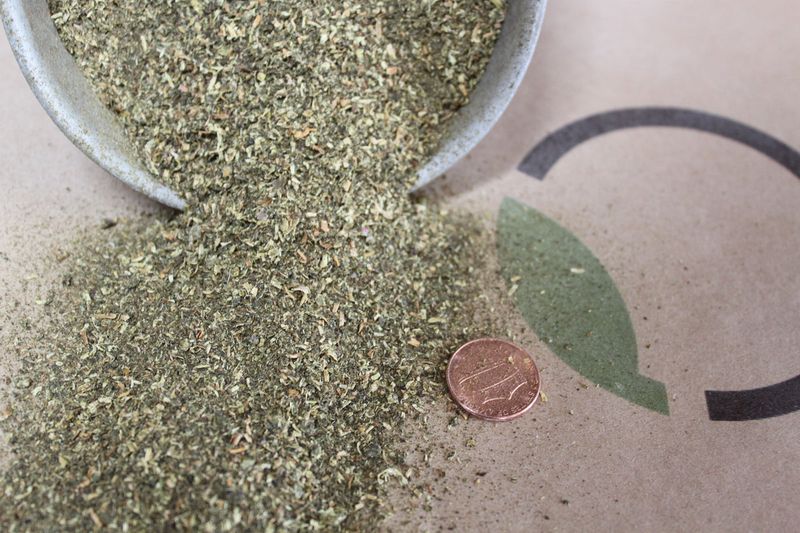
Horse owners know alfalfa as premium hay, but tomato growers prize it for a natural growth stimulant called triacontanol. Ground into meal, this humble plant feeds your tomatoes and wakes up the soil at the same time.
Scratch a couple of tablespoons into the soil around each plant, or brew it into a tea for a quicker response. The triacontanol nudges plants to grow faster and greener, while the meal itself adds a modest dose of nitrogen.
As it breaks down it heats up slightly, feeding soil microbes and improving structure. Many organic gardeners keep a bag on hand purely for the extra vigor it brings.
15. Blood Meal
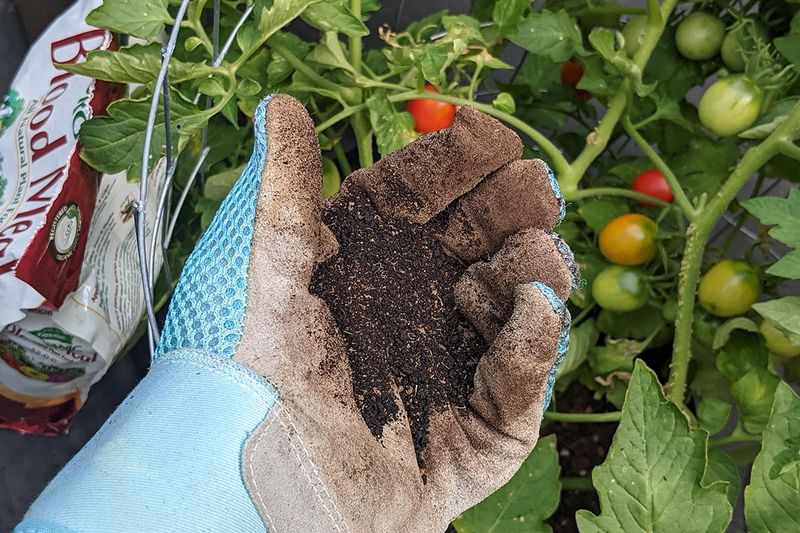
When your tomato leaves look pale and growth has stalled, blood meal delivers one of the fastest nitrogen kicks you can find. Dried and powdered from animal blood, it is one of the most concentrated organic nitrogen sources around.
Sprinkle a small amount around the base and water it in, using a light hand because a little goes a very long way. Too much can burn plants and push out floppy leafy growth at the expense of fruit.
As a bonus, the strong scent may help deter rabbits and deer from nibbling your patch. Use it early in the season when plants are building their leafy frame, then ease off as flowers arrive.
16. Compost
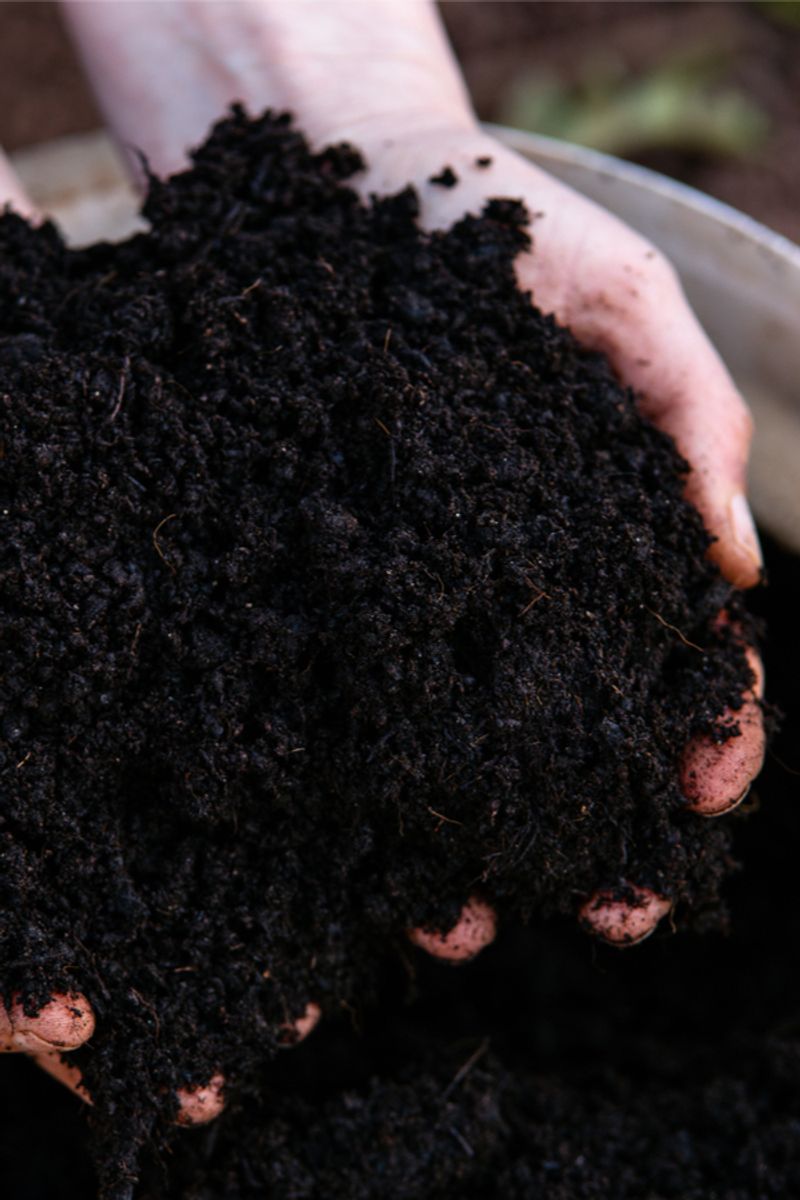
If you only ever use one thing on your tomatoes, let it be finished compost. Made from broken-down kitchen scraps and yard waste, it hands your plants a balanced buffet of nutrients along with billions of helpful microbes.
Spread a two- to three-inch layer over the bed and mix it into the top of the soil before planting, then top it up as a mulch through the season. Beyond feeding, it improves drainage, holds moisture, and builds the kind of loose, dark soil roots love.
The best part is that it costs almost nothing when you make it yourself from things you would otherwise throw away. Rich, forgiving, and endlessly useful, it is the backbone of a healthy tomato patch.
17. Powdered Milk
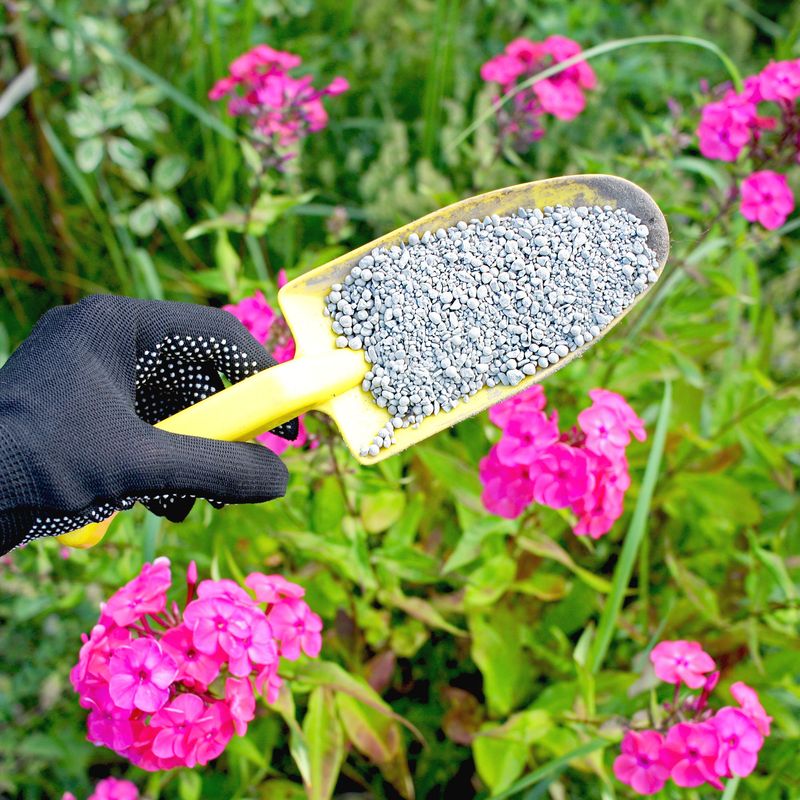
Here is a pantry trick that surprises most gardeners: dry milk powder can strengthen tomatoes thanks to its calcium content. That calcium helps ward off blossom end rot while feeding beneficial soil life.
Sprinkle a light dusting into the planting hole and mix it in, or dissolve it in water for a calcium-rich drench during the growing season. Some growers even use a diluted milk spray on leaves, where it may help discourage certain fungal problems.
Keep amounts modest so the milk breaks down cleanly instead of souring in the soil. It is an unexpected, budget-friendly way to give fruit the calcium it needs to stay smooth and blemish-free.