
10 Perennials That Actually Get More Spectacular Every Single Year You Grow Them
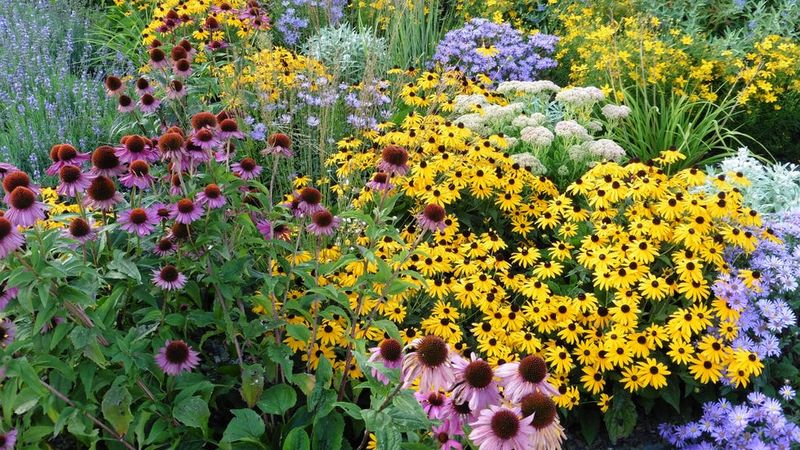
Some plants show off big the first year and then fizzle out, but the smartest picks for your backyard do the opposite. The perennials on this list actually reward patience, growing bigger, fuller, and more jaw-dropping with every season you leave them alone. That means less money spent on new plants and more color returning like clockwork each spring. If you want a garden that quietly upgrades itself while you sip your morning coffee, these ten are the ones worth planting.
1. Peony
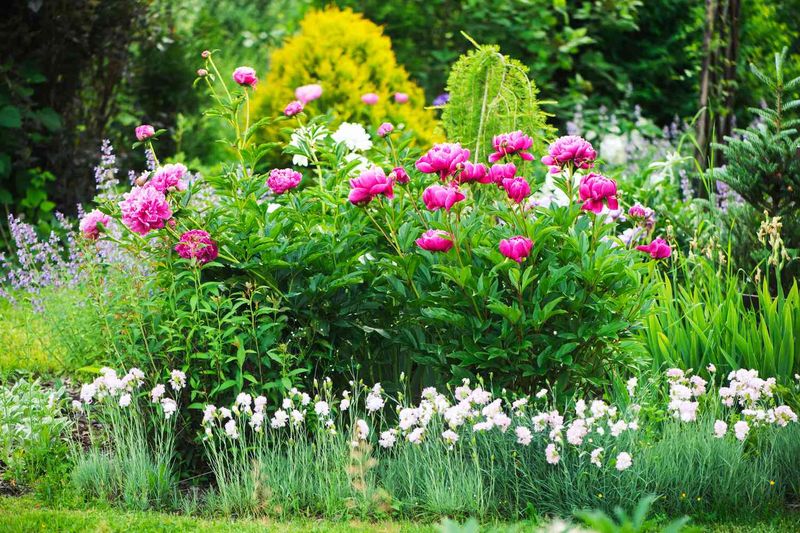
Ask any grandmother in the Midwest about her flower beds, and there is a good chance a peony has been blooming in the same spot for thirty years or more. That kind of loyalty is exactly why gardeners adore them.
A peony you plant this fall might give you only a handful of blooms next spring, and that is normal. By year three, the clump thickens into a shrubby mound covered in fist-sized flowers, and it keeps expanding for decades without needing to be dug up or divided.
They thrive across much of the US, especially in zones 3 through 8 where a proper cold winter triggers those famous spring blooms. Plant the roots shallow, with the pink buds no deeper than two inches, and resist the urge to move them.
Fun bit of history: some peony plants in old American homesteads have outlived the people who planted them, still blooming a century later. Give one a permanent home and you may be starting a family heirloom.
2. Hosta
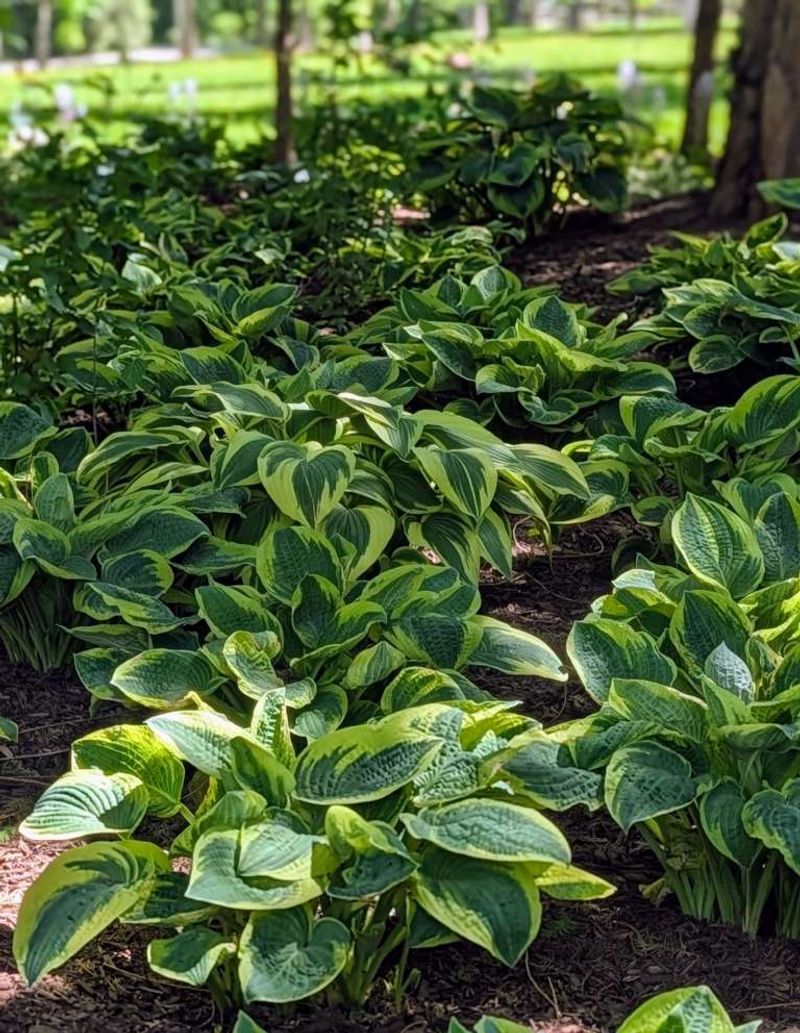
Shady corners where nothing else wants to grow are where hostas absolutely shine, and they get lusher every single year without complaint.
Start with one modest little plant tucked under a tree, and within a few seasons it swells into a broad, leafy mound that can span three feet across. The clumps get so generous that gardeners often split one plant into five and fill an entire border for free.
Their strength is foliage rather than flowers, and the leaf variety is wild: blue-green ripples, crisp white edges, chartreuse hearts the size of dinner plates. In cooler US zones 3 through 8, a well-placed hosta can outlast the fence behind it.
One heads-up for backyard growers: deer and slugs think hostas are a buffet. A ring of crushed eggshells or a sprinkle of coffee grounds around the base may help keep slugs from turning your leaves into lace.
3. Daylily
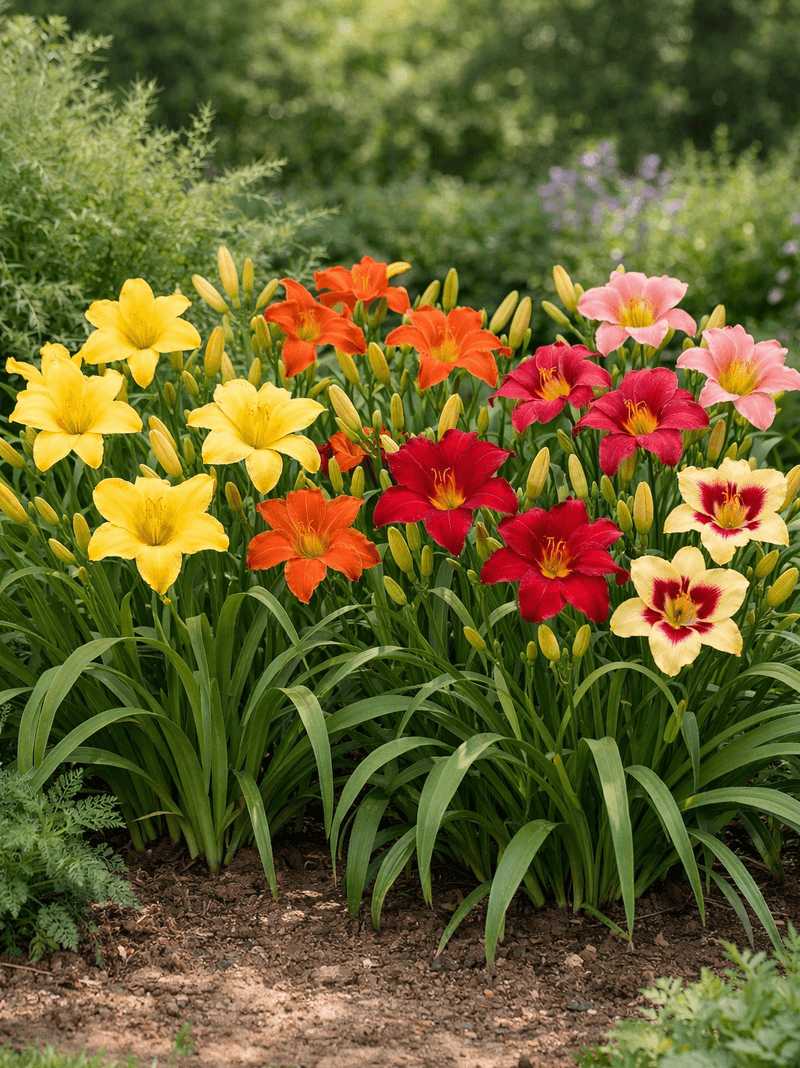
Tough as an old work boot and twice as reliable, the daylily practically dares you to neglect it.
Each individual bloom lasts just one day, which sounds sad until you realize a single mature clump pumps out hundreds of them across the summer. The fans of grassy foliage multiply underground, so a lonely first-year plant becomes a dense colony bursting with flower stalks by year three.
Gardeners from Florida to Maine grow them because they shrug off heat, drought, and clay soil that would kill fussier plants. The variety called Stella de Oro reblooms so persistently that many folks plant it along driveways and mailboxes for months of gold.
Here is a surprising kitchen fact: daylily buds are edible and taste a bit like sweet green beans, which is why some cultures have farmed them for food, not just looks.
Divide the clumps every few years and you will have plenty to share over the fence.
4. Hydrangea
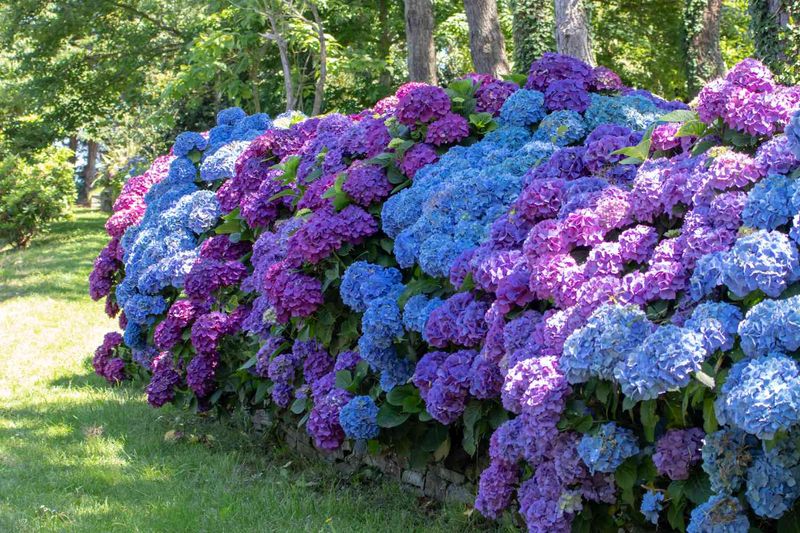
Few plants make a bigger visual leap over time than a hydrangea settling into its forever spot.
The first summer it may look like a shy stick with a couple of blooms, but give it two or three years and it becomes a rounded cloud of flower heads so heavy the branches bow. Older, established shrubs produce dramatically larger and more numerous blooms than young ones, a payoff that genuinely rewards the wait.
A neat trick with the bigleaf types: soil chemistry changes the flower color. Acidic soil tends to push blooms blue, while sweeter, more alkaline soil leans them pink, so your same plant can shift shades depending on what you feed the ground.
Panicle hydrangeas handle colder US zones and full sun better than the classic mophead kinds, making them a safer bet for northern backyards. Prune at the right time for your type, water deeply during dry spells, and let the shrub do its slow, spectacular thing.
5. Russian Sage
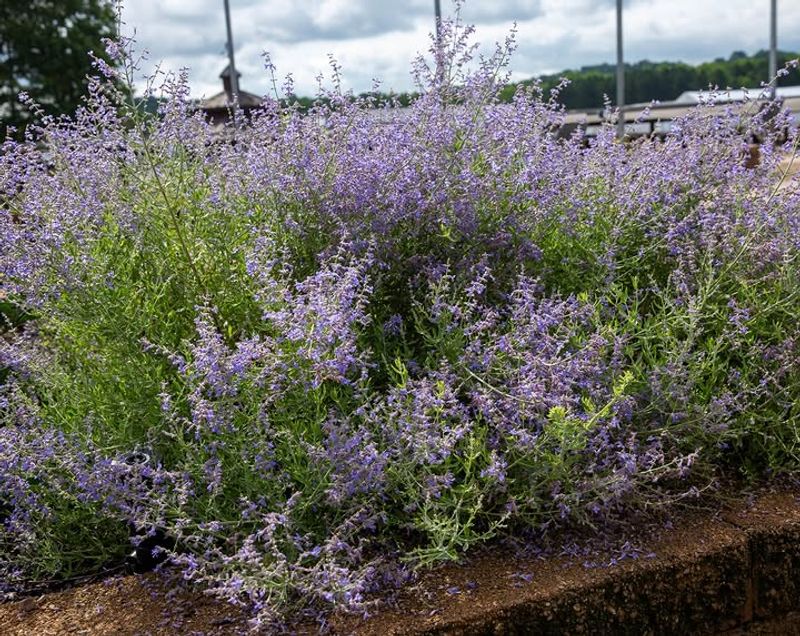
Picture a hazy purple-blue mist floating above your garden in the heat of August, and you have Russian sage doing what it does best when other plants are gasping.
Young plants look a little wispy, but each year the woody base sends up more and taller silvery stems, building into an airy, shrub-like cloud that can reach four feet across. By its third summer it becomes a showstopper right when the rest of the yard looks tired.
The silvery, aromatic leaves carry a sage-like scent that pollinators love and browsing deer tend to avoid, which makes it a smart pick for backyards where deer are a constant headache.
It drinks very little water once established and actually prefers lean, gritty soil, so it fits sunny US zones 4 through 9 beautifully. Cut it back hard in early spring, then step back and let it balloon into that dreamy purple haze all over again.
6. Coneflower (Echinacea)
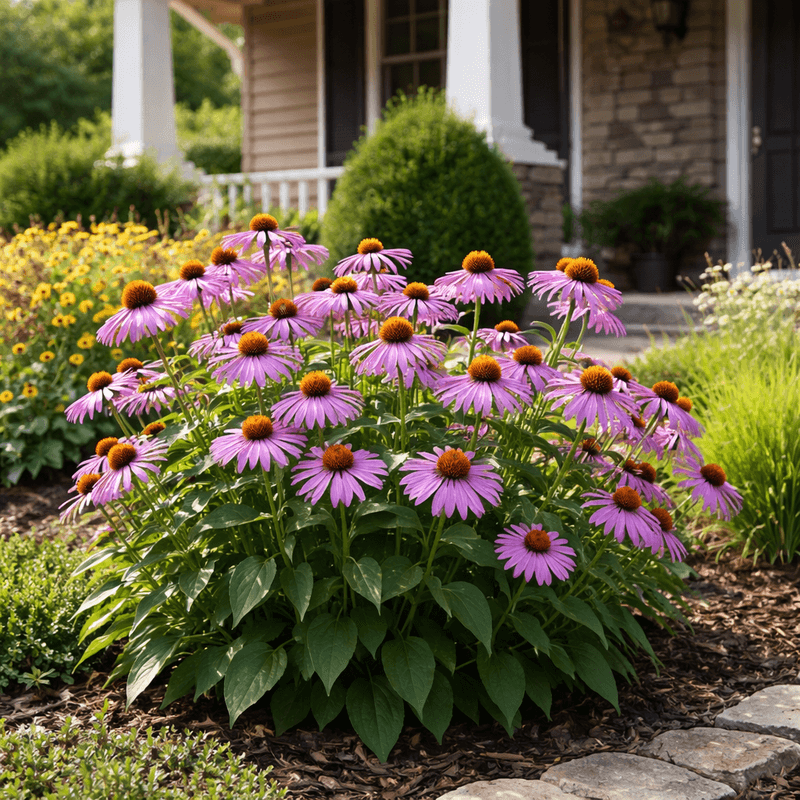
Native to the American prairie, the purple coneflower has toughness written into its DNA, and it puts on more of a show the longer it stays put.
A first-year seedling may offer a single bloom or two, but the plant develops a deep taproot and beefier crown that pushes out dozens of daisy-like flowers by year two or three. It also self-sows gently, so a few plants slowly become a naturalized patch of pink-purple color.
Goldfinches flock to the spiky seed heads in fall, and if you leave those heads standing through winter, they feed birds and add sculptural interest to a snowy backyard.
Coneflowers handle heat, drought, and poor soil across US zones 3 through 9 without fuss. Skip the fertilizer, give them full sun, and they will keep multiplying into one of the most dependable pollinator magnets you can grow.
7. Bearded Iris
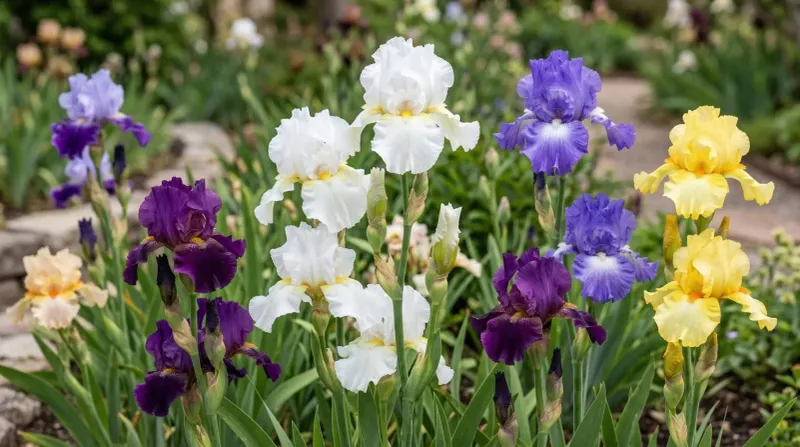
There is a reason painters like Van Gogh could not stop capturing irises, and the bearded iris brings that same ruffled drama to ordinary backyards.
The magic happens underground in fat rhizomes that multiply steadily each season. One rhizome planted this year becomes a fan of several within a couple of summers, and that means more of those towering, silky blooms every spring.
They come in a color range almost no other perennial can match, from inky purple-black to peach, bronze, and pure white. Plant the rhizomes so their tops peek slightly above the soil, because burying them too deep is the number one reason they refuse to flower.
Bearded iris thrive in sunny, well-drained spots across US zones 3 through 9. Every three or four years the clumps get so crowded that dividing them actually boosts blooming, giving you free plants and a better show at the same time.
8. Sedum (Stonecrop)
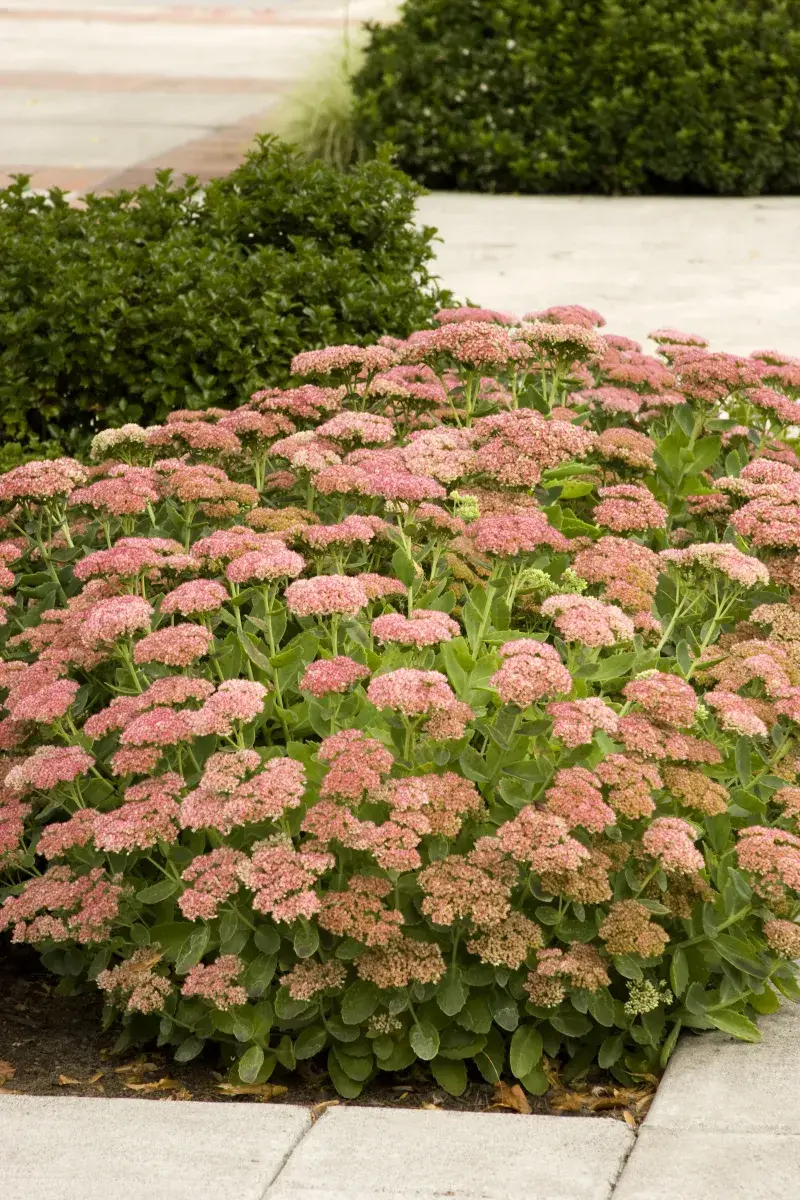
Meet the perennial that treats a heatwave like a spa day. Sedum, especially the upright Autumn Joy type, is a succulent that stores water in its plump leaves and just keeps growing sturdier year after year.
A young plant forms a tidy little mound, but as the crown matures it fills out into a bigger, self-supporting clump topped with broccoli-like flower heads that open dusty pink and deepen to rich rust in fall. Butterflies pile onto those late blooms when little else is flowering.
It asks for almost nothing: full sun, well-drained soil, and no coddling across US zones 3 through 9. Overwatering or rich soil actually makes it flop, so lean neglect works in your favor.
Leave the dried seed heads standing over winter for a bit of frosty structure, then snip them off in spring as the fresh rosettes emerge bigger than the year before.
9. Lavender
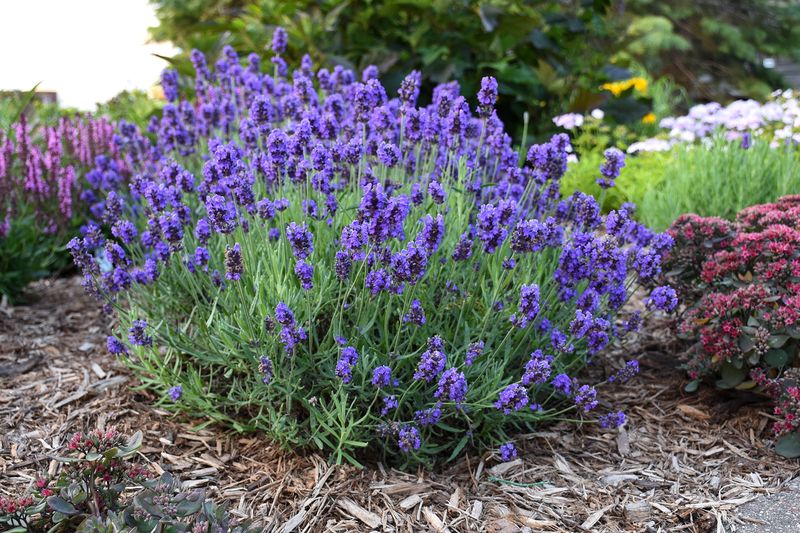
Brush past an established lavender plant on a warm evening and the whole yard suddenly smells like a French countryside vacation.
The first year, a small lavender looks like a modest gray-green tuft. Give it a couple of seasons in the right spot and the woody base broadens into a fragrant mound smothered in purple spikes, drawing bees while quietly telling deer and rabbits to keep walking.
Drainage is the whole ballgame here. Lavender hates wet feet, so gritty, even sandy soil and full sun keep it happy for years, particularly the hardy English types suited to US zones 5 through 9.
A light shearing right after it blooms keeps the plant from turning woody and leggy, encouraging that dense, rounded shape that gets more impressive annually.
Snip a few stems to dry indoors and you get a bonus: bundles that keep your closet smelling wonderful long after summer ends.
10. Hardy Hibiscus
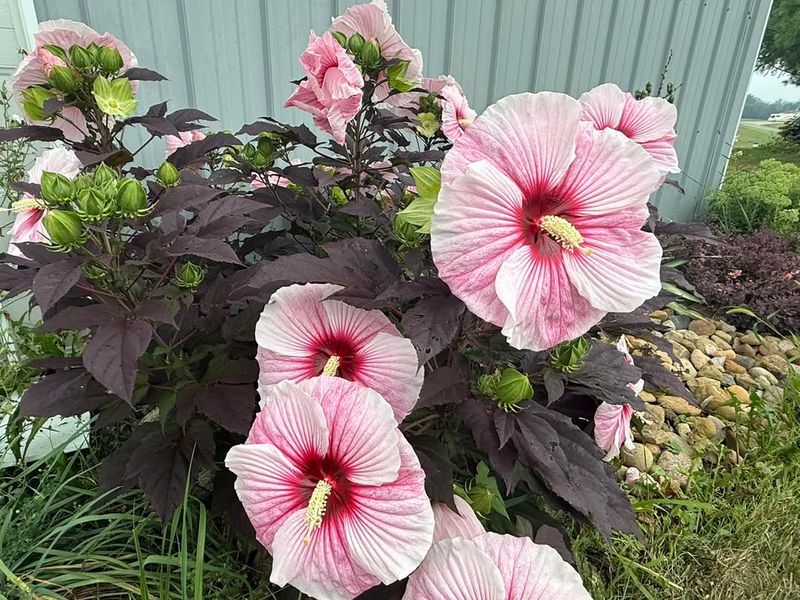
Nothing quite prepares first-time growers for hibiscus blooms the size of dinner plates showing up on a plant that vanishes completely every winter.
Hardy hibiscus dies back to the ground in cold weather, then explodes out of nowhere in late spring. Each year the root crown grows stronger and sends up more stems, so a modest first-year plant becomes a five-foot bush dripping with saucer-sized red, pink, or white flowers by its third summer.
Because it emerges so late, plenty of gardeners panic and assume it died, so mark its spot in fall to save yourself a spring heartbreak. Once it wakes up, it grows fast enough to watch.
It loves moist soil and full sun across US zones 4 through 9, making it a rare tropical-looking flower that survives real northern winters. Feed it, water it during dry spells, and you get a jaw-dropping display that friends will swear you bought at a greenhouse.