
17 Tips For Stronger, More Fragrant Lavender Whether It’s In The Ground Or A Pot
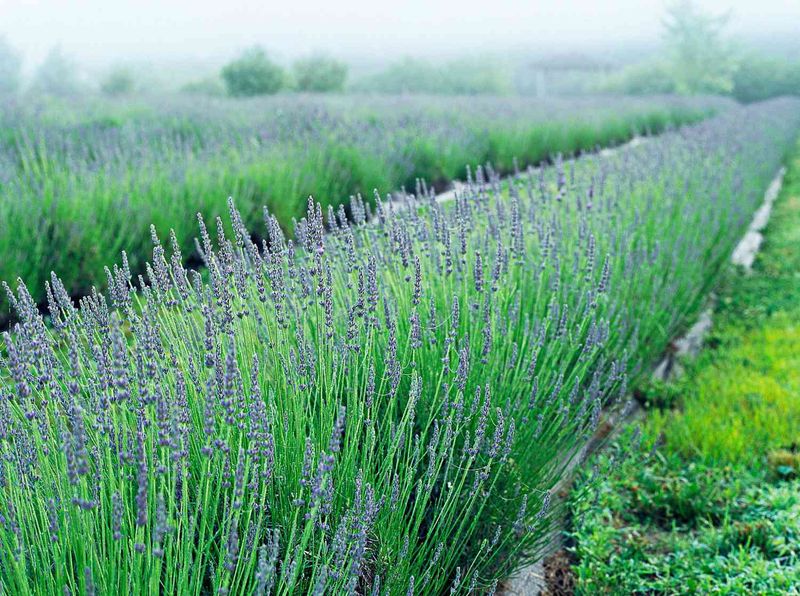
Lavender is one of those plants that rewards a little know-how with big payoffs in scent, color, and blooms. Whether you tuck it into a garden bed or grow it in a pot on your patio, small choices about soil, sun, and pruning make a huge difference. The good news is that lavender actually likes being treated a bit tough, so you do not have to fuss over it constantly. Here are 17 practical tips to help your lavender grow stronger and smell amazing, no matter where you plant it.
1. Pick the Right Variety for Your Zone
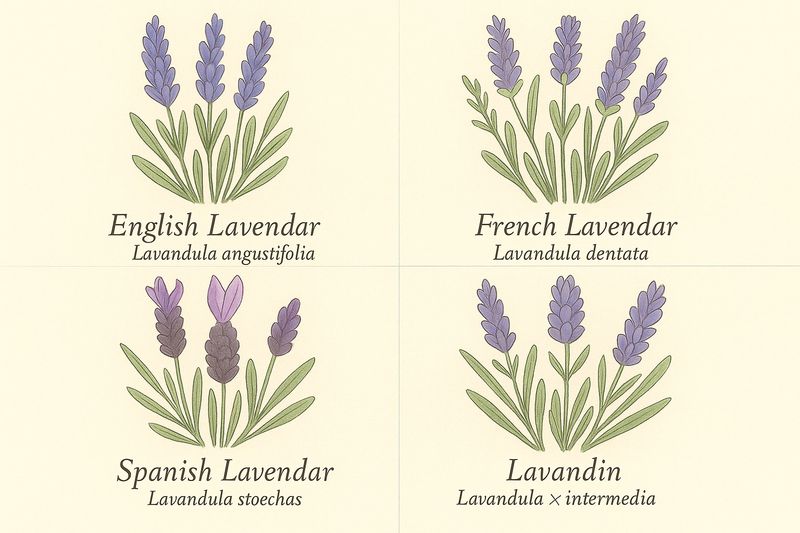
Not every lavender survives the same backyard, and choosing wisely up front saves you a lot of heartache later. English lavender (Lavandula angustifolia) shrugs off cold winters down to about zone 5, making it the safe bet for gardeners in the northern half of the country.
If you live somewhere hot and humid, like the Southeast, Spanish or French lavenders tend to handle the muggy air better. For containers that you can drag indoors, tender types such as ‘Goodwin Creek’ are worth a look.
Match the plant to your climate first, and every other tip on this list gets easier.
2. Give It All-Day Sun
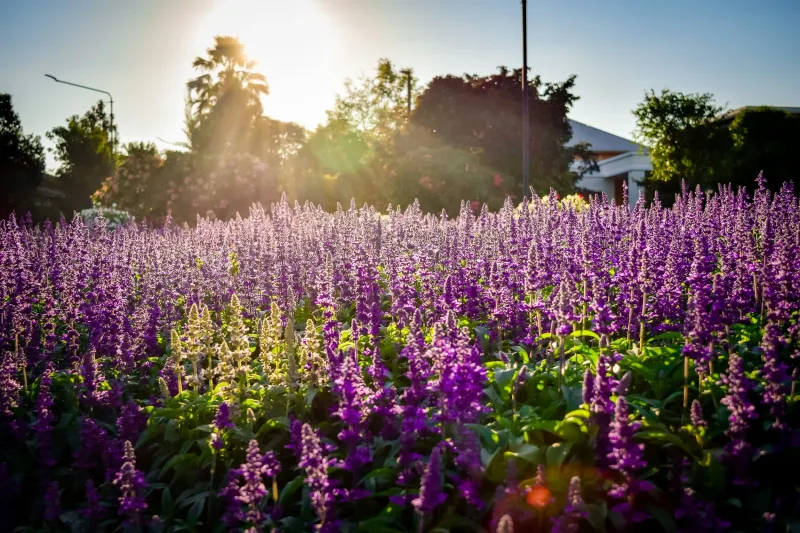
Skimp on sunlight and your lavender will stretch, flop, and produce weak, thin flowers with barely any perfume. These Mediterranean natives crave a minimum of six to eight hours of direct sun every day, and honestly more is better.
A south-facing bed or a sunny patio corner is ideal. In pots, that mobility works in your favor, so slide the container toward the brightest spot as the seasons shift.
Shade might feel kind on a hot day, but for lavender it means fewer blooms and a much fainter scent.
3. Nail the Drainage Before Anything Else
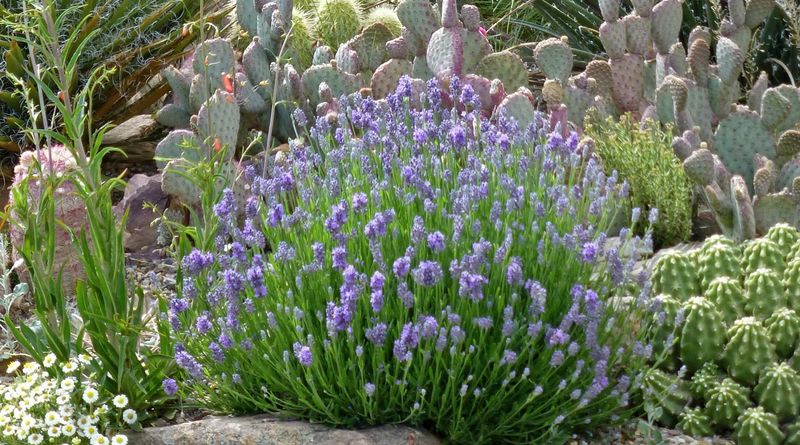
Wet feet are the fastest way to kill a lavender plant, full stop. Roots sitting in soggy soil rot quickly, so drainage matters more than almost any fertilizer or feeding schedule you could dream up.
In garden beds, work in coarse sand or fine gravel and consider planting on a slight mound. For containers, always choose a pot with generous drainage holes and never let a saucer stay full of water.
Get the water moving away from those roots, and you have won half the battle.
4. Keep the Soil on the Lean Side
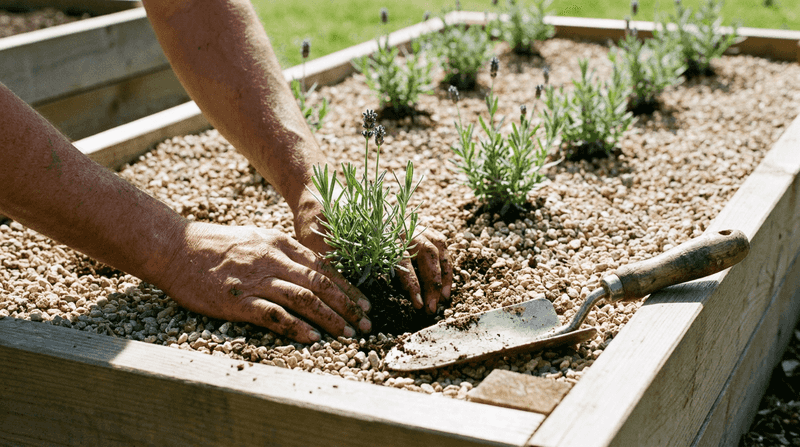
Rich, black, compost-heavy soil sounds like a gift, but lavender actually resents it. Overly fertile ground pushes lots of soft green growth at the expense of the flowers and the oils that carry that famous fragrance.
Aim for gritty, slightly poor soil that mimics a rocky Mediterranean hillside. A blend of regular potting mix cut with sand or perlite works beautifully in pots.
Think of lavender as a plant that performs best when it has to work a little for its living.
5. Sweeten Acidic Soil With Lime
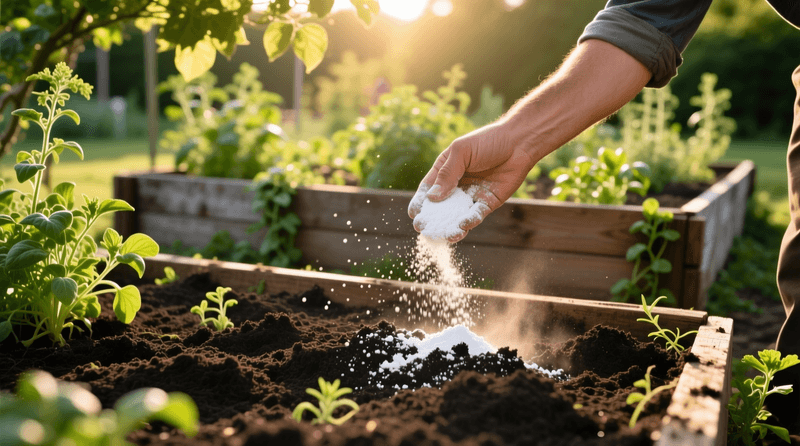
Fun fact: lavender leans toward slightly alkaline ground, with a sweet spot around pH 6.5 to 7.5. Many US backyards, especially in rainy regions, run more acidic than that.
A simple soil test kit from the garden center tells you exactly where you stand. If your reading dips low, a light dusting of garden lime nudges the pH up and can noticeably improve both vigor and scent.
Sprinkle it around the base, water it in, and let the plant reward you with brighter, longer-lasting blooms.
6. Water Deeply but Rarely
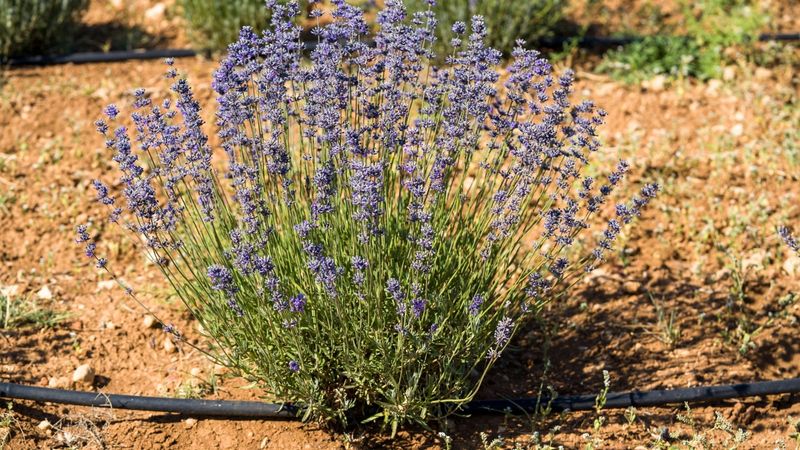
Overwatering ranks as the number one mistake new lavender growers make, hands down. Established plants are genuinely drought-tolerant and would rather stay a touch thirsty than drown.
Once your lavender is settled in, a deep soak every week or two is plenty, and even less during cool stretches. Let the top couple inches of soil dry out completely before you reach for the hose again.
Container plants dry faster, so check those more often, but always resist the urge to keep the soil constantly damp.
7. Prune Every Spring for Bushier Growth
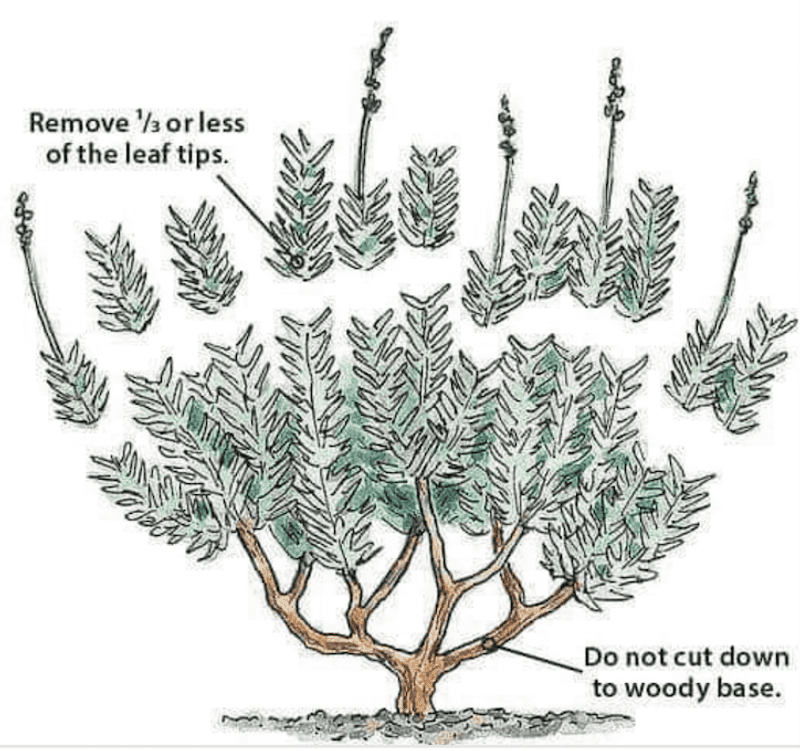
A lavender left unpruned turns woody, leggy, and sparse within a few short years. Cutting it back keeps the plant compact, encourages fresh stems, and packs on far more flower buds.
Each spring, once you spot new green growth at the base, trim off about a third of the plant, shaping it into a tidy mound. Avoid slicing into the old bare wood, since it rarely resprouts.
Think of the shears as your best tool for a plant that keeps performing year after year.
8. Harvest Blooms Just as They Open
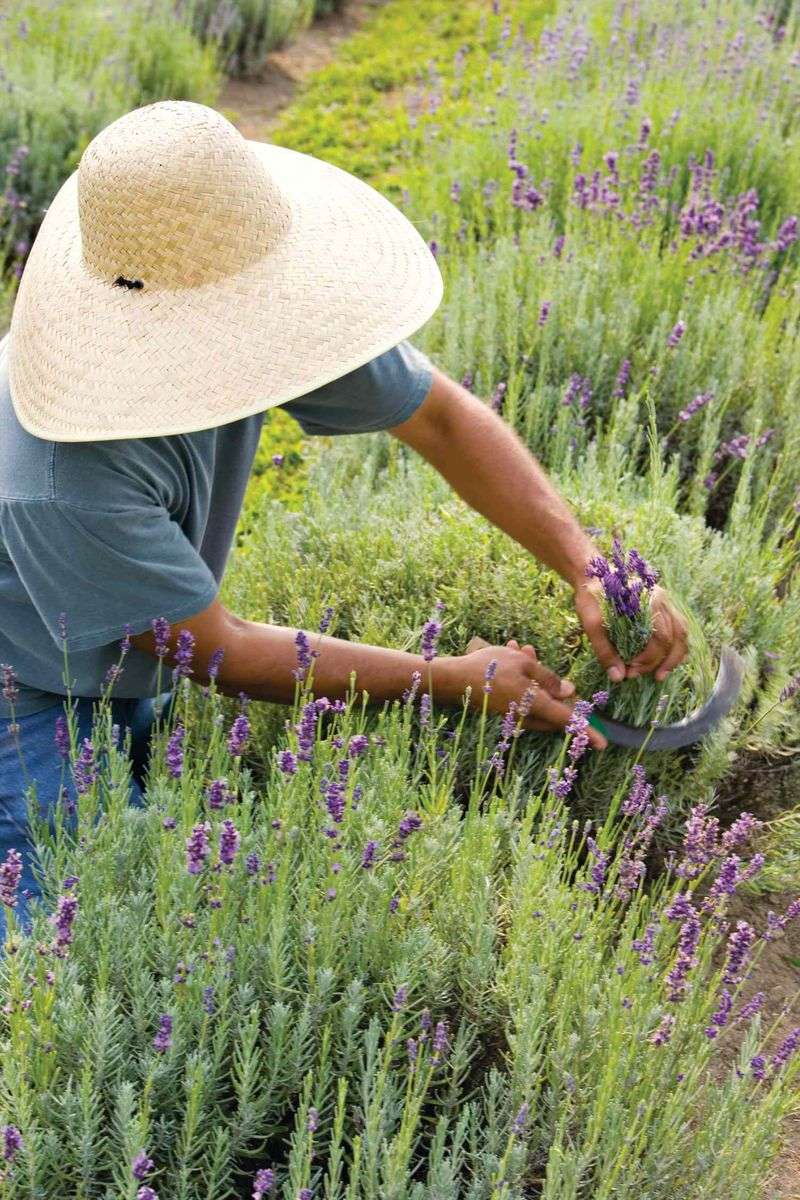
Timing your harvest right is the secret to the strongest fragrance in your dried bundles. The oils that make lavender smell so heavenly peak right when the lower buds on a spike have opened but the top ones are still tight.
Cut in the morning after the dew has dried but before the midday heat burns off the aromatics. Snip long stems just above the leafy growth.
Wait too long and the flowers fade, drop, and lose that punchy scent you were after.
9. Mulch With Gravel, Not Bark
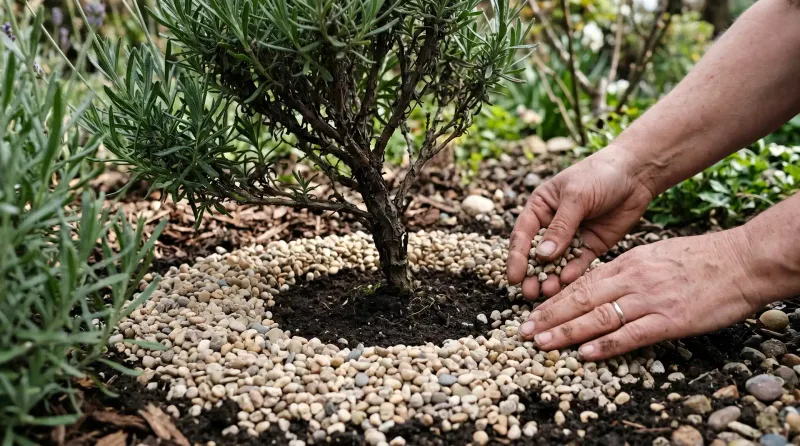
Most plants love a cozy blanket of wood mulch, but lavender is the odd one out. Bark and shredded wood hold moisture right against the crown, inviting the rot and fungal trouble that lavender hates.
Instead, spread a layer of pea gravel, crushed stone, or coarse sand around the base. The light-colored grit reflects heat back up, keeps the crown dry, and even discourages weeds.
Your plant will thank you with drier roots and a healthier, longer life.
10. Give Roots Room to Breathe in Pots
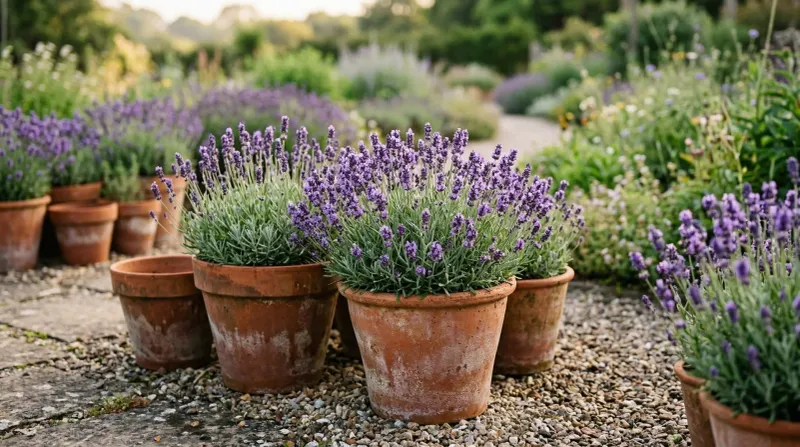
Cramming lavender into a tiny container invites trouble, but so does drowning it in an oversized one. A pot roughly one to two inches wider than the root ball strikes the right balance, letting the soil dry out at a healthy pace.
Terracotta is a favorite because the porous clay wicks away excess moisture through its walls. Add a chunky, fast-draining mix and skip any tray of standing water underneath.
Repot every couple of years into fresh gritty soil, and your potted lavender stays vigorous and sweet-smelling.
11. Space Plants for Good Airflow
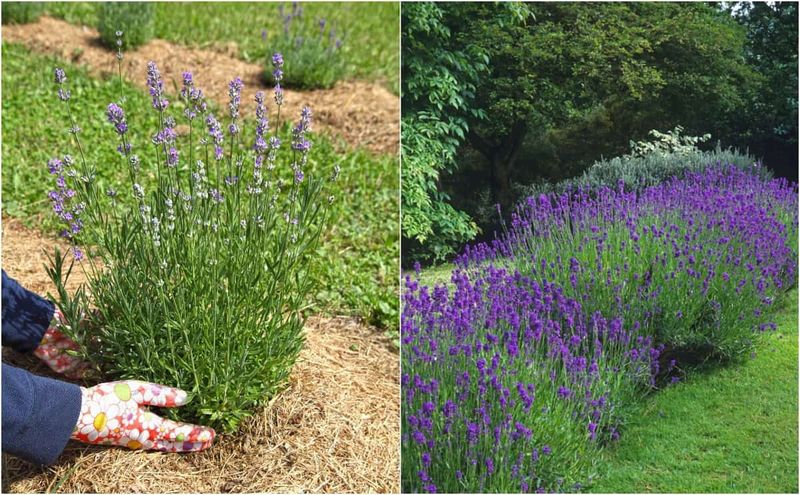
Lavender crowded shoulder to shoulder traps humid air between the plants, and stagnant air breeds fungal disease. Give each one breathing room and you cut down on mildew while boosting flower production.
Depending on the variety, leave roughly two to three feet between plants in the ground. That gap looks generous at first but fills in fast as the shrubs mature.
Steady breezes drifting through the foliage keep the leaves dry and the whole planting far healthier.
12. Read the Leaves as Early Warnings
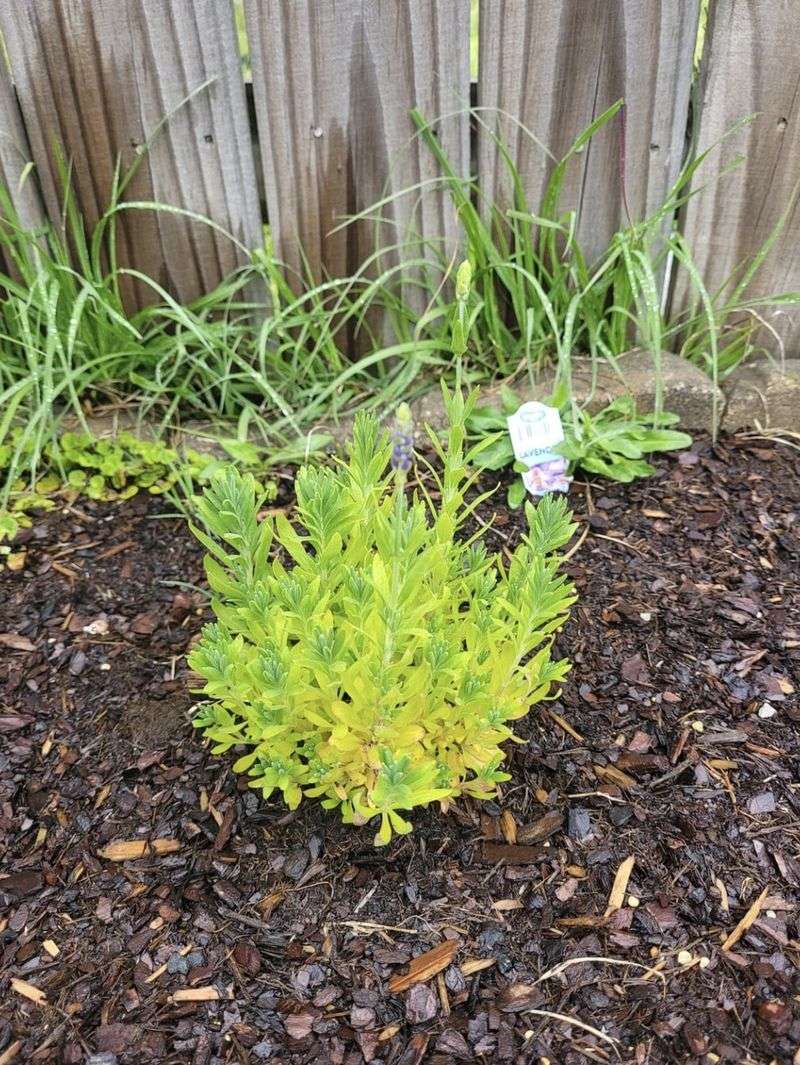
Your lavender talks to you through its foliage long before real trouble sets in, so learn to listen. Yellowing leaves usually shout overwatering or poor drainage, the two problems this plant tolerates least.
Grayish, silvery green is exactly what you want, while brown crispy tips can point to sunburn on a stressed young plant or salty buildup in a pot. Black spots or a fuzzy coating suggest fungus from too much moisture.
Catch these signals early, adjust your watering or drainage, and you can often turn things around before a plant is lost.
13. Skip the Heavy Fertilizer
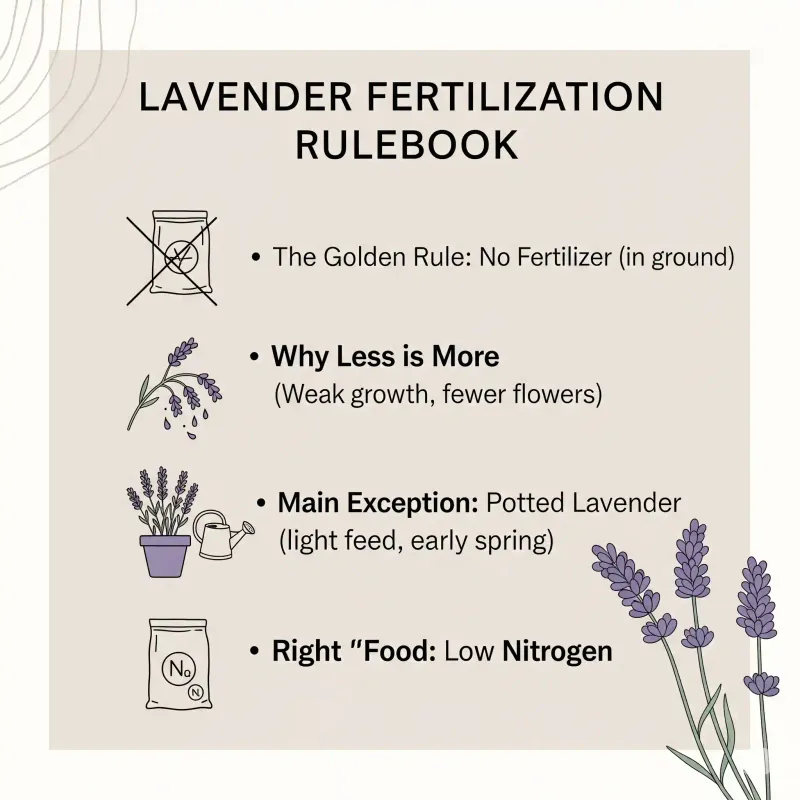
Reaching for a rich nitrogen feed feels helpful, yet with lavender it backfires almost every time. Too much fertilizer floods the plant with leafy green growth while the flowers thin out and the fragrance fades.
Most in-ground lavender needs nothing beyond decent soil and sunshine. Container plants might appreciate a very light, diluted feeding once in spring, and that is truly all.
Treat lavender like the low-maintenance friend it is, and it repays your restraint with better blooms.
14. Let Its Scent Guard the Garden
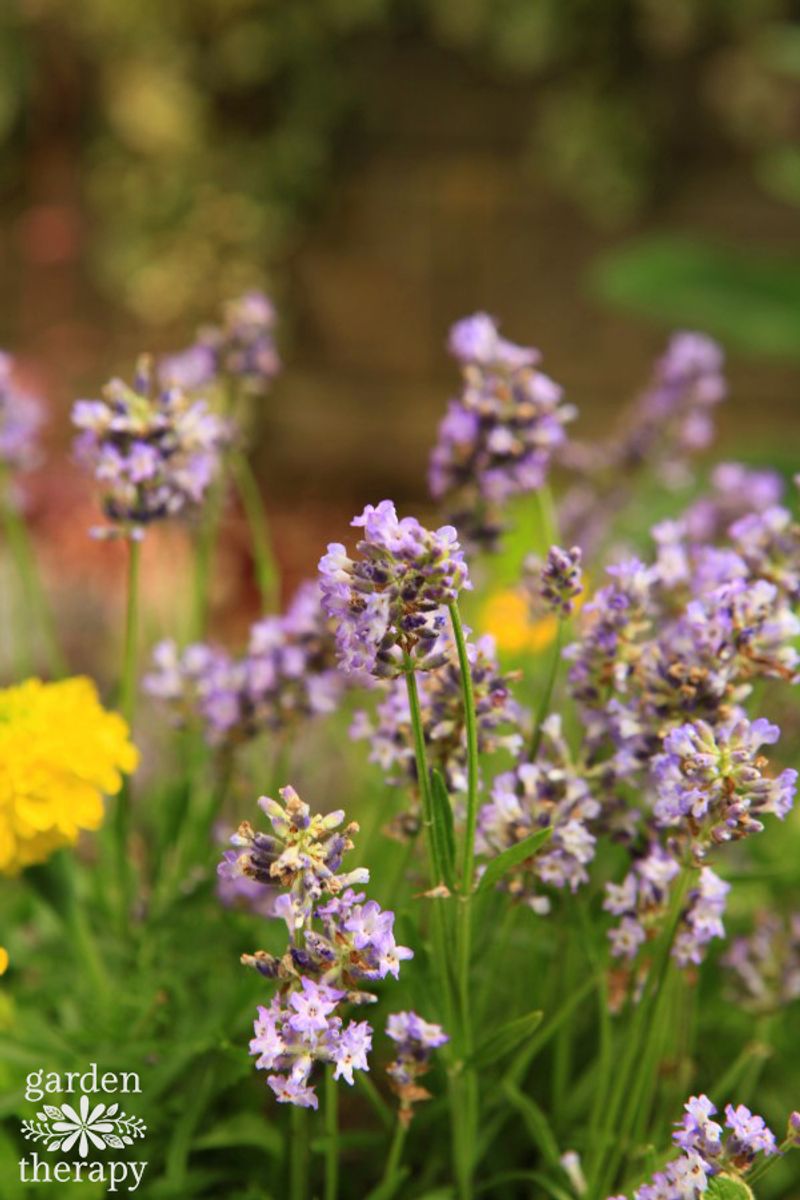
That gorgeous perfume you love does double duty as a natural bug repellent. The strong aromatic oils in lavender may help deter mosquitoes, moths, fleas, and even deer and rabbits that turn their noses up at the smell.
Plant a border of it near patios, doorways, or vegetable beds and you get fragrance plus a bit of pest defense in one tidy package. Rub a few flowers between your fingers to release the scent on a summer evening.
Fun bonus: dried lavender tucked into closets can help keep clothes moths away too.
15. Protect Container Plants Over Winter
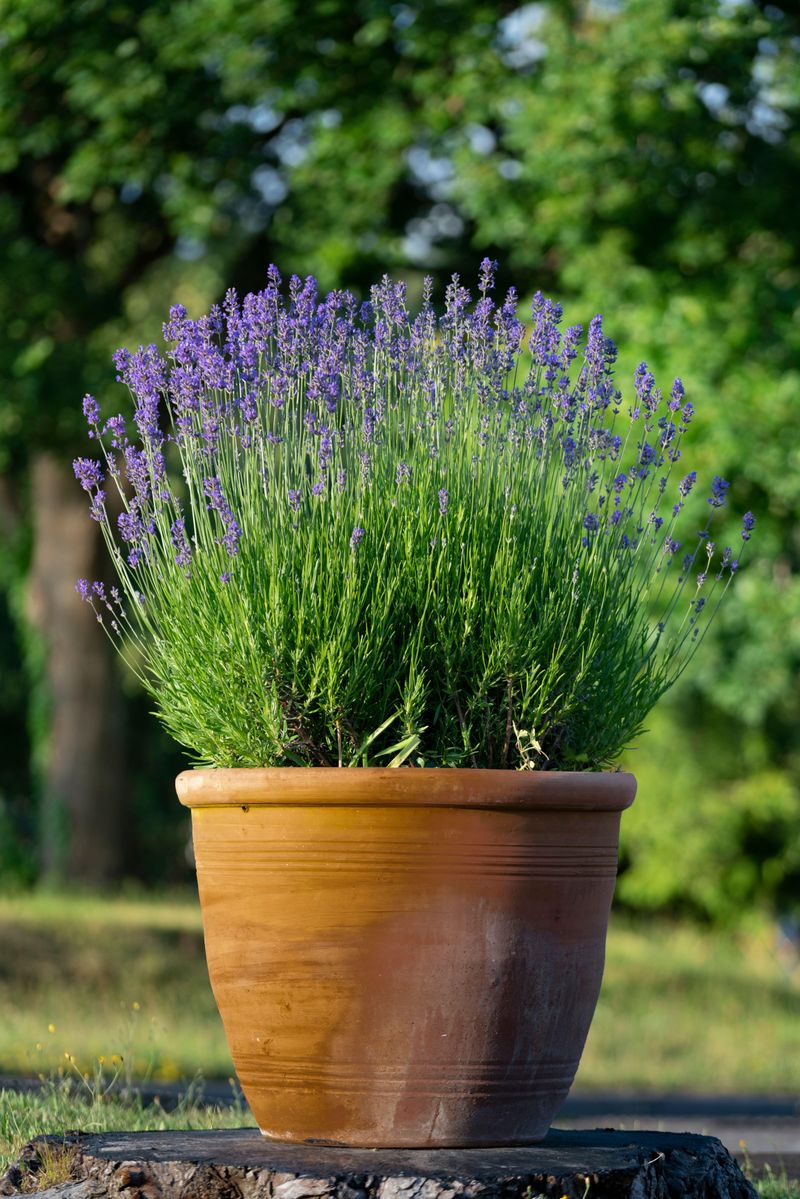
Pots freeze from all sides, so a lavender that would sail through winter in the ground can suddenly struggle when grown in a container. The exposed roots simply do not have the earth around them for insulation.
In cold zones, move pots against a sheltered wall, wrap them in burlap, or tuck them into an unheated garage or shed. Cut back on watering to nearly nothing while the plant rests.
Come spring, ease it back into the light gradually so the new growth does not scorch.
16. Deadhead to Push a Second Flush
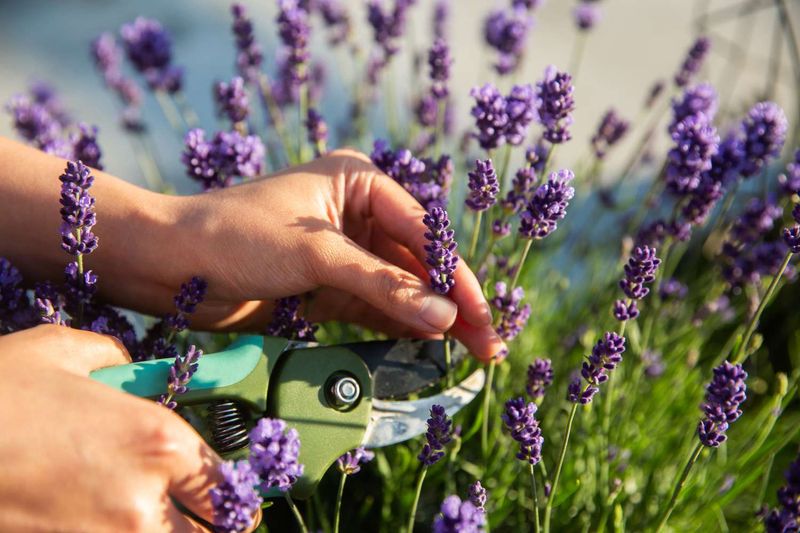
Snipping off faded flower spikes does more than tidy up the plant’s looks. Removing spent blooms signals the lavender to redirect its energy, and many varieties reward you with a second wave of flowers later in the season.
Once the first bloom fades, trim the spent stalks back to the leafy growth below. You keep the plant looking fresh and often stretch the fragrant show for weeks longer.
A few minutes with the shears turns one flowering into two.
17. Propagate From Cuttings for Free Plants
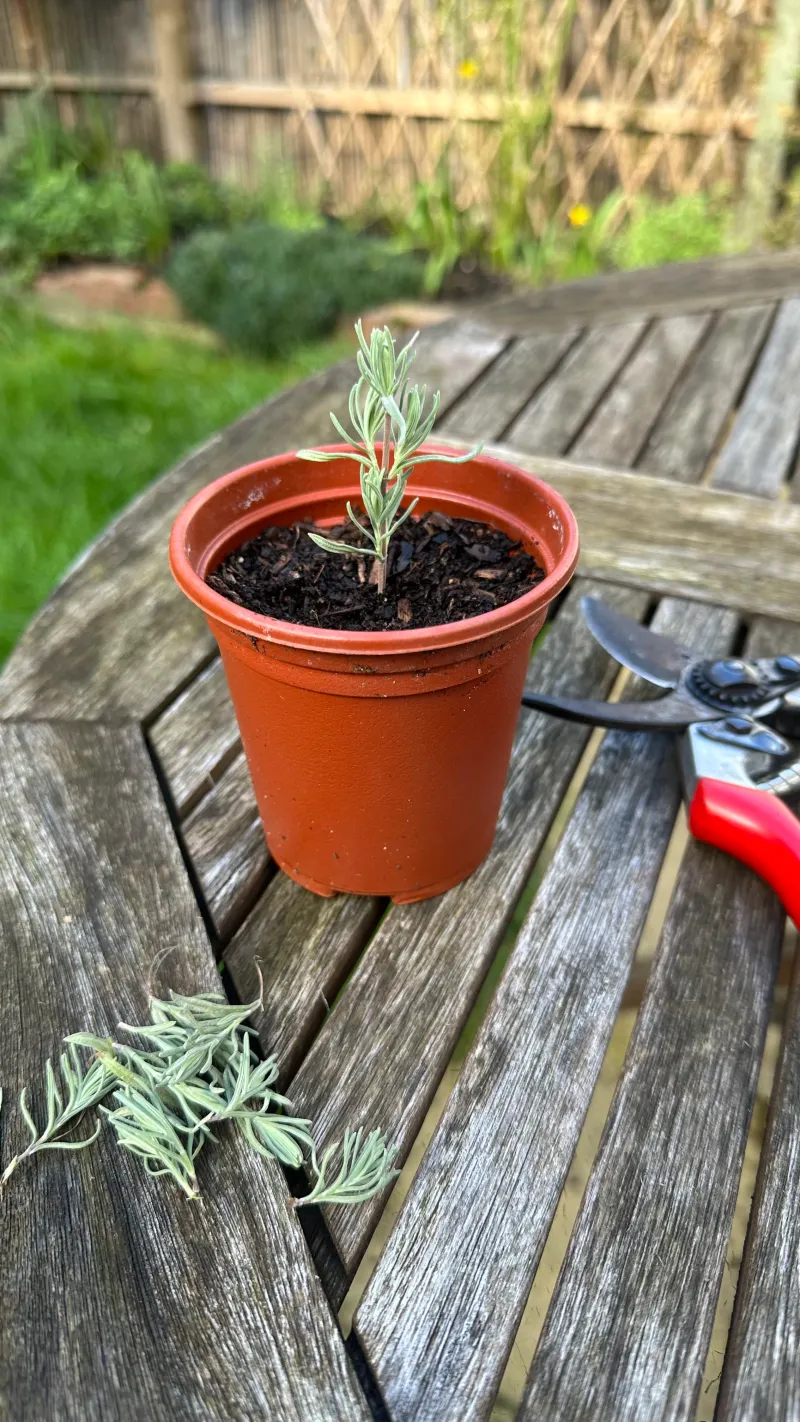
Here is a little gardener’s magic trick: one healthy lavender can become a dozen for absolutely nothing. Softwood cuttings taken in late spring or early summer root readily and grow into plants identical to the parent you already love.
Snip a few three to four inch non-flowering shoots, strip the lower leaves, and press them into gritty, barely moist mix. Keep them warm and bright, and roots usually form within a month.
Before long you will have enough plants to line a whole path or share with envious neighbors.