
Do This To Your Delphiniums Right After They Finish Flowering For A Second Wave Of Blooms
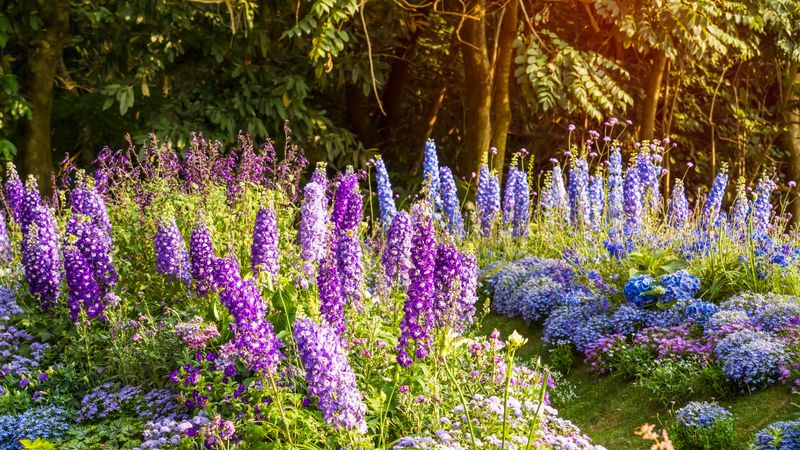
Watching your delphiniums finish their first big flush of flowers can feel a little deflating, especially when those tall, jewel-colored spikes start to fade. The good news is that one well-timed cut can give your plants a real shot at flowering again later in the season. It is not a guarantee, but for many gardeners growing perennial delphiniums in beds and borders across the country, it is absolutely worth trying. Here is exactly what to do and what to realistically expect.
Cut the finished spike when it fades
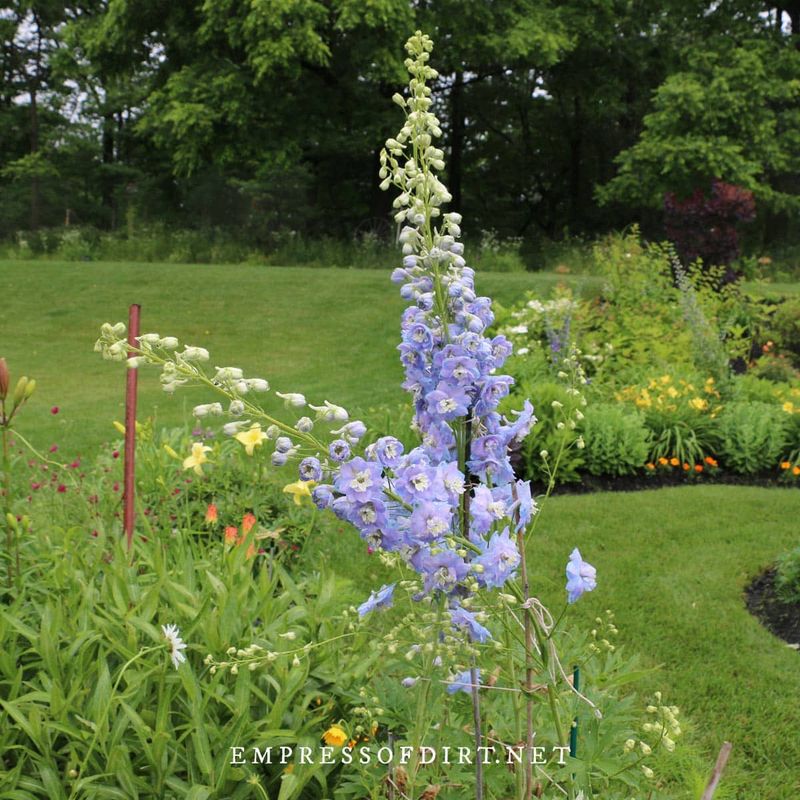
Perennial delphiniums can sometimes produce a second round of flowers in the same growing season, but that outcome is never a sure thing. Iowa State University Extension guidance on growing delphiniums describes the possibility of a later flush while making clear that results depend on growing conditions, plant vigor, and the season remaining. Removing spent stalks promptly encourages the plant to redirect its energy, but weather, cultivar, and other factors ultimately decide whether new flower spikes develop.
The right moment to act is when the flower spike has clearly finished blooming or is noticeably fading. Petals dropping, florets turning papery, or the entire spike looking washed out are all reliable cues. Waiting until the stalk is fully brown is not necessary, and acting sooner tends to give the plant more time to push new growth before the season ends.
Removing the entire spent flowering stalk matters far more than plucking individual spent florets one by one. Deadheading floret by floret leaves the main stem in place, and that stem continues drawing on the plant’s resources without producing anything useful. Cutting the full stalk signals the plant to shift its attention toward new growth rather than maintaining a structure that has already done its job.
The RHS recommends cutting faded delphinium spikes back, and NC State Extension notes that prompt removal of spent material is part of keeping perennial delphiniums performing well from season to season. Acting when the spike first fades, rather than waiting, gives your plant the longest possible window to respond before cooler fall weather arrives.
Make a low cut without injuring the crown
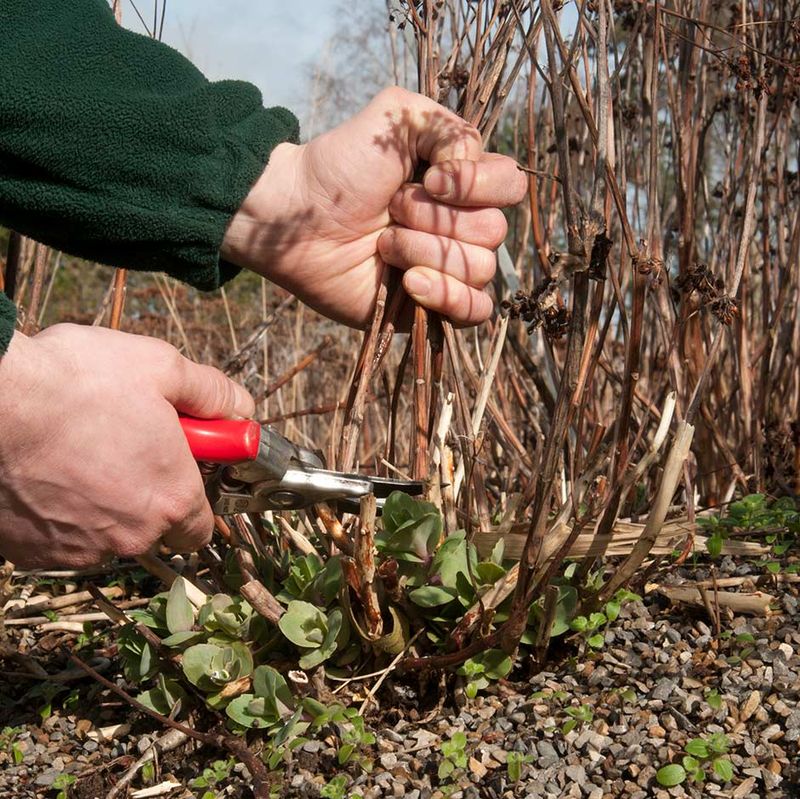
Once you have decided the spike is ready to come off, follow the spent stem downward with your eyes before you cut. The goal is to remove the old flowering stalk as low as safely possible while leaving the basal foliage and the crown of the plant completely undisturbed. The crown is the compact growing point at or just below soil level where new shoots emerge, and cutting into it can seriously set back or kill the plant.
Work your way down the stem until you can see where it meets the cluster of healthy basal leaves growing close to the ground. Make your cut just above that foliage, not below it. RHS growing guidance for perennial delphiniums describes cutting faded spikes to ground level, and NC State Extension recommends cutting back to the basal leaves. Both approaches land in the same place: remove the old stem low, but stop before you reach the crown or healthy basal growth.
Sharp, clean pruning shears or a pruning knife make this easier and safer than dull tools that crush or tear tissue. Wiping blades with a dilute bleach solution or rubbing alcohol before you cut reduces the chance of spreading disease from plant to plant, which matters especially if any powdery mildew or other fungal issues have been present in the bed.
Washington State University Master Gardener guidance for perennials describes cutting back to a strong lateral shoot when one is present on the old stem, rather than removing it entirely at the base. That can be a reasonable option if a healthy lateral bud is clearly visible and well-developed, but it is a conditional choice rather than the standard approach for delphiniums. When no strong lateral is present, removing the stalk low and protecting the basal foliage is the primary instruction to follow.
Take your time with this cut. Rushing and accidentally nicking the crown or slicing through a healthy basal shoot costs the plant far more than the few extra seconds of care are worth.
Keep healthy leaves growing
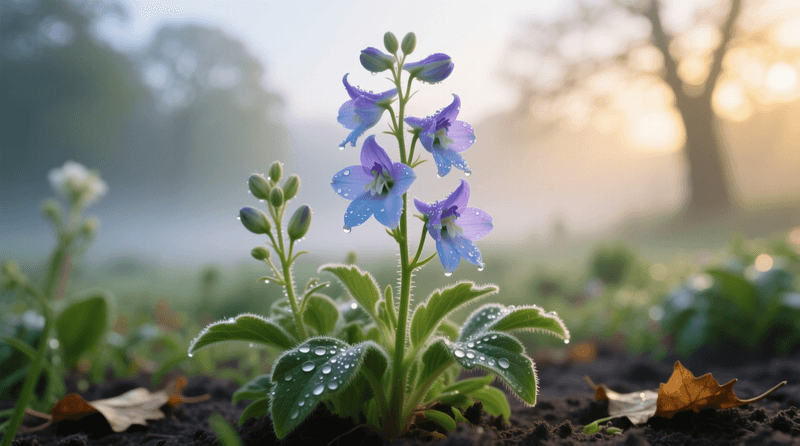
Removing the spent flower stalk is not the same as cutting the plant back to the ground. After deadheading, the healthy basal foliage that surrounds the crown should stay right where it is. Those leaves are still photosynthesizing, feeding the root system, and building the reserves the plant needs to push new shoots and potentially new flower spikes.
Oregon State University Extension’s spring pruning guide advises removing delphinium flower stalks while allowing the foliage to remain until spring. The RHS similarly recommends cutting old leaves back later, after they die down naturally or after the first frosts arrive in fall. Stripping away healthy foliage immediately after deadheading removes the very resource the plant depends on for regrowth.
A practical way to think about it: the flower stalk that just faded has finished its job and can go. The green leaves at the base still have work to do. Leave them alone unless they show clear signs of disease or damage, in which case removing affected leaves selectively is fine, but a wholesale cleanup of green foliage is not the right move right after flowering.
End-of-season or winter cleanup is a separate task entirely. Once foliage yellows and dies back naturally in late fall, or after frost knocks it down, that is the appropriate time to tidy the base of the plant. Mixing up these two steps, treating post-bloom deadheading and seasonal cleanup as one single event, is one of the more common mistakes that can leave a plant less prepared for regrowth.
Support regrowth with moisture and airflow
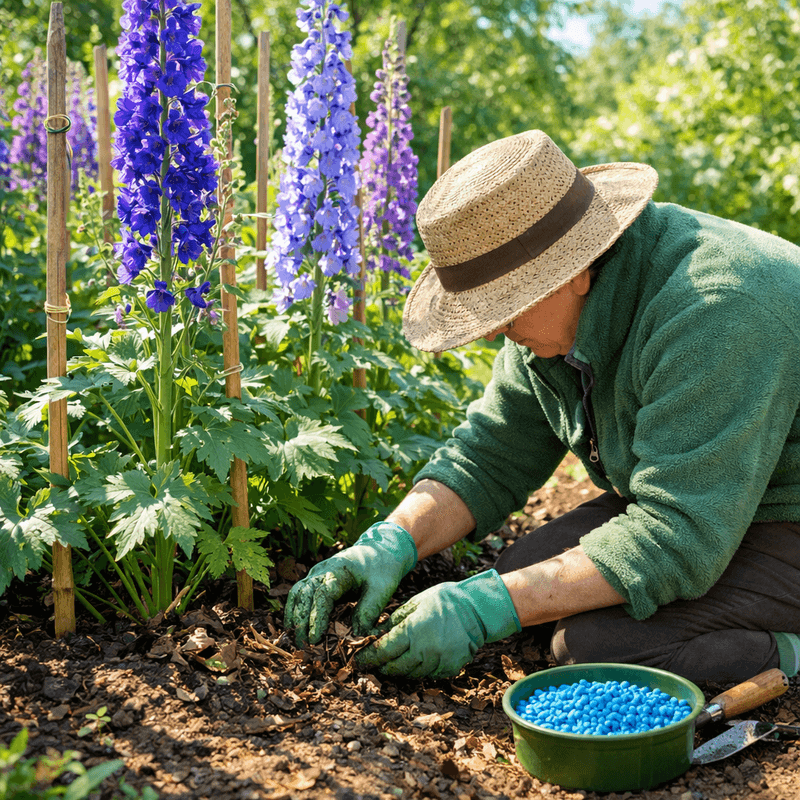
After the spent stalk comes off and the basal foliage is left intact, the conditions around the plant start to matter more. Even, consistent moisture during regrowth gives new shoots the best environment to develop. Iowa State Extension’s delphinium guidance describes these plants as preferring well-drained soil with reliable moisture but no standing water. Overwatering and poorly drained soil create root problems that undermine regrowth before it has a chance to get started.
A layer of mulch around the base of the plant, kept a few inches away from the crown itself, helps retain soil moisture and moderate temperature swings. Water at the base of the plant rather than overhead when possible. Wet foliage that stays damp for extended periods is an open invitation for powdery mildew and other fungal diseases that delphiniums are genuinely susceptible to.
Airflow through the planting is a practical defense against disease. NC State Extension’s profile of Delphinium elatum notes that good spacing and air circulation help reduce disease pressure, though no cultural practice eliminates it entirely. Crowded plants trap humidity, and that combination of moisture and warmth is exactly what powdery mildew needs to spread. If plants are packed tightly together, selectively thinning surrounding growth to open up the space a little can make a real difference.
Tall hybrid delphiniums are notorious for snapping under wind and rain because their flower stems are hollow. Staking before new spikes elongate protects the regrowth investment. Bamboo canes or purpose-made plant supports placed near the crown and loosely tied as the stems grow give the plant something to lean on without constricting it. Penn State Extension’s overview of delphinium diseases highlights that cultural controls like spacing and reducing leaf wetness are among the most consistently useful tools for managing common disease problems in this genus.
Fertilizer is sometimes recommended after cutting, but the more reliably supported advice is simply to maintain healthy soil and steady moisture. If your soil was amended and prepared well at the start of the season, the plant has what it needs. Heavy fertilizer applications after deadheading are not a standard recommendation from the major extension sources, and pushing excessive growth with nitrogen can actually increase disease susceptibility.
Set realistic expectations for the second flush
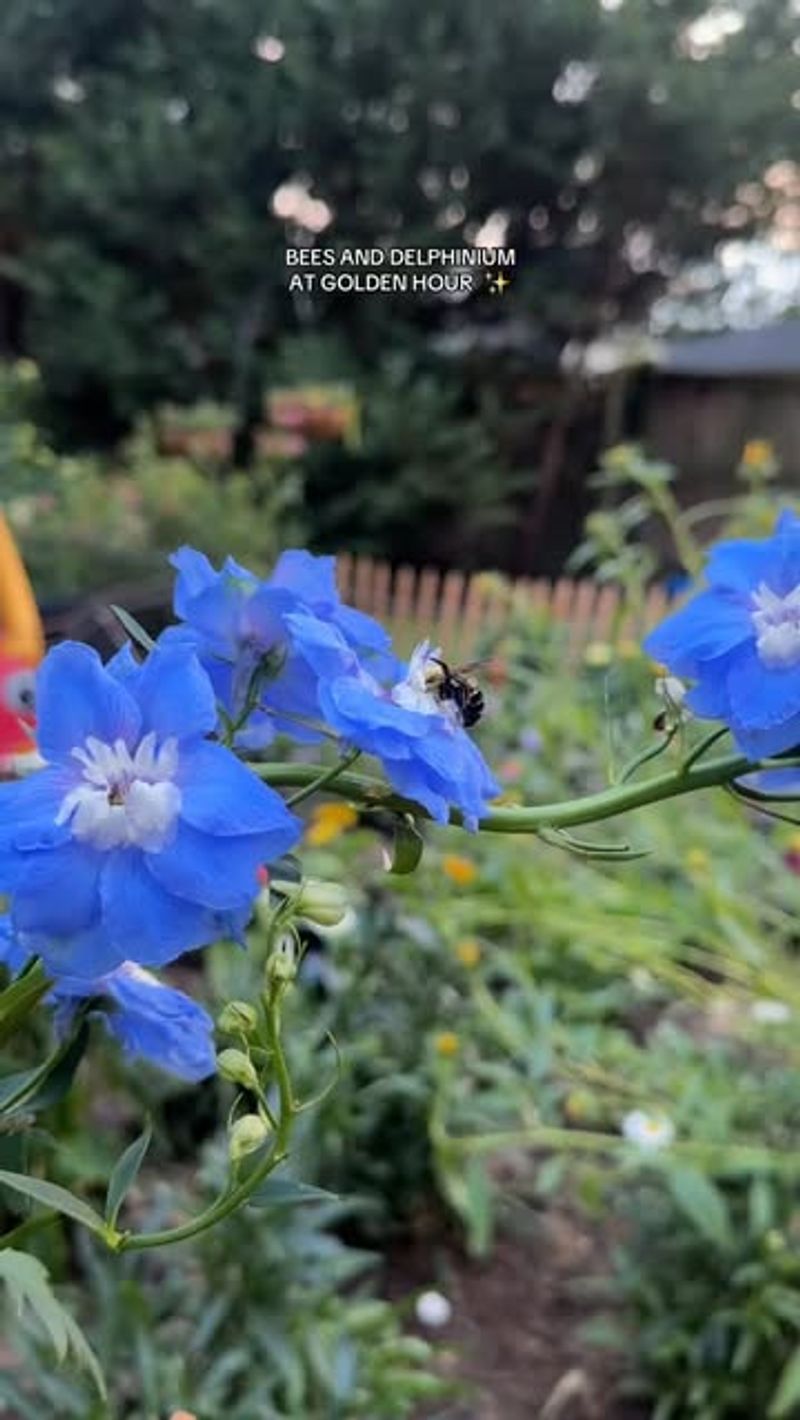
A second flush of delphinium flowers, if it comes at all, typically appears in late summer or early fall under suitable growing conditions. That timing is not a fixed schedule and cannot be predicted to the week or even the month. Iowa State Extension is explicit that later spikes will not be as large or as full as the first display. Expect something real but genuinely smaller, often shorter, and sometimes less densely flowered than the impressive first flush that started the season.
Cultivar is one of the biggest variables. RHS delphinium trial results from recent years found substantial differences among cultivars in vigor, disease susceptibility, flowering performance, and autumn flush. Some entries produced only a brief secondary display or struggled to sustain any performance at all through the second half of the season. Choosing a cultivar with a documented track record for autumn flowering improves the odds, but it does not guarantee an outcome.
Plant vigor, weather during the regrowth window, disease pressure, and the length of the growing season still remaining all shape what actually happens. A plant that went through a rough first season with heavy mildew or root stress has less in reserve to draw on for a second effort. A healthy, well-established plant in its second or third year is generally better positioned to rebloom than a first-year transplant.
Climate is a particularly important factor for gardeners in the continental United States. NC State Extension notes that delphiniums can be difficult in humid summer climates south of USDA Zone 7, where heat and humidity combine to stress the plant rather than allow recovery. Gardeners in the Pacific Northwest, the Upper Midwest, and cooler parts of the Northeast often see the most reliable results because the summer temperatures stay closer to what delphiniums actually prefer.
Some compact types handle heat better than the tall hybrids. Delphinium grandiflorum varieties, sometimes sold as dwarf or Chinese delphiniums, tend to be more tolerant of warmer conditions, though they are shorter-lived plants and behave somewhat differently from the large-flowered perennial hybrids. Gardeners in warmer zones may find these types more forgiving for late-season regrowth than the standard elatum hybrids.
Choose between rebloom and seed
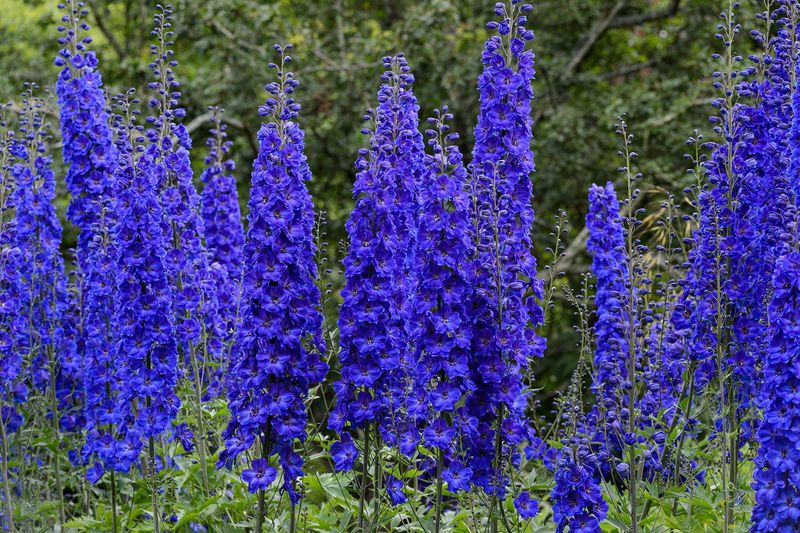
Deadheading has a trade-off that is worth knowing before you cut every stalk. When you remove spent flower stalks promptly, you prevent the plant from forming seeds. That is often exactly what you want if rebloom is the goal, but it also means no seed to collect and no chance of volunteer seedlings appearing in the bed next year. Penn State Extension’s guide to deadheading notes that some gardeners deliberately leave selected stalks to set seed, and delphiniums are among the perennials where that choice has real consequences for the garden’s future.
A practical middle path is to deadhead most of the spent stalks for the best chance at a second flush, while leaving one or two stalks on vigorous plants to mature fully and set seed. Collect the seed when the pods are dry and beginning to split, store it in a cool, dry place, and you have material for new plants without sacrificing your entire shot at late-season flowers.
Plant identity is also worth a moment of attention before you apply this advice. The instructions here are written for perennial garden delphiniums, including the tall elatum hybrids and similar types commonly sold in the United States. The name larkspur is sometimes used interchangeably with delphinium in garden centers and even in the cut-flower trade, but as UC Davis Postharvest Research notes, delphinium and larkspur are frequently misnamed in commerce. Annual Consolida species, which are true larkspurs, behave quite differently from perennial delphiniums and do not respond to the same deadheading approach for rebloom.
One more thing every gardener handling delphiniums should know: the whole plant is toxic. The ASPCA warns that larkspur and delphinium can cause severe poisoning in animals, and NC State Extension confirms toxicity to humans and pets as well. Wear gloves when pruning because the foliage can irritate skin on contact. Keep cut stalks, leaves, and trimmings away from children and pets, and compost or dispose of prunings where animals cannot reach them.
Use this after-bloom checklist
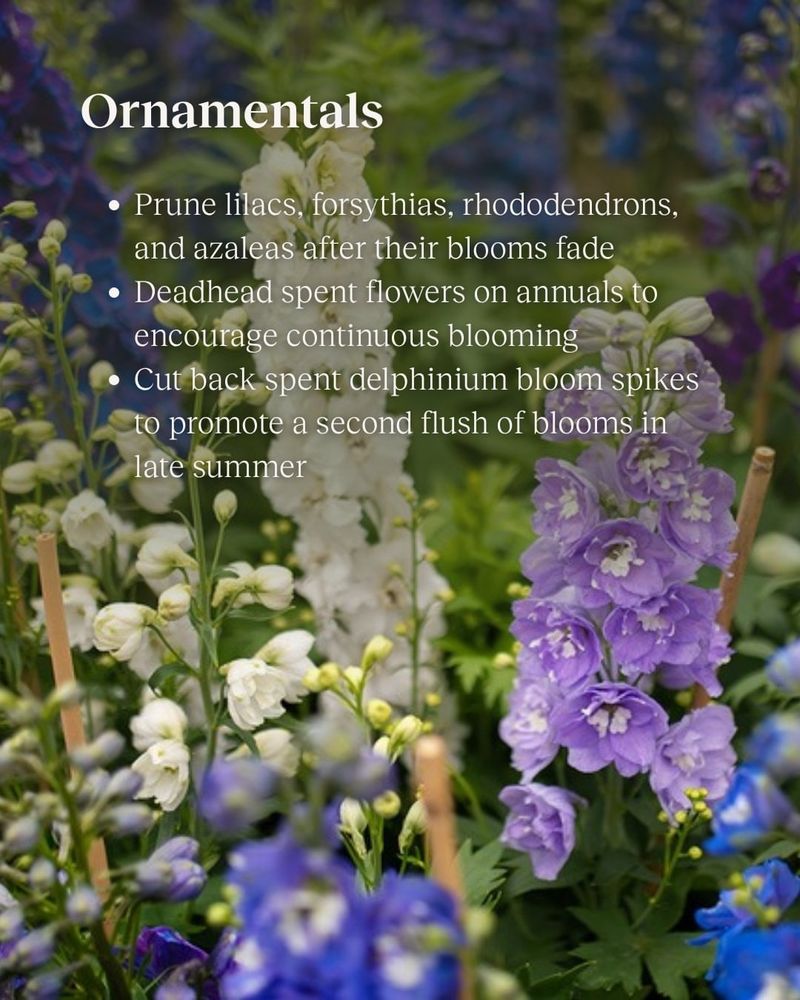
Pulling the steps together into a simple sequence makes the whole process easier to remember when you are standing in the garden with shears in hand. Wait until the flower spike has clearly finished or is visibly fading, then follow the stem downward and cut it as low as safely possible, stopping before you reach the crown or any healthy basal growth. Leave the green basal foliage completely alone; it has work left to do for the rest of the season.
Once the cut is made, turn your attention to growing conditions. Keep the soil evenly moist but well-drained, stake tall stems before they elongate enough to snap, and make sure the plants have enough space around them for air to move freely. RHS perennial delphinium guidance and Iowa State Extension both point to these cultural basics as the foundation of keeping delphiniums healthy through the second half of the season.
The cut opens a door; it does not walk through it for the plant. Cultivar, growing conditions, regional climate, and the season remaining all determine whether a second flush of flowers actually develops. What you are offering your delphinium is a genuine opportunity, and sometimes that is enough for a lovely, if smaller, second show before the frost arrives.