
17 Single-Ingredient Kitchen Fixes That Make Your Tomatoes Grow Like Never Before
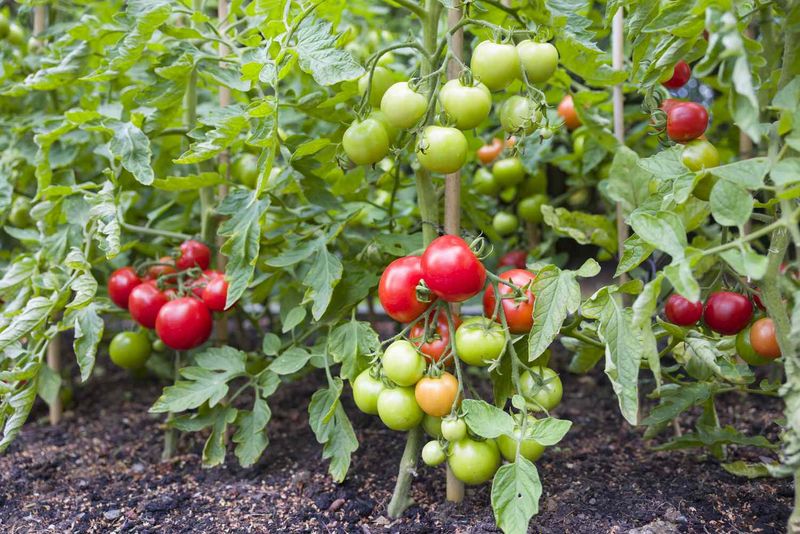
Your tomato plants might be one pantry item away from a much better harvest. Before you spend money on fancy fertilizers, take a look at what you already toss in the trash each week, because banana peels, coffee grounds, and eggshells can quietly feed your plants and fend off common problems.
Each fix on this list uses just one everyday ingredient, so you can grab it from your kitchen and put it to work today. Let’s look at 17 simple ways to help your tomatoes stay healthy, fight off disease, and pump out more fruit than ever.
1. Banana Peels
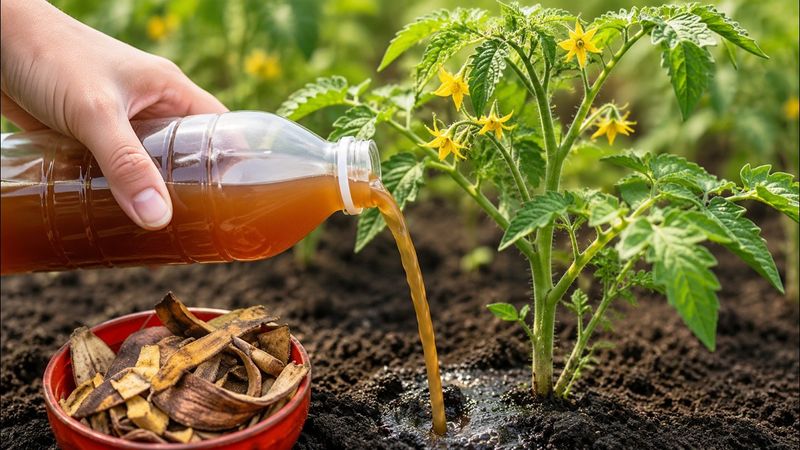
That slimy peel you flick into the compost is loaded with potassium, the nutrient tomatoes lean on hard when they start setting flowers and fruit. Toss in a little calcium, magnesium, and phosphorus, and you’ve got a snack your plants would happily thank you for.
Chop the peel into small bits and bury them a couple inches down near the roots, where they break down and release nutrients slowly. Smaller pieces rot faster, so don’t be lazy with the knife.
If you’d rather skip the burying, blend a peel with water into a slurry, or steep peels in a jar of water for a day or two to make a mild liquid feed. Pour it around the base and let the roots drink it up.
It’s the kind of thing that feels almost too easy to actually work, but your fruit-set will tell the real story by mid-summer.
2. Coffee Grounds
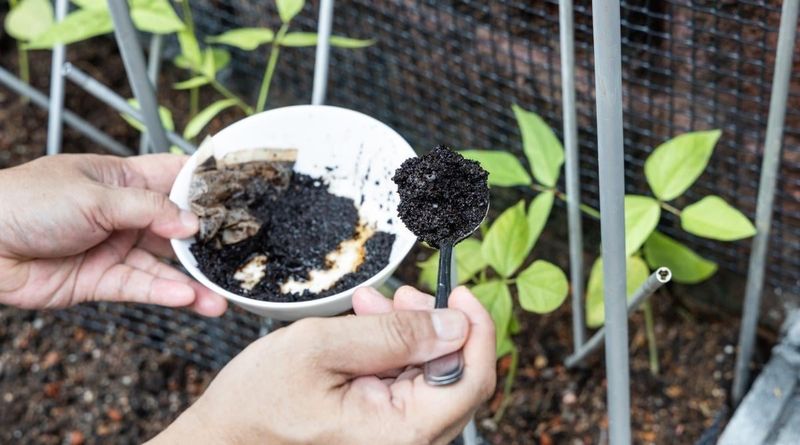
Your morning brew leaves behind more than a caffeine buzz. Used coffee grounds carry nitrogen, potassium, and phosphorus, and they nudge the soil slightly more acidic, which happens to be exactly how tomatoes like it.
Sprinkle a light layer around the base of each plant about once a month, or work the grounds gently into the top of the soil. Keep it thin, because a thick mat can clump and repel water instead of helping.
There’s a bonus too. The leftover caffeine can bother certain soft-bodied pests, so slugs and snails may think twice before crawling closer.
You can also stir grounds into a watering can for a diluted liquid feed. Fun bit for the garden nerds: earthworms seem genuinely fond of coffee grounds, and more worms means looser, healthier soil for those hungry tomato roots.
3. Eggshells
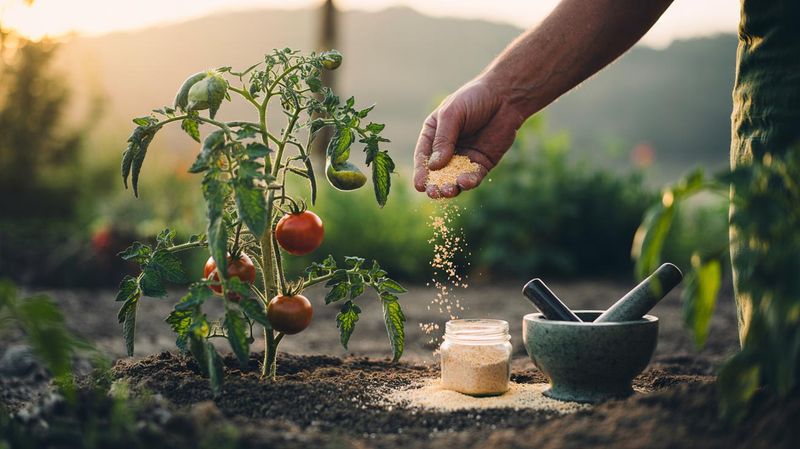
Blossom end rot is the heartbreak of tomato season, that ugly sunken brown patch on the bottom of an otherwise gorgeous fruit. Calcium shortage is usually to blame, and eggshells happen to be nearly pure calcium.
Rinse and dry your shells, then crush them into a fine powder or small flakes. Mix a handful into the planting hole when you set out transplants, or scatter the crushed shells around established plants and let them slowly break down.
Grind them finer if you want faster results, since big jagged pieces take ages to decompose. As a side perk, those sharp edges can make life uncomfortable for slugs and snails trying to reach your plants.
Save your shells in a bowl on the counter all week and you’ll have plenty by planting time, no shopping trip needed.
4. Used Tea Bags or Tea Leaves

Before you toss that spent tea bag, know that it still holds nitrogen, potassium, magnesium, and a touch of tannic acid, all of which can quietly enrich your soil. The mild acidity is a nice match for tomatoes that prefer things a bit tangy.
Tear open a plastic-free bag and mix the damp leaves into the soil around your plants, or scatter them as a thin mulch that helps hold moisture during hot spells. On a scorching July afternoon, that extra water retention matters more than you’d think.
You can also steep used leaves in water overnight to brew a gentle liquid feed. As a small bonus, tea’s natural compounds may offer a light antifungal effect around the root zone.
Just double-check that your bags are compostable, since some brands sneak plastic into the seams.
5. Wood Ash
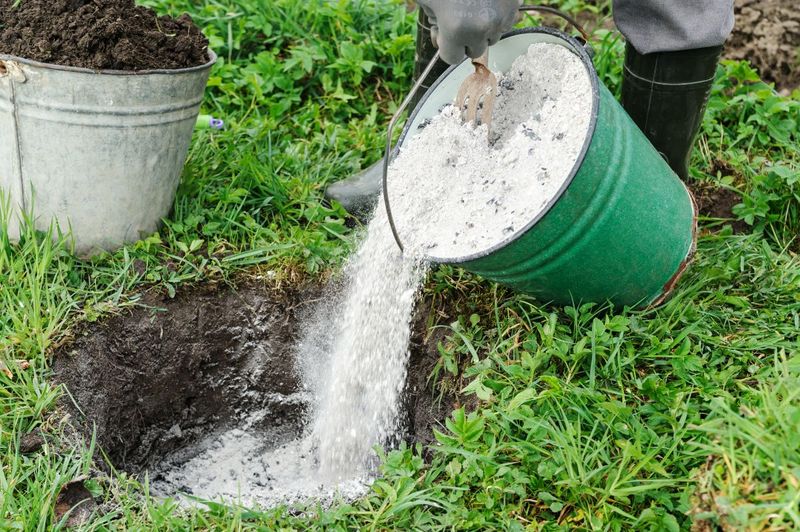
If you’ve got a fireplace or fire pit, you’re sitting on a free source of potash. Wood ash delivers potassium and calcium, the exact combo that supports strong flowering, solid fruit development, and firm cell walls that resist that dreaded blossom end rot.
Stir one to two cups of ash into the planting hole when you transplant, or dust it lightly over the soil around plants that are already growing. A gentle scratch into the surface helps it settle in.
Ash also raises the pH of overly acidic soil, so it’s a smart pick if your ground runs sour. You can even soak ash in water to make a quick nutrient tea.
One caution worth respecting: only use ash from clean, untreated wood, never from painted lumber or charcoal briquettes, and go easy so you don’t swing the pH too far.
6. Epsom Salt
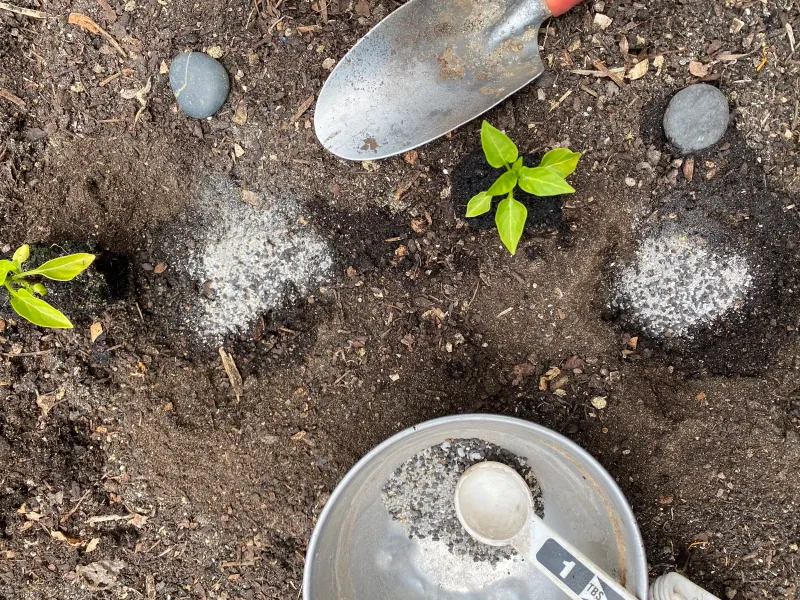
Yellowing leaves with green veins are a classic cry for magnesium, and that’s where Epsom salt steps in. Made of magnesium and sulfur, it feeds the chlorophyll machine that keeps foliage green and photosynthesis humming.
Dissolve a tablespoon or so in a gallon of water and pour it around the base of your plants every two to three weeks through the growing season. Some gardeners swear the result is more vigorous growth and even sweeter fruit come harvest.
Keep in mind Epsom salt fixes a magnesium gap, not every problem under the sun, so it works best when your plants actually show those telltale signs. Used thoughtfully, though, it’s one of the cheapest boosts you can hand a struggling tomato.
7. Molasses
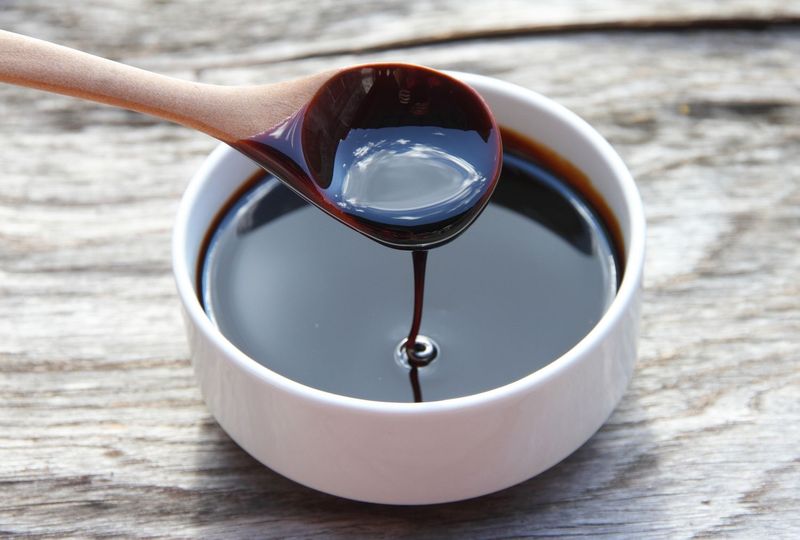
Sweetness in the soil? Believe it or not, molasses feeds the tiny microbes living around your tomato roots, and a thriving microbe crowd means better nutrient uptake for the plant.
That sticky syrup also carries iron, calcium, and potassium of its own.
Mix one or two tablespoons of unsulfured blackstrap molasses into a gallon of water and drench the soil around your plants every three to four weeks. The microbes wake up, get busy, and your roots reap the reward.
Some growers also mist a diluted molasses spray on the leaves early in the morning for an extra lift. Many folks insist the payoff shows up on the plate, with tomatoes that taste noticeably richer.
Skip the sulfured stuff, though, since that version can actually work against the good bacteria you’re trying to feed.
8. Aspirin
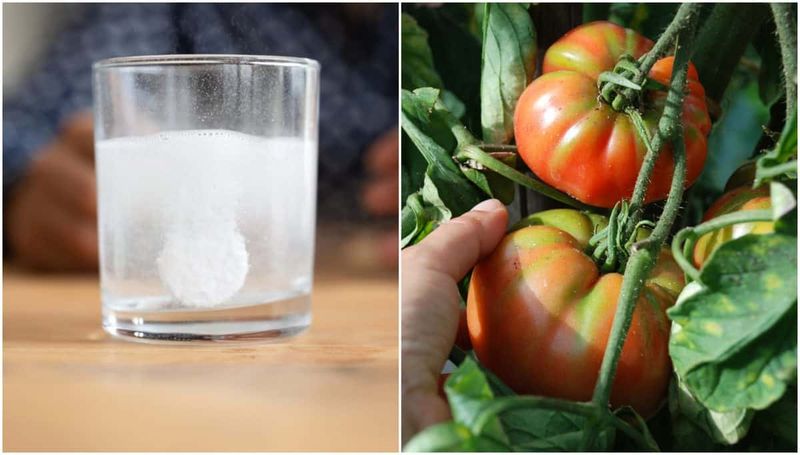
Here’s a strange one that science actually backs up. Aspirin contains acetylsalicylic acid, and tomatoes naturally produce a close cousin of it to switch on their own defense systems, known as Systemic Acquired Resistance.
Dissolve one uncoated 325 mg tablet in a gallon of water for a foliar spray, or use two tablets per gallon for a soil drench. Apply every ten to fourteen days once your plants are established and settled in.
The idea is prevention, not cure. A regular aspirin routine can help your plants stand firmer against threats like blight and wilt, and some gardeners report better heat tolerance and heavier yields as a happy side effect.
Think of it as giving your tomatoes an early heads-up so their immune system is already on alert before trouble arrives.
9. Baker’s Yeast
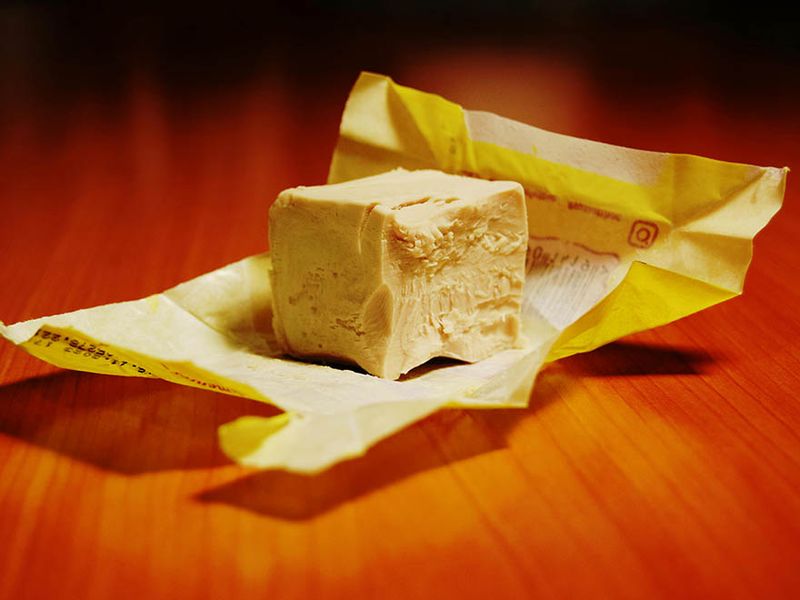
The same packet that makes your bread rise can wake up your garden soil. Baker’s yeast is packed with B vitamins and natural growth compounds called cytokinins that encourage cell division, stronger roots, and all-around plant vigor.
Stir one 7-gram packet of active dry yeast with a tablespoon of sugar into a liter of warm water. Let it foam for about five minutes, then let it rest a few hours so the mixture activates fully.
Dilute that concentrate roughly one part yeast solution to five parts water, then pour it right at the root zone every couple of weeks. The yeast acts like a microbial jump-start, making nutrients easier for your tomatoes to grab.
It’s a quirky trick, but gardeners who try it often notice sturdier, faster-growing plants within a few feedings.
10. Baking Soda

Powdery mildew and early blight can turn healthy foliage into a spotted mess fast, and baking soda is a cheap first line of defense. By raising the pH on the leaf surface, it creates conditions where fungal spores struggle to take hold.
Mix a tablespoon of baking soda with a tablespoon of vegetable oil and a small splash of dish soap into a gallon of water, then spray your plants as a preventative. The oil and soap help the mixture cling to leaves instead of running off.
It can also nudge away some pests like ants, slugs, and aphids. A word of caution, though: go light and don’t overdo it, because too much can build up sodium and scorch the leaves.
And no, despite the old rumor, baking soda won’t magically sweeten your tomatoes.
11. Onion Peels
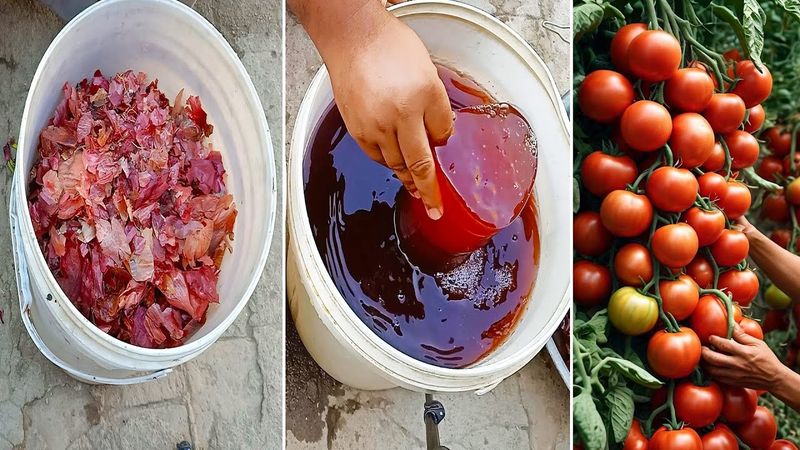
Those papery brown skins you strip off every onion are secretly a nutrient jackpot. They hold potassium, calcium, magnesium, iron, zinc, nitrogen, phosphorus, and even vitamins C and B6, which is a longer resume than most store-bought feeds.
Steep a handful of dried onion peels in water for a few days to brew a golden liquid fertilizer, then dilute it and pour it around your tomatoes. The nutrients leach out slowly, giving your plants a gentle all-in-one boost.
Prefer a dry method? Bake the peels until brittle, grind them into a powder, and sprinkle it around the base.
Beyond feeding, onion skins may help lower the odds of certain diseases and pests hanging around. It’s a satisfying way to squeeze value out of something you’d otherwise never think twice about.
12. Cooking Water
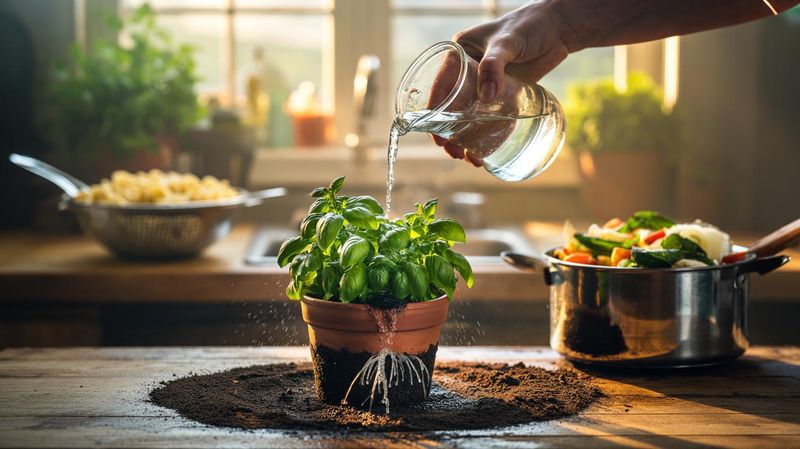
Every time you boil eggs or steam vegetables, minerals leach out of the food and straight into the water, and most of us pour that goodness down the drain. Calcium especially ends up in the water from boiled eggs, which is a nice gift for tomatoes prone to blossom end rot.
Let the water cool completely first, because dumping hot or salted water on roots will do more harm than good. Once it’s room temperature and unsalted, just use it to water your plants like you normally would.
It’s the ultimate zero-effort fix, turning a byproduct you already made into a light mineral drink for the garden. Keep a jug by the sink to collect it, and your tomatoes get a free sip of nutrients with every dinner you cook.
13. Milk
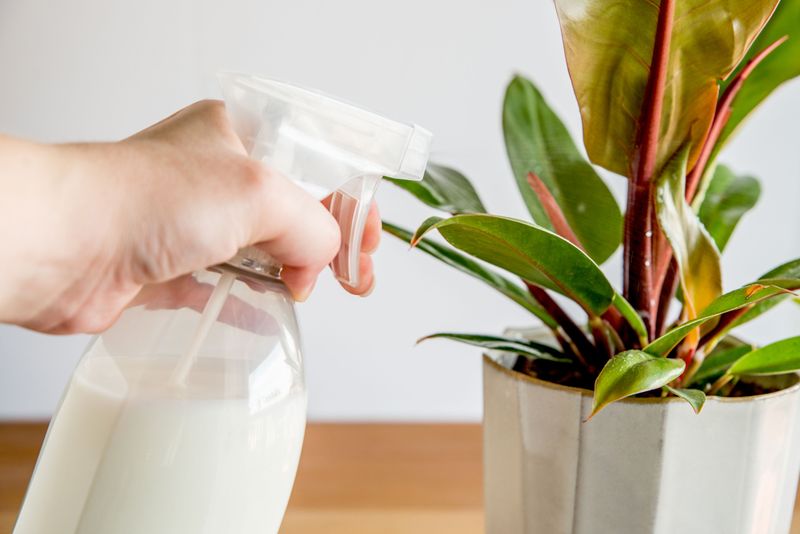
A splash of milk from the fridge can pull double duty in the garden. It offers a bit of calcium and, more surprisingly, has a long history as a homemade antifungal spray against troubles like blight and powdery mildew.
Mix milk with an equal part of water, then spray it over your tomato foliage as a preventative measure. Sunlight seems to help the milk proteins work against fungal spores, so a sunny morning is a good time to apply.
Don’t pour it on straight or too often, since undiluted milk can turn sour and smelly on the leaves. Used in moderation, this old-timer trick is a gentle way to keep foliage cleaner without reaching for harsh chemicals.
14. Cornmeal
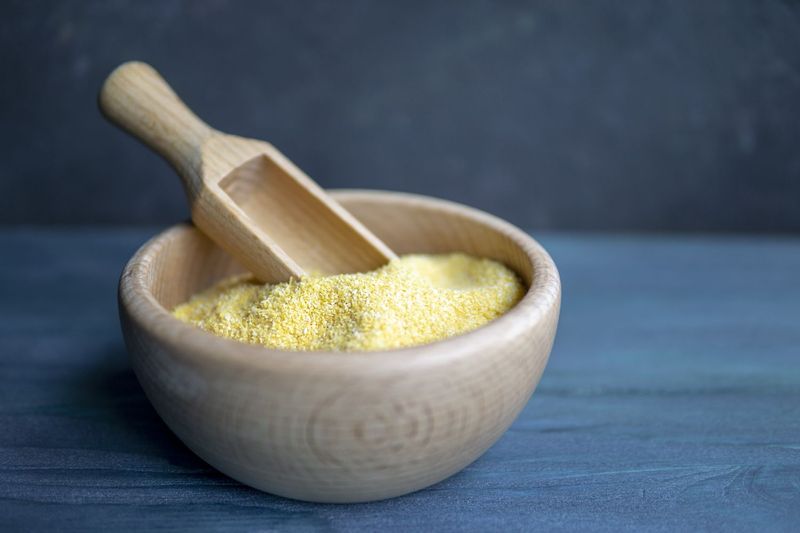
Plain cornmeal from the baking cabinet can quietly work as a mild fungicide in the soil. As it breaks down, it can encourage helpful organisms that push back against certain soil-borne diseases that trouble tomato roots.
Scatter a thin layer around the base of your plants and gently work it into the top inch of soil. Keep the layer light, because a thick pile can attract mold instead of fighting it.
Because it acts slowly and gently, cornmeal is a good pick for gardeners who like to prevent problems rather than scramble to treat them. It won’t perform miracles overnight, but as a steady, low-risk addition to your soil-care routine, it earns its spot on the shelf and in the garden.
15. Gelatin
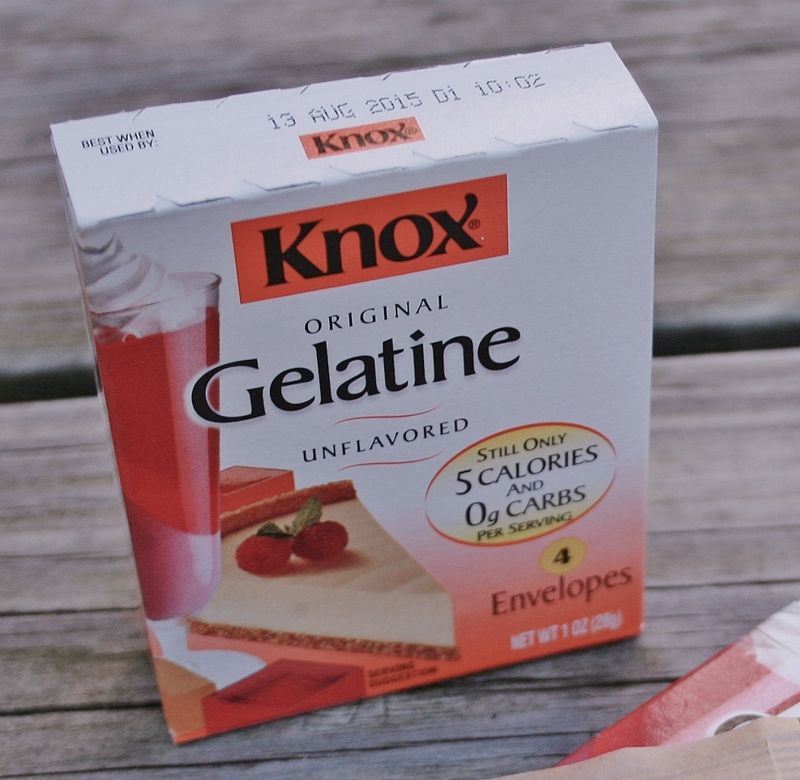
The unflavored gelatin packet meant for jiggly desserts hides a useful secret: it’s rich in nitrogen, the macronutrient tomatoes crave for lush, leafy green growth. When your plants look pale and puny, a nitrogen nudge can green them right up.
Dissolve one packet in a cup of hot water, then stir in three cups of cold water to bring it to a plant-friendly temperature and strength. Apply the mixture to the soil around your tomatoes about once a month.
Since it leans heavily toward leaf growth, gelatin is most helpful early in the season when you want strong, bushy plants before flowering kicks in. Ease off later so you don’t grow a jungle of leaves at the expense of actual fruit.
It’s an oddball trick, but a genuinely handy one for building a solid green foundation.
16. Cinnamon
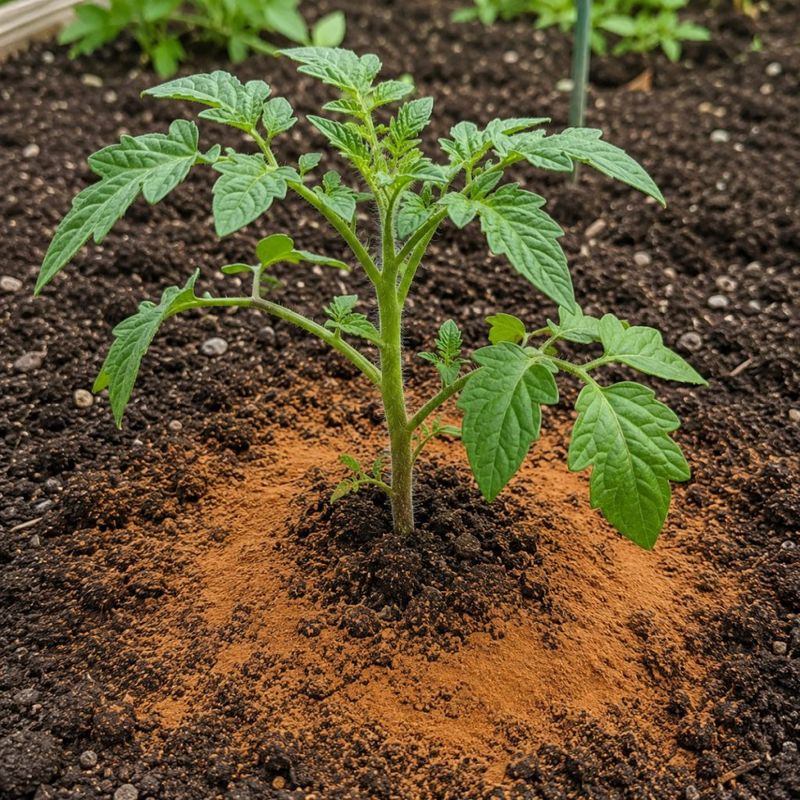
The warm spice that flavors your oatmeal is also a surprisingly capable protector for baby plants. Cinnamon carries natural antifungal properties that can shield seedlings and cuttings from damping-off, the sneaky disease that topples young sprouts overnight.
Dust a small amount of cinnamon powder around the base of your young tomato plants, or on any spot where fungal trouble tends to appear. A pinch is plenty, so there’s no need to empty the jar.
Beyond fungus, its strong scent can discourage a few pests from setting up camp. Gardeners who start tomatoes from seed especially love keeping a shaker of cinnamon nearby, because losing a whole tray of seedlings to rot is a gut punch nobody wants to feel twice.
It’s simple insurance from your own spice rack.
17. Sugar
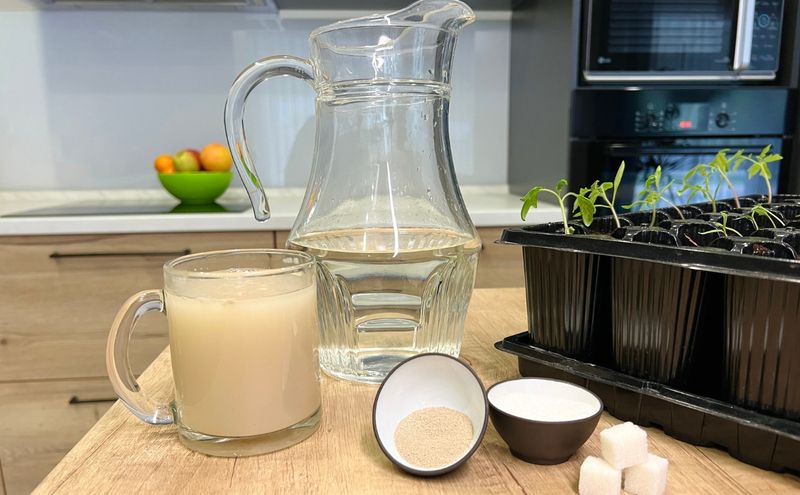
Sugar closes out the list not as a plant food itself, but as the spark that powers one of the best tricks here. On its own it won’t nourish your tomatoes, yet it’s the fuel that gets baker’s yeast fizzing and active in a homemade fertilizer solution.
Combine a tablespoon of sugar with active dry yeast and warm water, let the mixture foam and rest, then feed the diluted result to your plants’ roots. The sugar feeds the yeast, the yeast wakes up the soil microbes, and those microbes make nutrients easier for your tomatoes to absorb.
Think of sugar as the matchstick rather than the fire. Reaching for it alone won’t do much, but pairing it with yeast turns a couple of cheap pantry staples into a living, microbe-boosting brew.
It’s a fitting final reminder that in the garden, teamwork between simple ingredients often beats any single fancy product.