
5 Reasons To Top Your Tomato Plants Right Now—And Exactly When And How To Do It
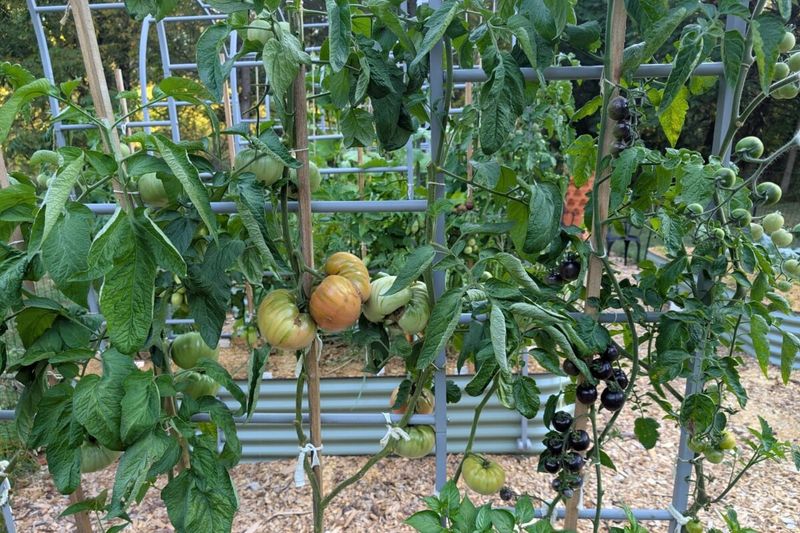
Late summer is a turning point in the tomato garden, and if you grow indeterminate varieties, one simple cut at the top of each main stem could mean the difference between a basket full of ripe tomatoes and a tangle of new growth that never matures before frost. Topping, or removing the terminal growing tip of a stem, is a late-season harvest tool that works best when timed to your local frost calendar rather than a fixed date on the national calendar.
Not every tomato plant needs it, and doing it at the wrong time or on the wrong variety can actually cost you fruit. This guide walks you through who should top, when to do it, how to make the cut, and what to expect afterward.
Check the plant’s growth habit before you reach for pruners
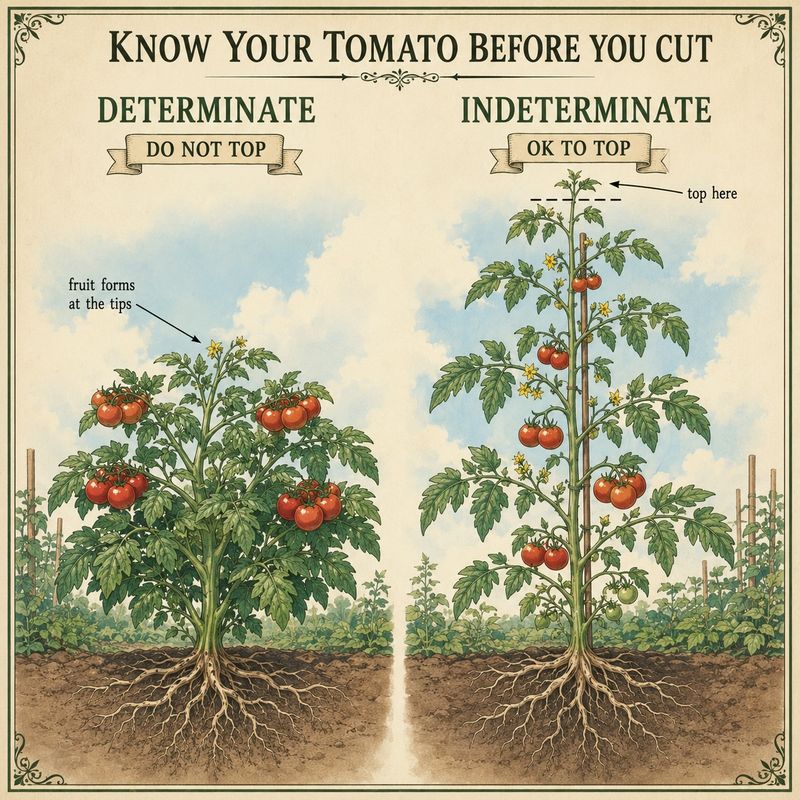
Before anything else, flip over the seed packet or check the plant label. The single most important question to answer before topping any tomato is whether it is an indeterminate or determinate variety, and that answer lives on the label, not in the plant’s height or fruit shape.
Indeterminate tomatoes keep extending their main stems, producing new leaves, flowers, and fruit continuously until cold weather or frost shuts them down. Common examples include many heirloom and beefsteak types, as well as popular varieties like Brandywine, Cherokee Purple, and most cherry tomatoes sold as vining types.
University of Minnesota Extension guidance on growing tomatoes explains that indeterminate plants grow and produce fruit throughout the season, making them the primary candidates for late-season management practices like topping.
Determinate tomatoes, sometimes called bush tomatoes, are genetically programmed to reach a certain size, produce most of their crop over a relatively short window, and then slow down. Topping a determinate plant can clip off productive growth, including flower clusters near the top, and reduce the harvest you were counting on.
Many paste, patio, and dwarf varieties fall into this category, but the label is the only reliable guide.
Marketing terms can mislead. “Patio,” “dwarf,” “compact,” and “paste” do not automatically mean determinate, just as a tall plant is not automatically indeterminate. Colorado State University Extension’s tomato-growing resource notes that semi-determinate types exist as well, and their growth habits can vary.
Some small-fruited varieties sold as patio plants are actually indeterminate and will keep climbing all season.
Read the label carefully. If it says determinate, set the pruners down and let the plant finish its natural cycle.
If it says indeterminate, you have a candidate for topping, but only under the right timing conditions covered in the next section.
Count back from your local first frost date
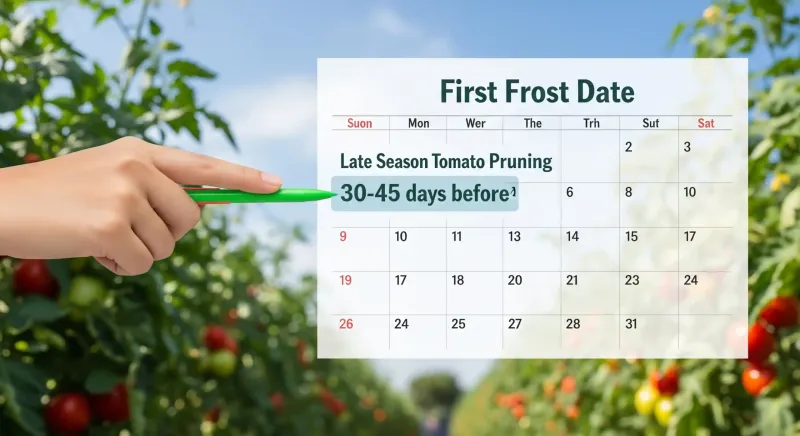
The phrase “right now” in any tomato-topping advice only applies to your garden if your local average first frost date is roughly four to six weeks away. Across the United States, that window lands at very different points on the calendar depending on where you live.
A gardener in northern Minnesota or upstate New York may face a first frost in mid-September, making late July or early August the logical topping window. A gardener in central Virginia or the mid-South might not see a reliable frost until late October, giving the plants several more productive weeks.
Applying a single national date to both gardens would either cut the season short in the South or leave northern plants growing new, unfinishable fruit until frost arrives. Iowa State University Extension’s tomato pruning guidance recommends topping indeterminate plants about four to six weeks before the expected first fall frost, which keeps the decision anchored to local conditions rather than a shared calendar date.
Finding your local average first frost date takes about two minutes. The USDA Plant Hardiness Zone Map, your local cooperative extension service website, or a simple web search for your city plus “average first frost date” will give you a reliable estimate.
Use the average, not the record earliest frost, as your planning benchmark. Count back four to six weeks from that date and mark it on your calendar as your topping window.
Removing new blossoms is a separate, optional step worth mentioning here. When flowers appear near the frost deadline, they have almost no chance of producing ripe fruit in time.
University of Vermont Extension supports removing these late flowers to keep the plant focused on fruit already developing on the vine. This practice works alongside topping but addresses flowers on branches you did not top, so treat it as a companion decision rather than the same operation.
Topping sets a deadline for the plant’s upward growth
An indeterminate tomato plant does not know the season is ending. Left on its own, it will keep pushing new stem growth upward, opening new flower clusters, and starting new fruit even when there is not enough warm weather left to bring any of it to harvest.
That biological drive is useful in midsummer; in late August or September, it works against you.
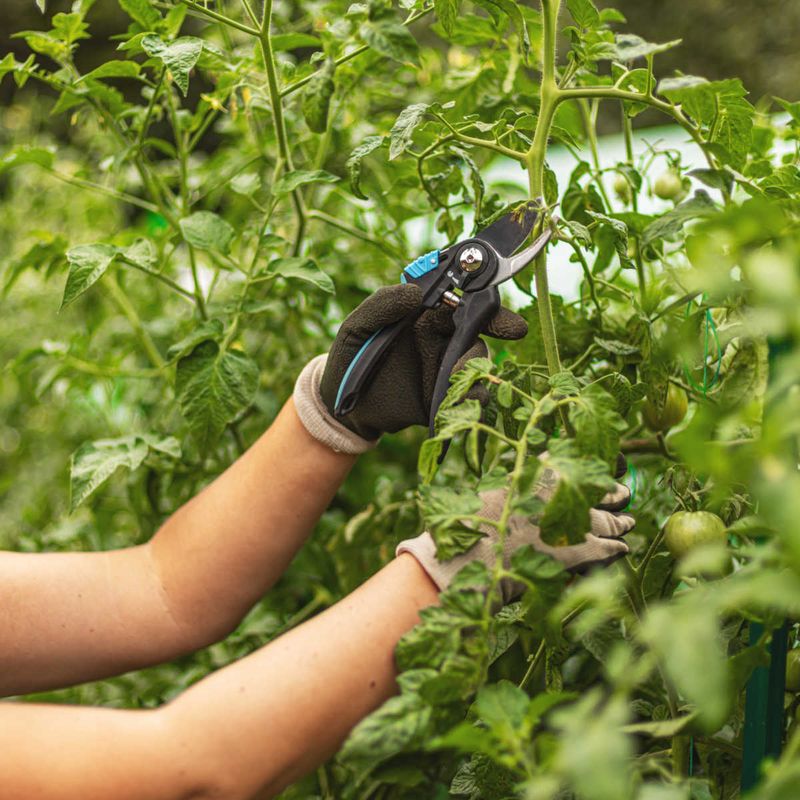
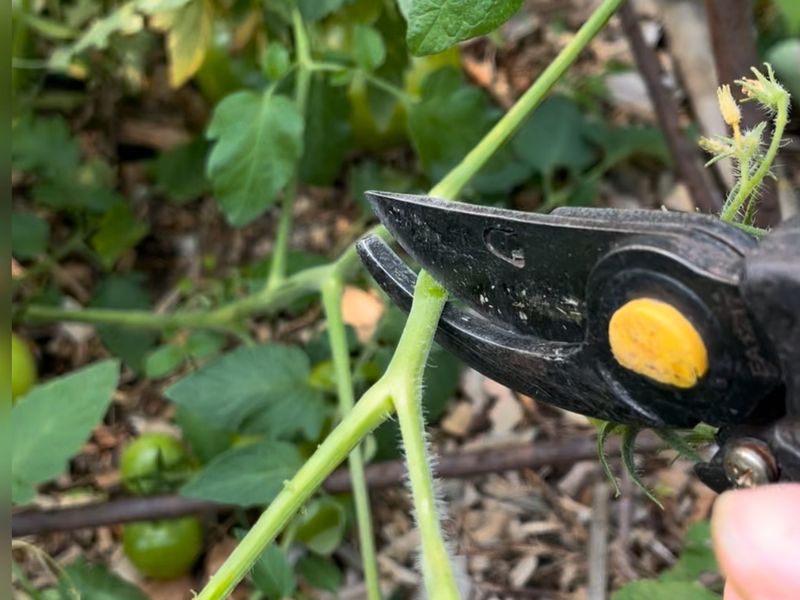
Topping addresses this by removing the terminal growing point, the soft, actively growing tip at the very end of a main stem. Once that tip is gone, that leader stops extending upward and stops producing new growth and flowers from that point.
The plant’s resources stay with the fruit and foliage already in place rather than flowing into new stem tissue that was never going to produce anything before frost. Iowa State University Extension describes topping as removing the growing tips of the main stems, and frames the practice as a late-season harvest-management step for indeterminate plants.
Framing matters here. Topping is not a universal pruning requirement, and it is not a magic switch that guarantees a bigger or faster harvest.
Treat it as a deadline you are setting for the plant, not a performance booster. You are telling specific stems to stop adding length and stop starting new flowers, so the fruit already on those stems and nearby branches has the best chance of finishing before cold weather arrives.
Topping one or two main leaders also does not mean the entire plant stops growing. Side shoots and other branches not yet topped can still develop, which is why some gardeners combine topping with selective blossom removal on those branches.
The two practices work together but are not the same cut.
Stop adding late flowers that the season cannot finish
A tomato flower that opens in late summer faces a steep calendar problem. After the flower opens, it needs to be pollinated, set a small fruit, grow that fruit to full size, and then fully ripen.
Under good conditions, that entire process from flower to ripe tomato can take roughly six to eight weeks, and sometimes longer if temperatures are not ideal. A flower that appears four weeks before your average first frost date simply does not have the runway to finish.
Topping the main stem leaders removes those leaders’ ability to keep producing new flowers from the topped point forward. That is the direct effect of the cut.
Flowers on other branches that were not topped are a separate matter, and that is where late-season blossom removal comes in as a companion practice. Iowa State University Extension recommends beginning to remove new flowers approximately four weeks before the first frost, and Wisconsin Extension guidance similarly advises removing new blossoms in early to mid-August in some northern growing regions, when any fruit set from those flowers is unlikely to ripen before frost.
Removing late flowers is optional and separate from topping. You are not required to do both, but understanding the distinction helps you make a clearer decision.
Topping cuts the stem tip and stops that leader from extending further. Blossom removal targets specific flowers on branches you choose not to top, redirecting the plant’s attention toward fruit that is already developing.
Neither practice guarantees that every existing green tomato will ripen before frost. What they do, together, is stop the plant from starting new fruit that has essentially no chance of maturing, giving the fruit already on the vine a better shot at finishing.
That is a meaningful improvement in late-season odds, even if it is not a promise.
Understand what topping can—and cannot—do for ripening
Gardeners sometimes expect topping to work like a ripening trigger, as if removing the growing tip sends an immediate signal to every green tomato to turn red. The reality is more measured than that, and knowing the limits helps you set realistic expectations for the weeks ahead.
Tomato ripening is controlled largely by temperature. Fruit develops color and flavor best between roughly 68 and 77 degrees Fahrenheit.
University of Minnesota Extension research on heat and vegetable gardens notes that red pigments in tomatoes do not form normally when temperatures climb above about 85 degrees Fahrenheit, which means a hot late-summer stretch can slow color development regardless of what you do to the plant. Topping cannot override that.
What topping can do is stop the plant from investing in new upward growth and new flowers on the topped leaders, so the fruit already on the vine is not competing with a fresh wave of stem tissue and developing flower buds. That is a useful late-season adjustment, but it is not the same as accelerating ripening or guaranteeing that every green tomato will finish before frost.
Time still matters after topping. A tomato that just set fruit may need the full six to eight weeks to reach harvest size and full color under favorable conditions.
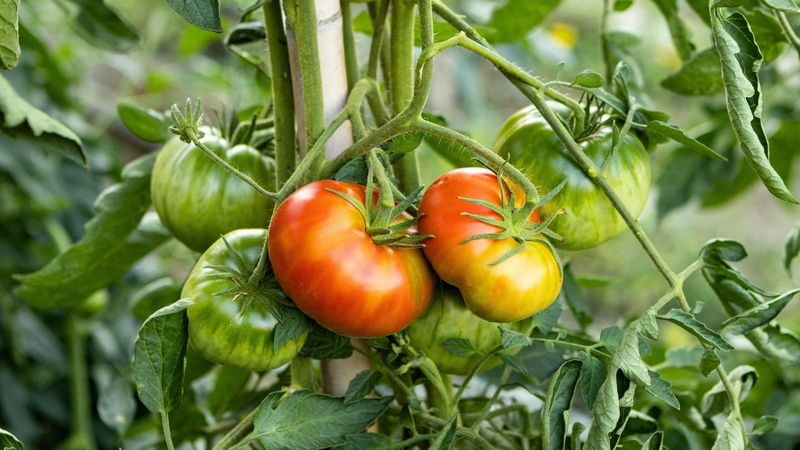
Fruit that is already approaching mature-green stage, meaning the seeds are fully developed and the interior gel has formed, may need considerably less time and could be a good candidate for indoor ripening if frost arrives first. Breaker-stage fruit, which shows the first blush of color, is even further along and ripens well indoors.
Topping is best understood as a harvest-management step that helps you finish what the plant has already started, not a shortcut to faster tomatoes. Paired with steady care and realistic timing, it gives your existing crop the best available conditions for the final push to ripe.
Cut the growing tips without stripping the canopy
Knowing where to make the cut is the difference between a useful late-season adjustment and a mistake that leaves your fruit exposed to sunscald or your plant unable to support what is still growing. The good news is that the physical technique is straightforward once you understand exactly what you are targeting.
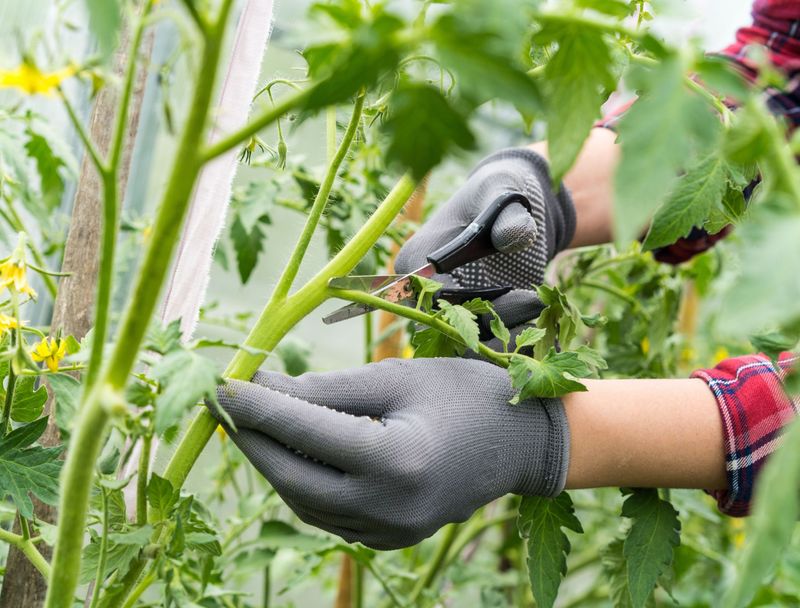
Locate the active terminal growing tip on each main stem you plan to top. On an indeterminate tomato, this is the soft, pointed shoot at the very top of the leader, often with tightly curled new leaves and no open flower yet.
That soft tip is what you are removing. Iowa State University Extension recommends cutting just above a leaf or fruit cluster, which leaves a clean stub and protects the remaining growth below the cut.
Use clean, sharp bypass pruners rather than scissors or a dull blade. A clean cut heals more easily and reduces the chance of tearing plant tissue.
Wipe the blades with a dilute bleach solution or isopropyl alcohol between plants. University of Vermont Extension supports sanitizing tools between plants as a way to reduce the spread of pathogens from one plant to the next, a step that takes seconds but matters when disease pressure is present in the garden.
Stop at the tip. Topping is not the same as removing the entire upper third of the plant, and it is not the same as sucker removal.
Suckers are the side shoots that grow in the angle between a stem and a branch. Removing suckers controls side growth during the growing season; topping removes the terminal point of a leader to stop that leader’s upward extension.
Illinois Extension’s tomato pruning overview distinguishes between these operations, and conflating them can lead to far more canopy removal than the plant needs.
Preserve as many leaves as possible while making your cuts. Leaves are not decoration; they produce the sugars the plant uses to fill and ripen fruit, and they shade developing tomatoes from intense afternoon sun.
Removing too much foliage at once opens the fruit to sunscald, which creates pale, papery patches on the skin and cannot be reversed.
Keep the remaining fruit steady, shaded, and healthy
Topping is a one-time cut, but the care that follows it carries the fruit across the finish line. A plant that has been topped still needs attentive watering, adequate foliage, and a garden environment that does not add new stress on top of the late-season push.
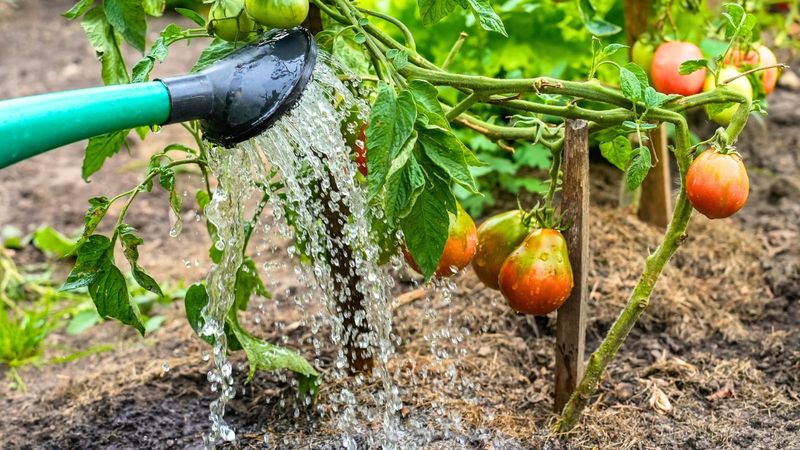
Consistent watering is non-negotiable after topping. Some gardeners assume that holding back water will force the plant to ripen its fruit faster, but that logic does not hold up.
Oregon State University Extension’s resource on blossom-end rot explains that irregular or insufficient moisture disrupts calcium uptake and can cause blossom-end rot, the dark, sunken patch that ruins the bottom of otherwise healthy-looking tomatoes. Water stress can also cause fruit cracking when a dry spell is followed by a heavy rain or deep watering.
Keep the soil evenly moist, as you would have done all season.
Foliage deserves the same respect after topping as before it. Leaves shade the fruit from direct sun, which matters most during afternoon heat.
Oregon State University Extension guidance on tomato diseases notes that excessive leaf removal can expose tomatoes to sunscald, a condition that creates pale, leathery patches on the fruit’s skin. Sunscald weakens the fruit’s protective skin and can invite secondary fungal infections.
Resist the urge to clear out the canopy in hopes that more sunlight will speed ripening; a well-shaded tomato on a healthy plant ripens more reliably than one baking in full afternoon exposure.
Skip topping entirely if the plant is already struggling. Iowa State University Extension advises against major pruning on plants that are drought-stressed, nutrient-deficient, or seriously diseased.
A plant under that kind of strain does not have the reserves to recover well from additional cuts. If your plant has significant fungal or bacterial disease, topping will not cure it.
Better airflow from careful pruning may help slow the spread of some foliar diseases, but the disease itself needs a proper diagnosis and targeted management, not a late-season trim.
Harvest strategically when frost arrives first
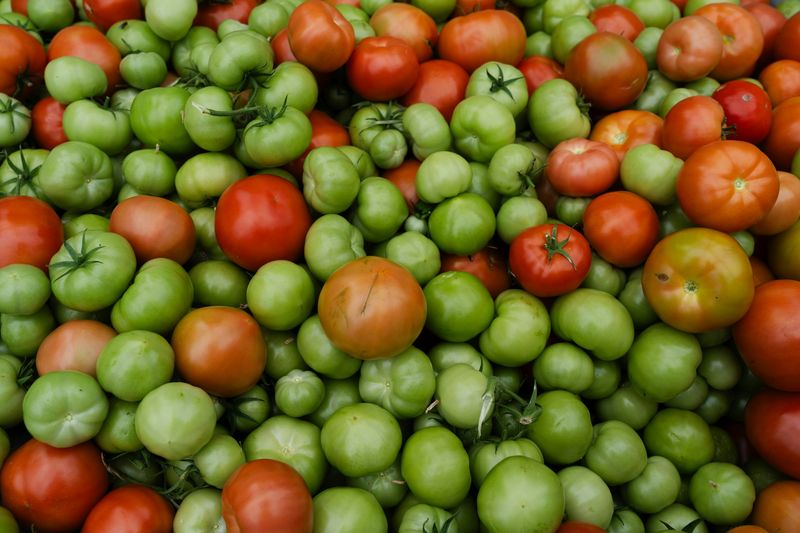
Even a well-timed topping cannot guarantee that every tomato on the vine will reach full color before the season’s first frost. Having a clear plan for harvesting and finishing fruit indoors turns a potential loss into a workable late-season strategy.
Fruit at the breaker stage, meaning it shows the first blush of pink, orange, or red color anywhere on the skin, is the best candidate for indoor ripening. Glossy mature-green tomatoes, those that have reached full size with a slightly lighter shade of green and a waxy surface, can also ripen indoors, though flavor may be somewhat reduced compared to vine-ripened fruit.
Colorado State University Extension’s guide to ripening tomatoes indoors explains that fruit at these stages has developed sufficiently to complete the ripening process off the vine. Matte, dark-green, and visibly immature tomatoes are a different story; fruit that has not yet reached the mature-green stage may not ripen successfully indoors, and trying to store it at room temperature often leads to rot rather than color.
When a frost is forecast, harvest every tomato that shows any blush and all glossy mature-green fruit. Bring them inside and spread them in a single layer at room temperature, out of direct sunlight.
A countertop, shelf, or cardboard box away from a window works well. Check them every day or two and move fully ripened tomatoes to the refrigerator or use them promptly.
The full late-season decision comes down to this: identify your indeterminate plants, count back four to six weeks from your local average first frost date, top the terminal growing tips of selected main stems during that window, and then harvest fruit by maturity stage when cold weather ends the season. Tomatoes grown with that kind of seasonal awareness tend to give more back than those left to chance, which is the quiet reward of paying attention to when the garden’s clock actually runs out.