
19 Cheap Flowers That Keep Your Beds Blooming All Summer Without Draining Your Wallet
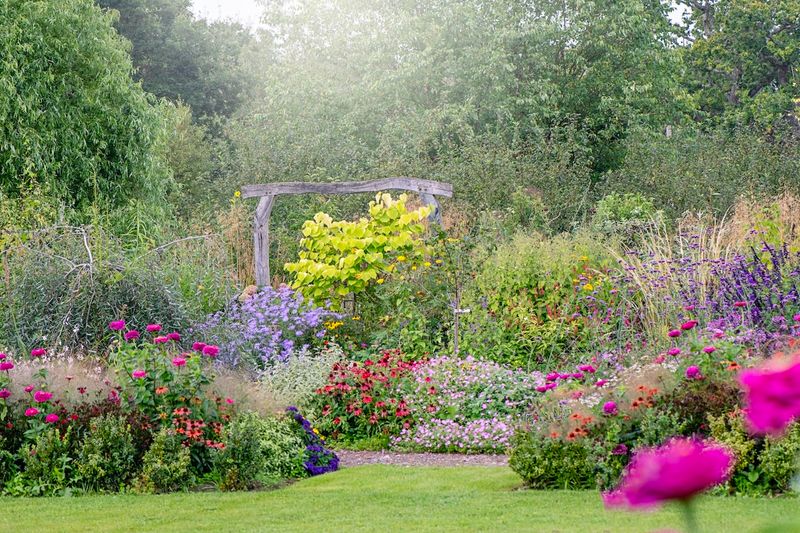
Beautiful summer flower beds do not have to cost a fortune. With a smart mix of seeds and starter plants, you can fill your yard with color from June all the way to the first frost. The flowers below are budget-friendly favorites that bloom for weeks, handle heat well, and often reseed themselves so you get more blooms next year for free. Grab a trowel and let us find the ones that fit your garden and your wallet.
1. Marigolds
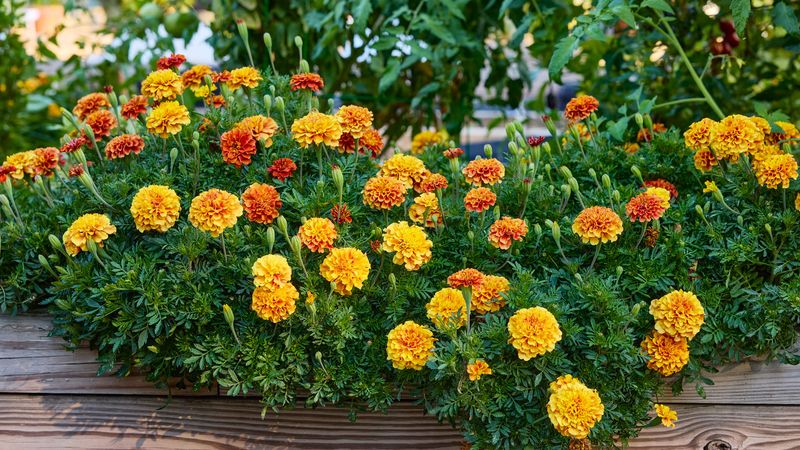
Few flowers give you more for a single seed packet than marigolds. A dollar’s worth of seeds can line an entire bed border, and they start blooming just weeks after sprouting.
Gardeners across the South and Midwest love them because they shrug off blazing afternoon sun and dry spells without much fuss. Their bright gold and orange heads keep coming back if you pinch off the spent blooms.
Here is a bonus that pays you back: the strong scent of marigolds may help deter certain nibbling pests near tomatoes and beans, which is why so many US backyard growers tuck them between vegetables. Save the dried seed heads in fall and you will never buy them again.
2. Zinnias
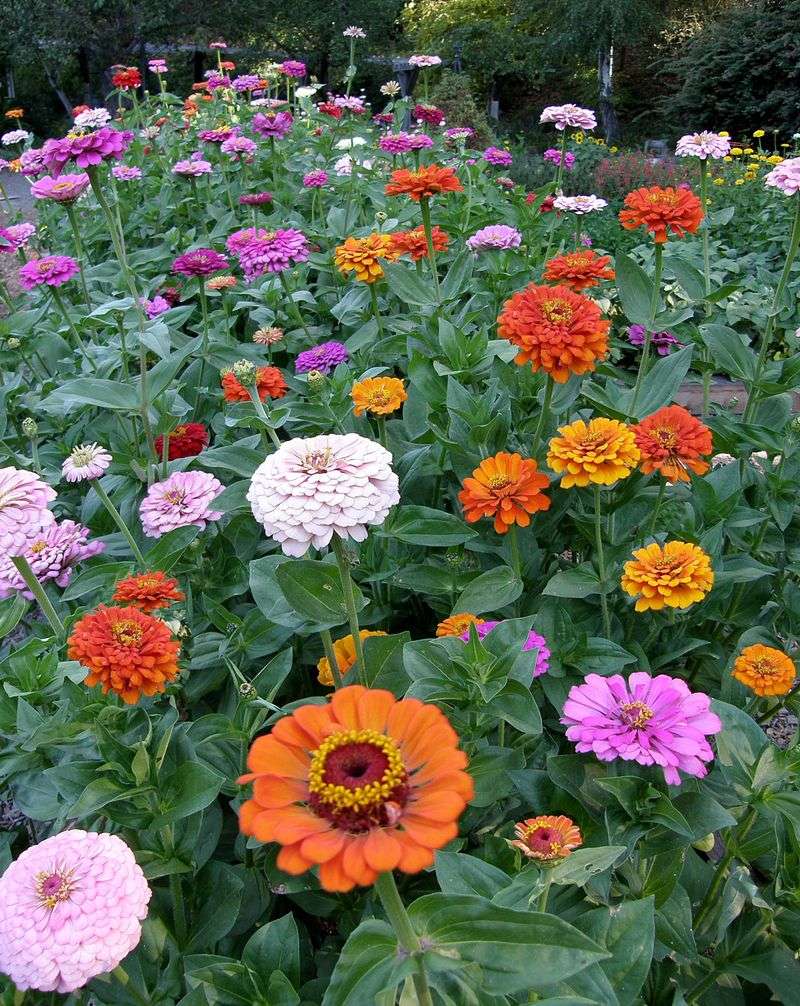
Cut one zinnia and the plant answers by making two more. That cut-and-come-again habit makes them one of the best values a summer garden can offer.
A packet costs about the price of a candy bar, yet you get weeks of hot pinks, reds, and sunny yellows that thrive in the muggy heat of a US July. They ask for almost nothing beyond full sun and the occasional drink.
Pollinators adore them too, so expect butterflies to treat your bed like a diner. Let a few flowers dry on the stem and scatter the seeds, and next year’s patch plants itself.
3. Cosmos
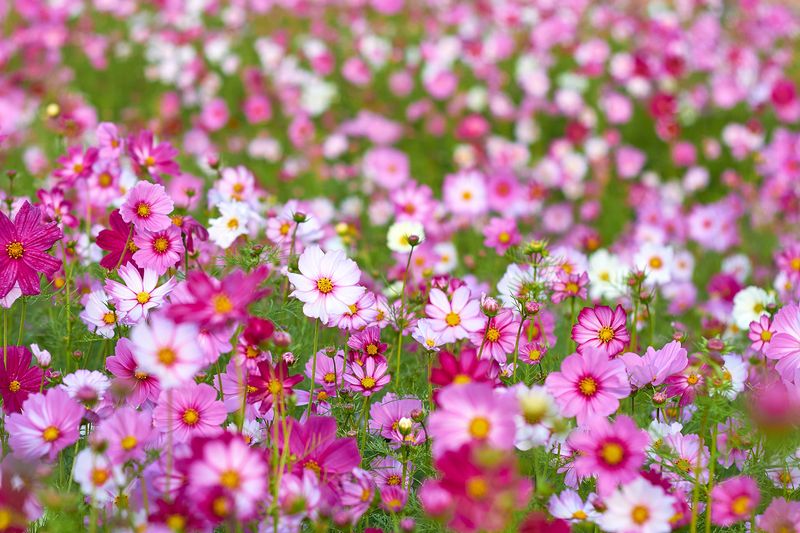
Toss cosmos seeds onto bare soil, rake them in lightly, and step back. These airy, daisy-like flowers practically grow themselves, which is exactly why frugal gardeners keep them on speed dial.
They actually prefer poor soil, so you can skip the expensive fertilizer and still get tall, feathery clouds of pink, white, and magenta. In much of the country they bloom from early summer until frost.
Cosmos are famous self-seeders. Leave the last blooms alone in autumn and you will spot volunteer seedlings popping up all over the bed come spring, no wallet required.
4. Petunias
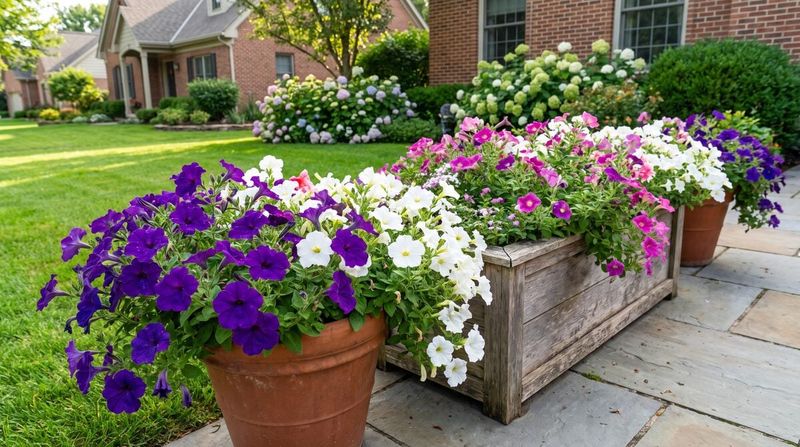
Walk past any garden center in May and you will see flats of petunias for just a few dollars, packed with more plants than you can count. Ounce for ounce, they deliver serious flower power.
A single six-pack can spill color over a whole bed edge or fill a couple of containers on the porch. They bloom nonstop through summer heat as long as they get sun and a weekly deep watering.
Give them a light haircut mid-season when they get leggy, and they bounce back thicker and fuller. Spreading types like the wave varieties cover ground fast, so you buy fewer plants to fill the same space.
5. Nasturtiums
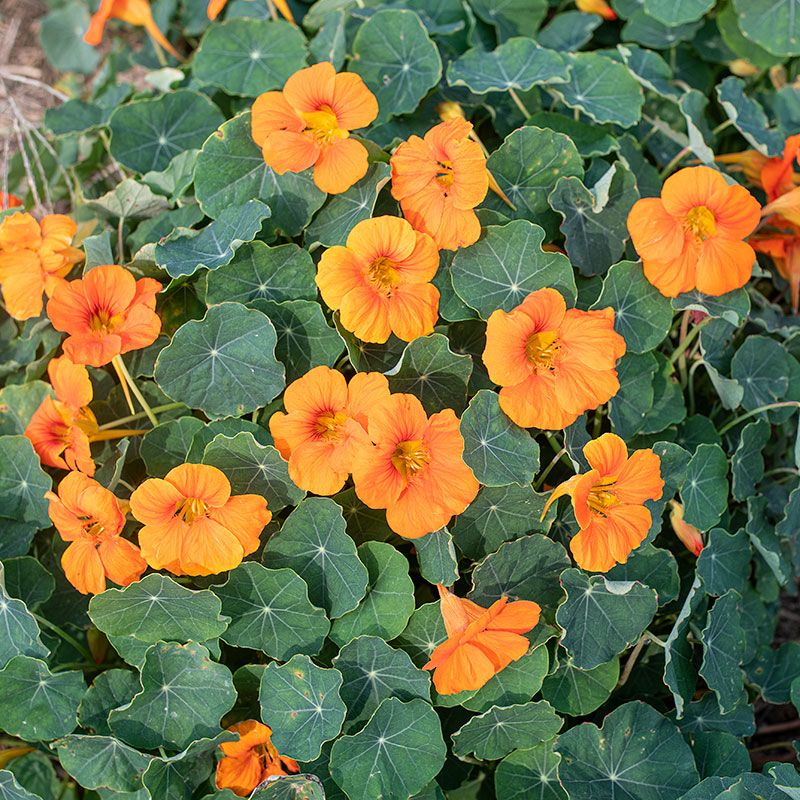
Big, easy-to-handle seeds make nasturtiums perfect for planting with kids or anyone who hates fiddly gardening. Poke them into the ground and they sprout fast with barely any coaxing.
The round leaves and firecracker-orange blooms trail beautifully over bed edges and walls. They love lean soil, so rich fertilizer actually gives you fewer flowers, which keeps your costs down.
Every part of the plant is edible, adding a peppery kick to salads. Some growers also plant them as a sacrificial trap crop, since aphids often flock to nasturtiums and leave nearby veggies alone.
6. Sunflowers
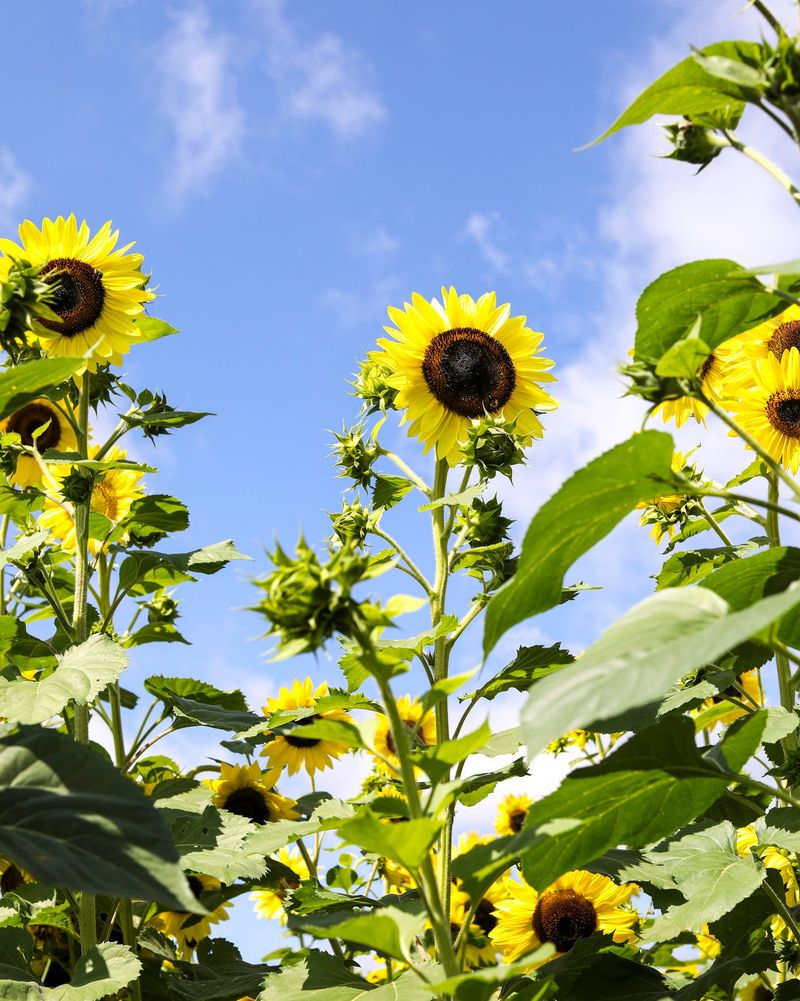
Nothing says summer quite like a row of sunflowers grinning over the fence, and a jumbo seed packet costs next to nothing. One packet can produce dozens of towering blooms.
They race skyward in warm US summers, some varieties topping seven feet in a couple of months. Branching types keep pumping out smaller flowers for weeks instead of one big show.
When the season ends, the seed heads feed birds through fall and give you free seed to replant. Kids especially love measuring their growth against the tallest stalk.
7. Coneflowers (Echinacea)
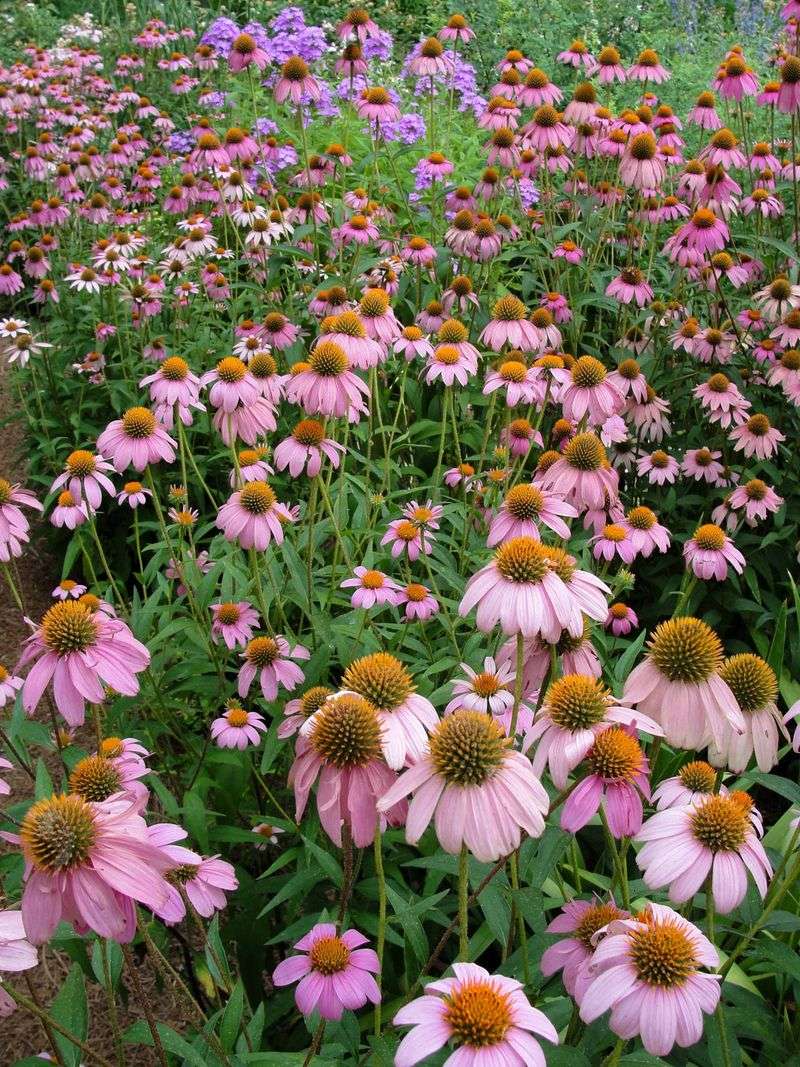
Spend a few dollars on a single coneflower plant and you are really buying a decade of blooms. As tough native perennials, they come back bigger every summer without another cent from you.
Their daisy-shaped purple and pink flowers stand up to drought, humidity, and neglect across most of the country. Once established, they barely need watering.
Bees and butterflies swarm the spiky orange centers all summer, and goldfinches pick the seeds in fall. Divide a mature clump every few years and you get free new plants to spread around or share with neighbors.
8. Black-Eyed Susans
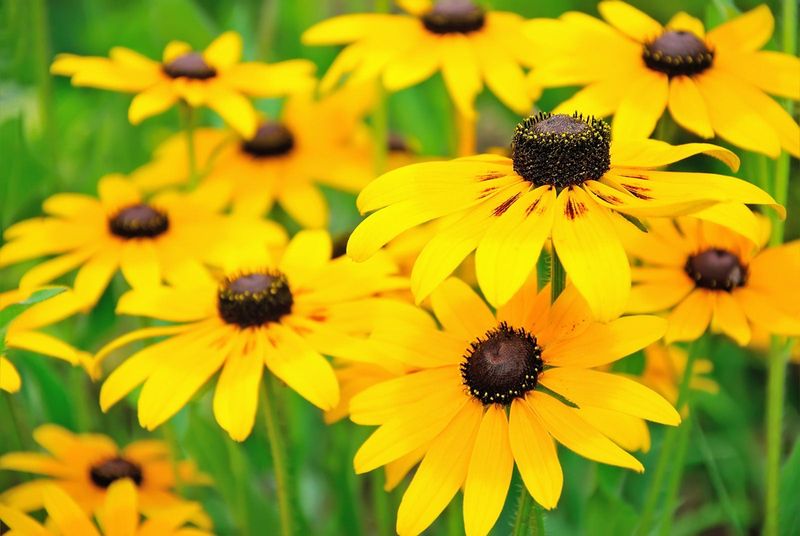
Golden petals ringing a dark button center, black-eyed Susans look like sunshine took root in your bed. As a hardy native perennial, one purchase keeps paying off summer after summer.
They laugh at heat, clay soil, and forgetful watering, thriving in fields and roadsides all over America with zero help. In the garden they form fat clumps that spread on their own.
Leave the seed heads standing and they reseed generously, so a small starter patch becomes a golden sweep in a couple of seasons. Cutting a few for the vase only encourages more blooms.
9. Portulaca (Moss Rose)
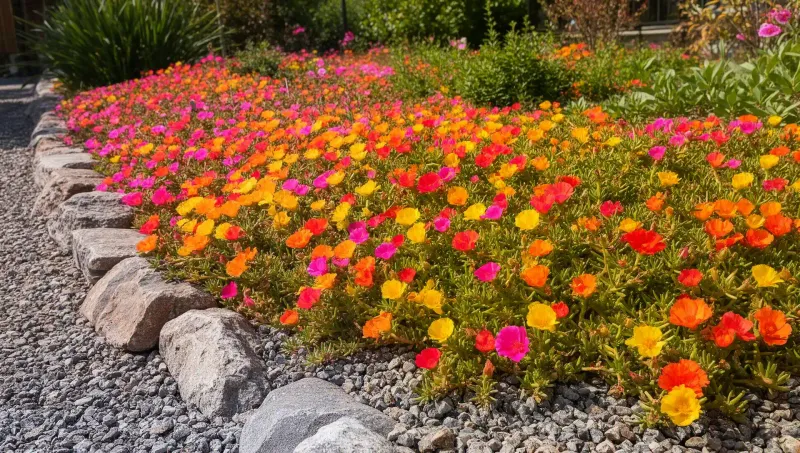
Got a hot, dry spot where nothing else survives? Portulaca treats that misery like a five-star resort. These little succulents store water in their needle-like leaves and bloom happily where other flowers fry.
A cheap flat of moss rose covers sunbaked borders, rock gardens, and cracks in the walkway with jewel-toned blooms in pink, orange, red, and yellow. They practically thrive on neglect and hate being overwatered.
The flowers open with the sun and close at dusk, giving your bed a fresh look each morning. They reseed into the same warm spots year after year with no effort from you.
10. Impatiens
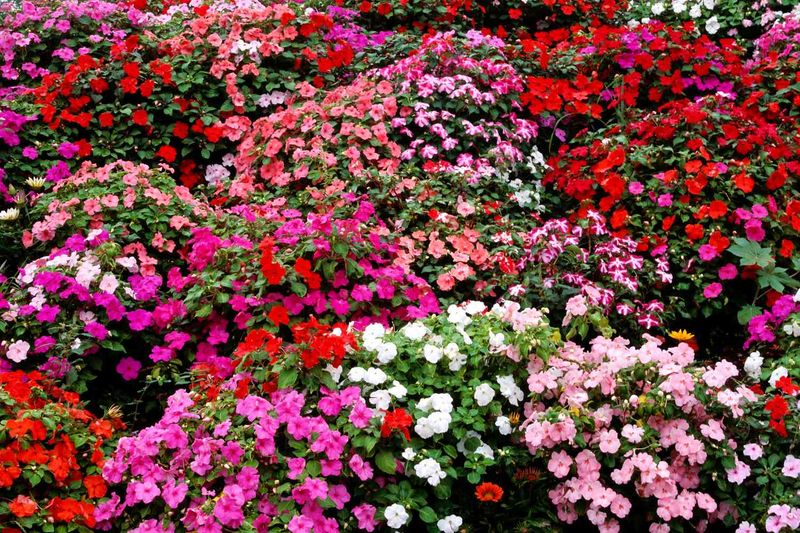
When your yard is more shade than sun, impatiens step up where most bargain bloomers give up. They pour color into those dim corners that usually stay boring and green.
Cheap flats fill shady beds fast with mounds of pink, coral, white, and red that never stop until frost. They ask only for steady moisture and a spot out of the harsh afternoon glare.
Pinch a few stem tips and root them in a glass of water to make free new plants within days. That easy cloning trick lets one flat multiply into many.
11. Bachelor’s Buttons (Cornflower)
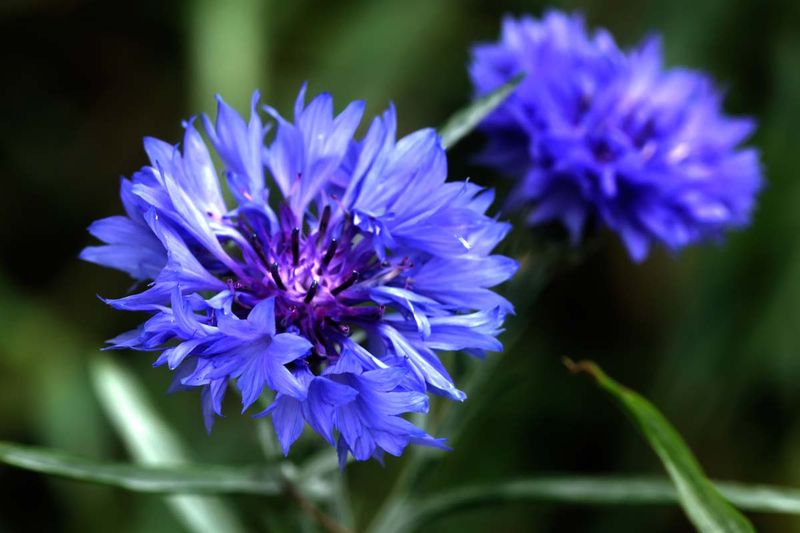
That electric true-blue color is surprisingly rare in the flower world, and bachelor’s buttons deliver it for pennies a seed. Blue blooms usually cost a premium, so this one is a genuine bargain.
Scatter the seeds in early spring and these old-fashioned cottage flowers pop up quickly in ordinary soil. They handle heat and dry spells with a shrug once they get going.
Bees and butterflies work them hard all summer. Let them go to seed and they cheerfully return on their own, turning one packet into years of sky-blue color.
12. Salvia
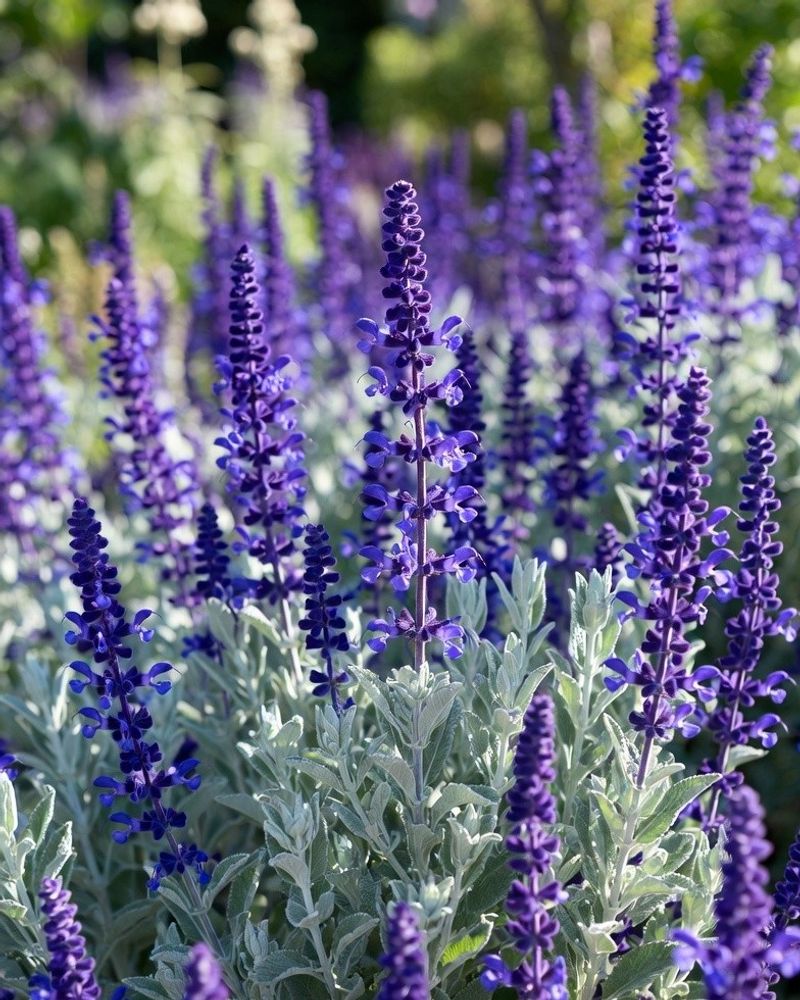
Spiky vertical flower stalks give a bed instant structure, and salvia provides them without a fancy price tag. Both annual and perennial types keep the show going for months.
The blue, purple, and red spikes handle heat and drought like champs across US zones, and hummingbirds treat them like a magnet. Perennial varieties return each spring for a one-time cost.
Shear the plant back after the first flush of blooms fades and it rewards you with a whole second round. That repeat performance stretches your dollar even further through late summer.
13. Coreopsis (Tickseed)
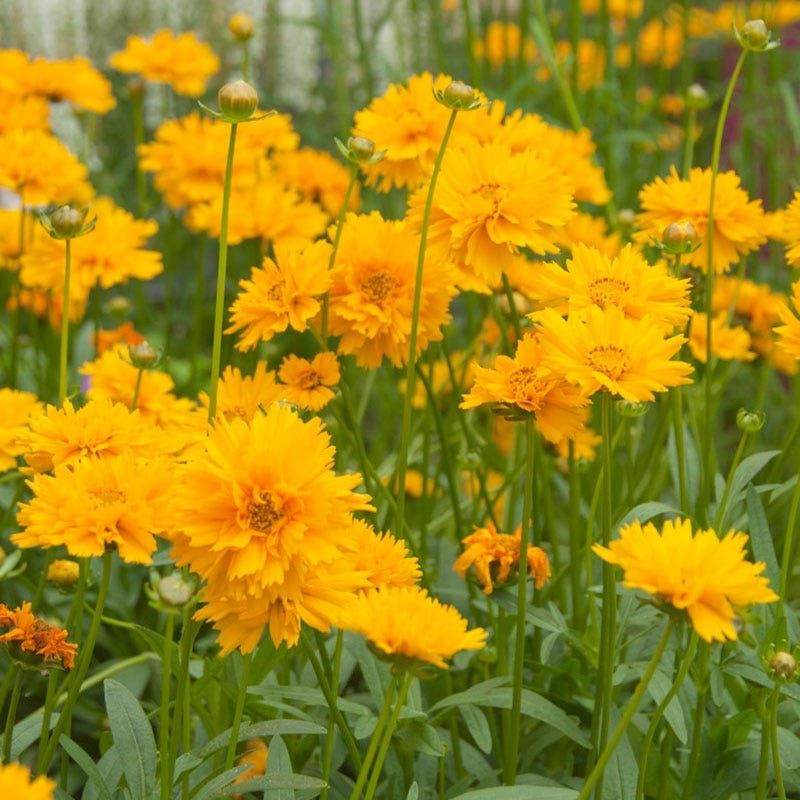
Cheerful yellow daisies that bloom for months on almost no care, coreopsis is the definition of a low-maintenance bargain. Buy one perennial plant and enjoy the payoff for years.
Native across much of America, it thrives in poor, sandy soil and drought that would flatten pickier flowers. The dense clumps produce hundreds of small blooms all summer long.
A quick shearing when it looks tired sparks a fresh wave of flowers. Many types reseed too, quietly filling gaps in your bed with more golden color at no extra cost.
14. Celosia
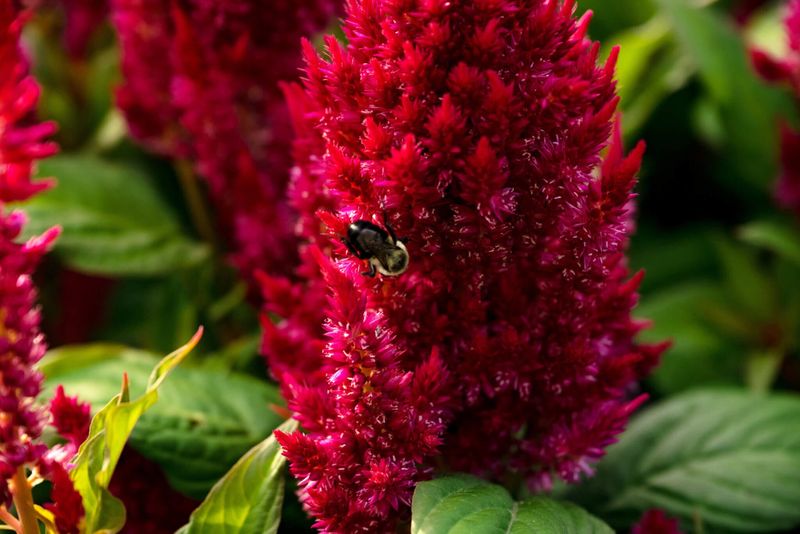
Flame-shaped plumes and velvety brain-like combs make celosia one of the strangest and most eye-catching flowers you can grow cheaply. Nothing else in the budget bin looks quite like it.
The bold red, orange, and magenta heads hold their color through the hottest, most humid stretch of a US summer without wilting. Full sun and decent drainage are about all they demand.
Cut the plumes and they dry beautifully for indoor arrangements that last for months. Collect the tiny seeds from spent heads and you have next year’s crop for free.
15. Alyssum
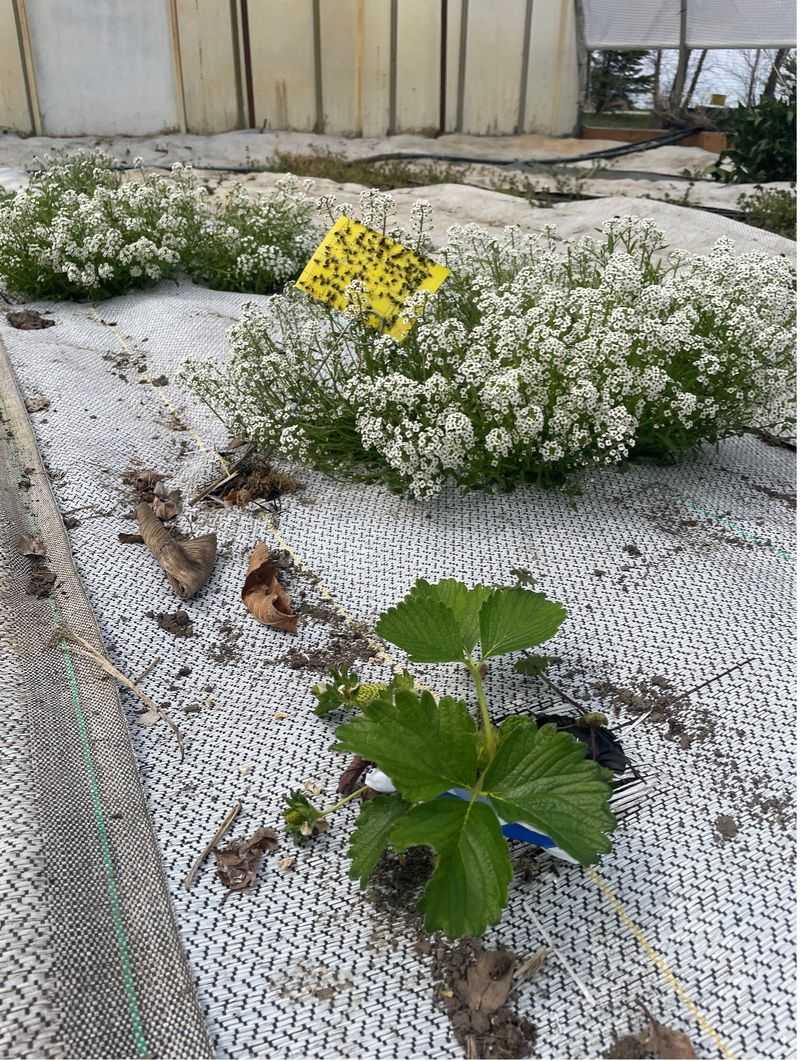
A carpet of tiny flowers with a honey-sweet fragrance, sweet alyssum spreads fast and costs almost nothing from seed. It fills the low front edge of a bed where taller plants leave a gap.
The white, purple, and pink mats bloom cool and heavy in spring, ease off in peak heat, then surge again as evenings cool. That built-in comeback stretches its season.
The sweet scent draws in tiny beneficial insects that prey on aphids, so it may help keep pests off nearby plants. It self-sows readily, quietly reappearing each year on its own.
16. Vinca (Periwinkle)
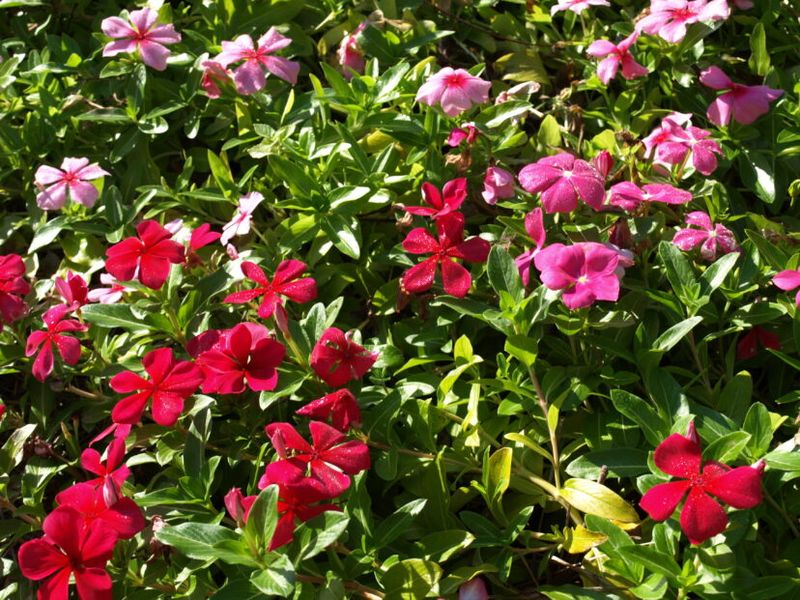
When July turns your beds into a furnace, vinca just keeps smiling. Annual vinca actually blooms harder the hotter and drier it gets, which makes it a lifesaver in Southern gardens.
Inexpensive flats deliver glossy leaves and pinwheel flowers in pink, white, and red that never seem to quit. Overwatering is about the only way to hurt it, so it forgives busy or forgetful gardeners.
It shrugs off drought once rooted and rarely gets bothered by pests. For a plant that thrives on neglect in brutal heat, the price is hard to beat.
17. Four O’Clocks
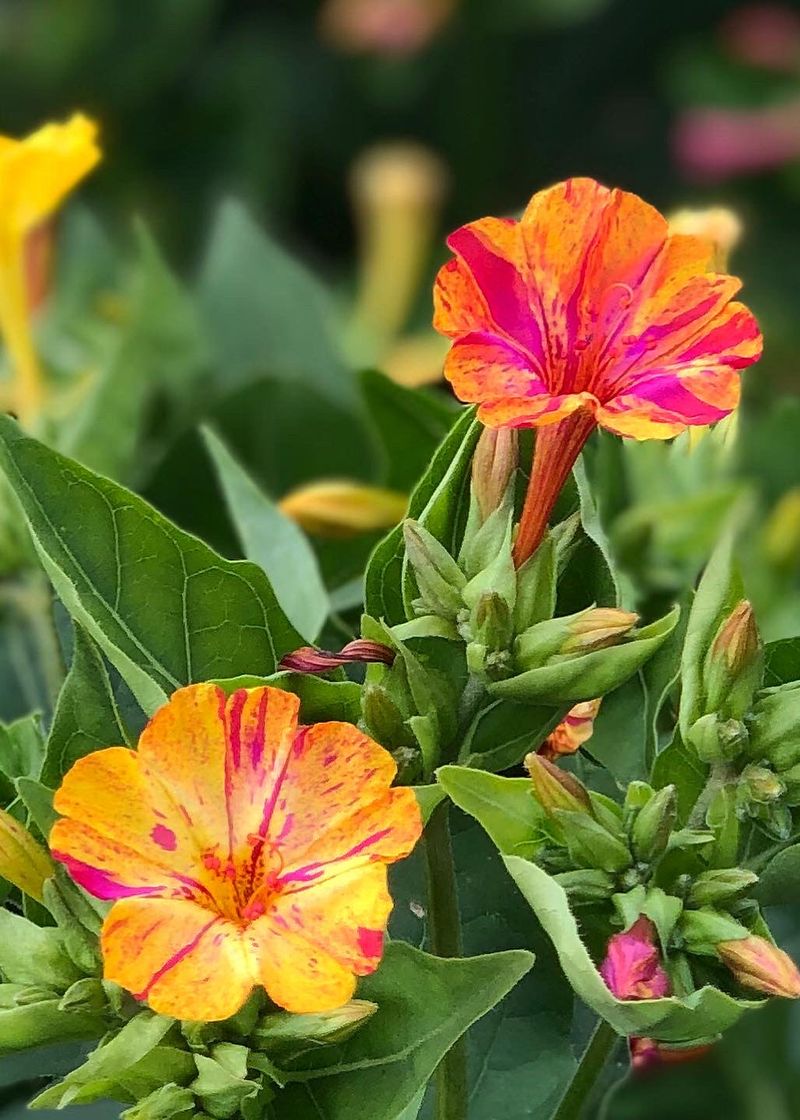
Named for their habit of unfurling in late afternoon, four o’clocks throw open their trumpet blooms just as you get home from work. It is like the garden waking up for the evening shift.
Grown from cheap seeds, they form big bushy plants loaded with fragrant pink, yellow, and red flowers that scent the yard at dusk. Heat and humidity do not slow them down.
The plants form underground tubers that survive winter in warmer zones and resprout for free the next year. In cooler areas they drop plenty of seed to carry on. A single old-fashioned favorite from grandma’s garden.
18. Gaillardia (Blanket Flower)
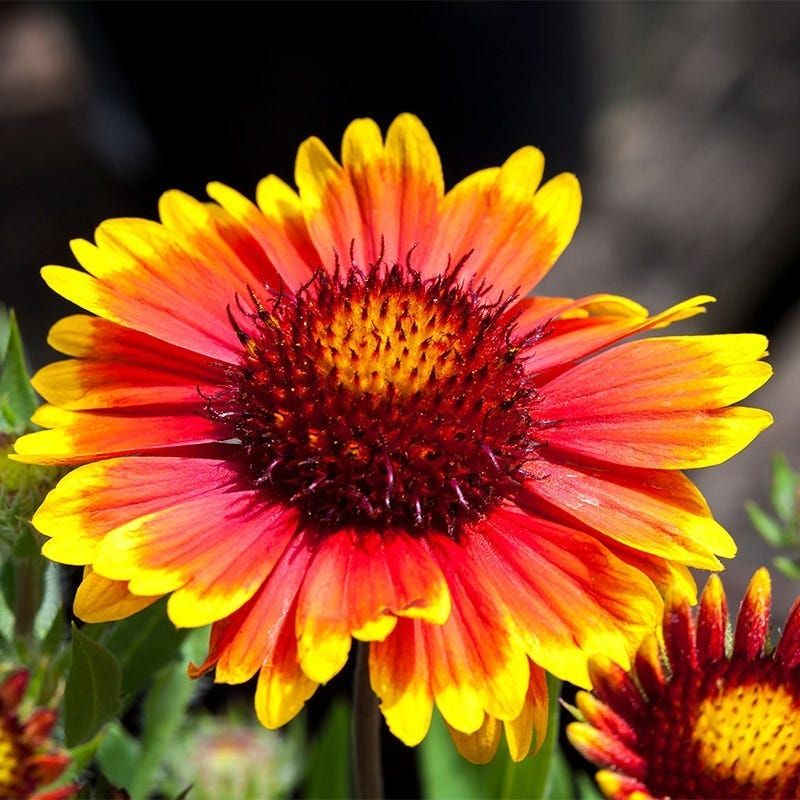
Fiery red-and-yellow blooms that look like a Southwestern blanket earned gaillardia its nickname, and its toughness earns it a spot on any budget list. This native perennial handles heat, drought, and sandy soil with ease.
One modest plant fans out into a mound covered in warm-toned daisies from early summer straight through fall. Deadheading keeps the flowers rolling, though it blooms plenty even if you forget.
Butterflies love it, deer usually skip it, and it often reseeds around the bed. For coastal and hot-climate gardeners especially, few perennials give this much color for so little upkeep.
19. Morning Glory
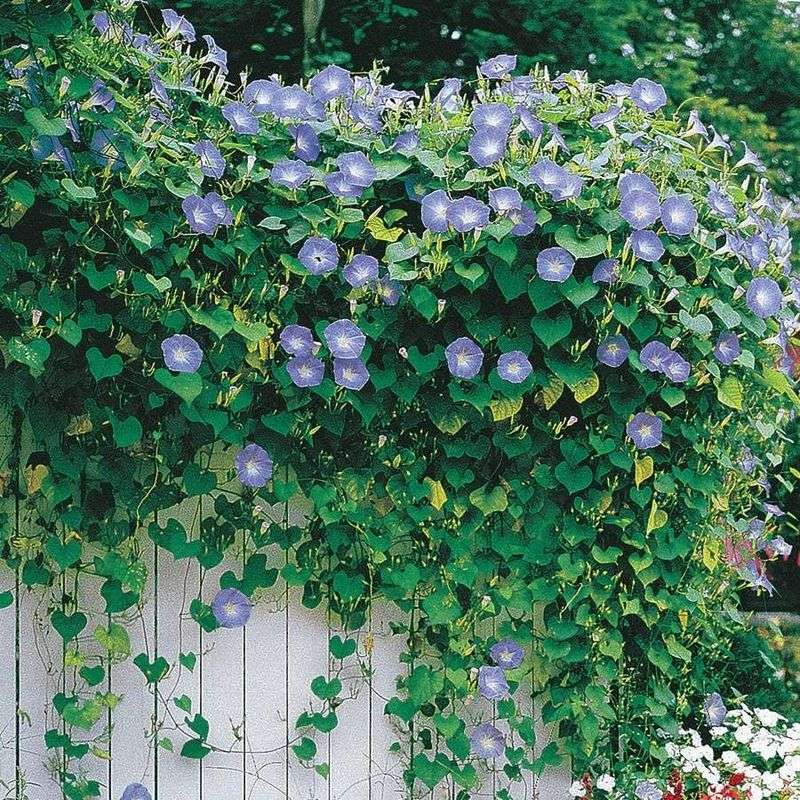
For pennies you can drape a whole fence, trellis, or mailbox in heart-shaped leaves and morning trumpets of blue, purple, and pink. Vertical color rarely comes this cheap.
The vines climb fast in summer heat and open a fresh batch of blooms each morning, greeting you at sunrise before fading by midday. Poor soil actually encourages more flowers than rich ground.
They reseed enthusiastically, so plant them where you will welcome their return, since they can spread. Nick the hard seeds and soak them overnight to speed up germination for a fuller show sooner.