
5 Breathtaking Perennials Most Gardeners Miss Until Their Beds Start Looking Tired In The Heat
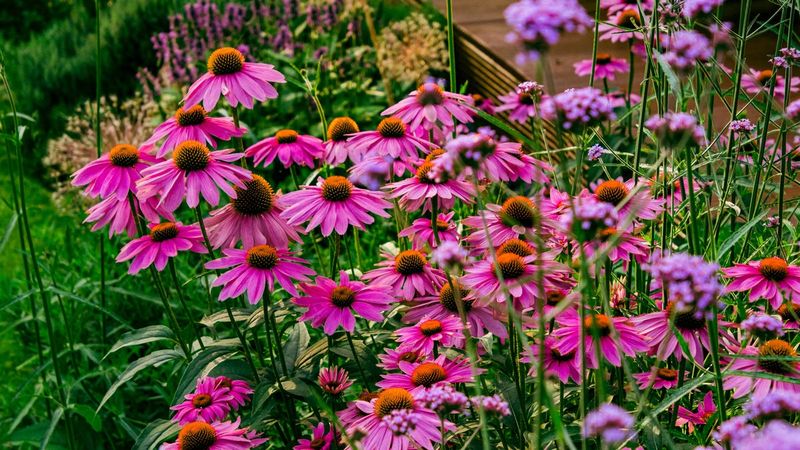
Most flower beds hit a wall in late summer, when the early bloomers fade and everything looks a little worn out. The secret to keeping color going is planting perennials that actually love the heat instead of hiding from it. A lot of gardeners walk right past these tough beauties at the nursery, not realizing they are exactly what a tired July bed needs. Here are five heat-loving perennials that keep the show going when everything else calls it quits.
1. Russian Sage (Perovskia atriplicifolia)
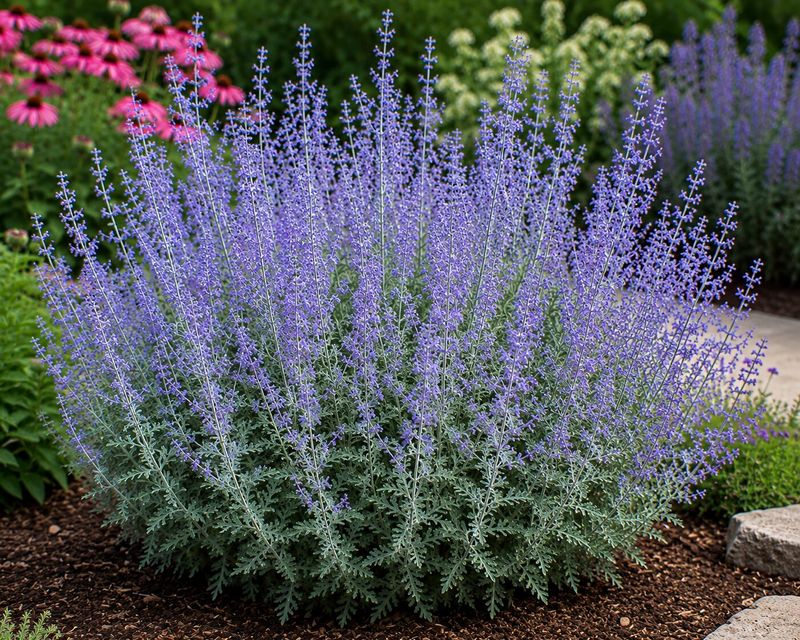
Picture a soft purple haze floating over silvery stems, swaying in the hot afternoon wind while your other plants droop. That is Russian sage doing what it does best. It shrugs off drought like it was born for it, because in a way it was, tracing its roots back to the dry hills of central Asia.
Gardeners often overlook it at the nursery because in a small pot it looks like a scrawny gray twig. Give it a full-sun spot with lean, well-drained soil, though, and by midsummer it explodes into a three to four foot cloud of lavender-blue flowers that bees adore.
Here is a bonus you will appreciate on a muggy day: brush against the foliage and it releases a sharp, sage-like scent that deer and rabbits tend to avoid. The aroma may help keep some browsing critters from treating your bed like a salad bar. Cut it back hard in early spring and it comes roaring back, tougher than ever.
2. Coneflower (Echinacea)
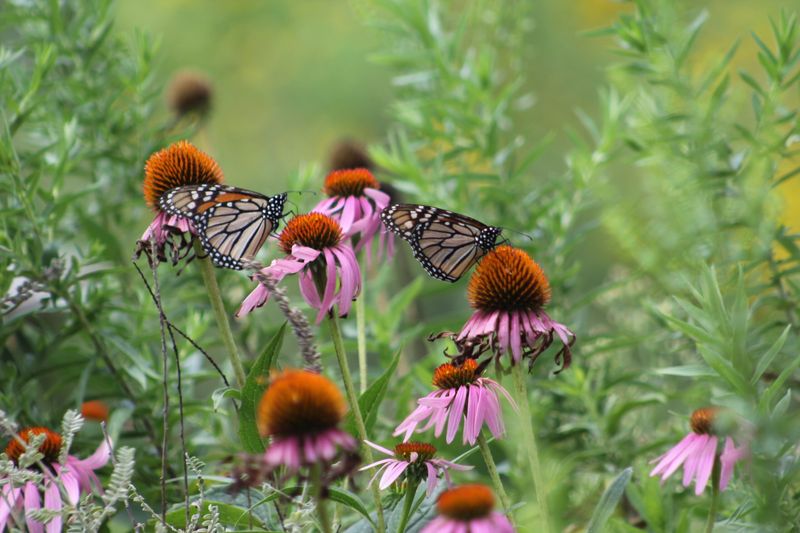
Few plants earn their keep in a summer bed like the coneflower, standing tall on stiff stems while heat waves roll through. Native to the American prairies, it is genetically wired to handle blazing sun and long dry stretches that would flatten fussier flowers.
The daisy-shaped blooms come in warm pinks, purples, oranges, and creamy whites, each one topped with a spiky bronze center that butterflies practically fight over. What most folks miss is how long the display lasts, often from midsummer straight into fall if you deadhead a few spent blooms.
Leave those seed heads standing at the end of the season and you get a second gift: goldfinches will perch right on them, pecking out seeds through autumn. Coneflower is one of those rare perennials that looks better as it ages, so resist the urge to tidy it up too soon. It settles in quickly and rewards patience with years of reliable color.
3. Black-Eyed Susan (Rudbeckia)
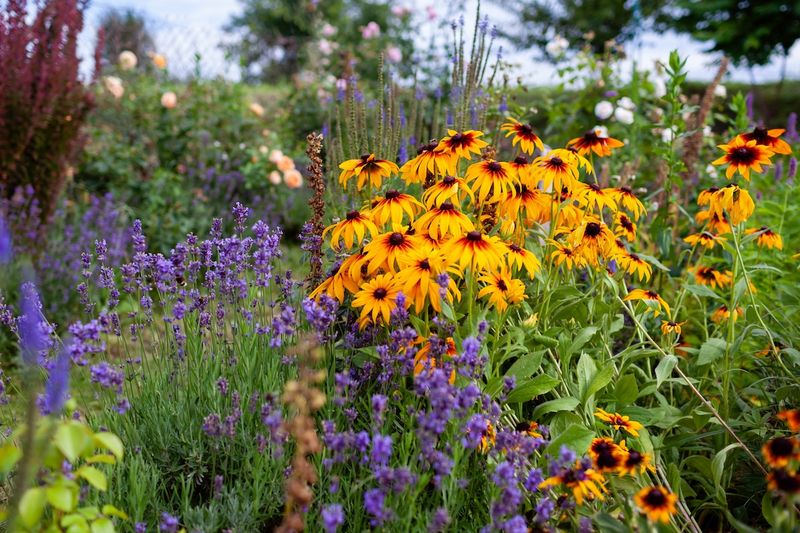
Sunshine in plant form is the best way to describe Rudbeckia, with its golden petals and chocolate-brown centers glowing across the bed. When August heat has bleached the color out of everything else, this one only seems to get bolder and brighter.
It spreads into cheerful clumps that fill gaps fast, which is exactly why so many gardeners wish they had planted it sooner. Pollinators swarm it, and cut a handful for a vase and they will last for days on the kitchen counter.
Fun bit of history: Rudbeckia was named after Olof Rudbeck, a Swedish botanist who taught the famous Carl Linnaeus. The plant asks for almost nothing in return, tolerating clay, drought, and neglect with a grin. Pair it with the purples of Russian sage or coneflower and you get a color combination that reads like a summer sunset.
4. Autumn Joy Sedum (Hylotelephium)
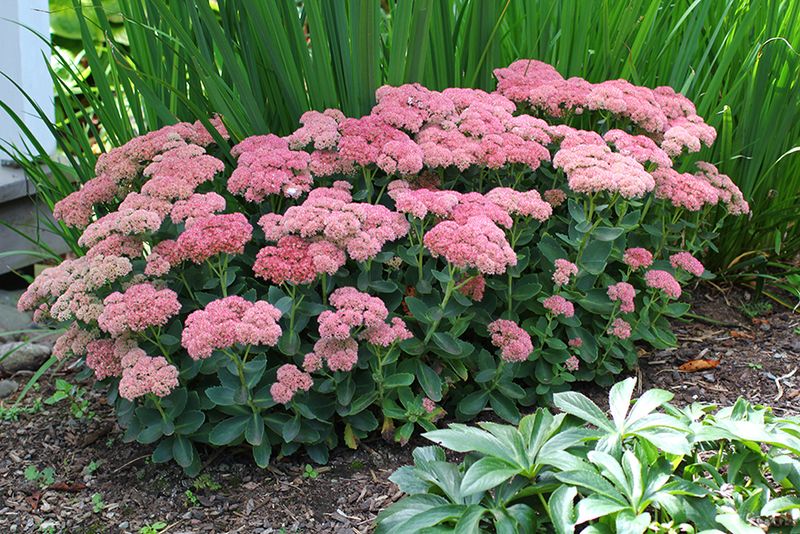
Chunky, succulent-like leaves make this sedum look almost cartoonishly sturdy, and that is precisely the point. Its thick foliage stores water, so while the heat crisps up its neighbors, Autumn Joy stays plump and green without complaint.
The real magic comes in late summer. Broad flower heads start out pale green, shift to soft pink, then deepen into a rich rusty red just as most gardens are winding down for the year.
Bees and butterflies treat those flat-topped clusters like a landing pad, making the plant hum with activity on warm afternoons. It practically thrives on being ignored, and overwatering is the one sure way to disappoint it. Leave the dried seed heads through winter and they catch frost and snow beautifully, giving your bed structure long after the last bloom fades.
5. Blanket Flower (Gaillardia)
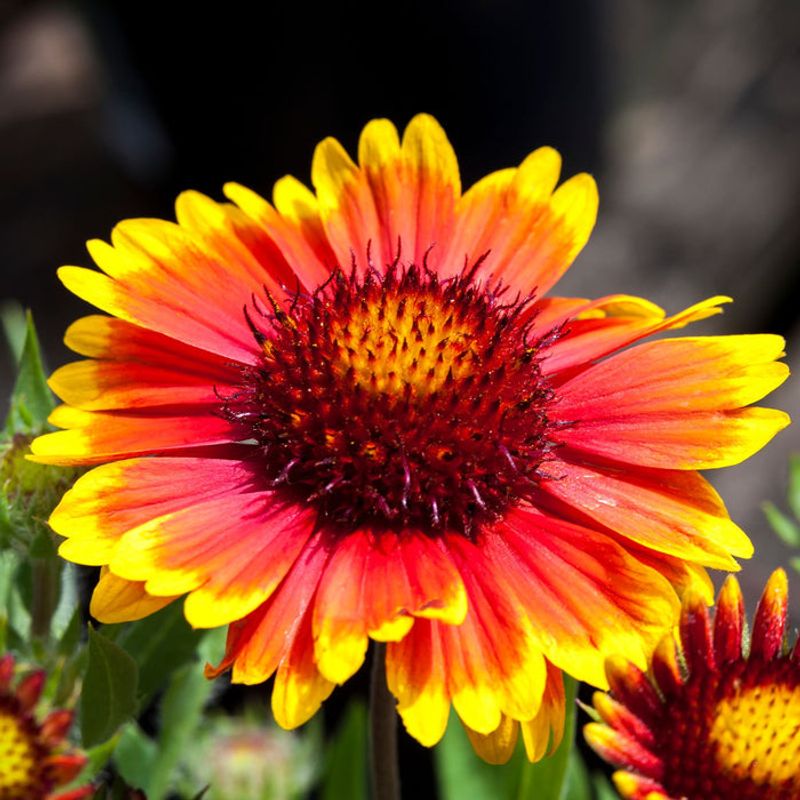
Imagine a firework frozen mid-burst, and you have the blanket flower, ringed in red and tipped with gold like a tiny sunset on a stem. It got its common name from the way its warm colors echo the patterns of Native American woven blankets.
What sets this one apart is stamina. It blooms nonstop from early summer well into fall, barely pausing even when the thermometer refuses to drop and the soil turns dusty.
Sandy, poor, and dry conditions are where it feels most at home, so rich pampered soil actually works against it. Snip off the finished flowers and it responds by throwing out even more, keeping the party going for weeks. Compact and tidy, it slips into the front of a border or a hot container where taller heat-lovers cannot fit, adding a jolt of color right where the eye lands first.