
20 Hydrangea Habits That Keep Them Blooming Beautifully – And The Mistakes That Ruin The Show
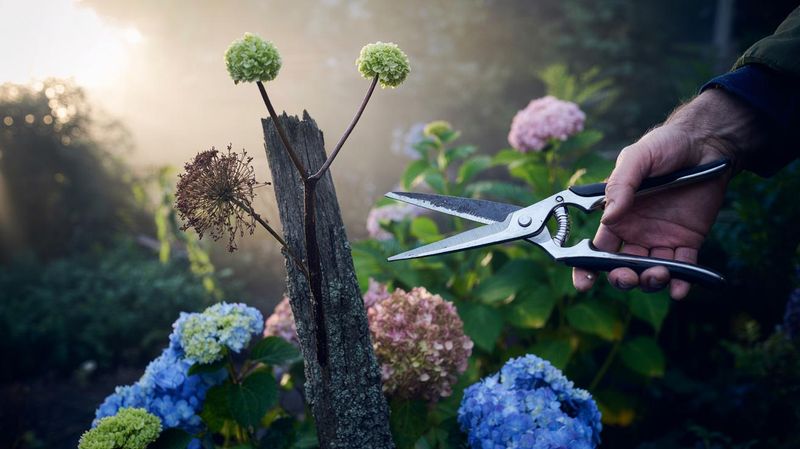
Hydrangeas can turn any backyard into a cloud of blue, pink, or white blooms, but they only reward gardeners who understand their quirks. A few smart habits keep them covered in flowers, while a couple of common slip-ups can leave you staring at leafy bushes with no color at all. Below you will find 20 clear do’s and don’ts, split so you can see exactly what helps and what hurts. Grab your gloves, because your next big bloom show starts with these simple moves.
1. Know Your Hydrangea Type Before Anything Else
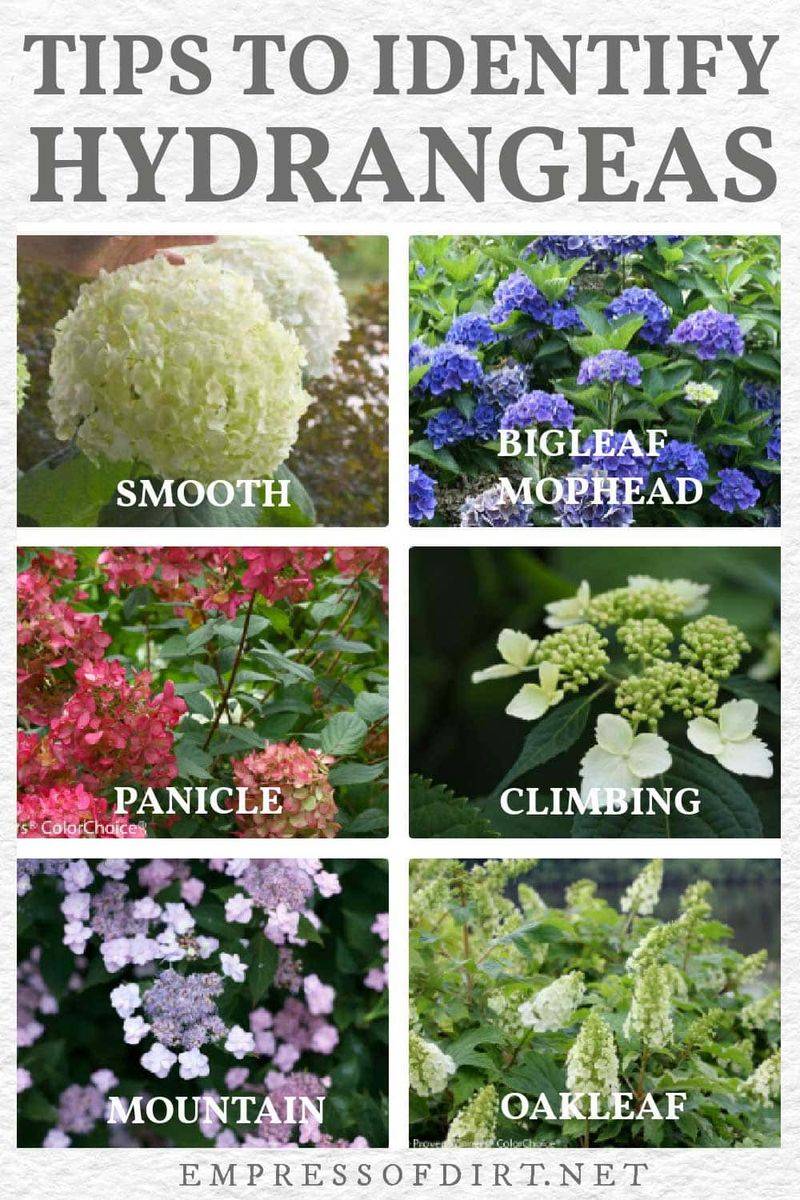
Half the battle with hydrangeas is won the day you figure out which kind you actually own. Bigleaf, panicle, smooth, oakleaf, and climbing types all behave differently, and treating them the same is where most gardeners go wrong.
Bigleaf hydrangeas (the classic mophead) bloom on last year’s stems, while panicle and smooth types bloom on new growth each spring. That single difference decides when you prune, how hard you cut, and whether you get flowers at all.
Check the leaf shape and the flower cluster to identify yours. Oakleaf types have leaves shaped like, well, oak leaves, and panicles form cone-shaped blooms. Once you name the plant, every other tip on this list suddenly makes sense for your specific bush.
2. Give Them Morning Sun and Afternoon Shade
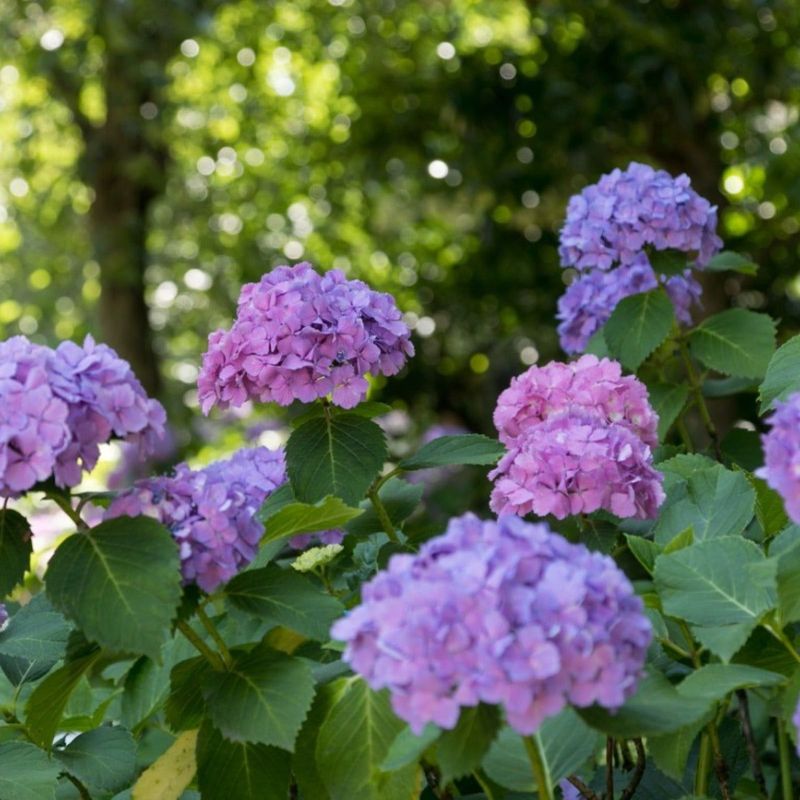
Picture a hydrangea sipping gentle morning light, then relaxing in the shade when the afternoon heat rolls in. That schedule keeps blooms crisp and colorful across most US backyards.
Too much scorching afternoon sun fades the flowers and stresses the leaves, especially in southern zones. Too much deep shade, on the other hand, gives you a lush green plant with barely a bloom in sight.
Aim for a spot on the east side of your house or under a tall tree that filters light later in the day. Panicle hydrangeas tolerate more sun than bigleaf types, so match the location to the variety you identified in the first step.
3. Water Deeply at the Roots, Not the Flowers
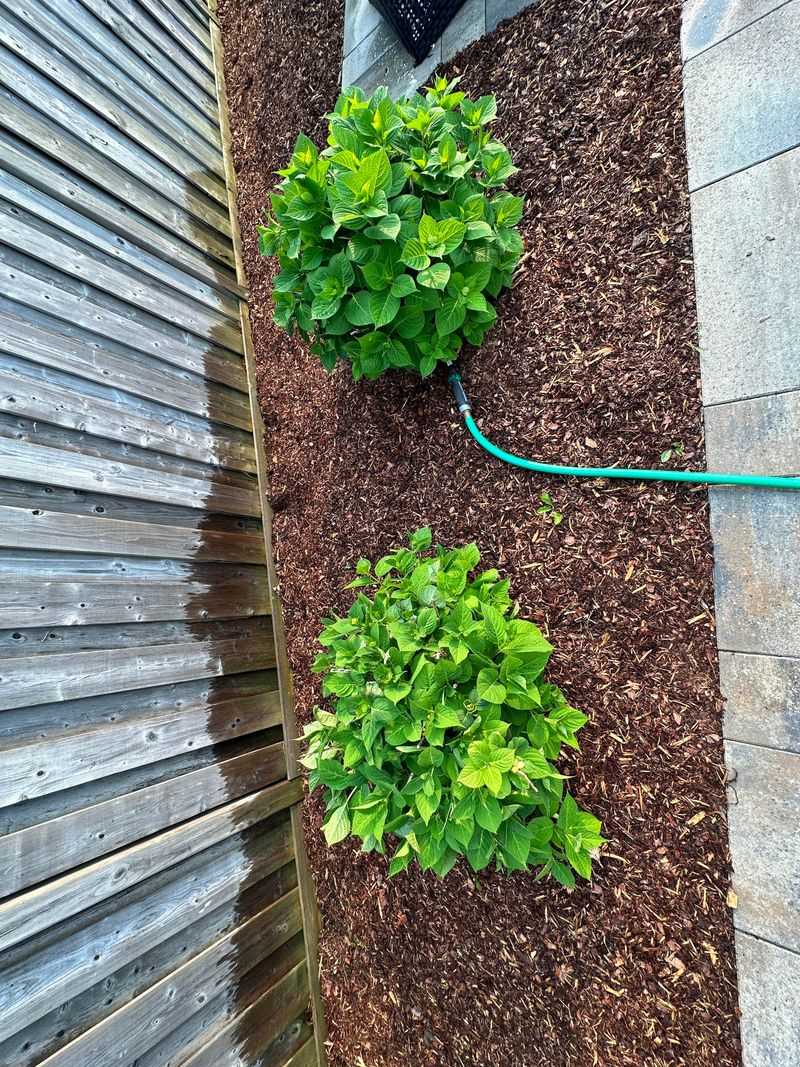
Hydrangeas love a long, slow drink that soaks the whole root zone rather than a quick sprinkle over the top. Deep watering encourages roots to grow down where the soil stays cooler and moister.
Spraying water on the leaves and blooms in the evening invites mildew and fungal spots, which can ruin the very show you are trying to create. A soaker hose or a slow trickle from a watering can at the base works far better.
Feel the soil a couple inches down before you water again. If it is still damp, wait. Consistent moisture beats a soggy-then-bone-dry cycle every single time.
4. Prune at the Right Time for Your Variety
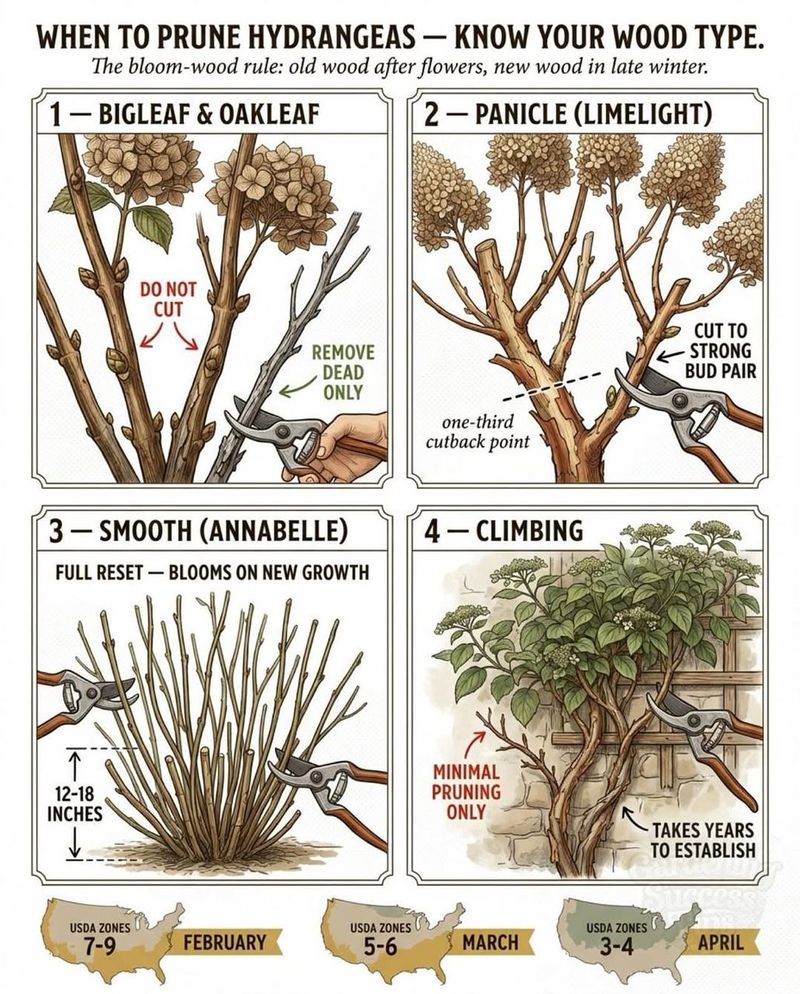
Timing your pruning is the single biggest bloom decision you will make all year. Cut at the wrong moment and you slice off next season’s flowers before they ever open.
Bigleaf and oakleaf hydrangeas set their buds on old wood, so prune them right after they finish flowering in summer. Panicle and smooth types bloom on new wood, so a late-winter or early-spring trim actually pushes stronger blooms.
When in doubt, wait and watch a full season. Snipping only the dead or crossing branches is always safe and keeps the plant tidy without gambling away your color.
5. Mulch to Lock In Moisture and Cool the Roots
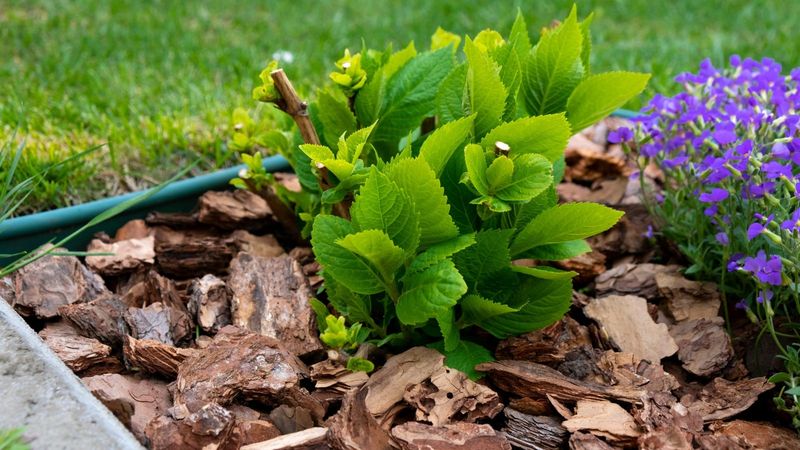
A two to three inch blanket of mulch does quiet, steady work all season long. It holds moisture in the soil, keeps roots cool through summer, and blocks weeds that would steal water and nutrients.
Shredded bark, pine needles, or compost all make excellent choices. Spread it in a ring around the plant, but keep it a few inches away from the main stems so the bark does not stay wet and rot.
Refresh the layer once or twice a year. In colder US zones, a thicker fall layer also protects those precious buds on old-wood varieties through winter freezes.
6. Adjust Soil pH to Control Bloom Color
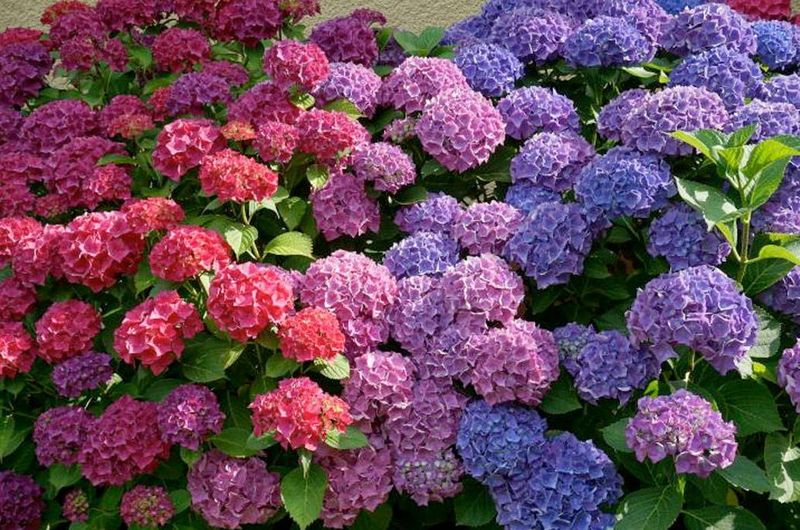
Here is a bit of garden magic: with bigleaf hydrangeas, you can actually change the flower color by changing the soil. Acidic soil turns blooms blue, while alkaline soil pushes them toward pink.
Adding aluminum sulfate or garden sulfur lowers pH for bluer flowers, while a sprinkle of garden lime raises pH for pink tones. White varieties, sadly, stay white no matter what you do.
Test your soil first so you know your starting point, then adjust slowly over weeks rather than dumping everything at once. Fun fact: the same plant can even show both colors if the soil pH varies from one side of the root ball to the other.
7. Feed With a Balanced Fertilizer in Spring
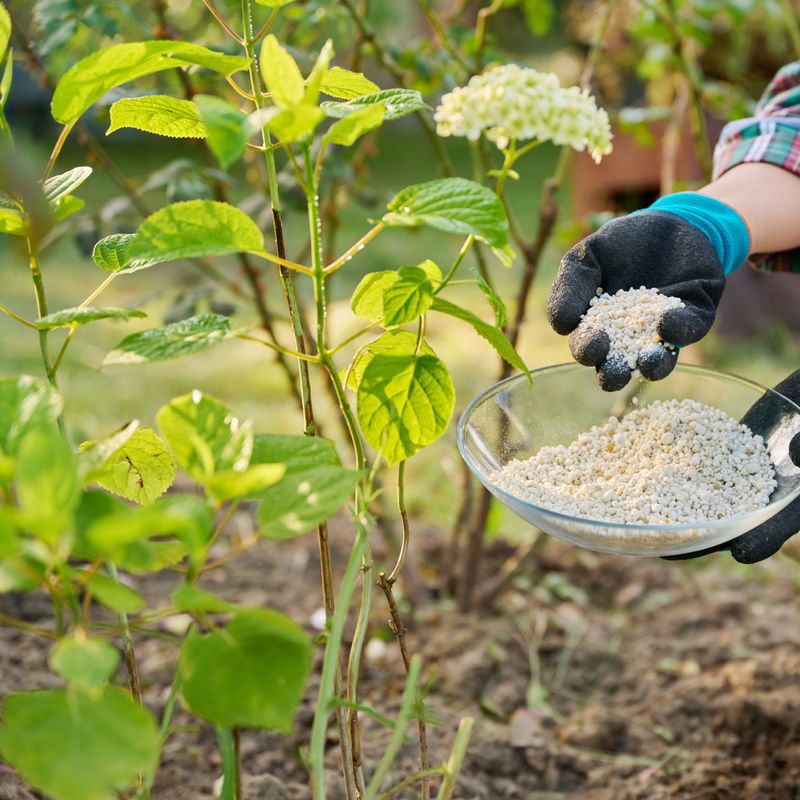
A gentle spring feeding gives hydrangeas the fuel they need to push out strong stems and plenty of buds. A slow-release, balanced fertilizer applied as new growth appears is usually all they ask for.
Compost worked into the soil is a wonderful natural option that feeds slowly and improves drainage at the same time. Your plant gets a steady meal instead of a sudden sugar rush.
One light feeding in spring and maybe a second in early summer is plenty. More is not better with hydrangeas, and that leads straight into the next warning on the list.
8. Do Not Overfeed With High-Nitrogen Fertilizer
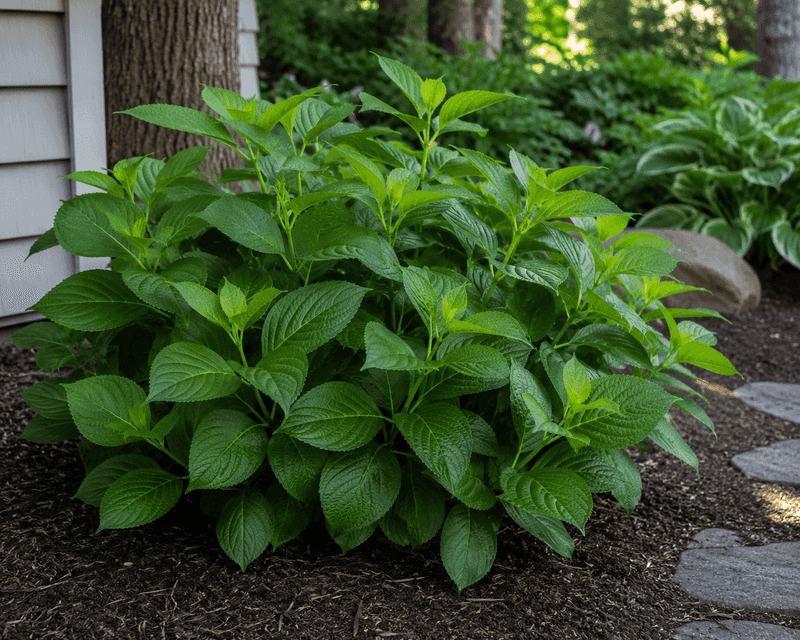
Ever seen a hydrangea that is all bushy green leaves and hardly a single flower? Too much nitrogen is often the culprit. It tells the plant to grow leaves like crazy while forgetting to bloom.
Lawn fertilizers are a common accidental offender because they are loaded with nitrogen to green up grass. If your hydrangea sits near a fed lawn, some of that nitrogen creeps into its roots too.
Choose a fertilizer with a lower first number in the N-P-K ratio, or one made for blooming shrubs. Ease off the feeding and you may see those buds come back within a season.
9. Read the Leaves as an Early Warning System
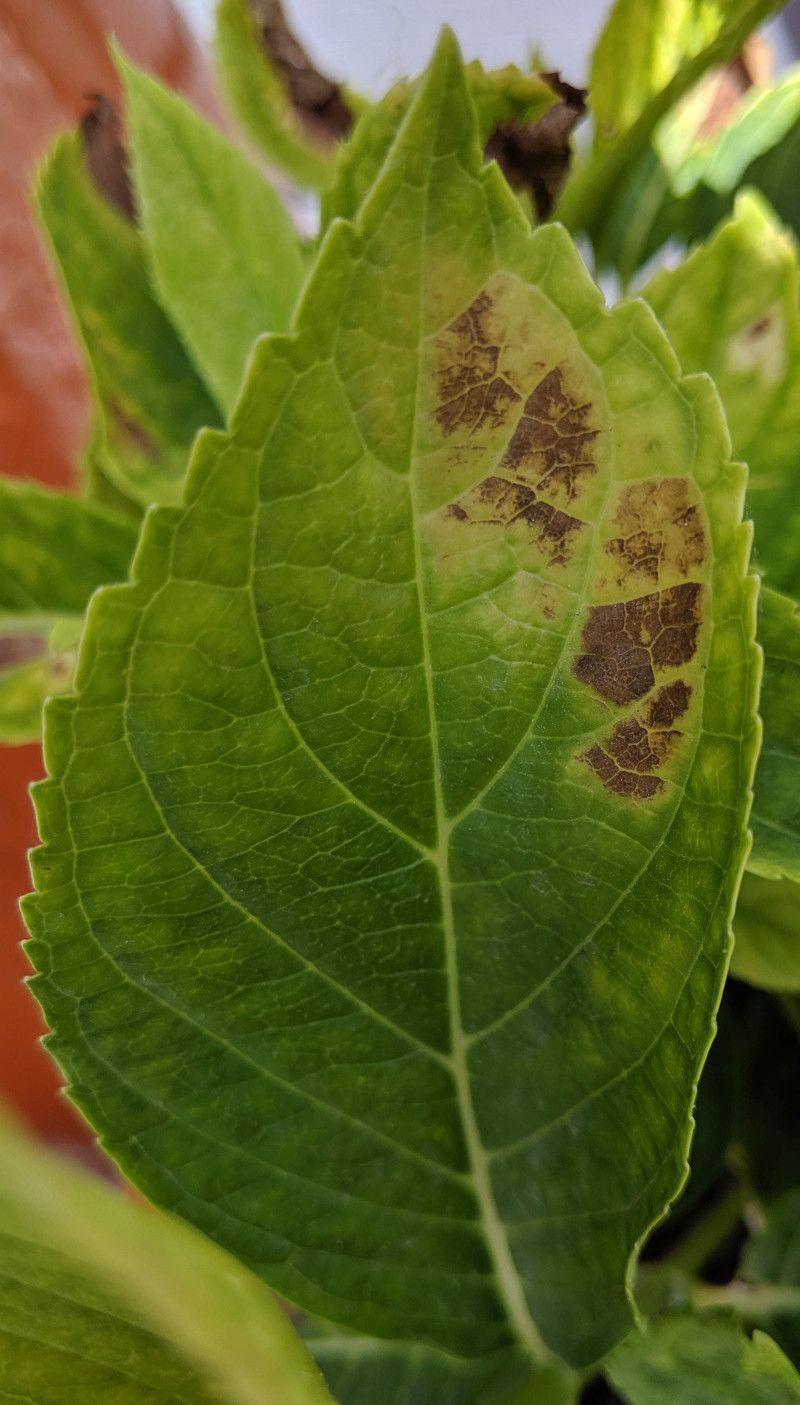
Your hydrangea talks to you through its leaves long before a problem becomes a disaster. Learning to read those signals can save the whole bloom season.
Yellowing leaves with green veins often point to iron shortage or soil that is too alkaline, while brown crispy edges usually whisper about thirst or too much sun. Purple or reddish patches can hint at a phosphorus issue or cold stress.
Dark spots ringed with yellow may signal a fungal disease that spreads when leaves stay wet. Catching these clues early, then adjusting water, light, or soil, keeps small hiccups from turning into a bloomless summer.
10. Plant in Well-Draining Soil
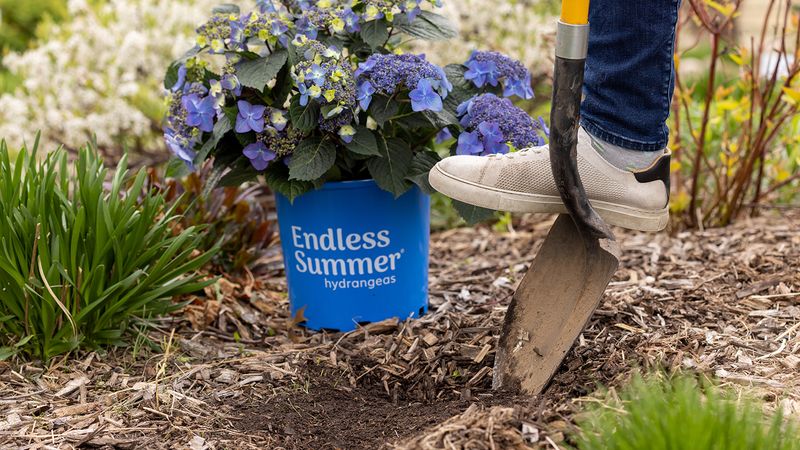
Hydrangeas want soil that stays moist yet never turns into a swamp. Roots sitting in waterlogged ground suffocate and rot, and a rotting root system cannot support a beautiful bloom show.
Heavy clay is the usual troublemaker in many US backyards because it holds water like a bowl. Mixing in compost, aged bark, or other organic matter loosens it up and lets excess water drain away.
Before planting, dig a test hole and fill it with water. If it takes many hours to drain, amend the soil or choose a raised bed so those roots stay happy and healthy.
11. Deadhead Spent Blooms the Smart Way
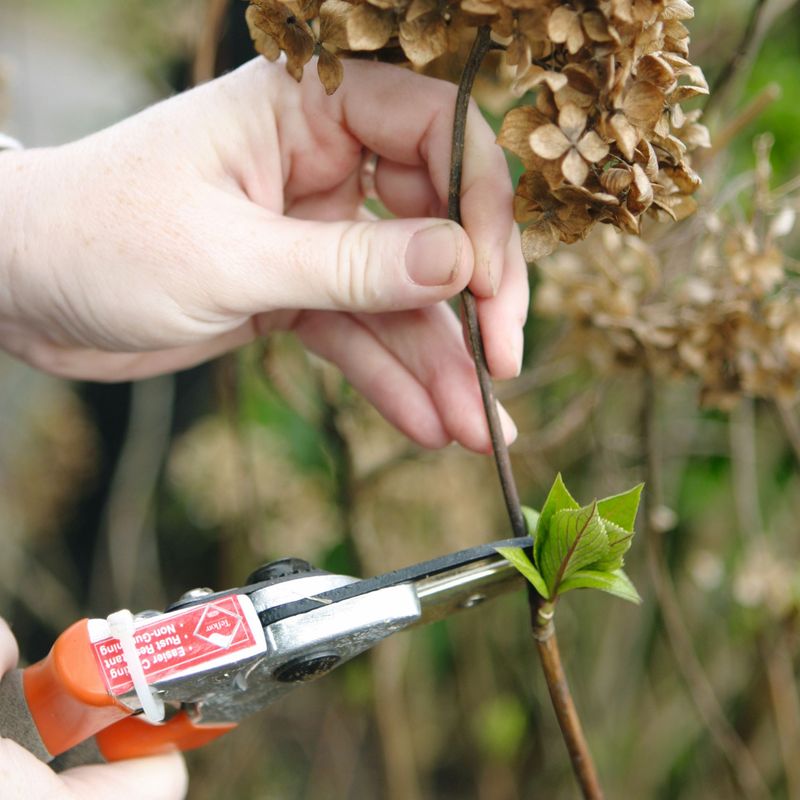
Snipping off faded flowers keeps the plant looking neat and can redirect energy toward the rest of the bush. On repeat-blooming varieties, timely deadheading may even coax a fresh round of flowers.
Cut just above a healthy pair of leaves or a set of buds, using clean, sharp pruners. Ragged cuts invite disease, so keep those blades sharp.
Be careful late in the season, though. On old-wood bloomers, leaving the last flowers and their stems intact protects the buds forming for next year. Some gardeners even love the dried winter blooms for a bit of frosty backyard charm.
12. Protect Buds From Late Spring Frost
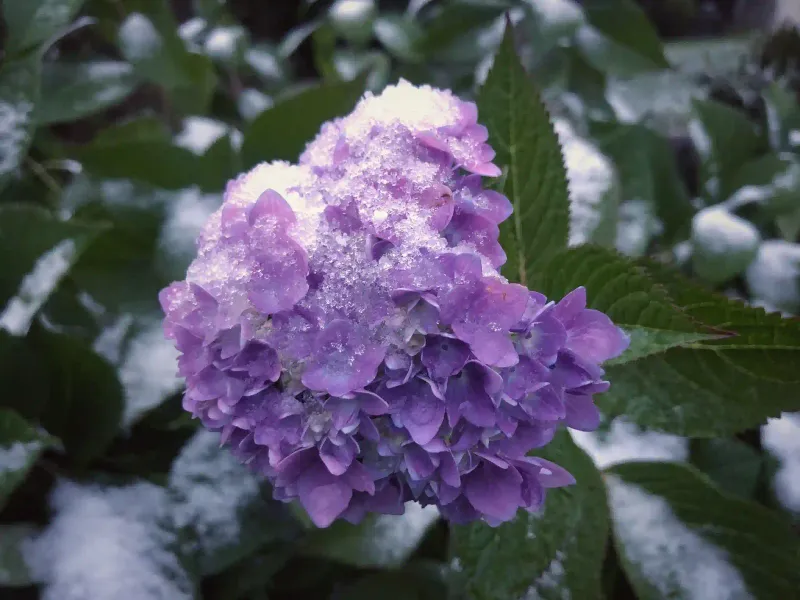
A single surprise frost in spring can wipe out the flower buds on old-wood hydrangeas, leaving you with leaves and disappointment. Those buds are tender the moment they start to swell.
Keep an eye on the forecast once your plant begins to leaf out. When a late cold snap threatens, drape a lightweight sheet or frost cloth over the shrub in the evening and remove it in the morning.
Planting in a spot sheltered from harsh late-season winds also helps, such as near a fence or the warm side of the house. A little frost planning is what separates a full bloom show from a bare summer bush.
13. Do Not Cut Everything to the Ground
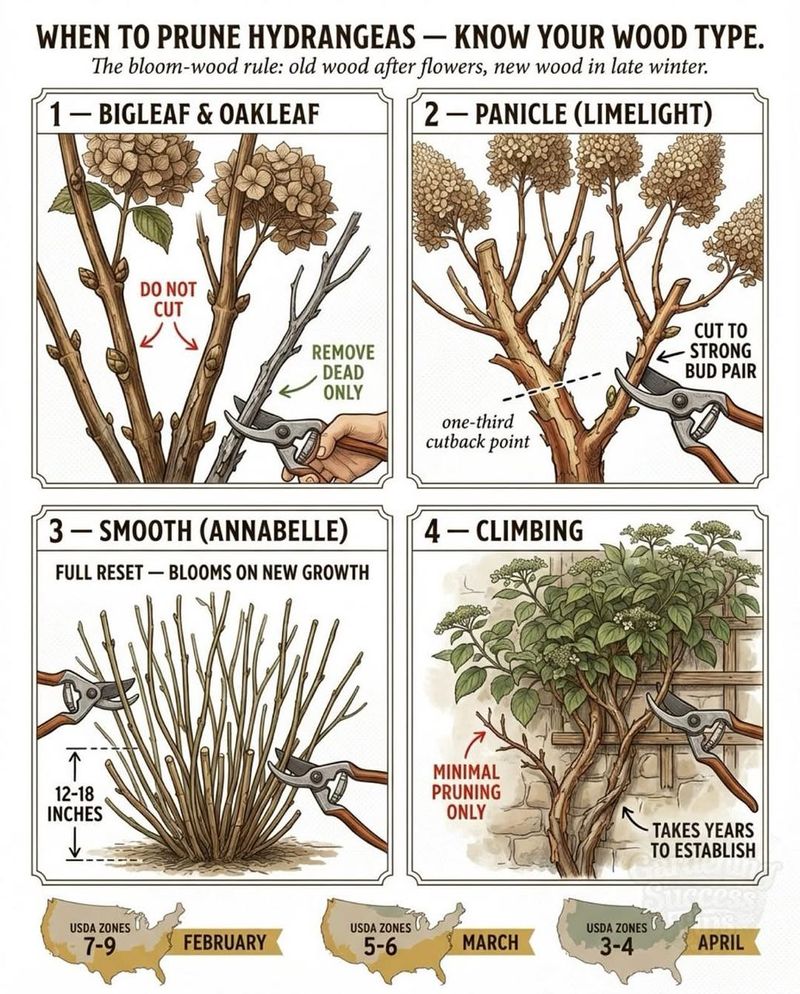
The instinct to give a messy shrub a hard buzz cut has ended many a bloom season before it began. Chopping a bigleaf or oakleaf hydrangea to the ground removes every bud it made last year.
Panicle and smooth types can handle a hard cutback because they bloom on new wood, but even they do not need to be flattened. Leaving a framework of sturdy stems gives new growth something to build on.
If your bush looks overgrown, thin it gradually across a couple of seasons instead of scalping it. Patience here pays off in flowers rather than regret.
14. Watch for Pests Before They Take Over
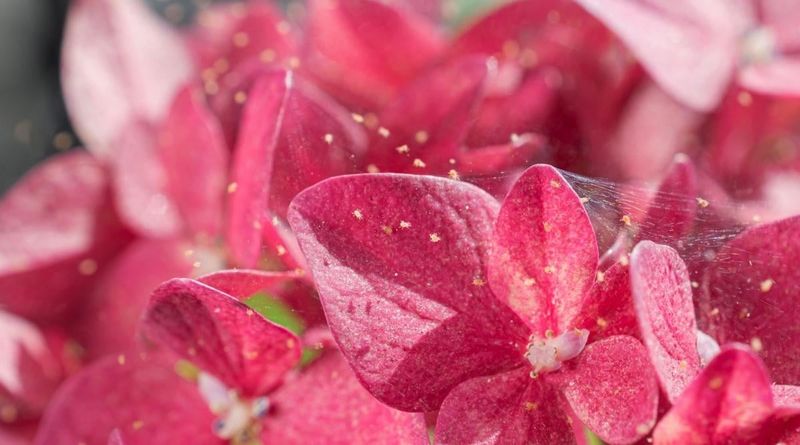
Tiny troublemakers like aphids, spider mites, and scale can quietly weaken a hydrangea and mar its blooms. By the time you notice sticky leaves or fine webbing, the party is often in full swing.
Check the undersides of leaves during your morning walk through the garden. A strong blast of water knocks off many aphids, and insecticidal soap can help with heavier infestations.
Certain aromatic plants tucked nearby, such as marigolds, chives, or mint in pots, may help deter some soft-bodied pests with their scent. Keeping the plant healthy and unstressed is still your best defense, since bugs love to pick on weaklings.
15. Space Plants for Good Air Flow
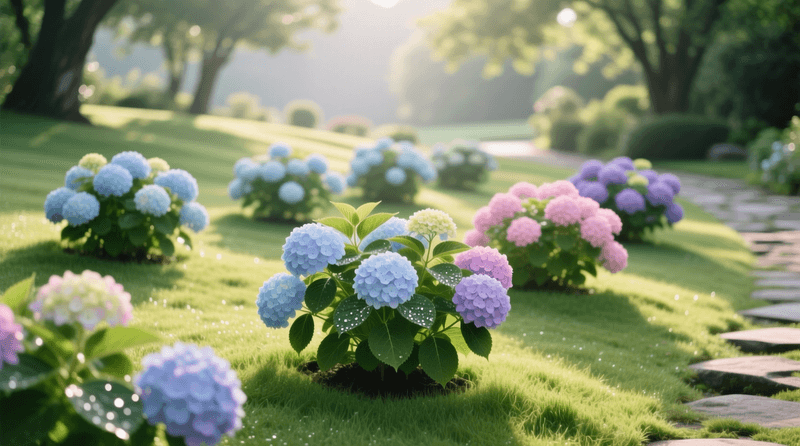
Crowding hydrangeas together might look full and lush at first, but it sets the stage for trouble. When leaves stay damp because air cannot move between plants, fungal diseases like powdery mildew move right in.
Give each shrub room to reach its mature size, which can be several feet wide depending on the variety. Good spacing lets breezes dry the leaves and slows the spread of any disease that does appear.
Thinning a few interior stems on a dense plant helps too. Better airflow means cleaner leaves, and cleaner leaves mean the plant can pour its energy into blooming.
16. Support Heavy Blooms So Stems Do Not Flop
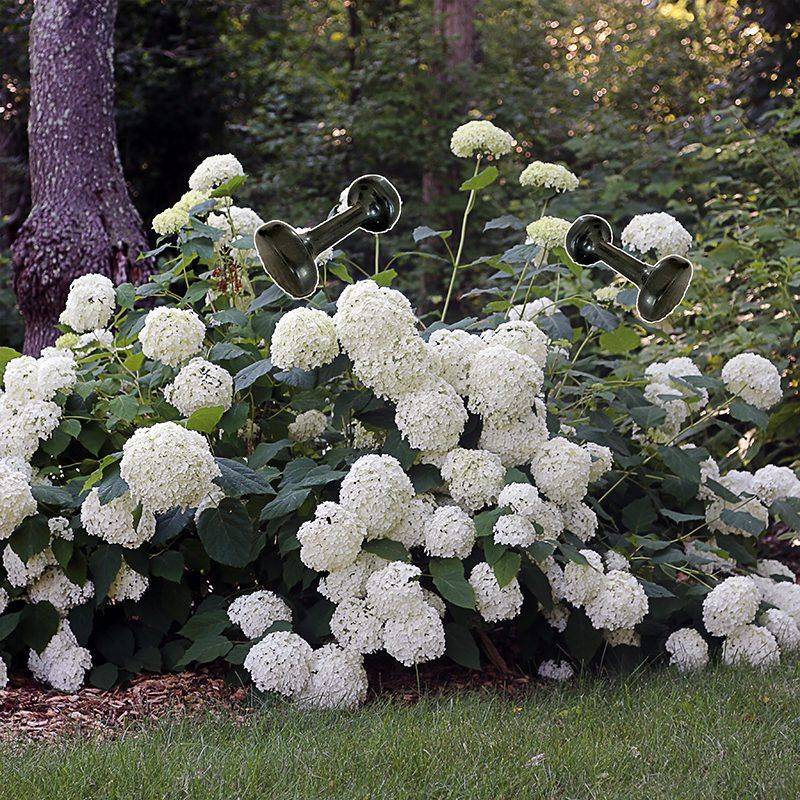
Nothing deflates a bloom show faster than gorgeous flower heads face-planting into the mud after a rainstorm. Big mophead and panicle blooms get heavy, and thin stems simply give out.
Setting up a grid stake or a peony-style ring early in the season, before the plant fills in, keeps stems upright without looking obvious. The foliage grows up through the support and hides it.
Choosing sturdier varieties and avoiding excess nitrogen also builds tougher stems. A well-supported hydrangea shows off its flowers at eye level instead of collapsing into the dirt.
17. Do Not Ignore Winter Protection in Cold Zones
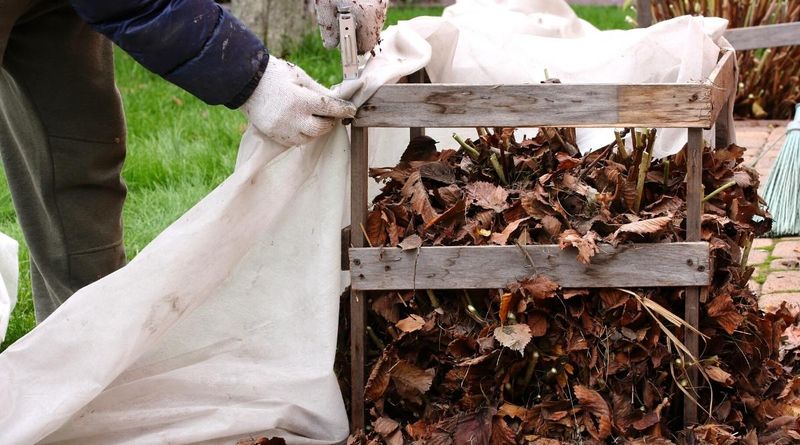
Gardeners in the colder parts of the US learn the hard way that a harsh winter can kill flower buds even when the plant survives. The stems live, the buds die, and spring brings leaves without color.
Mounding mulch or shredded leaves around the base insulates the crown, and wrapping old-wood varieties in burlap shields buds from drying winter wind. Do this once the plant goes dormant in late fall.
Container hydrangeas are especially vulnerable since their roots freeze faster. Moving pots into a sheltered garage or against a warm wall can be the difference between blooms and bare twigs.
18. Choose the Right Variety for Your Region

A hydrangea that thrives in a mild coastal yard may sulk in a hot southern one or freeze out in a northern winter. Picking a variety matched to your climate zone saves years of frustration.
Panicle hydrangeas are famously tough and handle cold, heat, and sun better than most, making them a safe bet across much of the country. Reblooming bigleaf types were bred to flower on both old and new wood, giving cold-zone gardeners a second chance if frost nips the first buds.
Check your USDA hardiness zone and read the plant tag before you buy. Starting with the right plant means fewer battles and far more flowers.
19. Keep Tools Clean to Stop Disease Spread
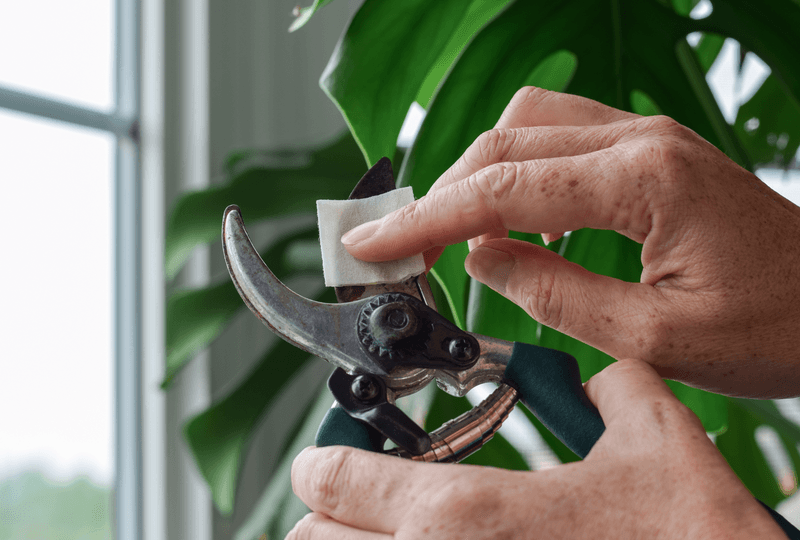
A dirty pruner is like a doctor with unwashed hands, quietly carrying disease from one plant to the next. Fungal spores and bacteria hitch a ride on blades and slip into every fresh cut.
Wiping your pruners with rubbing alcohol or a diluted bleach solution between plants takes seconds and prevents a chain reaction of infection. It matters most when you are removing diseased branches.
Sharp, clean cuts also heal faster than crushed, ragged ones, so keep those blades honed. A little tool care protects the whole garden, not just one prized hydrangea.
20. Be Patient With Newly Planted Hydrangeas
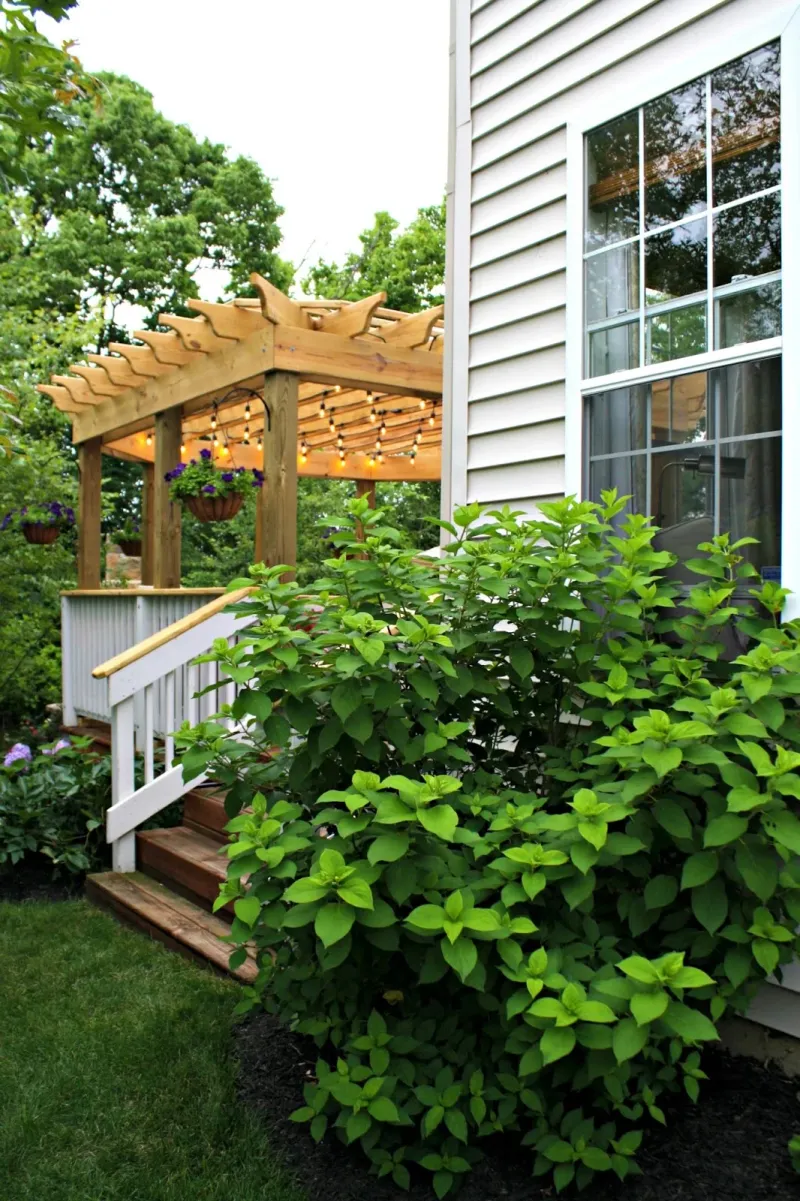
Fresh transplants often spend their first year settling roots rather than showering you with blooms, and that is completely normal. Gardeners who panic and start fussing usually make things worse.
There is an old saying about perennials: the first year they sleep, the second year they creep, and the third year they leap. Hydrangeas follow that rhythm, quietly building a strong foundation underground before they truly perform.
Water steadily, hold off on heavy pruning, and resist the urge to overfeed. Give a young plant time and space, and the reward is a fuller, showier bloom display that comes back stronger every single season.