
20 Shrubs That Turn Your Yard Into The Talk Of The Block Next Spring
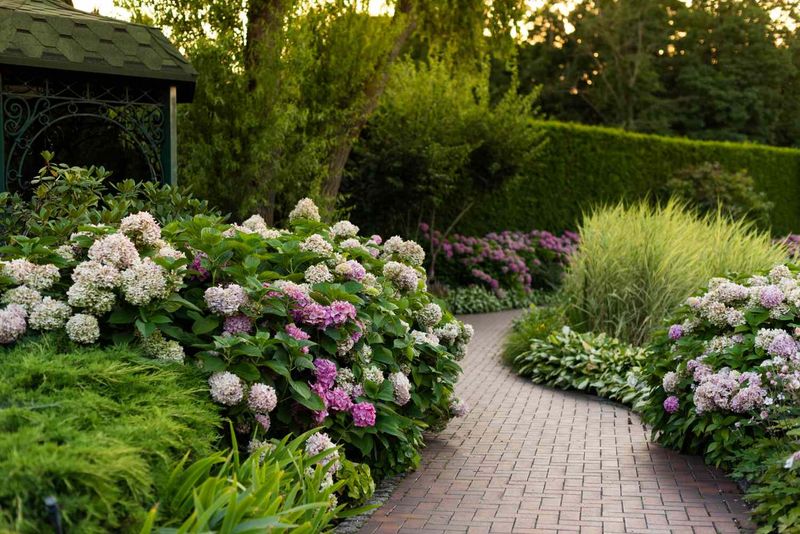
Spring is the season your yard finally gets to show off, and the right shrubs can make neighbors slow down just to stare. The tricky part is that most bloom troubles come from one small mistake, like pruning at the wrong time or planting in too much shade.
Below are 20 shrubs that deliver big color, along with the easy fix that keeps each one covered in flowers. Pick a few, avoid the common slip-ups, and your yard will be the one everyone talks about.
1. Forsythia
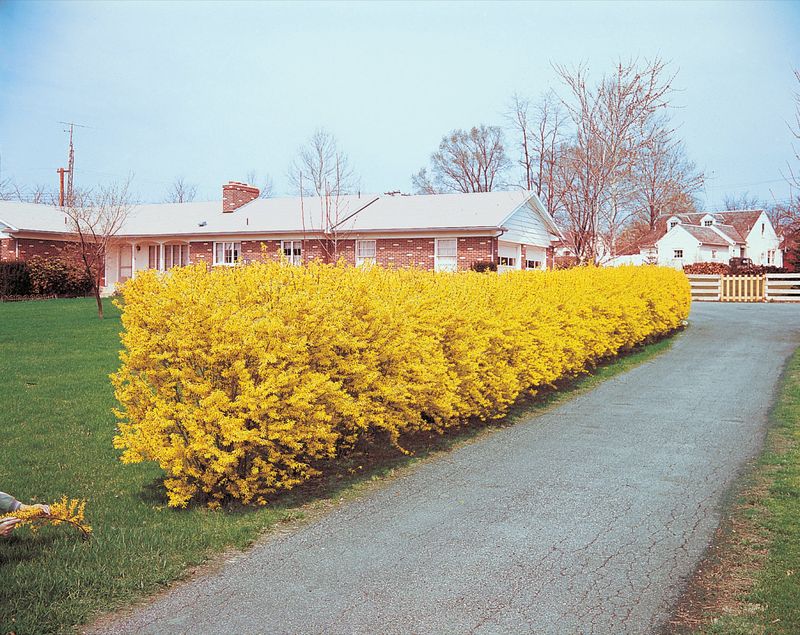
Few plants shout “spring is here” quite like forsythia, which lights up with bright yellow blooms before its leaves even wake up. Those golden branches often arrive while the rest of the yard is still gray and sleepy.
If your forsythia gave you leaves but few flowers, timing is almost always the culprit. It blooms on old wood, meaning next spring’s buds form on this year’s stems during summer.
Prune right after flowering finishes, usually May through early June, and remove up to a third of the oldest canes at ground level. Cut it back in late summer or fall and you will snip off next year’s show.
Give it at least six hours of sun and any decent, well-drained soil, and this cheerful shrub practically takes care of itself.
2. Andromeda (Pieris japonica)
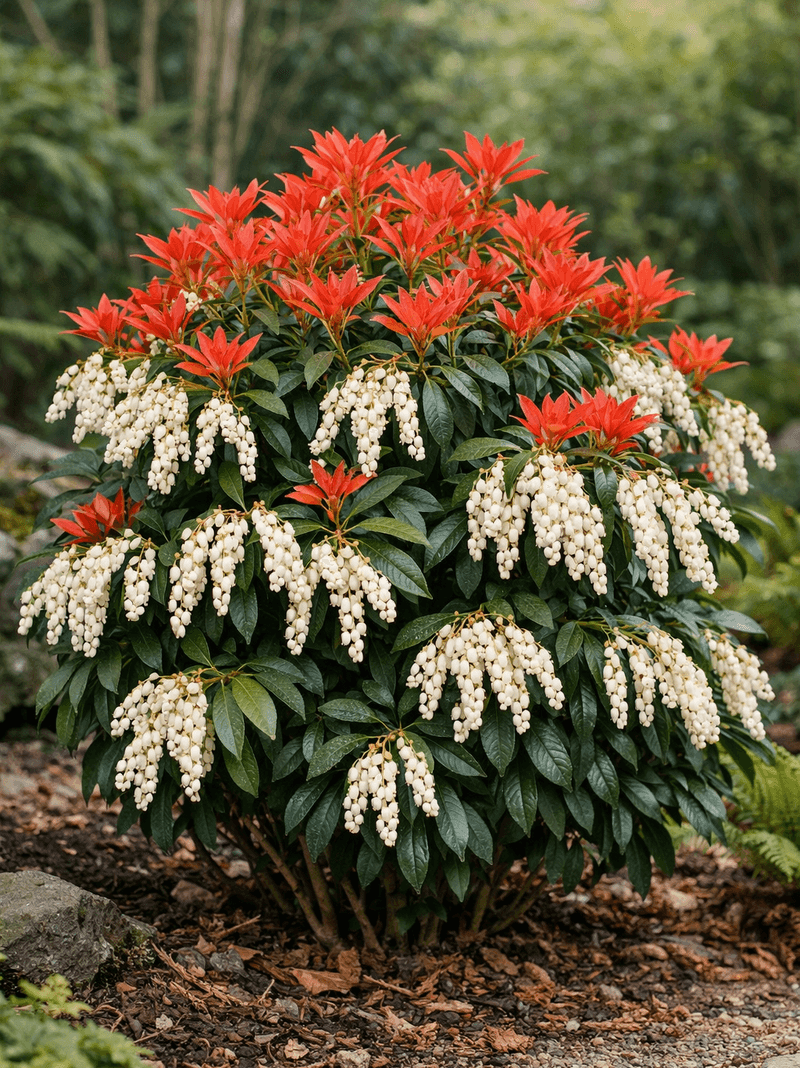
Grace is the word that fits Andromeda best, with its cascading strands of tiny white or pink bells dangling like garden jewelry in early spring. As a bonus, its new leaves often push out in dusty shades of pink and red.
When it refuses to bloom or its leaves turn yellow and droopy, the location or the soil usually needs a second look. This evergreen wants partial shade, roughly four to six hours of gentle light, with morning sun and afternoon protection.
Too much shade cuts the flowers, while blazing afternoon sun scorches the foliage. It blooms on old wood, so prune after the spring show rather than before.
Keep the soil acidic, between pH 5.0 and 6.5, adding peat moss or a little elemental sulfur if your leaves yellow. Drooping foliage often just means it is thirsty or sitting in soil that runs too alkaline.
3. Diervilla (Bush Honeysuckle)
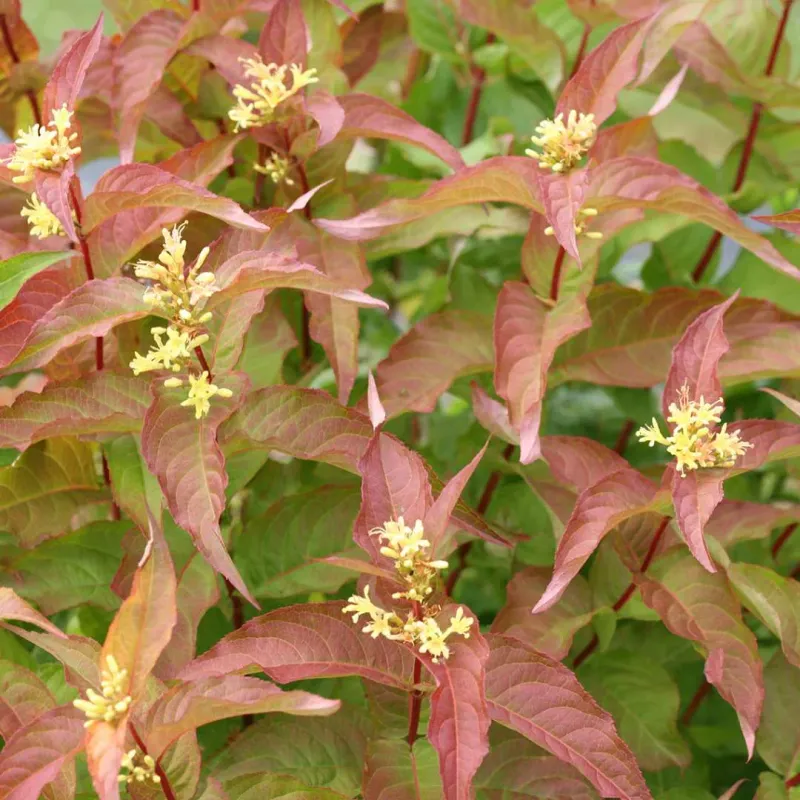
Tough as nails and handsome year-round, Diervilla earns its spot by thriving where fussier shrubs sulk. Some cultivars unroll coppery-tipped new leaves in spring that look almost hand-painted.
Leggy stems or shy flowering usually point to a spot that is simply too dark. This native adapts from full sun to full shade and even shrugs off dry shade, but the richest foliage color and heaviest bloom come with more light.
Because it flowers on the current season’s growth, early spring is the right moment to prune for size, shape, or a full reset to the ground. Once established it laughs at drought and rarely attracts serious trouble, though it pays to watch for leaf spot and powdery mildew in humid stretches.
For gardeners with a stubborn problem corner, this one is a quiet hero.
4. Rhododendron
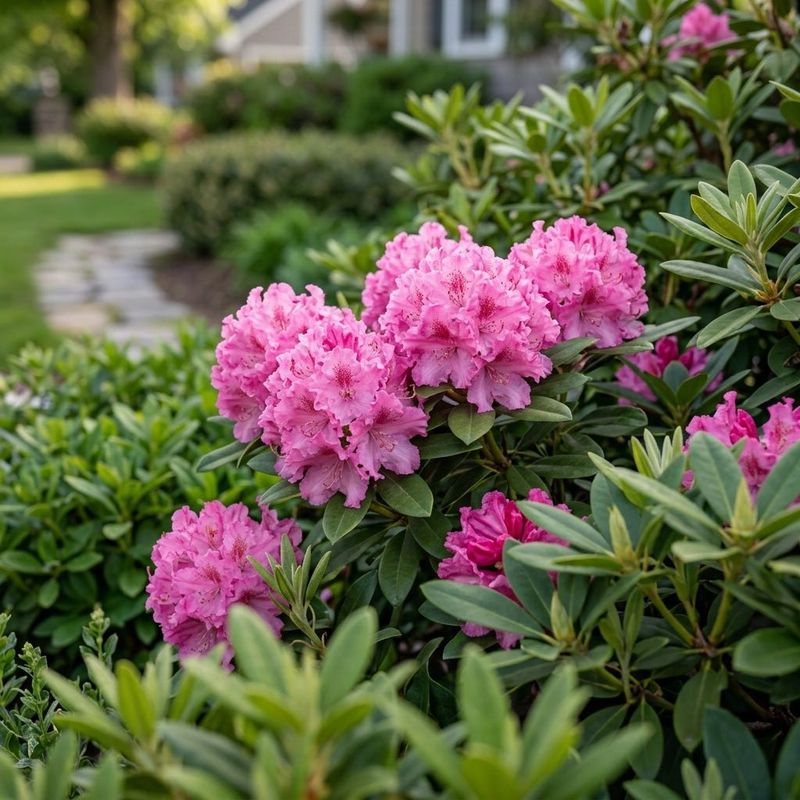
Big, bold, and impossible to ignore, rhododendrons throw out trusses of color that can shift from deep magenta to pale pink on a single plant. When they perform, they stop traffic.
The heartbreak comes when yours produces nothing but leaves. Sun is often the missing piece, since these shrubs want five to six hours of light to set buds; too little and you get spindly growth with few flowers.
Dry spells in spring and summer can also stop bud production, so keep the roots watered during droughts. Go easy on nitrogen fertilizer, which pushes leaves at the expense of blooms, and lean toward phosphorus instead.
Prune right after flowering to protect next year’s buds, and in cold regions shield those buds from hard late frosts. Get the basics right and this shrub rewards you extravagantly.
5. Spiraea
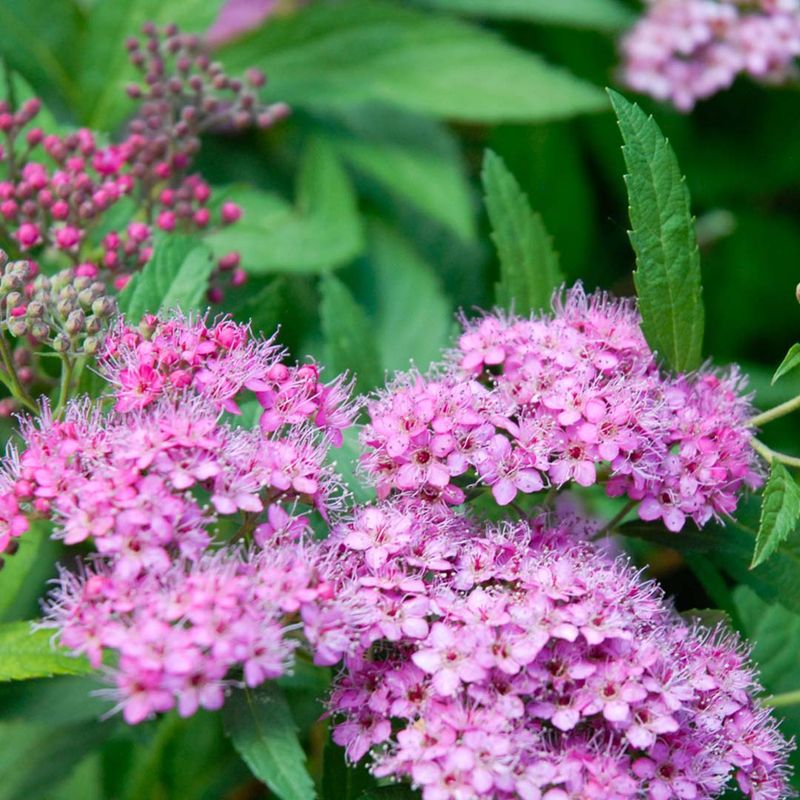
Easygoing to a fault, spiraea piles on white, pink, or red blooms while its foliage does its own colorful thing, from red-tipped shoots to golden leaves with orange edges. Gardeners who want a lot of payoff for a little effort tend to fall for it fast.
Sparse flowers or a woody, overgrown shape are the two complaints you will hear most. Full sun, at least six hours, brings out the best color and the heaviest bloom.
Spring-flowering types should be trimmed right after their flowers fade, while overgrown summer bloomers respond beautifully to a hard rejuvenation cut down to four to six inches in late winter or very early spring. It handles most soils and, once settled in, tolerates drought like a champ.
Think of it as the forgiving friend of the shrub world.
6. Lilac (Syringa)
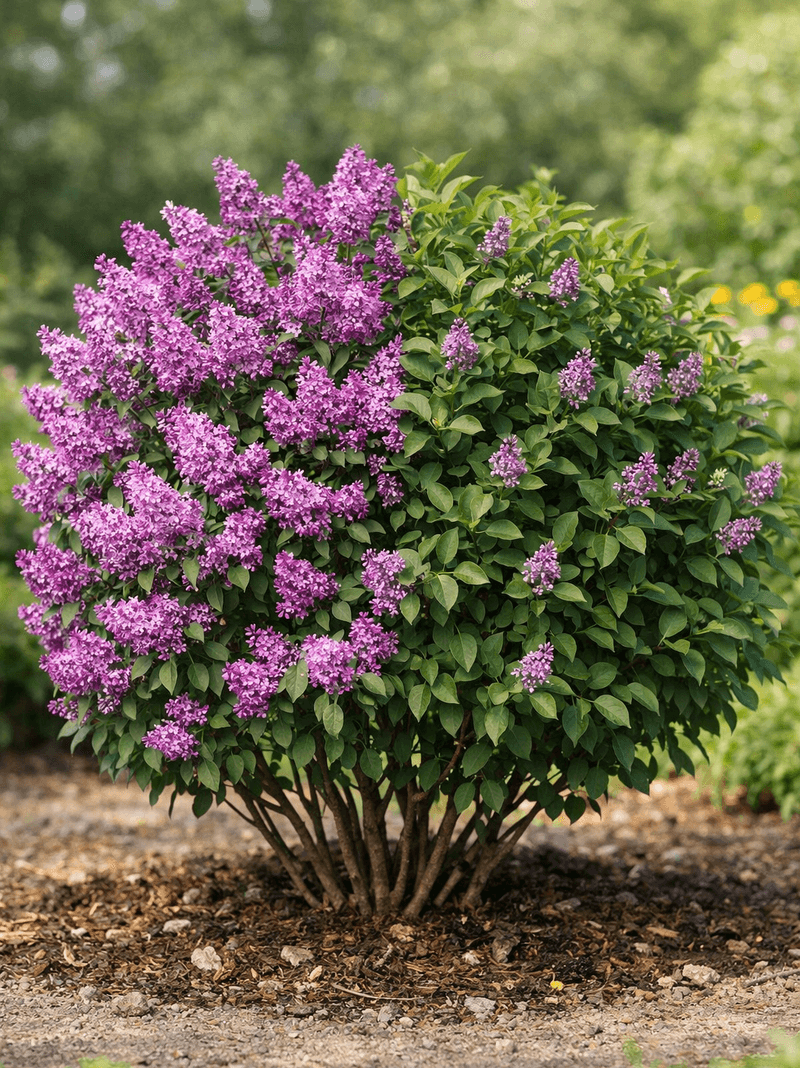
Close your eyes near a blooming lilac and you understand why gardeners have planted it for generations, since that sweet perfume is pure nostalgia. Those heavy purple and white panicles are a classic sign that spring has truly arrived.
A lilac that won’t bloom is usually hungry for sun or drowning in the wrong fertilizer. Give it a full six hours of light and skip the high-nitrogen lawn feed nearby, which trades flowers for leafy growth.
A little phosphorus, such as bone meal worked into the soil, nudges it back toward blooming. It flowers on old wood, so prune right after the show fades and remove dead, damaged, or crowded branches each year.
Slightly alkaline, moist, well-drained soil around pH 6.5 to 7.0 keeps it happiest, and the reward is a scent that carries clear across the yard.
7. Hydrangea
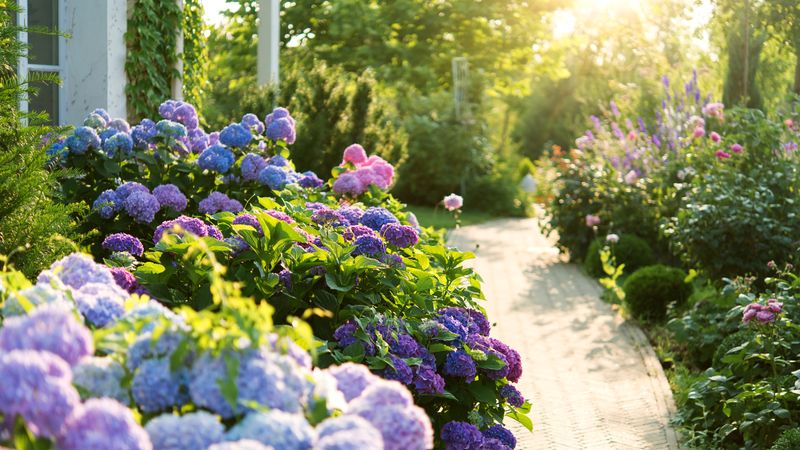
Lush, dramatic, and endlessly photographed, hydrangeas are the flower that so many backyard gardeners obsess over, and for good reason. When those mophead blooms fill in, the whole yard suddenly looks intentional.
No blooms or weak flowering is the classic hydrangea heartbreak, and spring is where you win or lose the battle. Prune smooth and panicle types in late winter or early spring before new growth, but for old-wood bloomers like bigleaf and oakleaf, only snip spent flowerheads down to the first pair of buds.
Feed once in early spring with a balanced, slow-release fertilizer, or one leaning toward phosphorus, to encourage flowers. Keep the soil evenly moist by watering deeply one or two times a week during heat, and water at the base to avoid fungal problems.
A fresh layer of spring mulch locks in that moisture and keeps the roots cool all season.
8. Azalea
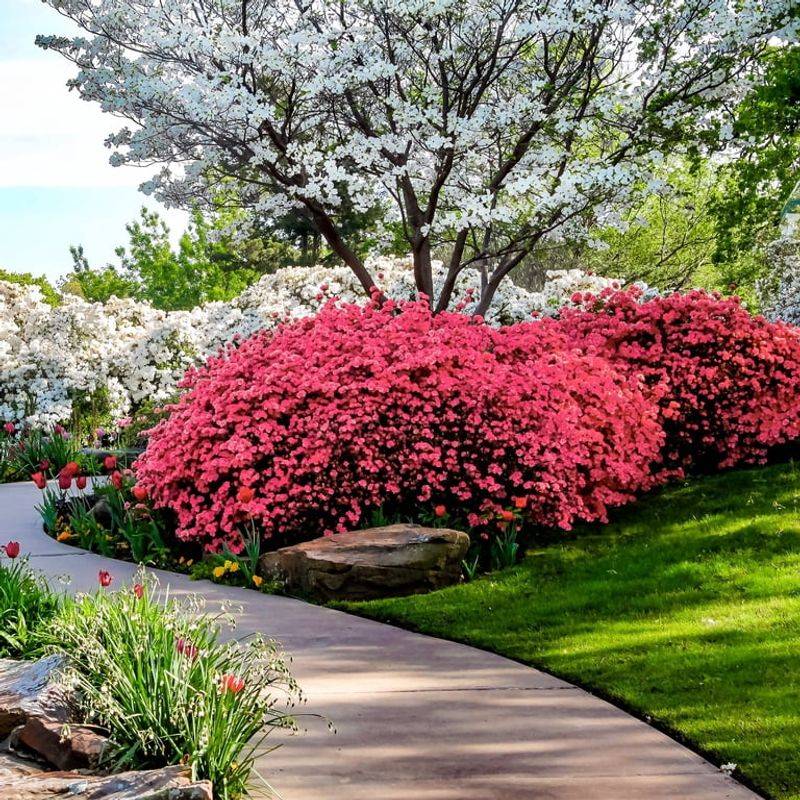
Come spring, azaleas practically vibrate with color, blanketing themselves in blooms so thick you can barely see the leaves. They turn ordinary foundation beds into something photo-worthy.
Trouble shows up as yellowing leaves, browning and curling foliage, or a stubborn lack of flowers. Filtered shade suits them best, since harsh afternoon sun bleaches the blooms, and they demand moist, well-drained, acidic soil in the pH 4.5 to 6.0 range.
Yellow leaves with green veins usually mean the soil pH is too high, blocking iron, so a dose of sulfur or chelated iron helps. Browning or curling tends to signal water stress in either direction.
Because they bloom on old wood, prune spring types right after flowering, and feed afterward with a formula made for acid-loving plants. Skip fertilizer at planting time, since those tender young roots burn easily.
9. Weigela (Weigela florida)
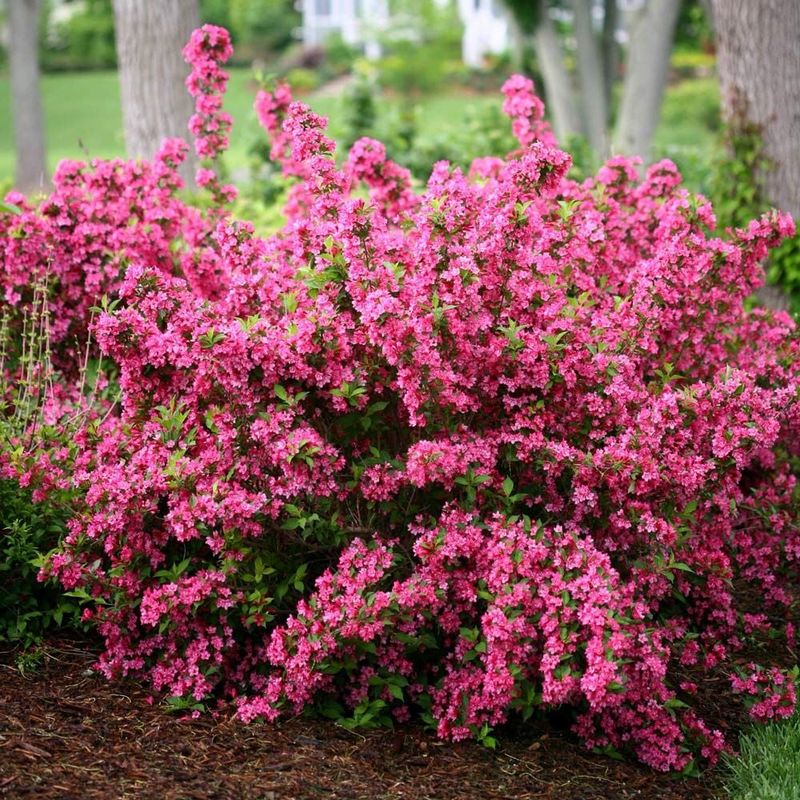
Hummingbirds adore weigela, and once you watch them dart among its arching, flower-smothered branches you will understand the fuss. Bell-shaped tubular blooms in pink, red, and white pile on in late spring like the plant is trying to impress you.
When growth turns leggy and flowers thin out, weak light is usually behind it. Full sun, six hours or more, delivers the most blooms and the deepest foliage color, while shade leaves plants stretchy and flower-shy.
Give it average, well-drained soil with a slightly acidic to neutral pH and steady moisture. Many weigelas bloom on old wood, so prune right after the main spring flush and cut a third of the oldest stems to the ground to spark fresh flowering shoots.
Resist heavy nitrogen feeding, which grows lots of leaves and few flowers; a balanced slow-release feed in early spring is plenty.
10. Flowering Quince (Chaenomeles)
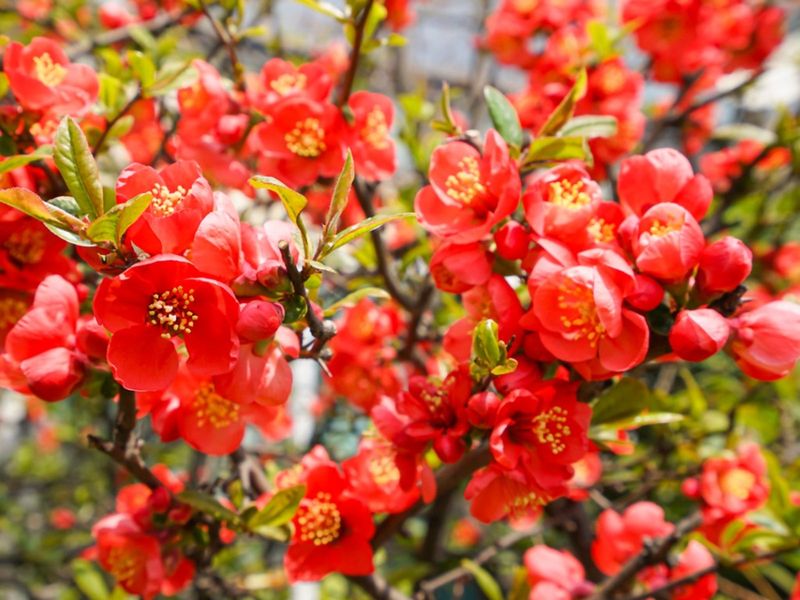
Long before most shrubs stir, flowering quince erupts in red, pink, orange, or white blossoms strung along thorny branches. It often beats even forsythia to the punch, which makes it a real conversation starter.
Left alone, it can grow into a tangled, messy thicket that flowers less over time. Those thorns actually make it a fantastic living barrier, but they also mean it benefits from a confident cleanup.
It shrugs off many soil types, tolerates drought once established, and blooms best in full sun though it accepts partial shade. Prune immediately after flowering, since buds form on old wood, and thin out old, unproductive branches while shaping the plant.
A little annual attention keeps it both tidy and generous with early color, and the fruit that follows can even be turned into jelly.
11. Serviceberry (Amelanchier)
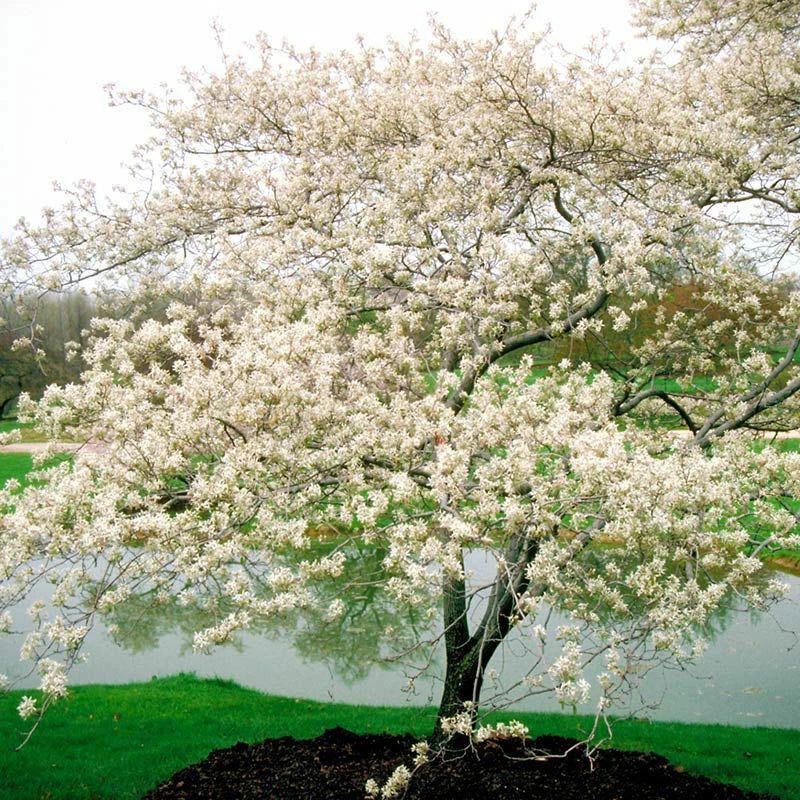
Delicate clouds of white flowers make serviceberry look almost lacy in early spring, and the edible berries that follow are a bonus the birds will fight you for. Come autumn, its foliage blazes in warm colors, giving you three seasons of interest from one plant.
Poor fruit set or thin flowering can leave gardeners scratching their heads. Pollination is often the missing ingredient, so planting more than one serviceberry, or surrounding it with pollinator-friendly plants, boosts both flowers and fruit.
It grows happily as a large shrub or a small tree in full sun to partial shade, in moist, well-drained, acidic to neutral soil. Pruning stays simple; in late winter or early spring, remove dead, damaged, or crossing branches and open up the center for airflow.
Beyond that light shaping, it largely runs itself, making it a low-drama choice with high visual payoff.
12. Fothergilla
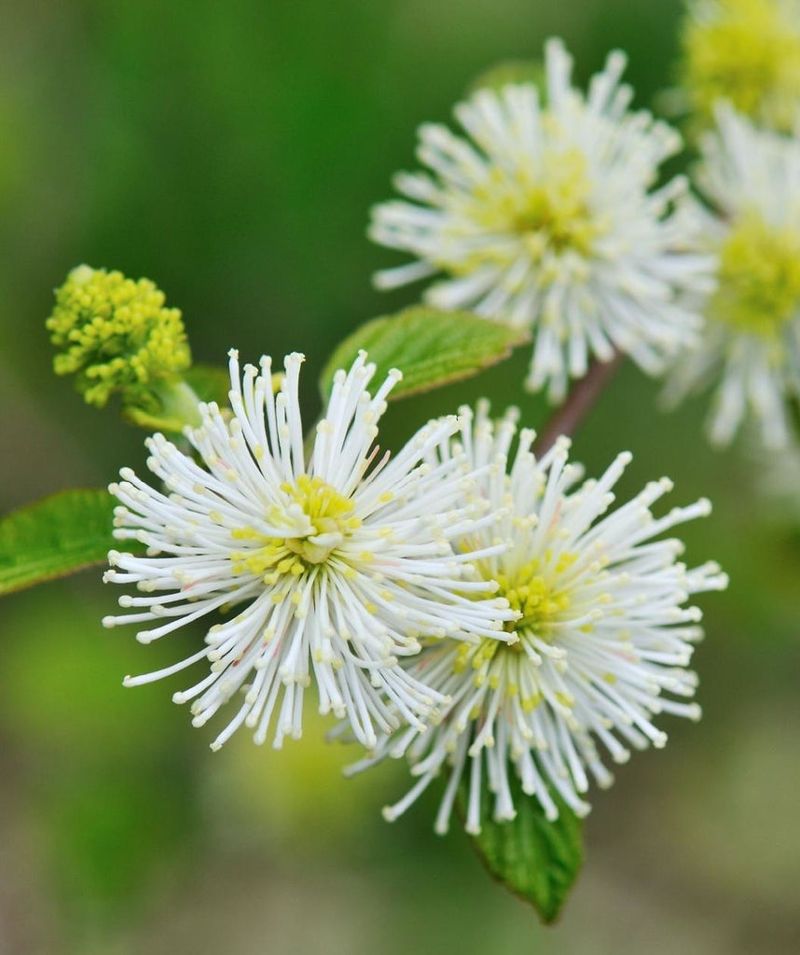
Quirky and charming, fothergilla covers itself in fragrant, bottlebrush-like white flowers in spring that look like tiny fireworks frozen mid-burst. Then in fall it steals the show all over again with foliage in fiery yellow, orange, and red.
A plant that lacks vigor or flowers poorly is usually telling you its roots are unhappy. It wants full sun to partial shade and consistently moist, well-drained, acidic soil enriched with organic matter.
Dry spells hit it hard, so keep the water coming during droughts to protect both growth and bloom. Pruning should stay light, limited to removing dead or crossing branches in late winter or early spring.
Reach for the shears too aggressively and you sacrifice that signature flower display, so a gentle hand keeps this native looking its best.
13. Witch Hazel (Hamamelis)
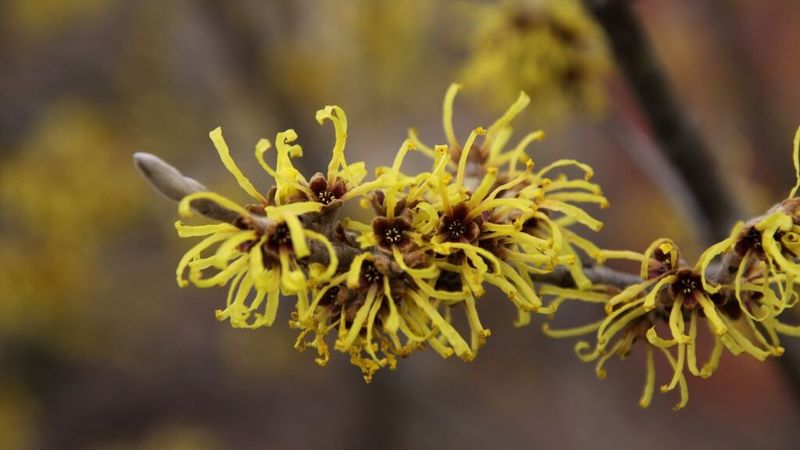
Blooming when almost nothing else dares, witch hazel unfurls spidery, ribbon-like flowers in late winter and early spring, often with a spicy fragrance riding the cold air. It is the plant that keeps your yard interesting during the bleakest weeks.
Sparse flowers or leggy, awkward growth are the usual gripes. Full sun to partial shade suits it, along with moist, well-drained, acidic soil and steady water during dry spells.
Prune after flowering to clear out suckers, dead or weak wood, and to guide it back toward its natural vase shape. Go too hard with the pruners, though, and you will thin out next year’s flowers, so restraint pays off.
For a shrub that delivers scent and color when the calendar still says winter, it is hard to beat.
14. Redbud (Cercis canadensis)
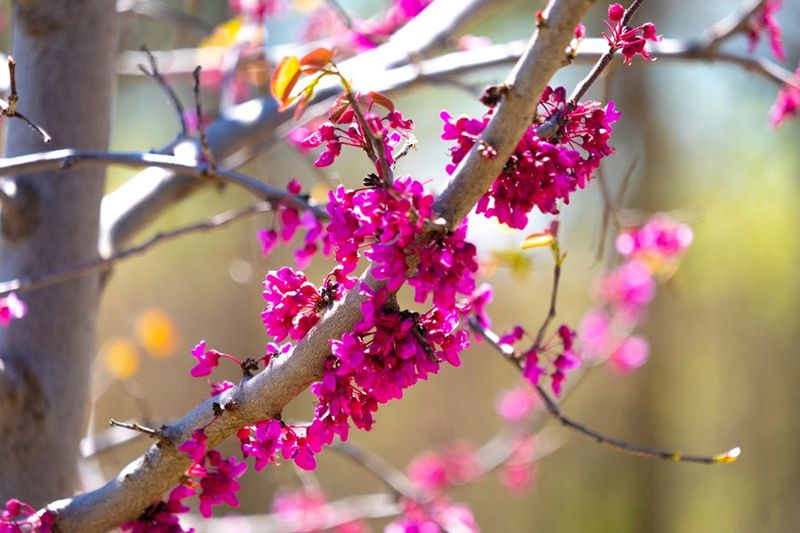
Picture branches, and even the trunk, dotted with pink-purple blossoms before a single leaf appears, and you have the magic of redbud in early spring. Shrub-form cultivars like ‘The Rising Sun’ bring that same fairy-tale display down to a more manageable size.
No blooms or scattered branch dieback are the problems that worry redbud owners most. It prefers full sun to partial shade and well-drained soil, and it truly resents soggy roots, so watch your watering during establishment.
Prune in late winter or early spring to take out dead, diseased, or crossing branches, and keep the cuts modest since heavy pruning stresses the plant. Dieback often signals environmental stress or disease, so good air circulation and steady, sensible moisture go a long way.
Give it a decent spot and it rewards you with one of spring’s most unforgettable color shows.
15. Camellia
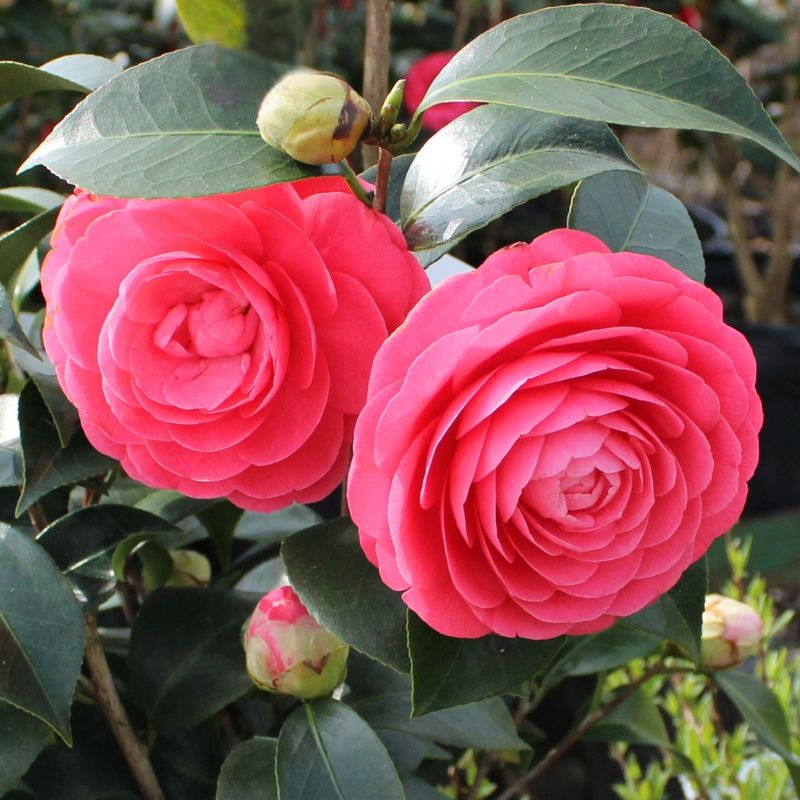
Elegant to the point of looking almost artificial, camellia opens large, waxy flowers in pink, red, or white during late winter and early spring when few rivals are awake. Southern gardeners treat it like garden royalty, and it earns the title.
Bud drop, yellowing leaves, or missing blooms are the frustrations that send camellia owners searching for answers. It craves partial shade, especially shelter from hot afternoon sun, plus well-drained, acidic soil rich in organic matter.
Steady moisture matters, but overwatering invites root rot, so aim for consistency rather than flooding. Buds tend to drop when temperatures swing suddenly or watering gets erratic, and yellow leaves point to high pH or nutrient gaps that a fertilizer for acid-loving plants can correct.
Prune after flowering to shape it and clear out weak wood, and this refined shrub will keep bringing cool-season glamour to your yard.
16. Daphne (Daphne odora)
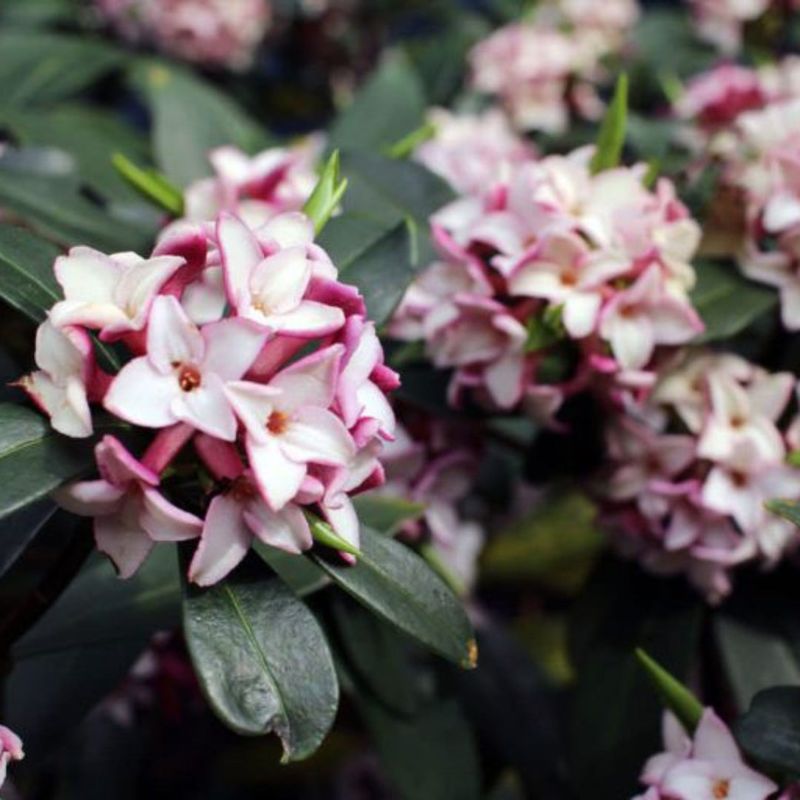
One whiff of daphne in bloom and the entire garden seems perfumed, which is exactly why gardeners forgive its diva-like habits. Small clusters of pink or white flowers arrive in late winter to early spring carrying a scent far bigger than the plant.
A sudden, unexplained decline is the notorious daphne drama, along with occasional poor flowering. Partial shade and well-drained, consistently moist soil keep it content, and it deeply dislikes being moved, so choose its home carefully the first time.
Keep pruning to a whisper, just a light shaping after flowering or the removal of dead wood. Good air circulation helps fend off fungal issues, and steady growing conditions matter because this shrub can be short-lived even at its best.
Treat it gently and its intoxicating fragrance more than repays the patience.
17. Winter Heath (Erica x darleyensis)
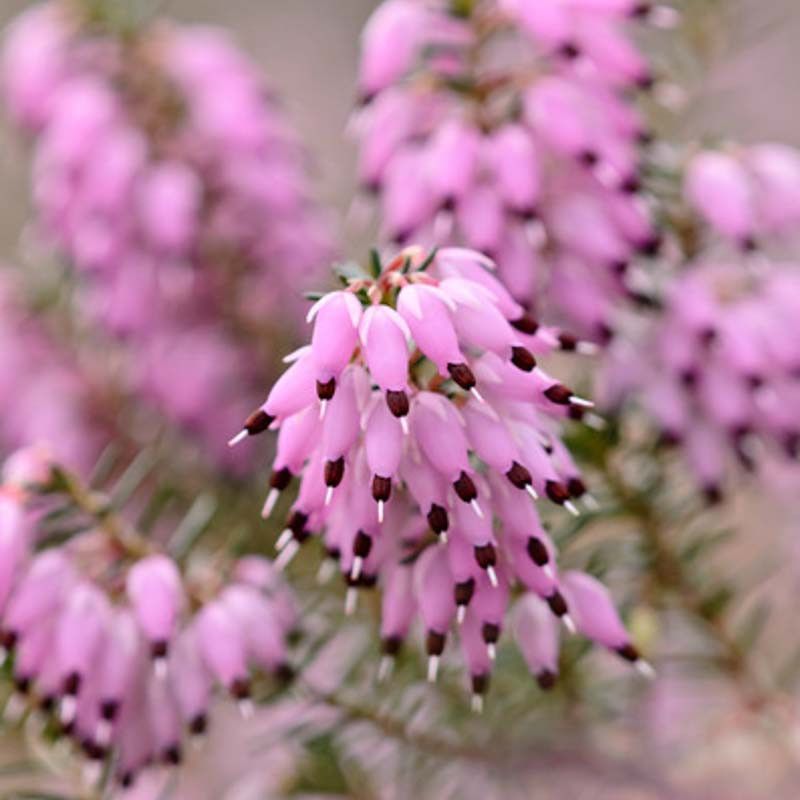
While snow still lingers, winter heath spreads a low carpet of tiny bell-shaped flowers in pink, purple, or white, brightening the ground when almost nothing else will. Its evergreen foliage means the color starts early and simply refuses to quit.
Thin flowering or browning foliage are the signs that something is off underground. It enjoys full sun to partial shade and demands well-drained, acidic soil, since soggy roots quickly turn the foliage brown.
Once established it handles drought, though it appreciates a drink during hot, dry stretches. Right after flowering, shear off the spent blooms along with a little green growth to keep the plant dense and floriferous for next season.
For gardeners who want color at the very edge of winter, this creeping evergreen fills a gap no other shrub quite manages.
18. Mock Orange (Philadelphus)
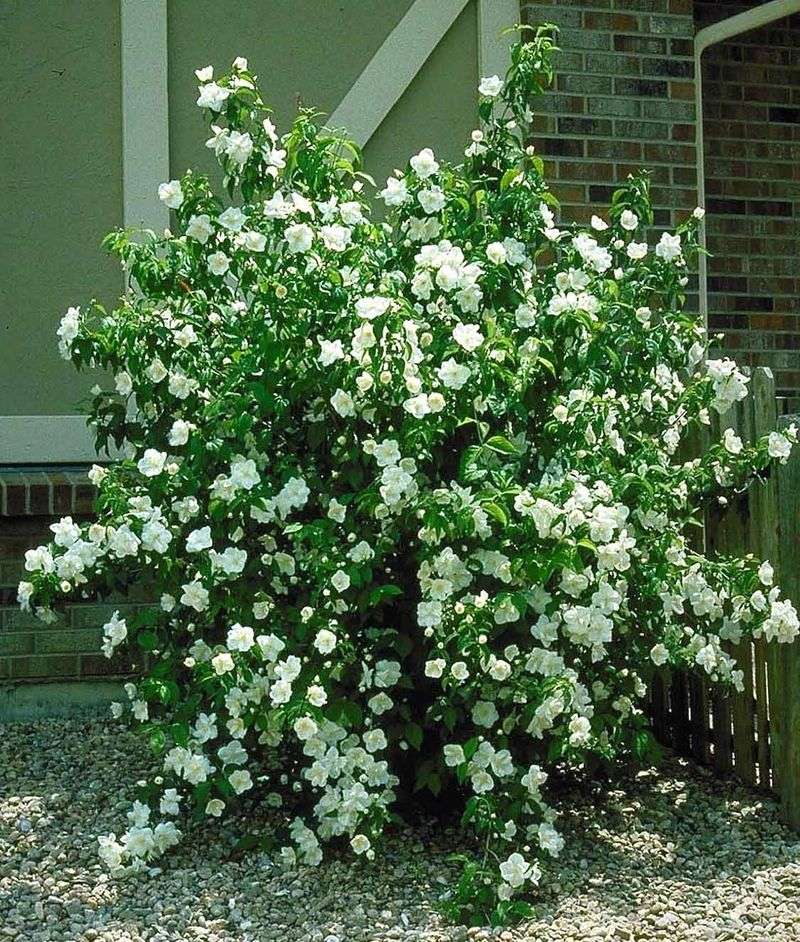
The name gives away the magic, because mock orange fills late spring air with a citrusy fragrance that really does mimic orange blossoms. Its pure white, cup-shaped flowers cover the branches so thickly the shrub seems to glow.
Reduced flowering paired with leggy, overgrown stems is the most common complaint. Full sun to partial shade brings out the best bloom, and it accepts a wide range of soils as long as they drain well.
Because it flowers on old wood, prune right after the blossoms fade rather than in fall or winter. Removing about a quarter to a third of the oldest stems to the ground each year keeps the plant vigorous and shapely while encouraging fresh flowering wood.
Plant it near a window or walkway and that unmistakable scent becomes a spring event all its own.
19. Deutzia
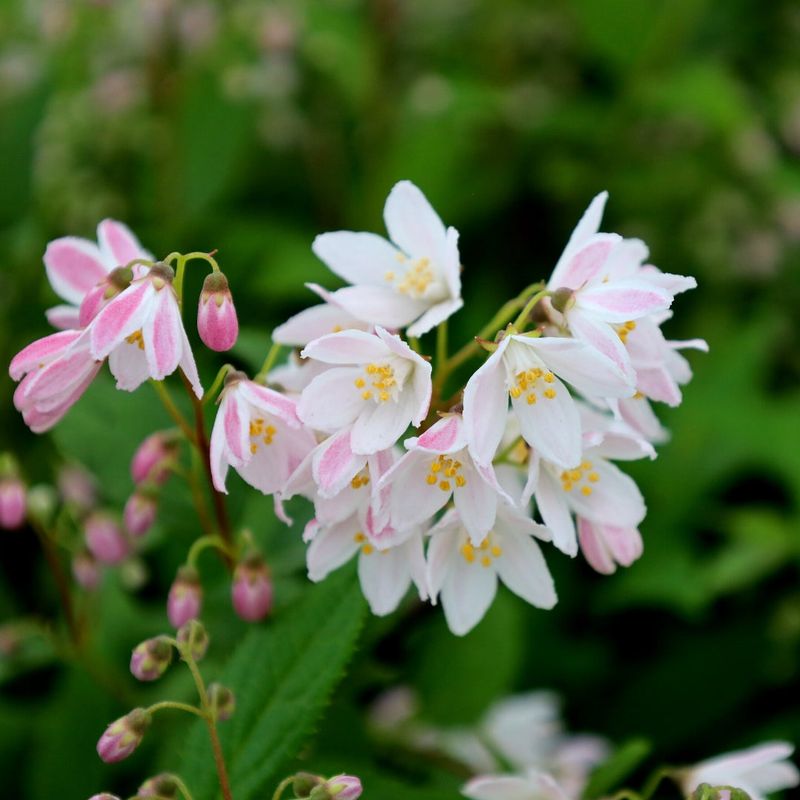
Graceful and quietly elegant, deutzia drapes itself in white or pink bell-shaped flowers in late spring, often on arching stems that sway with the breeze. Many newer cultivars stay compact, making this an easy fit for smaller beds and borders.
Sparse blooms or a messy, tangled look are what usually prompt a closer inspection. Full sun to partial shade and well-drained soil keep it happy, and it asks for very little beyond that.
Since it blooms on old wood, prune right after flowering and thin out old, weak, or crossing stems as you go. Opening up the plant improves air circulation and encourages the new growth that carries next year’s flowers.
Low-fuss yet undeniably pretty, deutzia is the kind of shrub that quietly makes a border look polished without demanding much in return.
20. Flowering Almond (Prunus glandulosa)
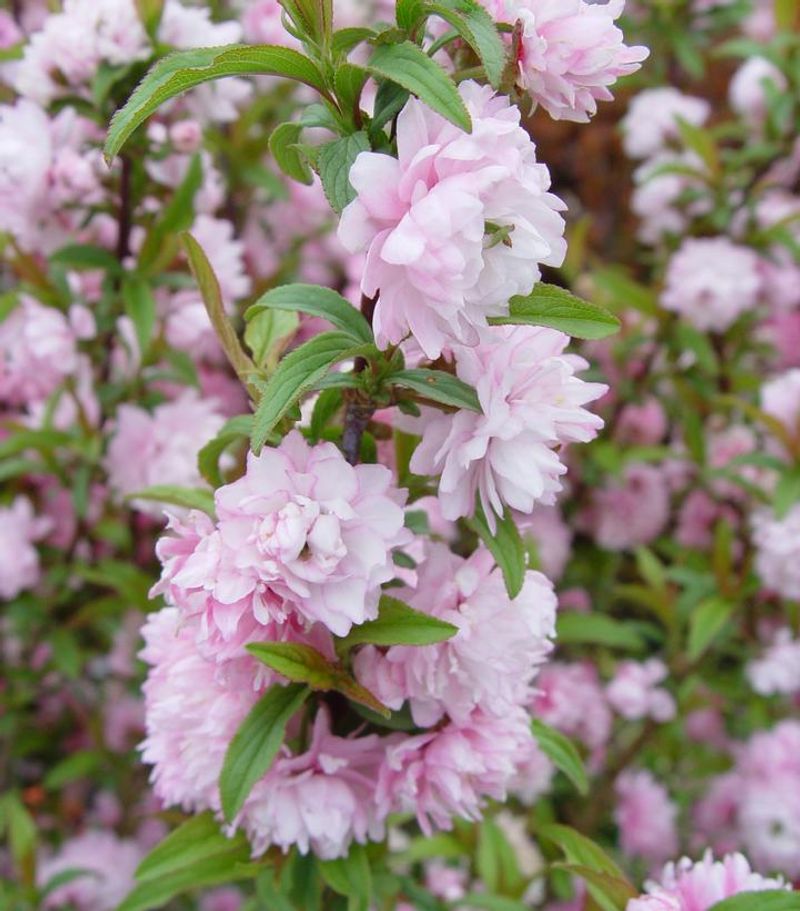
Imagine a shrub that transforms into a fluffy pink cloud, and you have flowering almond in early to mid-spring. Double pink blossoms crowd every branch before the leaves fill in, creating an ornamental burst that looks almost too soft to be real.
Fading flower power and pest visits are the two issues that tend to crop up. Full sun brings the heaviest bloom, and well-drained soil keeps the roots healthy.
It flowers on old wood, so prune right after the blossoms fade to shape the shrub and remove dead or crossing branches. Keep an eye out for aphids and spider mites, treating early with horticultural oil or insecticidal soap if they show up.
Good air circulation helps head off fungal trouble, and a little vigilance keeps this cotton-candy shrub blooming beautifully year after year.