
25 Perennials That Quietly Multiply On Their Own And Fill Your Beds Without Buying More
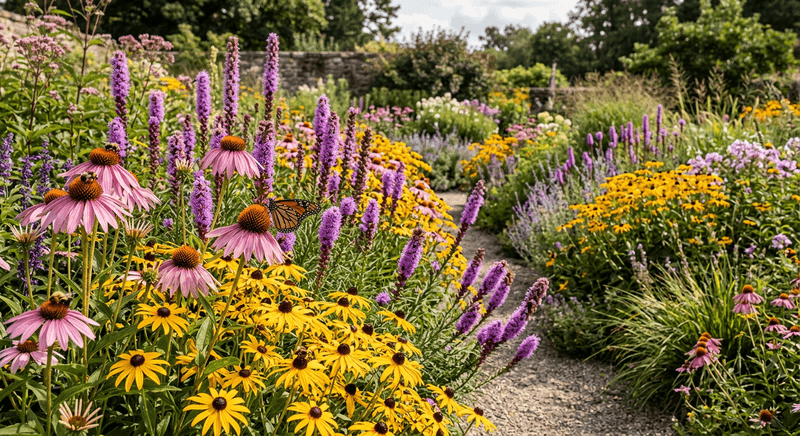
Some plants are quiet overachievers. You tuck one little clump into the soil, and a few seasons later you have a whole patch that spread all by itself, no extra trips to the garden center needed. The plants below multiply through seeds, runners, bulbs, or creeping roots, which means your beds fill in faster and your wallet stays happier. Here are 25 dependable perennials that do the growing work for you.
1. Black-Eyed Susan
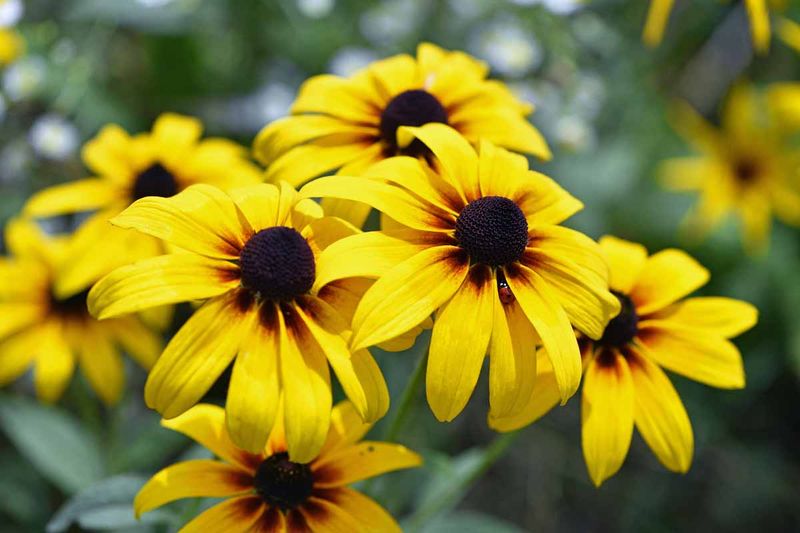
Golden petals with a chocolate-brown center make this prairie native a backyard favorite, but the real magic happens after the blooms fade. Leave the spent seed heads standing and they scatter fresh seed all around the parent plant.
Come spring, you will spot little rosettes filling gaps you never planted. Rudbeckia handles clay, drought, and neglect without complaint, which is why it shows up in so many low-maintenance American gardens.
Goldfinches love picking at the winter seed heads, so leaving them up feeds birds and plants your next patch at the same time. Thin the volunteers you do not want and hand the extras to a neighbor.
2. Bee Balm
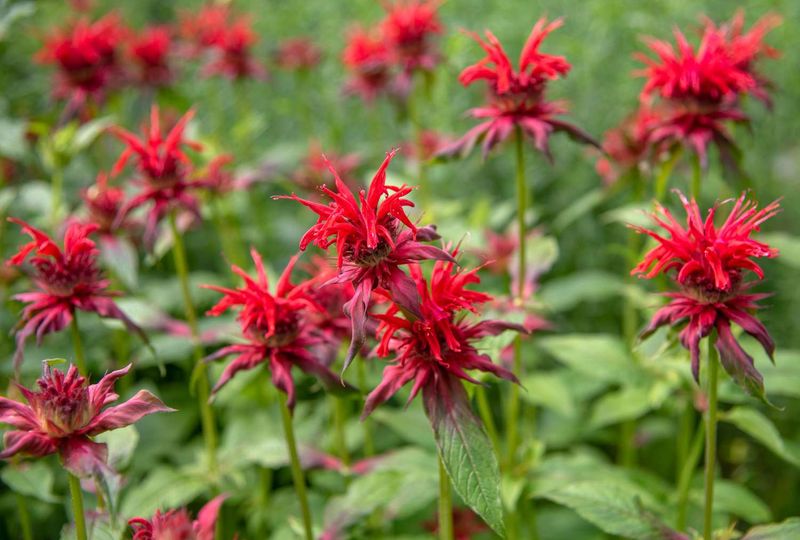
Shaggy, firework-shaped blooms in red, pink, and purple draw hummingbirds from across the yard, but underground bee balm is busy building an empire. Its roots creep outward each year, sending up new shoots several inches beyond last season’s edge.
Within two or three summers a single plant becomes a generous drift. Monarda thrives in moist, sunny spots and rewards you with a minty fragrance when you brush past.
Because it spreads so eagerly, gardeners often dig out chunks in spring and replant them elsewhere for free. A quick tip: give it decent airflow, since crowded stands can pick up powdery mildew in humid regions.
3. Daylily
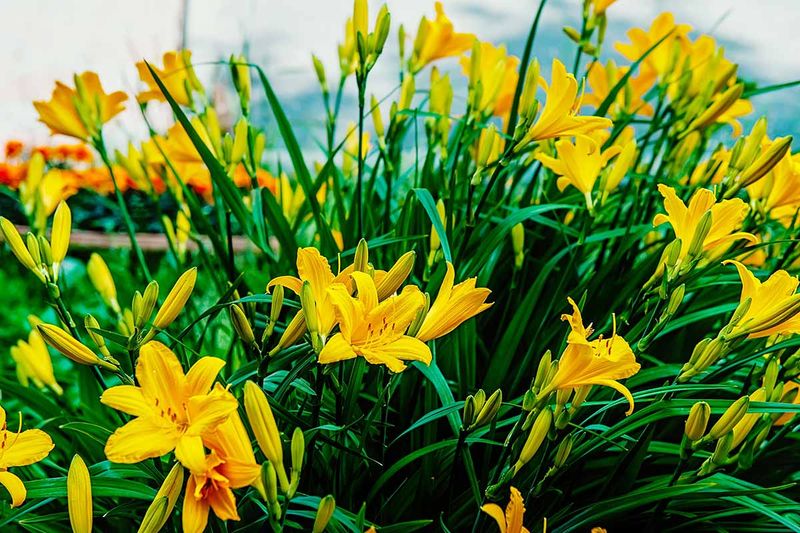
Tough as old boots and cheerful as a summer morning, daylilies expand by fattening up their crowns into ever-wider clumps. Each fan of foliage can split into several, so one plant becomes a dozen over a handful of seasons.
Dig up an established clump, slice it apart with a spade, and you have instant new plants for empty corners. They shrug off poor soil, heat, and roadside conditions, which is why you see them thriving along highways.
Fun bit of trivia: the botanical name Hemerocallis means beauty for a day, since each bloom lasts only 24 hours before the next one opens. A healthy clump keeps the show going for weeks.
4. Hosta
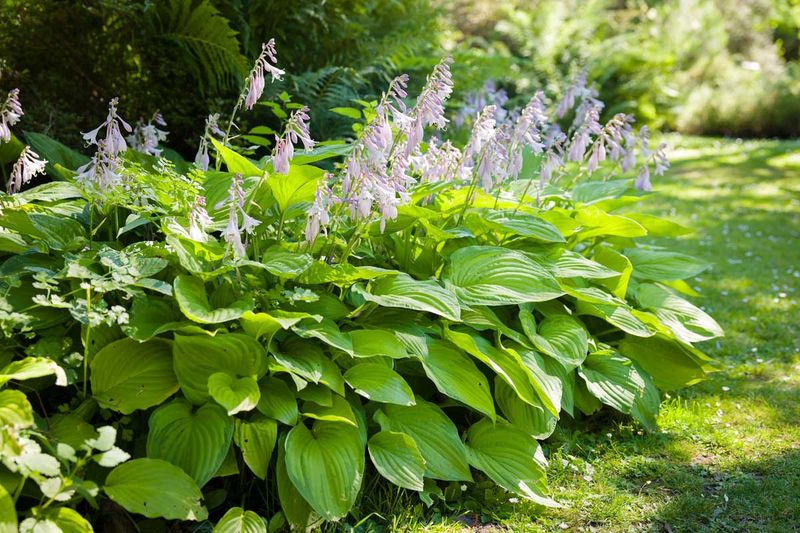
Shade gardeners treasure hostas for their bold leaves, and those leafy mounds quietly get bigger every single year. What starts as a modest crown swells into a wide clump that begs to be divided.
Slide a spade through the center in spring, and each piece grows into a full plant within a season or two. Colors range from deep blue-green to buttery gold with crisp white edges, so a single divided plant can carpet a shady bed.
They ask for little beyond consistent moisture and protection from hungry deer. Slugs may nibble the leaves, so a ring of crushed eggshells or coffee grounds can help keep the foliage looking sharp.
5. Coneflower
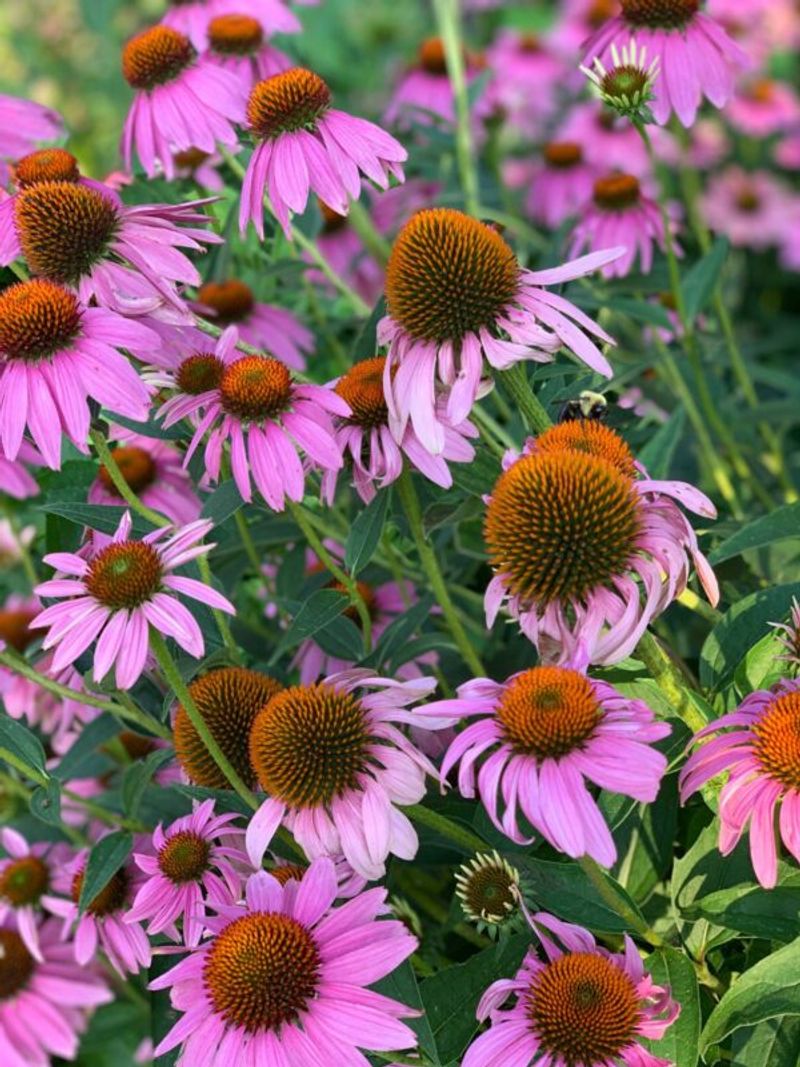
Purple coneflower stands tall through the hottest weeks, and when its petals drop, the spiky seed cones become tiny scatter machines. Birds knock seeds loose, wind carries them, and next spring baby coneflowers pop up nearby.
Echinacea is a rugged native that laughs at drought once established. Leave a few seed heads standing over winter and you will get free seedlings plus a feeding station for finches.
The plants also self-clump at the base, so mature specimens can be dug and split. Between reseeding and dividing, one starter plant can turn a bare patch into a pollinator hangout in just a couple of years.
6. Creeping Phlox
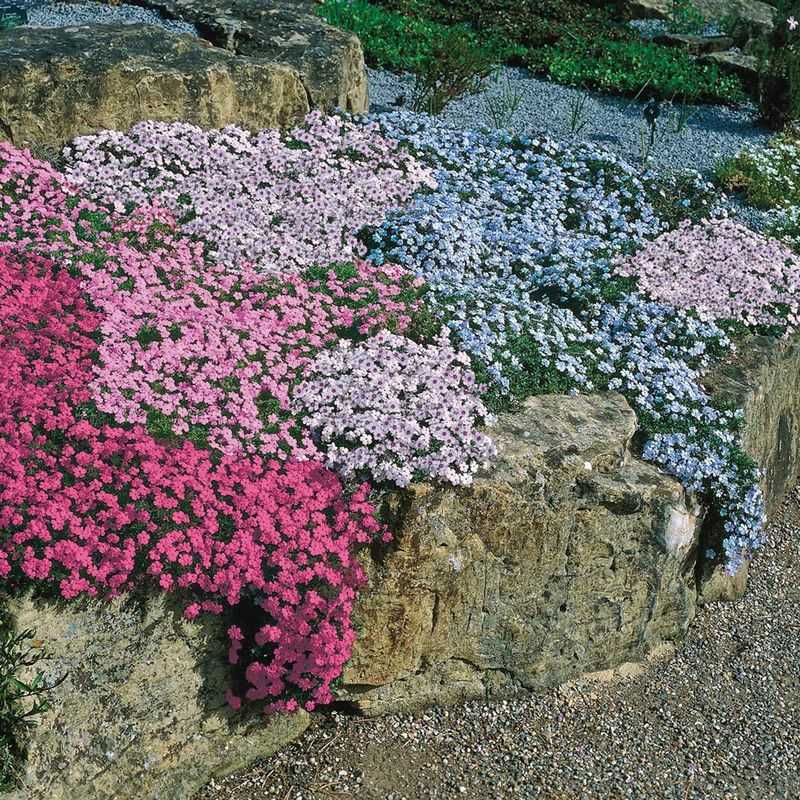
Early spring gets a jolt of color when creeping phlox spills over rocks and edges in sheets of pink, purple, and white. Low mats of foliage root wherever the stems touch soil, so the carpet keeps widening on its own.
Slopes, walls, and bed borders all benefit from its spreading habit that also smothers weeds. Once the flowers fade, a neat green mat remains through the rest of the season.
To grow your patch faster, pin a trailing stem to the ground with a small stone and it will root in weeks. Snip the rooted piece free and move it wherever you want a fresh splash of color.
7. Yarrow
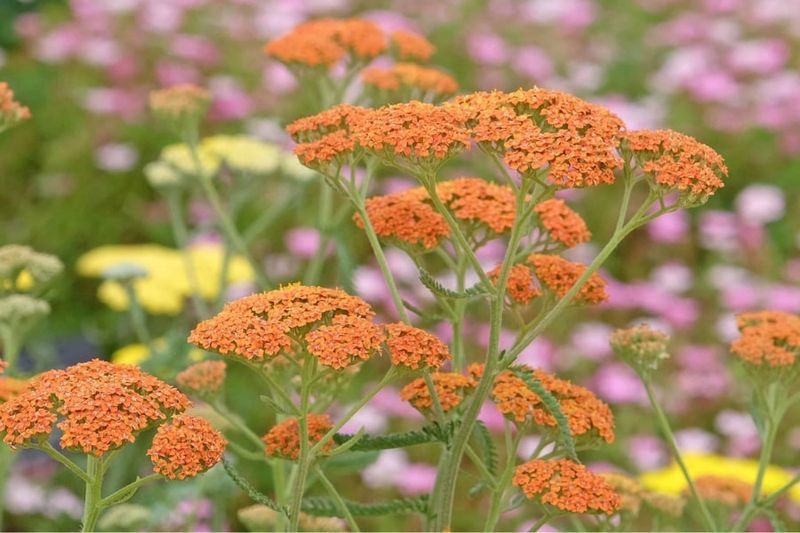
Feathery foliage topped with flat flower clusters gives yarrow a soft, meadow look, while underground it marches outward through spreading roots. Add self-sowing to that habit and you get a plant that fills space with almost no effort.
Blooms come in white, gold, salmon, and red, and they dry beautifully for indoor bouquets. Achillea shrugs off poor soil and drought, making it a workhorse for tough spots.
Beneficial insects like ladybugs and hoverflies flock to the flat blooms, and those helpers may reduce aphids elsewhere in the garden. Cut it back after the first flush and you often get a second round.
8. Sedum
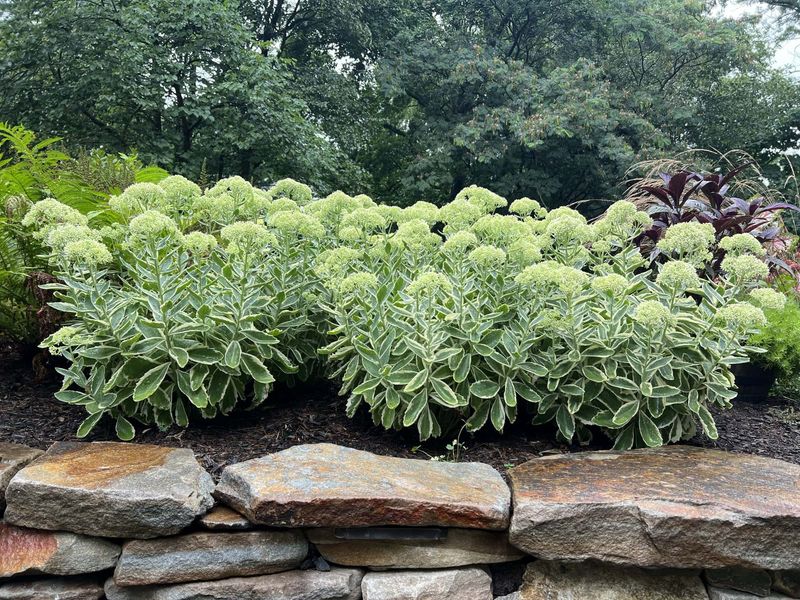
Fleshy leaves that store water make sedum practically unkillable, and it multiplies in the easiest way imaginable. Break off a leaf or stem, drop it on the soil, and it roots itself into a brand-new plant.
Upright types like Autumn Joy form fatter clumps each year that split cleanly with a spade. Low creeping varieties spread into weed-blocking mats across gravel and slopes.
Late-season pink and rust flowers feed bees when little else is blooming. For a garden that expands with zero fuss, few plants match how forgiving and generous sedum turns out to be.
9. Shasta Daisy
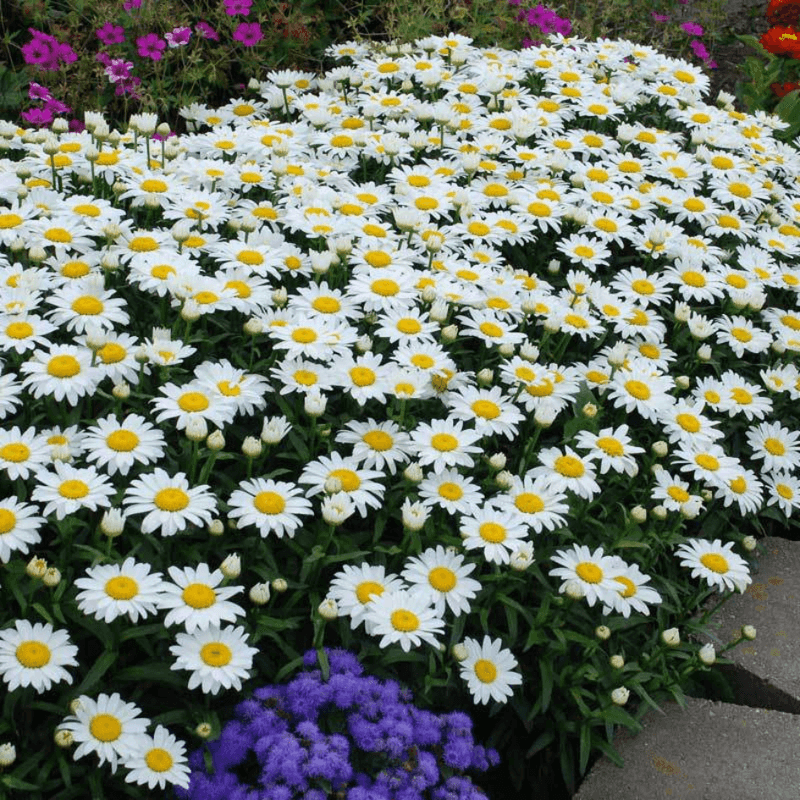
Nothing says classic cottage garden like a crowd of white daisies nodding in the breeze. Shasta daisies bulk up their crowns quickly and reseed politely, so a lone plant becomes a tidy colony in short order.
Every few springs the center of an old clump thins out, which is your cue to dig and divide the healthy outer edges. Each division blooms the same summer if you do it early enough.
Deadheading spent flowers keeps them blooming for weeks and controls how much they self-sow. Pair them with coneflowers and black-eyed Susans for a bed that essentially plants itself.
10. Lamb’s Ear
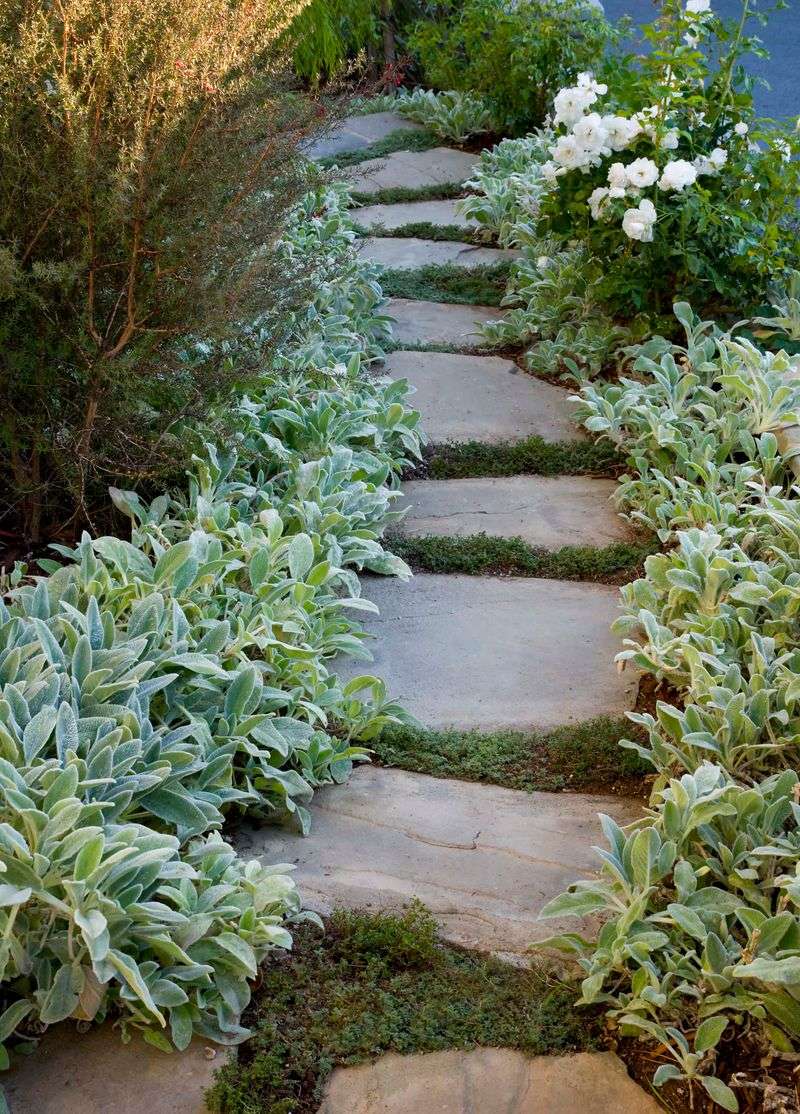
Soft, silvery leaves that beg to be petted give lamb’s ear its nickname, and kids can never resist touching the fuzzy foliage. Beneath that gentle texture is a determined spreader that creeps outward season after season.
Rooting rosettes fill in around the parent plant, forming a plush silver carpet along paths and borders. Stachys asks for almost nothing beyond sun and well-drained soil.
When a patch gets too dense, simply pull up the outer rosettes and tuck them in wherever you want that soft glow. The pale leaves also brighten shady evenings, seeming to catch the last of the light.
11. Coreopsis
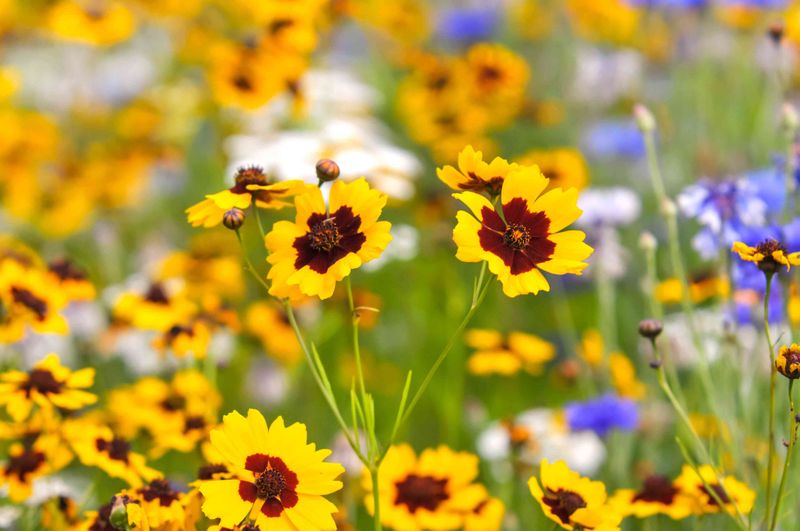
Bright as a handful of sunshine, coreopsis pumps out golden blooms from early summer straight into fall. It reseeds freely and widens its clumps, so a few plants soon knit into a glowing ribbon of color.
Also called tickseed, it thrives in lean soil and full sun where fussier plants would sulk. The airy stems sway with the slightest breeze, giving beds a relaxed, wildflower feel.
Shear it back partway through summer and it rebounds with a fresh burst of flowers. Volunteers are easy to spot and move, which makes filling new borders practically free.
12. Lily of the Valley
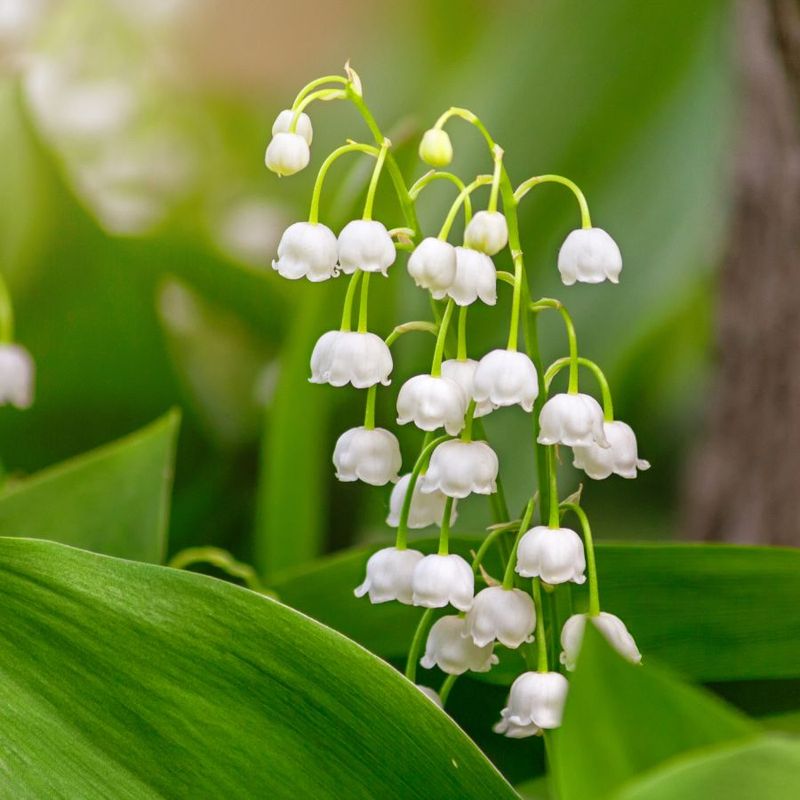
Tiny white bells with a perfume that stops you in your tracks make lily of the valley a spring treasure. Underground it travels on creeping stems called pips, quietly claiming ground beneath trees and along shady fences.
Once settled, it forms a dense green carpet that few weeds can break through. The plant thrives in the cool shade where grass struggles, turning problem corners into fragrant beds.
A word of caution: every part is toxic if eaten, so keep it away from spots where small children or pets graze. To spread it, lift a clump in fall and separate the pips into new shady areas.
13. Aster
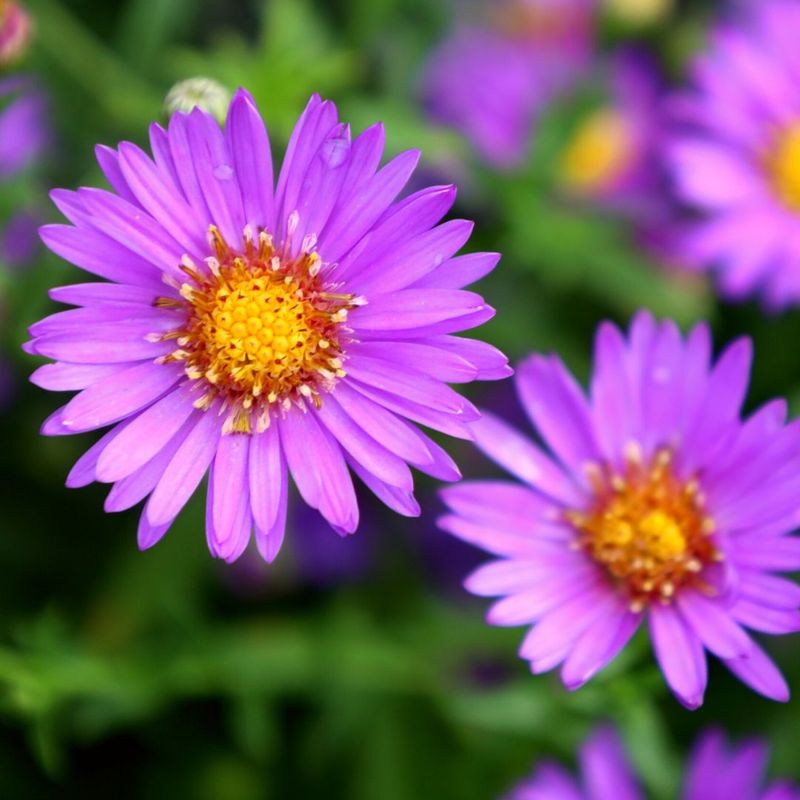
When most flowers are winding down, asters throw a late-season party in shades of purple, blue, and pink. They spread by both roots and seed, so autumn beds fill in richer every year.
Bees and migrating butterflies rely on these blooms for one last meal before winter, making asters a lifeline for pollinators. Clumps expand steadily and divide easily in spring.
Pinch the stems back in early summer for bushier, more flower-packed plants. A single starter clump can become a broad wave of color that arrives right when the garden needs it most.
14. Catmint
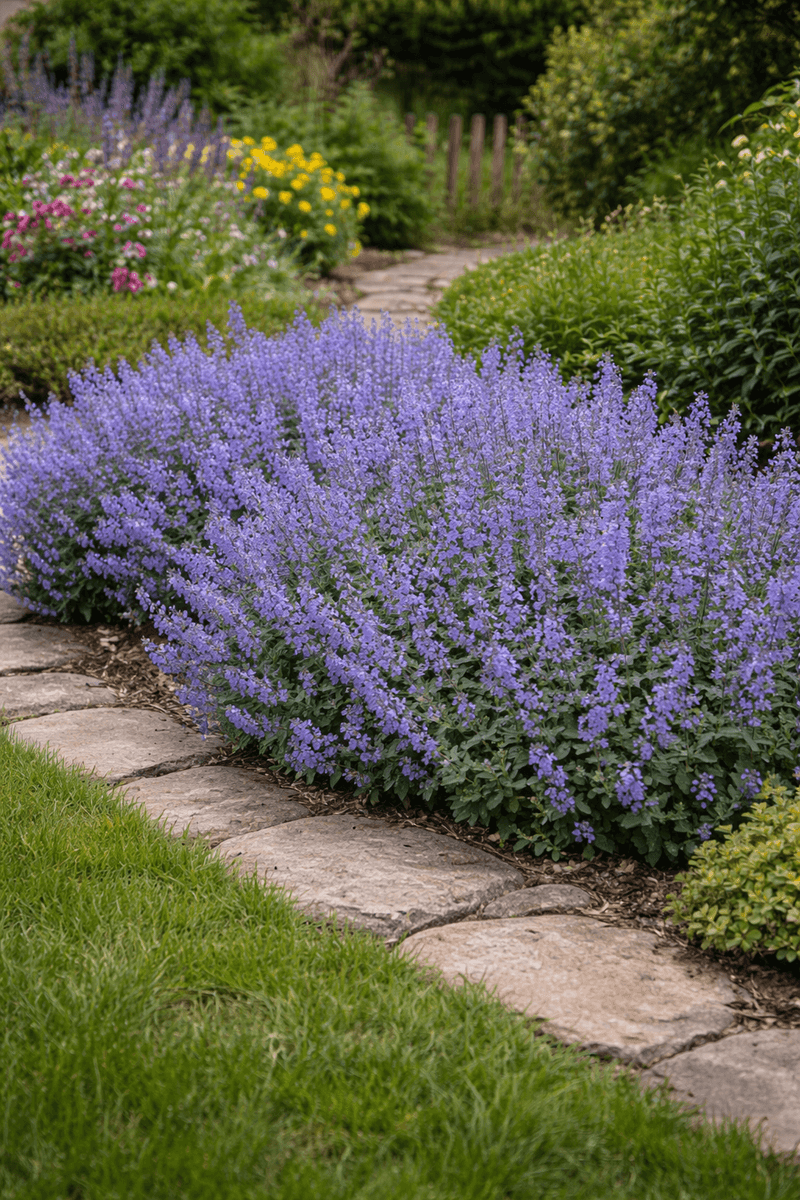
Clouds of lavender-blue flowers over gray-green foliage give catmint a soft, hazy charm that bees adore. It bulks up into rounded mounds and reseeds gently, so borders fill without becoming a jungle.
Nepeta shrugs off heat, drought, and poor soil, blooming from late spring well into fall if you shear it back midseason. Unlike true catnip, this ornamental cousin keeps its shape neatly.
Cats may still take an interest and roll happily in the foliage. Divide older mounds in spring, and you will have plenty to line a whole walkway in soft purple haze.
15. Obedient Plant
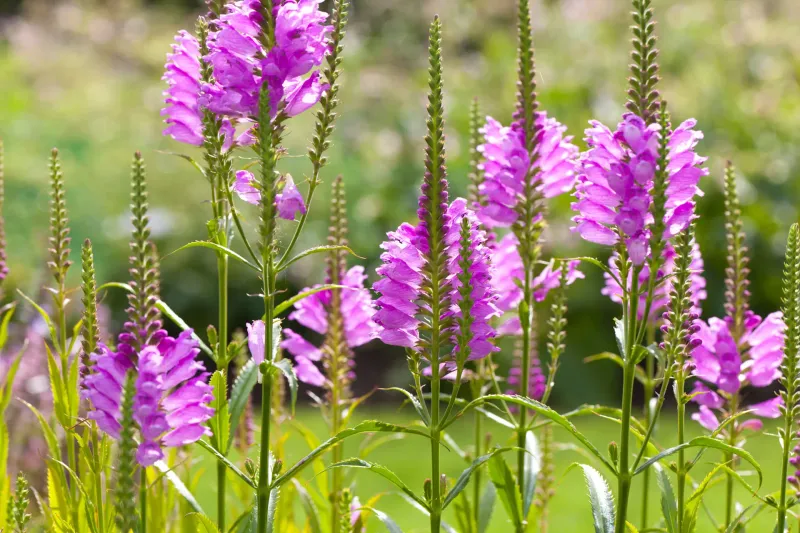
The odd name comes from the flowers, which stay put when you bend them on the stem, but the plant itself is anything but obedient about staying in one place. Vigorous runners send up new spikes of pink and white blooms all around the original clump.
Physostegia loves moist soil and rewards late summer with snapdragon-like flowers that pollinators mob. In the right spot it fills a wet corner faster than almost anything.
Because it travels so freely, plant it where it has room to roam or edge it with a barrier. To share the wealth, just dig up the wandering shoots and pass them along.
16. Columbine
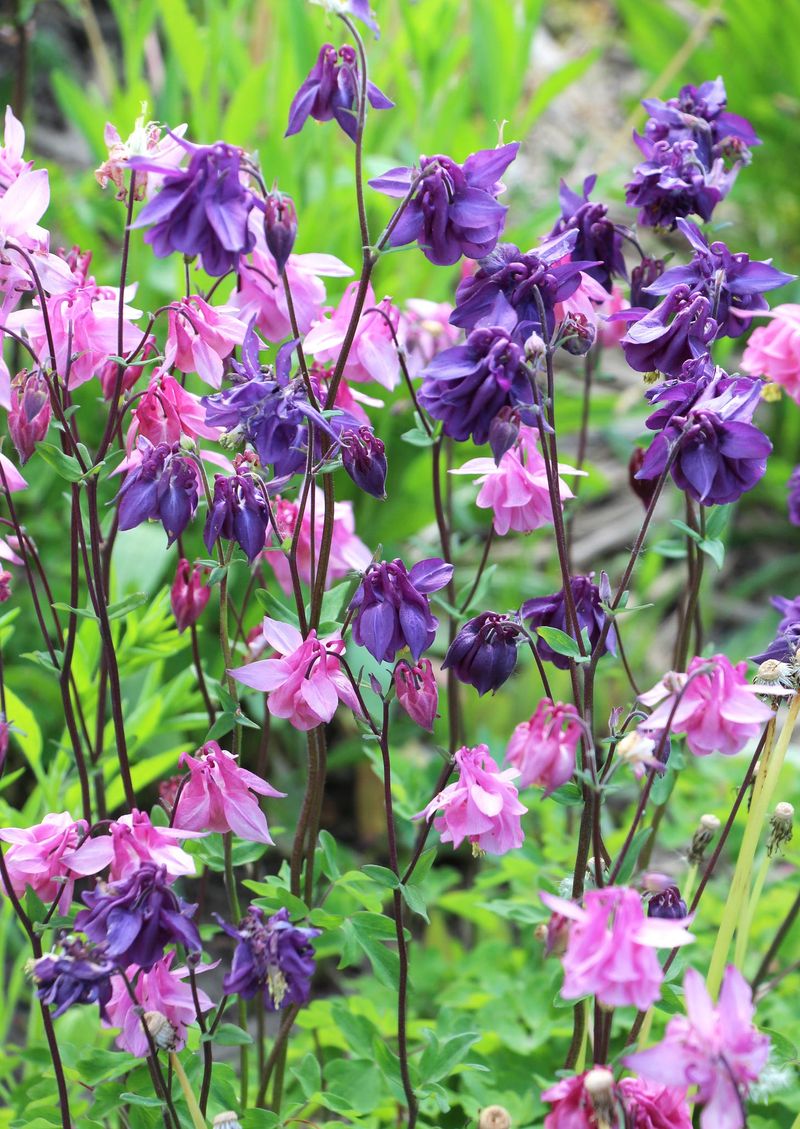
Dangling, spurred flowers that look like tiny lanterns give columbine a fairy-tale quality in spring. It is a champion self-seeder, dropping seed that sprouts into fresh plants in surprising places around the garden.
Aquilegia thrives in dappled shade and cool woodland edges, coming in blues, pinks, yellows, and bicolors. The volunteers often cross-pollinate, giving you unexpected new color combinations for free.
Parent plants are short-lived, but their steady stream of seedlings keeps the display going year after year. Let a few seed heads ripen and scatter, then enjoy the surprise of where the next generation appears.
17. Lamium
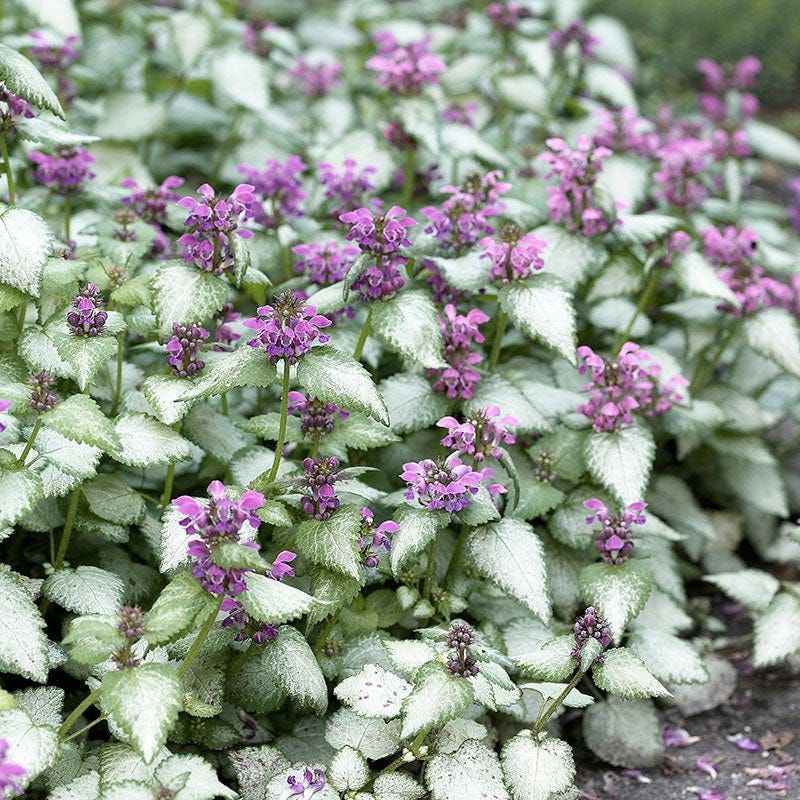
Silver-splashed leaves brighten the darkest corners of the garden, and lamium spreads to cover ground where little else will grow. Trailing stems root as they go, weaving a low tapestry beneath shrubs and trees.
Small hooded flowers in pink or white appear in spring and pop again through the season. Also called spotted dead nettle, it thrives in shade and tolerates dry soil once rooted.
The reflective foliage seems to light up gloomy spots, making shady beds feel alive. Snip and replant rooted stems anytime to expand your silvery carpet into new territory.
18. Solomon’s Seal
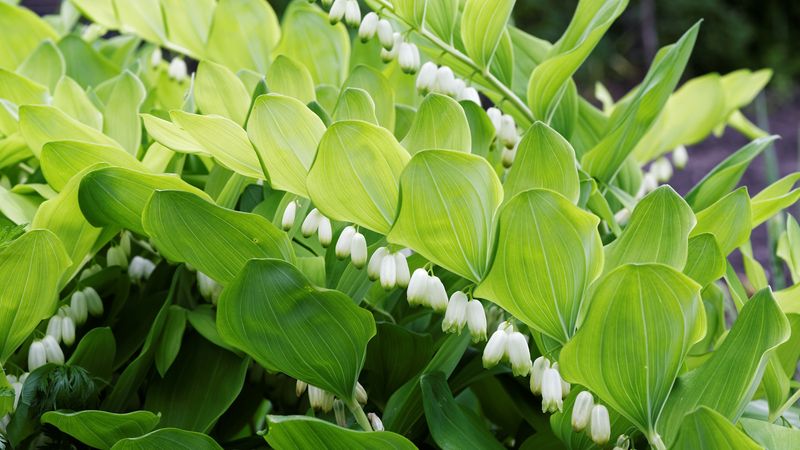
Arching stems hung with dainty white bells bring quiet elegance to woodland shade, and Solomon’s seal spreads slowly but surely through creeping underground rhizomes. Each year the graceful arches multiply into a fuller stand.
Variegated forms with cream-edged leaves glow in low light, brightening dim spots without any fuss. Polygonatum is trouble-free and rarely bothered by pests or disease.
In fall the foliage turns a soft buttery yellow before the plant rests for winter. Lift and split the rhizomes every few years to carry that woodland grace to new shady corners.
19. Iris
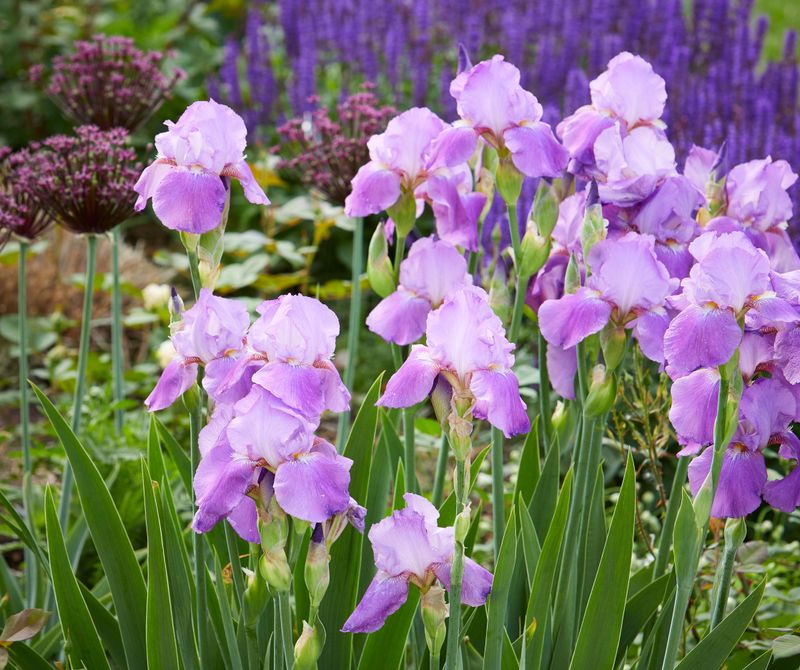
Sword-shaped leaves and ruffled blooms make bearded iris a stately presence, and its fat surface roots, called rhizomes, keep marching outward year after year. Before long a single fan becomes a crowded row of them.
Every three or four years the clump gets so packed that blooming slows, which is nature’s signal to dig and divide. Snap the rhizomes apart, trim the leaves into a fan, and replant for a whole new drift.
Colors span nearly the rainbow, and many varieties carry a sweet, grape-like scent. From one thrifty starter, you can edge an entire bed in elegant blooms.
20. Ajuga
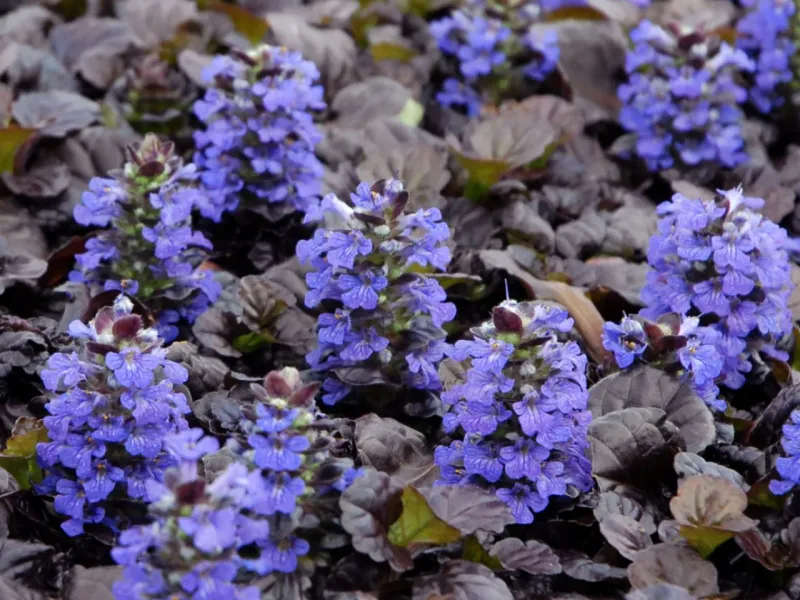
Glossy bronze and burgundy leaves hug the ground while spikes of blue flowers shoot up in spring, and ajuga fills bare soil with impressive speed. It sends out runners in every direction, rooting new rosettes as it goes.
Also called bugleweed, it makes a durable ground cover for spots where grass gives up. The dense mat crowds out weeds and handles both sun and shade.
Give it an edge or a path to grow against so it does not creep into the lawn. Scooping up rooted rosettes and moving them is the easiest way to blanket a new area quickly.
21. Hardy Geranium
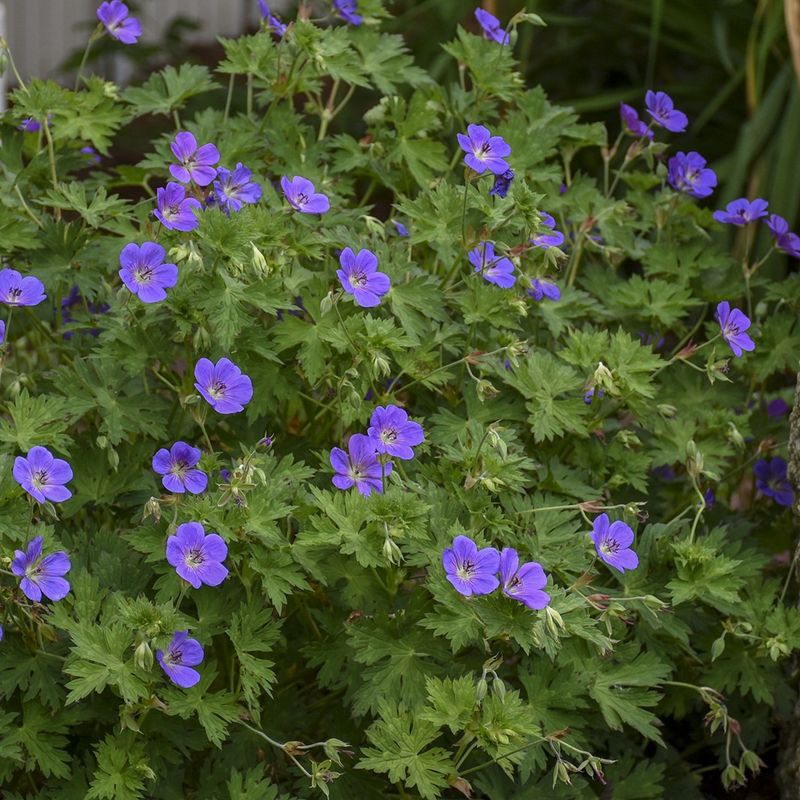
Not to be confused with the potted red geraniums of summer, hardy cranesbill geraniums are tough perennials that expand into billowing mounds of five-petaled flowers. They spread by creeping roots and self-sown seed, filling gaps between larger plants.
Blues, magentas, and soft pinks cover the mounds for weeks, and the deeply cut leaves often color up in fall. They handle sun or part shade and rarely need coddling.
Shear a tired mound back after the first flush and it regrows fresh and floriferous. Dig and divide crowded plants in spring to weave more of this easygoing bloomer through your beds.
22. Tansy
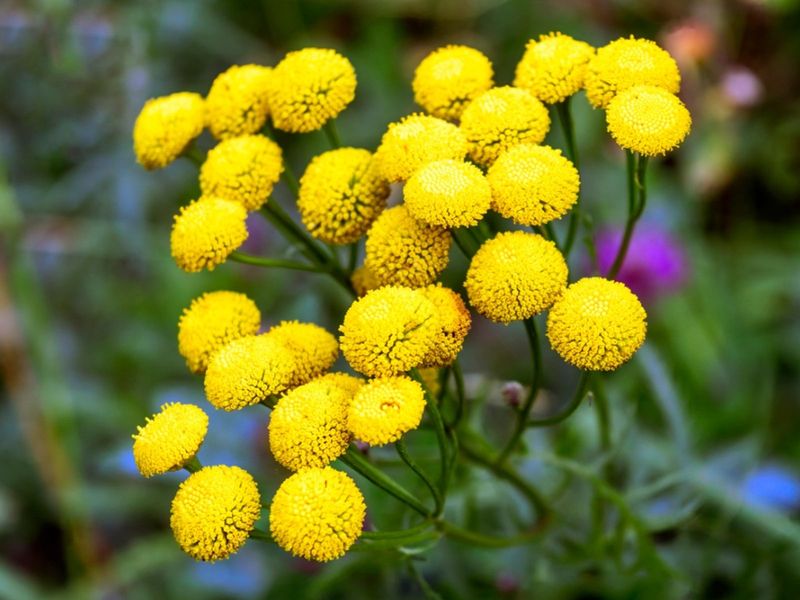
Button-like yellow flowers and fern-shaped leaves give tansy a bright, feathery look, and it spreads freely through roots and seed. In an open spot it quickly forms a cheerful, aromatic stand.
The strong scent of the foliage may help deter certain flies and beetles, which is why old farmhouse gardens often kept it near doorways. Crush a leaf and you will understand the pungent, herbal punch.
Because it wanders eagerly, corral it with an edging or plant it in a spot where roaming is welcome. Pull up extra shoots each spring and hand them to a gardening friend or add them to the compost.
23. Sweet Woodland Violet
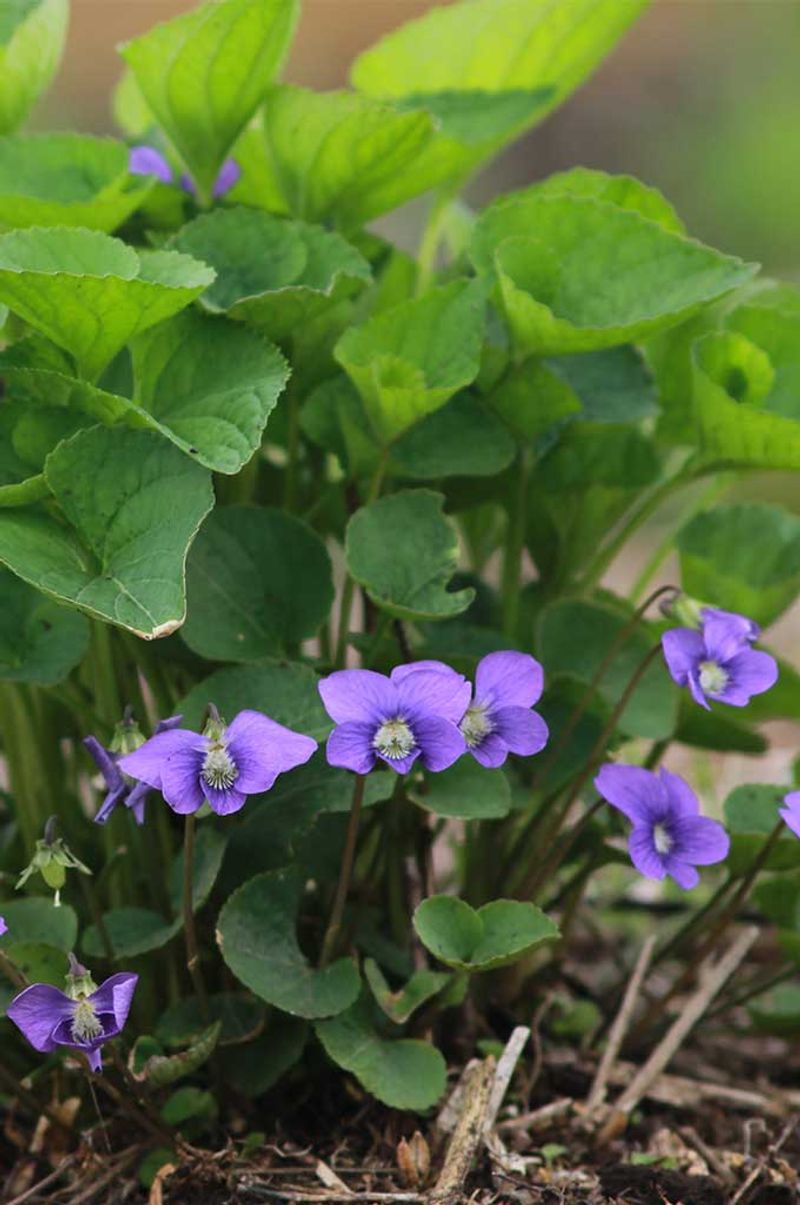
Heart-shaped leaves and small purple faces make woodland violets a nostalgic charmer, and they spread by both seed and creeping roots. Turn your back for a season and they have tucked themselves into every shady nook.
Viola loves cool, moist ground under trees where lawns thin out and struggle. The flowers are edible too, pretty enough to candy for cakes or scatter across a salad.
Some gardeners consider them a bit weedy, but in the right spot they make a soft, self-renewing carpet. Simply lift and move the little clumps to spread that springtime purple wherever you like.
24. Goldenrod
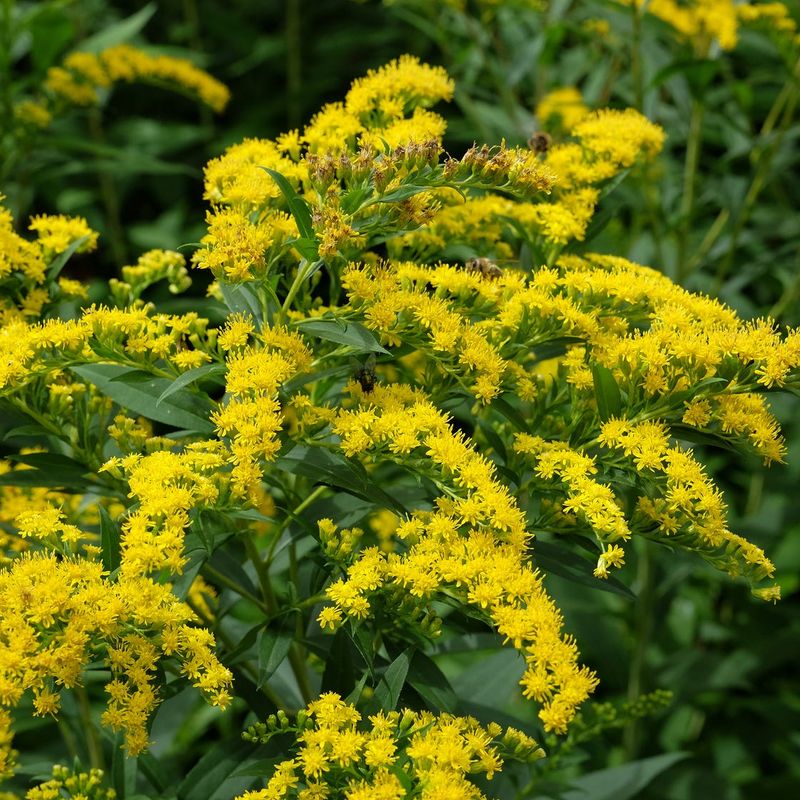
Long unfairly blamed for hay fever, goldenrod is actually a pollinator hero that lights up late summer with plumes of gold. It spreads by underground rhizomes and reseeding, forming generous drifts in sunny meadows and borders.
The real allergy culprit is ragweed, which blooms at the same time; goldenrod’s heavy pollen barely travels on the wind. Bees, butterflies, and beneficial wasps swarm the flowers when few other blooms remain.
Newer garden varieties stay tidier than their wild cousins while keeping the cheerful color. Divide clumps in spring and you will soon have a golden send-off to the growing season across your whole bed.
25. Grape Hyacinth
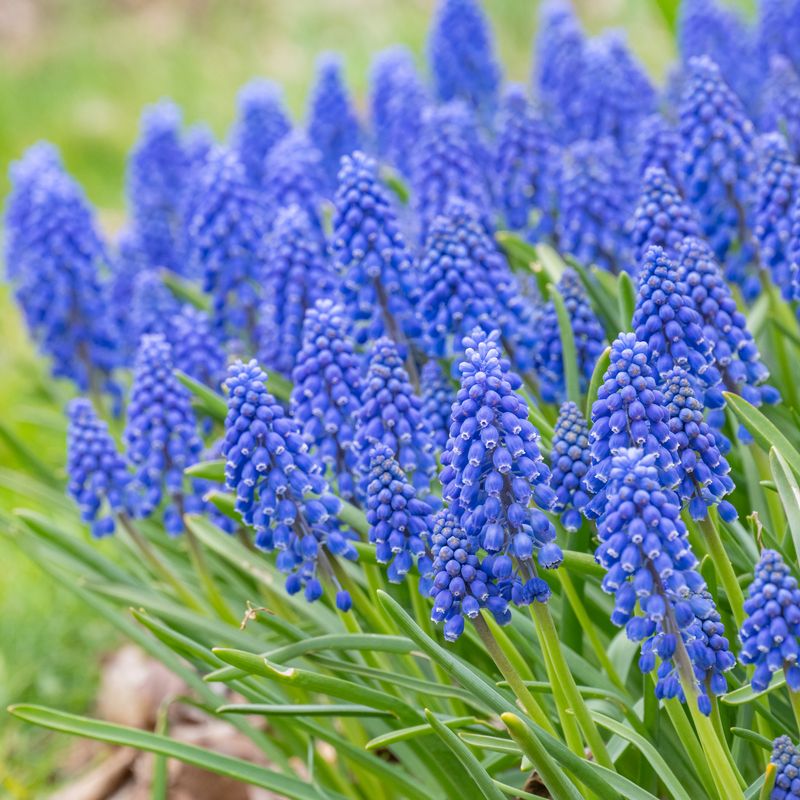
Small clusters of blue flowers that look like upside-down bunches of grapes carpet the early spring garden, and grape hyacinth multiplies through both bulb offsets and scattered seed. Plant a few dozen bulbs and within a couple of years you will have hundreds.
Muscari naturalizes beautifully under trees, along paths, and beneath later-blooming perennials. The grassy foliage pops up in fall, signaling that spring color is on the way.
Once the flowers fade, let the leaves die back naturally so the bulbs store energy for the next round. Dig and separate crowded clumps after blooming to spread that sea of blue into fresh corners for free.