
These 7 Reasons Your Petunias Turned Leggy And Weak, And The Easy Fix For Each One
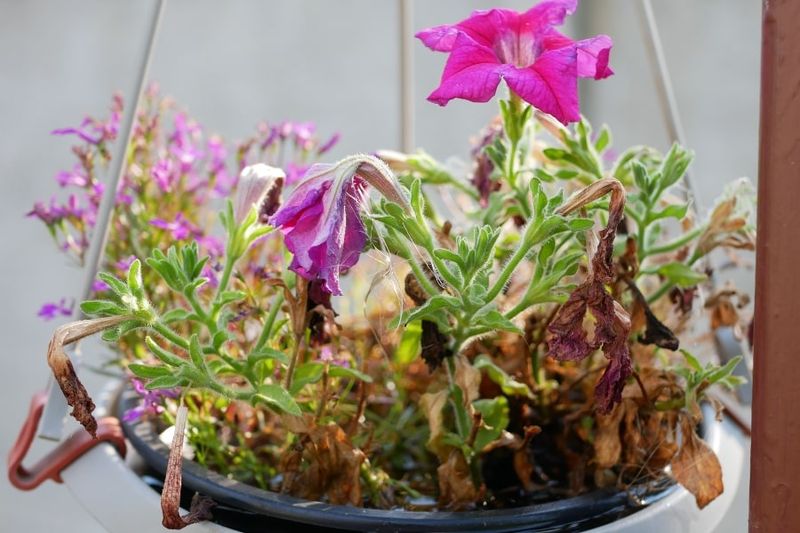
Petunias should spill over pots and beds in a thick blanket of color, but sometimes they stretch out into long, bare stems with just a few sad blooms on the ends. That “leggy” look means something in their care is off, and the good news is that each cause has a simple fix you can do this weekend. Below you’ll find seven common reasons petunias go tall and floppy, plus the exact move to bring them back to bushy and strong. Once you spot which problem is yours, the repair usually takes just minutes.
1. You Never Pinched Them Back
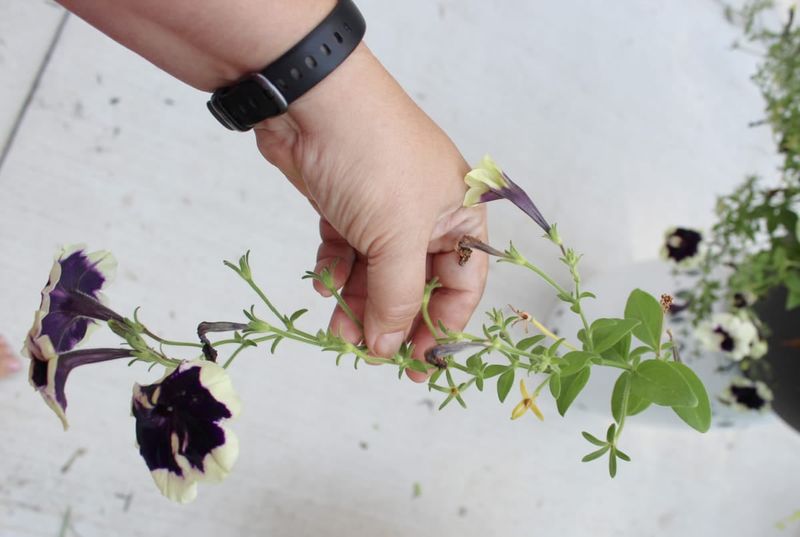
Fresh from the garden center, a petunia looks perfect, so grabbing it and snapping off the tips feels almost cruel. That hesitation is exactly why so many plants turn into a tangle of long, naked stems by midsummer.
Petunias put their energy into whatever growing tip is at the top. Leave that tip alone and the plant races upward in a single skinny line instead of branching out sideways.
The fix is pinching, and it is easier than it sounds. Using your fingers or clean scissors, remove the top inch or two of each stem, cutting just above a set of leaves. Each cut point sprouts two or more new shoots, so a plant you pinch in a few spots comes back twice as full.
Do a light pinch when you first plant, then again every few weeks through the season. It looks like a setback for about a week, but the payoff is a mound of blooms instead of a straggly handful.
2. They Are Starving For Sunlight
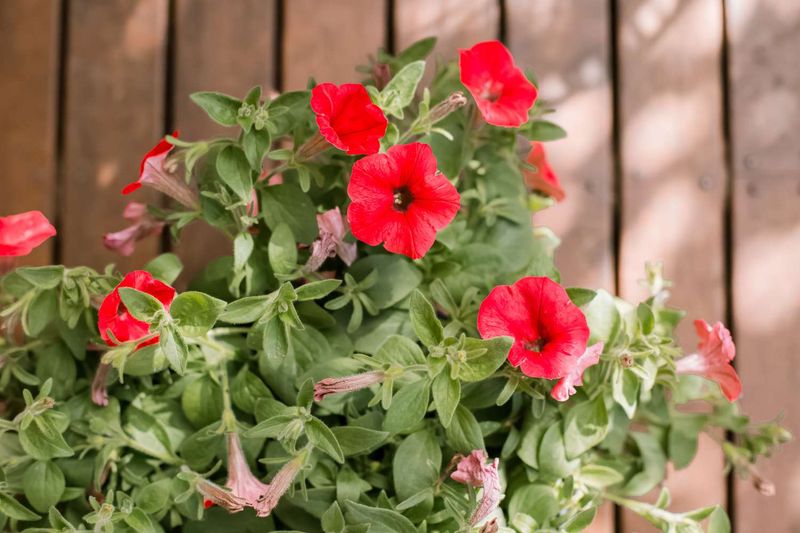
Ever notice how a petunia on a shady porch leans hard toward the one bright spot it can find? That reach is the plant literally stretching to grab more light, and stretching is what makes it leggy.
Petunias are sun lovers through and through. They want six to eight hours of direct light a day, and anything less pushes them to grow tall and thin as they hunt for more.
Take a minute to watch where the sun actually falls on your porch or patio. Spots that looked sunny in spring can end up shaded once nearby trees leaf out. Move containers to your brightest location, and if a plant is stuck in a bed with too much shade, thinning back the branches overhead can open things up.
Give them the light they crave and the stems stay short and sturdy, with far more buds along their length instead of a bare stalk topped by a single flower.
3. You Skipped The Deadheading
A spent petunia bloom does not just fade away quietly. It turns into a seed pod, and making seeds is the single most exhausting job a plant can take on.
Once a flower is pollinated and starts forming seeds, the petunia shifts its energy from producing new blooms to finishing that pod. The stem keeps growing longer while fewer and fewer fresh flowers appear, which is a big reason plants look tired and stretched by August.
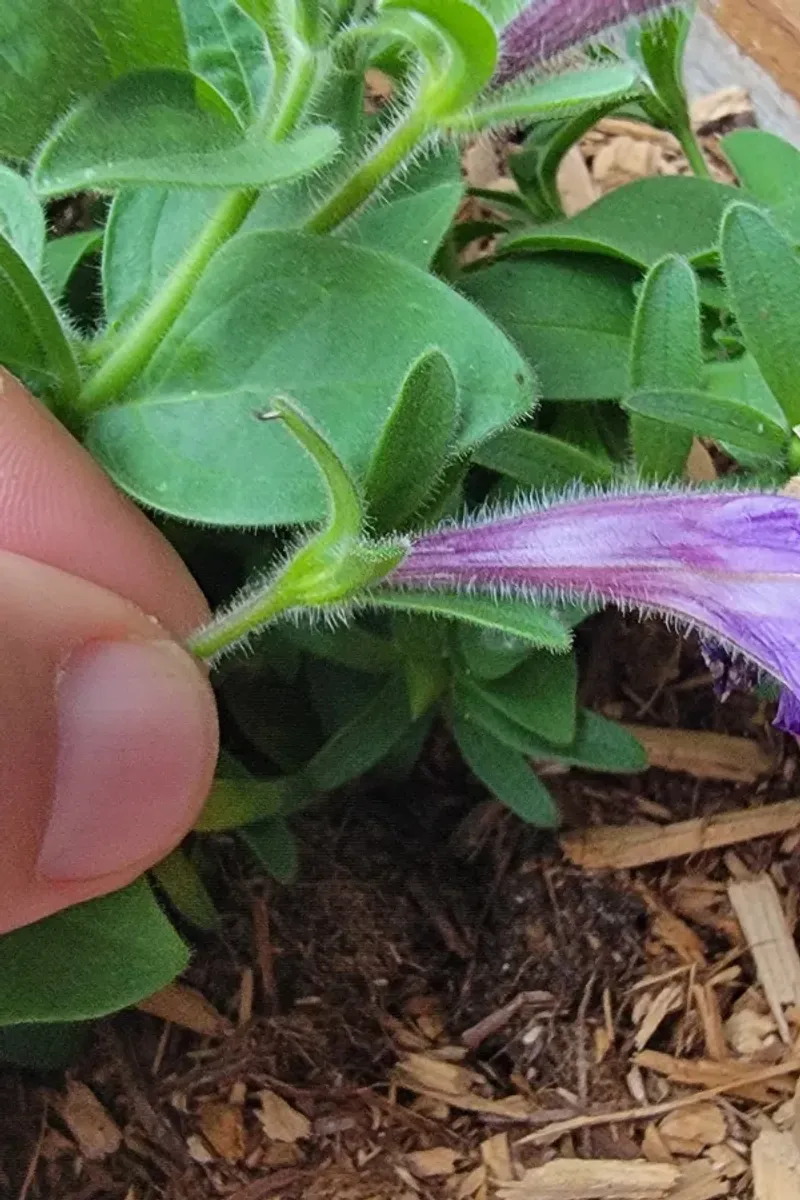
Deadheading breaks that cycle. Pinch off each faded flower along with the little swollen bit right behind it, since that swelling is the developing seed pod. Removing the whole thing, not just the petals, is what tells the plant to keep blooming.
Some newer petunia types are sold as self-cleaning and need less of this, but even they respond to a quick tidy-up. A few minutes with your fingers every couple of days keeps the flowers coming and the growth compact.
4. The Roots Are Cramped In A Tiny Pot
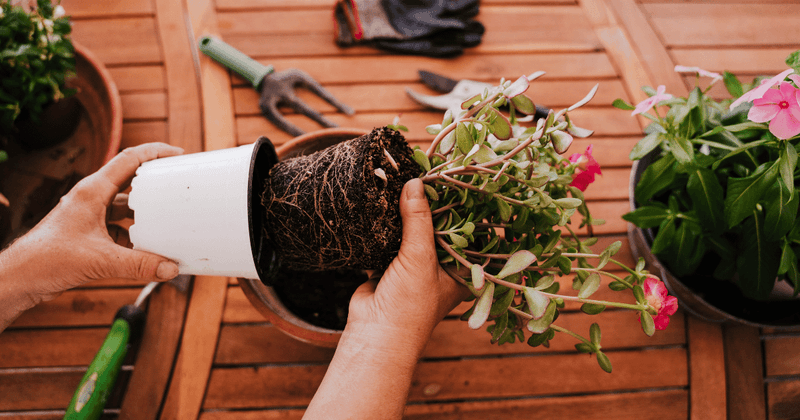
Picture trying to grow in a shoe two sizes too small. That is life for a petunia crammed into a pot barely bigger than its root ball, and the plant shows its frustration by growing weak and stringy on top.
Roots that run out of room cannot pull in enough water and nutrients, so the plant can only manage thin stems and sparse leaves. Container petunias sold in small nursery pots hit this wall fast once summer growth kicks in.
Slide the plant out and take a look. If you see a dense knot of roots circling the outside with little soil showing, it is time to move up. Choose a pot a few inches wider, gently loosen those wound-up roots with your fingers, and settle the plant into fresh potting mix.
Roomier quarters let the roots spread and feed the whole plant, and within a couple of weeks the top growth usually thickens back up to match.
5. They Are Running On Empty Without Food
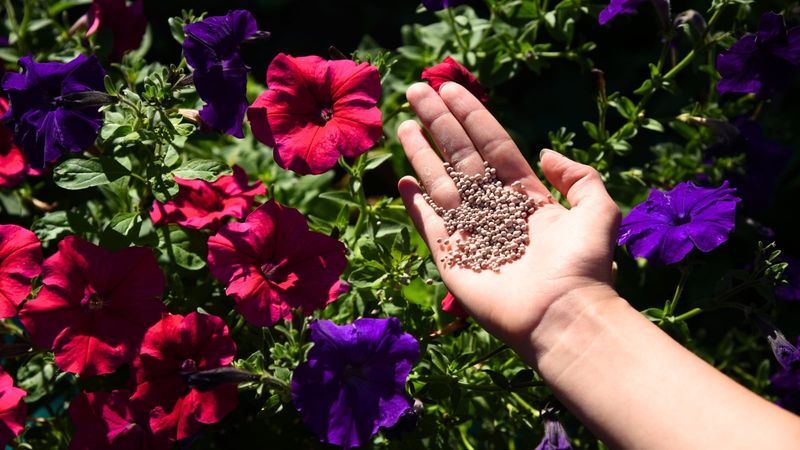
Big bloomers are big eaters, and petunias may be the hungriest flowers in the average backyard. A plant that flowers nonstop from spring to frost burns through nutrients faster than the soil can replace them.
When the tank runs dry, the lower leaves may yellow, blooms shrink, and stems stretch out pale and floppy. Hanging baskets and containers empty out fastest, since every watering rinses a little more food out the drainage holes.
A steady feeding routine turns this around quickly. Work a slow-release granular fertilizer into the soil at planting, then follow up with a water-soluble bloom fertilizer every week or two during the growing season. Look for a formula labeled for flowering annuals so you are supporting buds, not just leaves.
Well-fed petunias reward you with thicker stems and denser color, and the difference can show up in as little as a week or two after you start.
6. You Are Watering Wrong
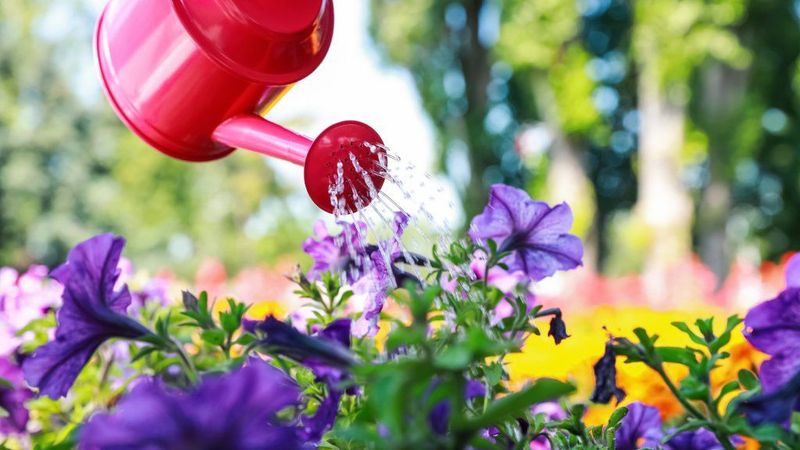
Water seems like the simplest part of gardening, yet getting it wrong is a sneaky cause of weak, leggy petunias. Both too much and too little push the plant in the same sad direction.
Constantly soggy soil suffocates roots and invites rot, leaving the top growth thin and limp. Chronic drought does the opposite kind of damage, stressing the plant so it drops leaves and stretches toward survival mode instead of filling out.
Aim for the middle. Stick a finger about an inch into the soil, and water only when that top layer feels dry, then soak until liquid runs from the drainage holes. Containers usually need this more often than beds, sometimes daily in peak heat, but always check first rather than watering on autopilot.
Consistent, deep drinks build strong roots, and strong roots support the kind of stocky, well-branched plant that stays upright instead of flopping over the edge of the pot.
7. Crowding And Poor Air Flow Stretched Them Out
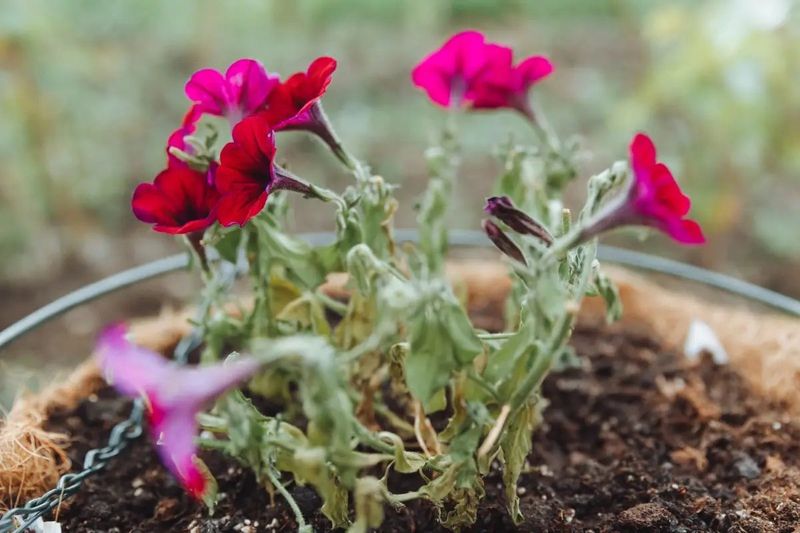
Cramming as many petunias as possible into one basket feels like a shortcut to instant fullness. What you actually get is a jungle of plants elbowing each other for light, and the winners grow tall and lanky in the scramble.
Packed too close, each plant shades its neighbors, so every one of them stretches upward instead of bushing out. Tight quarters also trap humid, still air among the leaves, which sets the stage for mildew and other issues that further weaken the stems.
Give them breathing room. Space petunias about eight to twelve inches apart in beds, and resist overloading containers even when they look bare at first. If an existing planting is already jammed, thinning out a few plants or trimming back the most aggressive stems lets air and light reach the rest.
Did you know petunias belong to the same plant family as tomatoes and potatoes? Like those crops, they perform far better with a little elbow room, rewarding the space with steady branching and a rounder, sturdier shape.