
34 Incredible Plants To Grow Instead Of Hydrangeas When You Want Something Different
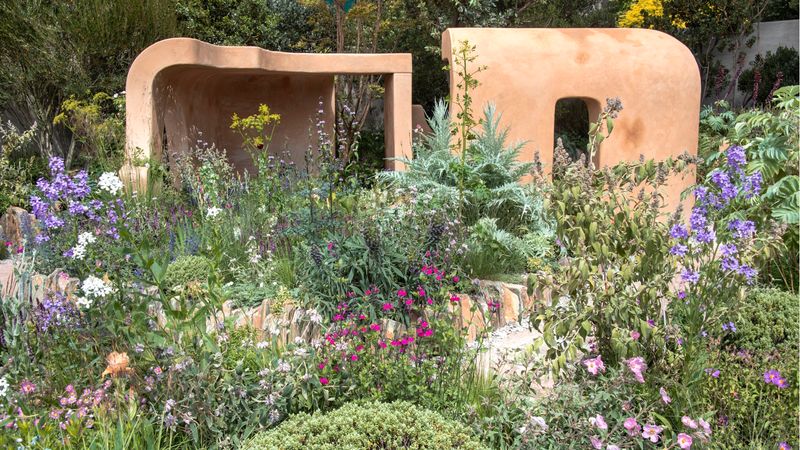
Hydrangeas are lovely, but sometimes you want your yard to stand out from every other house on the block. There are so many gorgeous plants that bring big blooms, bold leaves, and cool textures without the fuss that hydrangeas can sometimes cause. Whether you garden in the deep South, the chilly North, or somewhere in between, this list gives you fresh ideas for every corner of your backyard. Pick a few favorites and give your beds a whole new personality this season.
1. Panicle-Style Lilac
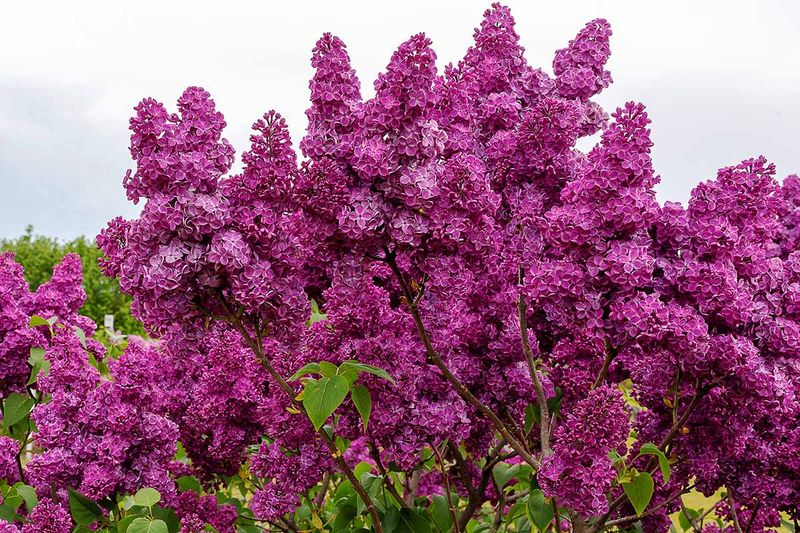
Few shrubs greet spring with the same perfumed welcome as the lilac. Its cone-shaped clusters drip with purple, white, or soft pink flowers that fill the air with a scent you can smell from across the yard.
Unlike hydrangeas, lilacs shrug off cold winters and actually need a good chill to bloom well, making them a dream for gardeners in the northern half of the country. They ask for almost nothing beyond full sun and a yearly trim after flowering.
Fun bit of history: lilacs traveled to America with early colonists and were planted at the homes of both George Washington and Thomas Jefferson. Plant one near a window and let those blooms perfume your whole house each May.
2. Oakleaf Beauty (Physocarpus Ninebark)
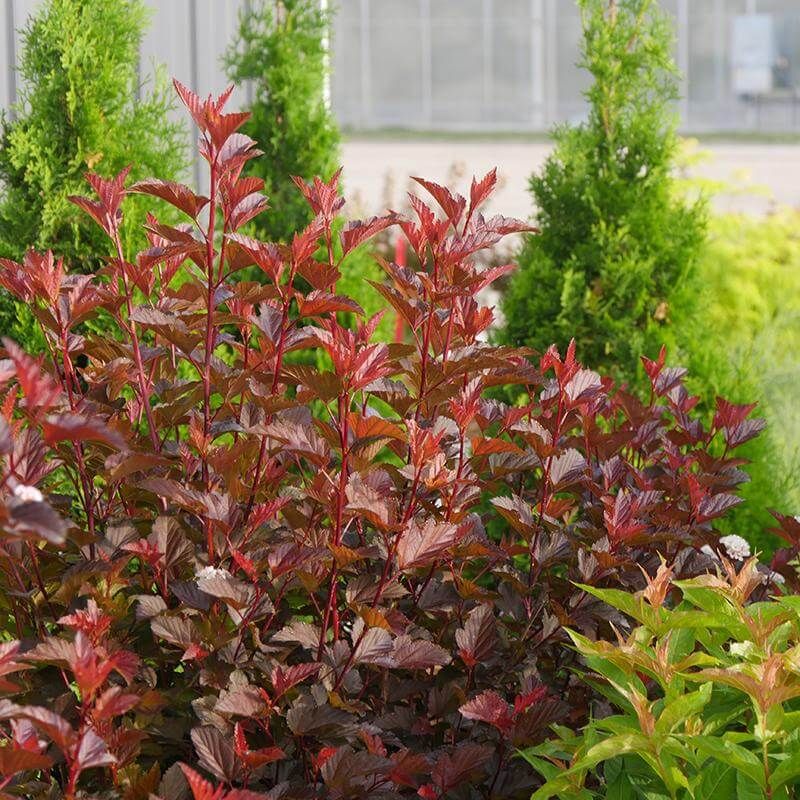
Burgundy leaves that glow like stained glass in the afternoon sun make ninebark a showstopper long after its flowers fade. The peeling bark gives it winter interest too, so your garden never looks bare.
Where hydrangeas can flop in heat, ninebark stays tough and holds its shape through drought, poor soil, and cold snaps down to zone 3. Little white or pink button flowers appear in late spring, followed by reddish seed heads that birds appreciate.
Gardeners who want dramatic color without dramatic care usually fall for this one fast. Give it room to arch and spread, and prune only to keep it tidy.
3. Butterfly Bush
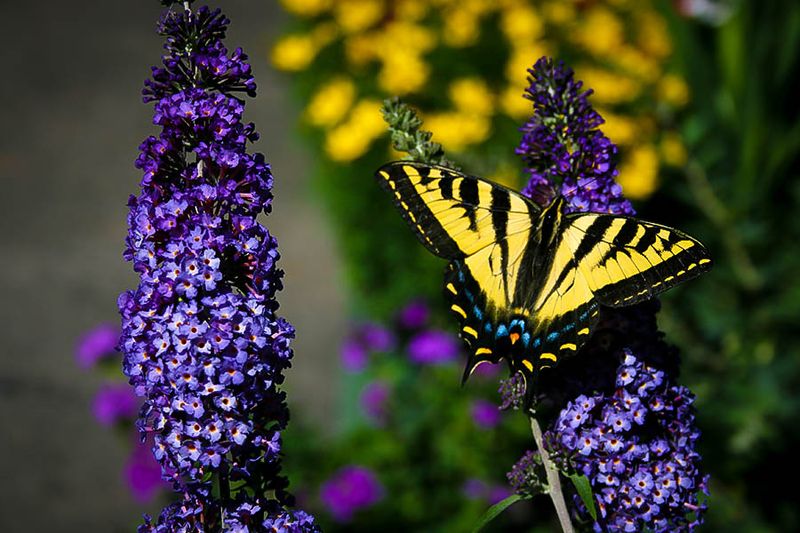
Picture a plant so full of butterflies that it hums with movement all summer long. That is the everyday reality of a butterfly bush in full bloom.
Long, pointed flower spikes in purple, pink, or white keep pumping out color from June until frost, giving you far more bloom time than a hydrangea ever will. It loves heat and dry soil, which makes it perfect for sunny spots where other shrubs struggle.
Choose a sterile or non-invasive variety to keep it from spreading beyond your beds, since older types can seed around in warmer regions. Cut it back hard in early spring and it comes roaring back bigger than before.
4. Rose of Sharon
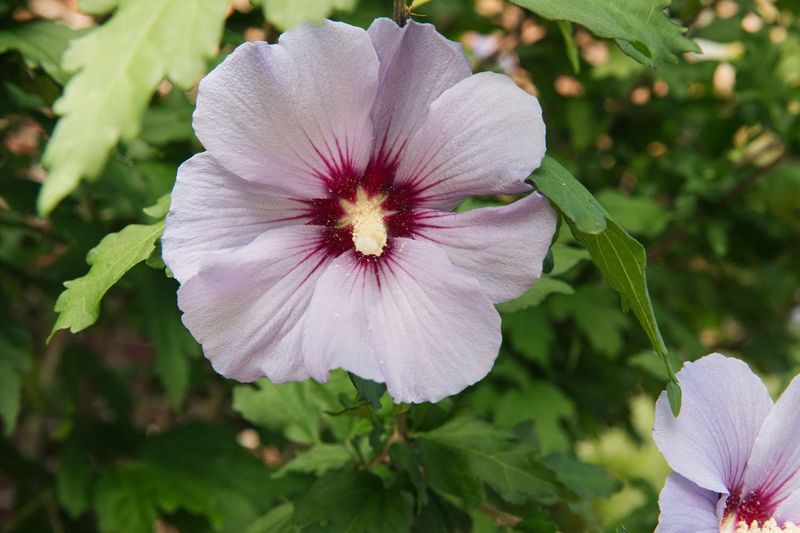
Late summer can leave a garden looking tired, but rose of sharon saves its best show for exactly that moment. Big hibiscus-like blooms open in waves when most other shrubs have quit for the season.
You will find it in shades of lavender, white, blue, and pink, often with a bold contrasting throat that hummingbirds adore. It tolerates city pollution, clay soil, and neglect, thriving in zones 5 through 9 with almost no complaints.
Since it can self-seed enthusiastically, look for newer seedless varieties if you want the flowers without the volunteers. Trained as a small tree or left as a shrub, it fills gaps beautifully.
5. Peony
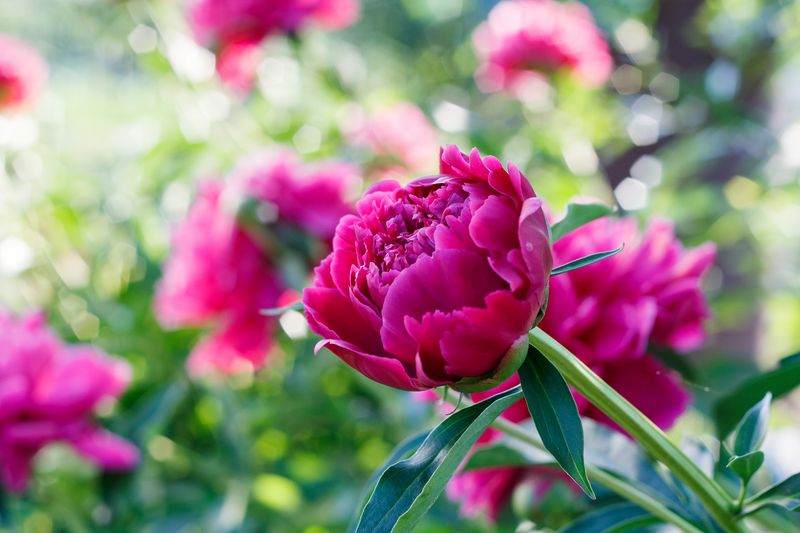
Ask any grandmother about her favorite flower and there is a good chance she will say peony. These lush, ruffled blooms carry a nostalgia that few plants can match.
Once established, a peony can outlive the gardener who planted it, faithfully returning for fifty years or more with zero fuss. Their late-spring flowers explode in pink, white, coral, and deep red, often the size of a softball.
They prefer cold winters to set buds, so northern gardeners have a real advantage here. Plant the roots shallow, give them sun, and resist the urge to move them, because peonies hate being disturbed.
6. Smokebush
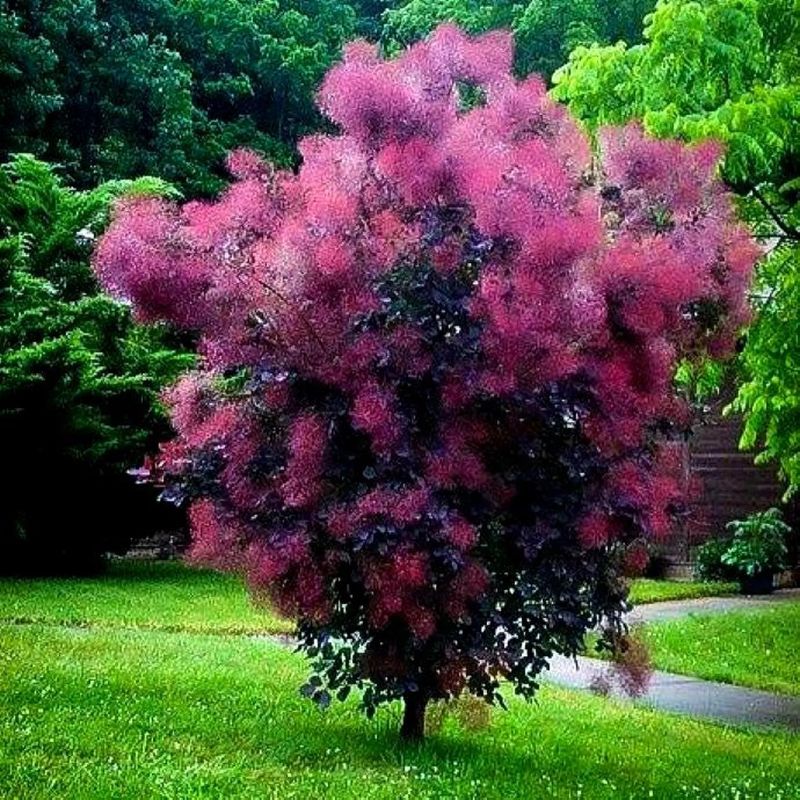
Imagine a shrub that looks like it is wrapped in a cloud of colored smoke. That hazy, dreamy effect comes from the fluffy flower plumes that give smokebush its name.
Beyond the smoke, the foliage steals the show in shades of deep purple, gold, or green depending on the variety. It handles poor, rocky soil and hot sun far better than a hydrangea, making it a favorite for tough spots.
Prune it hard for bigger leaves or let it grow tall for more of those airy plumes. Either way, it brings a texture to the garden that nothing else quite duplicates.
7. Weigela
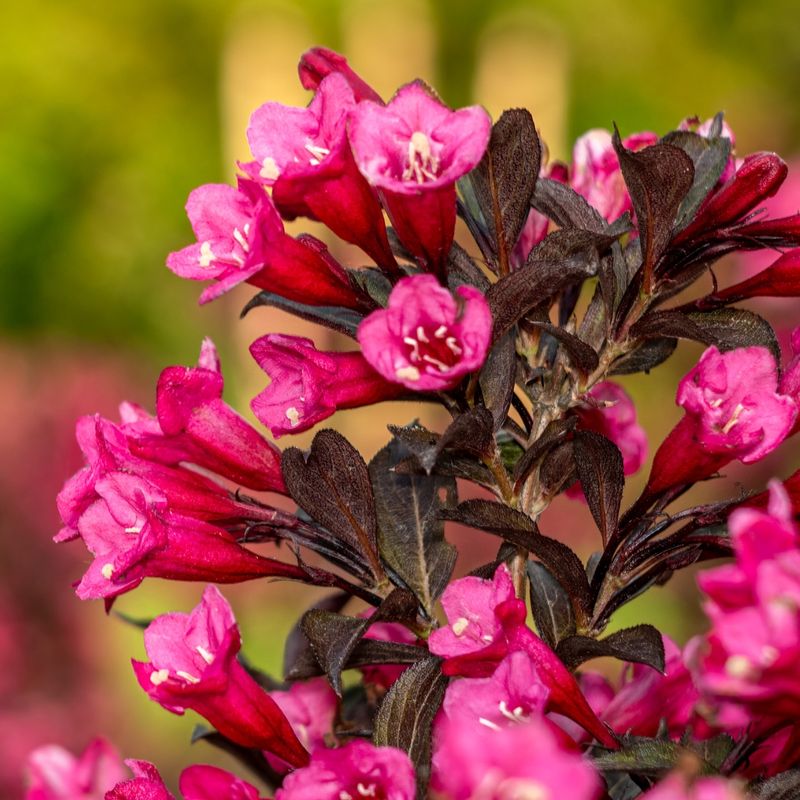
Hummingbirds seem to have this shrub on their spring calendar, arriving the moment its trumpet flowers open. The tubular blooms in pink, red, or white practically beg those tiny visitors to stop by.
Weigela is one of the most forgiving flowering shrubs you can grow, happy in zones 4 through 8 with just sun and average soil. Many newer types offer dark foliage or variegated leaves for interest even between bloom flushes.
Some varieties rebloom lightly through summer if you give them a light shearing after the first show. Tuck one near a patio and enjoy the hummingbird traffic all season.
8. Hardy Hibiscus
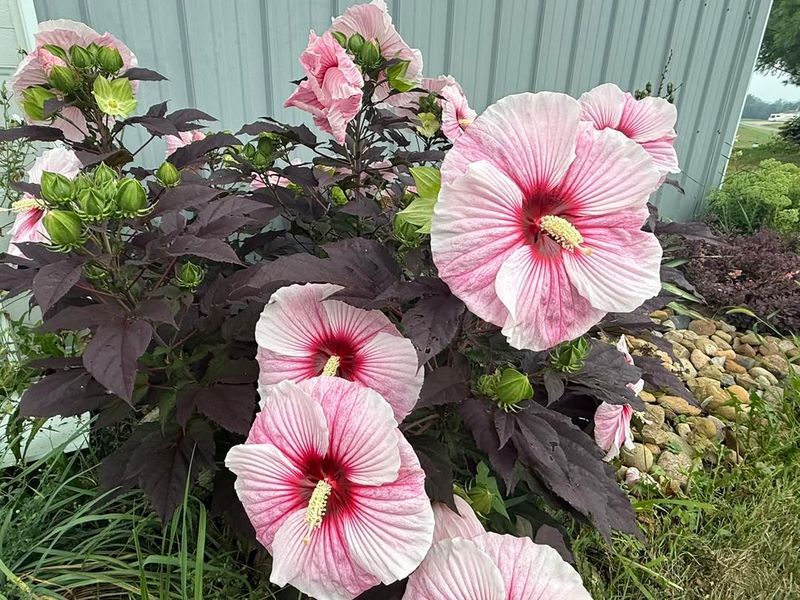
Blooms the size of dinner plates sound like something from the tropics, yet hardy hibiscus pulls it off in freezing climates. Each flower may last only a day, but the plant produces so many that you barely notice.
Native to American wetlands, it loves moist soil and full sun, and it can rebound from winters down to zone 4. The stems die to the ground each fall and shoot back up surprisingly late in spring, so be patient before assuming it failed.
Reds, pinks, and whites the size of a plate turn any border into a jaw-dropper. Give it space, because a happy plant can reach shoulder height in a single season.
9. Viburnum
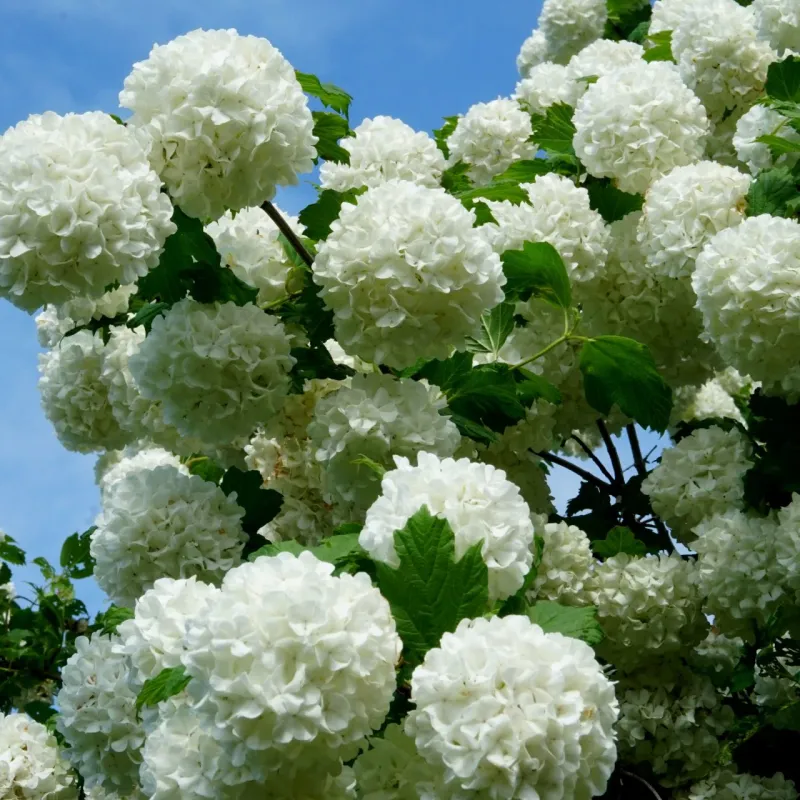
Talk about an overachiever: viburnum offers fragrant spring flowers, colorful fall leaves, and berries that feed birds through winter. It is basically three plants in one.
Certain types, like the snowball viburnum, even mimic the round white blooms of a hydrangea for anyone chasing that look. Most tolerate a wide range of soils and light, from full sun to partial shade, across much of the country.
The berries range from bright red to metallic blue, adding sparkle after the flowers finish. Plant a couple of different varieties to stretch the show across the seasons.
10. Astilbe
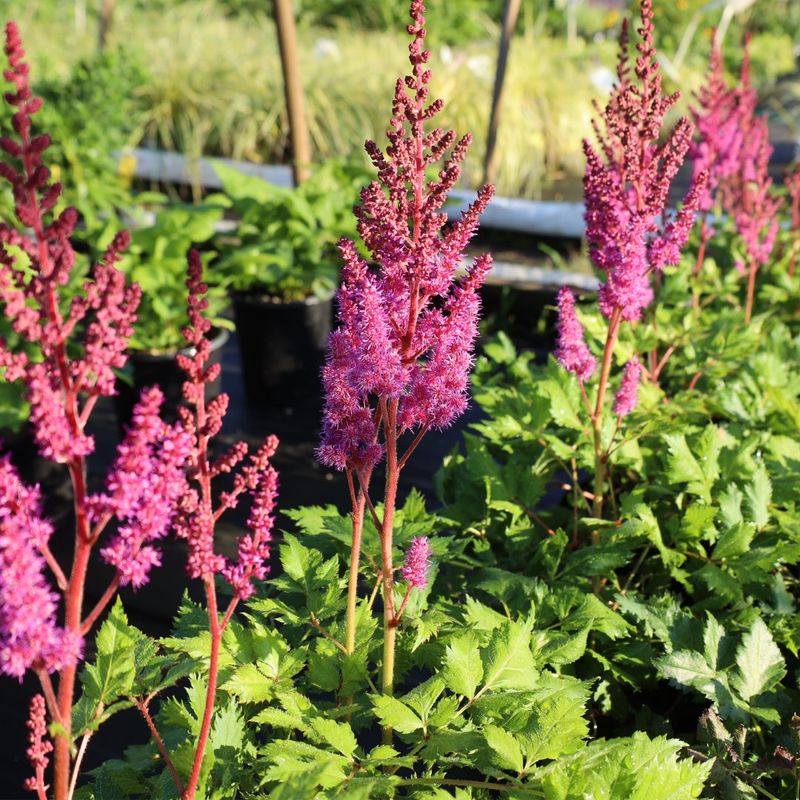
Shady, damp corners where nothing seems happy are exactly where astilbe thrives. Its feathery plumes light up those dim spots like little fireworks in pink, red, white, and lavender.
Gardeners with tricky north-facing beds treasure it because it asks only for consistent moisture and shade. The fern-like foliage looks great even when the plant is not blooming, filling in gaps beautifully.
Once the plumes fade, leave them standing for a soft, coppery texture that carries into fall. Group several together for a lush, woodland feel that hydrangeas cannot match in deep shade.
11. Spirea
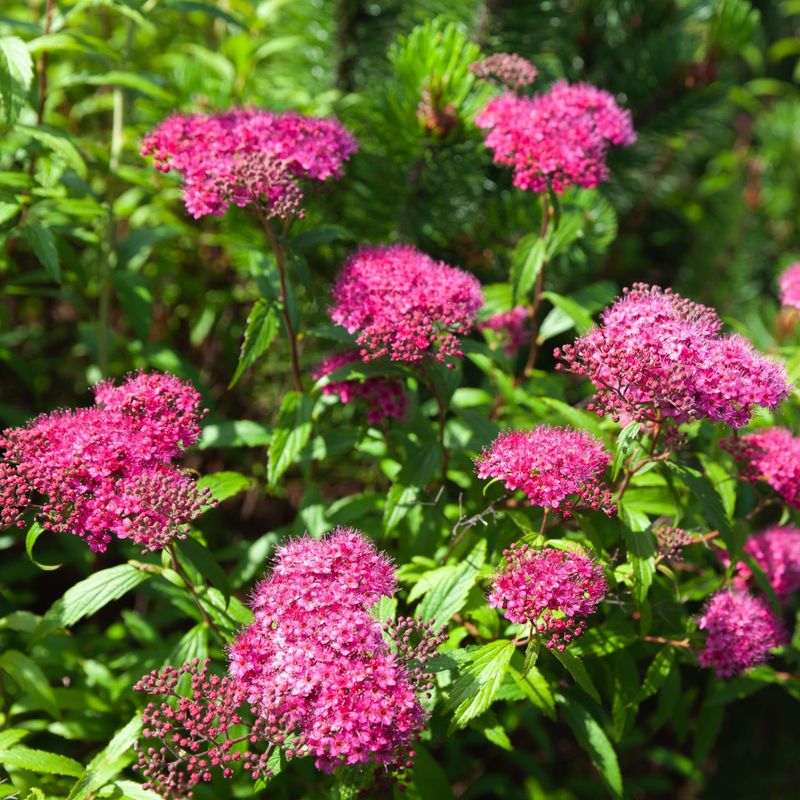
For a shrub that practically grows itself, spirea is hard to beat. Clusters of tiny flowers cover the plant in spring or summer, and many kinds throw in bright golden or reddish foliage as a bonus.
It stays compact and neat, which makes it ideal for edging walkways or filling small beds without constant pruning. Cold hardy and heat tolerant, it performs across most of the continental United States.
Snip off the spent blooms and many varieties will reward you with a second flush. Bees flock to it, so plant some if you want a busier, buzzier garden.
12. Rhododendron
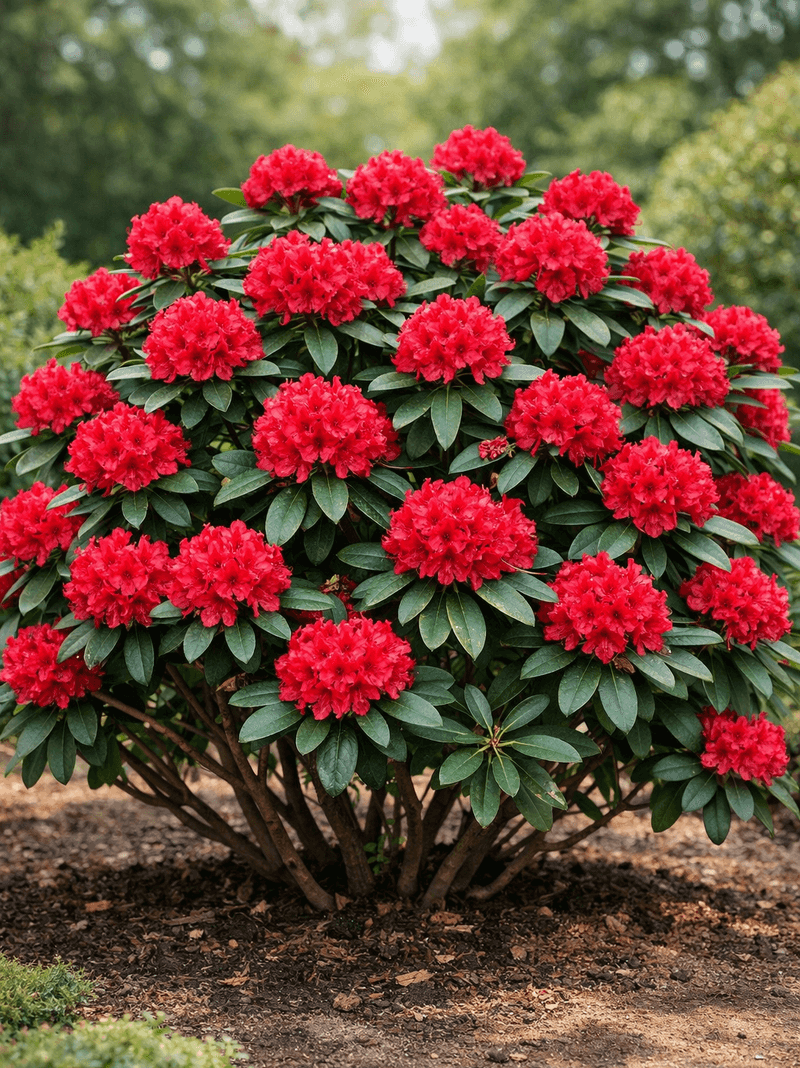
Come mid-spring, a rhododendron in full bloom looks like someone draped the shrub in a giant bouquet. The rounded flower trusses in pink, purple, red, and white create pure drama.
Evergreen leaves mean the plant looks good year-round, unlike a bare hydrangea in winter. It prefers acidic soil, dappled shade, and cool roots, thriving especially well in the Pacific Northwest and Appalachian regions.
Give it a mulch blanket and steady moisture and it will settle in for decades. Just avoid soggy roots, since good drainage keeps this beauty healthy.
13. Azalea
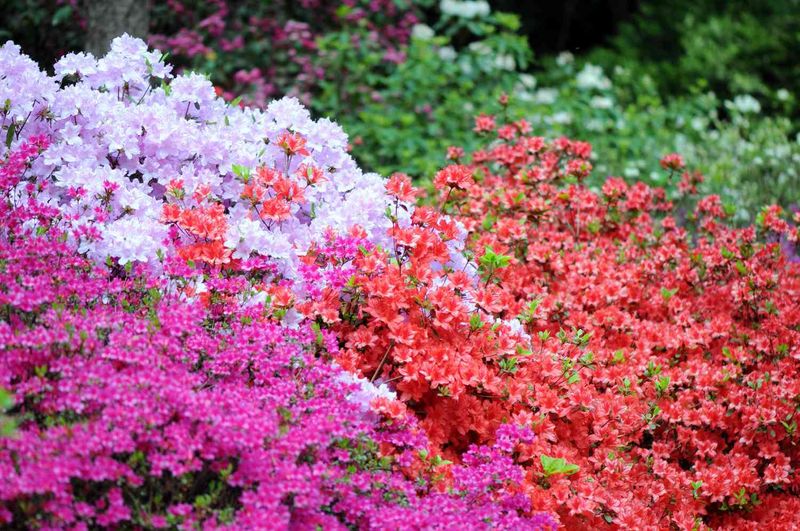
Southern gardens seem to burst into flame each spring, and azaleas are usually the reason. Their blaze of pink, coral, orange, and white can stop traffic along neighborhood streets.
A close cousin of the rhododendron, azaleas tend to be more compact and adaptable, with both evergreen and deciduous types available. Reblooming varieties now offer a second show in fall for even more color.
They love acidic soil and a spot with morning sun and afternoon shade. Tucked beneath tall trees, they turn a plain understory into a springtime spectacle.
14. Coneflower (Echinacea)
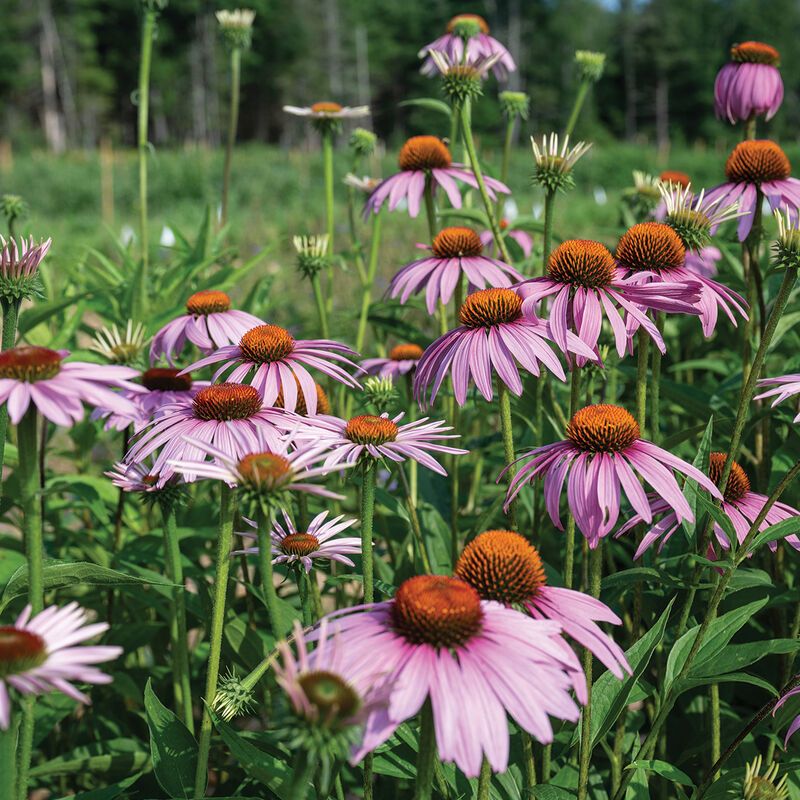
Tough as nails and beloved by pollinators, coneflower brings prairie spirit to any sunny bed. Its daisy-like petals surround a spiky central cone that goldfinches raid for seeds all fall.
Native to North American grasslands, it laughs at heat, drought, and clay while blooming from summer into autumn. Modern hybrids come in sunset oranges, deep reds, and creamy whites alongside the classic purple.
Leave the seed heads standing over winter and you will feed birds while adding structure to the frozen garden. Pollinators may also find it a magnet, keeping your beds busy with bees and butterflies.
15. Black-Eyed Susan
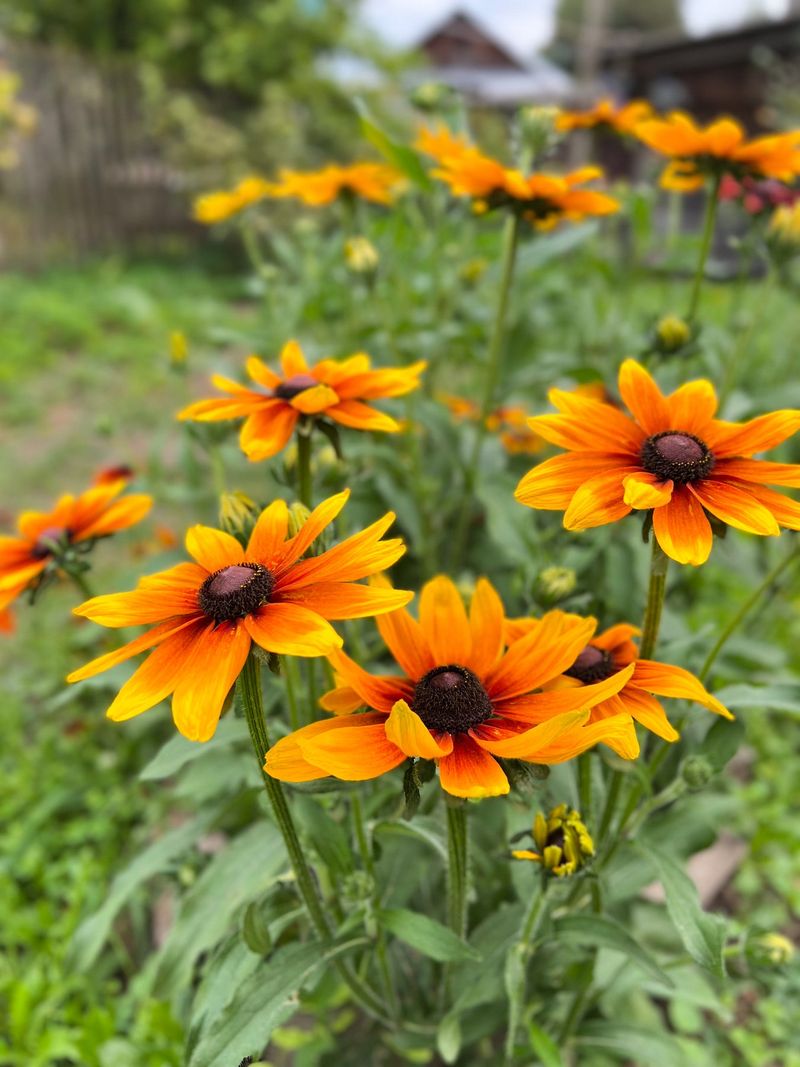
Cheerful golden petals around a dark chocolate center give this flower a face that just looks happy. Black-eyed Susans spread sunshine across meadows and borders from midsummer well into fall.
A true American native, it thrives on neglect and handles poor soil, heat, and drought with ease across most zones. Bees and butterflies work the blooms constantly, and birds pick over the seeds later.
Plant a drift of them for a bold sweep of color that reads from across the yard. They also make long-lasting cut flowers for a jar on the kitchen table.
16. Russian Sage
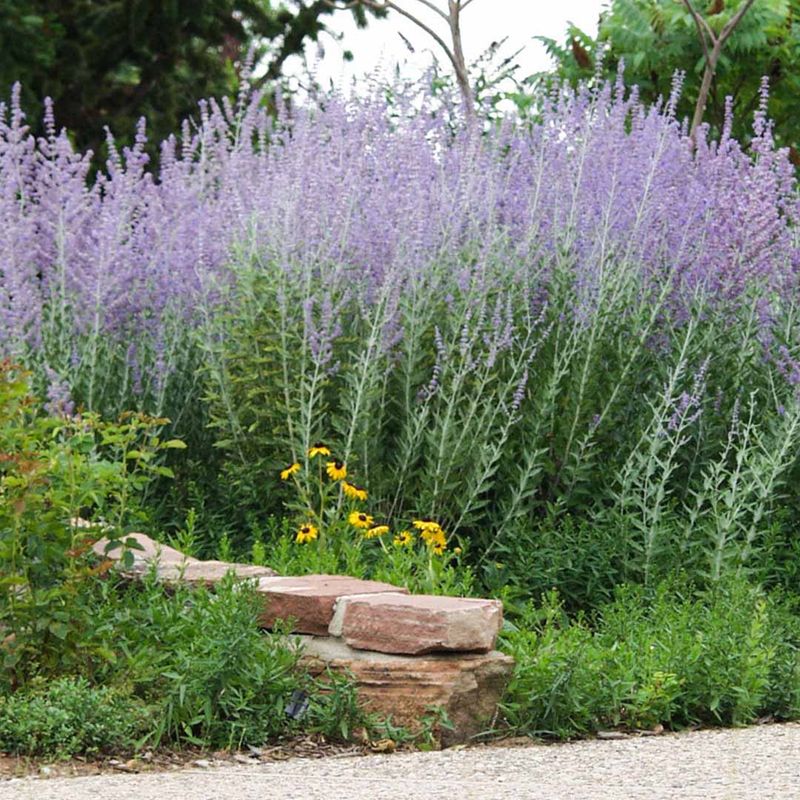
A hazy purple-blue cloud floating above silvery stems is the signature look of Russian sage. From a distance it almost shimmers in the summer heat.
This is a plant for the driest, sunniest, most neglected corner of your yard, where it thrives on tough love. Its aromatic foliage may help keep deer and rabbits browsing elsewhere, since they dislike the strong scent.
The airy texture pairs wonderfully with bold flowers like coneflowers or black-eyed Susans. Cut it back in spring and it returns as full and fragrant as ever.
17. Hollyhock
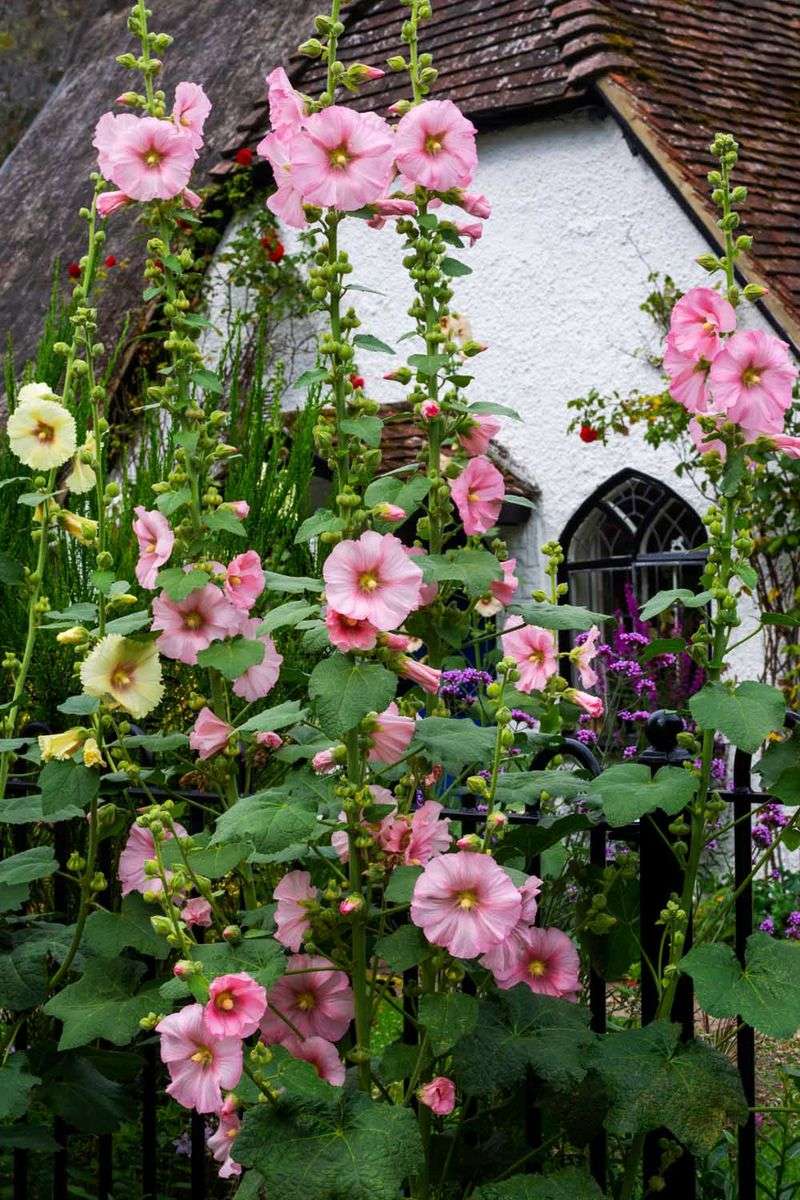
Towering stalks studded with saucer-sized flowers give hollyhocks an old-fashioned cottage charm. They can shoot up taller than a person, turning fences and walls into vertical gardens.
Grown for centuries in American dooryards, they self-seed happily so you rarely have to replant. Colors run from soft pastels to nearly black, with singles and frilly doubles to choose from.
Plant them against a sunny wall for support and a bit of reflected warmth. Kids love making little flower dolls from the blooms, a tradition passed down for generations.
18. Hydrangea-Look Snowball Bush
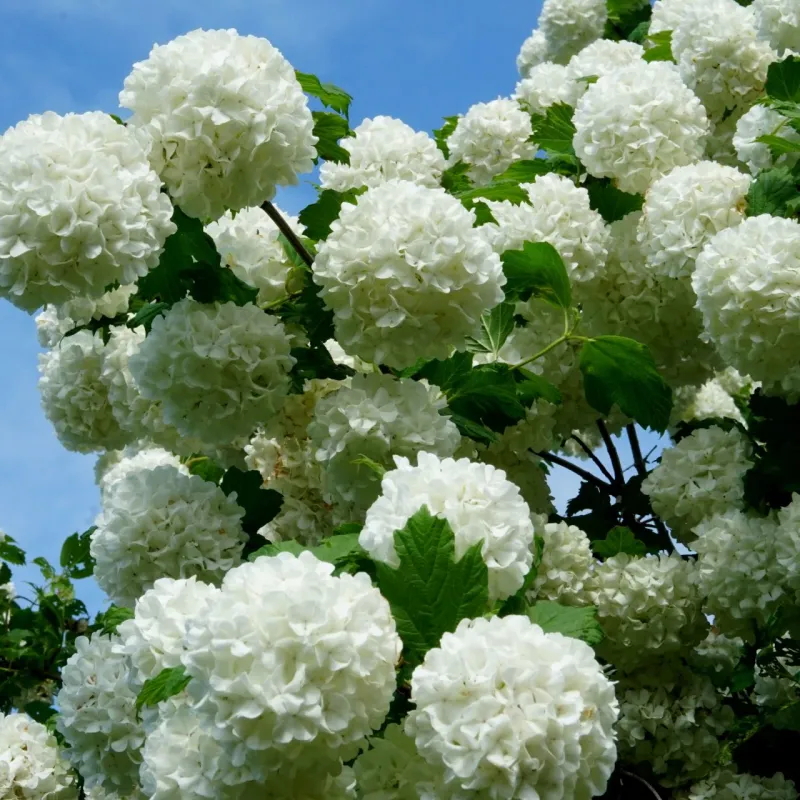
Craving that big round bloom without an actual hydrangea? The old-fashioned snowball bush delivers softball-sized clusters of white flowers that look strikingly similar.
Unlike moisture-hungry hydrangeas, this viburnum relative tolerates drier conditions and a wider range of soils. The blooms open green, mature to pure white, and can blush pink as they age.
It grows into a large, arching shrub that makes a fine privacy screen. Give it a spot with room to spread and enjoy the hydrangea look with far less babysitting.
19. Salvia
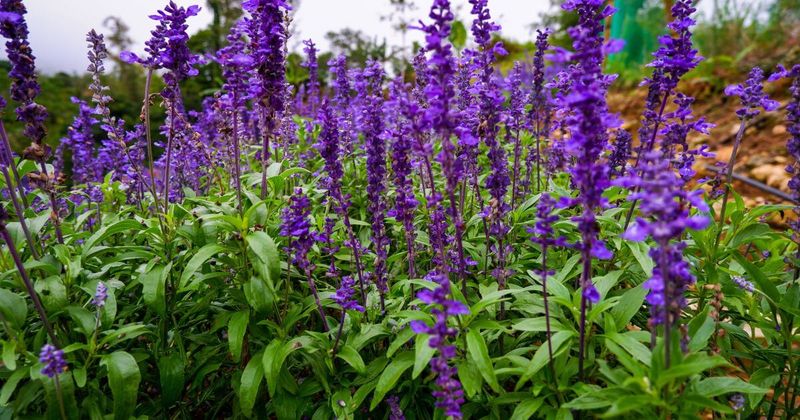
Spiky wands of blue, purple, or red make salvia a vertical accent that pollinators cannot resist. Hummingbirds in particular treat a patch of salvia like a favorite diner.
Both annual and perennial types exist, so you can find one for nearly any climate in the country. It shrugs off heat and drought, blooming its heart out when other plants sulk in the sun.
Shear off faded spikes and most varieties bounce right back with fresh flowers. The fragrant leaves may also discourage deer from nibbling nearby plants.
20. Daylily
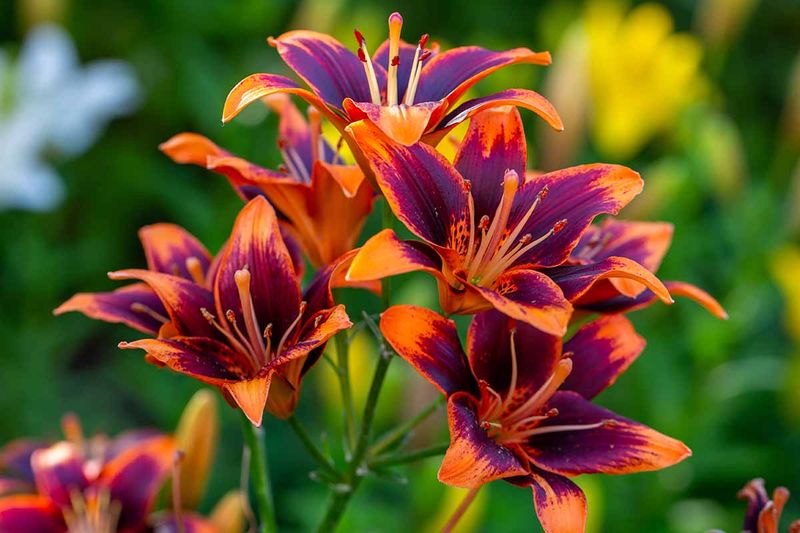
Sometimes called the perfect perennial, the daylily earns that nickname by asking almost nothing while giving so much. Each bloom lasts a single day, but a healthy clump opens fresh flowers for weeks.
You can plant them almost anywhere, in almost any soil, across nearly every US zone, and they will thrive. Reblooming types stretch the color show from early summer into fall.
Colors range from soft cream to fiery orange and deep burgundy, with thousands of varieties to collect. Divide them every few years and you will have plenty to share with neighbors.
21. Bleeding Heart
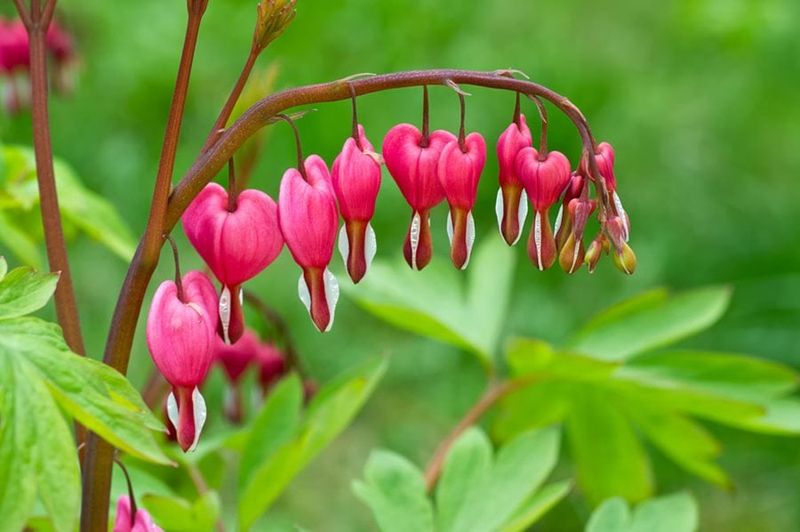
Rows of tiny heart-shaped blooms dangling from arching stems make bleeding heart look like something from a fairy tale. Each little heart has a drop at the bottom, as if it is weeping.
It brightens shady spring gardens where sun-lovers would fail, going dormant gracefully as summer heat arrives. Pink and white are the classic colors, and the ferny foliage is lovely on its own.
Pair it with hostas and ferns for a cool, storybook woodland look. Once it fades in summer, tuck in some shade annuals to fill the space it leaves.
22. Ornamental Grass (Feather Reed Grass)
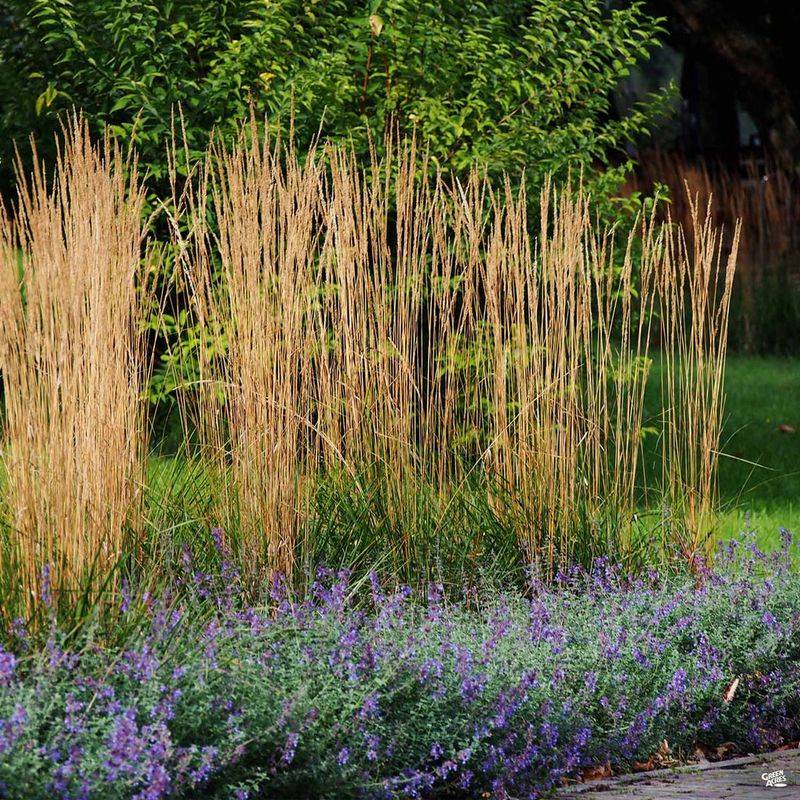
Movement and sound come to the garden when ornamental grasses catch the breeze. Feather reed grass stands tall and upright, its golden plumes swaying like a curtain of wheat.
Where flowering shrubs demand deadheading and shaping, grasses just do their thing with almost no care. They provide winter interest too, holding their tan plumes through snow and frost.
Grouped in a row, they make a soft, living screen for privacy or backdrop. Cut them down once in early spring and let them rise again all season.
23. Camellia
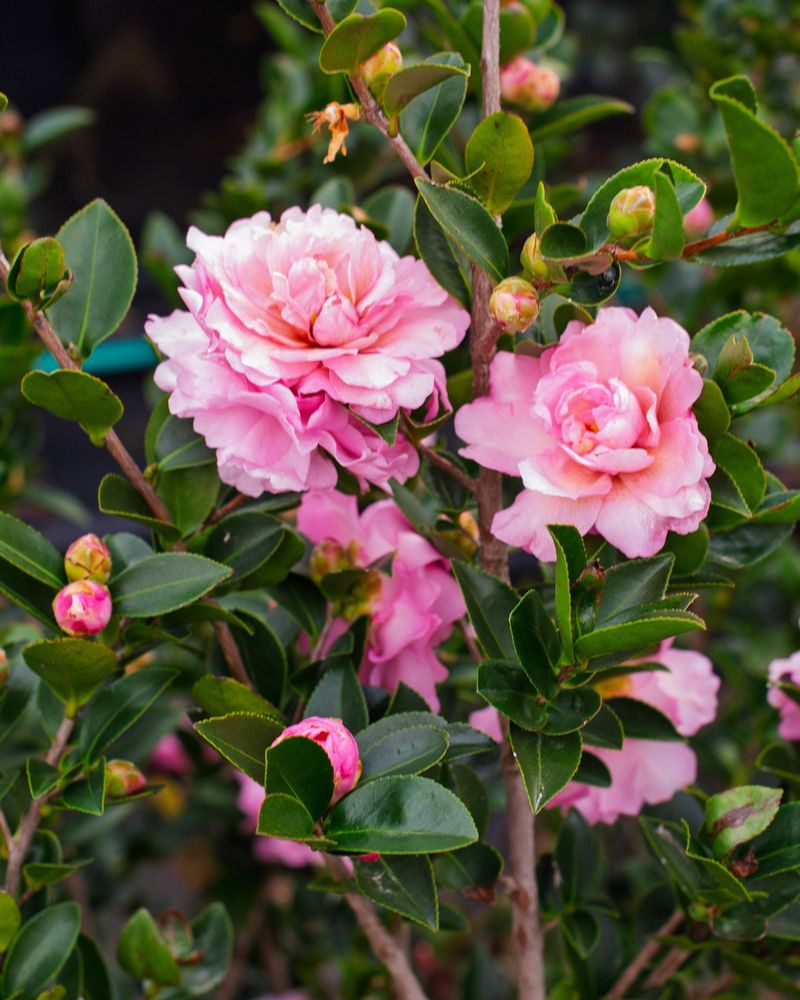
While most gardens sleep through winter, the camellia bursts into flower like it never got the memo. Its glossy evergreen leaves and rose-like blooms bring color to the coldest, dreariest months in mild climates.
Southern and West Coast gardeners prize it for flowering anywhere from fall through early spring, depending on the type. Blooms come in white, pink, and red, some as full and ruffled as a peony.
Give it acidic soil, part shade, and shelter from harsh wind for the best show. A single mature camellia can become the centerpiece of an entire garden.
24. Coral Bells (Heuchera)
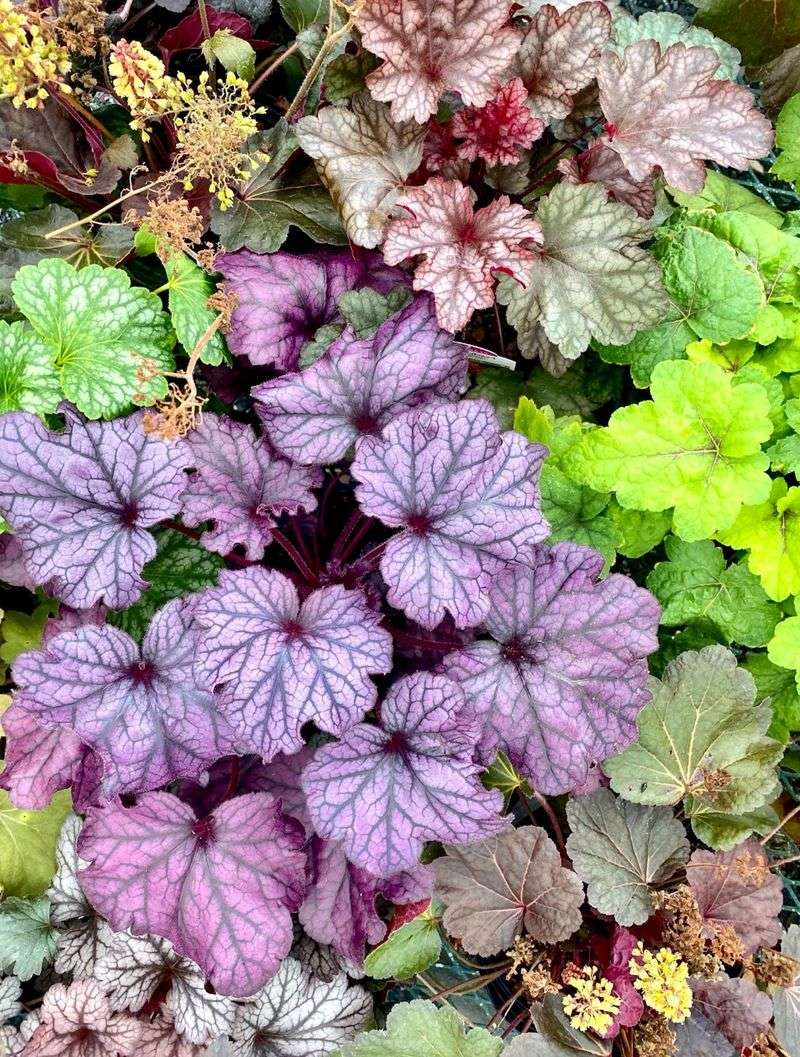
Forget the flowers for a moment, because coral bells are all about those incredible leaves. They come in caramel, lime, purple, silver, and rose, glowing like jewels in a shady bed.
Thin wands of tiny bell-shaped flowers rise above the mounds in early summer, drawing hummingbirds. Evergreen in many regions, the foliage keeps the garden colorful nearly all year.
They tuck neatly into containers, borders, and woodland edges alike. Mix a few different leaf colors together and you have an instant tapestry of texture.
25. Clematis
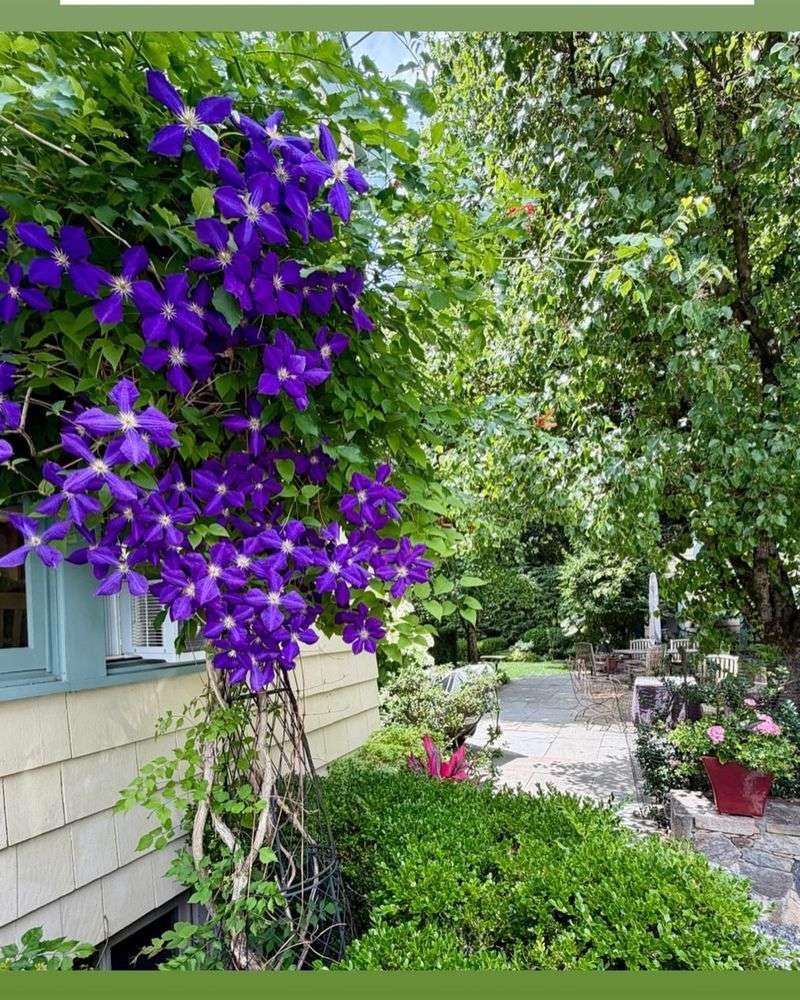
Give a clematis something to climb and it will reward you with a wall of flowers. This vigorous vine can smother a trellis, fence, or mailbox post in blooms the size of your hand.
Colors span purple, pink, white, red, and even bicolors, with some types flowering twice in a season. It likes its head in the sun and its roots in cool shade, a simple trick that keeps it blooming.
Different groups need different pruning, so match your cut to your variety for the best results. Trained upward, it adds vertical drama that no shrub can offer.
26. Hosta
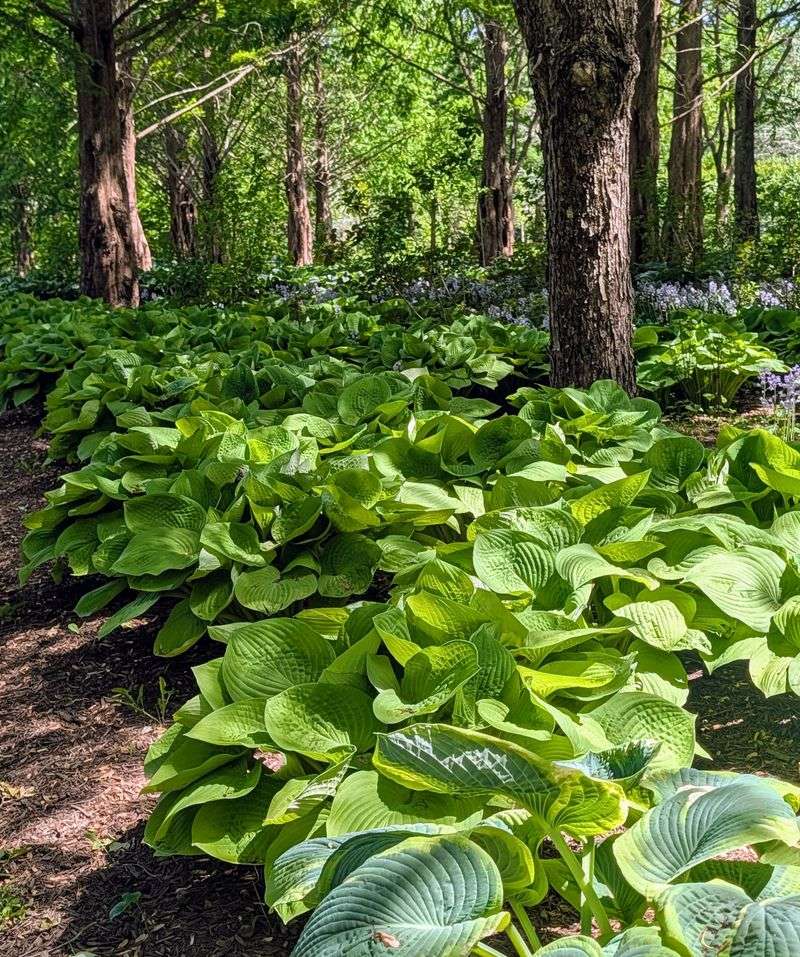
The undisputed king of the shade garden, hosta proves that leaves alone can carry a whole bed. Its broad foliage comes in blue, gold, green, and countless variegated patterns.
Where hydrangeas want steady moisture and some sun, hostas are content in deep shade where little else grows. Tall stalks of lavender or white flowers appear in summer as a quiet bonus.
They range from tiny mouse-ear types to giants with leaves as big as platters. Just keep an eye out for slugs, which love a tender hosta leaf as much as you love the plant.
27. Forsythia
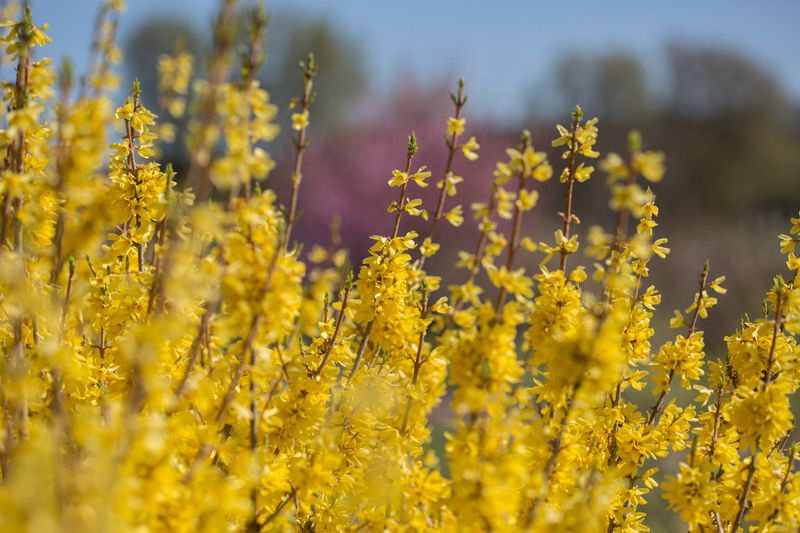
Nothing shouts spring quite like a forsythia exploding into golden yellow. It often flowers before its own leaves appear, and long before most of the neighborhood wakes up.
Reliable and tough, it grows almost anywhere in zones 5 through 8 and rebounds from hard pruning without complaint. The arching branches can be cut and forced into bloom indoors during late winter.
After flowering, it settles into a green backdrop shrub the rest of the year. Plant it where you will see it from a window and cheer when those first blooms open.
28. Ninebark Rose (Knock Out Rose)
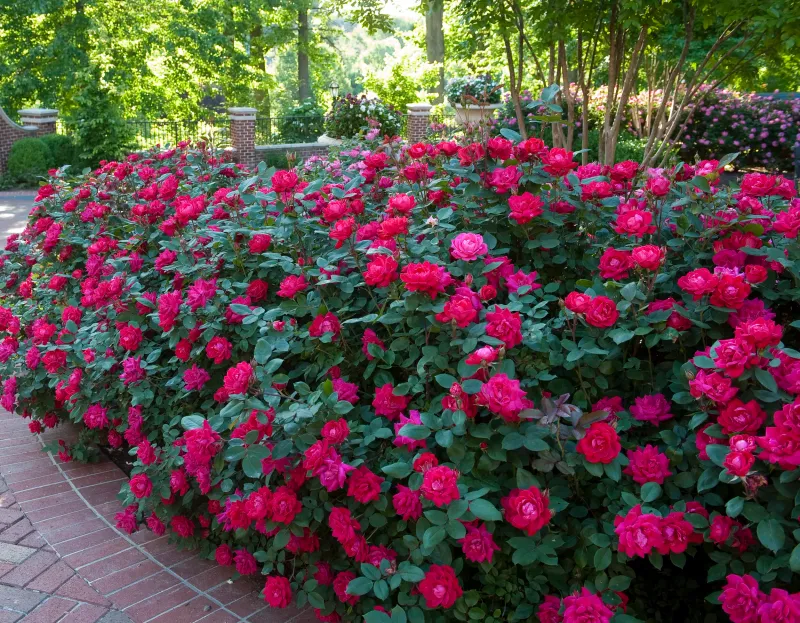
Roses have a reputation for being fussy, but the Knock Out rose blew that idea apart. It blooms wave after wave from spring to frost with almost none of the disease headaches of old-fashioned roses.
No spraying, no deadheading, and minimal pruning are needed to keep it covered in color. Reds, pinks, corals, and yellows are all available in this landscape workhorse.
It handles heat and cold across most of the country and shrugs off common rose problems. Plant a hedge of them for months of nonstop color with weekend-only effort.
29. Lavender
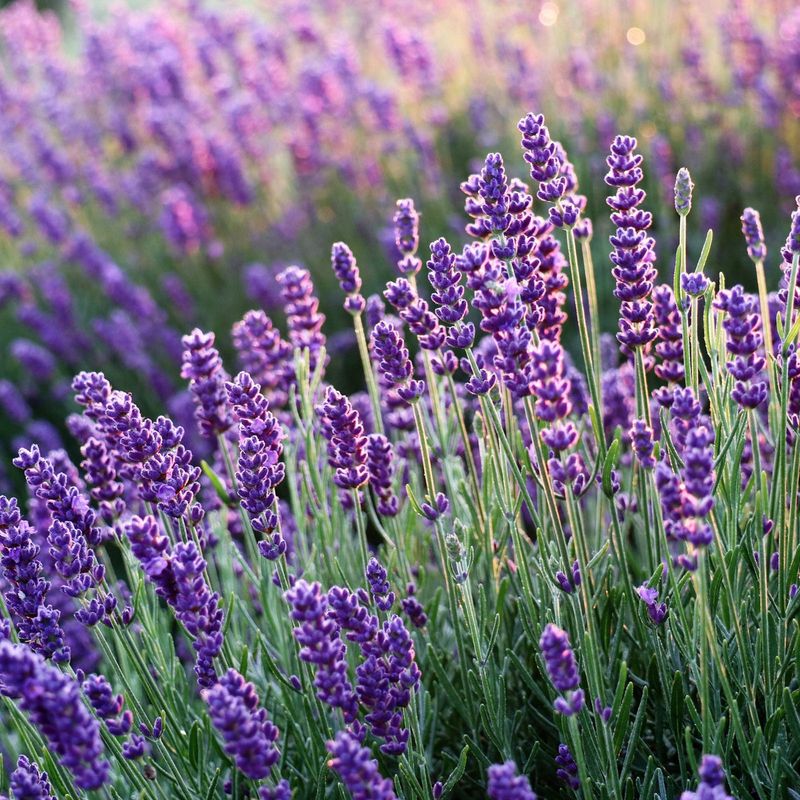
Run your hand across a lavender plant and the scent alone will hook you. Those fragrant purple wands do double duty, looking beautiful and perfuming the whole garden.
Native to sunny Mediterranean hillsides, it craves dry, gritty soil and hot sun, exactly the conditions that stress hydrangeas. The aroma may also help keep mosquitoes, moths, and deer at a polite distance.
Harvest the stems to dry for sachets, tea, or a fragrant bundle on the mantel. Give it excellent drainage and it will thank you with silvery foliage and clouds of purple.
30. Bee Balm (Monarda)
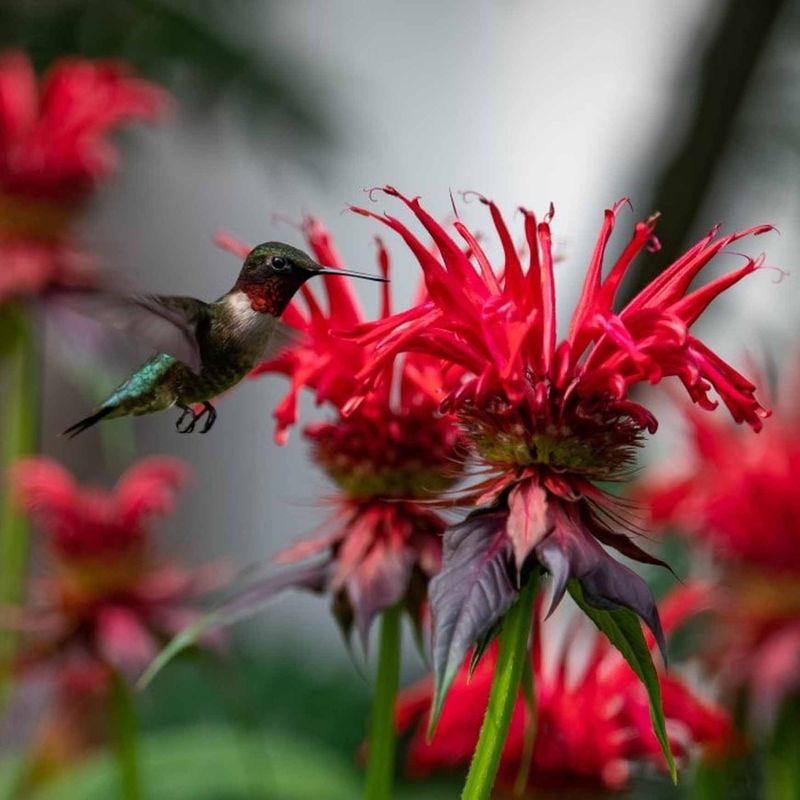
Wild and shaggy in the best way, bee balm sends up whiskery flowers that hummingbirds, bees, and butterflies mob all summer. Its blooms look like little fireworks frozen mid-burst.
A native wildflower, it grows happily in moist soil and full sun to part shade across most of the country. The minty, aromatic leaves can even be steeped into a fragrant tea.
Look for mildew-resistant types to keep the foliage looking fresh in humid regions. Reds, pinks, and purples make it a lively, buzzing addition to any pollinator patch.
31. Japanese Maple
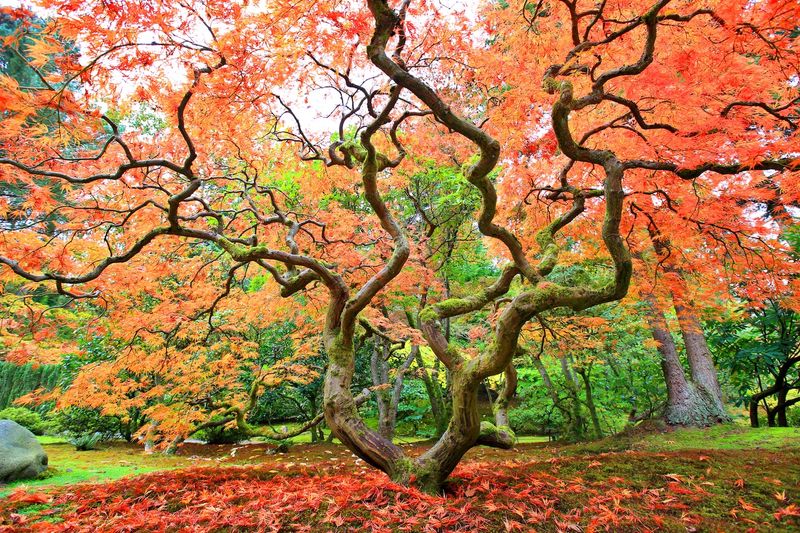
A well-placed Japanese maple can become the soul of a garden, its delicate leaves catching light like lace. The foliage shifts through reds, greens, and oranges as the seasons turn.
Slow-growing and elegant, it fits even small yards and containers, offering structure that a hydrangea never will. Weeping and upright forms let you match the tree to your space.
It appreciates protection from harsh afternoon sun and drying wind, especially in hotter zones. Underplant it with hostas and ferns for a serene, layered scene.
32. Sedum (Autumn Joy)
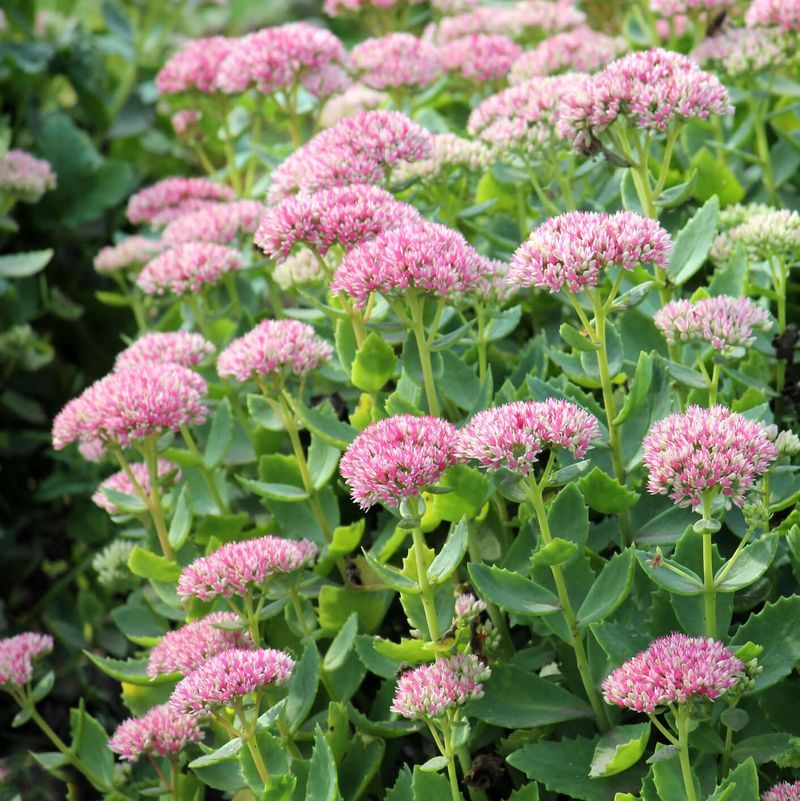
Few plants earn their keep like sedum, which looks good in every single season. Fleshy blue-green rosettes emerge in spring, followed by broccoli-like buds that open to rosy fall flowers.
Practically indestructible, it thrives in dry, poor soil and full sun where fussier plants faint. Bees and butterflies cover the late blooms just when other flowers are winding down.
Leave the dried seed heads standing for winter texture and a bit of movement in the snow. It is the kind of plant you can ignore all year and still admire.
33. Beautyberry
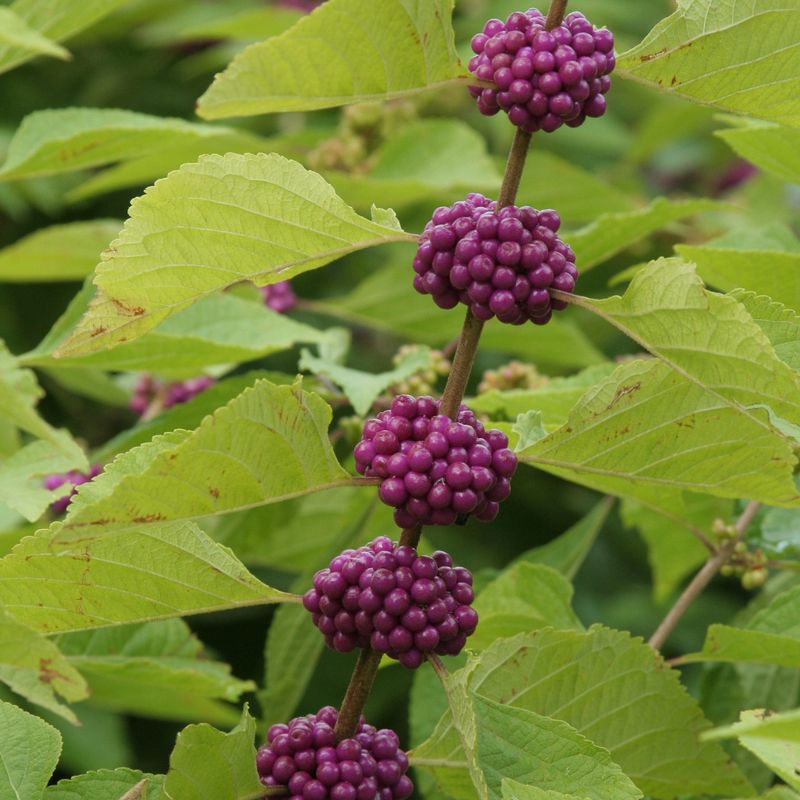
Wait until fall and beautyberry will stop you in your tracks with clusters of vivid purple berries lined up along its stems. The color is so electric it almost looks fake.
A native shrub, it feeds birds through autumn and even offers leaves that may help repel biting insects when crushed. Modest pink summer flowers give way to that unforgettable berry display.
It grows easily in sun or part shade and tolerates a range of soils. Plant it where the low autumn light can set those berries glowing.
34. Foxglove
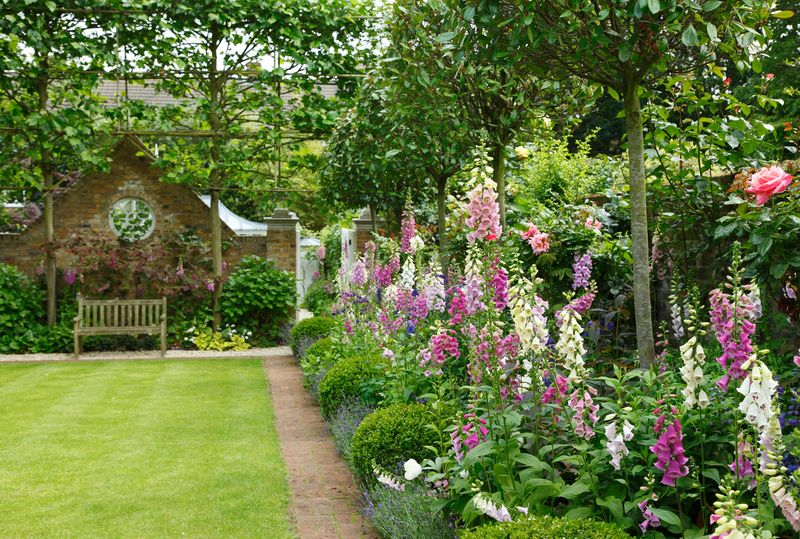
Stately spires of freckled bell flowers give foxglove the look of a garden aristocrat. Bees crawl right inside the tubular blooms, disappearing for a moment before buzzing back out.
Growing tall and elegant in part shade, it adds vertical height where mounded hydrangeas cannot. Pink, purple, white, and apricot spires reseed themselves for a soft cottage effect year after year.
Keep in mind that every part of the plant is toxic, so place it away from curious pets and small children. Tucked at the back of a shady border, it lends instant old-world romance.