
36 Perennials To Plant Around Your Clematis For A Jaw-Dropping Layered Display
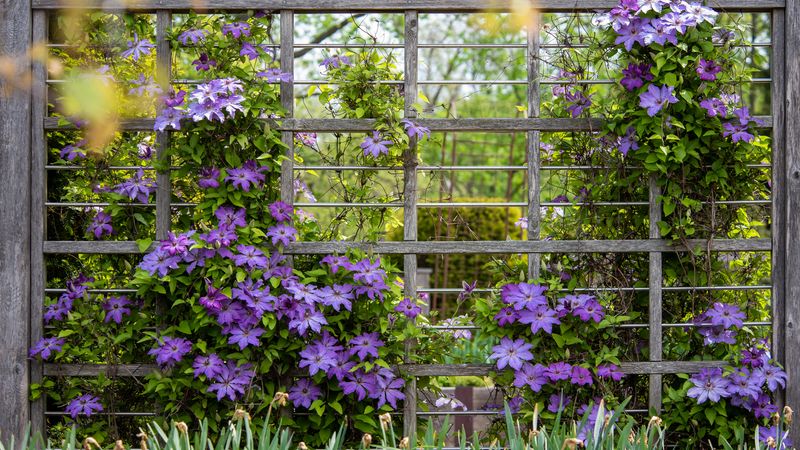
Your clematis puts on an amazing show climbing up a trellis, but its roots hate baking in the hot sun. That is where the right perennial partners come in, shading those roots while filling the space below with color and texture.
Clematis loves its head in the sun and its feet in cool shade, so pairing it with the plants below keeps it healthy and gives you a layered garden that turns heads. Here are 36 perennials that make your clematis look its absolute best.
1. Ajuga (Bugleweed)
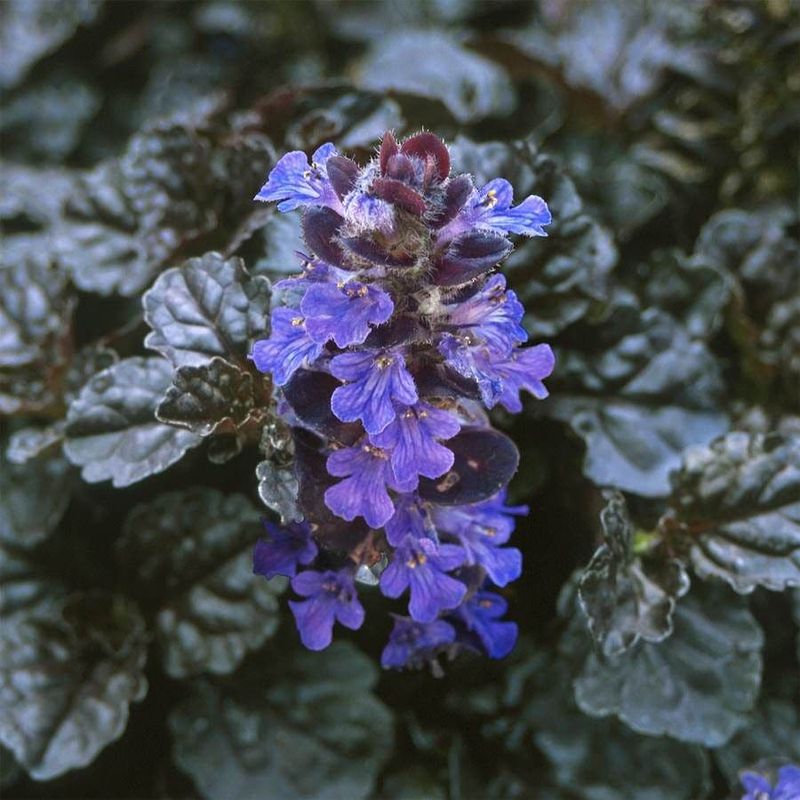
Struggling with clematis roots that seem to cook in summer? Ajuga spreads a living blanket right where you need it, keeping the soil below cool and damp without hogging nutrients.
Its shallow roots mean it never wrestles your climber for water, and the glossy bronze or green foliage looks good even when nothing is blooming. Come spring, short spikes of blue-purple flowers pop up like little candles.
Because it hugs the ground and fills in fast, it works beautifully as an edging piece or a carpet at the base of a trellis. Give it a spot with partial shade and it will do the quiet, thankless job of protecting those precious clematis feet.
2. Blood Sedum
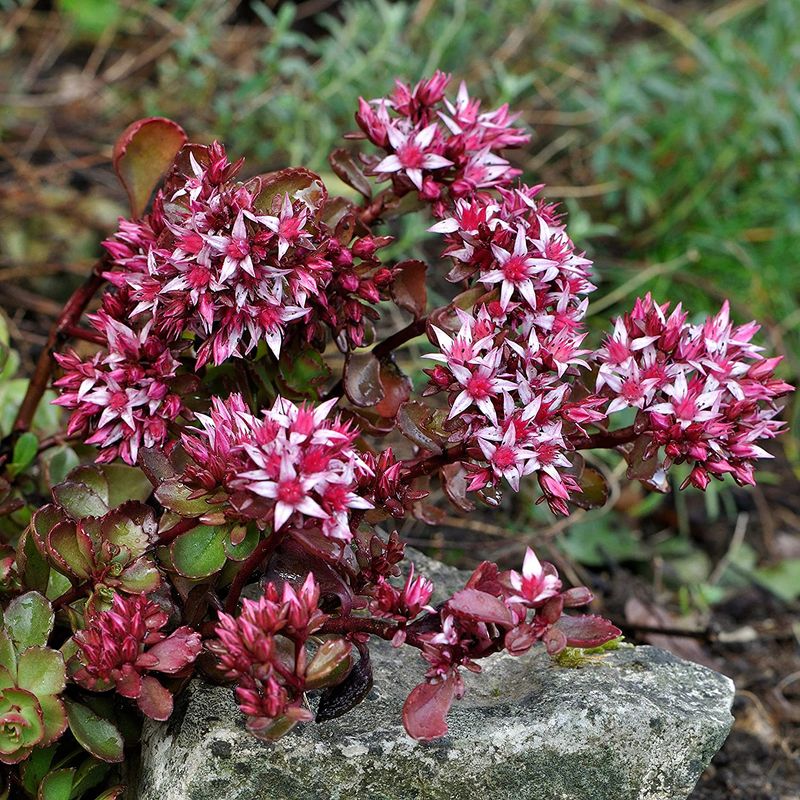
If you tend to forget the watering can, Blood Sedum forgives you every time. This tough little succulent thrives in poor, dry soil and asks for almost nothing in return.
The ‘Dragon’s Blood’ variety earns its dramatic name with reddish foliage that deepens as the season goes on, then bursts into star-shaped pink flowers. Its shallow roots creep along the surface, shading your clematis base while barely sipping any moisture.
For gardeners battling a hot, sunny spot where fussier plants sulk, this sedum is a rugged hero. It stays low, spreads politely, and never competes with the vine reaching for the sky above it.
3. Creeping Phlox
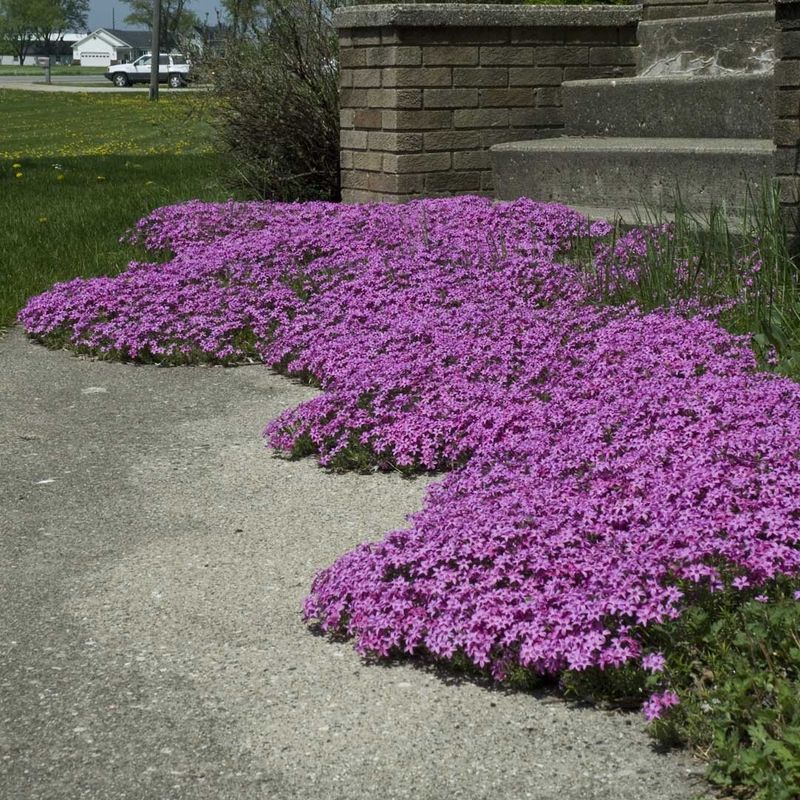
Few spring sights beat a sheet of creeping phlox tumbling over the ground in waves of pink, purple, or white. It blooms so heavily you can barely see the leaves underneath.
Beyond the eye candy, this low mat does real work shading clematis roots during the warming months. The dense, needle-like foliage stays evergreen in many regions, so the coverage never fully disappears.
Plant it along the front edge of your clematis bed and let it spill over rocks or borders. When its April show winds down, your clematis is usually just gearing up, so the color relay keeps rolling right along.
4. Hardy Geraniums (Cranesbill)
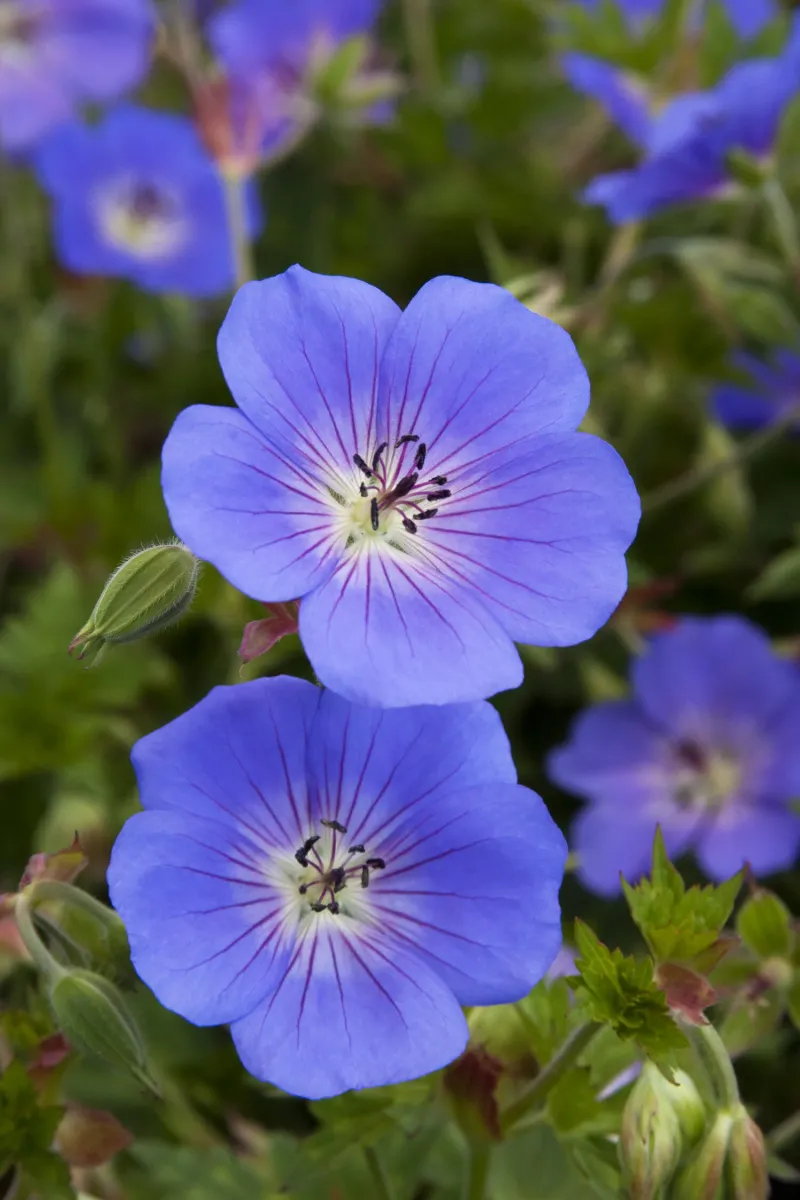
Meet the workhorse that never seems to quit. Hardy geraniums, also called cranesbill, mound up into fast-growing cushions of lacy foliage that smother the soil and keep clematis roots pleasantly cool.
The variety ‘Rozanne’ is a legend among gardeners for blooming violet-blue flowers from early summer clear into fall. Very few perennials give you that kind of marathon color at ground level.
Because the plants knit together quickly, they crowd out weeds and hold moisture in the top layer of soil. Tuck a few around the base of your climber and you get a self-maintaining skirt that looks intentional and lush all season long.
5. Heuchera (Coral Bells)
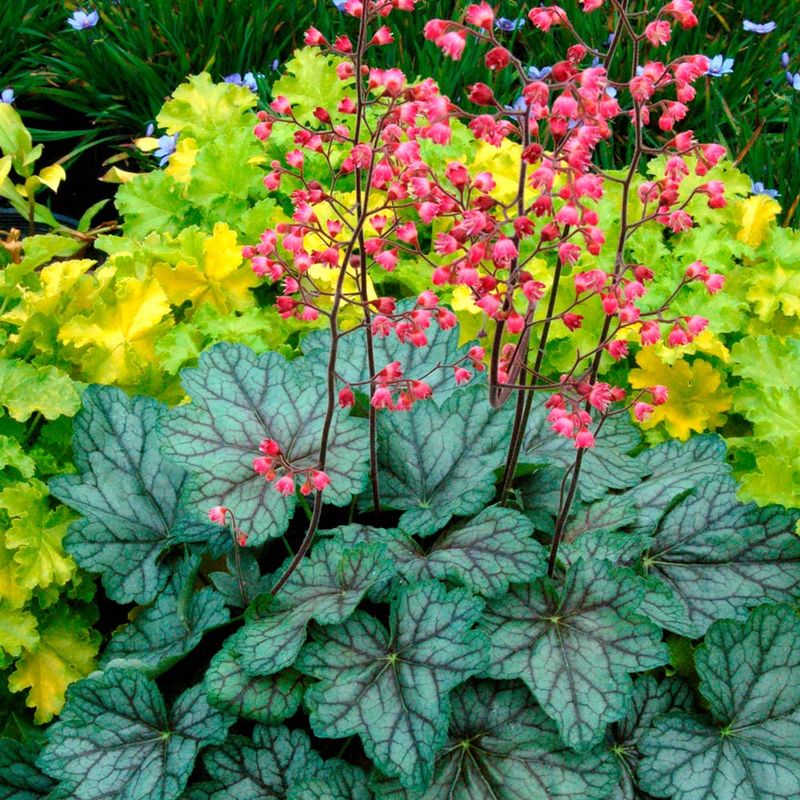
Some plants earn their keep with flowers, but heuchera does it with leaves that look painted. You can find shades running from deep burgundy and caramel to lime green and silver-veined purple.
Happy in shade, coral bells form neat mounds that cover clematis roots while adding a jolt of foliage color the vine itself cannot provide. Airy stems of tiny bell flowers rise above the leaves and draw hummingbirds.
If you want a native option, Prairie Alumroot (Heuchera richardsonii) delivers the same tidy habit with local hardiness. Either way, this is the plant to reach for when you want season-long interest even between clematis blooms.
6. Hosta

Broad, sculptural leaves make hosta the ultimate root-shading companion for a clematis growing in dappled light. One mature plant can cover a surprising amount of ground with its overlapping foliage.
The variety show is half the fun, with variegated stripes, blue-green tones, and puckered textures that contrast beautifully against a delicate vine. In late summer, tall stalks of lavender or white flowers add a bonus bloom.
For shadier corners where sun-lovers refuse to perform, hosta thrives and keeps clematis feet cool and moist. Just watch for slugs, and give the leaves room to reach their full, dramatic spread.
7. Lamium (Dead Nettle)
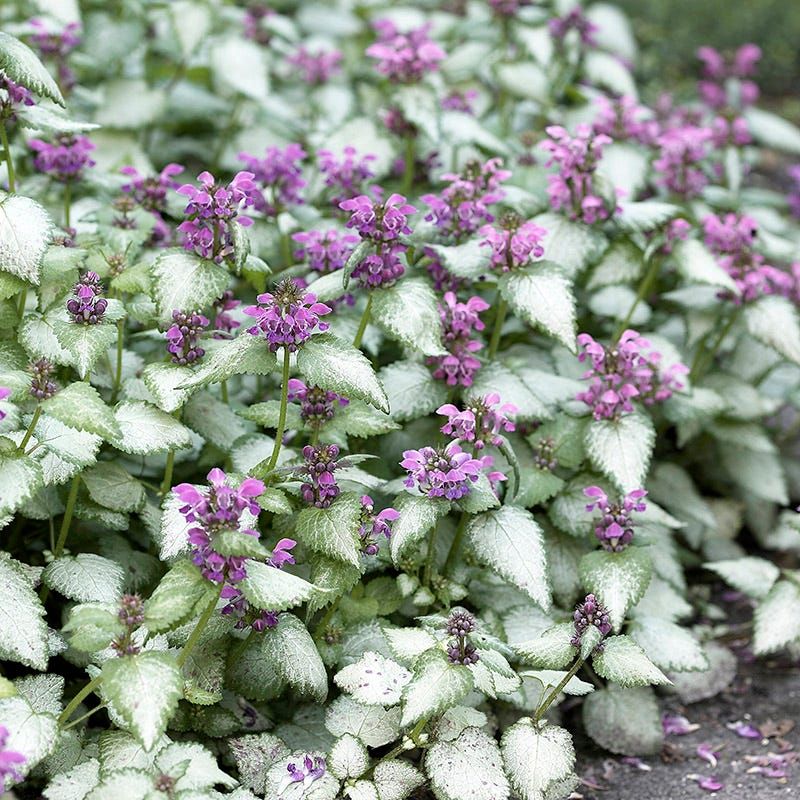
Do not let the unfortunate name fool you, because lamium is a charmer that brightens shady ground. Its silver-frosted leaves practically glow in low light, lifting dim corners of the garden.
The plant spreads without becoming a bully, weaving between other perennials and holding moisture in the soil around clematis roots. Small hooded flowers in pink, purple, or white appear over a long stretch.
Because it stays low and behaves itself, lamium is ideal for filling awkward gaps at the base of a trellis. It keeps the ground cool, covered, and quietly beautiful even when the clematis above is resting between flushes.
8. Nepeta (Catmint)
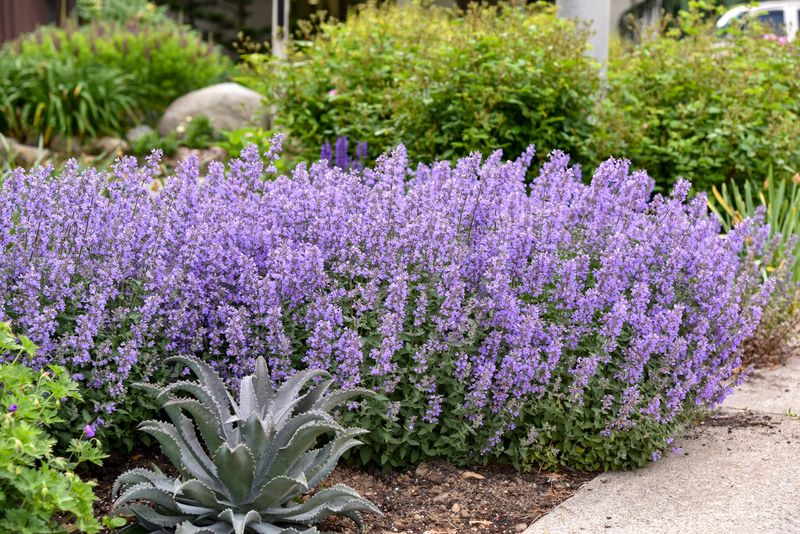
Picture a soft haze of lavender-blue floating around the feet of your clematis, and you have nepeta. This drought-tough plant produces clouds of tiny flowers that soften any hard edge in the border.
Nearly impossible to kill, catmint shrugs off heat, poor soil, and neglect while still blooming for weeks. Trim it back after the first flush and it happily rewards you with a second round.
The airy, mounding shape gives your clematis a relaxed, cottage-garden base rather than a stiff formal one. Pollinators adore it too, so expect bees to hum contentedly around the purple froth all summer.
9. Wild Phlox
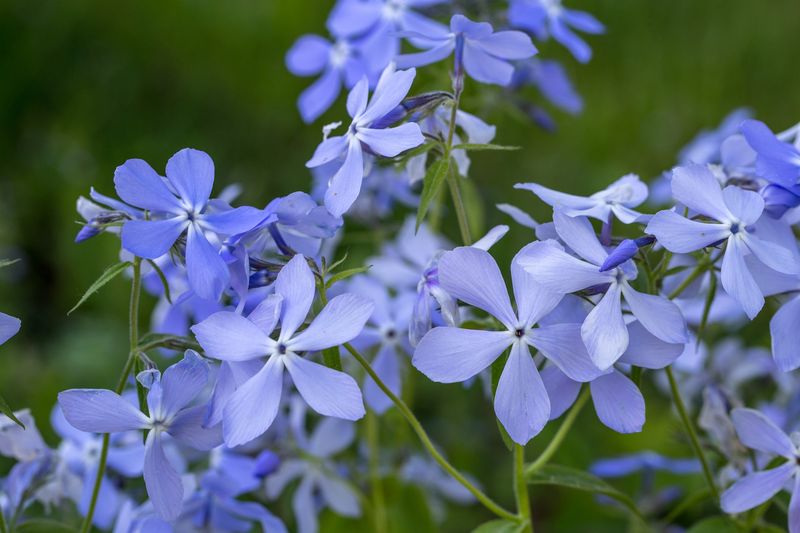
For a woodland feel beneath your clematis, wild phlox brings a looser, more natural grace than its creeping cousin. It stands a bit taller and casts a gentle shade over the root zone.
Fragrant clusters of soft blue to lavender flowers open in spring, attracting early butterflies and moths. The scent carries on warm evenings, adding an unexpected layer to the garden experience.
Because it tolerates partial shade well, wild phlox slips into spots where sun-hungry plants might struggle. Use it to bridge the gap between low ground covers and the taller perennials, giving your layered display a smooth, believable flow.
10. Asters
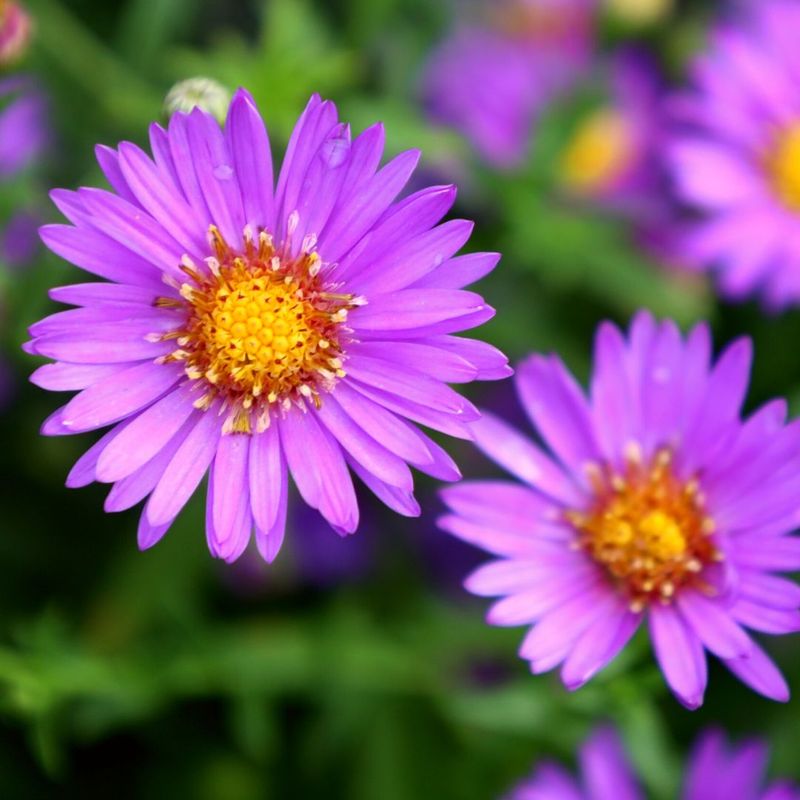
Just when the summer show fades, asters step onto the stage in a burst of daisy-like color. Their late blooms extend your garden’s flowering season well into autumn.
The bushy mid-height plants shade clematis roots while offering fresh violet, pink, and blue flowers exactly when many perennials are calling it quits. Butterflies flock to them during their fall fuel-up.
Pairing asters with a late-flowering clematis creates a stunning finale as both peak together. If your border tends to look tired by September, these cheerful bloomers keep the party going right up to the first frost.
11. Bee Balm (Monarda)
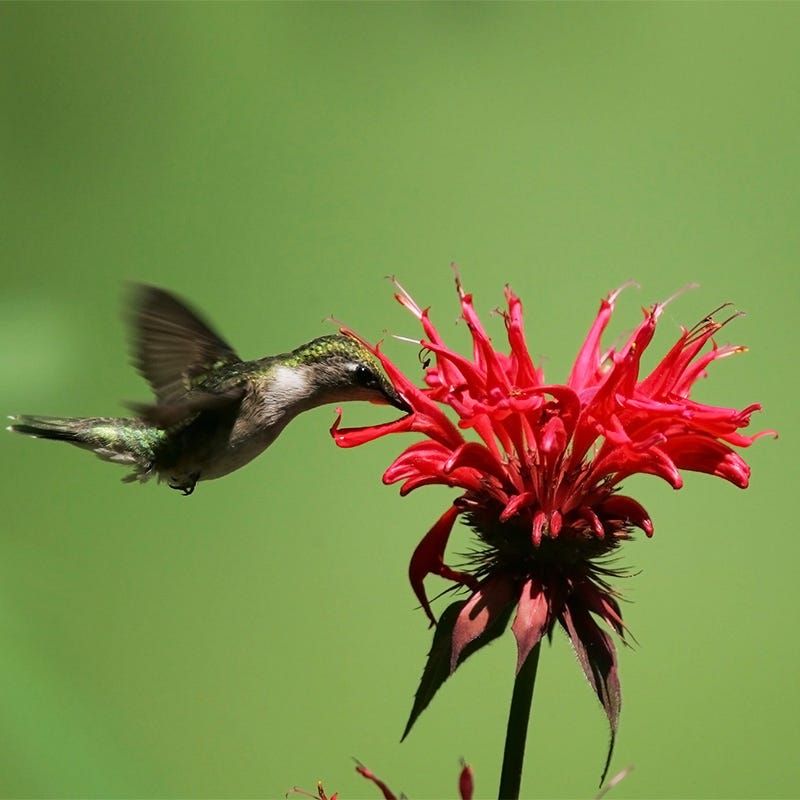
Loud, proud, and buzzing with life, bee balm brings a wild energy to the clematis border. Its shaggy, firework-shaped flowers in red, pink, or purple are impossible to ignore.
Sturdy upright stems add welcome height and structure while the roots enjoy moist, sunny conditions. The nectar-rich blooms turn your garden into a pollinator highway, drawing bees, butterflies, and hummingbirds.
As a bonus, the leaves carry a minty, aromatic scent when brushed. Plant monarda where you want vertical drama and constant movement, and let its vibrant flowers echo the colors climbing on the trellis above.
12. Campanula (Bellflower)
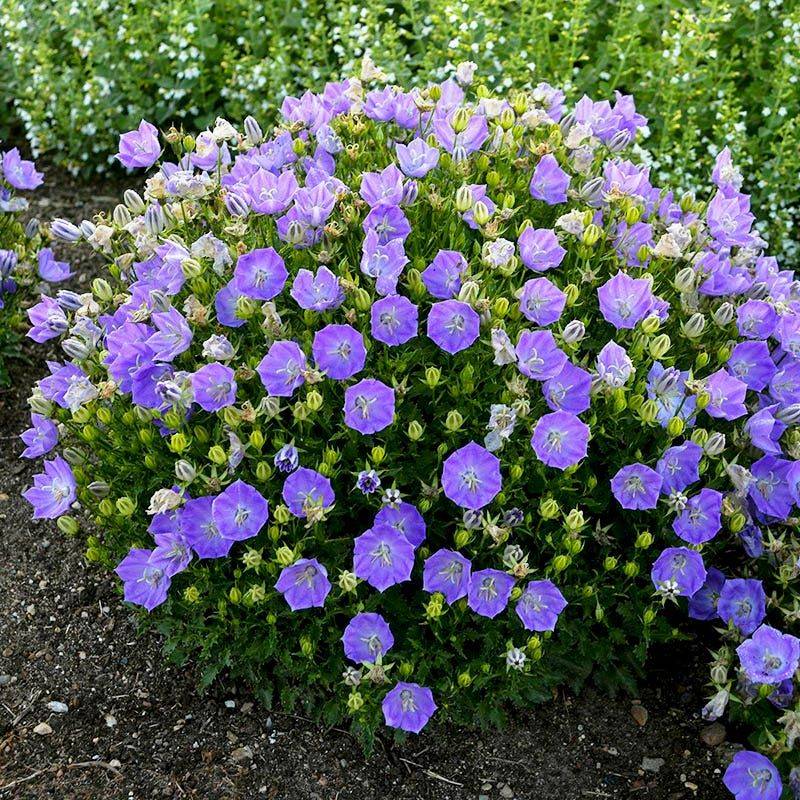
There is something old-fashioned and comforting about a cluster of blue bells nodding in the breeze. Campanula delivers that cottage charm in mid-height mounds perfect for the middle of a layered bed.
The bell-shaped flowers come in rich blues and purples that flatter almost any clematis color. Depending on the variety, plants can trail, mound, or stand upright, giving you flexibility in how you build the display.
Easygoing and long-blooming, bellflower fills the space between low ground covers and taller spires. Deadhead spent blooms and it will keep producing, holding that dreamy blue note steady through the heart of summer.
13. Coreopsis (Tickseed)
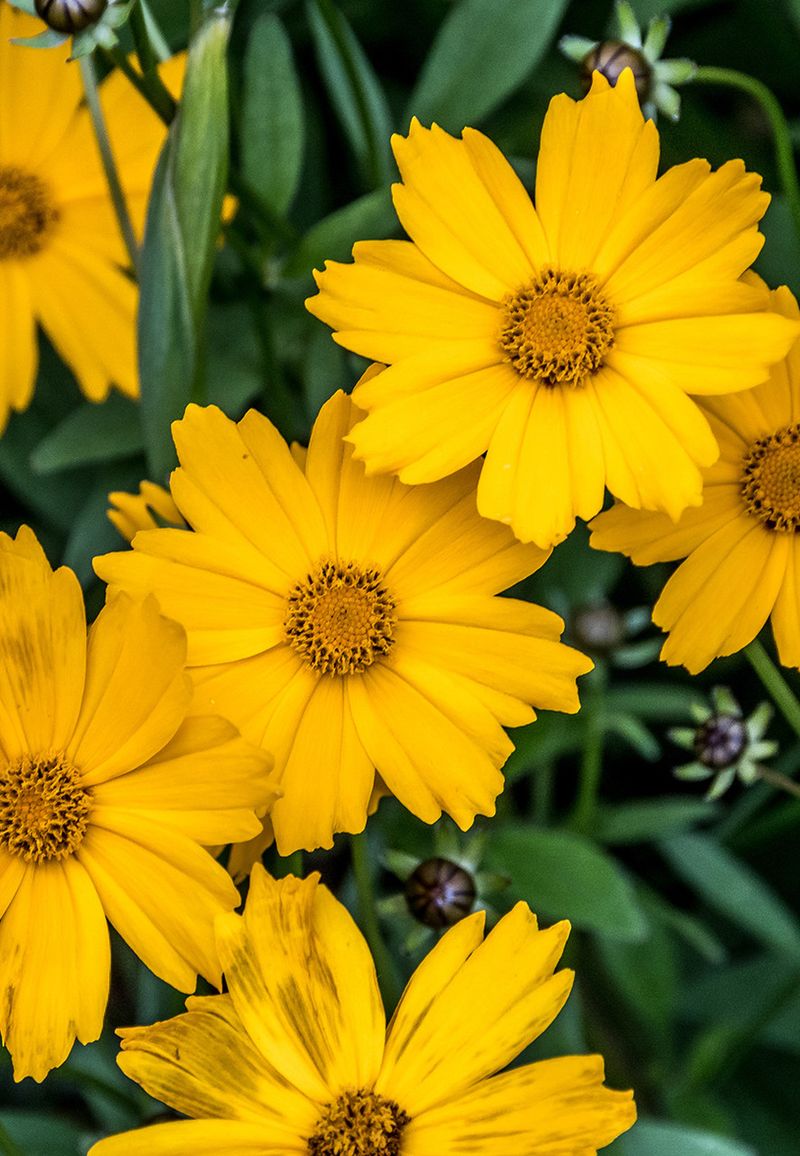
Sunshine in plant form is the best way to describe coreopsis. Its bright yellow, daisy-like blooms cover the plant so thickly that the foliage nearly vanishes beneath them.
Tough and drought-tolerant, tickseed thrives in the same sunny spots your clematis loves while asking very little of you. The flowering season stretches on for weeks, especially if you snip off the faded flowers.
That cheerful gold plays beautifully against purple, pink, or white clematis, creating instant contrast. For a low-maintenance mid-layer that never looks glum, this reliable bloomer is hard to beat.
14. Daylilies
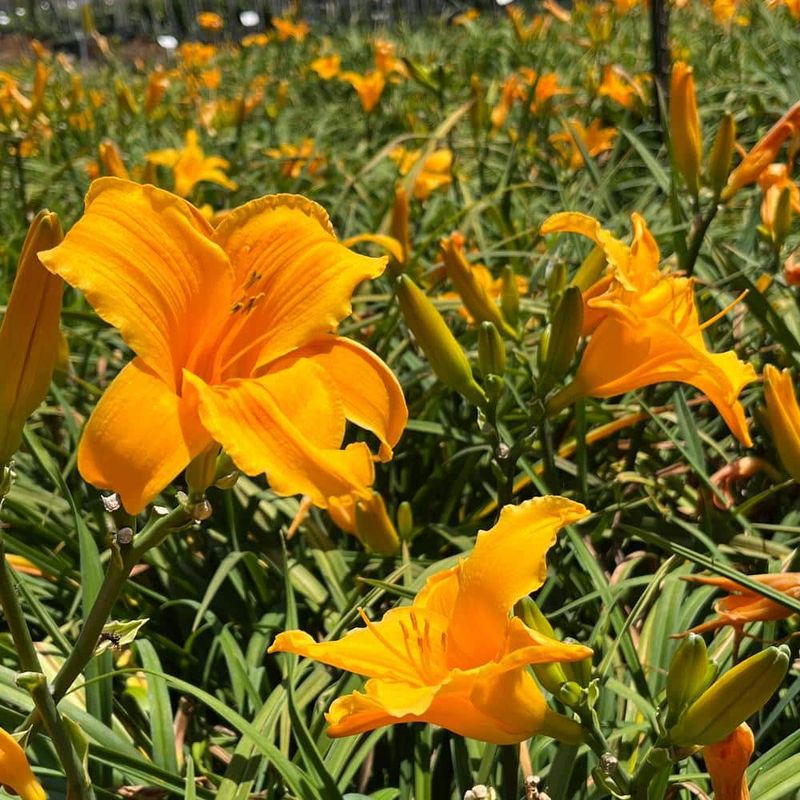
Reliable to a fault, daylilies handle the hot, sunny spots where other perennials wave the white flag. Each bloom lasts just a day, but the plants produce so many that the show rolls on for weeks.
The arching, strappy foliage spreads gently and shades clematis roots like a natural mulch. Colors range from soft cream and peach to fiery orange and deep red, so there is a match for any scheme.
Once established, daylilies practically take care of themselves, tolerating drought and poor soil with ease. Plant a clump at the base of your climber for a flush of dependable color and worry-free root protection.
15. Downy Skullcap
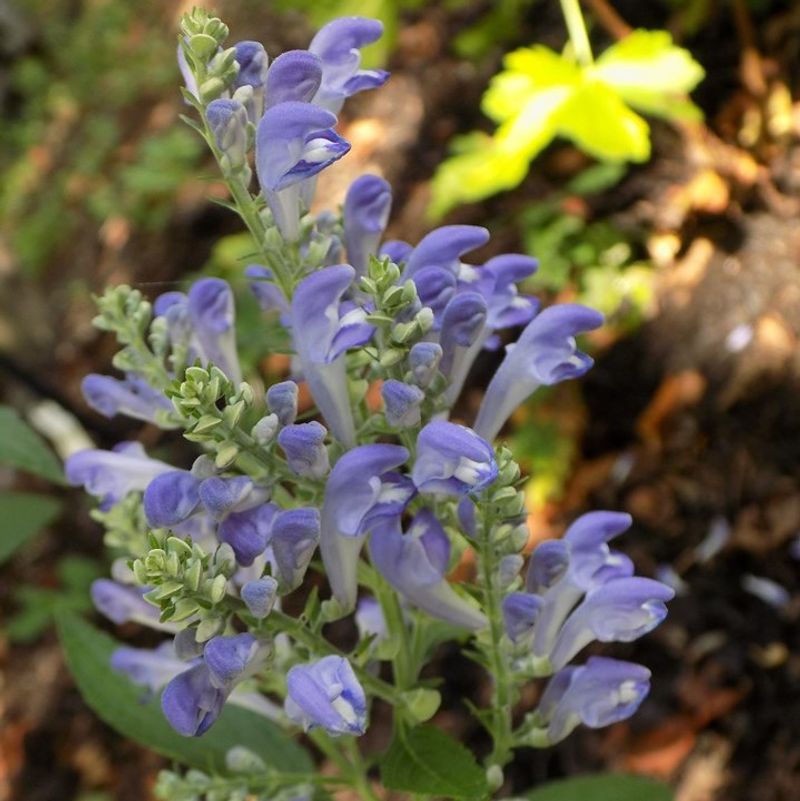
A native gem that flies under the radar, downy skullcap (Scutellaria incana) deserves a spot in more gardens. Its pale blue to lavender flowers appear in mid-summer, filling the gap between spring and fall bloomers.
Bees and butterflies find the tubular flowers irresistible, so the plant hums with activity during its peak. Even better, deer and drought both leave it largely alone.
For gardeners who want to support local pollinators while dressing up their clematis, this tough native checks every box. It slots neatly into the mid-height layer with a soft, cooling color that flatters bolder companions.
16. Echinacea (Coneflower)
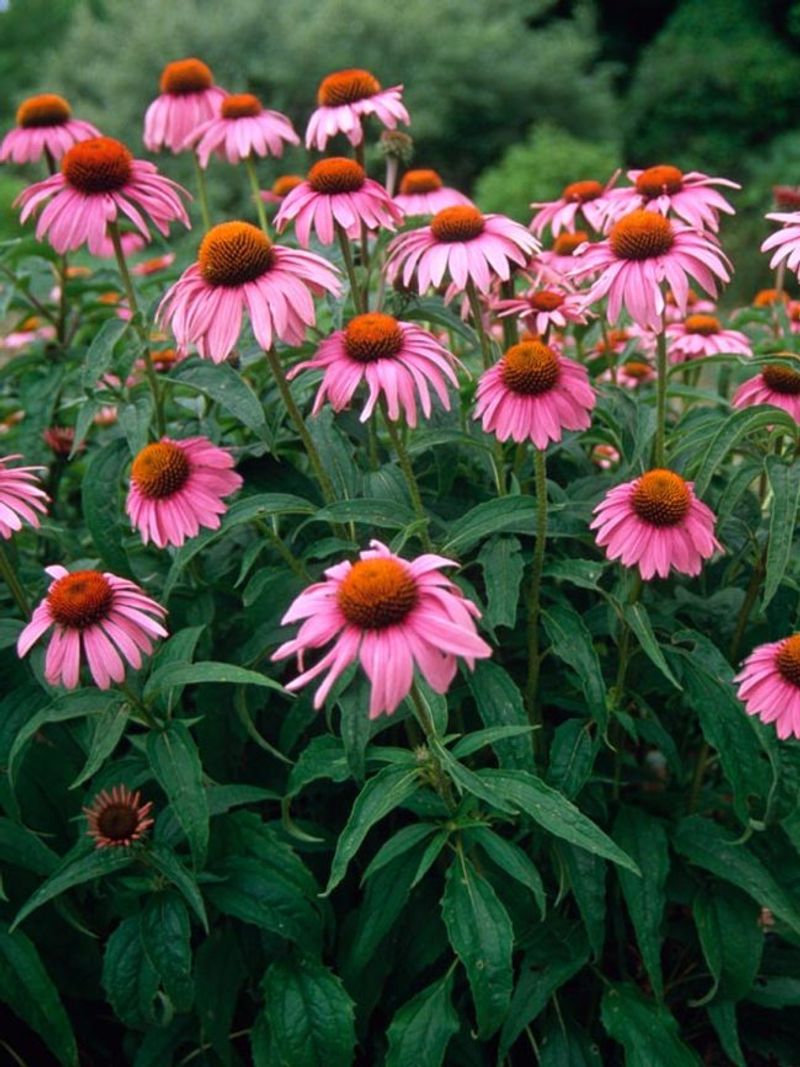
Standing tall on sturdy stems, coneflowers give your border backbone and pollinators a landing pad. The prominent raised centers surrounded by drooping petals have a bold, architectural look.
Classic purple-pink varieties mingle beautifully with clematis, but newer breeds offer orange, red, and white too. These sun-lovers shrug off heat and drought once their roots settle in.
Leave the spent seed heads standing into fall and finches will drop by to feast. Echinacea brings structure, wildlife, and a long bloom season to the middle layer, making it one of the most useful companions on this list.
17. Japanese Anemone
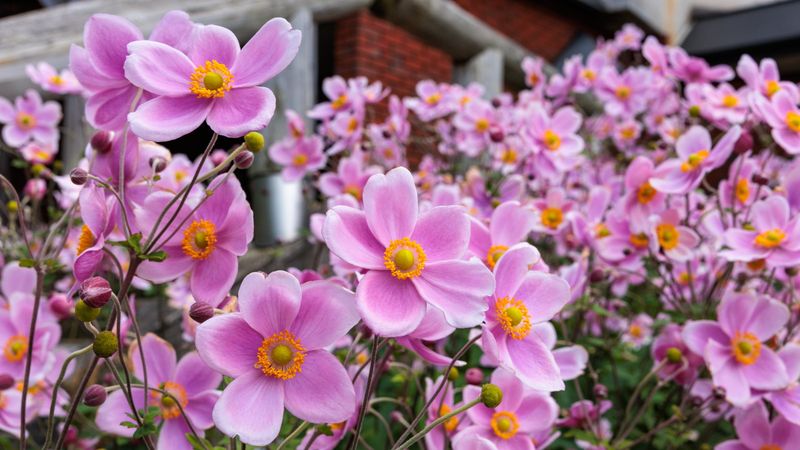
Elegance arrives late in the season with Japanese anemone, and it is worth the wait. Soft pink flowers with sunny golden centers sway on tall, wiry stems well into fall.
Happy in partial shade, it thrives in the cooler, moister spots that also suit clematis roots. The airy height adds a graceful vertical layer without heavy, dense foliage.
When most of the garden is winding down, these anemones look freshly awakened, extending the display for weeks. Give them a little room to spread and they will form a gently colonizing patch that returns bigger each year.
18. Lavender
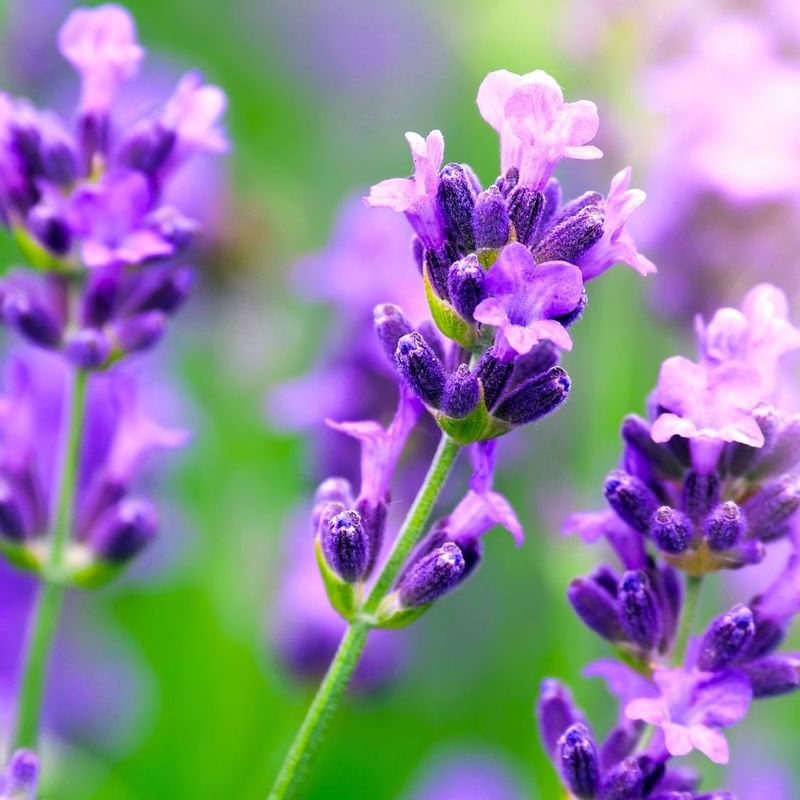
Run your hand across a lavender plant and the fragrance follows you for hours. That heady scent, paired with silvery foliage and purple spikes, makes it a sensory standout beside any clematis.
Sun and good drainage are all lavender really asks, and it thrives in the hot, bright spots clematis vines love to climb into. The cool silver leaves provide a soft contrast to the vine’s greener growth.
Bees and butterflies swarm the flower spikes, adding gentle motion to the border. Snip a few stems for the house and you carry the garden indoors, all while your clematis reaps the benefit of a tidy, aromatic neighbor.
19. Ornamental Alliums
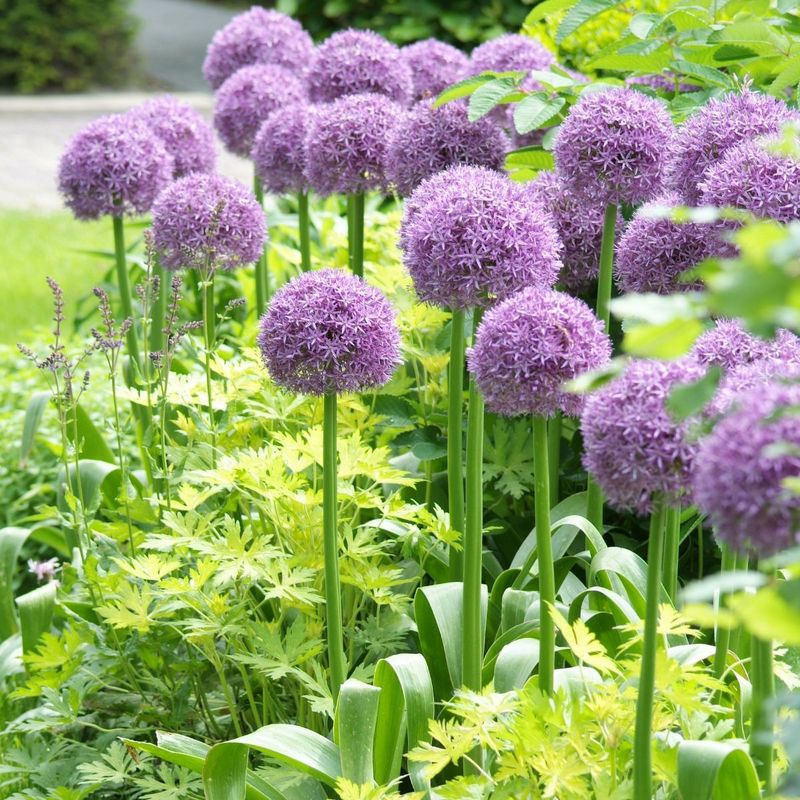
Nothing sparks conversation quite like a row of allium globes floating above the border. These early-flowering onion relatives send up perfect purple spheres before many clematis have hit their stride.
The timing is the magic here, as alliums fill the spring gap with playful, architectural blooms. Their round shapes contrast wonderfully with the flatter, open faces of clematis flowers later on.
After flowering, the seed heads dry into sculptural orbs you can leave standing for extra interest. Tuck bulbs among your perennials for a whimsical early layer that primes the garden for the main event above.
20. Penstemon (Beard Tongue)
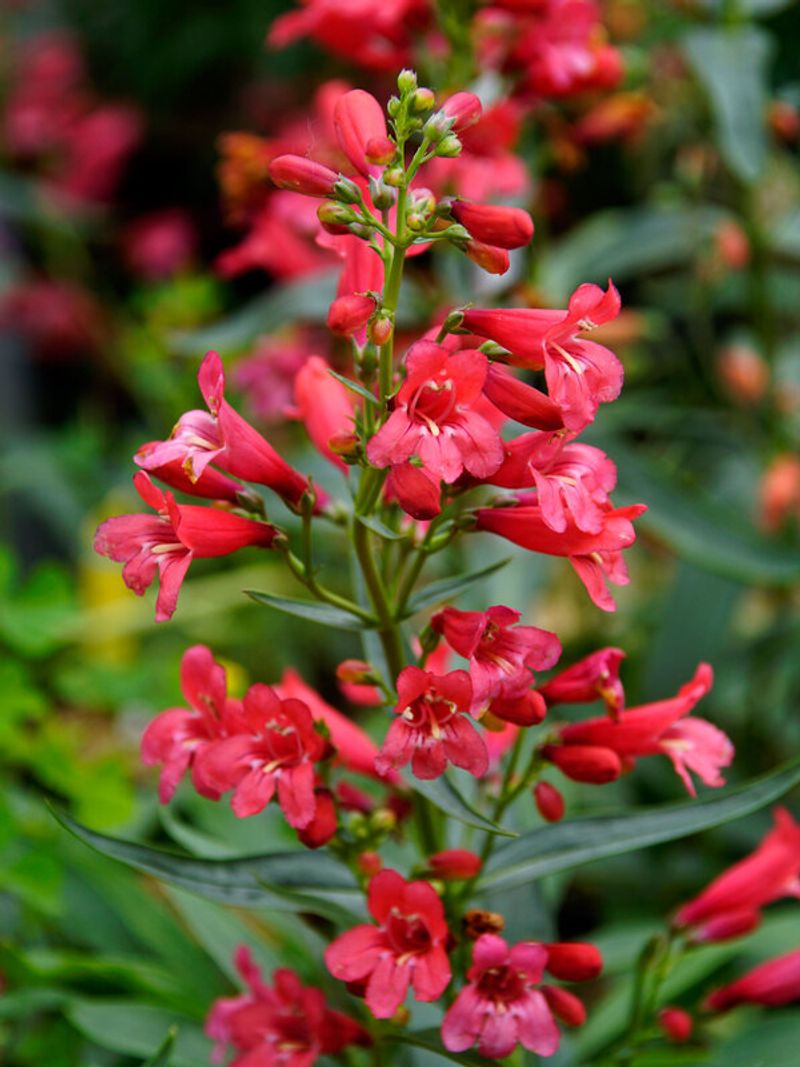
Slender spikes lined with tubular blooms give penstemon a distinctive, upright silhouette. The flowers open in pink, purple, or red and keep coming for a remarkably long stretch.
Sun-loving and unfussy, beard tongue thrives right alongside clematis in bright, well-drained beds. Hummingbirds cannot resist poking their beaks into those trumpet-shaped flowers.
The vertical form adds structure and rhythm to a border that might otherwise feel flat. Mix a few penstemon among rounder, mounding plants and your layered display gains the kind of shape and texture that keeps the eye moving.
21. Garden Phlox
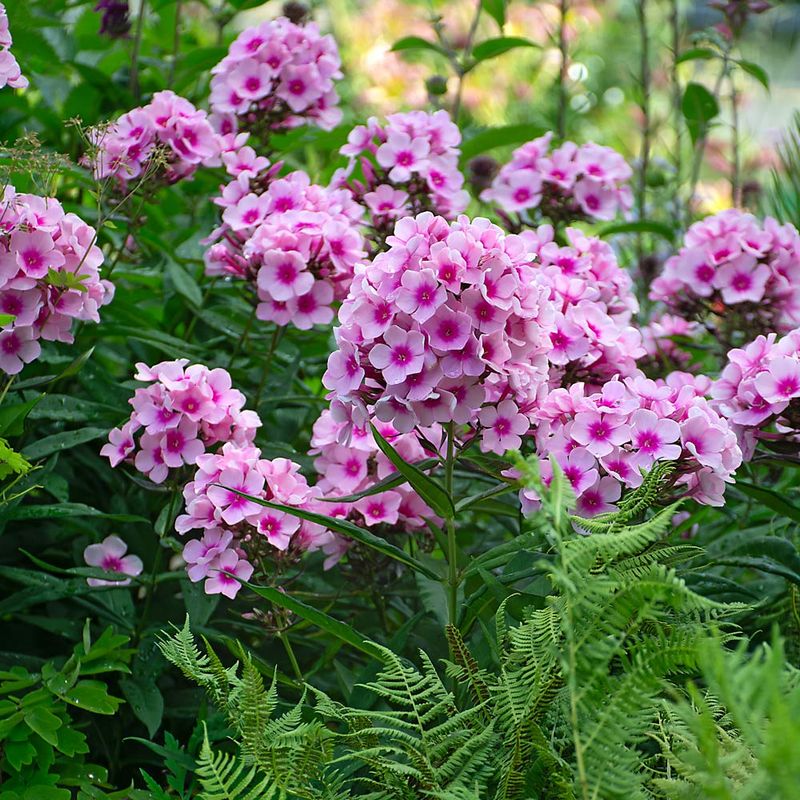
For sheer exuberant color, garden phlox (Phlox paniculata) throws a party in mid to late summer. Big domed clusters of pink, purple, or white flowers sit atop upright stems and perfume the air.
The long bloom time overlaps beautifully with many clematis, letting you stack fragrance and color in the same window. That sweet evening scent is a bonus that lures moths and butterflies alike.
Give it sun and decent airflow to keep the foliage healthy, and it rewards you with weeks of vertical color. As a taller mid-layer, garden phlox links the low carpet plants to the climber overhead with graceful ease.
22. Salvia (Sage)
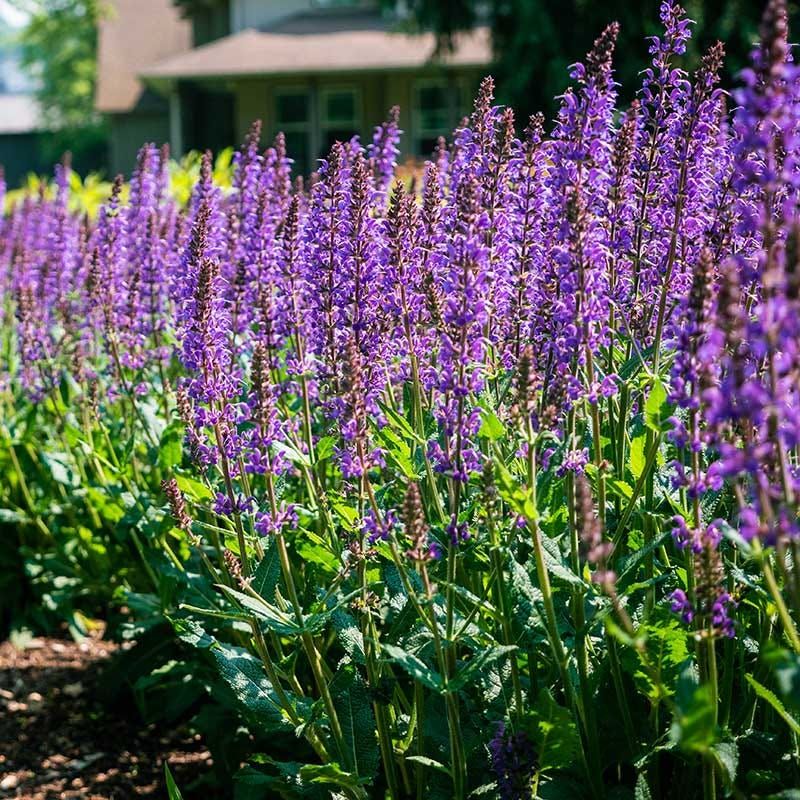
Upright wands of blue and purple make salvia a natural rhythm-keeper in the border. The spiky flowers march up sturdy stems and hold their color for weeks, especially with a mid-season trim.
Basking in full sun, salvia thrives beside clematis and copes gracefully with heat and dry spells. Bees and hummingbirds treat the blooms like an all-you-can-eat buffet.
The vertical spikes contrast sharply with the flat, open clematis flowers, creating pleasing tension in the design. Whether you choose deep violet or bright red, sage delivers a long, dependable performance that anchors the sunny mid-layer.
23. Shasta Daisies
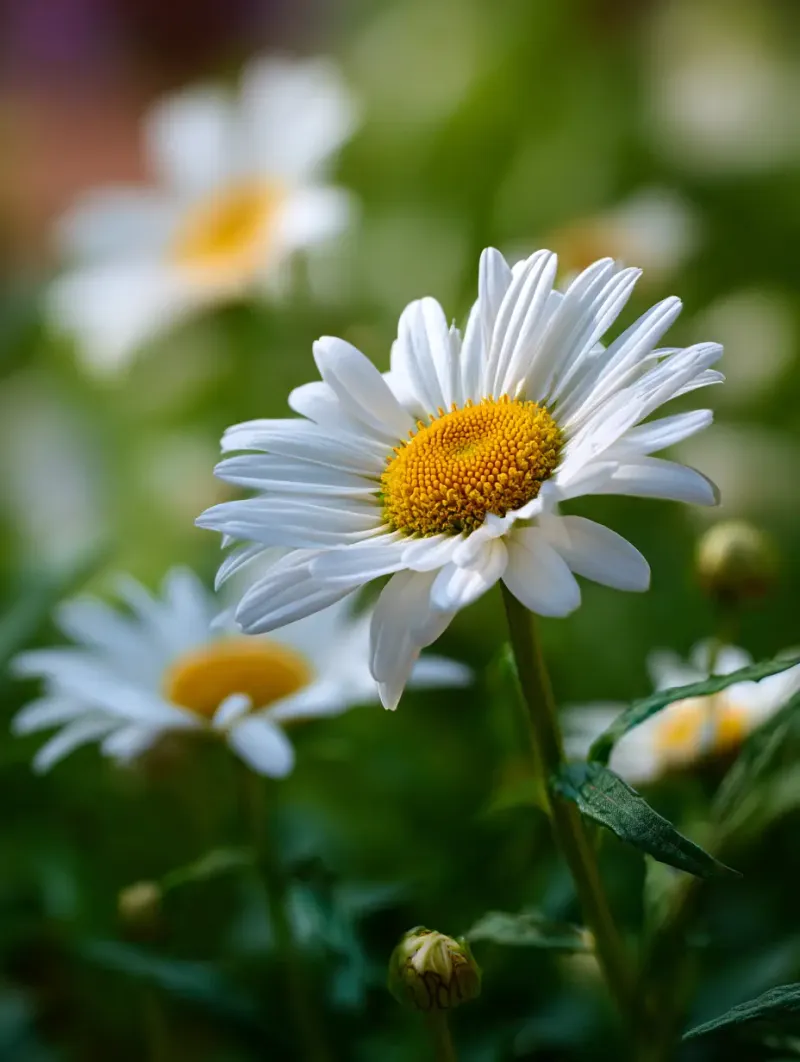
Crisp white petals around a cheerful yellow eye make Shasta daisies the friendliest face in the garden. They read as clean and classic, brightening any color scheme they join.
Planted at the base of a clematis, their clumping habit helps cover and cool the root zone. The fresh white blooms bounce light around and make neighboring colors pop.
Cut them for a simple bouquet and they last well in a vase. Easy to grow and quick to multiply, Shasta daisies are the dependable, no-drama companion every layered border deserves at ground level.
24. Veronica (Speedwell)
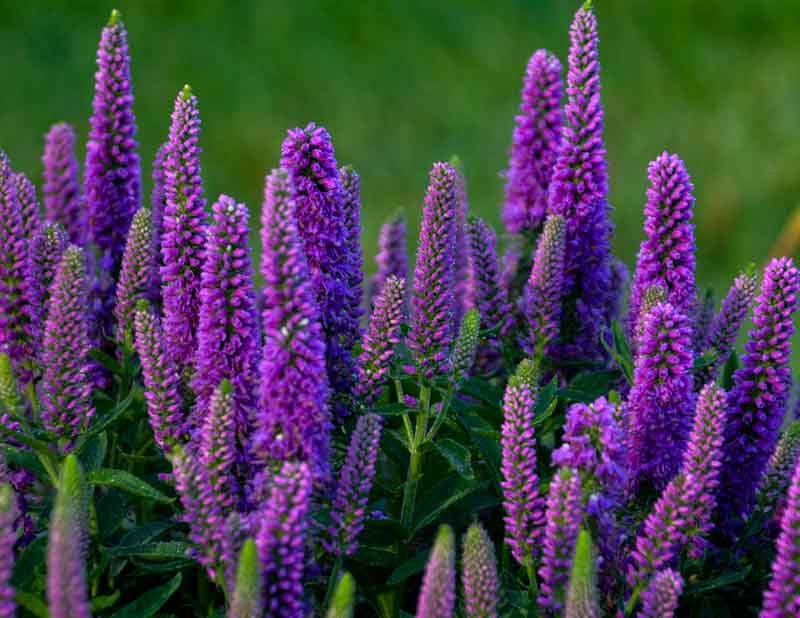
Tidy little spires packed with tiny flowers give veronica a neat, spiky charm. Speedwell blooms in blues, pinks, purples, and whites, with heights that range from ground-hugging to knee-high.
Full sun suits it perfectly, and the long flowering season keeps the vertical interest going for months. Pollinators buzz happily along the tapering flower spikes.
That upright shape adds welcome contrast to rounder, mounding companions in the border. Choose a taller variety to bridge layers or a shorter one to edge the front, and veronica quietly earns its place beside your clematis.
25. Astilbes
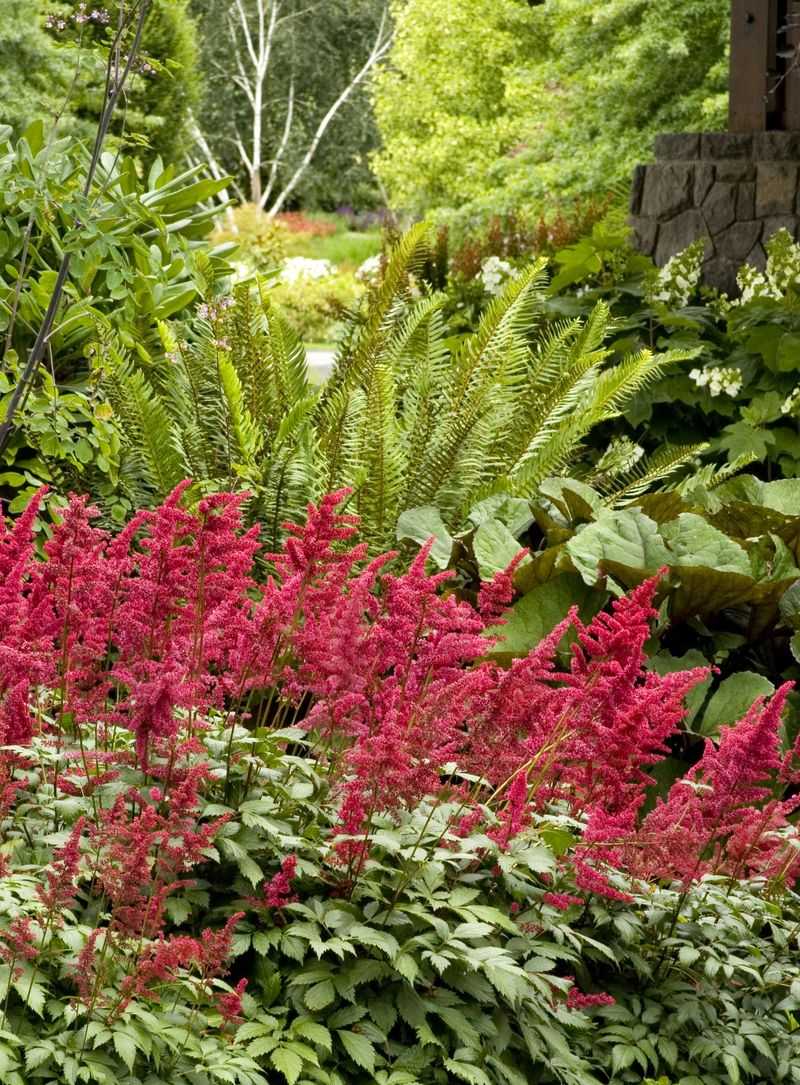
Feathery plumes rising from ferny foliage make astilbe the softest texture on this list. In shades of pink, red, white, and lavender, those fluffy spires add height and drama to shady corners.
Moisture-loving and shade-tolerant, astilbe pairs perfectly with clematis varieties that appreciate cooler, dimmer spots. The lush leaves stay attractive long after the plumes fade.
Where sun-hungry perennials sulk, this one lights up the shade with airy color and movement. Plant it in a moist, partially shaded bed and it creates a tall, romantic backdrop that makes a climbing clematis look positively enchanting.
26. Baptisia (False Indigo)
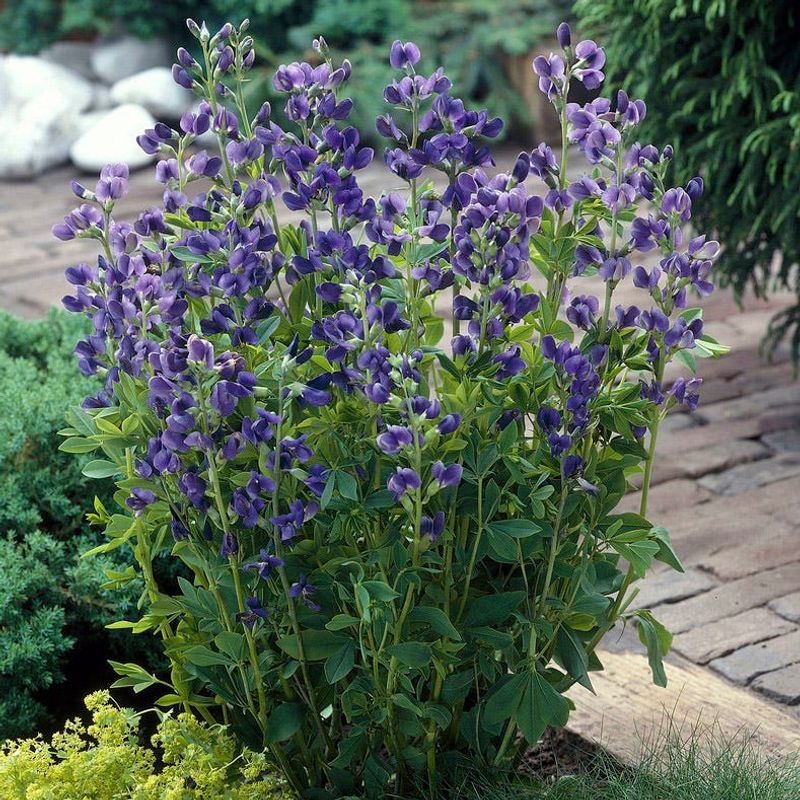
Long-lived and practically indestructible, baptisia is the plant you set and forget for decades. Its tall spires of pea-like flowers, often in rich blue or purple, give the border serious backbone.
The bluish-green foliage stays handsome all season and forms a shrub-like shape that reads as structure. After the flowers fade, dark seed pods rattle pleasantly in the breeze.
Deep roots make it drought-proof and stubbornly permanent once established, so choose its spot wisely. As a tall backdrop behind lower perennials, false indigo frames your clematis with quiet, dependable grandeur.
27. Bleeding Heart (Dicentra)
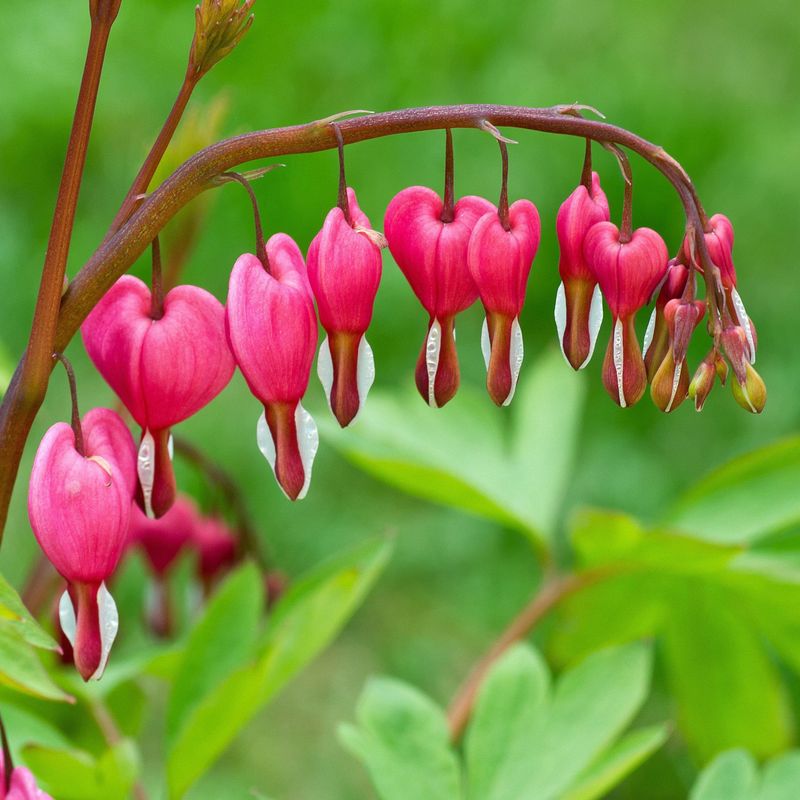
Dangling rows of perfect little hearts make bleeding heart one of the most charming spring perennials around. The pink and white flowers arch along slender stems like a string of tiny lockets.
Partial shade and moist soil suit it beautifully, the same conditions that keep clematis roots content. Its delicate, ferny foliage adds a lacy softness to the border early in the year.
By midsummer the plant may quietly go dormant, so pair it with later bloomers to fill the gap. That early presence gives your clematis display a romantic head start before the vine fully takes over.
28. Columbine (Aquilegia)
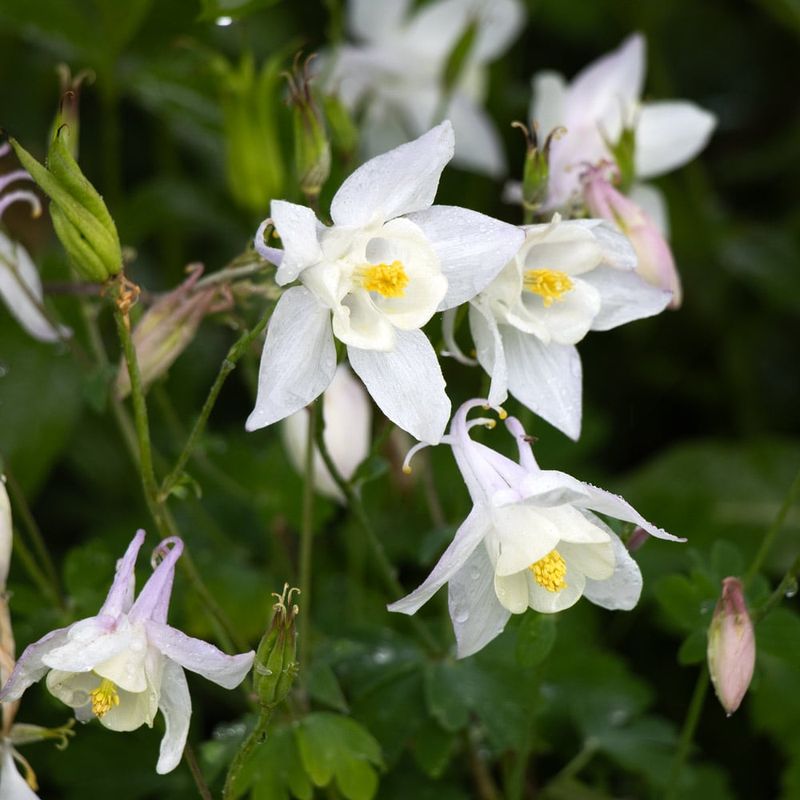
Whimsical is the only word for columbine’s spurred, lantern-like flowers. They dangle in an astonishing range of colors, from soft pastels to bold two-tone combinations.
Blooming from spring into early summer, columbine tolerates both sun and partial shade, making it flexible around clematis. Hummingbirds dart between the nodding blooms, drawn to the nectar tucked in those long spurs.
The airy foliage and slender stems add height without heaviness, keeping the layered look feeling light. Columbine also self-seeds gently, sprinkling surprise plants around the garden that keep the display evolving year after year.
29. Delphinium
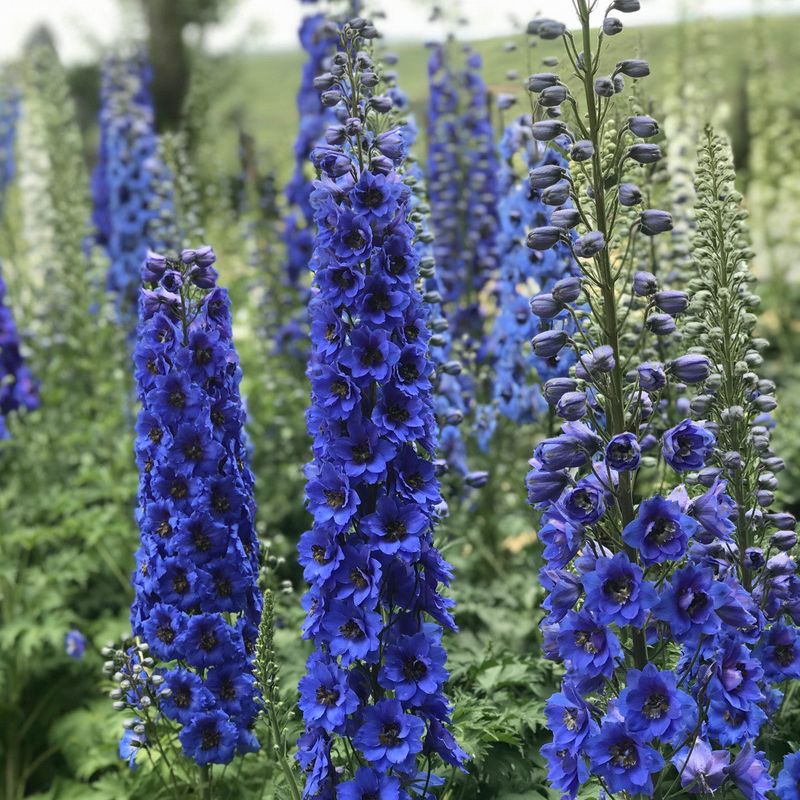
Towering spires of blue command attention like nothing else in the garden. Delphinium reaches for the sky with dense columns of flowers in blue, purple, and white that add pure drama.
These stately plants prefer sun to light shade and reward good soil and steady moisture with show-stopping height. Staking may be needed, but the vertical impact is worth the little extra effort.
Set behind shorter perennials, delphinium frames a clematis-covered trellis with regal, cottage-garden elegance. When the tall blue spikes echo a blue clematis climbing above, the effect is nothing short of breathtaking.
30. Foxgloves
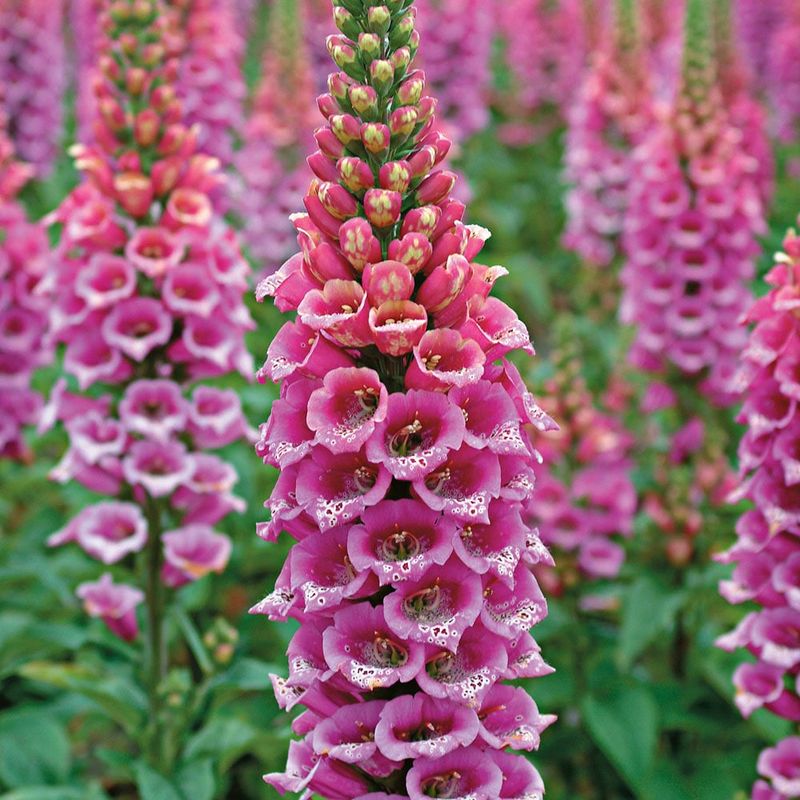
Tall, tubular, and dotted with speckled throats, foxglove flowers look like they belong in a fairy tale. Their spires of pink, purple, and white rise dramatically above the surrounding plants.
Bees crawl right inside the tubular blooms, so the plant is a pollinator favorite in sun or partial shade. That soaring height makes foxglove a natural fit behind lower companions in a layered scheme.
Keep in mind these are often biennials that seed themselves for future years, so let a few go to seed. Their vertical elegance beside a climbing clematis creates a woodland-cottage feel that few other plants can match.
31. Goat’s Beard (Aruncus)
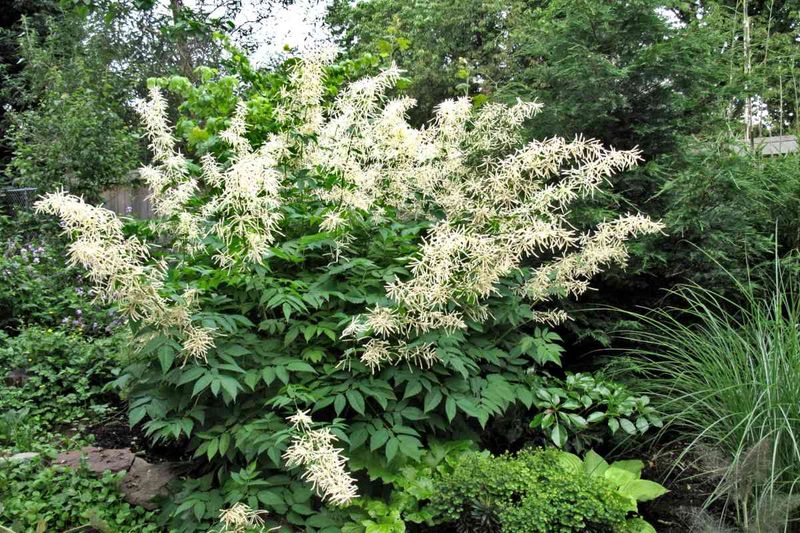
Big, bold, and softly billowing, goat’s beard (Aruncus dioicus) fills space like a leafy cloud. Its creamy-white plumes froth above coarse, textured foliage in early summer.
Partial shade suits it best, where the plant can reach shrub-like proportions and provide real volume. That mass makes it an excellent anchor beneath and behind climbing plants like clematis.
The airy flower plumes contrast beautifully with the vine’s crisp, open blooms overhead. If you have a moist, shaded corner that needs filling with drama and softness, this native-adjacent giant does the job with grace.
32. Morning Light Maiden Grass
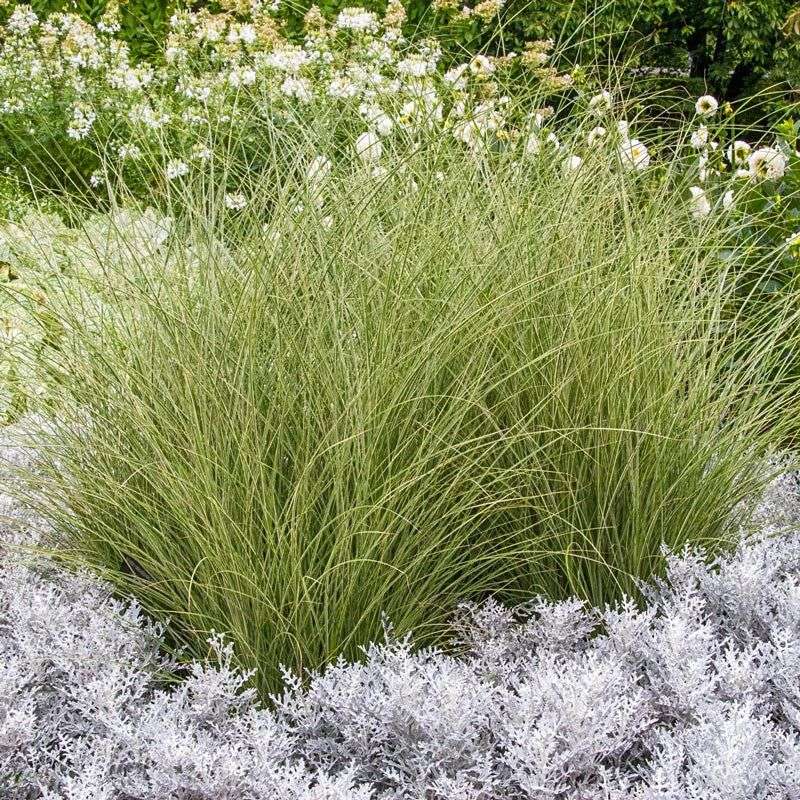
Fine-bladed and endlessly graceful, ‘Morning Light’ maiden grass sways with the slightest breeze. The narrow leaves are edged in white, giving the whole clump a shimmering, silvery glow.
Reaching a tall, arching form, this Miscanthus makes a superb backdrop for a clematis in bloom. Late in the season, feathery flower plumes rise above the foliage and catch the low autumn light.
The contemporary texture softens hard structures and adds movement that flowers alone cannot. Pair it with a late-flowering clematis and the two peak together in a display that dances through fall.
33. Ornamental Grasses
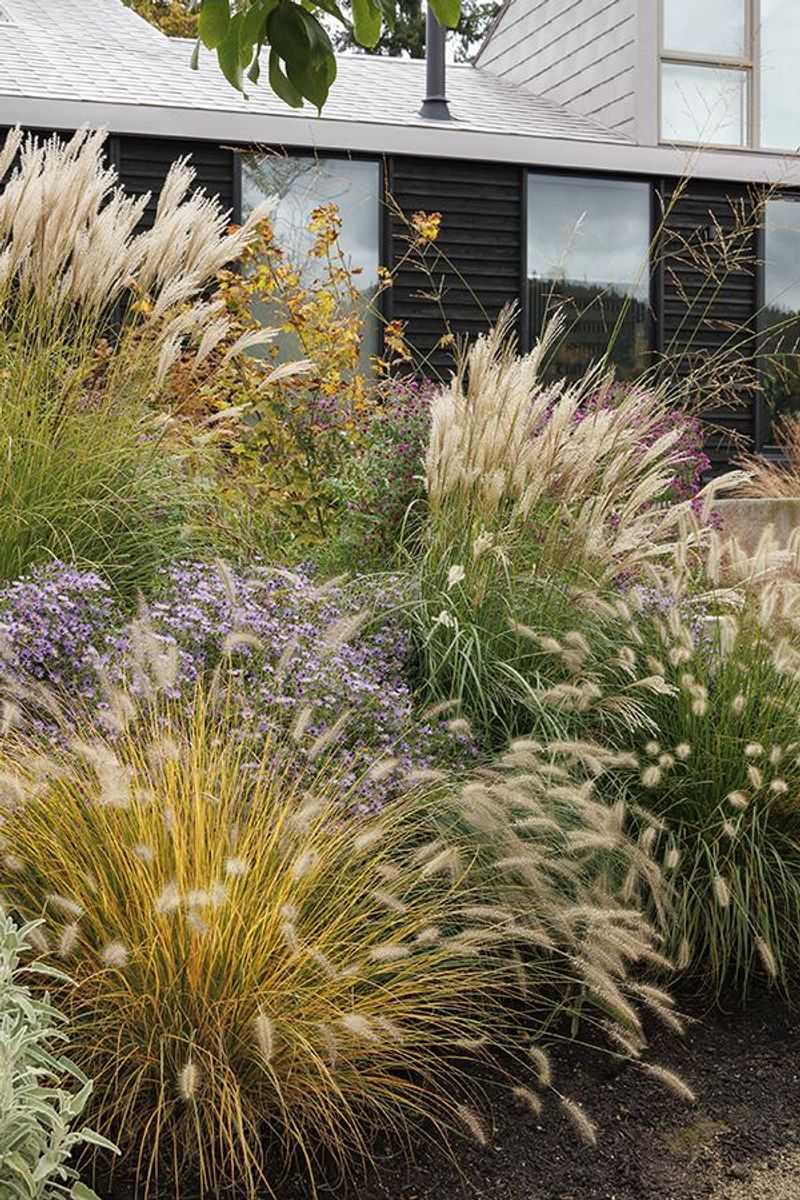
Beyond maiden grass, a whole world of ornamental grasses can transform how your clematis reads in the landscape. Their fine textures and airy plumes bring movement, sound, and a modern edge.
Taller varieties can even act as a living trellis or soft backdrop for late-flowering Group 3 clematis. The contrast between rigid vine and swaying grass gives the garden a natural, meadow-like feel.
Most grasses are tough, drought-tolerant, and low-maintenance once established. Leave them standing through winter for structure and seed-head interest, then cut back in spring for a fresh flush of green.
34. Peony
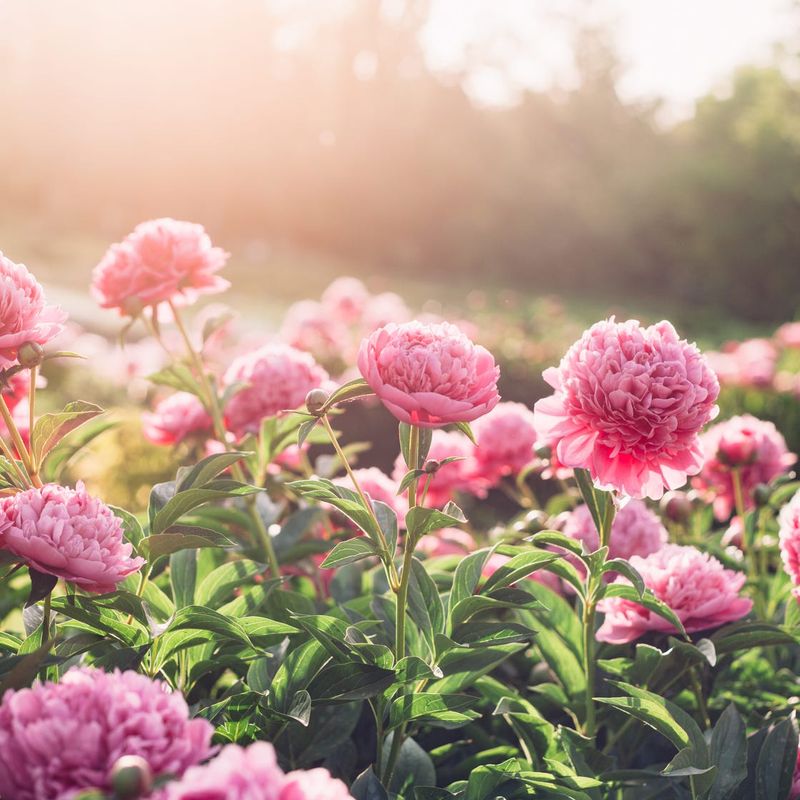
Few flowers deliver the lavish drama of a peony in full bloom. The huge, ruffled, fragrant blossoms burst open in late spring and stop passersby in their tracks.
Sturdy and long-lived, peonies form handsome shrubby clumps that provide structure long after the flowers fade. That glossy foliage offers a bold contrast to the delicate tracery of a clematis vine.
Give them sun and patience, since they can bloom for generations once settled. A peony planted near your climber delivers a knockout early-season moment, then serves as a leafy anchor for the rest of the year.
35. Sea Holly (Eryngium)
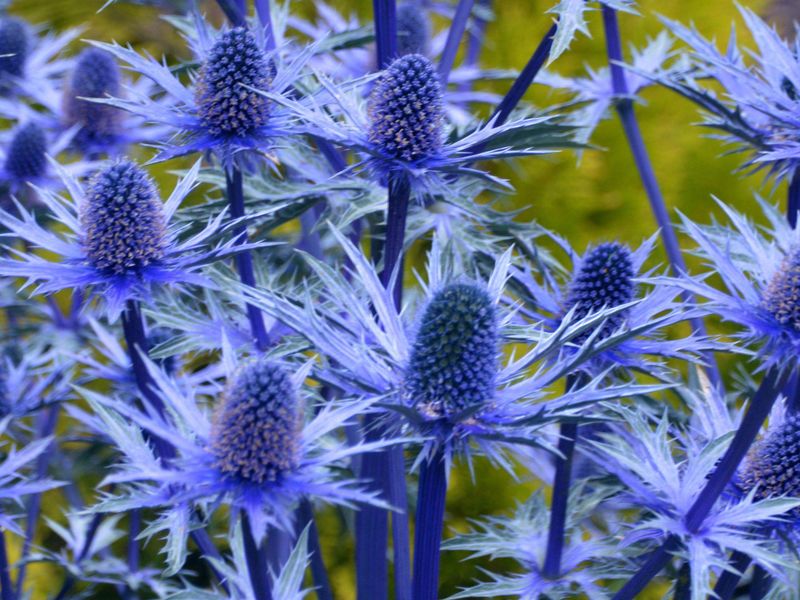
Spiky, metallic, and utterly unusual, sea holly looks like it wandered in from another planet. The thistle-like flower heads shimmer in steely blue, surrounded by spiny, silvery bracts.
Thriving in full sun and sharp drainage, it laughs at drought and poor soil. That architectural form adds a jolt of texture that contrasts brilliantly with softer, rounder companions.
Bees and beneficial insects love the flowers, and the blooms dry beautifully for arrangements. For gardeners craving something offbeat beside their clematis, sea holly brings edgy, sculptural cool to the whole layered scene.
36. Tall Sedum (Autumn Joy)
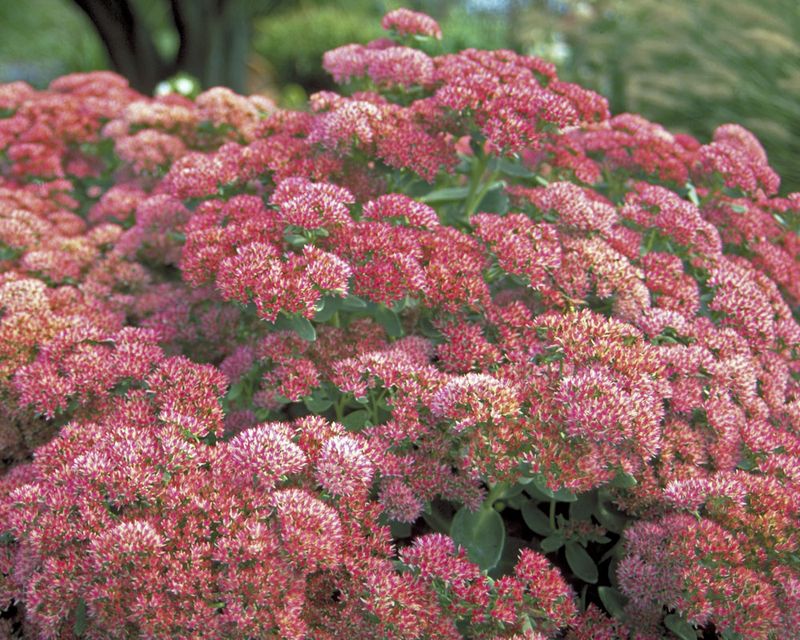
Steady from spring through frost, tall sedum like ‘Autumn Joy’ is a year-round performer. Fleshy foliage forms a tidy mound that gradually gives way to broad flower heads shifting from pink to deep rust.
Those sturdy stems help shade the clematis root zone while offering substantial late-season presence. Bees and butterflies swarm the flat-topped blooms in autumn, making it a pollinator magnet when little else is flowering.
Leave the dried seed heads standing and they hold beautiful structure through winter snow. Drought-tolerant and practically carefree, this dependable sedum wraps up the layered display with a strong, satisfying finish.