
7 Everyday Habits That Are Secretly Slowing Down Your Tomato Plants Right Now
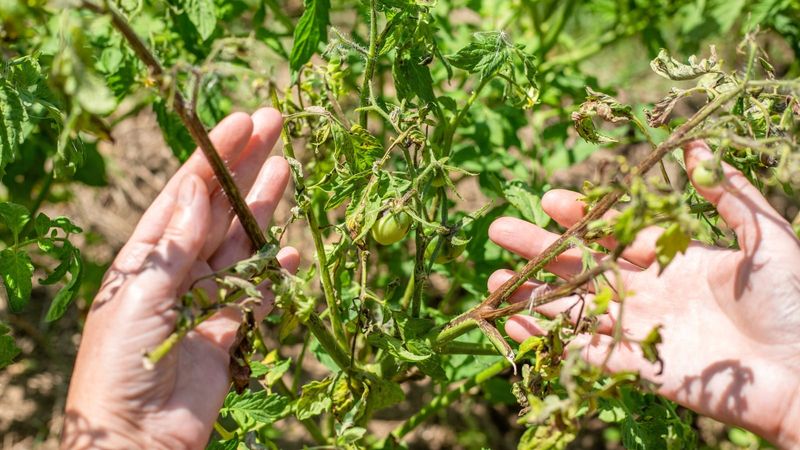
You water, you weed, you check on your tomatoes almost every day, and yet they still seem stuck in slow motion. The frustrating truth is that some of the routines you trust the most might be quietly working against your plants. Small choices, like where you plant or how you touch the leaves, add up over a whole season. Let’s walk through seven common habits that could be holding your tomatoes back, so you can fix them and get back to growing the harvest you deserve.
1. Crowding Plants Too Close Together
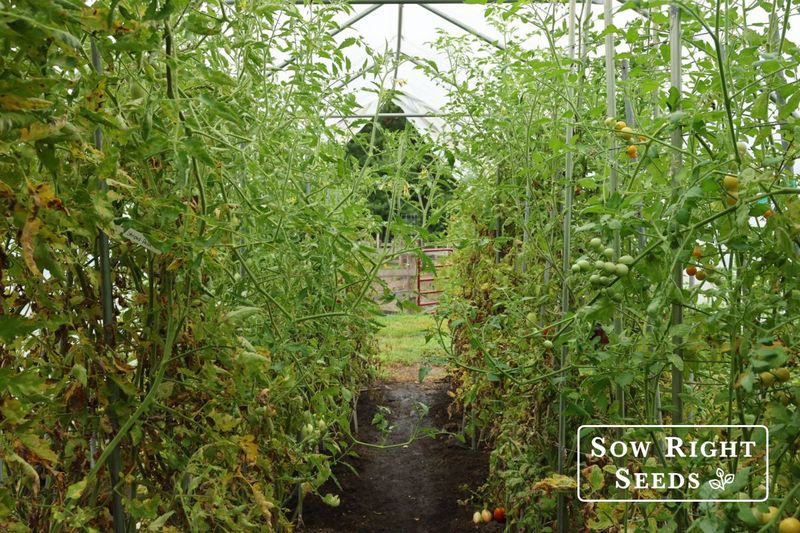
Squeezing an extra tomato plant into a tight spot feels like a smart way to get more fruit, but crowded roots and tangled branches tell a different story. When plants sit shoulder to shoulder, they fight each other for water, nutrients, and sunlight instead of thriving.
Poor airflow is the sneaky part. Leaves that stay damp because no breeze moves between them become a welcome mat for fungal problems like early blight, which can spread across a whole row in a US backyard bed within days.
Most slicing tomato varieties want about two to three feet of breathing room between stems. Give them that space and each plant can soak up full sun, dry off quickly after morning dew, and pour its energy into fruit rather than a survival contest.
If your plants are already packed in, don’t panic. Prune away the crossing branches and lower leaves to open up the canopy, and next season plan your spacing before the seedlings ever hit the soil.
2. Handling Leaves While They Are Wet
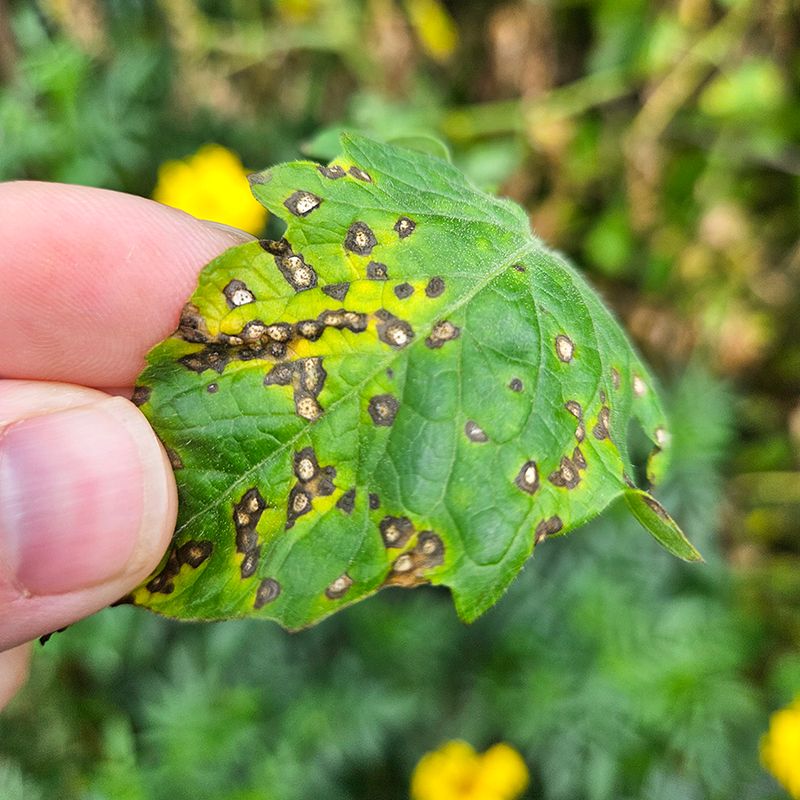
Wandering out at dawn with your coffee to pinch off suckers is a peaceful ritual, but touching tomato foliage while it’s still soaked with dew can quietly spread trouble from plant to plant. Damp leaves are the perfect delivery system for bacteria and fungal spores that ride along on your fingers and tools.
Diseases like bacterial speck and septoria leaf spot love moisture. When you brush against one infected leaf and then move to a healthy plant, you may hand the problem right down the row without ever noticing.
Waiting until mid-morning, once the sun has burned off the dew, makes a real difference. Dry leaves are far less likely to pass infections around, and any small wounds from pruning can seal over faster in warm, dry air.
Keep a spray bottle of diluted rubbing alcohol nearby and wipe your pruners between plants. That one habit can reduce how fast leaf diseases travel across your beds.
3. Feeding Too Much Nitrogen Fertilizer
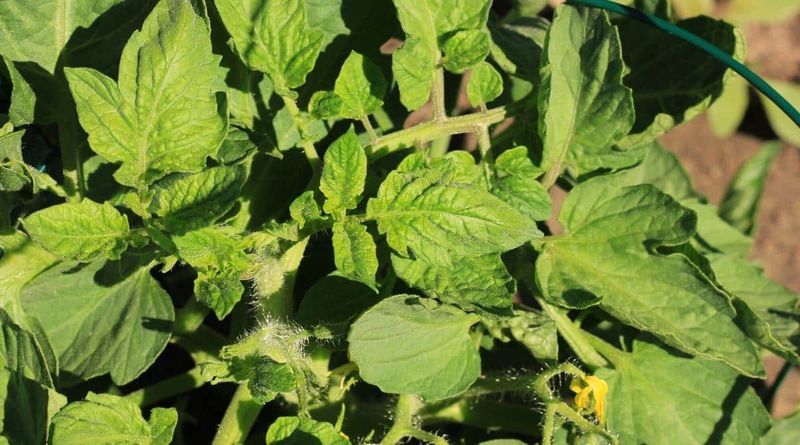
Nothing looks healthier than a tomato plant exploding with big, dark green leaves, which is exactly why the nitrogen trap fools so many gardeners. All that lush foliage can be a warning sign, not a victory, when flowers and fruit refuse to show up.
Nitrogen pushes leaf and stem growth. Load the soil with a high-nitrogen lawn feed or too much fresh manure, and the plant happily builds a jungle of greenery while putting fruit production on the back burner.
Once the flowers start forming, tomatoes lean harder on phosphorus and potassium to set and swell their fruit. A balanced tomato fertilizer, or one slightly lower in that first number on the bag, keeps the plant focused on the harvest you actually want.
Here’s a quirky bit of garden lore: old-timers used to say a tomato plant that’s too comfortable gets lazy. Ease off the nitrogen and let it work a little for its supper.
4. Skipping the Support Cage or Stake
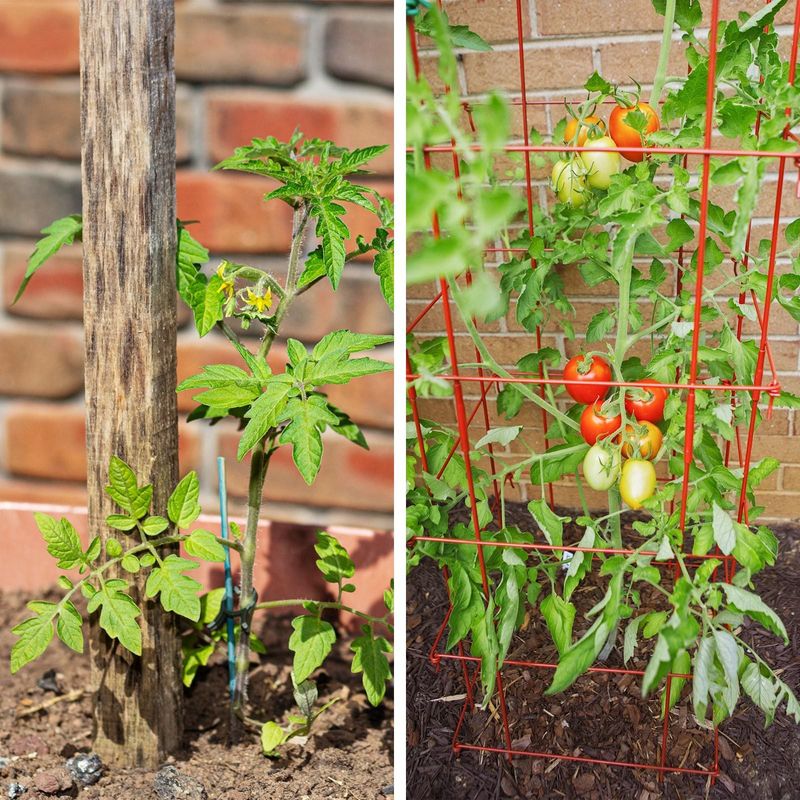
Letting tomato vines sprawl across the ground seems harmless, even natural, until you realize how much that free-range lifestyle costs the plant. Stems lying in the dirt turn into an open door for rot, pests, and soil-borne disease.
Fruit that rests on damp ground often develops soft, brown spots before it ever ripens. Slugs and other crawlers find those low-hanging tomatoes easily, and you end up losing the very harvest you worked all summer to grow.
Getting the plant up off the soil with a sturdy cage, stake, or trellis changes everything. Leaves catch more sunlight, air moves freely through the branches, and fruit stays clean and easier to spot when it’s ready to pick.
Set your support in place early, ideally at planting time, so you’re guiding young growth upward instead of wrestling a heavy, tangled plant into a cage in July.
5. Planting in the Same Spot Every Year
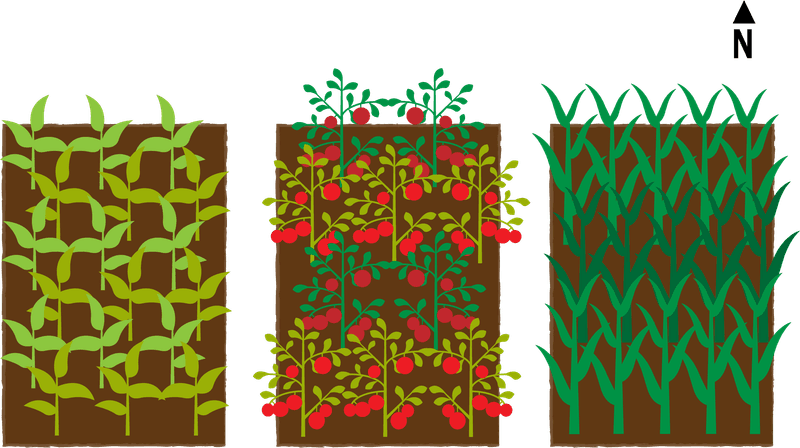
Your favorite sunny corner grew amazing tomatoes two summers ago, so of course you keep planting them there. The problem is that tomatoes leave more than good memories behind, and returning to the same soil year after year lets old problems pile up underground.
Soil-borne diseases such as fusarium and verticillium wilt can linger in the ground for several seasons. Each year you replant, those pathogens get another shot at your roots, and the plants may fade for reasons you can’t see from above.
Rotating your tomatoes to a fresh bed, and ideally not putting peppers, potatoes, or eggplants there either, gives the old spot time to reset. A simple three-year rotation across different beds can break the cycle before it steals your crop.
Short on space? Container growing with fresh potting mix each year is a reliable workaround for tight US backyards and small raised-bed setups.
6. Ignoring Early Warning Signs in the Leaves
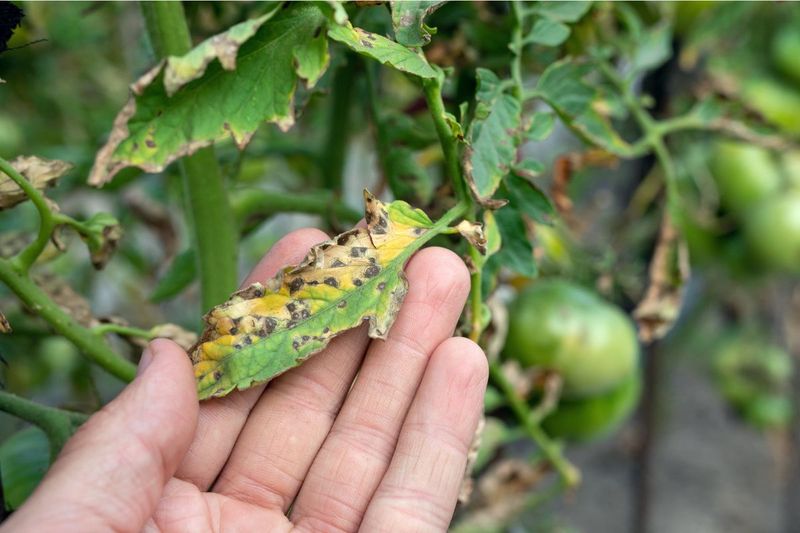
Leaves are basically your tomato plant’s way of sending you text messages, and most of us scroll right past them. Long before a plant collapses, its foliage flashes color changes and odd shapes that spell out exactly what’s going wrong.
Yellowing between the veins can point to a magnesium or nitrogen shortage, while a purple tint on the undersides often means the soil is too cold or low on phosphorus. Curling, spotting, and browning edges each tell their own story about water, heat, or disease.
Reading these signals early gives you time to act while a fix still matters. Catch a few speckled lower leaves and prune them off, and you may stop septoria before it climbs the whole plant.
Make a quick leaf check part of your walk through the garden. A ten-second glance at the newest and oldest leaves can reveal problems days before they become a full-blown crisis.
7. Mulching Right Up Against the Stem
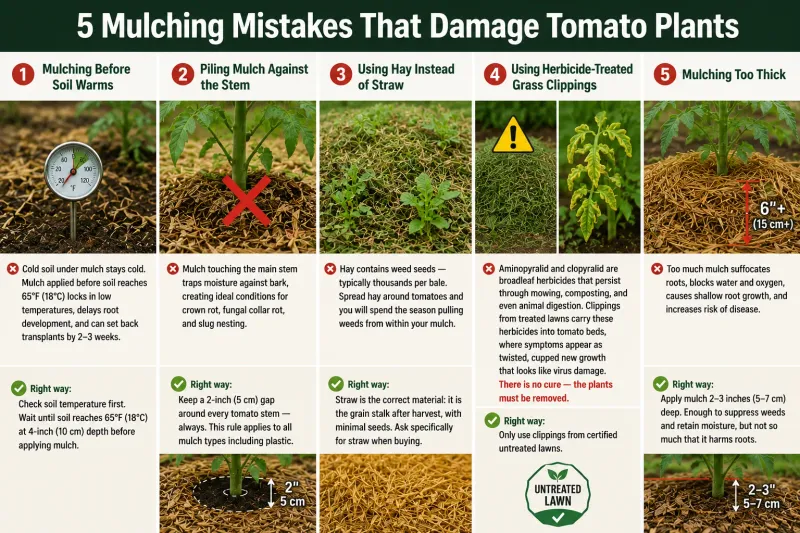
Mulch is one of the best things you can do for a tomato bed, which is why it’s surprising that piling it wrong can backfire. Heaping straw or wood chips right up against the stem traps constant moisture where the plant least wants it.
A stem that stays wet and buried is an invitation for rot and for pests that shelter in that damp, dark collar. Instead of holding steady moisture in the root zone, the mulch ends up softening the very part of the plant that needs to stay firm.
Leaving a small gap of a couple inches between the mulch and the stem solves it instantly. The soil below still stays cool and moist, weeds still get smothered, but air can reach the base of the plant.
Fun bit of trivia: gardeners call the bad version a mulch volcano, and what works against tree trunks quietly works against your tomatoes too. Spread it like a flat doughnut, not a mountain, and your plants will thank you with steadier growth.