
15 Spots Where Coneflowers Struggle To Bloom (And 5 Where They Suddenly Take Off)
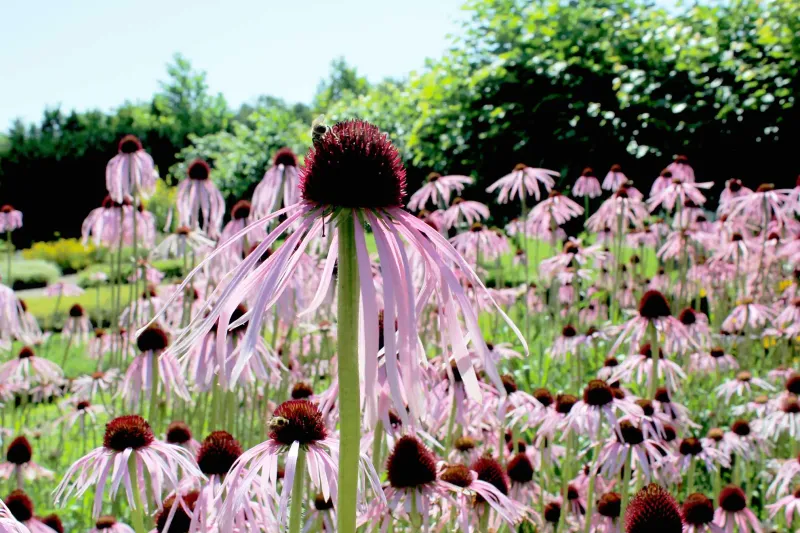
Coneflowers are tough, cheerful prairie natives that most gardeners expect to bloom without much fuss. But even these hardy plants have picky sides, and where you plant them makes a huge difference between a bed full of daisy-like blooms and a patch of sad, floppy stems. Below you will find fifteen spots where coneflowers tend to sulk and struggle, plus a handful of surprising places where they suddenly explode with color. Knowing the difference can save you a season of guessing and a lot of wasted seed.
1. Deep Shade Under Mature Trees
Picture a coneflower stuck beneath a wide oak canopy, reaching and stretching for light that never quite arrives. That constant hunt for sun is a losing battle for a plant built to soak up open prairie skies.
Coneflowers want at least six hours of direct sunlight, and dense tree shade rarely delivers even half of that. The result is leggy, weak stems and buds that either open small or refuse to open at all.
On top of the shade problem, big trees are thirsty. Their roots drink up most of the moisture and nutrients in the soil, leaving your coneflowers to compete for scraps. If you already have a shady corner like this, save it for hostas or ferns and give your echinacea a brighter home.
2. Soggy Low Spots That Never Drain
Every yard seems to have that one dip where puddles linger for days after a storm. Coneflowers planted there often rot from the roots up before they ever get a chance to shine.
Native prairie soil drains fast, and echinacea evolved to handle dry spells far better than wet feet. When roots sit in standing water, they suffocate and invite fungal problems that turn stems mushy and brown.
You might notice yellowing lower leaves and a plant that simply collapses in midsummer. If your low spot stays wet, either build up the area with a raised mound of gritty soil or move your coneflowers to higher ground where water rolls away instead of pooling.
3. Heavy Clay That Bakes Hard
Anyone who has tried to dig in dense clay knows the frustration of soil that turns to concrete in summer and gum in spring. Coneflower roots hate fighting through that kind of resistance.
Clay holds water long after rain and then cracks hard when it dries, which stresses the plant from both directions. Roots struggle to spread, and blooms come out stunted and few.
The good news is that clay is fixable. Working in compost, coarse sand, or fine gravel loosens the texture and gives roots room to breathe. Amend a wide area rather than just the planting hole, otherwise you create a bowl that traps water right around the crown.
4. Crowded Beds With No Air Flow

Packing plants shoulder to shoulder feels efficient, but coneflowers pay the price when air cannot move between the leaves. Stale, humid pockets are a playground for disease.
Fungal troubles like powdery mildew and aster yellows love tight quarters. When leaves stay damp and crowded, spots spread quickly and blooms fade before their time.
Give each plant elbow room, usually a foot or two depending on the variety. Thinning a jammed bed may feel harsh, but the plants that remain will reward you with bigger, healthier flowers and far fewer leaf problems by peak season.
5. Over-Fertilized Rich Garden Soil
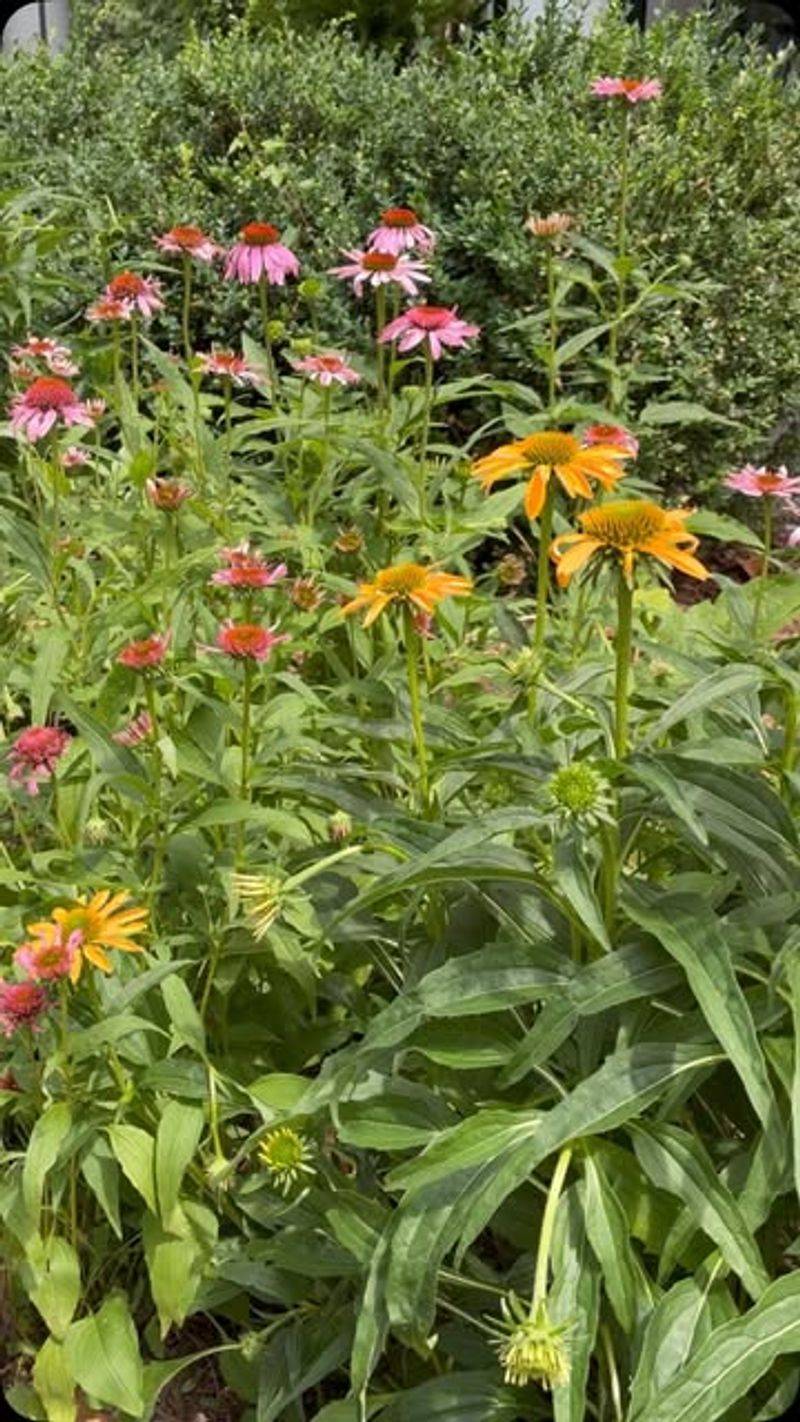
It sounds backwards, but spoiling coneflowers with too much fertilizer often leaves you with all leaves and almost no blooms. These prairie plants actually prefer a lean diet.
Heavy nitrogen pushes lush green growth at the expense of flowers, and the stems can grow so tall and soft that they flop over in the first strong wind. You end up with a jungle of foliage and a shortage of the daisy heads you wanted.
Skip the rich feeding routine you might use on annuals. A single light topdressing of compost in spring is usually plenty. Hungry-looking coneflowers still bloom better than pampered ones, so err on the side of less.
6. North-Facing Walls And Fences
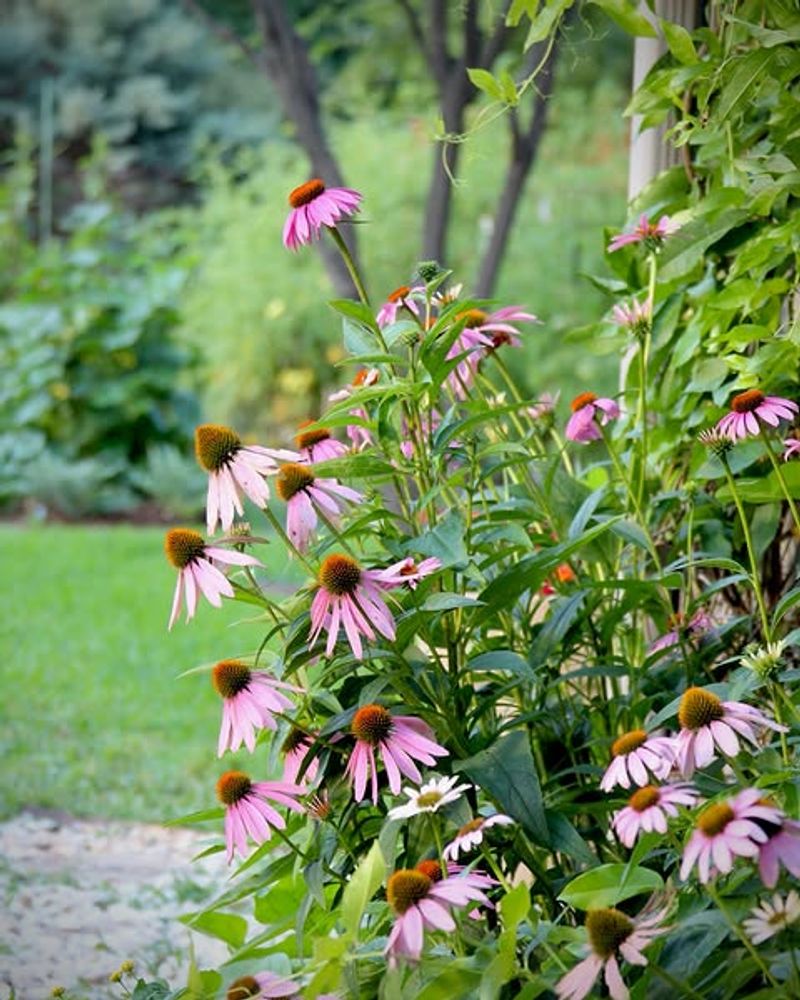
A spot tucked against the north side of the house might seem cozy, but for coneflowers it is one of the dimmest corners you can pick. The sun simply never swings around to warm it properly.
Walls and fences facing north stay cool and shadowed through most of the day, especially in spring and fall. Coneflowers there grow slow, lean toward whatever light they can find, and produce sparse, disappointing blooms.
Cool, still air along a north wall also keeps moisture hanging around leaves longer, nudging plants toward mildew. Save these narrow beds for shade lovers and plant your echinacea somewhere it can catch the afternoon sun head on.
7. Containers That Are Too Small
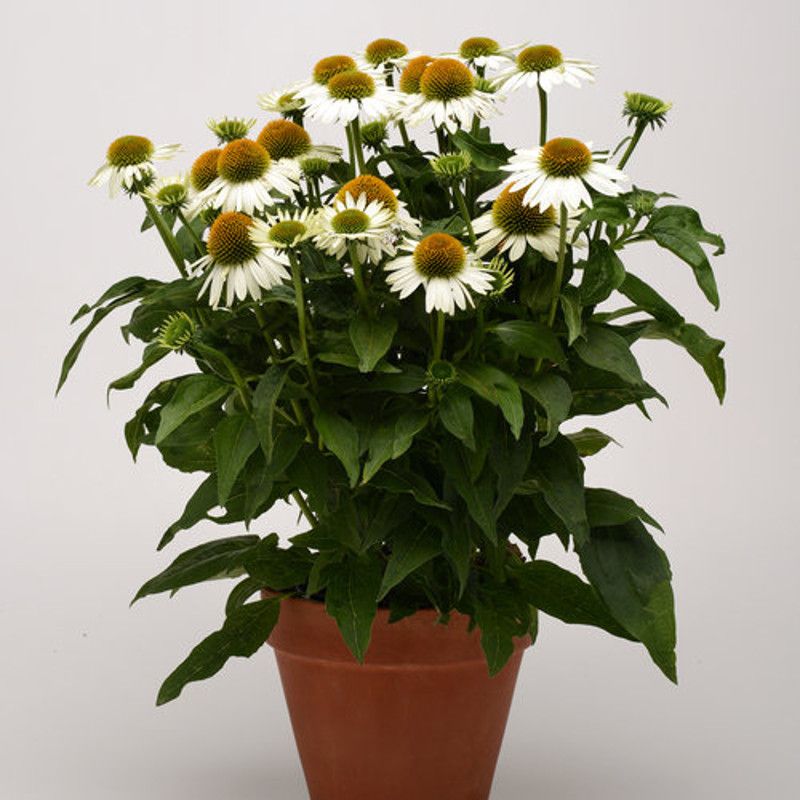
Tucking a coneflower into a cute little pot on the porch seems harmless until the roots run out of room by midsummer. Cramped containers strangle these deep-rooted natives fast.
Echinacea sends down a long taproot and wants space to anchor itself. A shallow or narrow pot dries out in hours during heat and leaves roots circling with nowhere to go, which shows up as wilting and skimpy flowering.
If you love the container look, go big, at least twelve inches deep and wide, and use a gritty, free-draining mix. Even then, potted coneflowers usually need dividing or moving into the ground after a season or two to keep them happy.
8. Windy Exposed Corners
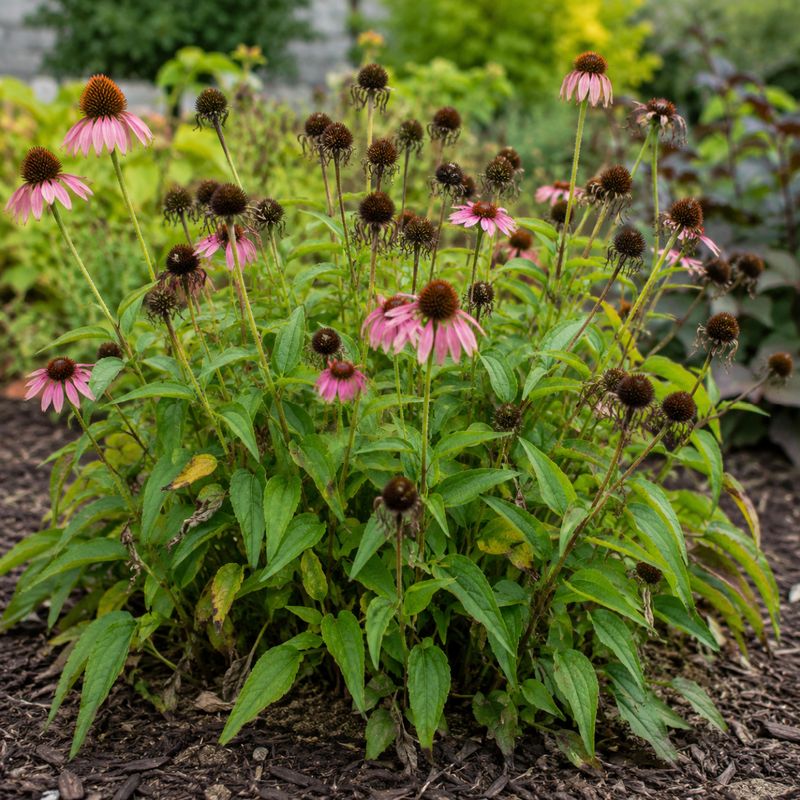
Some corners of a yard act like wind tunnels, funneling every gust straight through your flower beds. Coneflowers planted in that path spend the season getting battered.
Constant wind dries out soil and leaves in a hurry, and tall bloom stems snap or bend under the pressure. You might find your best flowers lying face down in the mulch after one rough afternoon.
A little shelter changes everything. Planting near a low shrub, a berm, or a section of open fence breaks the force of the wind without blocking the sun. Sturdier varieties help too, but even those appreciate a break from a relentless breeze.
9. Beds Overrun By Aggressive Groundcovers

Vinca, creeping jenny, and other spreading mats look tidy until they swallow everything in their path. Coneflowers dropped into that carpet quietly lose the fight for space.
Aggressive groundcovers weave through the soil and hog water, light at the base, and root room. Your echinacea gets smothered at the crown and never builds the strength to push up a full flush of blooms.
Watch for coneflowers that seem to shrink year after year in a groundcover bed. Clearing a generous open circle around each plant, and keeping it clear, gives them the breathing space they need to size up and flower again.
10. Freshly Disturbed Construction Ground
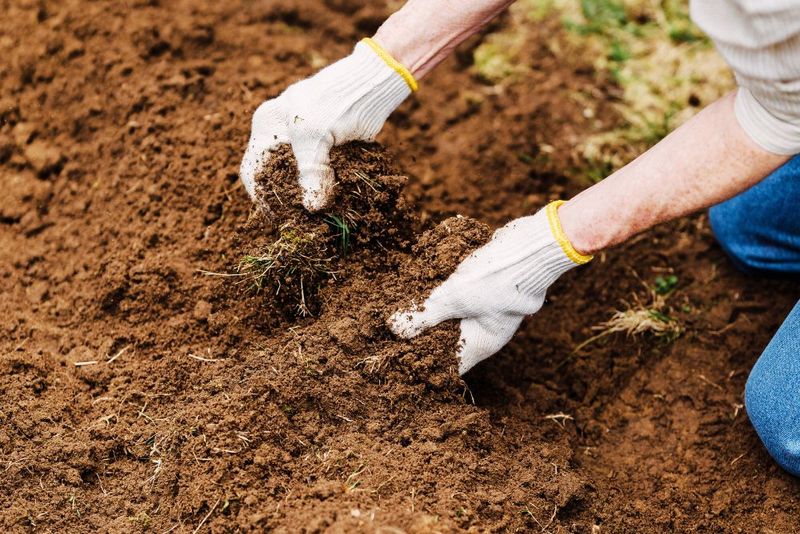
New builds and recent landscaping often leave behind a mess of compacted subsoil, buried rubble, and stripped-away topsoil. Coneflowers set into that harsh ground rarely thrive their first years.
Heavy machinery presses the soil into a dense layer that roots can barely penetrate, and leftover concrete or lime can throw the pH out of balance. Plants sit and sulk instead of settling in.
Before planting, dig test holes to check how far you can go before hitting hardpan. Loosening a wide area and blending in compost helps enormously. Patience pays here, as coneflowers often need a full season just to recover before they bloom well.
11. Spots Plagued By Aster Yellows Disease
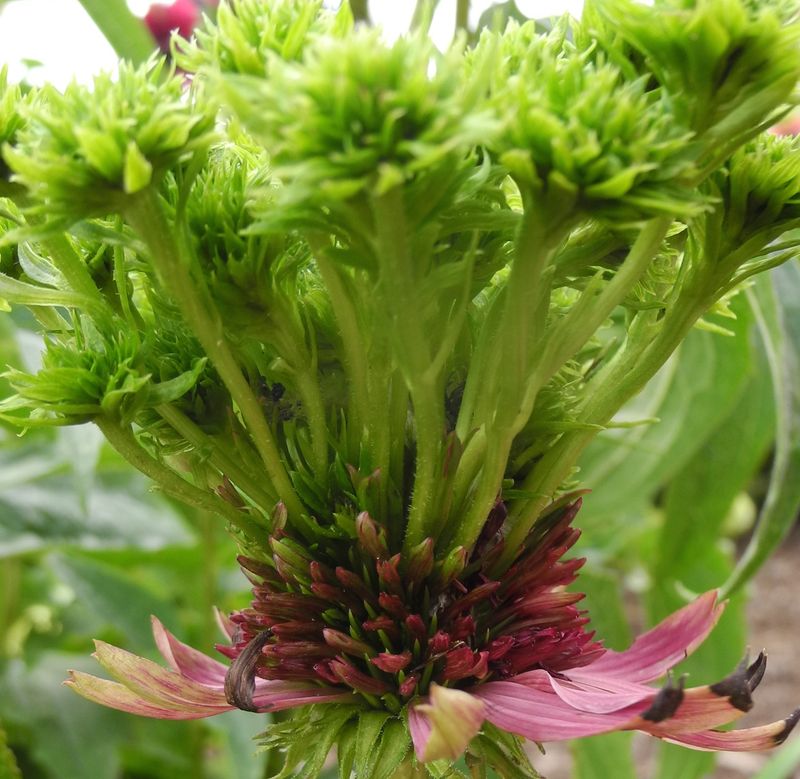
Nothing looks stranger than a coneflower sprouting weird green tufts right out of its cone. That eerie deformity is a warning sign of aster yellows, spread by tiny leafhoppers.
Once a plant catches this disease, its flowers twist, turn green, and stop performing. Reading those distorted blooms early as a red flag lets you act before it hops to neighbors.
Infected plants cannot be cured and should be pulled and tossed, not composted. Areas with a history of the disease stay risky, so keeping leafhoppers in check and removing sick plants promptly is the only reliable defense. A clean bed is a blooming bed.
12. Ground Where Slugs And Earwigs Rule
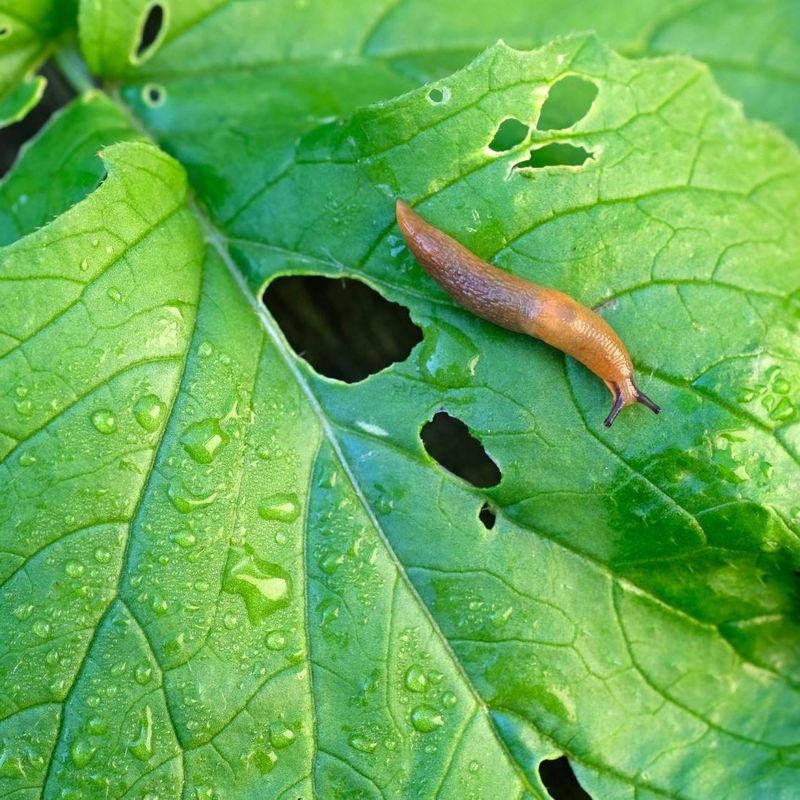
A shady, damp bed near mulch piles or dense foliage can hide an army of slugs and earwigs that feast after dark. Coneflower seedlings and tender new growth vanish overnight in these spots.
Chewed, ragged leaves and stripped flower buds are the calling cards. Young plants may never gain enough leaf area to fuel a good bloom, staying stunted while the pests keep grazing.
Coarse mulch, less overhead moisture, and hand-picking at dusk can reduce the damage. Some gardeners find that a ring of crushed eggshells or a scent barrier of crushed garlic around the base may help keep soft-bodied pests moving along. Drier, brighter conditions naturally tip the odds back in the coneflower’s favor.
13. Salty Roadside And Sidewalk Edges
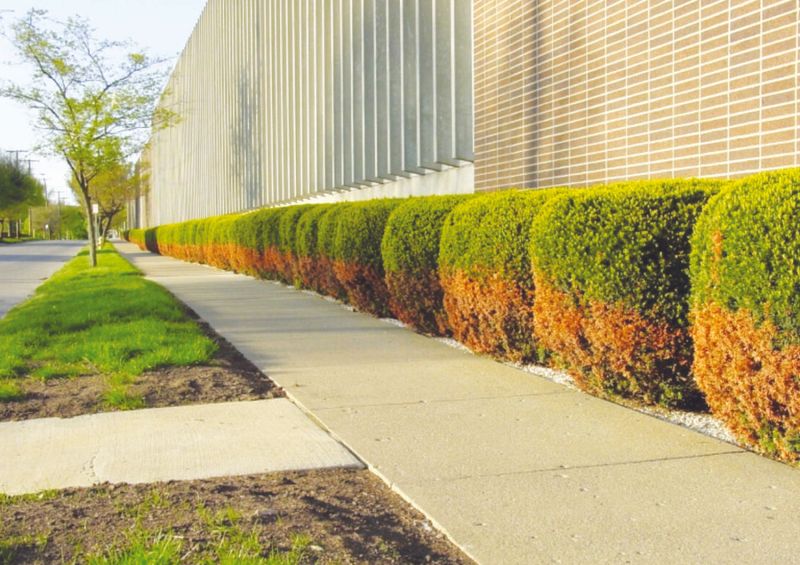
Strips of ground next to driveways, roads, and city sidewalks take a beating from winter de-icing salt. Coneflowers planted there often limp along, scorched before summer even starts.
Salt builds up in the soil and pulls moisture away from roots, leaving leaf edges brown and crispy. Growth stalls, and blooms come in weak or not at all along these harsh margins.
Flushing the soil with deep watering in spring can leach some salt away, and setting plants back a few feet from the pavement helps a lot. Coneflowers are tougher than many perennials, but a steady salt diet is more than even they can shrug off.
14. Deep Mulch Piled Against The Crown
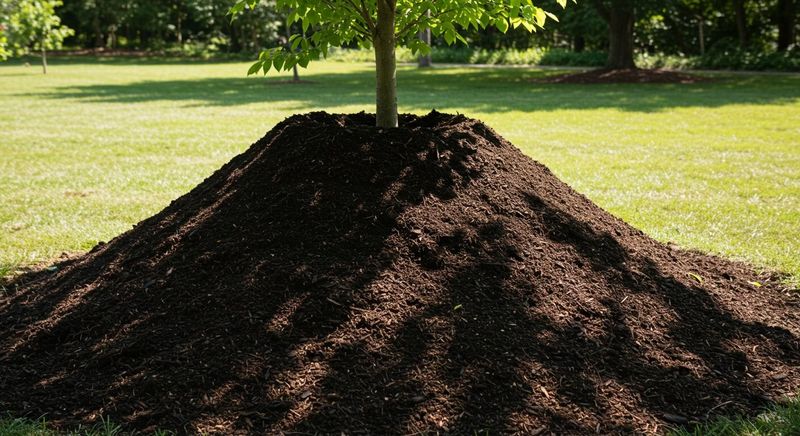
Mulch is a gardener’s friend right up until it gets shoveled into a volcano around the plant’s base. Coneflower crowns buried under thick mulch rot quietly from the center.
The crown is where stems meet roots, and it needs air, not a heavy blanket. When mulch smothers that point, moisture collects, and the plant softens and declines even while the surrounding soil looks perfect.
Keep mulch a couple of inches thick and pull it back from the stems so the crown stays exposed. A simple donut shape around the plant, rather than a mound, protects roots without choking the part that keeps everything alive.
15. Open Prairie-Style Beds In Full Sun
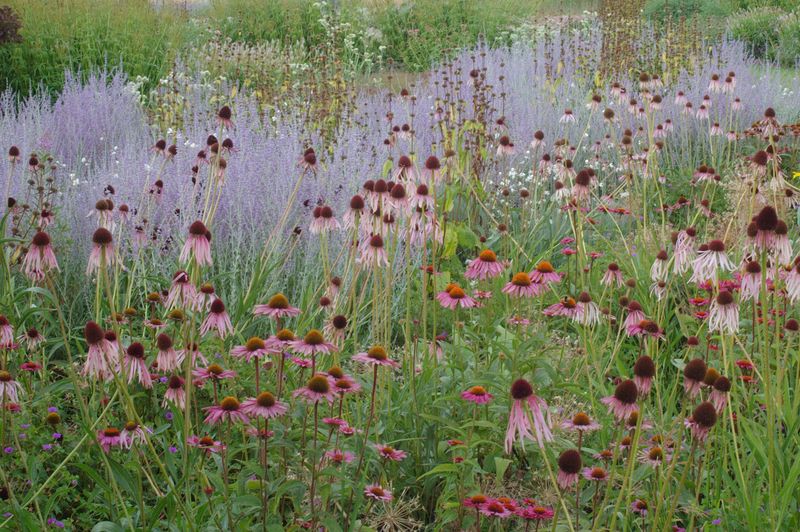
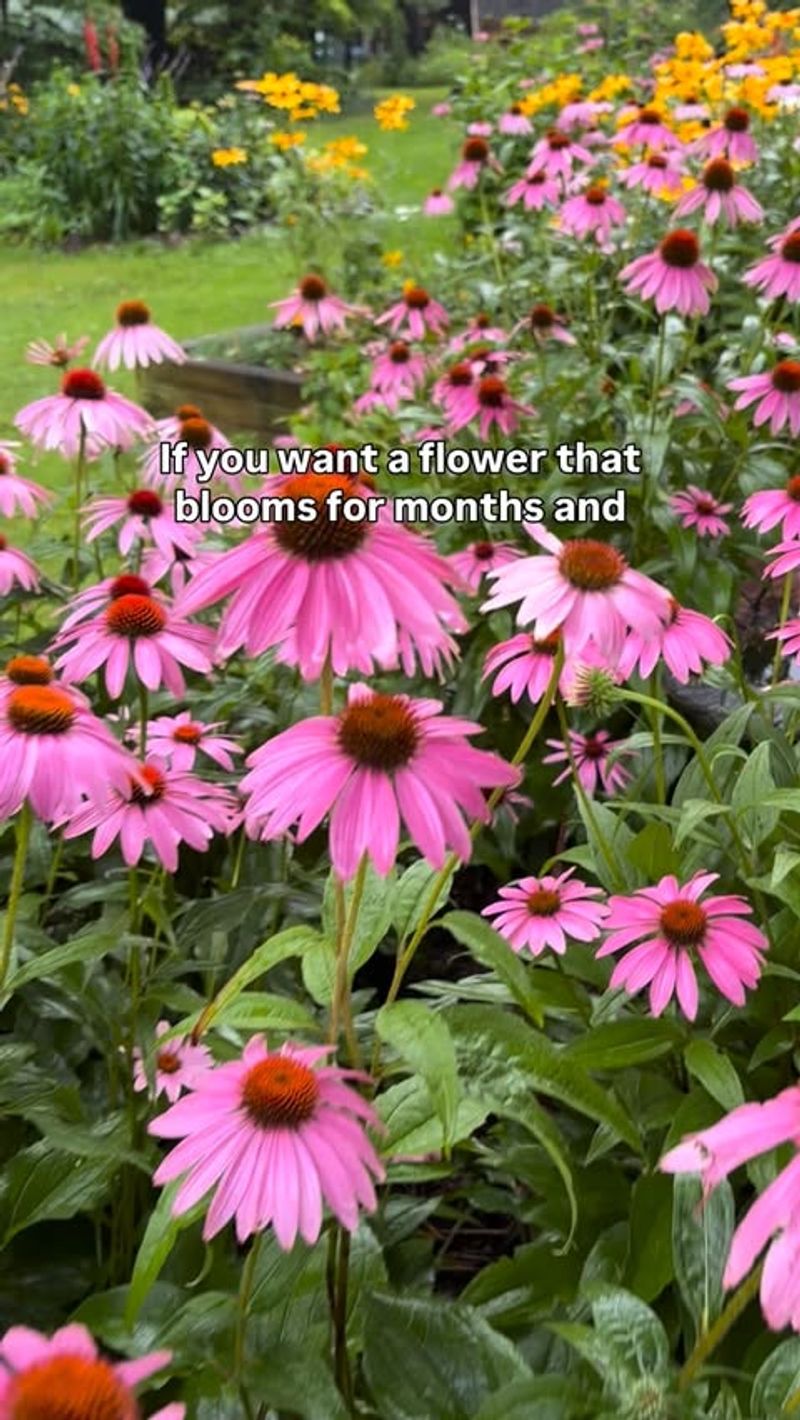
Here is where the story turns around. Give a coneflower a wide, sunny bed that mimics its native prairie and it practically bursts into bloom without you lifting a finger.
Six or more hours of direct sun, lean well-drained soil, and room to spread hit every note echinacea loves. Stems grow sturdy, cones stand tall, and pollinators show up in droves.
Pair them with grasses, black-eyed susans, and yarrow for a low-maintenance patch that keeps flowering from summer into fall. Beds like this need little watering once established, and the coneflowers often seed themselves into cheerful new colonies. It is the closest thing to a guaranteed win, and a perfect spot to end the tour on a high note.