
7 Fall Jobs Your Peonies Need Before Winter (Most Gardeners Forget The One That Matters Most)
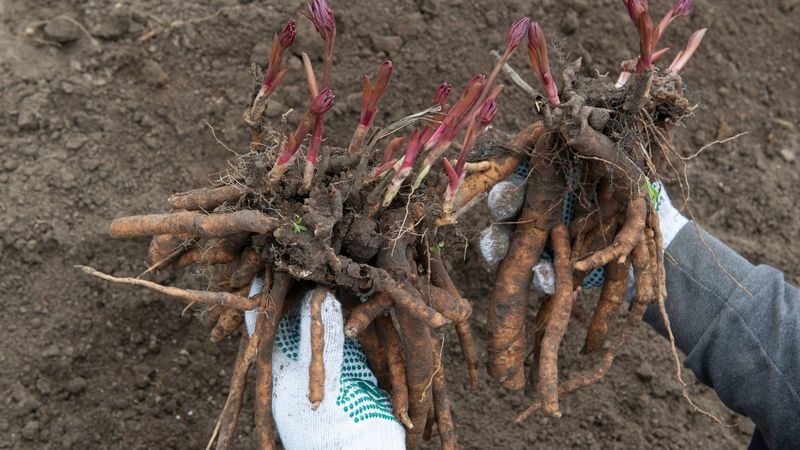
Your peonies might look finished for the year, but fall is when next spring’s flowers are quietly decided. A few simple chores now can mean the difference between a bush full of fat blooms and a plant that only grows leaves.
Most of these jobs take less than an hour and cost almost nothing. One of them, though, trips up even experienced gardeners, and it is the reason many healthy peonies never flower at all.
1. Cut Back Foliage at the Right Time
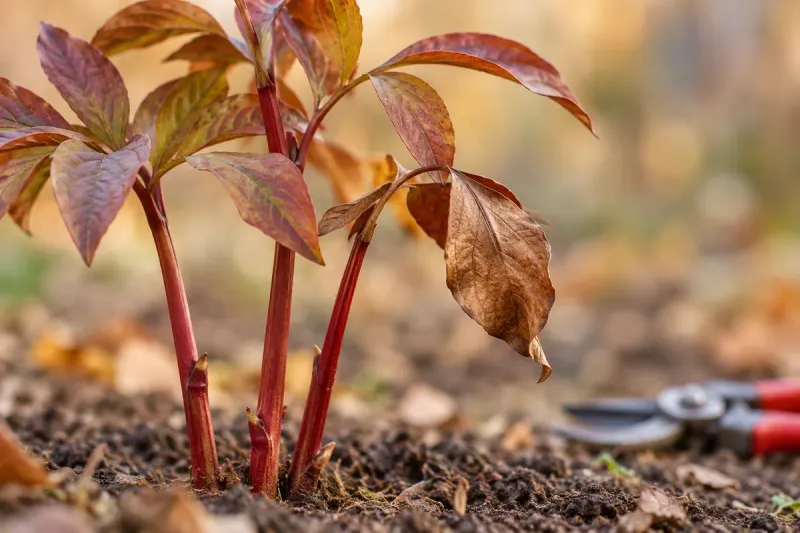
Patience pays off here more than almost anywhere else in the garden. Those tired, spotted peony leaves are still working, sending sugars down to the roots to fuel next year’s flowers.
Wait until after the first hard frost, when the foliage has turned yellow or brown and flopped over on its own. Then snip herbaceous and Itoh peony stems down to about 2 to 3 inches above the ground.
Cutting in late August just because the plant looks messy can rob it of stored energy.
One big exception: tree peonies. Their woody stems carry next year’s buds, so leave them standing and only remove dead or broken wood.
2. Trash the Cut Foliage, Don’t Compost It

Picture a pile of peony stems sitting in your compost bin all winter, looking harmless. Inside those leaves, fungal spores like botrytis (gray mold), powdery mildew, and leaf blotch may be resting, waiting for spring rain.
Home compost piles rarely get hot enough to kill these troublemakers. Spread that compost later, and you could be handing the disease right back to your plants.
Foliar nematodes can hitch a ride the same way.
So bag every scrap and put it in the trash, or burn it where that is allowed. It feels wasteful, but it is one of the easiest ways to reduce gray mold and blotchy leaves next season.
3. Clean Up Around the Crown
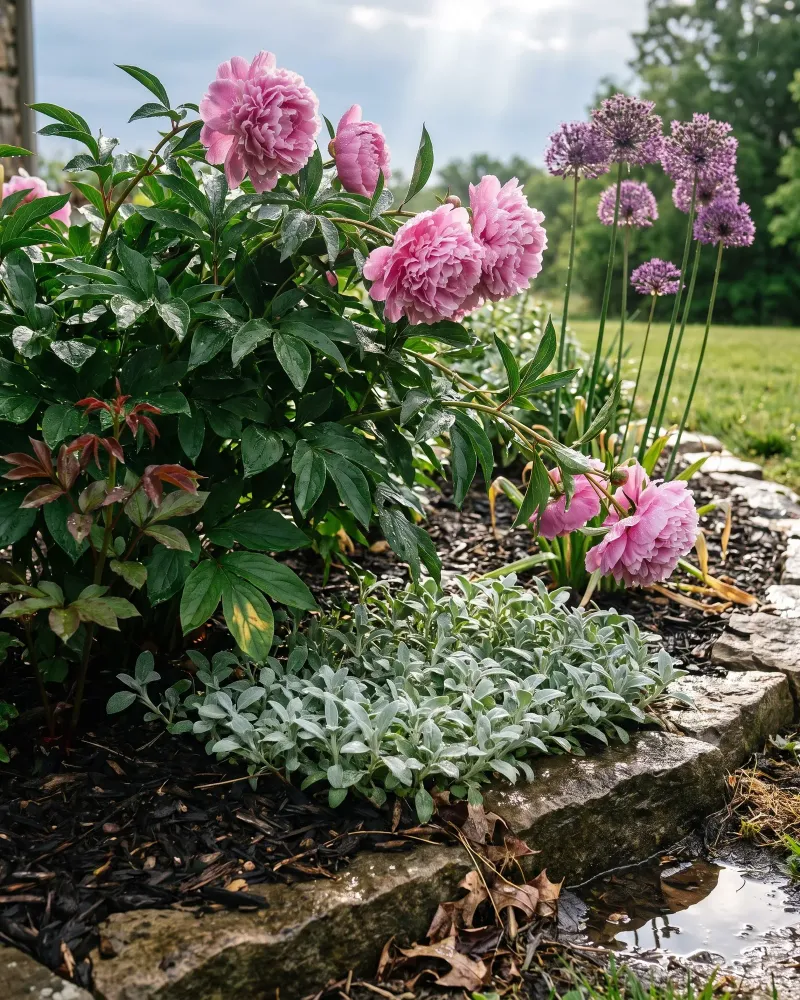
Think of the crown as your peony’s front porch. If it is buried under soggy leaves and weeds, rot and pests will happily move in for the winter.
Once the stems are cut, rake away fallen tree leaves, pull weeds, and pick up any leftover plant bits around the base. Be gentle, since the pinkish-red buds, called eyes, sit right near the soil surface and snap easily.
A tidy, airy crown dries out faster after rain. That simple change can help cut down on fungal trouble and gives slugs and other critters fewer places to hide until spring.
4. Divide or Move Crowded Plants
Grandma’s peony that bloomed like crazy for twenty years and now barely manages five flowers? It may simply be crowded, or a tree grew up and stole its sunshine.
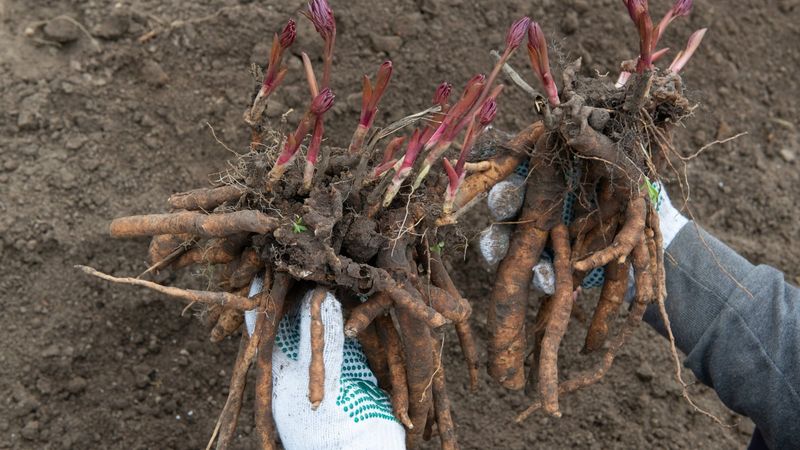
Fall is the best time to fix that, ideally on a cool, cloudy day about 4 to 6 weeks before your ground freezes. Dig the whole clump, rinse off the soil, and cut it into pieces that each have at least three to five eyes.
Smaller chunks will survive, but they take years longer to bloom.
Wipe your knife or spade with rubbing alcohol between plants so you don’t spread disease. Then move divisions to a spot with at least six hours of sun.
Peonies are famous for living a century or more, so a good new home is a long-term gift.
5. Plant at the Right Depth (The One That Matters Most)
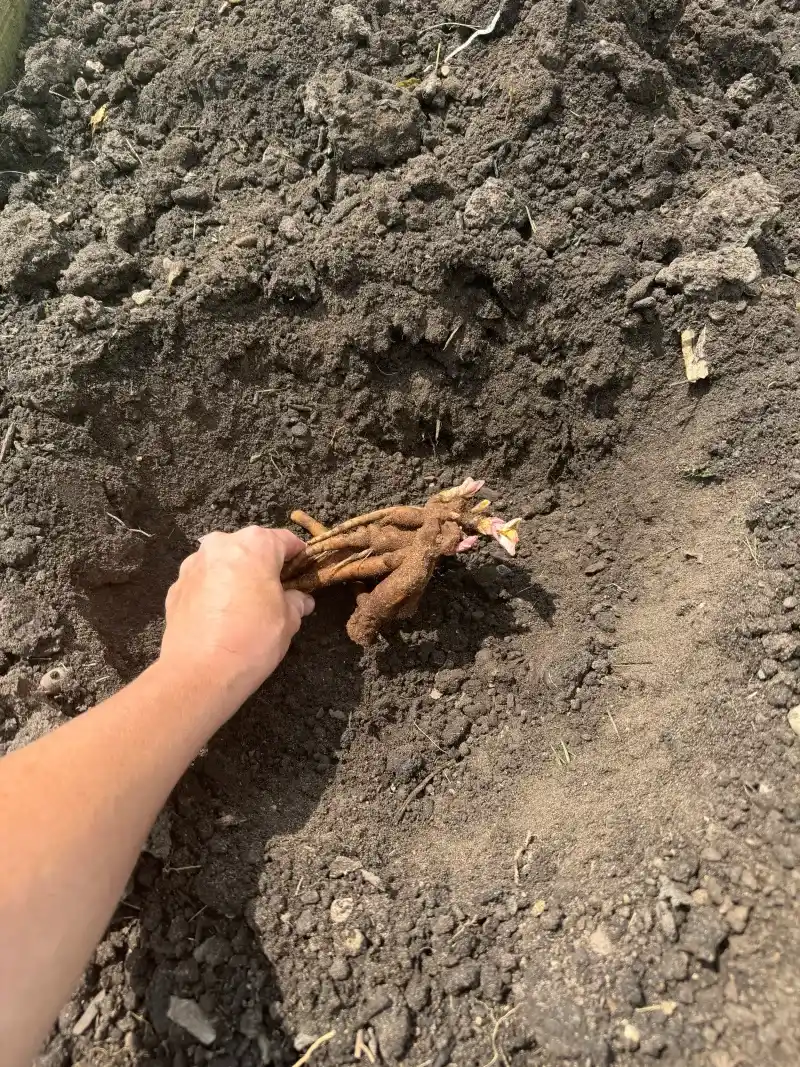
Here it is, the job most gardeners skip, and the number one reason a lush, healthy peony refuses to flower. Plant it too deep, and you can get years of beautiful leaves with zero blooms.
Whether you are setting in a new bare-root peony or replanting a division, the eyes should sit no more than 1 to 2 inches below the soil. In warmer Southern gardens, aim closer to 1 inch so the plant still gets enough winter chill.
Keep a ruler handy, because soil settles and mulch piles up over time. If an older peony has leafy stems but no buds, check how deep the eyes are now.
Gently lifting and resetting a buried plant this fall may be all it takes to finally see flowers.
6. Feed Lightly, Only If Needed
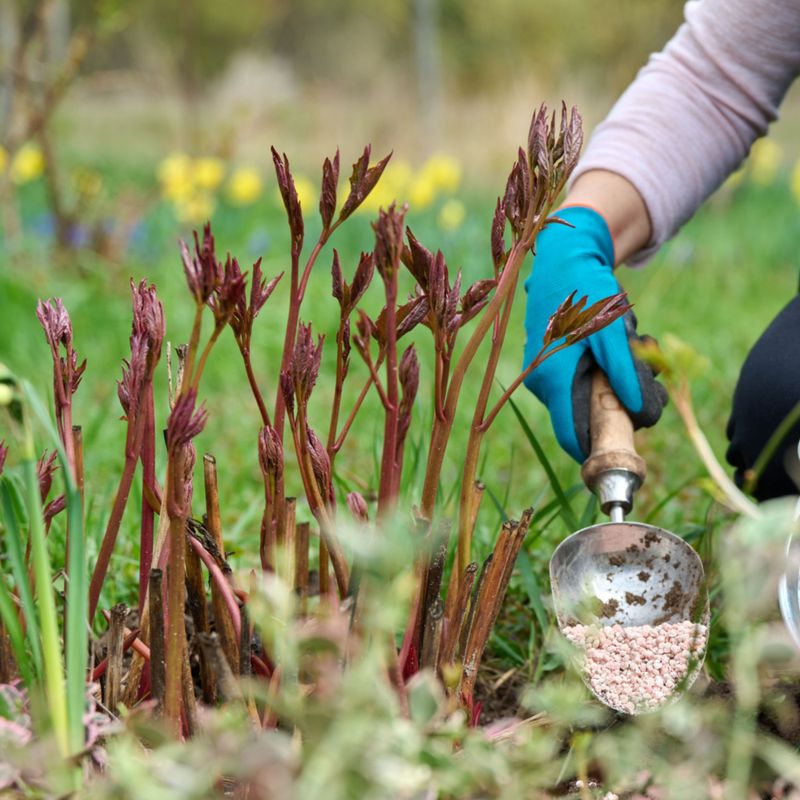
Less is more with peonies. These tough perennials often bloom best when you mostly leave them alone, so skip fertilizer if your plant flowered well this year.
Did it struggle, or is your soil thin and sandy? A light fall feeding after cleanup can help.
Reach for compost, bone meal, or a slow-release organic fertilizer that supports roots rather than leaves.
Stay away from high-nitrogen products now, since they can push soft growth at the wrong time and favor foliage over flowers. Sprinkle in a ring around the drip line, never piled on the crown.
7. Mulch Only New Plantings
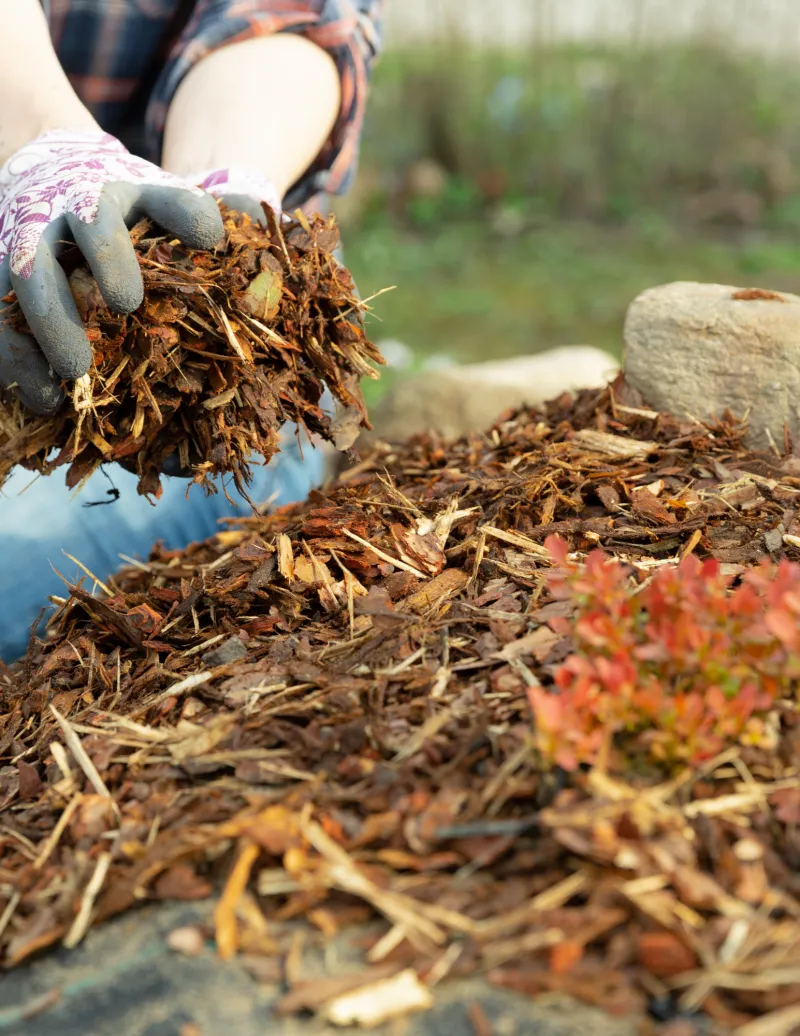
Funny thing about mulch: the same blanket that protects a baby peony can smother a grown-up one. Established plants rarely need it, and heavy mulch can trap moisture around the crown and invite rot.
New plantings and fresh divisions are different. Their young roots haven’t anchored yet, so freezing and thawing can push them right out of the ground, which is called frost heaving.
After the soil freezes, spread a light layer of shredded leaves, pine needles, straw, or wood mulch over them. Then mark your calendar to pull it back in very early spring so the soil warms and those red shoots can push up.
Do that, and your peonies are tucked in for winter.