
Creeping Charlie Can Come Back After Pulling When Rooted Stem and Root Pieces Get Left Behind
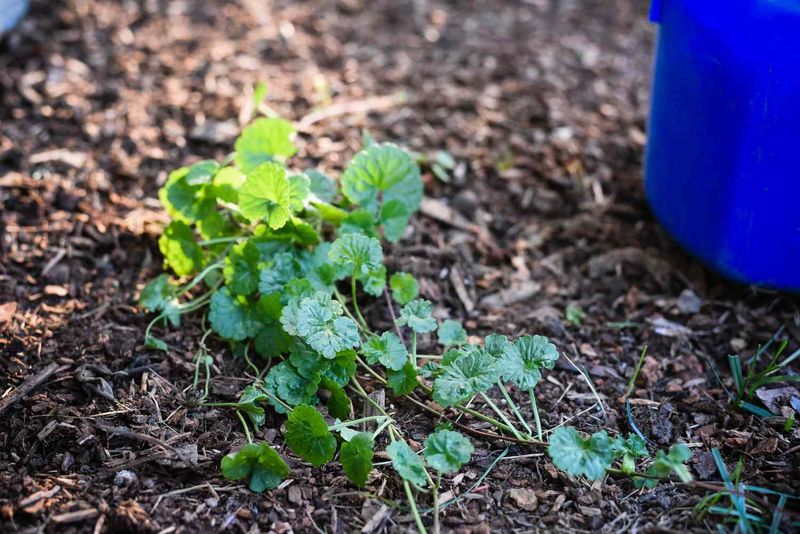
You yanked out a patch of Creeping Charlie, the soil looked clean, and a few weeks later green runners were back. That is frustrating, but it does not mean you did something wrong.
The weed has a sneaky way of growing that makes it easy to leave a few living pieces behind. Here is how to find those pieces, clear them out, and handle lawns differently from flower beds.
Why Creeping Charlie can return after pulling

Here is the good news: pulling is not what makes Creeping Charlie come back. The weed returns when living plant portions stay in the ground after you finish.
That can include rooted nodes, pieces of stem, or bits of root, and any of them may regrow if they survive.
Creeping Charlie, also called ground ivy, spreads by long creeping stems that run across the soil. Those stems wander under leaves, mulch, and the foliage of your hostas or hydrangeas.
So a patch that looks small on top may be linked to runners reaching well beyond what you pulled.
It also helps to know that unseen stems are not the only possible source. Fine, shallow roots can stay behind too.
Not every tiny scrap will necessarily regrow, but enough survivors can rebuild a patch, which is why a quick tug often looks like a win for a couple of weeks.
The goal, then, is not to pull harder. It is to remove enough of the runners and rooted portions that little is left to regrow.
Iowa State Extension guidance recommends pulling or digging small patches, taking out the runners and roots, and coming back to remove any regrowth.
Think of it as a two-step job: clear the patch, then check on it. Once you see it that way, a few returning sprouts stop feeling like failure and start feeling like the expected follow-up.
Recognize the runners and rooted nodes
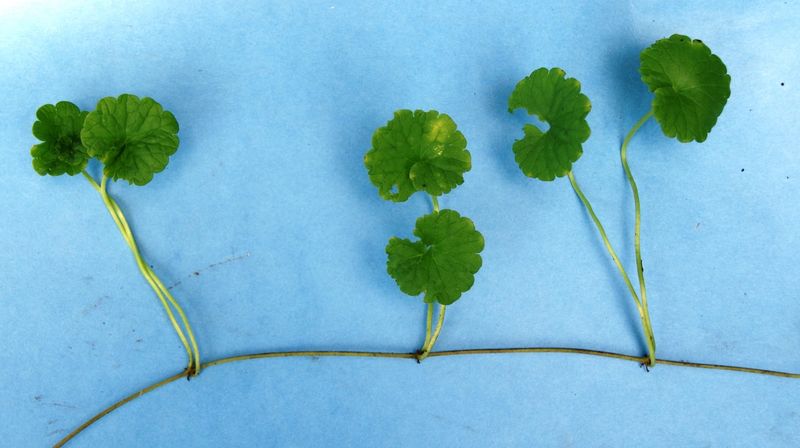
Flip over a mat of Creeping Charlie and you will see what you are really fighting. The creeping stems are called stolons, and they crawl along the ground rather than growing down into it.
They are not simply hidden roots.
Look at the nodes, the little joints where leaves attach along each stolon. Roots may form at those nodes wherever the stem touches soil.
That is how a single runner can anchor itself every few inches as it travels.
The plant also has fine, shallow roots. According to the U.S.
Forest Service species review, ground ivy spreads along its creeping stems, and nodes can take root. Because those roots are thin and close to the surface, they are easy to snap off.
That explains the usual scene. When you tug on the leafy top, the stolon may break at a rooted node, leaving that anchor point in the soil.
A surface pull can also leave thread-like roots behind.
You do not need to panic about every speck. Surviving rooted nodes and stem or root portions are the likely troublemakers, not every crumb of leaf.
Before you dig, lift the foliage of nearby plants and look under it. Follow any stolon you spot until it ends, and mark the spots where it has rooted so you can dig them out.
Loosen damp soil and remove the runners

Timing your work makes this job far easier. Damp soil lets roots slide out whole instead of snapping.
After a soaking rain, or after you water the bed deeply, the ground loosens and runners come free with much less fuss, as Iowa State Extension notes.
This method is for a small patch in a planting bed, not for lawn grass. Grab a hand fork or trowel and loosen the soil around the patch first.
Work gently near your desirable plants so you do not damage their roots.
Next, find the end of a runner and follow it back toward the main clump. Lift it as you go rather than yanking, so the stolon stays in one piece.
Each time you hit a rooted node, dig it out with the soil clinging to it.
Check the area under the leaves of your other plants. Runners love to hide there, and they often reach farther than you expect.
Finally, remove all the plant debris from the bed. Bag it or haul it away instead of leaving pulled stems on the soil or tossing them in a pile nearby, where rooted pieces may survive.
Smooth the soil when you finish. A clean, bare patch makes any new sprouts easy to spot next time.
Return to inspect for regrowth
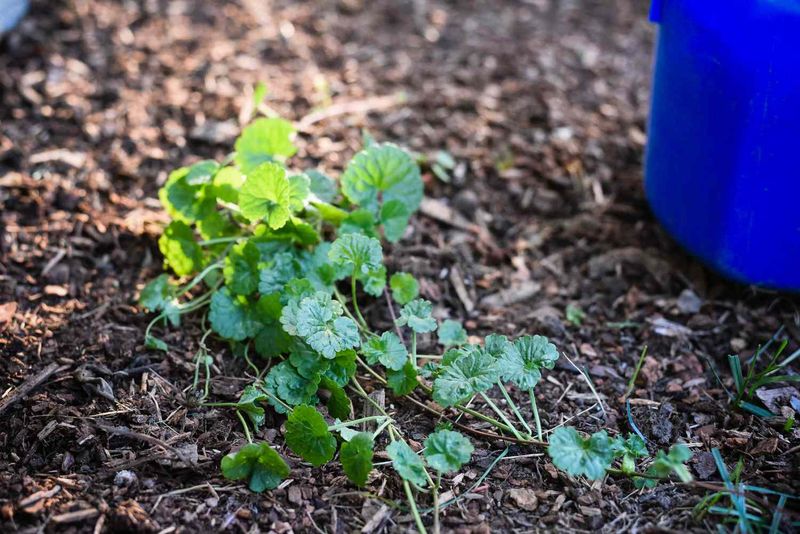
A cleared bed is not a finished bed. Plan to walk back over it in a week or two, then keep checking through the growing season.
Small new shoots from missed nodes or roots are common, and they are far easier to remove when they are young.
Complete one-time eradication is not assured, so repeat visits are simply part of the plan. Iowa State Extension advises persistence and removing regrowth as it appears.
Here is an easy routine. Pick a day you already spend in the garden, like watering day, and take two minutes to scan the same spot.
Look for rounded, scalloped leaves poking up where the patch used to be.
When you find one, pull or dig it right then. A tiny sprout often comes out with a light tug, and a slightly bigger one may need the trowel again.
If you keep finding runners in the same corner, that tells you something useful. A rooted piece is probably still down there, so dig a little wider and deeper.
Over time, the sprouts should get fewer. Do not be discouraged by the first round.
Each check takes out another bit of the plant, and the bed gets calmer.
Choose a lawn-specific approach
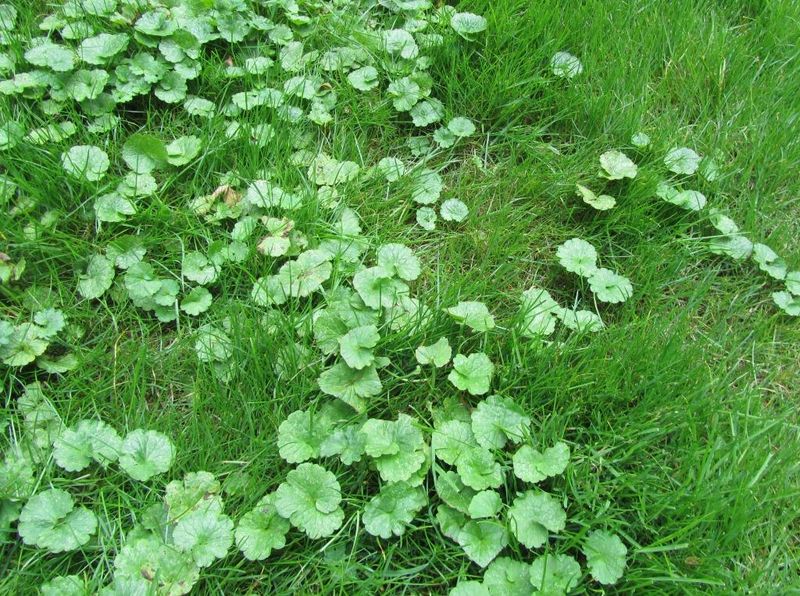
Lawns are a different story from flower beds. In grass, hand removal can work on small patches, but you may need to repeat it.
Large or well-established patches usually call for more than digging.
For bigger lawn infestations, early fall is a favorable time for herbicide treatment, and some extension sources also suggest spring. University of Minnesota Extension describes these treatment windows.
There is no single date for the whole country, since timing depends on your region and on whether the plant is actively growing, so check your local extension office.
If you choose a herbicide, follow the product label for your site and intended use. EPA guidance explains why reading the label first matters.
Lawn products can injure desirable broadleaf plants, so keep them out of flower and vegetable beds unless the label specifically allows that use. You may also need more than one application.
Also think about pesticide drift. Spray or vapor can reach nearby plants, so avoid windy days and keep products away from your hydrangeas, tomatoes, and borders.
Skip borax as a fix. Iowa State reports inconsistent results and a risk of plant damage.
Finally, keep your turf thick and healthy. Dense grass can slow the spread, but it is not a quick cure once Creeping Charlie is established.
Keep the plan focused on persistence
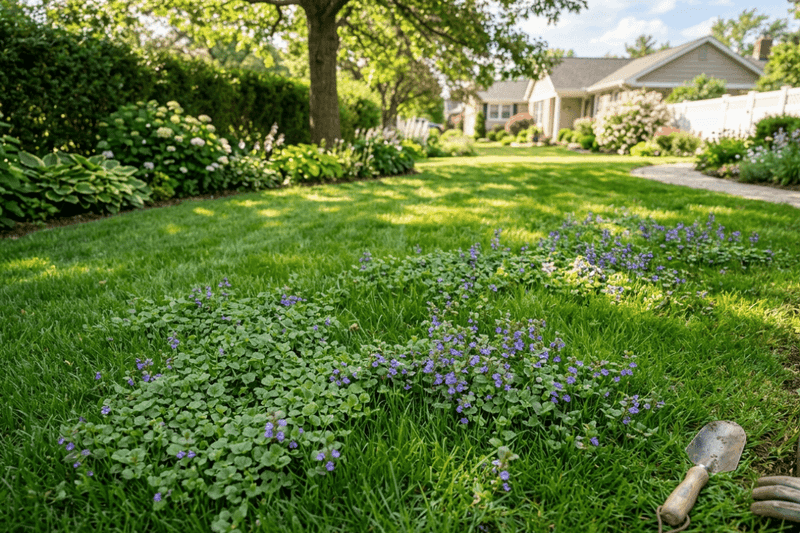
In beds, trace the runners, dig out rooted portions, and check back for new growth. In lawns, pick a method that suits grass and follow the label.
Extension guidance points to repeated effort, not a one-time cleanup.
Creeping Charlie rewards the patient gardener, one small check at a time.