
7 Fig Tree Spacing Mistakes North Carolina Gardeners Make That Wreck Foundations And Pipes Within A Few Years
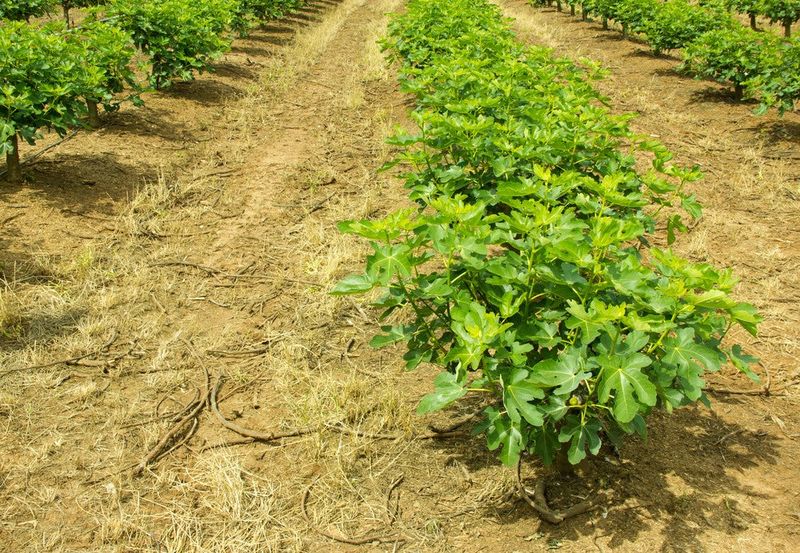
Fig trees like Celeste and Brown Turkey grow beautifully across North Carolina, but their thirsty roots can quietly cause trouble close to your house. Plant one too near your foundation or an old sewer line, and you might face cracked walls or clogged pipes within a few years.
The good news is that every one of these problems is easy to avoid once you know the right spacing. Here are seven common mistakes NC gardeners make, and how to plant smarter this season.
1. Planting Too Close to the Foundation
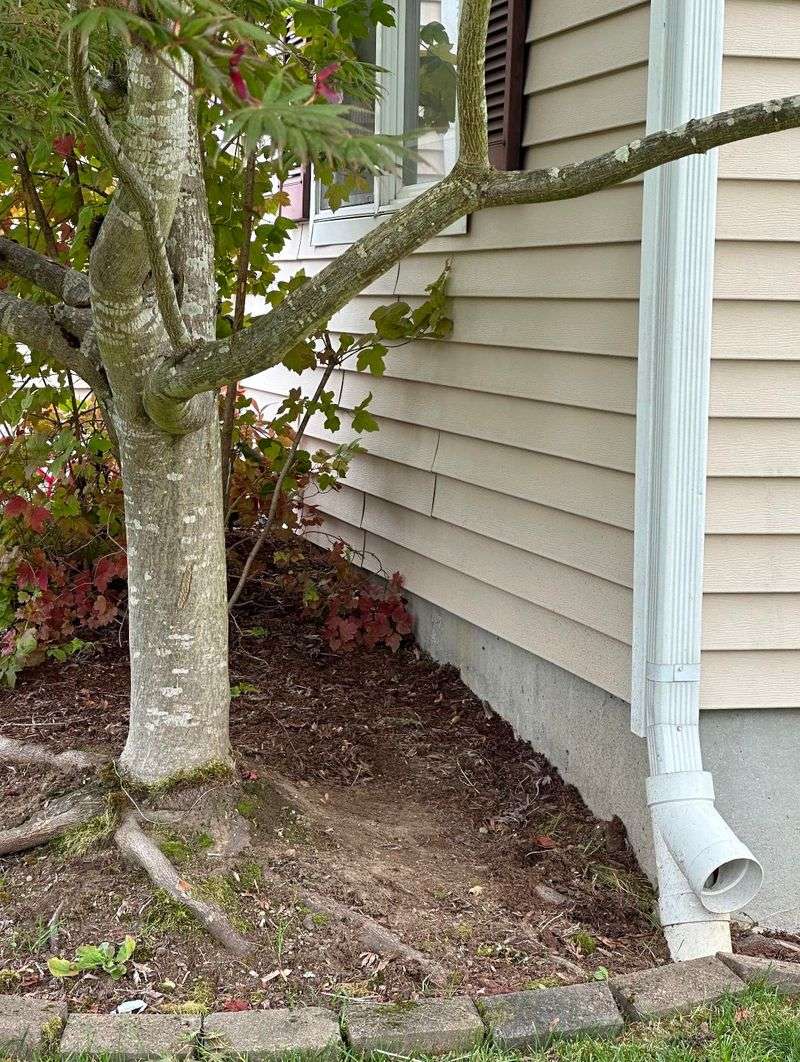
Picture a young Celeste fig tucked snugly against the back wall of your house because it looked cute there in spring. Fast forward a few summers, and those roots are reaching straight under your foundation looking for water.
In North Carolina’s clay-heavy Piedmont soil, the bigger danger is not roots cracking concrete directly. It is the roots pulling moisture out of the ground, which makes clay shrink and swell unevenly.
That differential movement can lead to settlement cracks in your foundation over time.
Give your fig some breathing room instead. Many experts suggest keeping trees at least 8 to 10 feet from any structure, and cautious gardeners push that to 20 feet or more.
Your foundation will thank you, and your fig will still produce plenty of fruit.
2. Ignoring the Distance to Sewer and Water Pipes
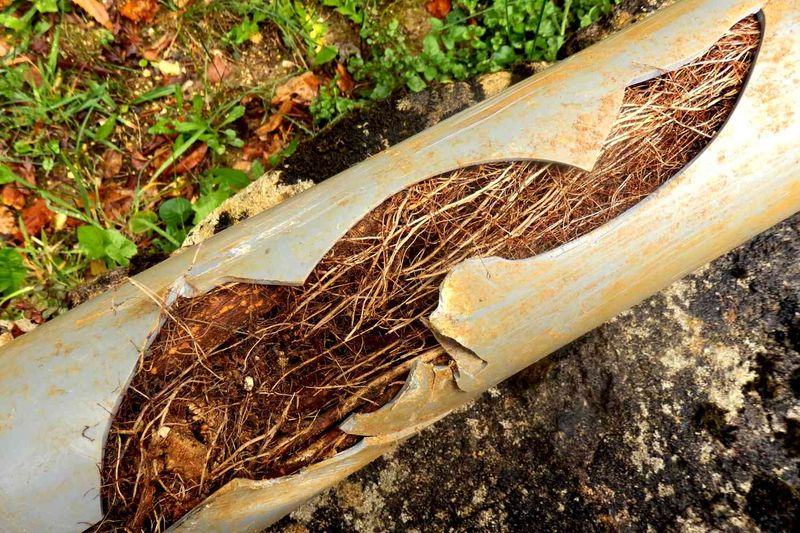
Old clay and Orangeburg sewer lines are like a buffet sign for fig roots. Wherever there is a crack, a loose joint, or a spot of corrosion, moisture leaks out and roots come running.
Once a fine root slips inside a pipe, it fattens up and forms a dense mat that traps everything flowing through. Many older NC homes still have these vulnerable lines running through the backyard, right where folks love to plant fruit trees.
Newer PVC and HDPE pipes resist roots through their walls, but they are not bulletproof at the joints if a leak develops. Before you dig, find out where your lines run and plant well clear of them.
A little research now beats a very expensive plumbing bill later.
3. Underestimating How Wide Roots Spread
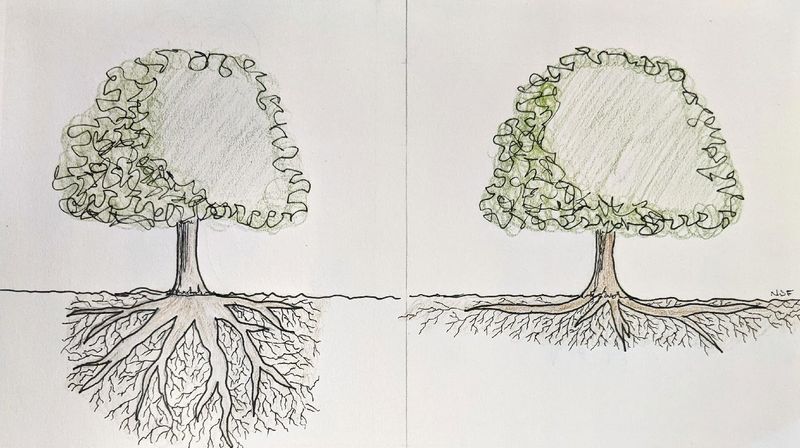
Here is a fact that surprises a lot of gardeners: fig roots spread out horizontally far past the edge of the canopy, not straight down. Most of them stay in the top foot of soil, quietly fanning out in every direction.
That shallow, wide-reaching habit is exactly why spacing matters so much. A tree that looks small today can have roots stretching well beyond where you think the trouble zone ends.
When you measure your planting spot, do not just eyeball the trunk. Think about how far those roots will travel and keep sidewalks, pipes, and walls out of that reach.
Planning for the mature spread saves you from surprises down the road.
4. Crowding Trees Too Close Together
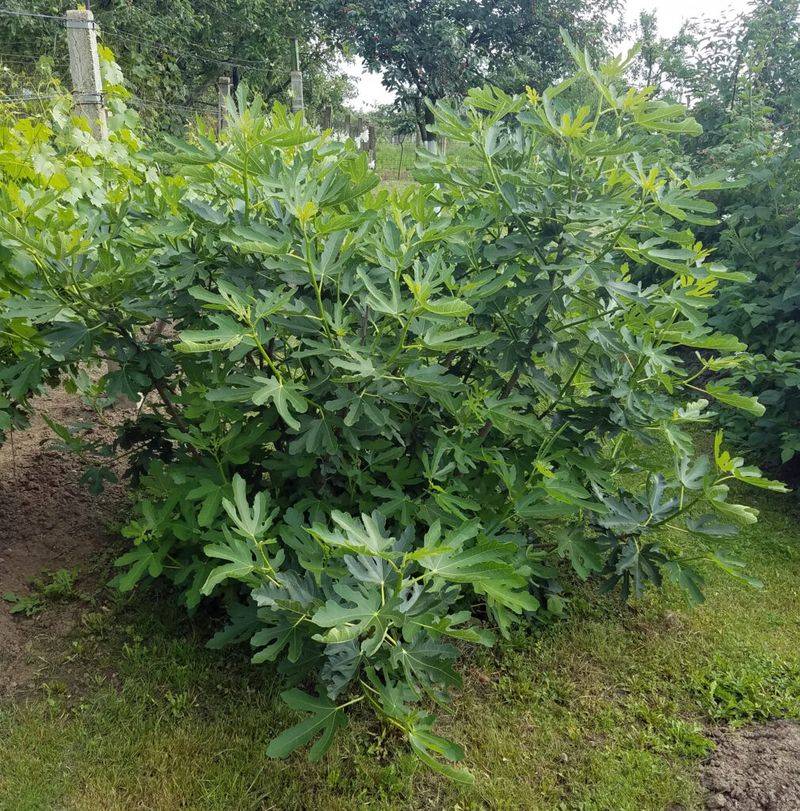
Enthusiasm gets the best of us when a nursery sells figs in threes. Squeezing several trees into a tight cluster feels efficient, but it sets up a fierce underground battle for water and nutrients.
For fig trees grown in a tree form, spacing of 15 to 20 feet apart gives each one room to thrive. If you are growing them as bushes, about 10 feet apart works well.
Crowded roots do not just fight each other. They also range wider searching for resources, which pushes them toward your pipes and walls faster.
Proper spacing keeps every tree healthier and keeps their roots where you want them.
5. Forgetting About Septic Drain Fields
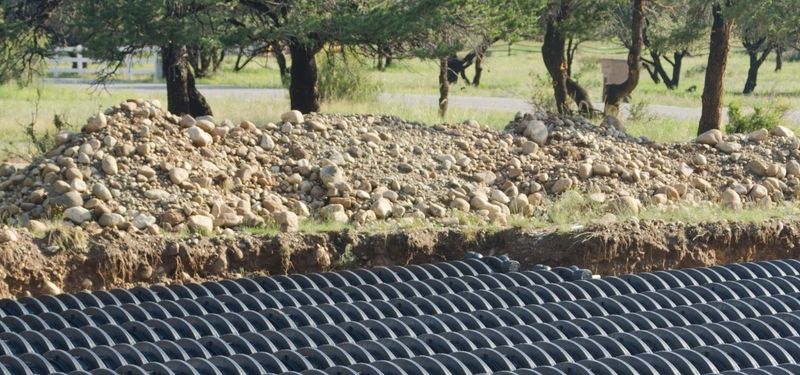
Rural and suburban NC homeowners with septic systems have an extra worry that city dwellers do not. A drain field is basically a steady supply of moisture and nutrients, and fig roots find it irresistible.
Because fig root systems are so vigorous, the general advice is to plant them at least 25 feet away from any septic drain field. Get closer than that, and you risk roots clogging the lines and causing backups that are messy and costly to fix.
If your yard has limited space away from the field, a large container or a raised bed with a barrier can be a smart workaround. Keeping figs far from the septic system protects both your harvest and your plumbing.
6. Placing Figs Right Beside Sidewalks and Driveways
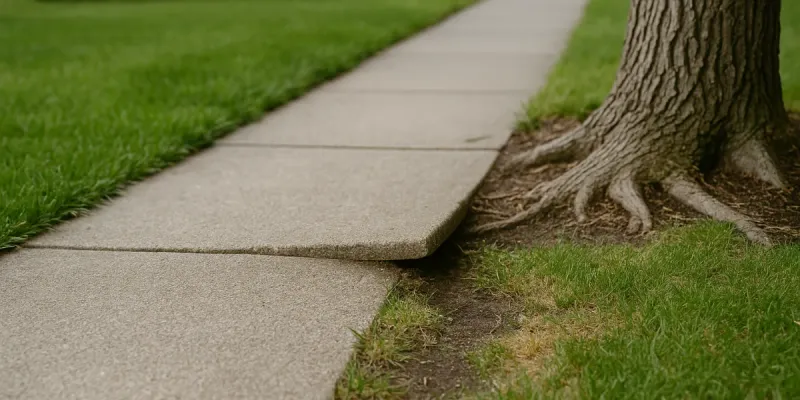
Those shallow surface roots that fig trees love can slowly heave up concrete like a slow-motion earthquake. A sidewalk or driveway that was smooth when you planted can buckle and crack within a few seasons.
To keep your walkways intact, plant figs at least 4 to 6 feet away from any sidewalk or hard surface. More distance is even better if your yard allows it.
Lifted concrete is not only ugly, it is a genuine trip hazard for family and guests. A few extra feet of spacing keeps your paths flat and your figs happy at the same time.
7. Skipping Root Barriers and Regular Pruning
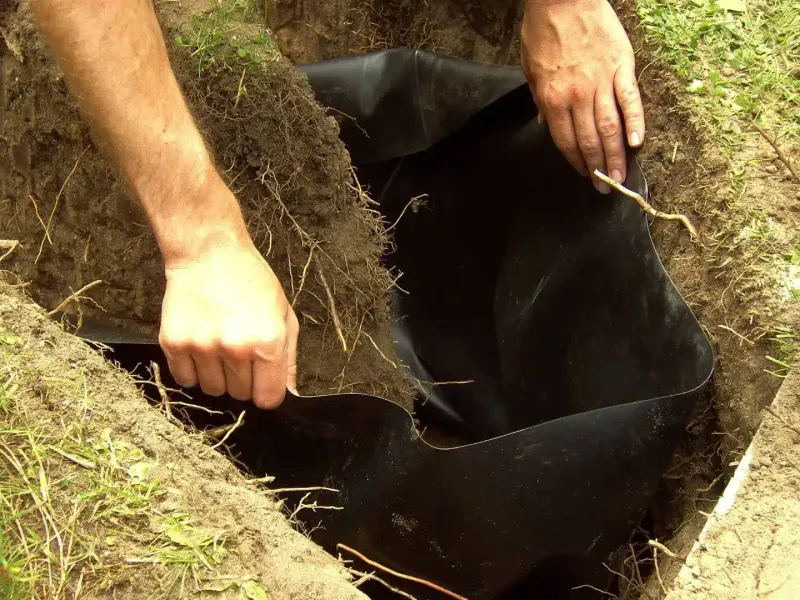
Here is the good-steward secret that ties everything together: the root system usually mirrors the size of the tree above ground. Keep the canopy in check with regular pruning, and the roots tend to stay more modest too.
Root barriers are another handy tool, especially in tight urban lots or clay-heavy Piedmont yards. Sinking a sturdy barrier into the soil steers roots downward and away from your foundation, pipes, and paths.
Growing figs in large containers is a great option for cold-hardy varieties like Chicago Hardy, and it keeps roots fully contained. Combine smart spacing with pruning and barriers, and you can enjoy fresh figs for years without ever worrying about your foundation or plumbing.