
If You Want Frogs And Toads To Move Into Your Garden, Here Are 6 Simple Ways To Make A Corner Irresistible
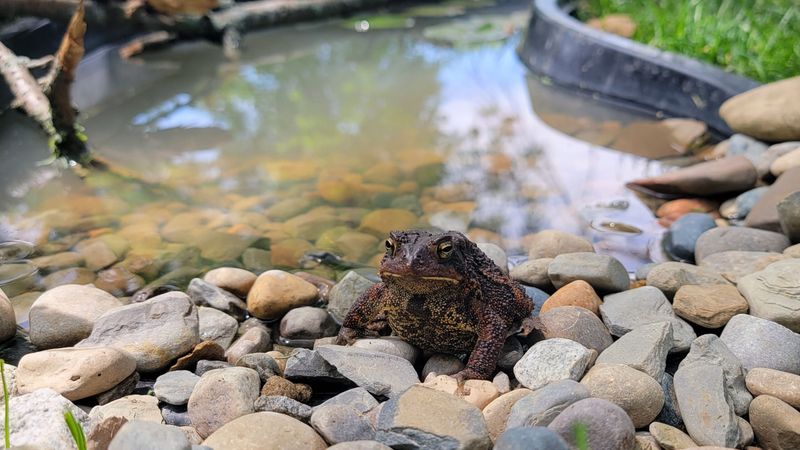
Frogs and toads are some of the best free helpers a backyard gardener can have, gobbling up slugs, mosquitoes, and other pests all season long. The trick is making one quiet corner of your yard feel safe, damp, and welcoming enough that they decide to stay.
You do not need a huge pond or fancy equipment, just a few small changes that mimic the wild spots these amphibians love. Here are six easy ways to roll out the welcome mat.
1. Provide a Shallow Water Source
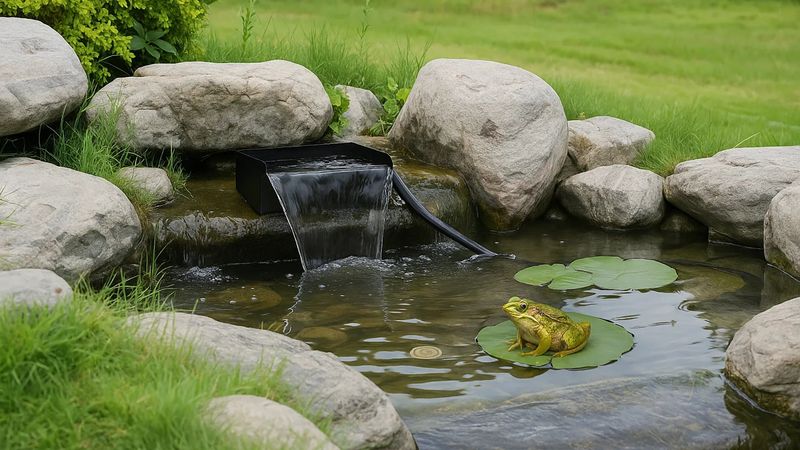
Water is the single thing frogs and toads cannot live without. Their skin has to stay moist, and many species need standing water to lay eggs and raise tadpoles.
A dry corner, no matter how pretty, will stay empty.
You do not need to dig a giant pond. A sunken ceramic dish, an old birdbath set at ground level, or a small pool with gently sloping sides all work well.
The sloping part matters, because a steep edge can trap a frog and leave it unable to climb out.
One quick tip: skip the fish in small water features. Goldfish and koi happily eat frog eggs and tadpoles, which defeats the whole purpose.
Let the water sit and go a little green, since that natural algae is actually part of a healthy amphibian nursery.
2. Create Abundant Hiding Spots
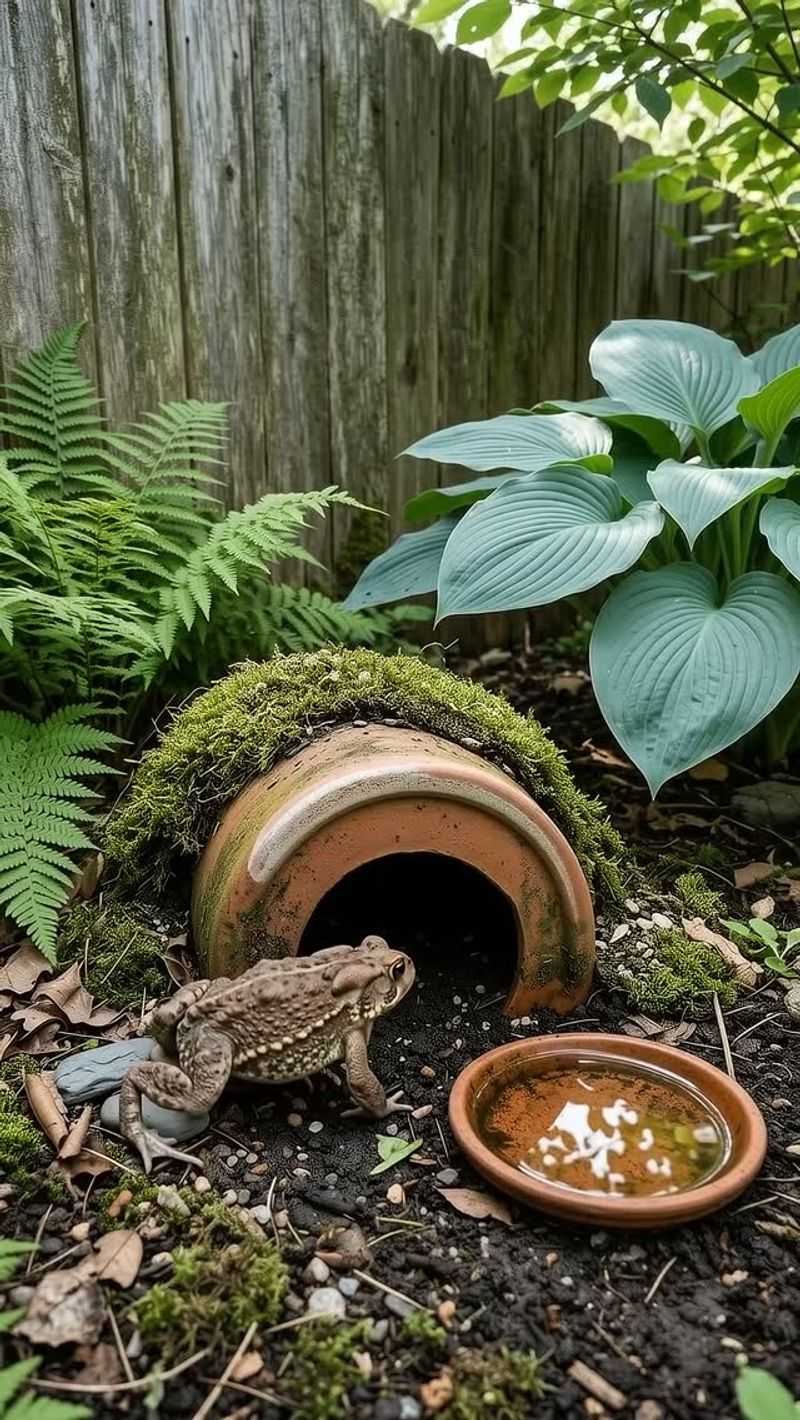
Picture a toad on a hot afternoon. With no cool, dark place to duck into, it gets stressed, dries out, and moves on to a friendlier yard.
Hiding spots solve that problem, and they are almost free to make. Pile up a few logs, stack some flat rocks, leave a patch of fallen leaves, or tuck bark under your shrubs.
Each little nook gives an amphibian a place to escape the sun and dodge hungry birds and cats.
The crowd favorite is the classic “toad abode.” Just turn a clay flower pot on its side and half-bury it in a shady bed. Prop the rim up with a stone so there is a doorway, and you have built a cool bedroom that toads will genuinely move into.
3. Maintain Consistent Moisture in the Soil
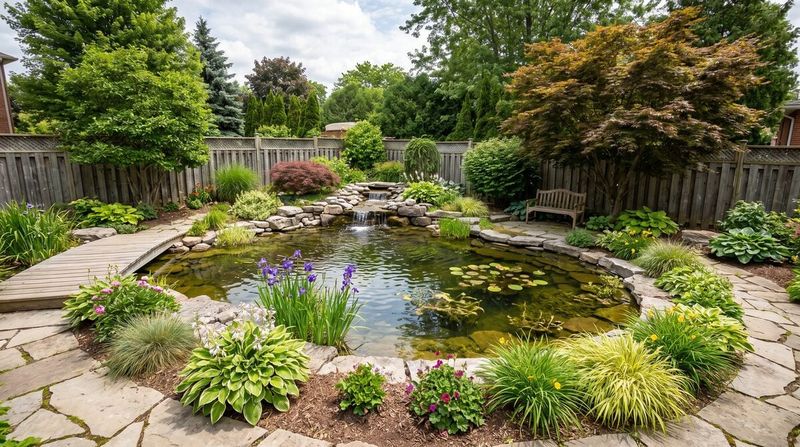
Amphibians drink through their skin instead of their mouths, which sounds strange until you realize how much it shapes where they live. Dry, baked soil is basically a desert to them, no matter how many bugs are around.
Choosing the right corner does half the work. Look for a spot that gets partial shade during the hottest part of the day so the ground does not turn to dust by noon.
Adding a layer of mulch helps the soil hold water much longer between rains and waterings. If you want to go a step further, create a small boggy patch by burying a shallow tray or liner and letting it stay soggy.
Those damp stepping stones give frogs safe routes as they hop around your beds.
4. Plant Native Vegetation for Food and Cover
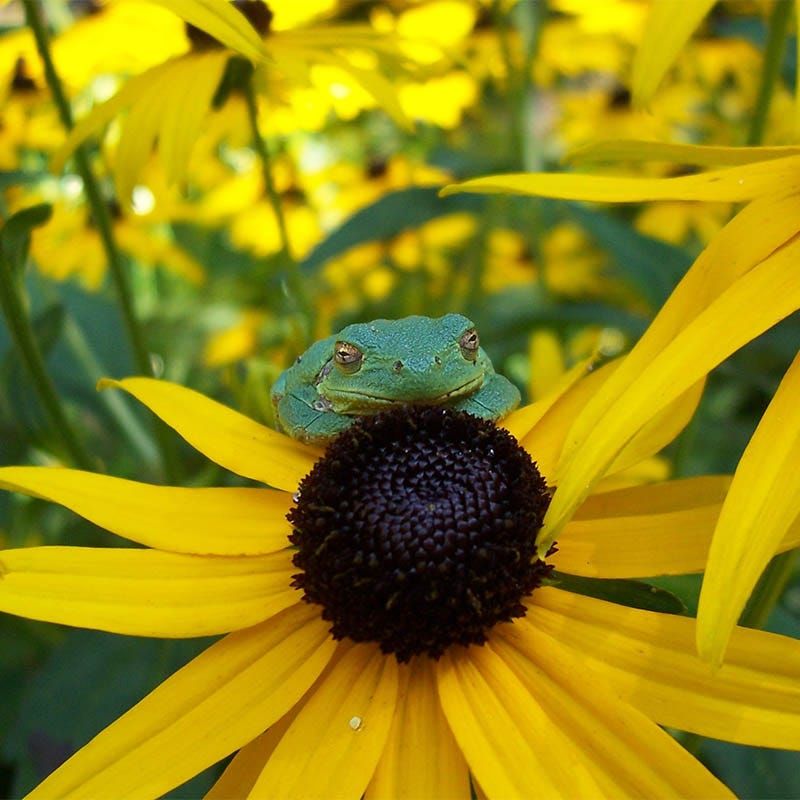
Here is a fun surprise: frogs and toads will not touch your plants. They are carnivores, so your flowers are safe, and that makes them wonderful garden guests.
What plants actually do is stock the pantry. Native vegetation pulls in the insects, slugs, and mosquitoes that amphibians hunt, turning your corner into an all-you-can-eat buffet.
More bugs the right kind means more reasons for frogs to settle in.
Reach for native choices like frogfruit, pickerelweed, swamp milkweed, and black-eyed Susans. They feed the bug population your amphibians depend on, and their leafy growth doubles as shade and shelter.
As a bonus, natives usually need less fussing from you once they are established, so it is an easy win all around.
5. Eliminate the Use of Pesticides and Herbicides
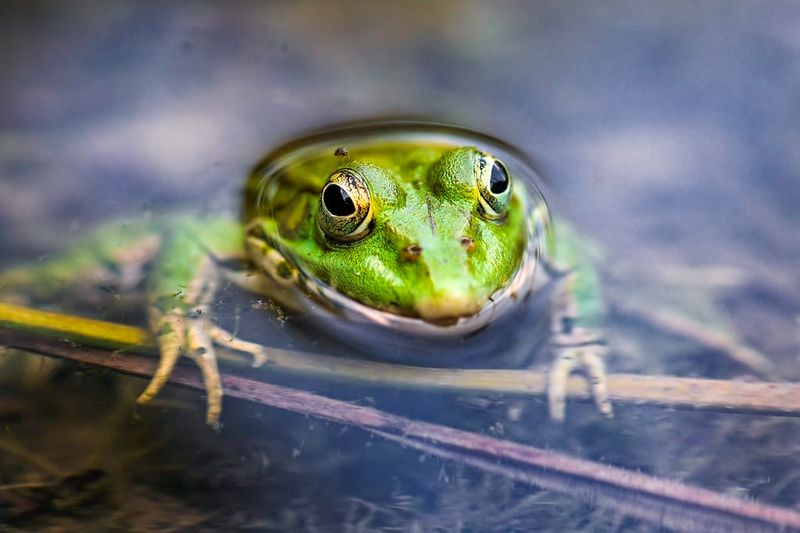
That same thin, breathable skin that lets frogs drink water also lets in whatever you spray. Pesticides, weed killers, and even some chemical fertilizers can soak straight through and poison an amphibian fast.
Researchers around the world have linked these chemicals to shrinking frog and toad numbers, which is a big reason so many gardeners are rethinking the spray bottle. If your goal is a corner full of hopping helpers, the chemicals have to go.
The good news is that frogs and toads pay you back for skipping them. A few toads can eat thousands of pests over a season, so going organic often means you need fewer treatments anyway.
Pull weeds by hand, feed your soil with compost, and let your new tenants handle a lot of the pest patrol for free.
6. Offer Diverse Habitat Layers
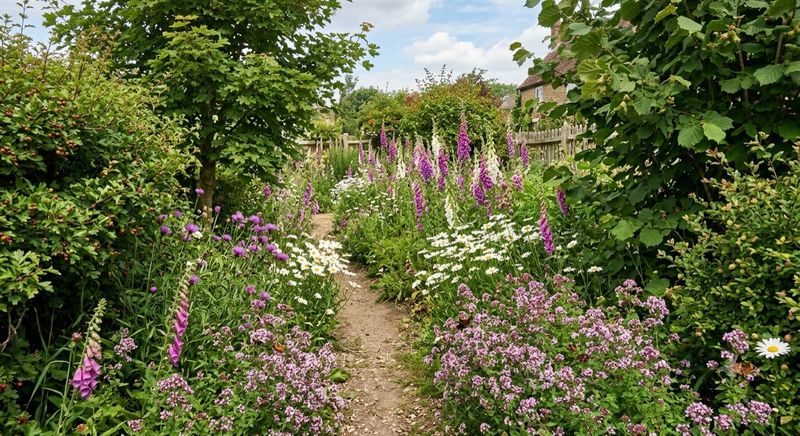
Think of a garden corner the way you would think of a good neighborhood. One with only one kind of house is boring, but a mix of options gives everyone a place that fits.
Layering plants does exactly that. Combine low ground covers, medium plants, and a small shrub or tree so your corner has several heights and shady microclimates.
Each layer holds a slightly different temperature and humidity, which lets amphibians pick the comfy zone they need on any given day.
Do not forget about winter. Building a hibernaculum, which is just a pile of old bricks and logs topped with wood chips and soil, gives frogs and toads a frost-free bunker to sleep through the cold.
Add that safe overwintering spot and your visitors have a reason to stay for years, not just one summer.