
7 North Carolina Fruits That Hit Their Sweetest Peak Right Now In September Before The Season Turns
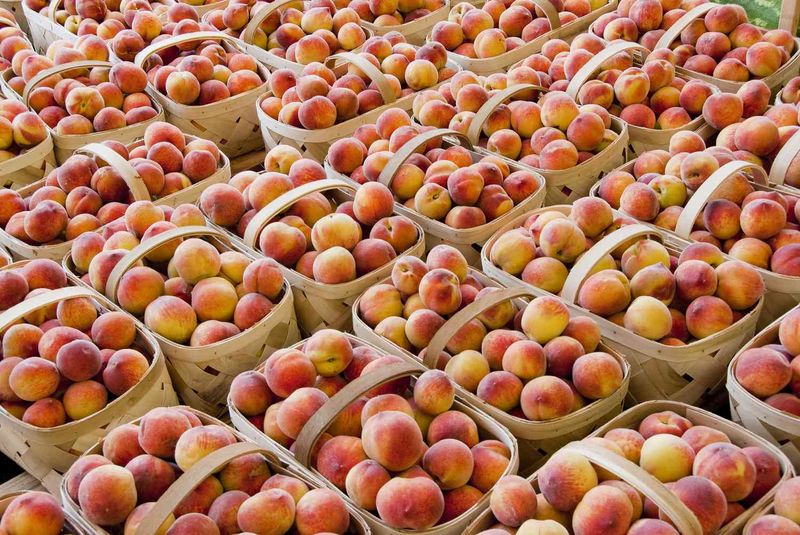
September is a sweet spot for fruit lovers across North Carolina, whether you garden in the Piedmont, the Coastal Plain, or up in the Blue Ridge mountains. Right now, backyard trees, vines, and roadside stands are bursting with fruit that tastes better this month than any other.
Some of these are even native species that feed the box turtles, birds, and pollinators you love to see in your yard. Here are seven local fruits ready to enjoy before the season shifts and the flavor fades.
1. Pawpaws
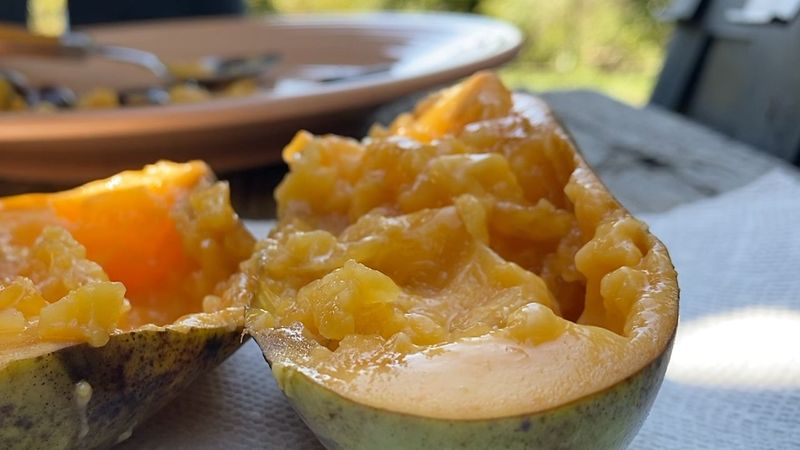
Meet the biggest edible fruit native to North America, growing quietly in North Carolina woods and along shady creek banks. The pawpaw looks a little lumpy and green on the outside, but split one open and you get a custard-soft inside that tastes like banana, mango, and passionfruit all at once.
Ripe pawpaws drop right off the tree in late August and September, so you often find them on the ground rather than picking them. A truly ready one feels soft to a gentle squeeze and smells wonderfully fragrant.
If you are a backyard steward, pawpaws are a gift to local wildlife too. Opossums, squirrels, raccoons, and even black bears feast on them, so planting a pawpaw patch feeds your family and your yard’s visitors at the same time.
2. Muscadine Grapes
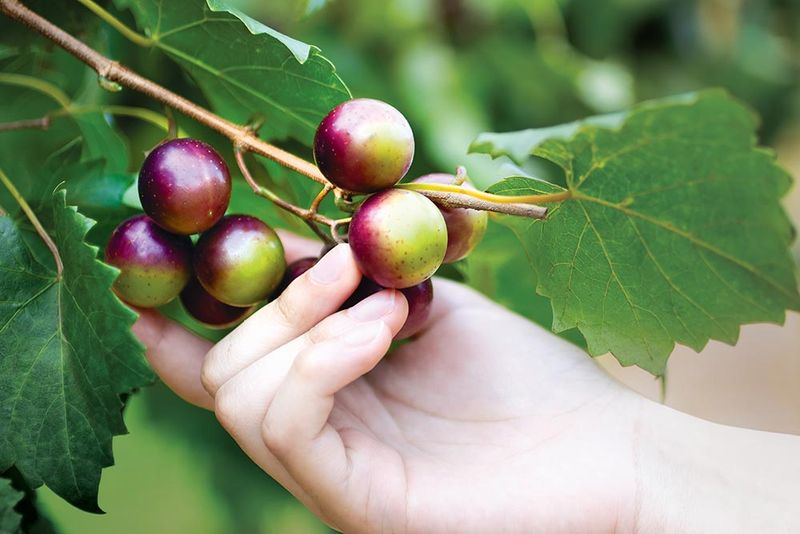
Roll a muscadine around in your fingers and you can feel the thick, slip-skin coat that makes this grape unmistakably Southern. Native to the Southeast, muscadines thrive in North Carolina heat and humidity where fussier grapes would sulk.
Peak season runs from September through November, and right now the bronze and deep-purple berries are dripping with sugar. Pop one in your mouth, squeeze the sweet pulp free, and you will understand why they are a snack-and-dessert favorite here.
Fun bit of history: the famous Mother Vine on Roanoke Island is thought to be over 400 years old, making it one of the oldest cultivated grapevines in America. A muscadine arbor in your yard can shade a seating spot while feeding you and the songbirds.
3. Apples
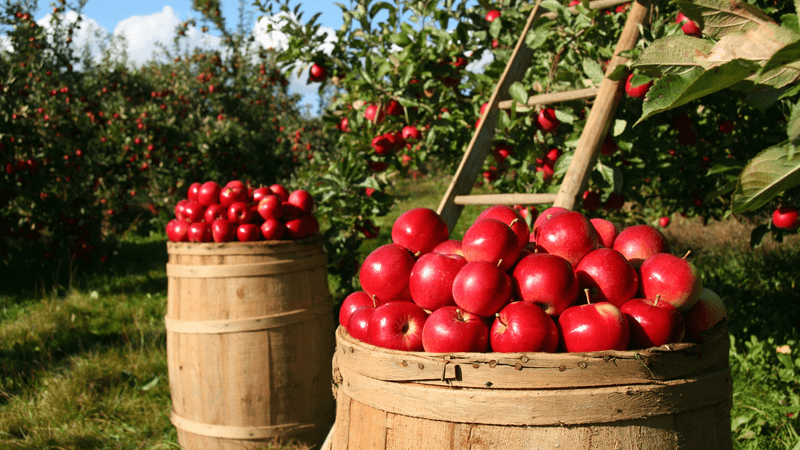
Up in the cooler mountain counties, September turns the orchards into a candy shop. Henderson County alone is one of the country’s top apple-growing regions, and North Carolina ranks among the leading apple states in the nation.
Right now the flavor, crunch, and sweetness hit a balance that store-bought apples in July simply cannot match. Early varieties give way to fall favorites, and every week brings a slightly different taste to sample.
Grab a bag from a mountain stand or pick your own straight from the branch. A crisp local apple eaten in the shade of the tree it grew on is a September tradition worth keeping alive.
4. Pears
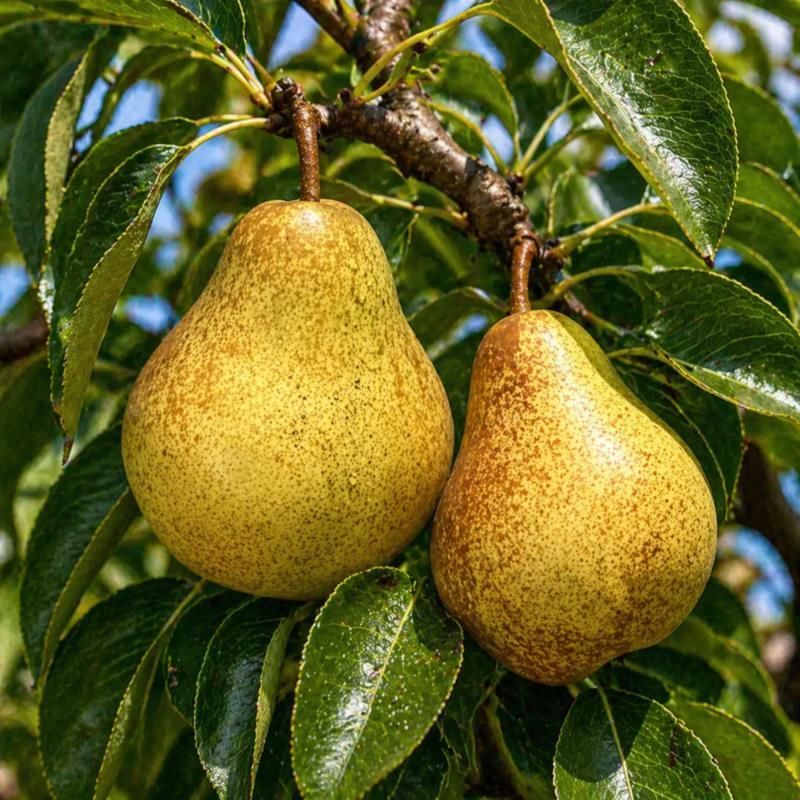
Pears rarely get the spotlight, yet they quietly steal the show in September across North Carolina backyards and markets. Whether you like the crisp Asian types or the buttery European kinds, this is the month they turn tender and sugary.
What makes pears so handy is their versatility. Slice them raw over a salad, bake them into a cobbler, or simmer them down into a spiced sauce that fills the whole kitchen with warmth.
Many old Piedmont homesteads still have a gnarled pear tree in the yard, some producing fruit for generations. If you have one, September is when all that patience pays off.
5. Figs
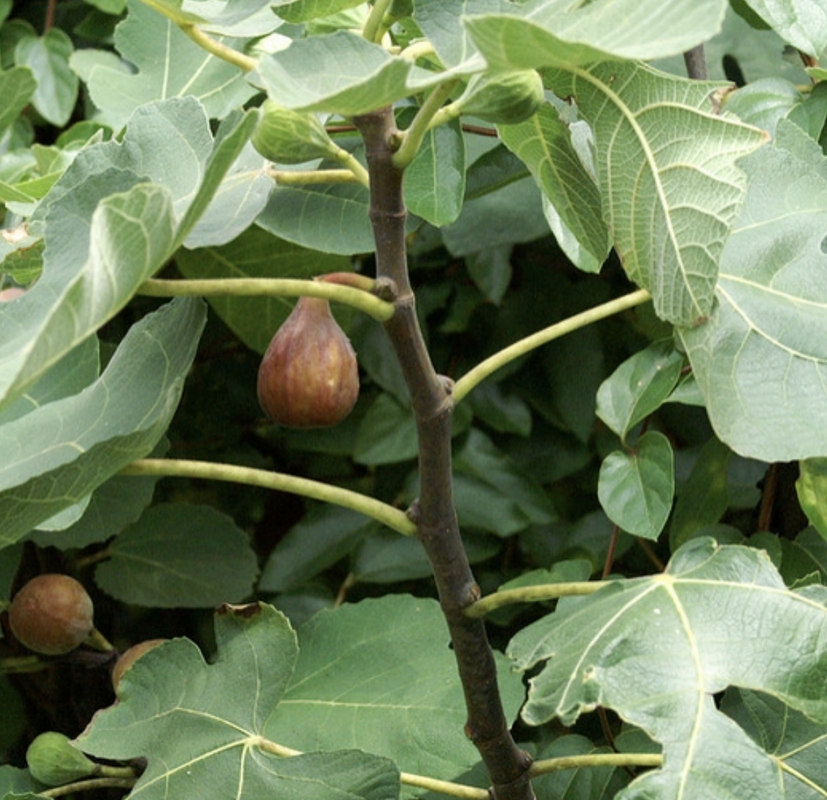
There is a reason figs feel almost magical in a North Carolina yard: they taste like honey the moment they hit perfect ripeness, and that moment is happening right now. A fig picked warm from the tree is soft, jammy, and worlds away from anything shipped to a store.
Coastal and Piedmont gardeners love figs because the hardy Brown Turkey and Celeste varieties shrug off our humid summers with ease. When the fruit droops on its little stem and the skin softens, it is telling you it is ready.
One warning worth a smile: the birds know exactly when your figs ripen too. Beat them to the harvest by checking your tree every morning during peak week.
6. Black Raspberries
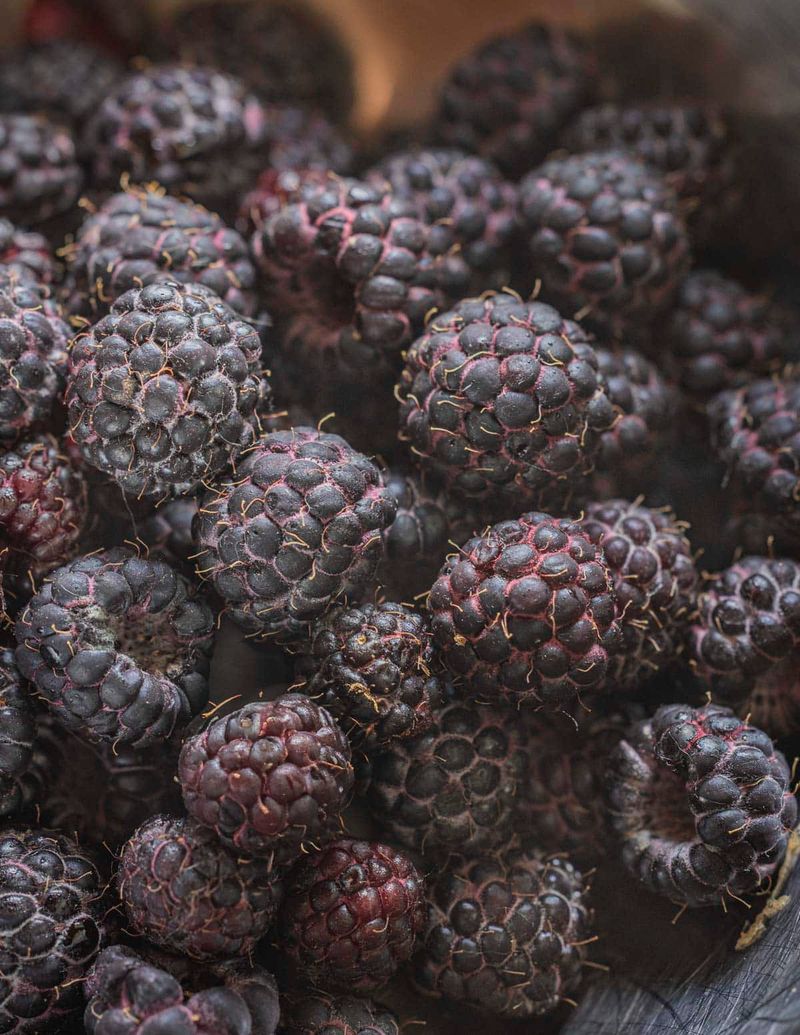
Most folks think raspberries wrap up by midsummer, but black raspberries have a second act that stretches into September here. Even better, the black raspberry is a native species, so growing them supports the local food web instead of crowding it out.
The berries are smaller and darker than the red kind, with a deep, almost wine-like flavor that leans more tart-sweet than syrupy. They cook down beautifully into jam or drop straight into a bowl of morning cereal.
Because they are native, black raspberry brambles along a yard edge do double duty. Pollinators visit the blooms, and birds like goldfinches and thrushes nibble the fruit you do not get to first.
Just skip the invasive lookalikes and stick with the native bramble for a truly steward-friendly patch.
7. Peaches
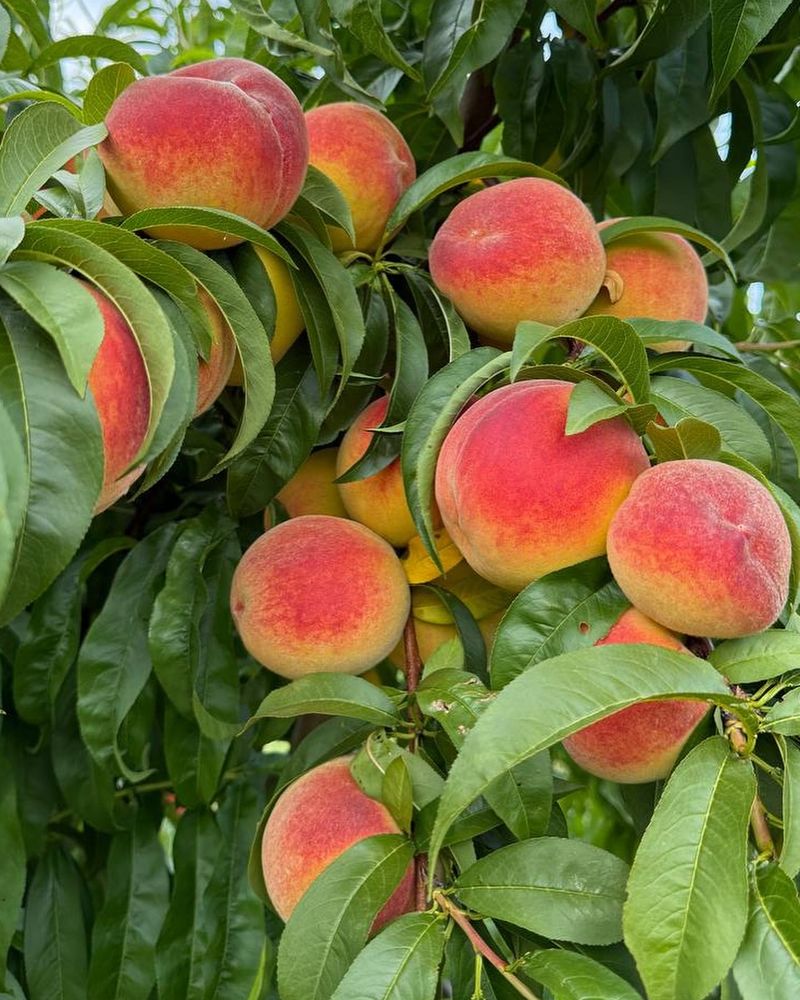
Summer may be fading, but the last peaches of the year are often the sweetest surprise of all. Early September still offers late-season varieties across North Carolina’s Sandhills and Piedmont, and their sugar has had the whole summer to build.
A ripe peach gives slightly when you cup it in your palm and perfumes the air the second you get close. Eat it over the sink, juice running down your wrist, because that is the honest way to enjoy the season’s final batch.
Catch them soon, though. Once the cool nights settle in, the peach window closes for the year, so these last few weeks are your chance to savor them at their absolute peak.