
7 North Carolina Native Perennials Whose Winter Seed Heads Feed Goldfinches Long After Everything Else Fades
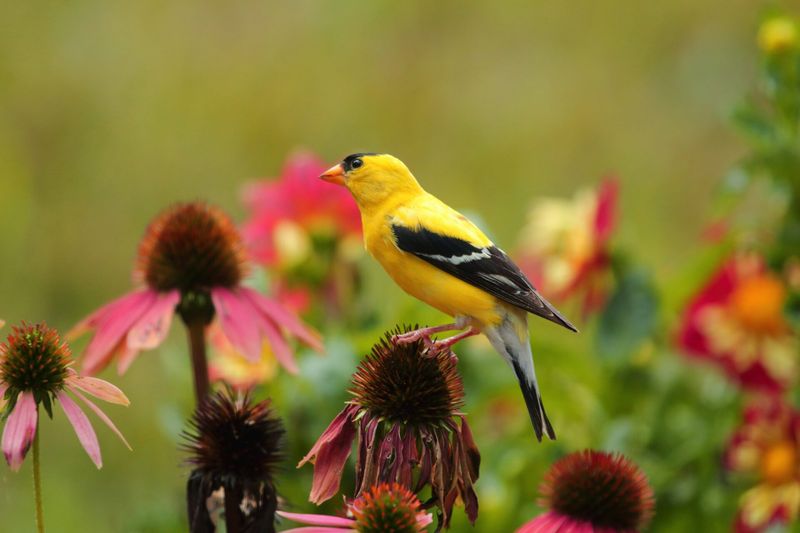
When the flowers fade and the garden looks bare, goldfinches still need to eat. The good news is that the right native plants keep their seed heads standing all winter long, turning your dormant yard into a natural bird feeder.
If you skip the fall clean-up and leave these seven perennials alone, you will help finches survive the cold without pricey feeders. Here are the North Carolina natives that keep hungry goldfinches coming back to your yard.
1. Purple Coneflower (Echinacea purpurea)
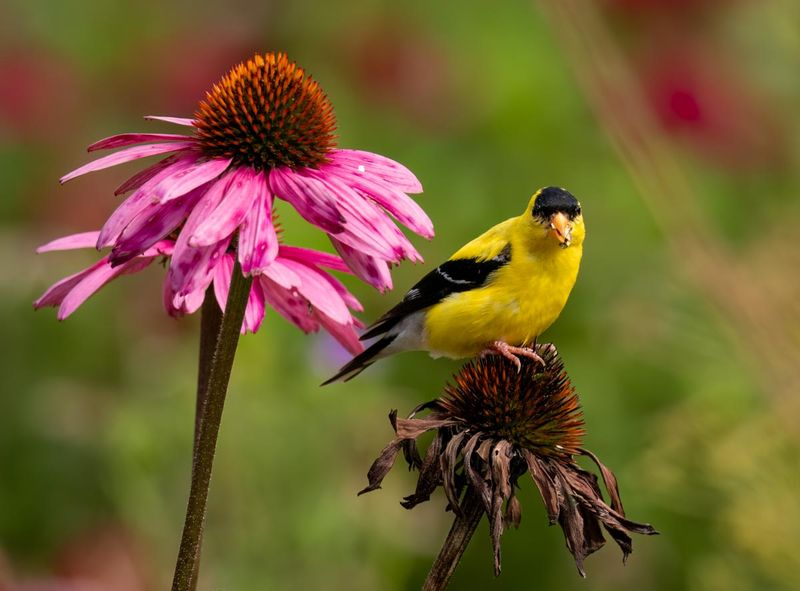
Ask any NC backyard steward for a bird-friendly starter plant and coneflower tops the list. Long after its pink petals drop, the spiky, dome-shaped center dries into a seed-packed treat that goldfinches cling to and pick apart all winter.
What sets this one apart is how tough it is. It shrugs off summer heat, winter cold, and dry spells, so it performs whether you garden in the mountains, the Piedmont, or the Coastal Plain.
Resist the urge to deadhead in fall. Leaving the stiff stalks standing gives finches a sturdy perch and a food source right when natural seeds get scarce.
Come spring, you can cut them back and any seeds that dropped may reward you with new seedlings.
2. Black-Eyed Susan (Rudbeckia spp.)
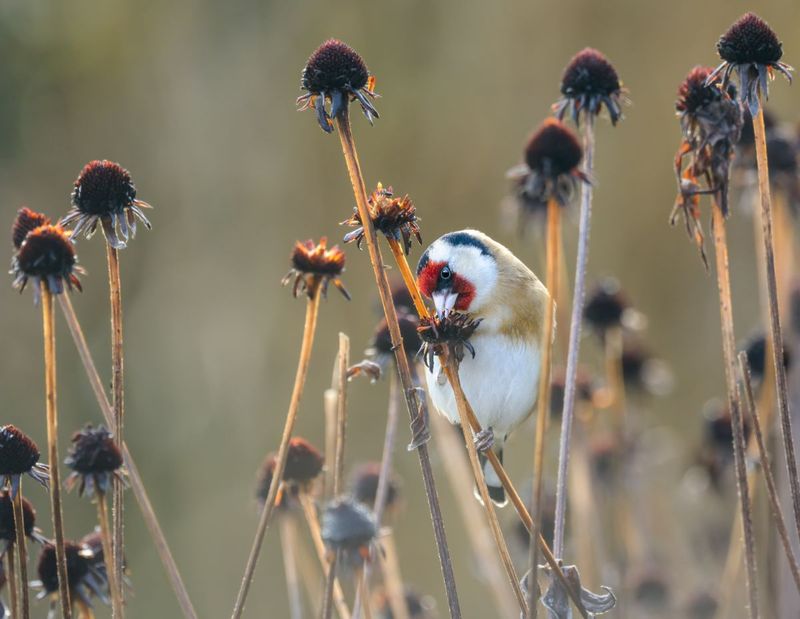
Those cheerful yellow flowers of summer hide a secret: their dark, button-like centers become goldfinch magnets once the petals fall away. Species like Rudbeckia hirta and Rudbeckia triloba pack their dried heads with tiny seeds that finches happily crack open through fall and deep into winter.
They are wonderfully unfussy, thriving in the varied soils and conditions across the state. Plant a drift of them and you get a summer show followed by months of quiet bird activity.
Fun bit worth knowing: Rudbeckia triloba is a champion self-sower, so a small patch can gently fill in over a couple of seasons, giving you even more winter groceries for the flock without spending another dime.
3. Dense Blazing Star (Liatris spicata)
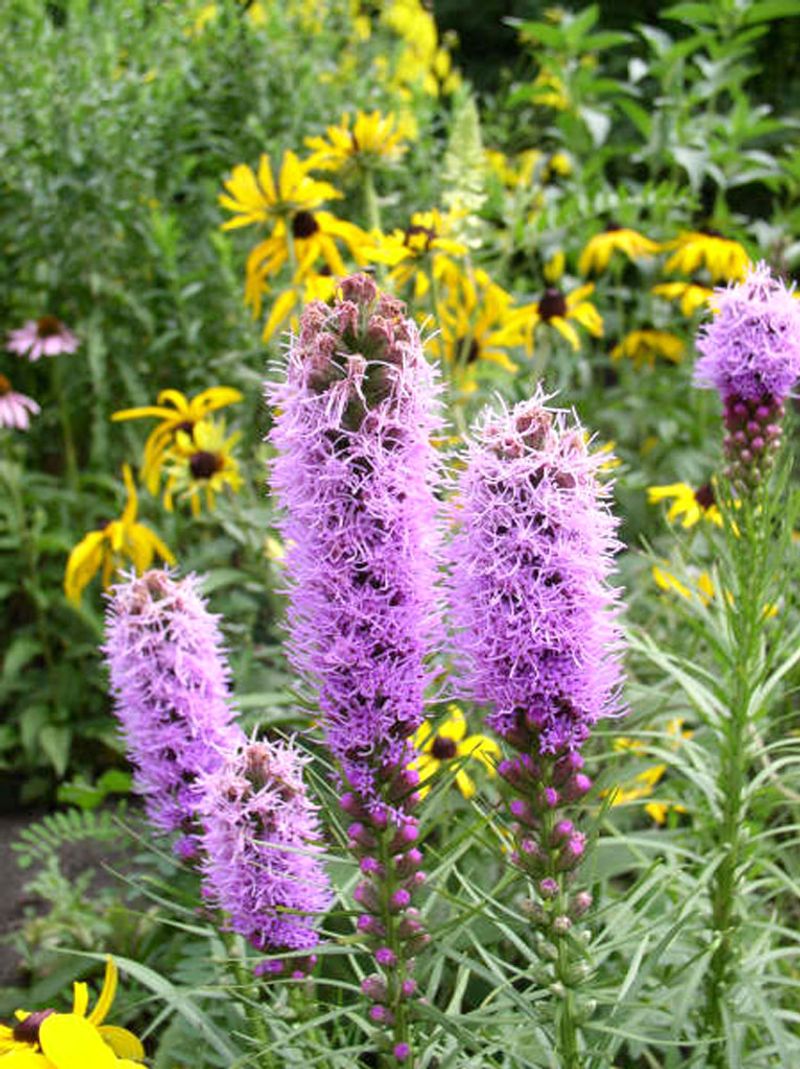
Few natives make a statement like blazing star. Its tall purple spikes light up summer meadows, but the real gift comes later, when those spikes dry into vertical columns of fluffy, seed-filled tufts.
Goldfinches love working their way up the stalks, and the height makes the plant easy for them to spot and land on. Native to the Piedmont and Mountain regions, it fits naturally into upland NC gardens and pairs beautifully with grasses.
Because the seeds ripen in fall and hang on into winter, a stand of blazing star bridges that hungry gap when other food has already vanished. It also draws pollinators earlier in the year, so it earns its space in every season.
4. Goldenrod (Solidago spp.)
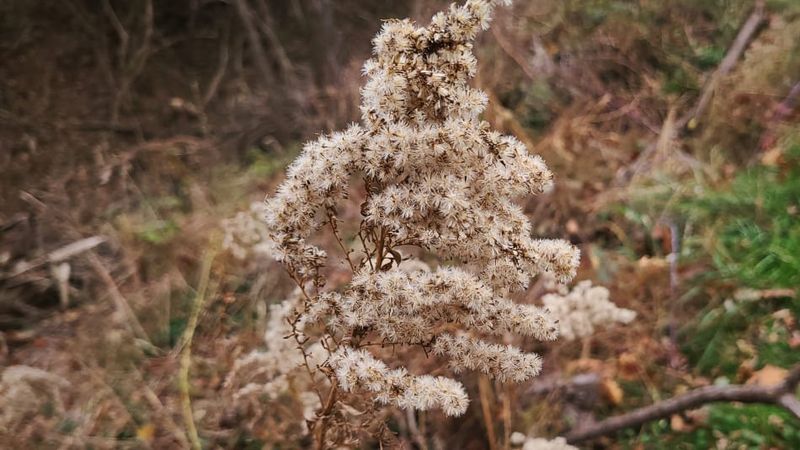
Goldenrod gets an unfair reputation for causing allergies, but it is innocent, and it is one of the hardest-working plants you can offer wildlife. Once its golden plumes fade to fluffy tan, they hold a bounty of small seeds that finches forage on through the coldest months.
Native species grow easily in all three regions of North Carolina, so there is a goldenrod for nearly every yard, from sunny borders to slightly wild corners.
Choose clumping types if you worry about spreading, and let the dried heads stand rather than mowing them down. You are not just tidying a garden bed, you are running a seasonal soup kitchen for birds that would otherwise struggle.
5. Asters (Symphyotrichum spp.)
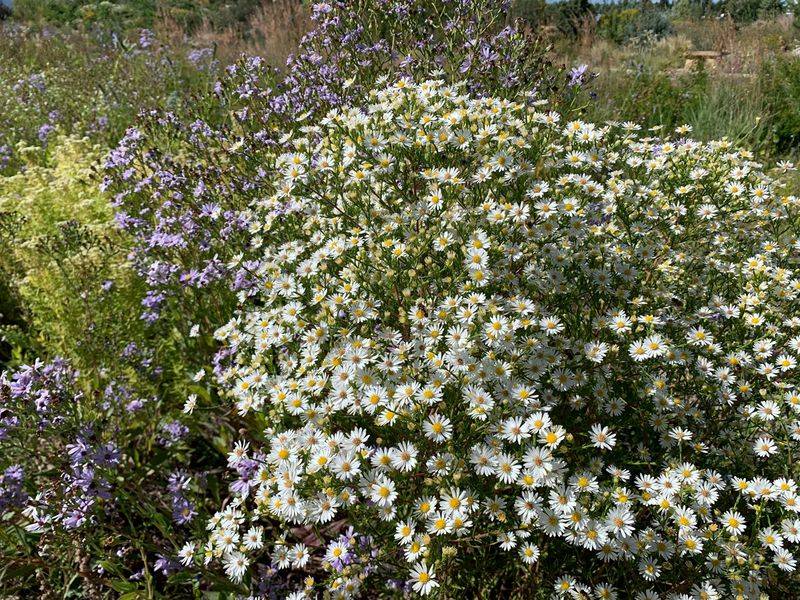
Late-blooming asters are the garden’s grand finale, throwing out clouds of tiny purple and white flowers when almost everything else has quit. Those blooms turn into a mountain of small seeds, and small seeds are exactly what a goldfinch beak is built to handle.
Widespread across North Carolina, asters slot into borders, meadows, and pollinator patches with ease. Their sheer number of seed heads means a single healthy plant can feed finches for weeks.
Leave them standing and you also give overwintering insects shelter in the hollow stems, which in turn feeds other backyard visitors. It is a small choice with a ripple effect across your whole yard’s ecosystem.
6. Joe-Pye Weed (Eutrochium spp.)
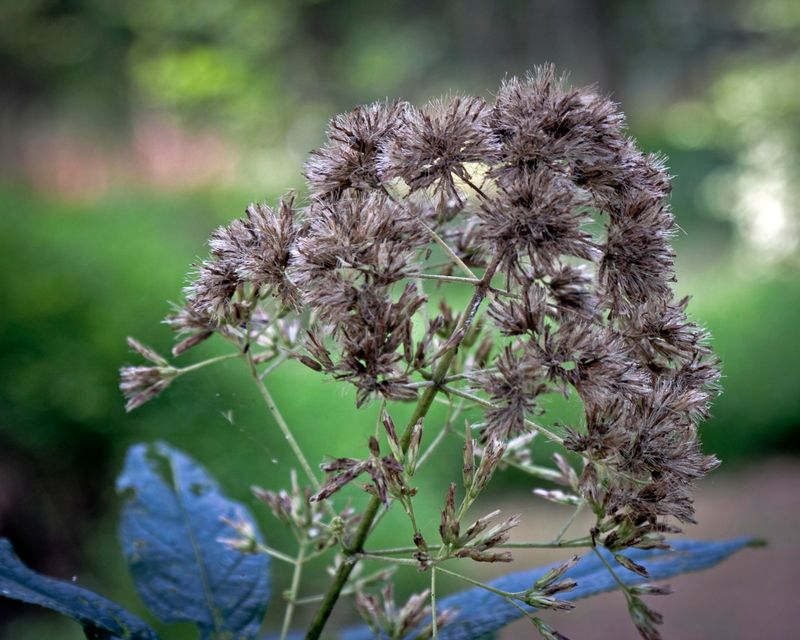
Standing head and shoulders above most perennials, Joe-Pye weed brings serious drama to the back of a border. Its big, dusty-rose flower clusters of late summer dry into airy seed heads that birds pick at long after the color has drained away.
The towering, hollow stems double as winter architecture, giving your garden structure and giving goldfinches a lofty spot to feed. It loves the moist spots many gardeners struggle with, like the edge of a rain garden or a low, damp corner.
If you have wet ground you have been fighting, this native turns that problem into a wildlife feature that carries value straight through the dormant months.
7. Cup Plant (Silphium perfoliatum)
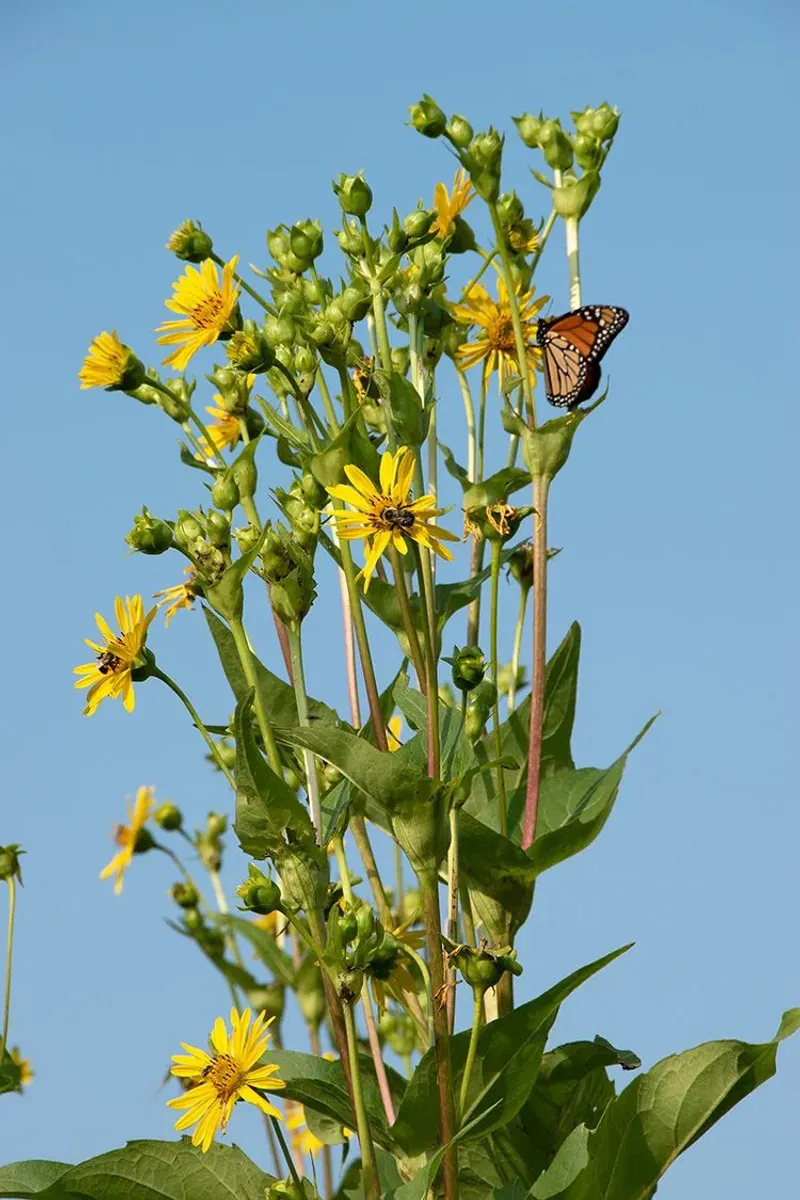
Here is a plant with a party trick: its leaves join around the stem to form little cups that catch rainwater, giving thirsty birds a drink right where they perch. That earns the cup plant a spot on any list about backyard wildlife.
Beyond the built-in bird bath, its sunflower-like blooms mature into fat, nutritious seeds that goldfinches treat as a favorite. The plant grows big and bold, so give it room at the back of a sunny bed.
Between the water it holds and the seeds it drops, cup plant is a two-in-one wildlife station that keeps working when the rest of the garden has gone quiet for the year.