
8 Real Reasons Your Hydrangeas Grow A Jungle Of Leaves But Won’t Set A Single Bloom
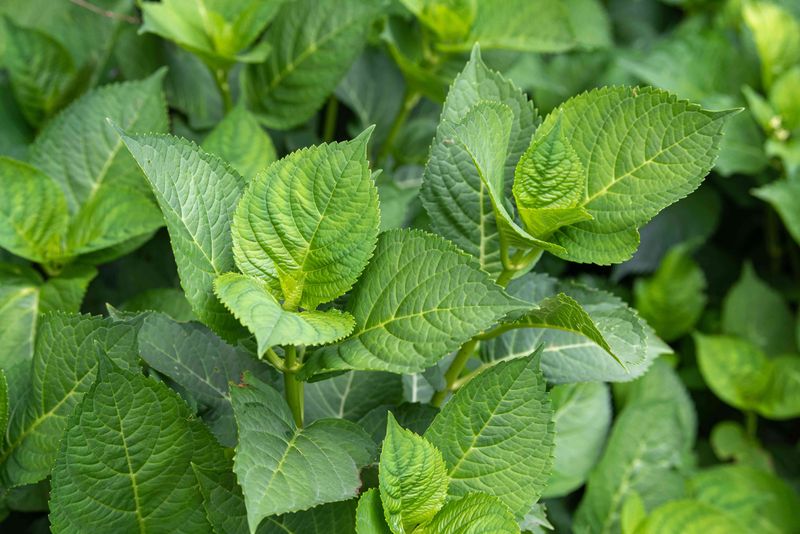
You planted a hydrangea dreaming of big, puffy flowers, but all you got was a bush full of green leaves and zero blooms. It’s one of the most frustrating things a gardener can face, and it usually means something small is off behind the scenes.
The good news is that a leafy, bloomless hydrangea is almost never a lost cause. Once you spot the real reason, the fix is usually simple, cheap, and something you can start on today.
1. Pruning At The Wrong Time
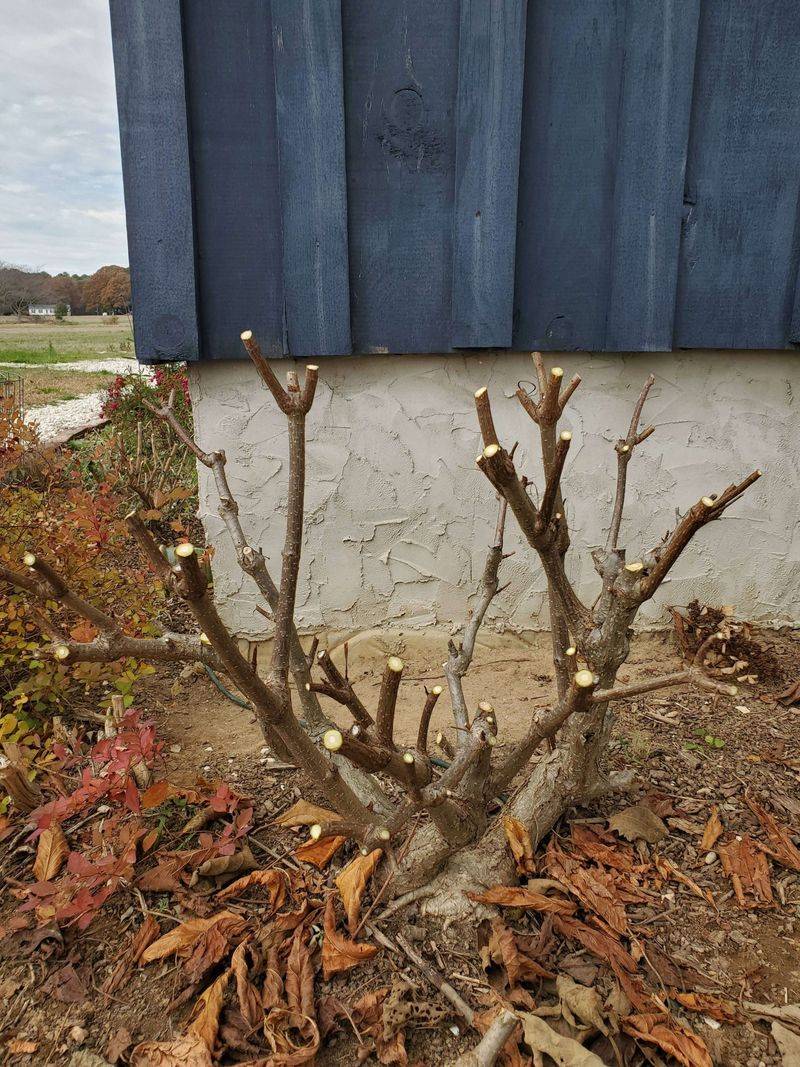
Grab those clippers at the wrong moment and you might be snipping off next summer’s flowers without ever realizing it. The whole thing comes down to one question: does your hydrangea bloom on old wood or new wood?
Old wood bloomers, like Bigleaf (Mophead and Lacecap), Oakleaf, Mountain, and Climbing hydrangeas, form their flower buds the summer before they open. Cut them back in fall, winter, or early spring and you toss out every bud they made.
New wood bloomers, such as Panicle and Smooth hydrangeas, grow buds on the current season’s growth, so a trim in late winter or early spring is perfectly fine.
Reblooming types like the Endless Summer series flower on both old and new wood, and they want very little pruning at all. If you are not sure which one you have, the safest move is to skip pruning for a full year and just watch.
Once you know your type, you can prune with confidence and stop accidentally cutting away your own blooms.
2. Winter Damage Or A Late Spring Frost
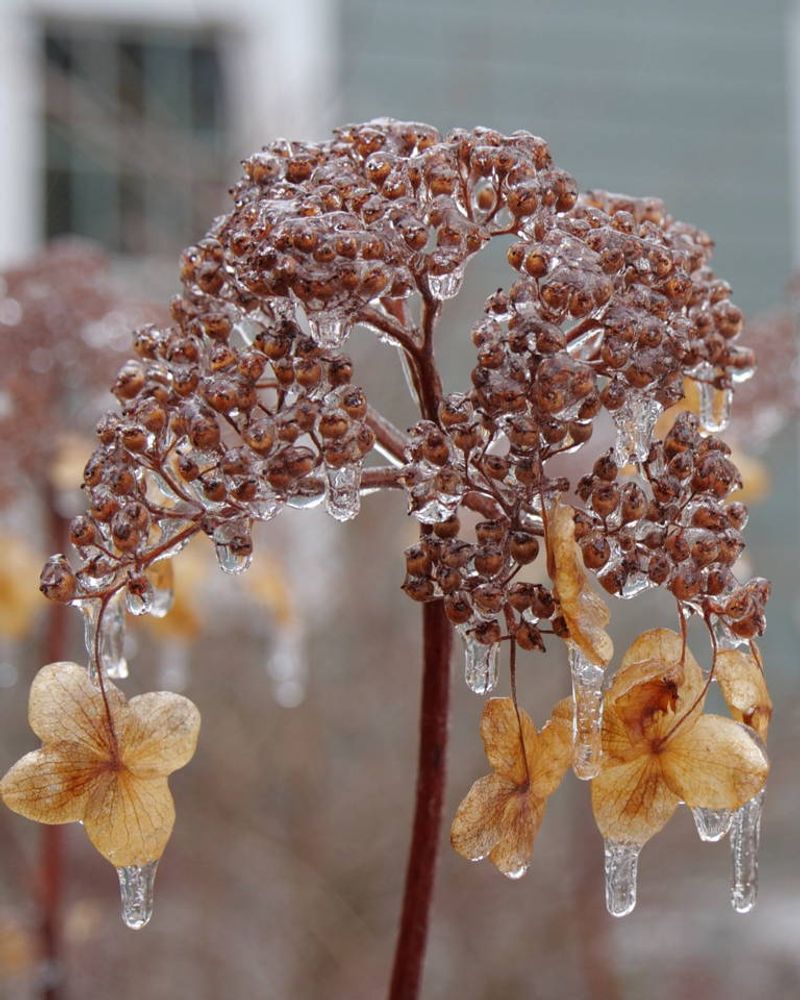
Sometimes the culprit is the weather months before you ever notice a problem. A harsh winter, a wild swing between warm and cold days, or a sneaky late frost can quietly kill the tender flower buds sitting on the stems.
Old wood bloomers get hit hardest here because they carry their buds through the whole cold season. The plant itself can look perfectly healthy, pushing out plenty of leaves in spring, while the flower buds inside those stems are already dead.
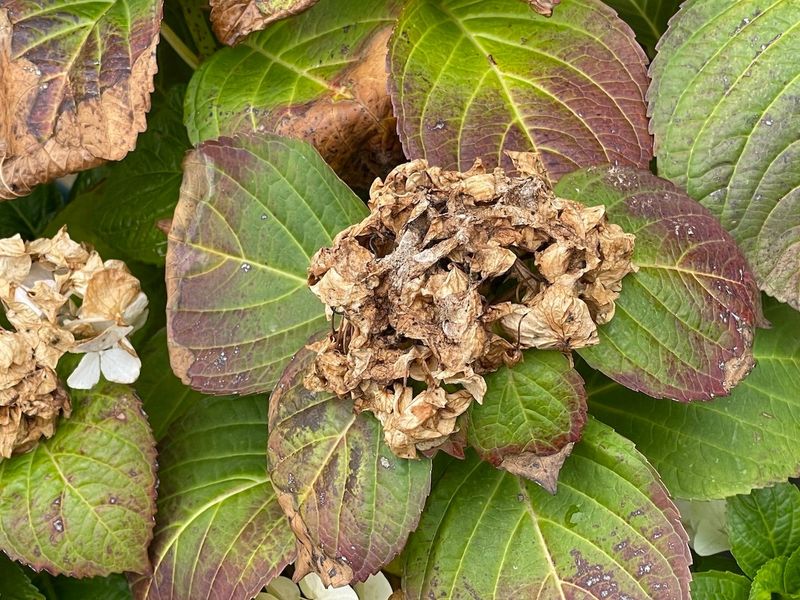
Watch for the telltale signs: lush foliage but no flowers, dead or blackened stem tips, or spring growth that shows up later than usual. To protect next year’s buds, pile on a layer of mulch in late fall to shield the base and roots.
In colder zones, you can also wrap vulnerable shrubs with burlap once temperatures start to drop. A little prep before winter can save an entire season of blooms.
3. Too Much Shade
Hydrangeas love a break from the blazing sun, but tuck them into a deep, dark corner and they will reward you with leaves instead of flowers. Light is fuel for bud formation, and without enough of it, the plant leans all its energy into growing foliage.
Most hydrangeas do their best blooming with a few hours of gentle sun each day, ideally soft morning light followed by afternoon shade. When they sit under thick tree canopies or against a north-facing wall all day, that magic sweet spot never happens.
If your plant is drowning in shade, you have a couple of options. You can thin out overhanging branches to let more filtered light reach the shrub, or you can dig it up and move it to a brighter spot in early spring or fall.
Give those leaves the light they crave, and the blooms usually follow.
4. Too Much Sun
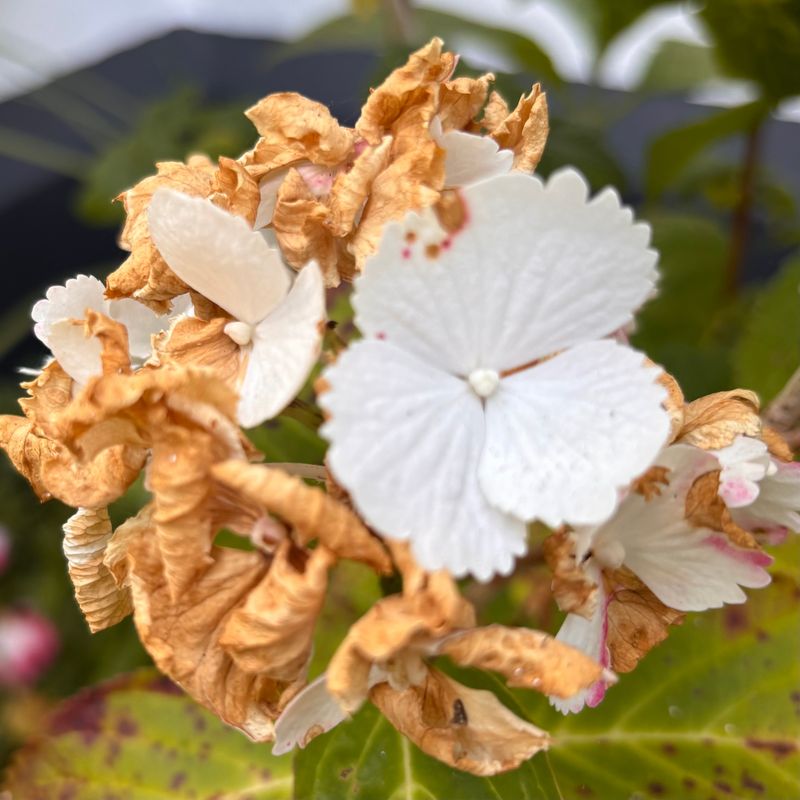
Swing too far the other way and the sun becomes the villain instead of the hero. Blasting afternoon rays can stress a hydrangea so badly that it goes into survival mode, hoarding energy and skipping flowers altogether.
You will often spot other clues alongside the missing blooms, like scorched brown leaf edges or a plant that wilts dramatically every hot afternoon. Bigleaf hydrangeas are especially sensitive and really want protection from harsh midday and evening sun.
Panicle hydrangeas are the tough exception here and can handle far more direct light, so if you have a genuinely sunny spot, they are your best bet. For everything else, aim for a location that gets morning sun and cool afternoon shade.
A shade cloth during a brutal heat wave, or relocating the shrub to a kinder spot, can be enough to coax those flowers back out.
5. Feeding Too Much Nitrogen
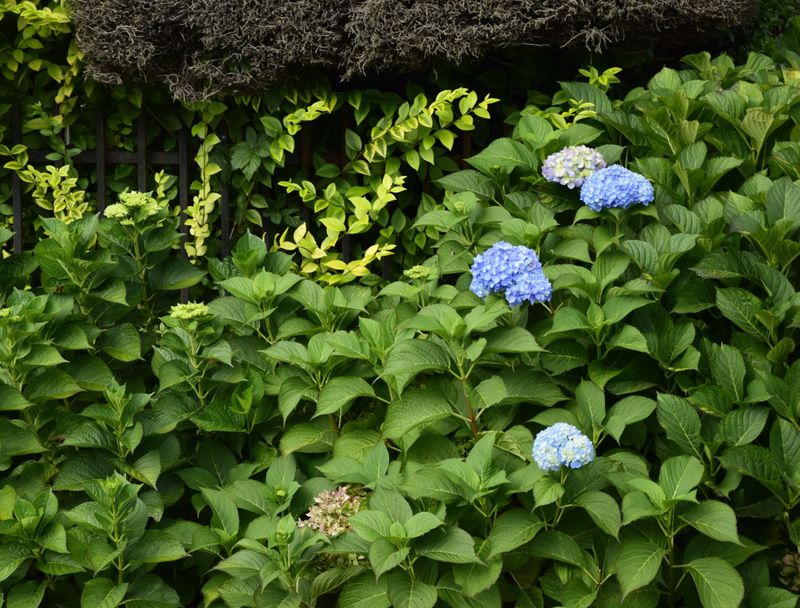
Ever notice how a super lush, jungle-green hydrangea sometimes has the fewest flowers of all? That over-the-top leafiness is often a sign you have been feeding it the wrong kind of food.
Fertilizers heavy in nitrogen tell the plant to pump out leaves and stems, and it happily obliges at the expense of blooms. Nitrogen is great for foliage, but flowering needs a different balance, one that leans more on phosphorus.
Reach for a slow-release fertilizer with a higher middle number (that is the phosphorus) and go easy on the amount. Early spring, right as new growth appears, is the ideal time to feed.
Also keep an eye on nearby lawns, because runoff from high-nitrogen grass fertilizer can quietly wash over to your hydrangea and cause the exact same leafy, bloomless result. Dialing back the nitrogen often flips a bush from all-leaves to full of flowers.
6. Not Enough Water
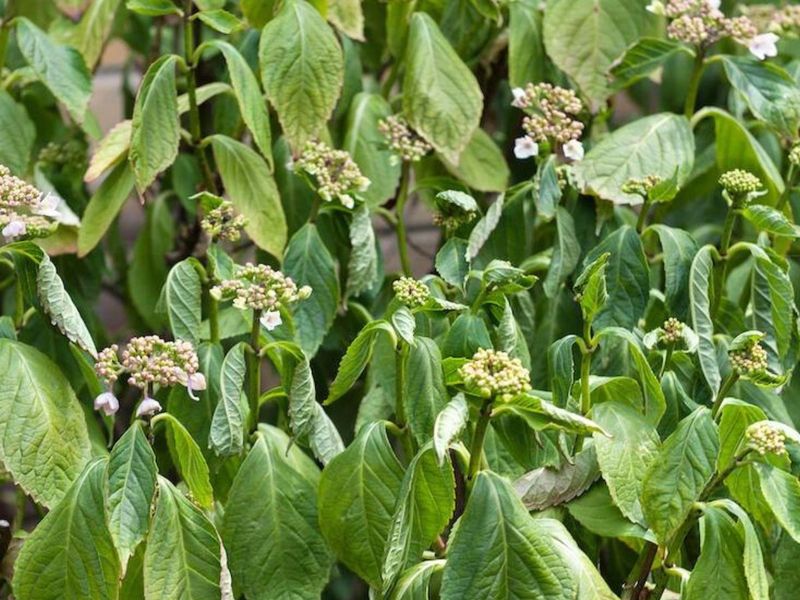
The name says it all: hydra means water, and these shrubs are genuinely thirsty plants. Let the soil dry out too often and your hydrangea may quietly decide it cannot spare the energy to bloom.
Consistent moisture is what helps a hydrangea build and hold onto flower buds. When it gets stressed by drought, growth stalls and flowering suffers, and here is the sneaky part: a dry summer this year can steal your blooms next year too.
Look for drooping stems, wilting leaves, or crispy scorched edges as your warning signs. Aim to keep the soil evenly moist but never soggy, watering deeply a couple of times a week rather than a light daily sprinkle.
A two to three inch layer of mulch around the base locks in moisture and keeps roots cool through the hottest stretches. Steady water is one of the simplest fixes on this whole list.
7. The Plant Is Simply Too Young
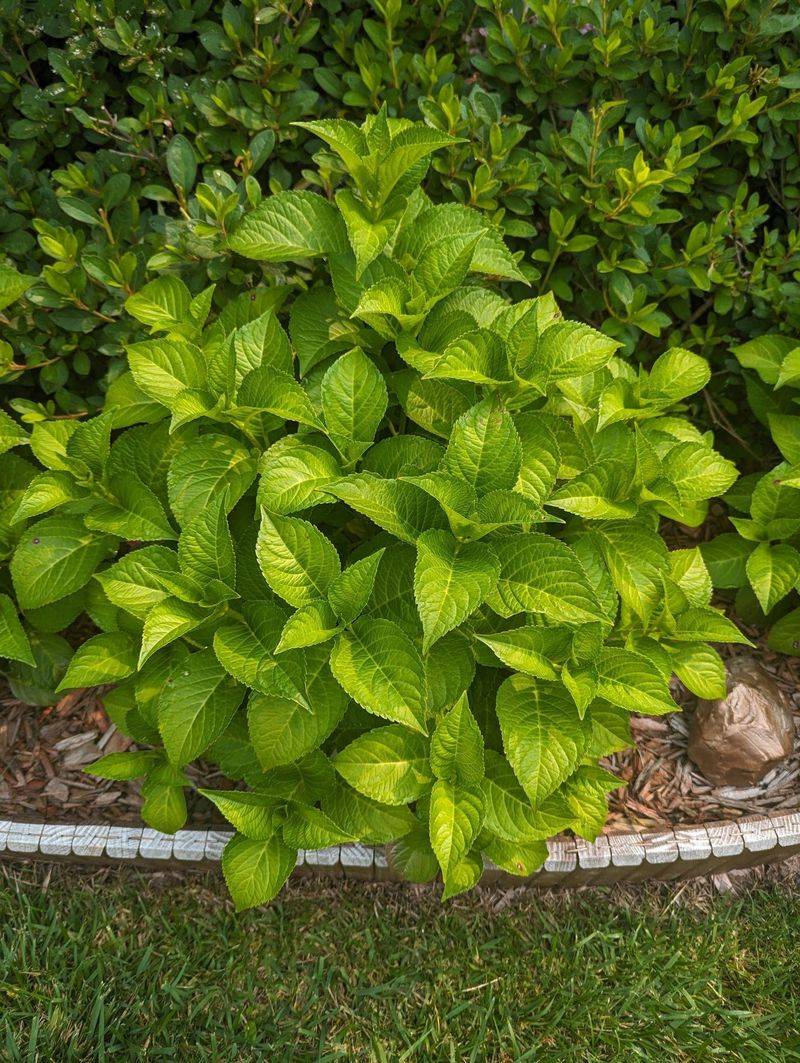
Patience is not always what a gardener wants to hear, but a brand new hydrangea might just need time to grow up. Young plants often spend their first couple of years building roots and settling in before they put on a real flower show.
A shrub fresh from the nursery, or one you divided and replanted, is pouring its energy into getting established underground where you cannot see it. That is exactly why it may look healthy and leafy while staying stubbornly bloomless.
Give a young hydrangea two to three growing seasons, keep it watered and lightly fed, and resist the urge to fuss over it too much. More often than not, the flowers arrive right on their own schedule once the plant feels at home.
Sometimes the best thing you can do is simply wait.
8. The Wrong Hydrangea For Your Climate

You might be doing everything right and still come up empty if your hydrangea simply is not built for where you live. Some varieties survive the winter as a plant but can’t hold onto their flower buds through your local cold.
Bigleaf hydrangeas (Hydrangea macrophylla) are the classic offenders in this story. Grow them in a zone colder than about 5b or 6 and the shrub may leaf out beautifully every spring while the buds freeze out every single year.
If that sounds like your situation, the smartest move is to switch to a tougher type. Panicle and Smooth hydrangeas are far more cold-hardy and bloom reliably on new wood, so a late freeze can’t wipe out their flowers.
Check your USDA growing zone before you buy your next one, and match the plant to your climate. Picking the right variety from the start saves you years of leafy disappointment.