
If These 18 Birds Keep Showing Up In Your Yard, You’re Doing Everything Right
Ever glance out your window and spot a flash of red or a busy little bird hopping across the grass? Those visits are more than just pretty moments, because the birds that show up in your yard are quietly telling you something.
When certain species keep returning, it usually means your yard is packed with the food, water, and shelter they crave. Here are 18 birds that prove you’re building a backyard wildlife love.
1. American Robin
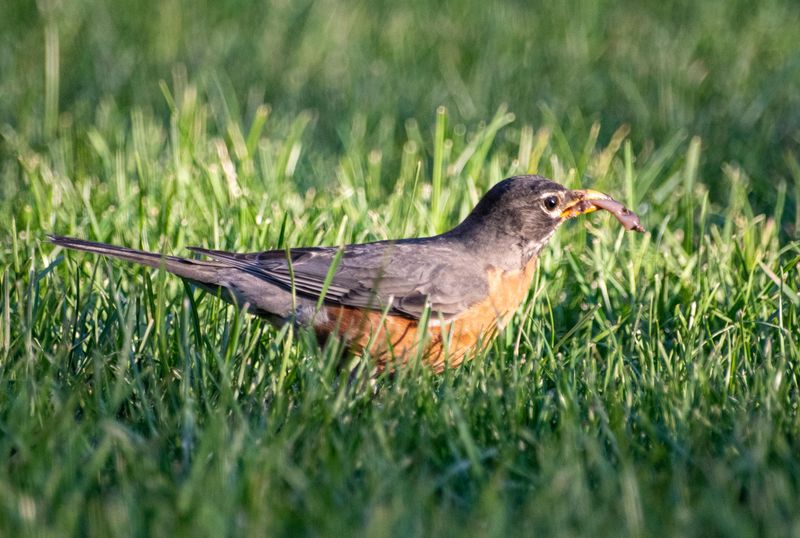
That cheerful bird tugging a worm out of your lawn at sunrise is doing a little quality inspection you didn’t ask for. When robins hop across your grass, it means your soil is alive with earthworms and insects, and that’s a big deal.
Robins avoid yards drenched in pesticides because those chemicals wipe out the bugs they depend on. So if a few show up every morning, your lawn is basically a chemical-free buffet.
Fun bit of trivia: robins can eat around 14 feet of earthworms in a single day. Seeing them regularly is a quiet thumbs-up that your yard’s tiny ecosystem is humming along just fine.
2. Northern Cardinal
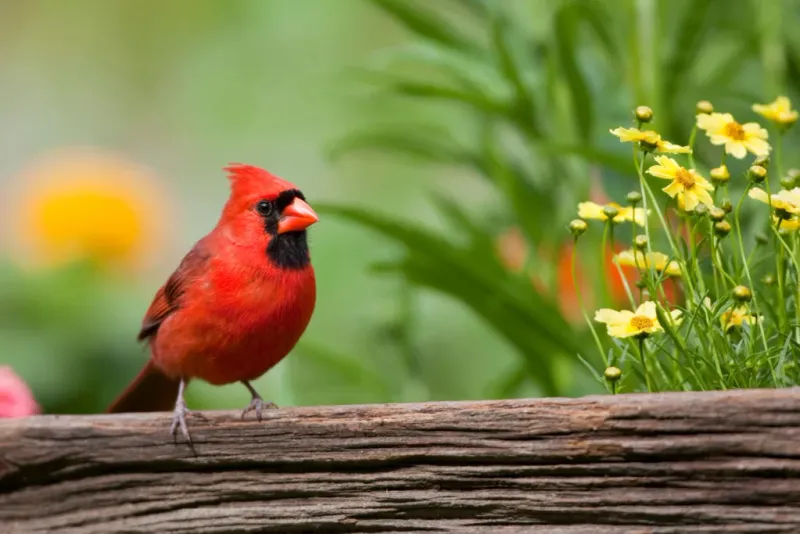
Few backyard sightings feel as rewarding as a brilliant red cardinal against a green hedge or a dusting of snow. Their loyalty to a yard says a lot about the cover you’ve provided.
Cardinals crave dense shrubs and thick bushes where they can nest and duck away from hawks. Pair that shelter with black oil sunflower seeds, and you’ve created a spot they’ll return to year after year.
Unlike many songbirds, cardinals don’t migrate, so a resident pair means your yard is a home base through every season. Both the male and the flame-colored female will sing, which is unusual in the bird world and a treat to hear from your porch.
3. Blue Jay
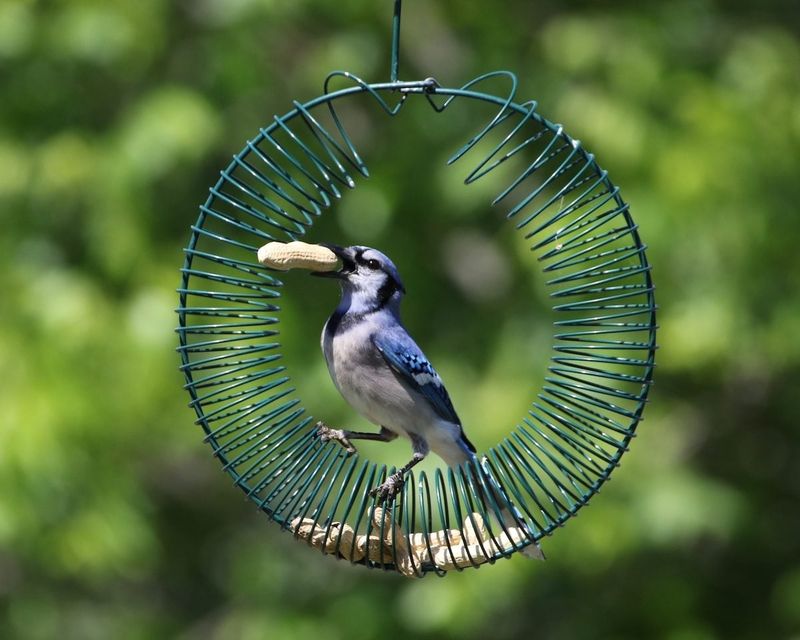
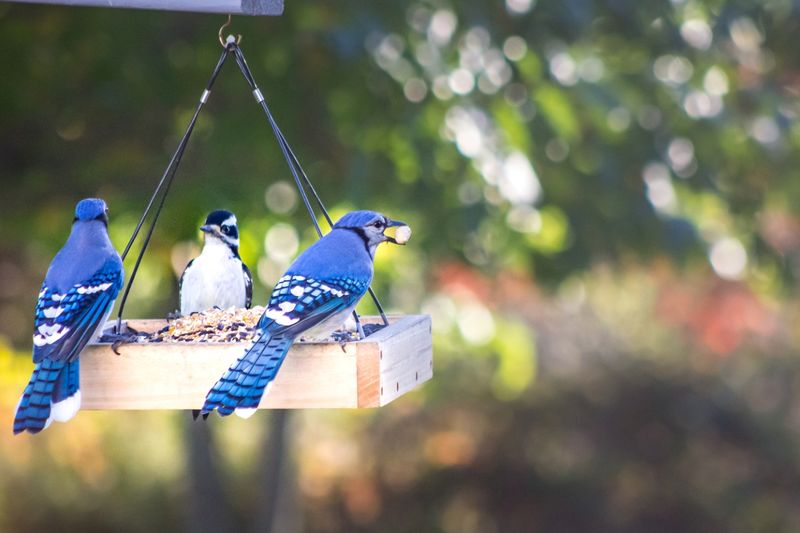
Loud, bold, and impossible to miss, the Blue Jay struts into a yard like it owns the place. Their arrival is a sign your yard offers the variety these clever birds demand.
Jays love peanuts, sunflower seeds, and open tray feeders where they can grab and go. They’re also planting trees for you without knowing it, since they bury acorns and forget a few, which sprout into new oaks.
Smart enough to mimic hawk calls to scare other birds off a feeder, jays add a bit of drama to the yard. Their steady presence tells you there are mature trees and reliable food nearby, exactly what a thriving backyard offers.
4. American Goldfinch
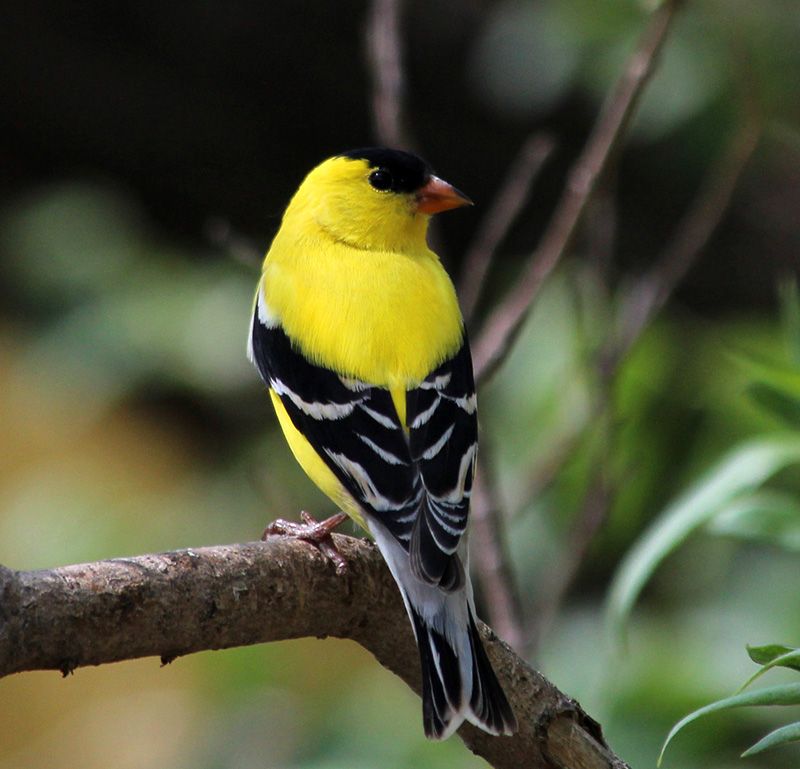
Picture a tiny splash of sunshine bouncing between your flowers, and you’ve got the American Goldfinch. Their visits mean your garden is producing the seeds they live on.
Goldfinches are almost strictly vegetarian, feasting on thistle, sunflower, and coneflower seeds. If they keep coming back, you’ve likely left some flowers to go to seed or planted natives that keep the pantry stocked.
Here’s a neat detail: goldfinches nest later than most birds, waiting until midsummer when thistle down is plentiful for lining their nests. Spotting these yellow acrobats is proof your “messy” seed-head gardening is paying off beautifully.
5. Carolina Chickadee
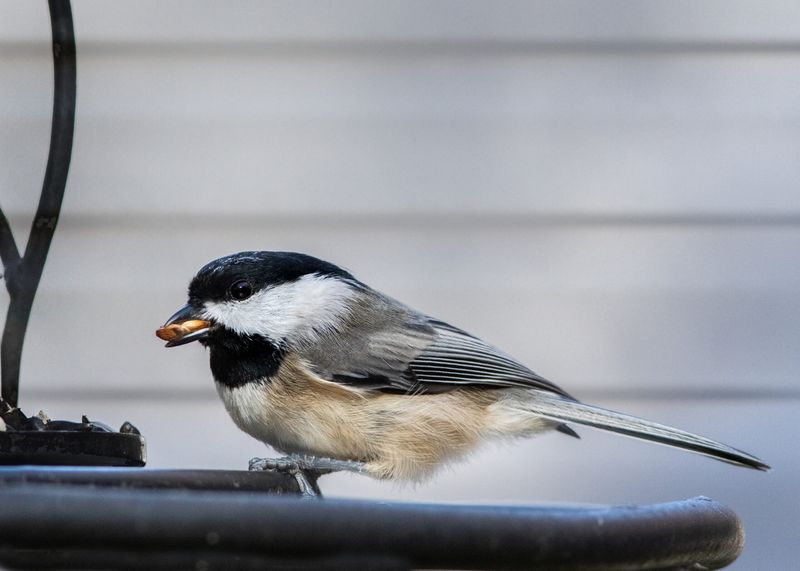
Small enough to fit in your palm but brave enough to scold a hawk, chickadees bring nonstop energy to a yard. They’re often the very first birds to discover a new feeder.
Curious and fearless, these little acrobats snack on seeds in summer and switch to insects and spiders in the colder months. That flexibility means your yard offers both feeders and natural bug-filled cover.
Chickadees have remarkable memories, hiding thousands of seeds and recalling where they stashed them months later. When a chatty flock treats your yard as their headquarters, you know you’ve built a welcoming, reliable habitat.
6. Tufted Titmouse
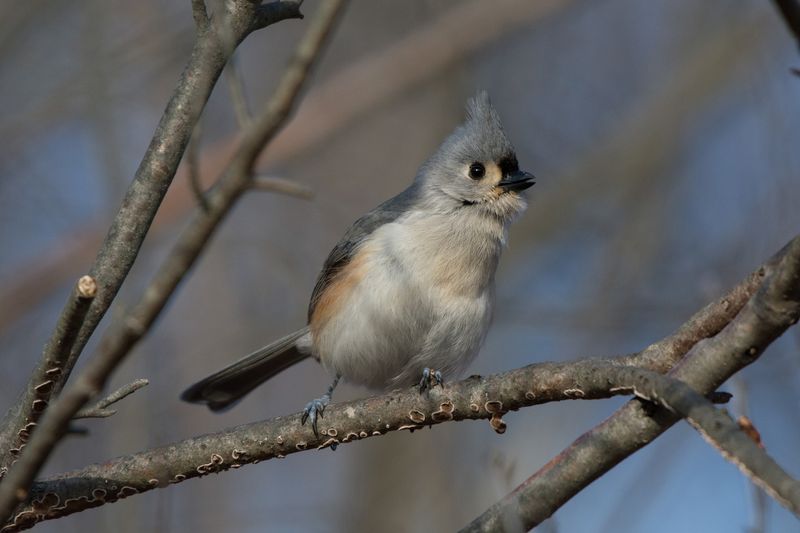
With a jaunty gray crest and enormous dark eyes, the Tufted Titmouse looks like it’s always mid-thought. Their frequent visits point to a yard rich in both seeds and suet.
Titmice adore sunflower seeds and will often grab one, fly to a branch, and hammer it open with their feet. They travel in mixed flocks with chickadees, so where you see one, the other usually follows.
These birds are also known to pluck fur from sleeping animals to line their nests, sometimes even off a napping dog. A titmouse that keeps returning signals your yard has mature trees and a dependable snack supply.
7. Downy Woodpecker
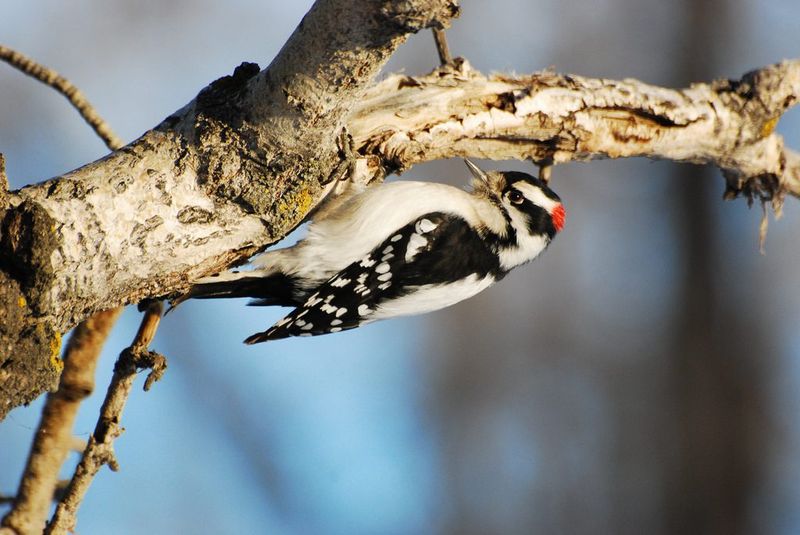
North America’s tiniest woodpecker packs a lot of personality into a body barely bigger than a sparrow. When Downies drum on your trees, they’re telling you the wood is full of insects worth digging for.
Suet feeders are irresistible to them, especially in winter when insects get scarce. Their presence means you’ve got trees or dead limbs that shelter beetle larvae and other hidden protein.
Downy Woodpeckers cling to plant stems as small as sunflower stalks to reach bugs other birds miss. A regular Downy visitor is a strong hint your yard has the natural structure and food they need to stick around.
8. Red-bellied Woodpecker
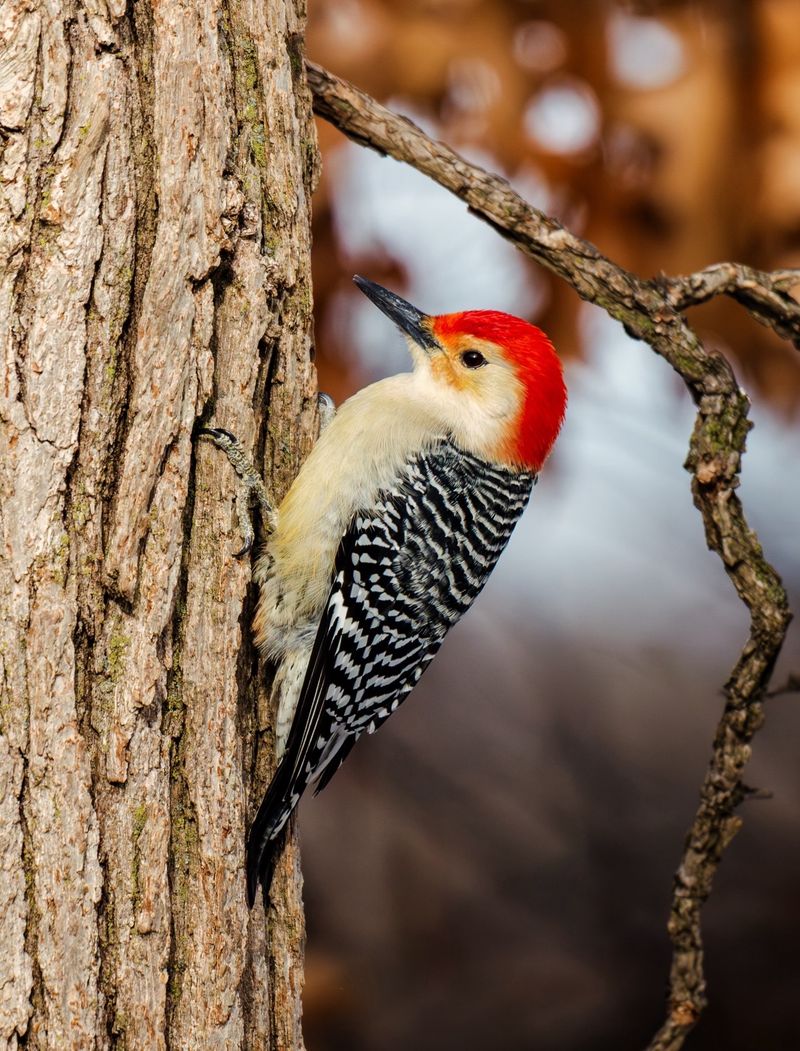
Despite the name, the flashiest thing about this woodpecker is the bold red cap running down its head, not its faintly blushed belly. A yard that hosts them offers a wide menu, which is exactly what they want.
Red-bellied Woodpeckers happily eat suet, sunflower seeds, nuts, and even fruit, making them one of the more flexible feeder guests. They’ll tuck food into bark cracks to save for later, like a little woodland pantry.
Their rolling, chuckling call carries across a neighborhood, so you’ll often hear one before you see it. If this striped charmer keeps dropping by, your yard’s variety of food and mature trees is clearly hitting the mark.
9. White-breasted Nuthatch
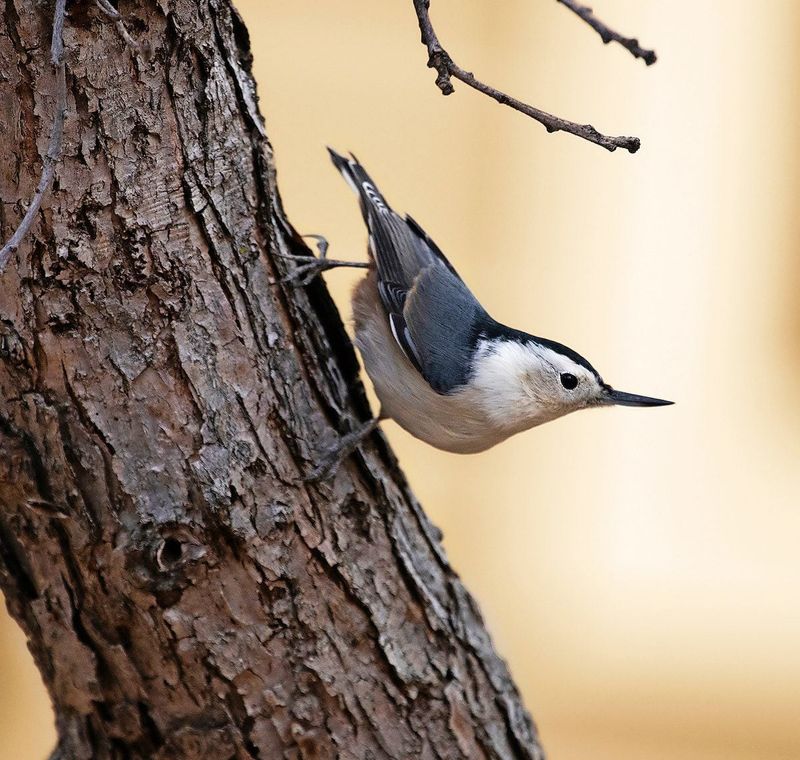
Ever spot a bird casually strolling down a tree trunk headfirst like gravity is optional? That upside-down acrobat is the White-breasted Nuthatch, and its presence means your trees are alive with hidden food.
Nuthatches wedge seeds and nuts into bark crevices, then whack them open with their bills, which is where the “hatch” in their name comes from. They pick insects and larvae from spots other birds can’t reach by climbing downward.
Their nasal, honking call sounds a bit like a tiny toy trumpet echoing through the yard. A nuthatch making regular rounds is proof your trees and feeders together offer a steady, bug-and-seed rich habitat.
10. Eastern Bluebird
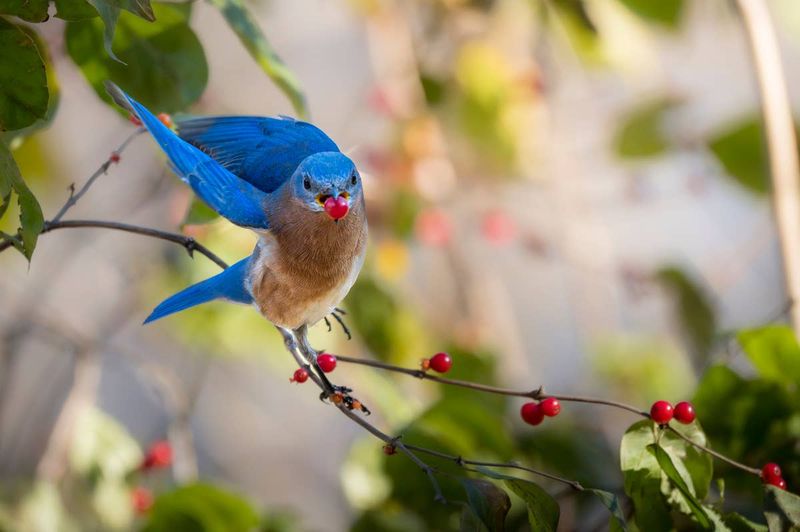
Little rivals the joy of seeing a bluebird flash its brilliant blue back across an open lawn. Their arrival is one of the clearest signs your yard blends open space with the right plants.
Bluebirds gobble insects in the warmer months, then switch to native berries like dogwood and holly through fall and winter. A yard that feeds them year-round means you’ve planted with wildlife in mind.
They readily accept nest boxes, which helped bring the species back after a rough decline decades ago. When bluebirds settle into your yard, you’re not just doing things right, you’re helping a comeback story continue.
11. Carolina Wren
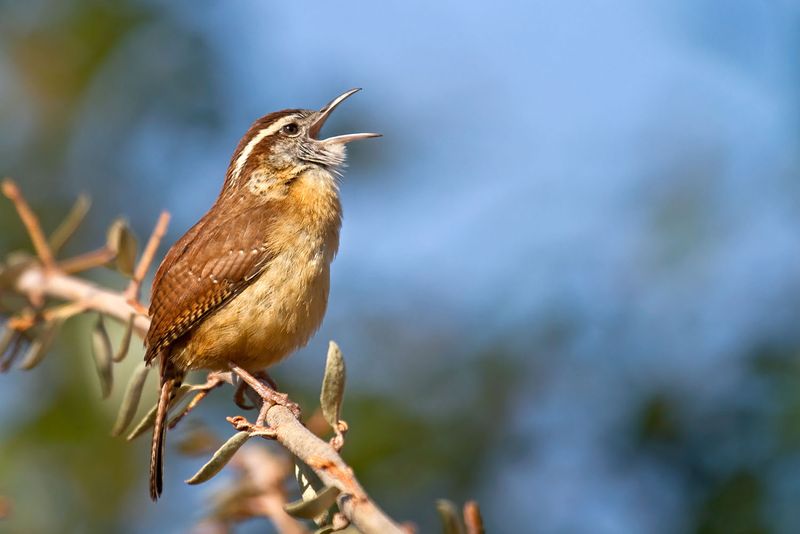
For a bird you could tuck in your pocket, the Carolina Wren has a voice that fills an entire backyard. Their bubbling song from deep inside a shrub means your yard offers the tangled cover they adore.
Wrens thrive where there’s brush, dense vegetation, and leaf litter crawling with insects and spiders. If you’ve resisted the urge to tidy every corner, you’ve handed them the perfect hunting ground.
These birds are famously curious and will nest in the oddest spots, from flowerpots to old boots on a porch. A wren belting out its “tea-kettle, tea-kettle” tune is telling you your slightly wild corners are exactly what wildlife needs.
12. Song Sparrow
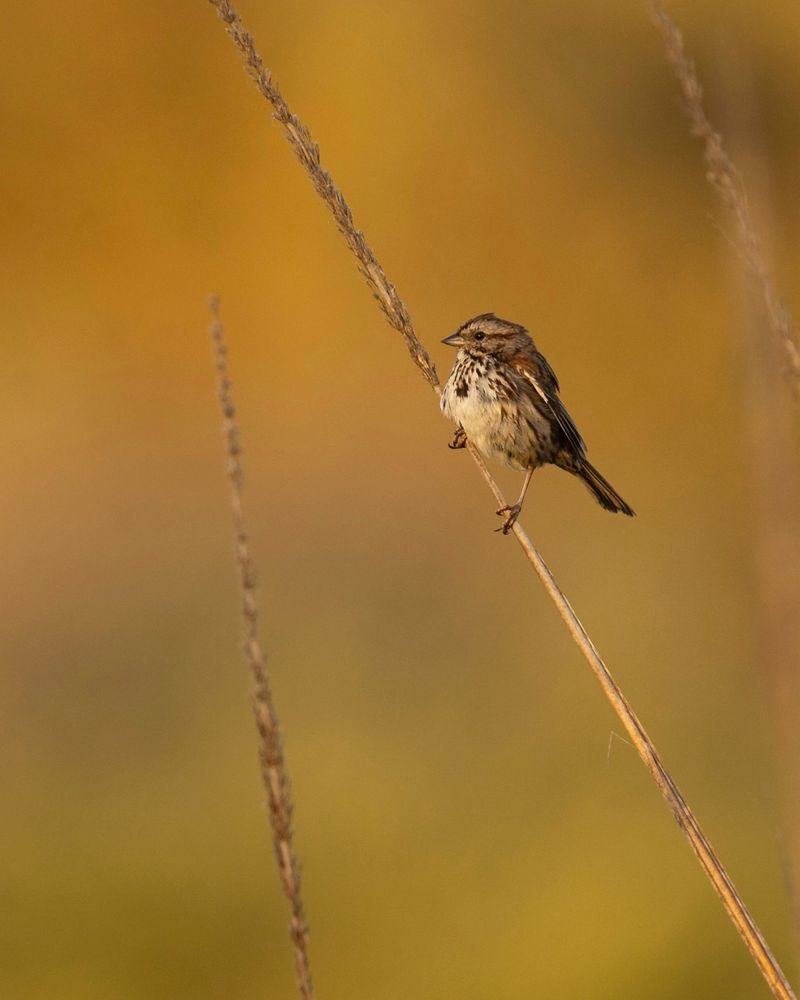
Easy to overlook at first glance, the Song Sparrow earns its name the moment it opens its beak. Its sweet, jumbled melody drifting from a brushy edge signals a yard with both cover and water close by.
These streaky brown birds forage low, snapping up insects in summer and seeds through the leaner months. They favor tangled spots near a birdbath or pond, so their presence hints you’ve got moisture and shelter working together.
Song Sparrows across the country sing slightly different tunes, almost like regional accents. If one keeps serenading your yard, you’ve created the brushy, water-friendly niche it was looking for.
13. Mourning Dove
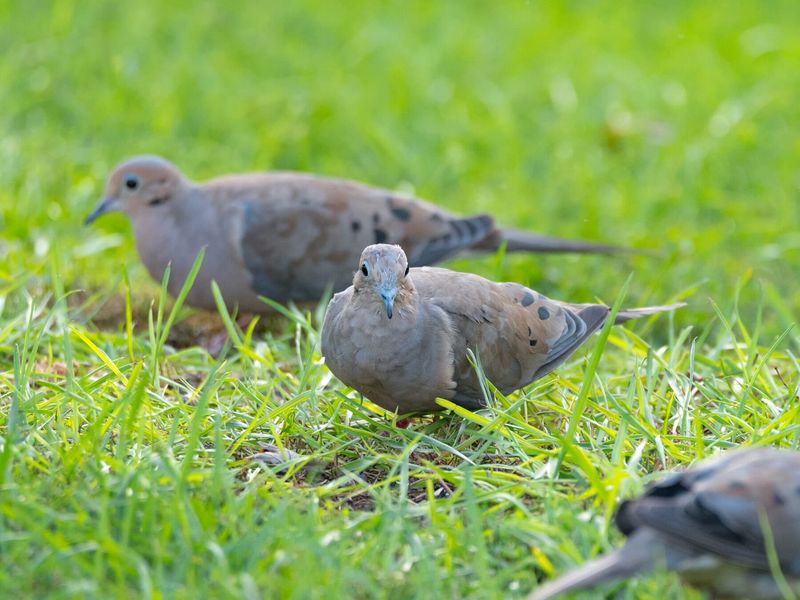
Their soft, cooing call is so mellow that people sometimes mistake it for an owl at dawn. Mourning Doves padding around under your feeder show that your setup naturally feeds ground-loving birds too.
Doves clean up seeds spilled by messier feeder guests, so they thrive where there’s open ground and steady scattering below. They swallow seeds whole and store them in a pouch called a crop to digest later in safety.
Gentle and unhurried, they mate for life and can raise several broods in a single season. When a pair keeps returning to your yard, it’s a sign your open spaces and dependable food are keeping them content.
14. Ruby-throated Hummingbird
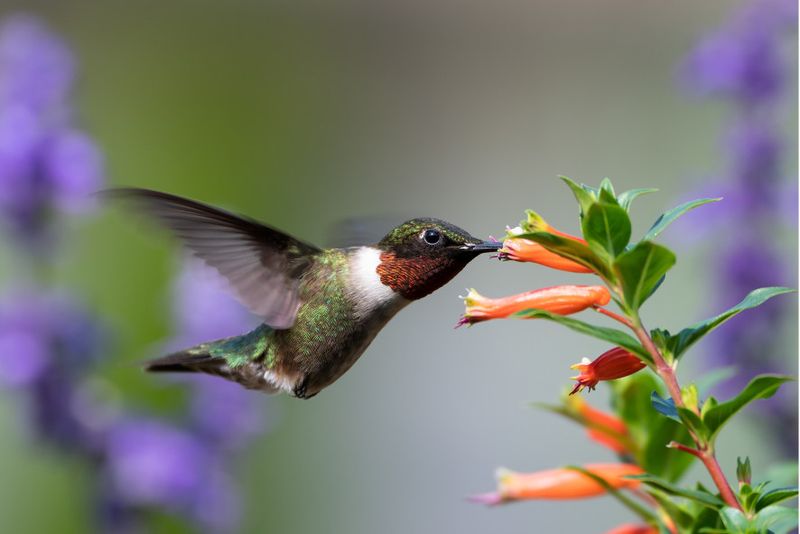
Blink and you’ll miss the shimmering little jewel hovering at your flowers, wings beating over fifty times a second. A hummingbird visiting your yard is proof you’ve planted a nectar-rich, pollinator-friendly space.
These birds are drawn to tubular blooms and bright red feeders filled with fresh sugar water. If they keep returning, your garden is offering the high-energy fuel their racing hearts demand.
Ruby-throats are astonishing travelers, some flying nonstop across the Gulf of Mexico during migration. Hosting even one is a glowing sign that your flowers and feeders are doing everything right for the smallest guests around.
15. Dark-eyed Junco
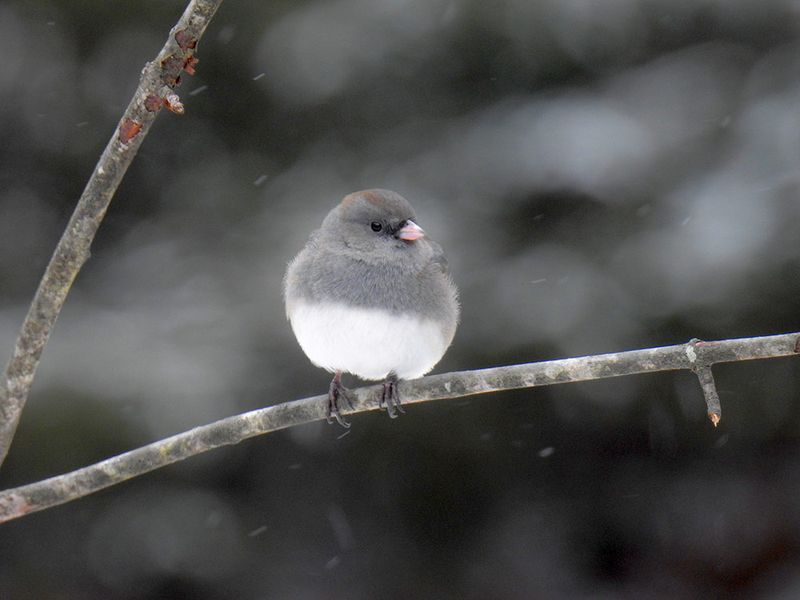
Nicknamed “snowbirds” by many, these tidy little gray-and-white sparrows often appear just as winter settles in. Juncos hopping under your feeder mean your yard is a cold-weather refuge when food gets scarce.
They prefer to feed on the ground, tidying up seeds that fall below feeders and searching bare patches for more. Their sudden arrival each fall is a seasonal signal, almost like a natural calendar page turning.
Juncos flash white outer tail feathers as they fly, a quick blink of white that helps you spot them. When flocks settle into your yard all winter, you’re providing exactly the shelter and spilled seed they rely on.
16. Baltimore Oriole
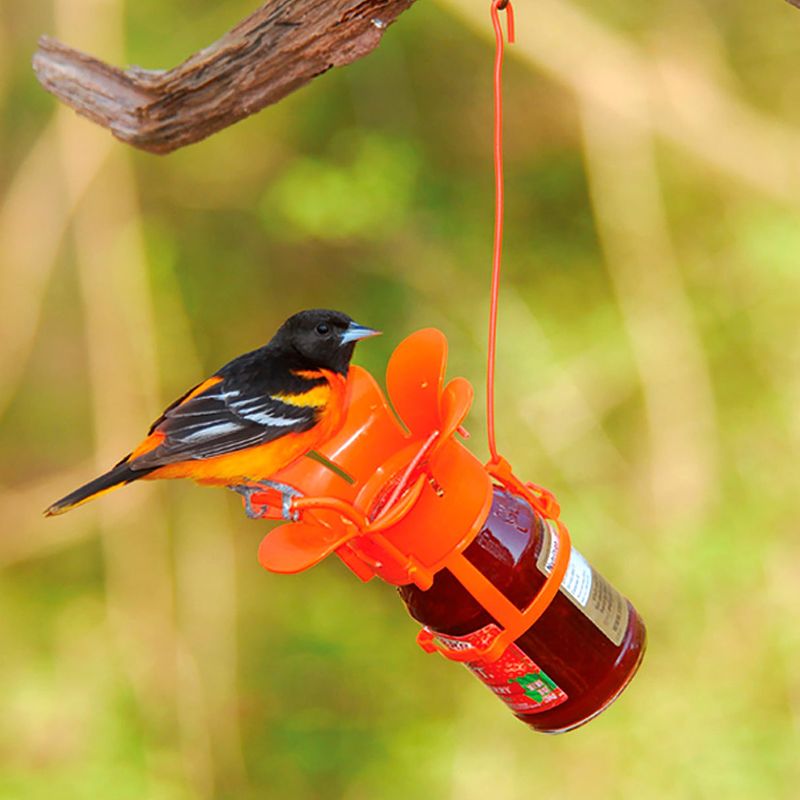
Bright as a burning ember against green leaves, the Baltimore Oriole turns heads the instant it appears. Their visits reveal that your yard offers the fruity, sweet foods most feeders overlook.
Orioles go wild for orange halves, grape jelly, and nectar, so their arrival often means you’ve thought beyond ordinary seed. They weave incredible hanging, sock-shaped nests high in tall shade trees.
Timing a jelly dish for late spring migration can be the difference between a fleeting glimpse and a returning guest. If these orange showstoppers keep dropping in, your diverse menu is clearly one step ahead of the crowd.
17. Cedar Waxwing
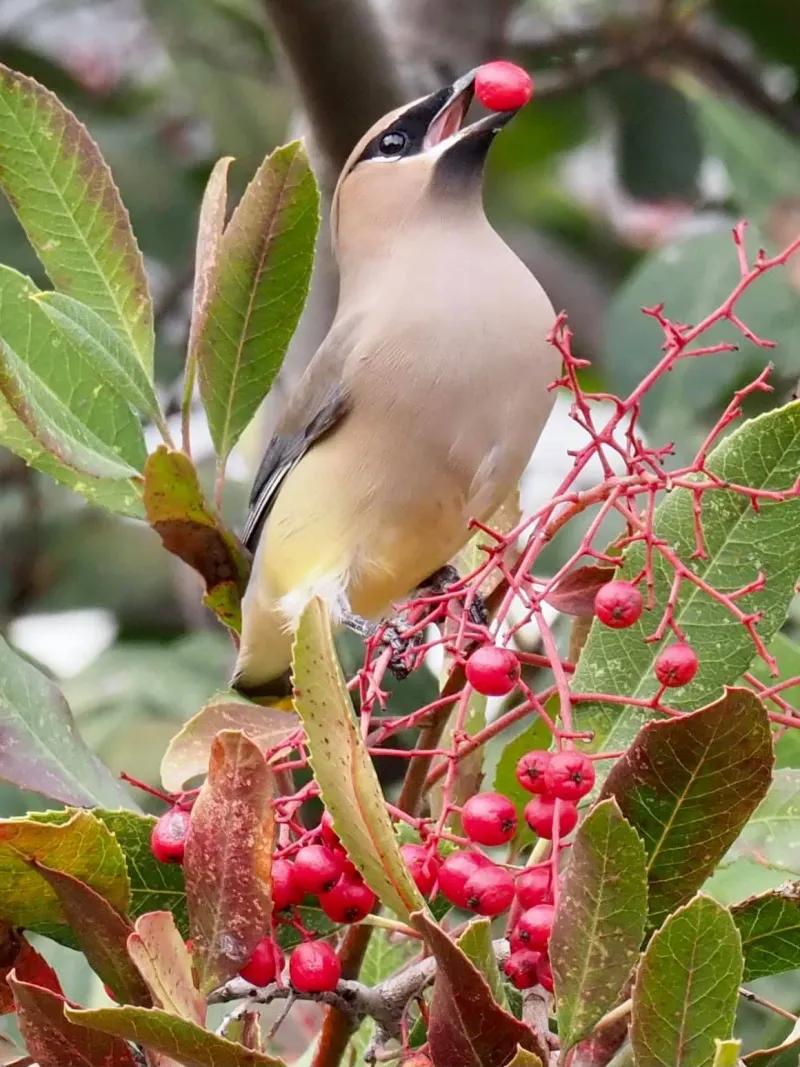
Smooth as if dipped in silk, with a black mask and waxy red wingtips, Cedar Waxwings look almost too polished to be real. A flock descending on your yard means you’ve planted berries they can’t resist.
These birds travel in tight groups and can strip a berry-loaded shrub in a single afternoon. Their fondness for fruit means serviceberry, dogwood, and holly in your yard have paid off handsomely.
Waxwings are so social they’ll sometimes pass a single berry down a row of perched birds, beak to beak. When a chattering flock swirls in, it’s a sure sign your fruit-bearing plants are exactly what they crave.
18. Eastern Towhee
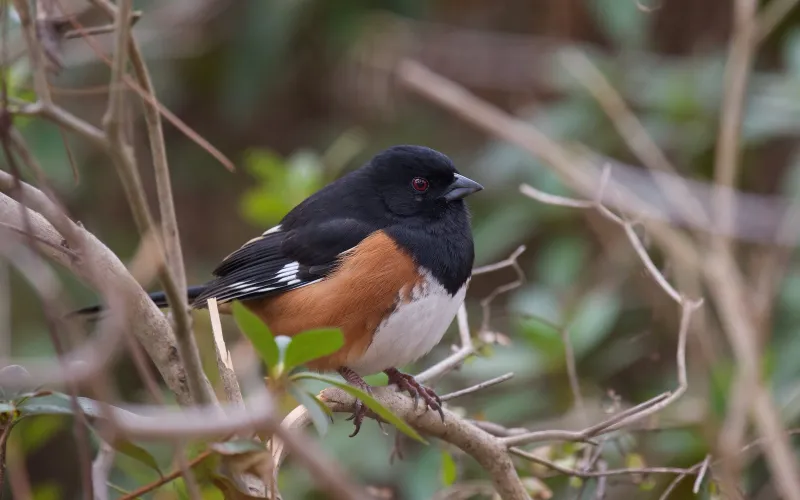
You’ll often hear this one before you see it, kicking up leaves with a noisy double-scratch beneath the shrubs. The Eastern Towhee showing up means your yard has thick cover and seed-heavy plants left standing.
Towhees forage on the ground, flinging leaf litter aside to uncover insects and fallen seeds. Their love of dense thickets rewards anyone who leaves shrubby edges a little wild instead of manicured.
Their bright call sounds like a cheerful “drink-your-tea,” easy to pick out once you know it. A towhee scratching around your beds is a clear reward for letting spent flowers and brushy corners do their natural thing.