
If These 18 Birds Keep Visiting Your Backyard, You’re Doing Everything Right
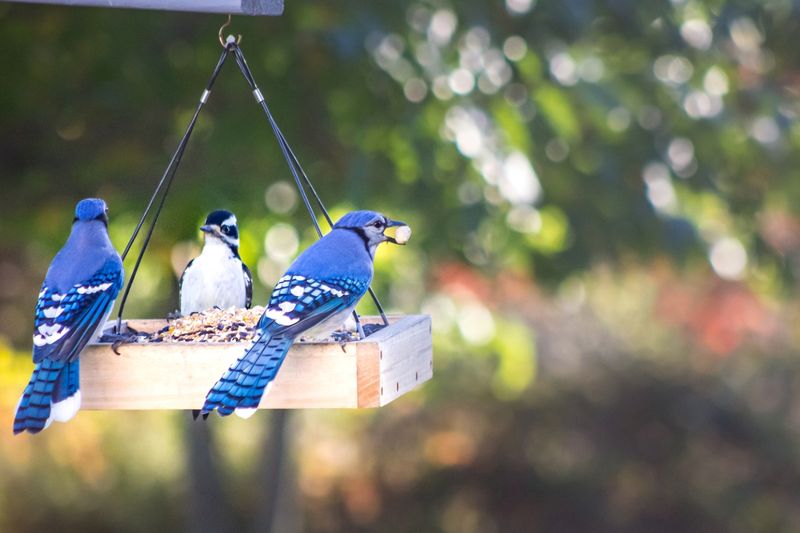
If your garden keeps drawing in feathered visitors, that steady traffic is one of the best report cards a grower can get. Birds show up when your yard offers what they need most: bugs to eat, seeds and nectar, fresh water, and safe places to hide.
Their regular return usually means your plants are healthy and your soil is alive, which is exactly what you want. Here are 18 birds whose visits quietly confirm you’re getting the basics right in your own backyard.
1. Hummingbirds
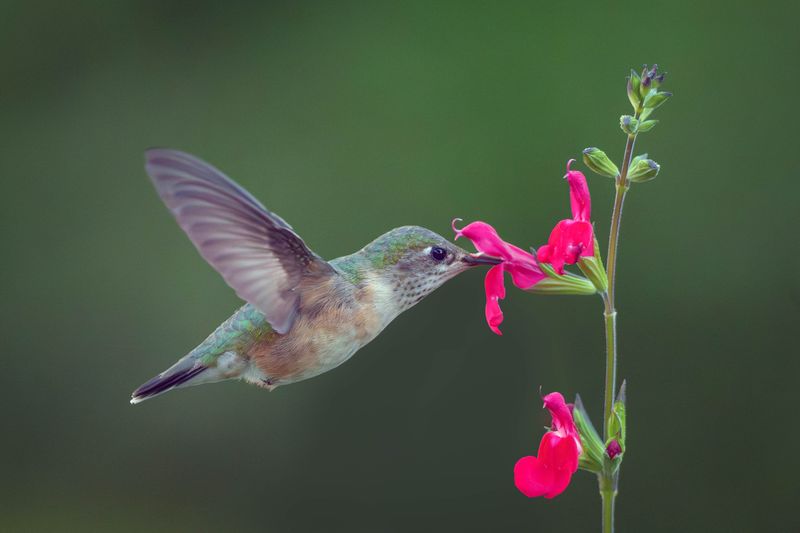
Few sights make a gardener smile faster than a hummingbird hovering over a red tubular flower. Their whirring wings mean your nectar plants are doing their job.
If you grow petunias, hollyhocks, clematis, or geraniums, these tiny fliers will treat your beds like a fueling station. Every visit doubles as free pollination, since pollen clings to their heads as they sip.
Fun bit: a hummingbird can beat its wings around 50 times a second, which is why they burn through so much flower nectar. Skip the sugar-water dyes and let your blooms do the work, and you’ll know your plant choices are spot on.
2. American Robins
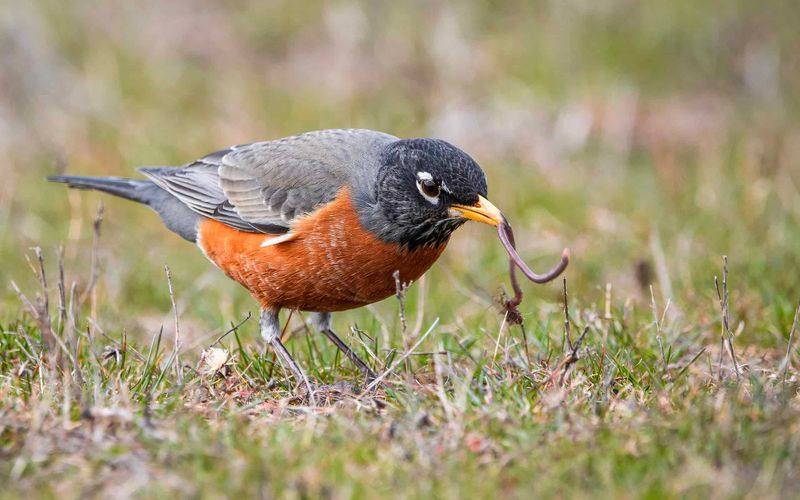
That cheerful morning song you hear before coffee is often an American robin working your lawn. Watch one tilt its head and yank a worm from the soil, and you’re seeing pest control in action.
Robins feast on grubs, beetles, and other insects living in the ground and on your plants. A busy robin usually signals soil that’s rich with life rather than sterile.
They may peck at a ripe tomato now and then, but that’s an easy fix. Keeping a shallow birdbath topped up can give them a water source and often pulls their attention away from your fruit.
3. Northern Mockingbirds
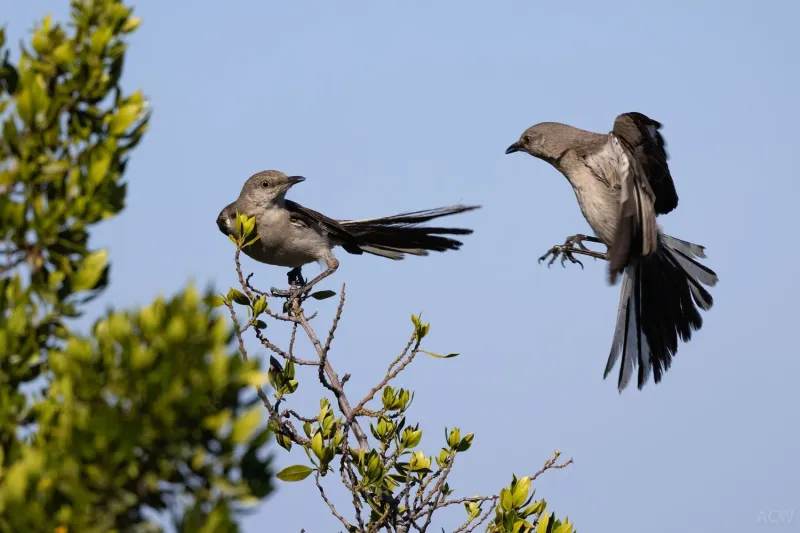
Endlessly copying other birds, car alarms, and even squeaky gates, the Northern mockingbird is your backyard’s tireless performer. Its constant chatter tells you there’s plenty to eat nearby.
Mockingbirds gravitate toward fruit trees and berry bushes, so their presence often means your shrubs are producing well. They round out their diet with beetles, ants, and grasshoppers, quietly trimming your pest population.
A single male can learn 200 different songs over its lifetime. When one claims your yard as a stage, take it as a sign your plantings offer both food and cover worth defending.
4. European Starlings
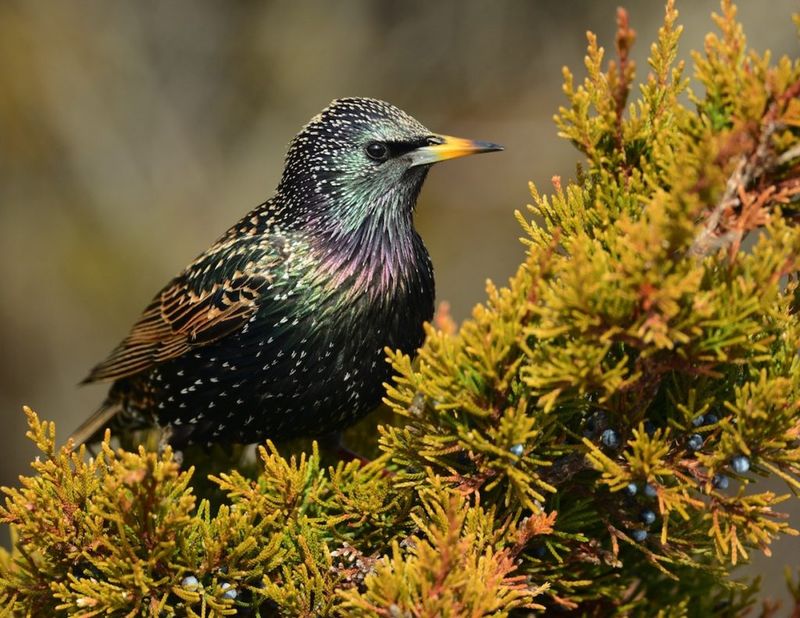
Shimmering with green and purple flecks in the sunlight, starlings often travel in noisy, tight-knit groups. Their arrival stirs mixed feelings, but there’s an upside for your garden.
As they probe the lawn for insects and grubs, they aerate your soil in the process, poking tiny channels that help air and water reach plant roots. That digging habit can quietly loosen compacted ground.
They can be tough on ripe fruit, so netting your berries during peak season keeps the peace. Handled with a little planning, a passing starling flock becomes a working crew rather than a problem.
5. Blue Jays
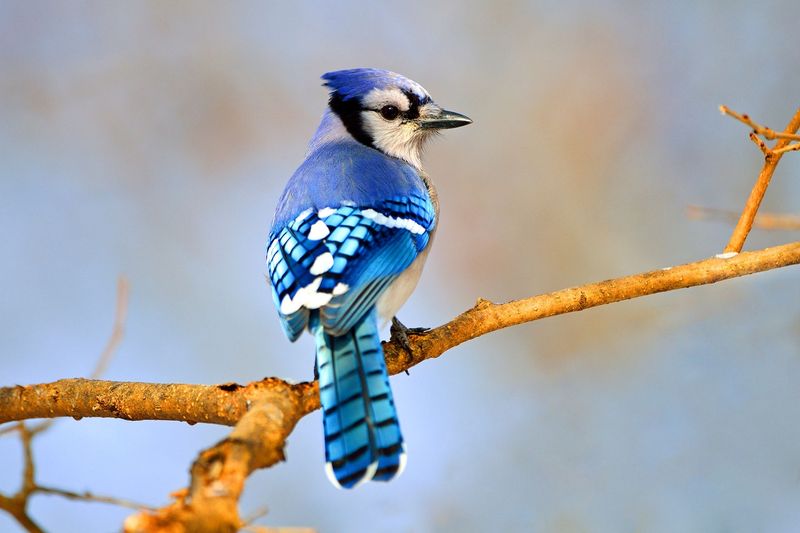
Bold, loud, and dressed in brilliant blue, the Blue Jay never sneaks into a yard quietly. Its confident presence usually means your trees and shrubs offer plenty to forage.
Jays snap up caterpillars, beetles, and other insects that would otherwise chew through your leaves. They also cache acorns and nuts in the soil, and the ones they forget sometimes sprout into new trees.
Because of that habit, Blue Jays are considered natural planters of oak forests. A jay stopping by regularly hints that your backyard sits within a healthy, tree-friendly patch of habitat.
6. Native Sparrows
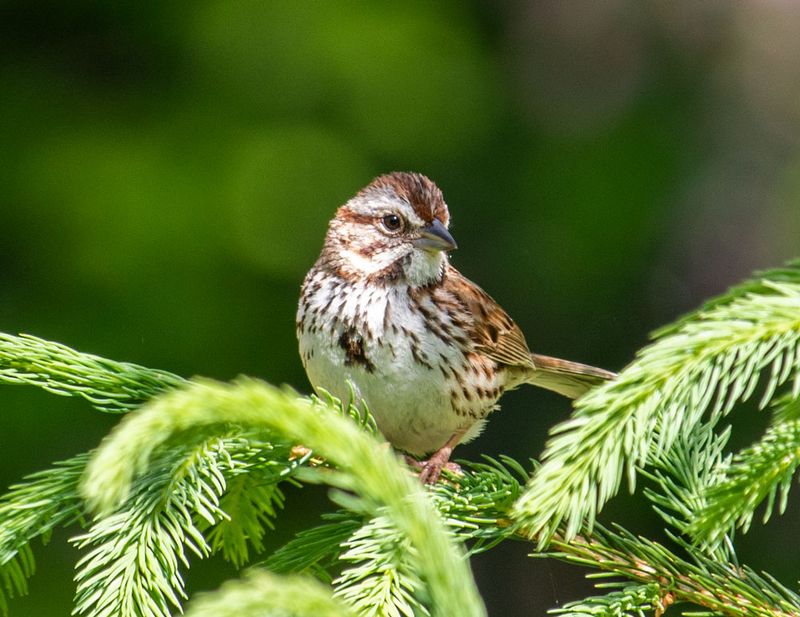
Small, streaky, and easy to overlook, native sparrows like the song sparrow and chipping sparrow do a lot of unnoticed good. Their busy hopping through your beds is a quiet vote of confidence.
Many of these sparrows eat insects during the warmer months, helping keep pests in check. They also gobble up weed seeds, sparing you some pulling later in the season.
Dense plantings such as climbing hydrangeas give them shelter and tucked-away nesting spots. When sparrows settle in comfortably, it usually means your yard has the layered cover songbirds crave.
7. American Goldfinches
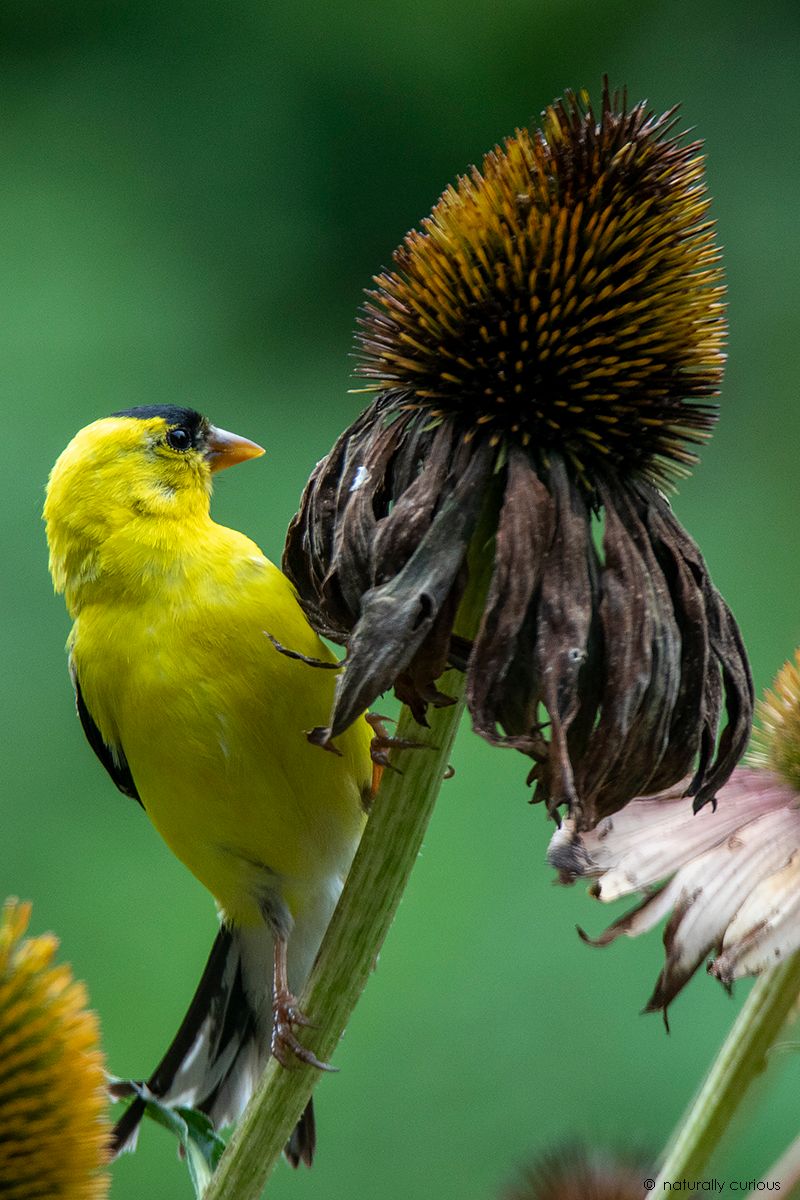
Bright as a lemon in summer, the American goldfinch turns a plain flower bed into a splash of gold. Spotting one clinging to a seed head means your plants have matured beautifully.
Goldfinches are seed specialists, and they love the leftovers from petunias, zinnias, and coneflowers. Letting spent blooms stand instead of deadheading them all gives these birds a natural buffet.
They nest later than most songbirds, timing their broods to when thistle and other seeds peak. A yard full of goldfinches in late summer is proof you left the right plants to go to seed.
8. Carolina Chickadees
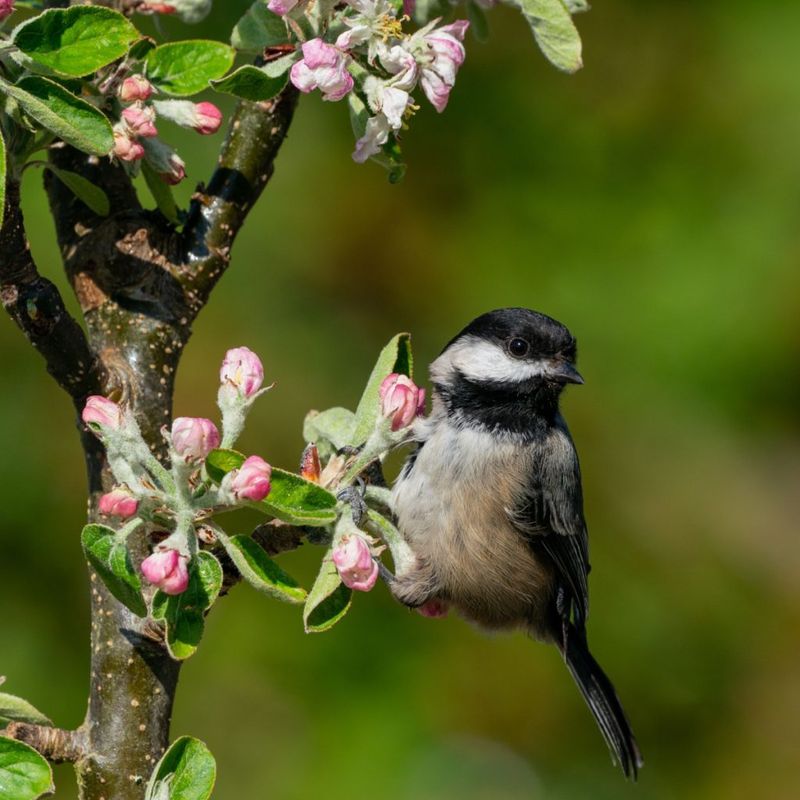
Tiny enough to fit in your palm yet endlessly busy, chickadees are among the hardest-working pest patrols around. Their cheery calls signal a yard packed with the bugs they crave.
A single chickadee can eat huge numbers of moths, caterpillars, and beetles, especially while feeding a hungry brood. That appetite keeps leaf-chewing pests off your plants without a drop of spray.
They favor dense foliage like climbing hydrangeas for shelter and raising young. When chickadees choose your greenery as home base, it’s a strong sign your garden is both safe and well-stocked.
9. House Wrens
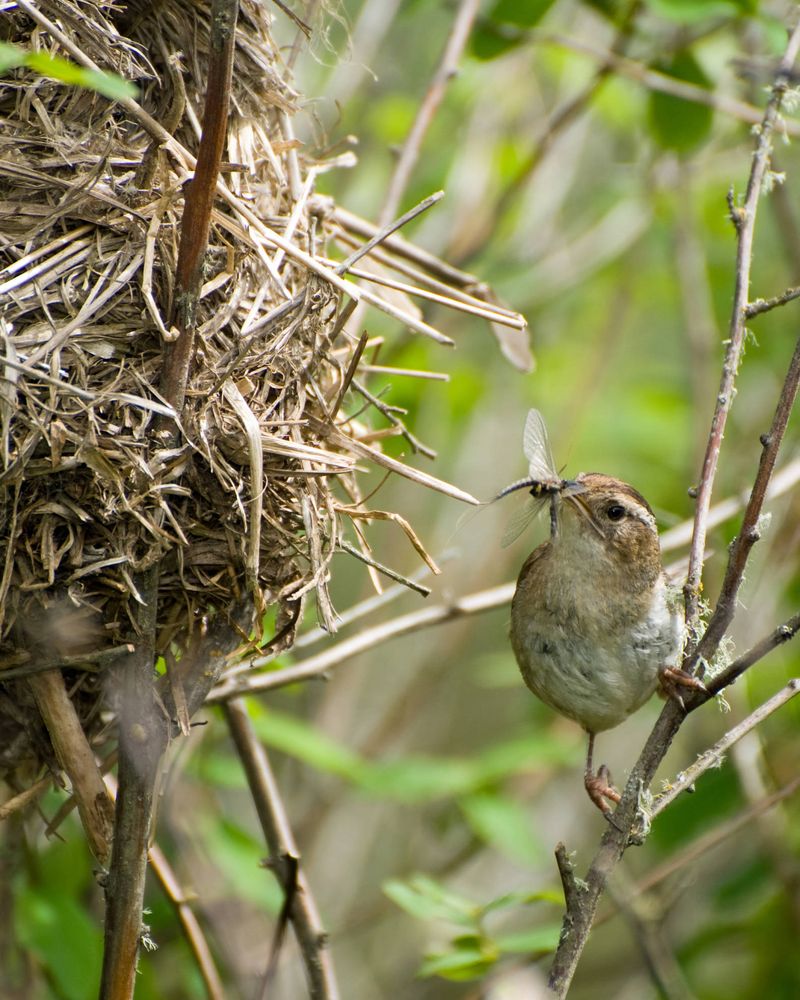
Don’t let the size fool you, because a house wren packs enormous energy into a tiny frame. Its bubbling, nonstop song often gives it away before you spot the bird itself.
Wrens hunt relentlessly for spiders, caterpillars, and beetles tucked in your garden’s nooks. All that searching makes them a gardener’s quiet ally against creeping pests.
They love to nest in dense vines like climbing hydrangeas, sometimes squeezing into surprisingly small cavities. A wren claiming a corner of your yard suggests you’ve built the kind of tangled, bug-rich habitat they thrive in.
10. Warblers
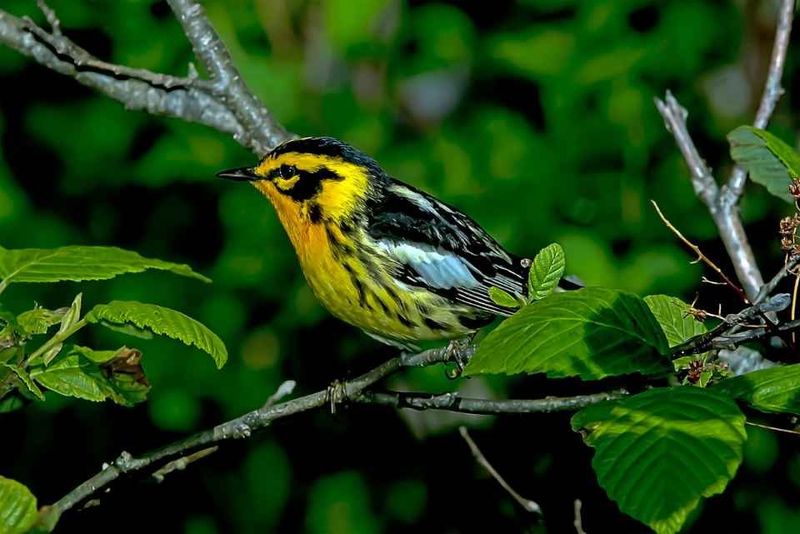
Flitting through the leaves like tiny jewels, migrating warblers turn up in bursts during spring and fall. Their splashes of yellow, blue, and green are a treat worth pausing for.
These birds are ravenous insect eaters, snapping up aphids, mites, beetles, and caterpillars by the dozen. A yard that feeds passing warblers is doing a lot to cut your need for chemical pesticides.
Because they travel long distances, warblers only linger where food is abundant. Their stopover in your trees is a compliment to the healthy insect life your plants support.
11. Barn Swallows
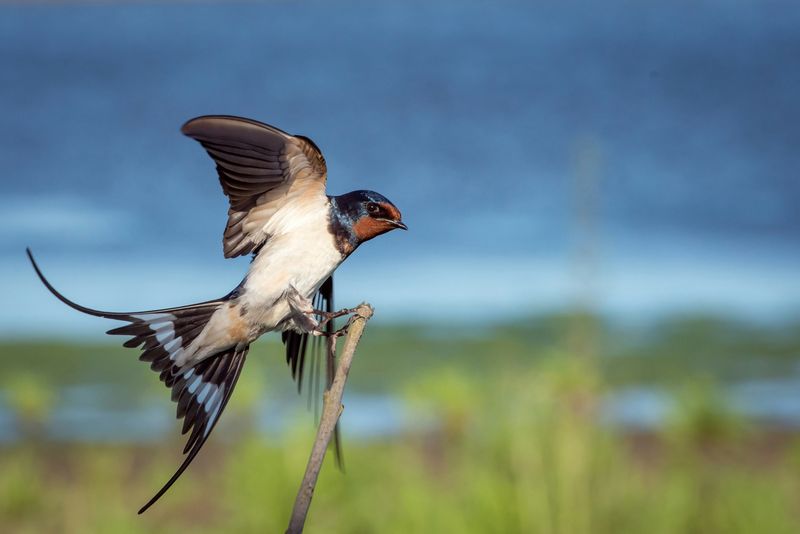
Cutting graceful arcs across the sky at dusk, barn swallows put on an aerial show while doing you a favor. Their swooping flight is all about catching dinner on the wing.
Swallows specialize in flying insects, gulping down mosquitoes, gnats, and flies as they cruise low over the yard. That makes your evenings outside far more pleasant during buggy months.
They often nest under eaves and in sheltered structures near open feeding grounds. When swallows sweep through your backyard nightly, it usually means your space offers both open air to hunt and calm insects to chase.
12. Eastern Bluebirds
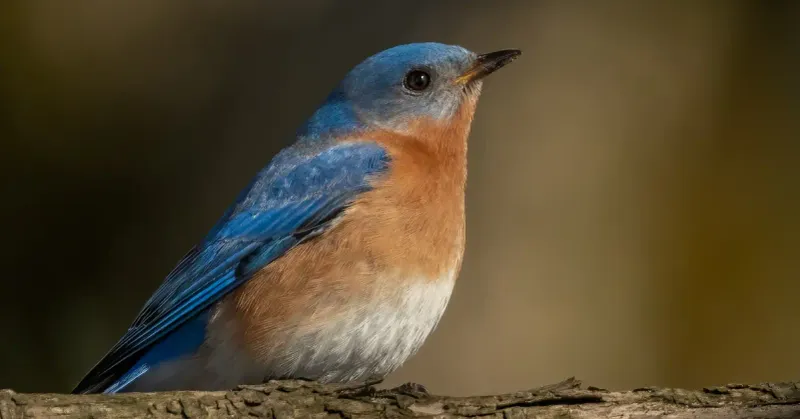
Catching the light with that unmistakable blue back and warm rust chest, a bluebird can stop you mid-task. Their soft, gentle warble feels like a reward for a well-kept yard.
Insects make up much of a bluebird’s diet, so they spend hours snatching crickets, grasshoppers, and grubs from your lawn and beds. That habit keeps pest numbers down naturally.
They’re also drawn to native berry shrubs, which round out their meals through cooler months. Offering both open hunting ground and berry-rich plants is a recipe that brings bluebirds back again and again.
13. White-breasted Nuthatches
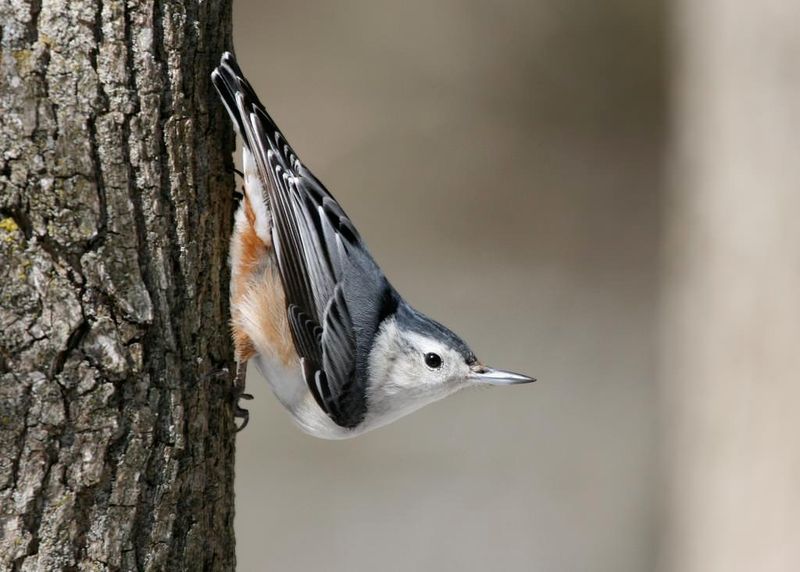
Ever seen a bird calmly walk headfirst down a tree trunk? That upside-down acrobat is likely a white-breasted nuthatch, and its odd angle helps it spot food others miss.
Nuthatches probe bark for hidden insects and their eggs, offering pest control even in the quiet of winter. By clearing out bugs tucked in crevices, they help keep your trees healthier.
They’ll also find shelter in dense growth like climbing hydrangeas when the weather turns. A nuthatch working your tree trunks is a sign your woody plants are part of a living, working ecosystem.
14. Northern Cardinals
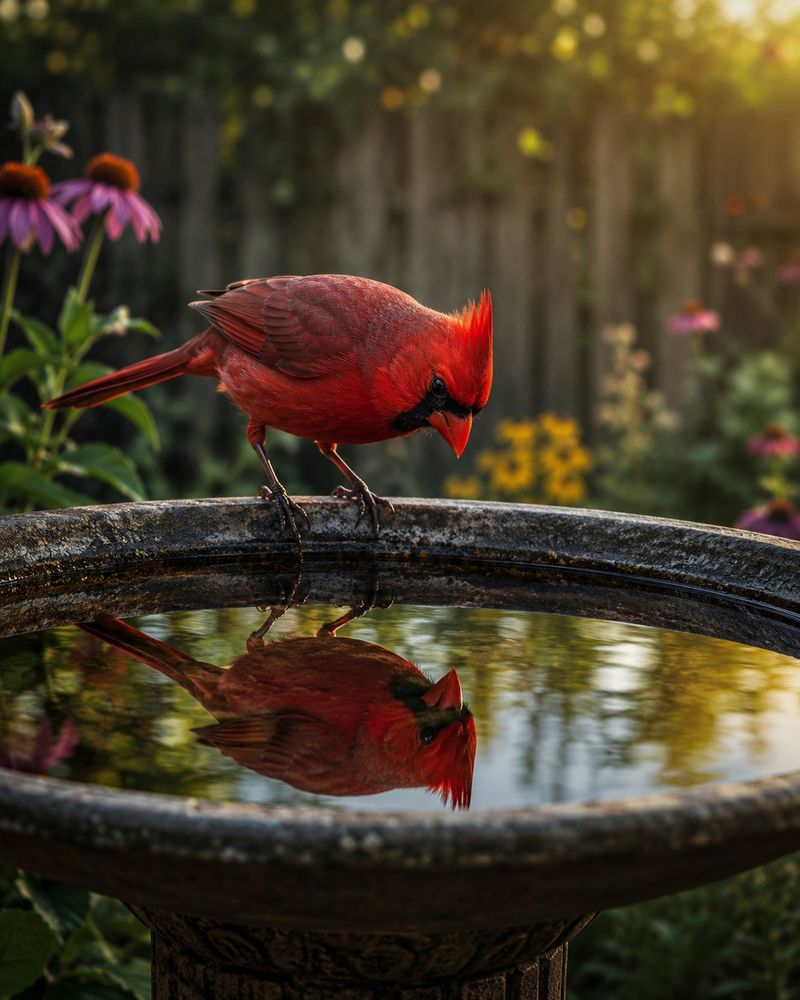
Nothing brightens a gray winter morning like a male cardinal blazing red against snowy branches. Even year-round, that flash of color feels like a small gift to the gardener.
Cardinals mix seeds and insects in their diet, helping manage pests through the summer while cleaning up seed heads later on. They’re especially fond of coneflower seeds and some hydrangea varieties.
Because they don’t migrate in most areas, cardinals stick around to reward you all year. A resident pair usually means your yard offers steady food and thick cover in every season.
15. Mourning Doves
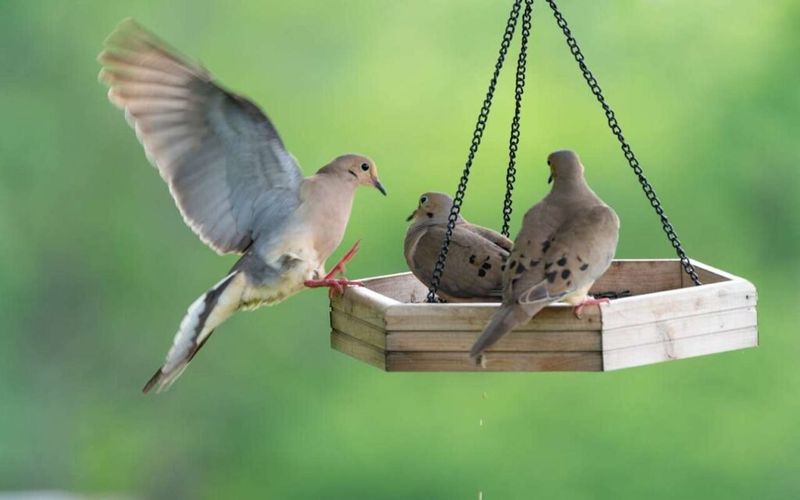
Their soft, mournful cooing drifts across the yard like a lazy afternoon soundtrack. Gentle and unhurried, mourning doves settle in wherever seeds are plentiful.
These doves are dedicated seed eaters, cleaning up leftovers from zinnias, coneflowers, and wild geraniums. In doing so, they quietly reduce the weeds you’d otherwise face next season.
As they move about, they also help spread seeds to new spots. A pair of doves loafing on your fence line is a calm little confirmation that your plants are producing plenty to share.
16. Quail
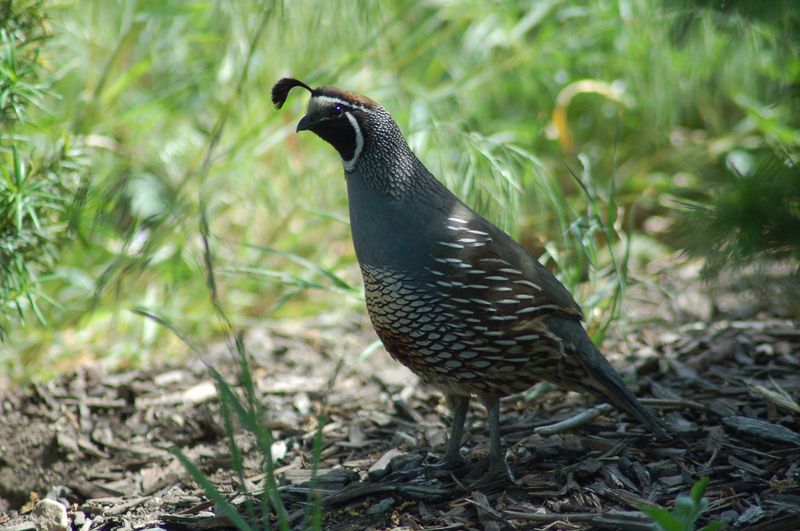
Scurrying along the ground in tidy little groups, quail like the California and bobwhite bring a burst of charm at foot level. Their comical dashes and topknots make them a favorite to spot.
Quail work the lowest layer of your garden, eating weed seeds and insects other birds miss up high. That ground-level cleanup gives you natural weed and pest control right where trouble often starts.
Wild geraniums and similar plants provide a reliable seed source that keeps them coming back. When a covey of quail feels safe enough to feed in your yard, you’ve clearly built plenty of low, protective cover.
17. Woodpeckers
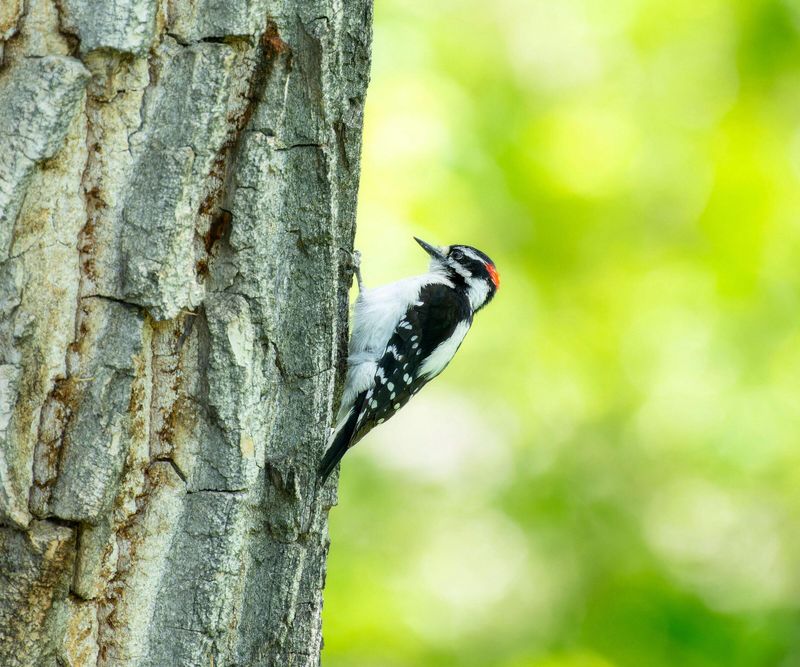
That steady tapping echoing from a tree trunk is a downy woodpecker hard at work. The sound alone tells you there’s a meal hidden in the bark worth chiseling for.
Woodpeckers dig out insects living in trees and shrubs, including pests drawn to climbing hydrangeas and other woody plants. By removing those bugs, they help keep your trees strong and disease-resistant.
Downy woodpeckers are the smallest of their kind in North America, yet they punch above their weight in the garden. A woodpecker making rounds through your yard signals mature, well-cared-for trees full of life.
18. Orioles
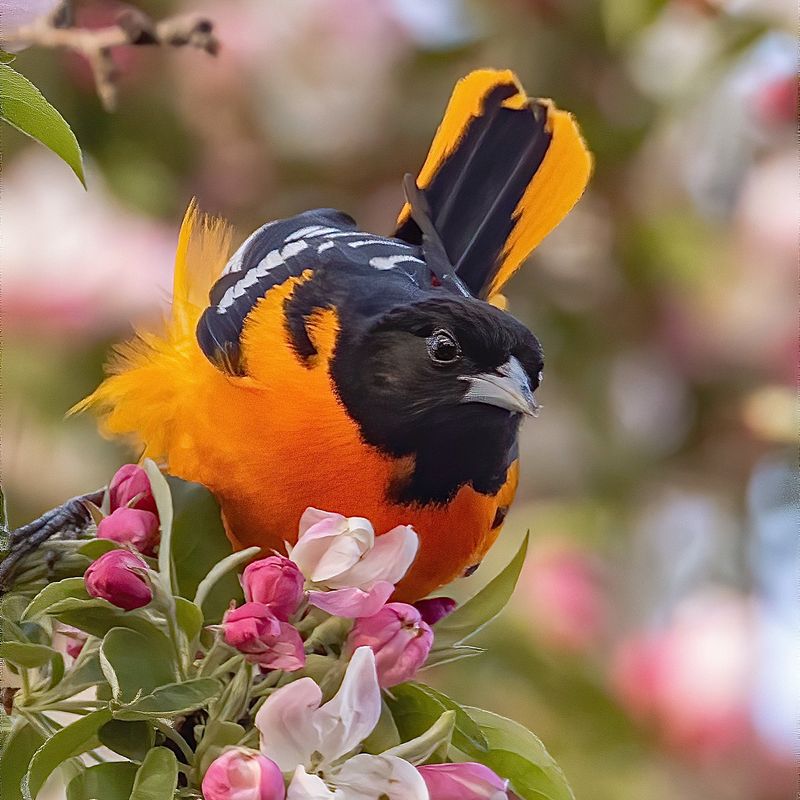
A flash of fiery orange darting between the branches almost always turns out to be an oriole. Whether Baltimore or orchard, these birds add a tropical spark to an ordinary backyard.
Orioles sip nectar from flowers and, in the process, help move pollen from bloom to bloom. They balance that sweet diet with insects, cleaning up caterpillars and beetles along the way.
Many gardeners lure them with orange halves or nectar feeders, but a flower-rich yard often does the trick on its own. An oriole choosing your garden is a bright, unmistakable sign your plantings are thriving.