
If These 18 Birds Keep Visiting Your Backyard, You’re Doing Something Right
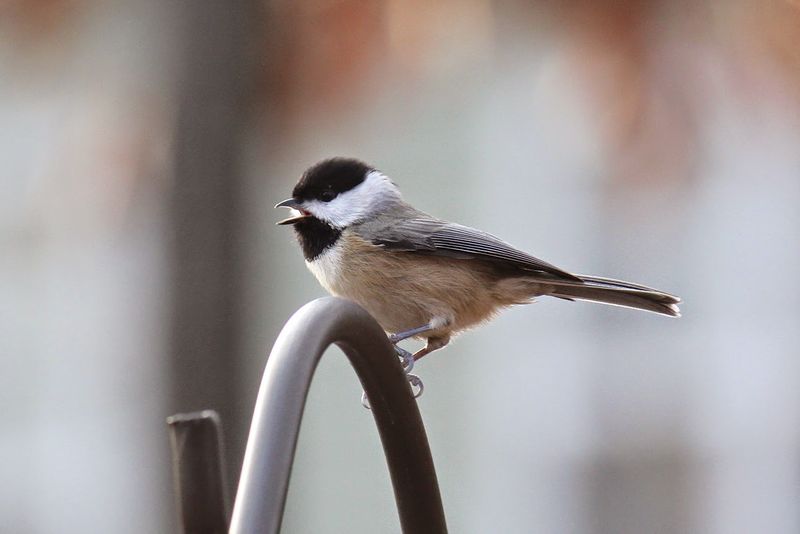
Ever notice how some yards seem to buzz with birdsong while others stay quiet? The birds that show up are actually little report cards on how healthy your yard really is.
When certain feathered visitors keep coming back, it usually means you have the right mix of food, water, and shelter, and fewer harmful chemicals in the mix. Here are 18 birds that quietly tell you your backyard is doing great.
1. American Robin
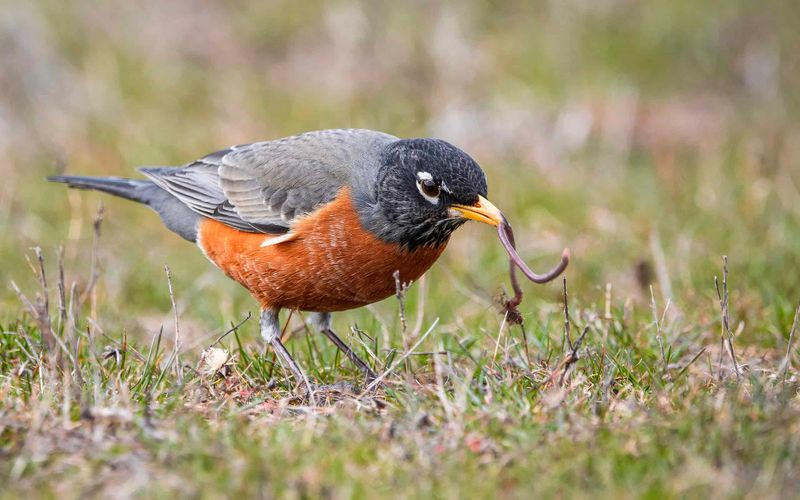
A lawn dotted with robins tilting their heads to listen for worms is one of the clearest signs your soil is alive. Robins hunt earthworms, grubs, and beetles, and they only stick around when the ground is rich and mostly free of heavy pesticide use.
Because they feed so much at ground level, robins are sensitive to lawn chemicals. Seeing them return year after year means your grass is a safe hunting ground.
Fun bit: that cheery, rolling song you hear before sunrise is often a robin, one of the first birds to greet the day.
2. Bluebirds (Eastern, Mountain, Western)
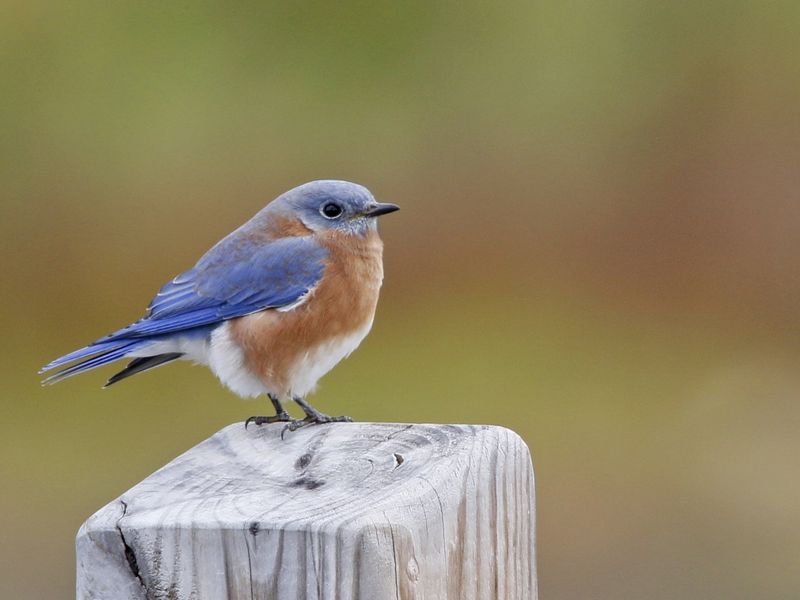
Few sights beat a flash of brilliant blue landing on a fence post. Bluebirds are backyard pest-control champions, gobbling up ants, beetles, caterpillars, crickets, grasshoppers, spiders, and even snails.
They favor open yards with scattered perches and short grass where they can spot insects below. If bluebirds choose your space, you have created the kind of open, bug-rich habitat they love.
Hang a nest box with a small entrance hole and you may earn a returning family season after season.
3. Chickadees (Black-capped and Carolina)
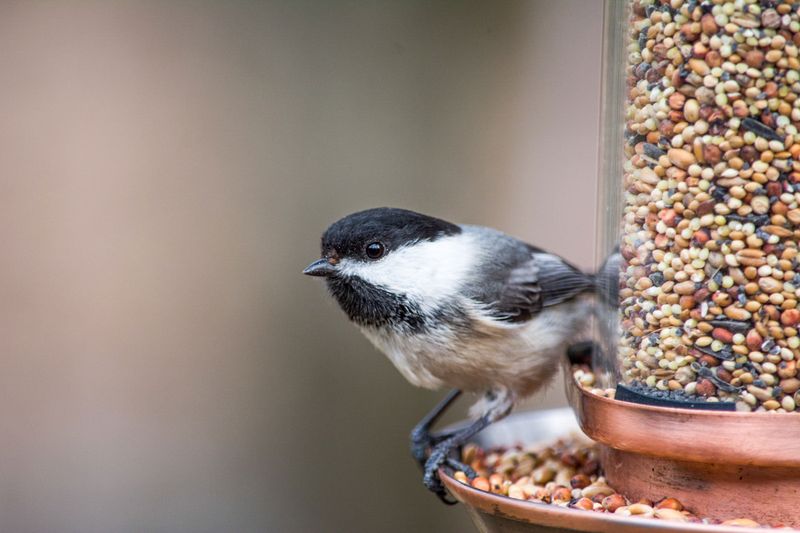
Bold and endlessly curious, chickadees will scold you from a branch and then swoop in to grab a seed inches from your hand. Their cheerful chick-a-dee-dee call is a soundtrack to healthy yards across much of the country.
These tiny birds work hard for you, eating mosquitoes, beetles, and caterpillars in large numbers. A single chickadee can clear an impressive amount of insect pests during nesting season.
When chickadees settle in, it usually means you have trees, shrubs, or feeders that give them both food and safe cover.
4. American Goldfinch
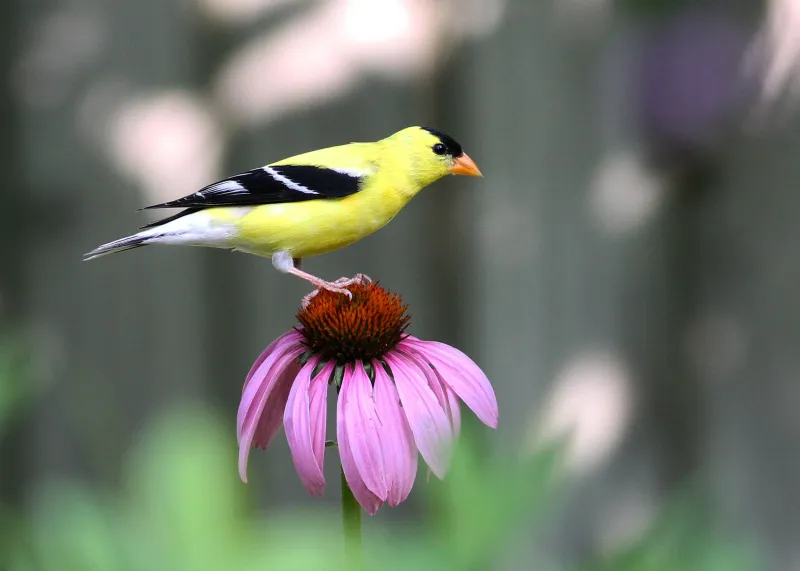
Picture a burst of lemon-yellow bouncing across your yard in summer, and you are likely watching goldfinches. These bright little seed-eaters are natural weed managers, feasting on thistle, dandelion, and other seeds you would rather not spread.
Goldfinches are drawn to native flowers and seed heads left standing, so their presence hints that you are letting nature do a little of the work.
Their arrival also points to good biodiversity overall, since a yard that feeds finches tends to support plenty of other life too.
5. Northern Cardinal
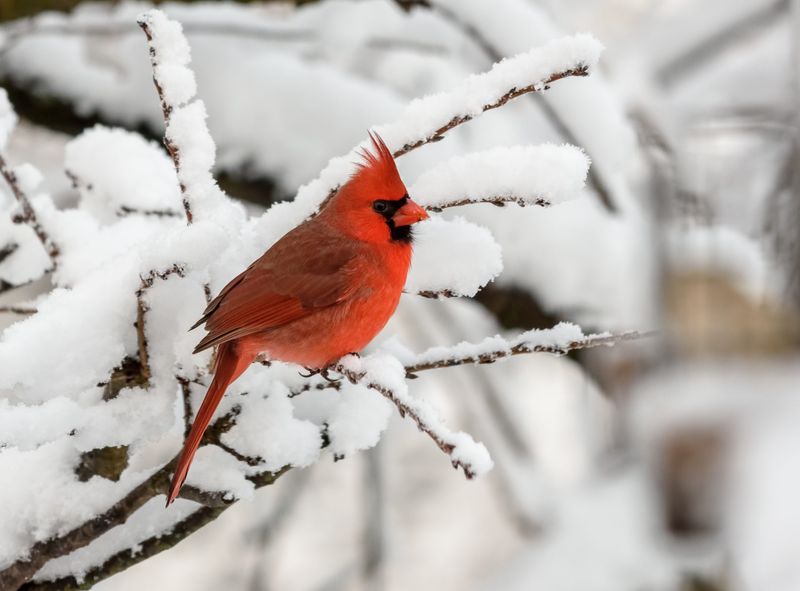
That unmistakable red male cardinal singing from a treetop is a badge of honor for any backyard. Cardinals are year-round residents in much of the eastern and central U.S., and they return to feeders they trust.
Consistent cardinal visits signal something valuable: a steady, reliable food source and safe places to hide. They love sunflower seeds and dense shrubs for cover.
Because they do not migrate, spotting them in the snow of January and the heat of July means you have built a yard worth staying in all year.
6. House Wren
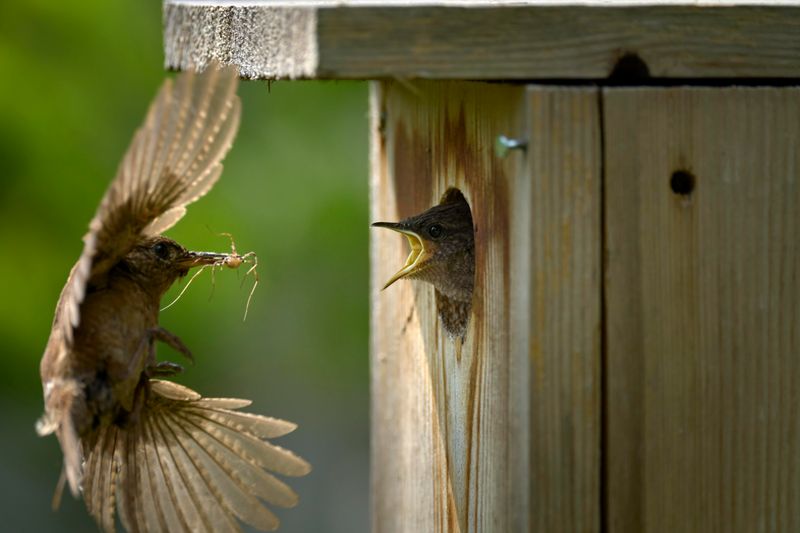
Small, plain, and brown, the house wren does not look like much until it opens its mouth. Out pours a loud, bubbling song that fills a yard far bigger than the bird itself.
Do not let the modest looks fool you. House wrens are relentless insect and spider hunters, tidying up your garden beds one bug at a time.
They readily nest in boxes, birdhouses, and even old boots or cans, so a wren moving in means you have offered a cozy nook it finds worth defending.
7. Downy Woodpecker
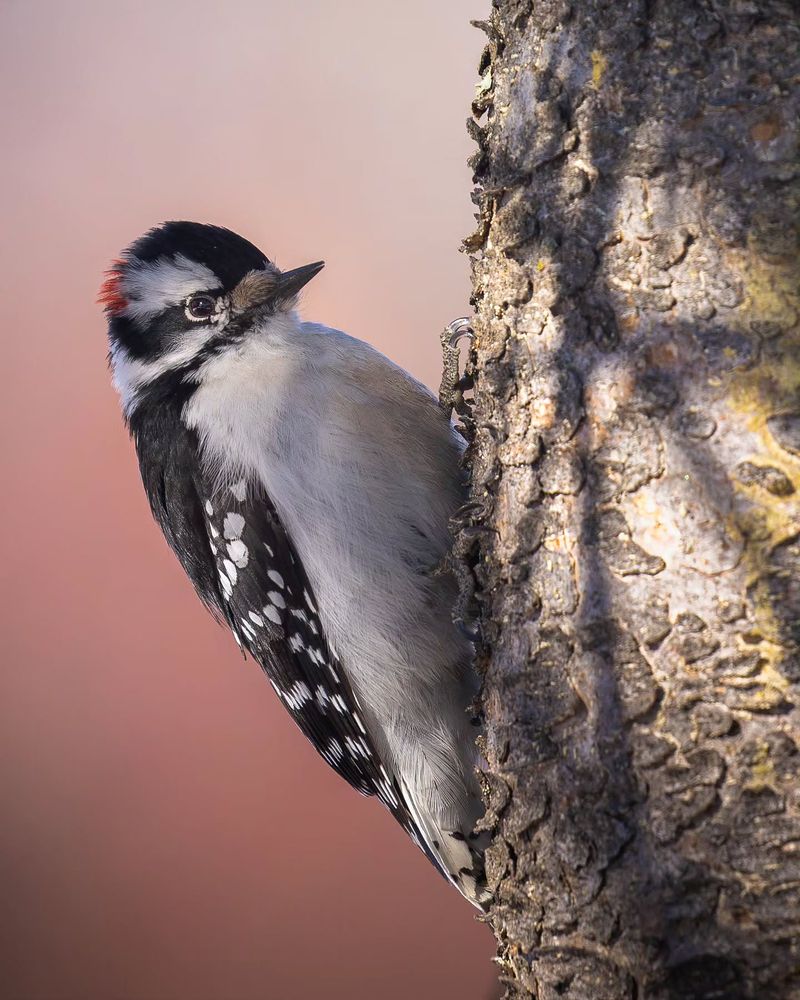
The smallest woodpecker in North America, the downy is the one you are most likely to see hammering away in a suburban yard. Its black-and-white pattern and tiny red cap on the male make it easy to recognize.
Downies pick insects, larvae, and other arthropods from tree bark, shrubs, and even big weed stalks, quietly managing pests you never knew were there.
When a downy woodpecker taps around your yard, it usually means you have mature trees or standing wood that support a hidden buffet of bugs.
8. Ruby-throated Hummingbird
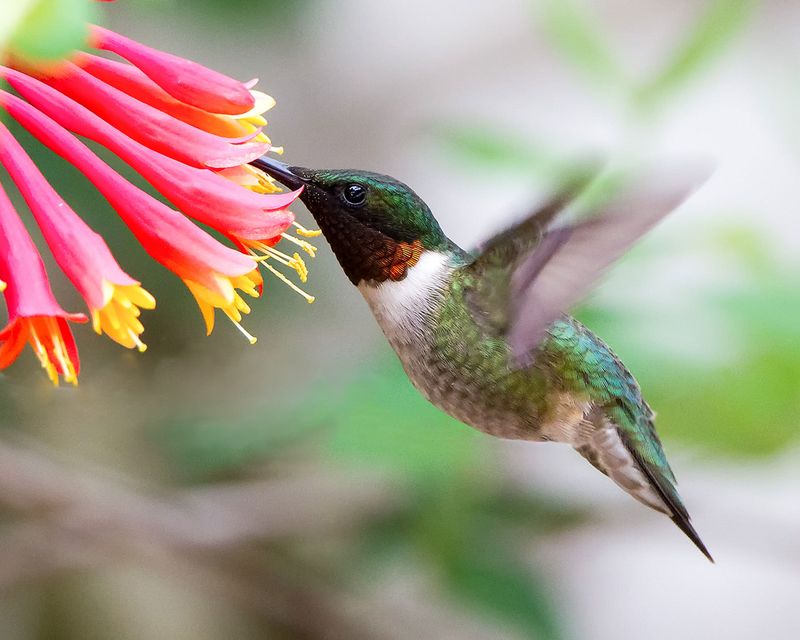
Blink and you might miss it, but the whir of a ruby-throated hummingbird is unforgettable. Weighing less than a nickel, these tiny dynamos hover, dart, and even fly backward as they sip nectar.
Every flower they visit gets a dose of pollination, which can mean more blooms and better fruit set in your garden. They are working pollinators disguised as jewelry.
Hummingbirds show up where tubular flowers like salvia, bee balm, and trumpet vine grow, so their visits are a nod to a nectar-rich, colorful yard.
9. Blue Jay
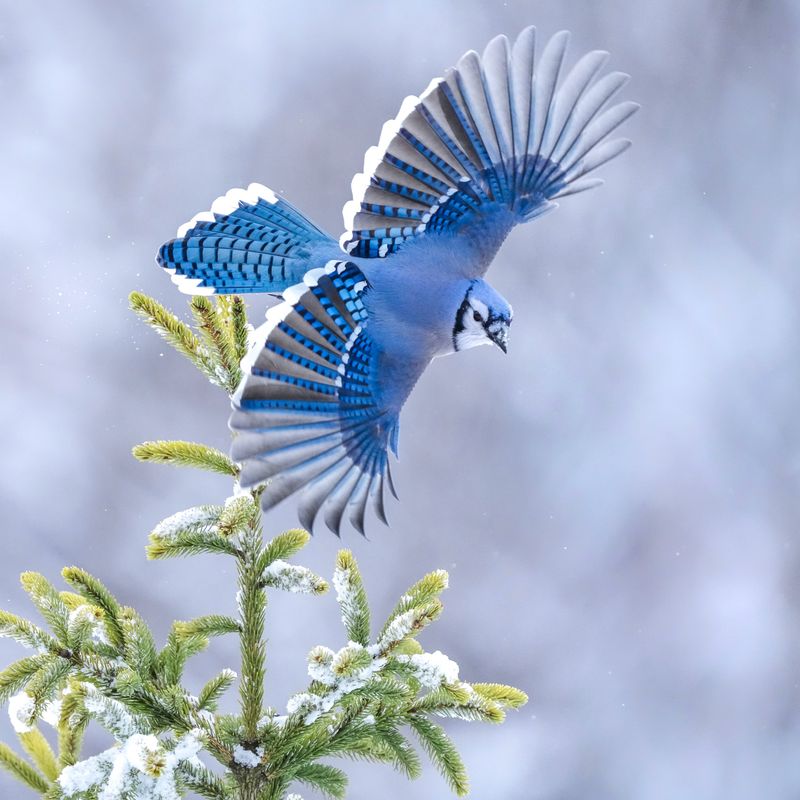
Loud, flashy, and smart enough to outwit a squirrel, the blue jay is impossible to ignore. Some folks grumble about the noise, but these bold birds earn their keep.
Jays eat insects along with acorns and nuts, and they help plant future trees by burying seeds they never come back for. That habit quietly reshapes woodlands over time.
A yard that hosts blue jays offers a rich blend of food and shelter, plus the oak or nut trees they adore. Their presence points to real variety in your landscape.
10. Tufted Titmouse
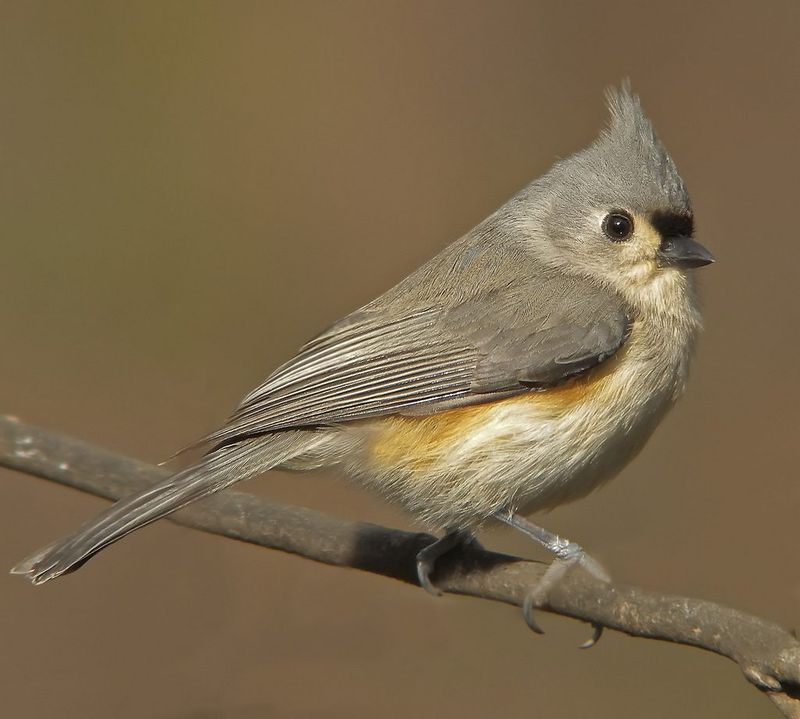
With its little gray crest and big black eyes, the tufted titmouse looks like a bird drawn for a storybook. It is a constant, busy presence, flitting between branches and feeders all day.
Titmice are active insect hunters, plucking caterpillars, beetles, and other pests from leaves and bark. They keep your plants a bit cleaner without you lifting a finger.
Often traveling in mixed flocks with chickadees and nuthatches, a titmouse in your yard hints at a lively, connected little bird community.
11. White-breasted Nuthatch
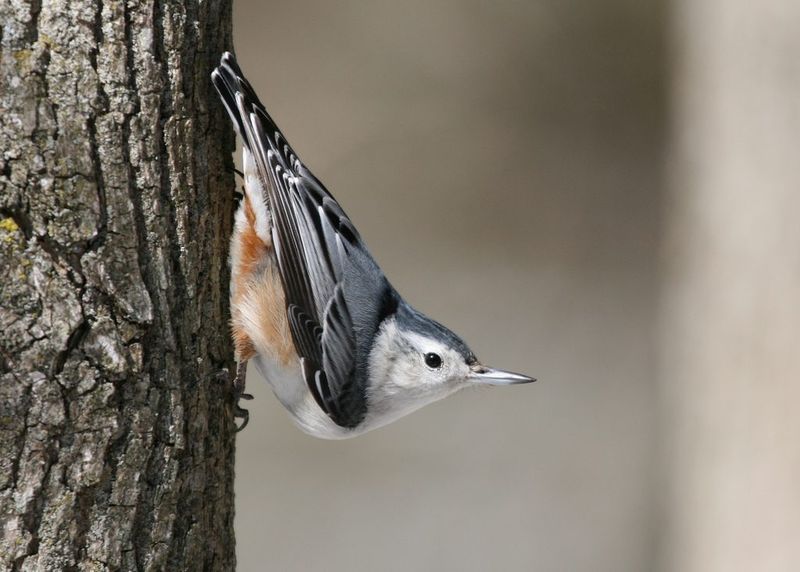
Watch a nuthatch and you will do a double take, because it walks straight down tree trunks headfirst like gravity forgot to apply. That upside-down angle lets it find insects other birds miss.
By probing bark from a fresh direction, the white-breasted nuthatch cleans up hidden larvae and spiders tucked into the crevices of your trees.
Its nasal yank-yank call is a familiar sound in yards with mature trees, so hearing one means you have the kind of woody habitat these acrobats depend on.
12. Song Sparrow
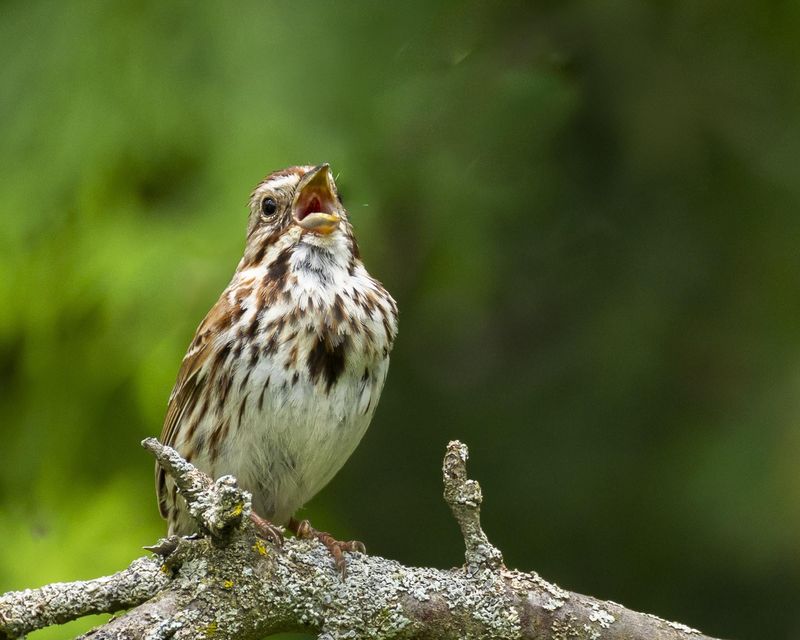
Easy to overlook among the streaky brown crowd, the song sparrow gives itself away the moment it sings. Its bright, rhythmic tune spills out from a shrub or fence with surprising energy.
These sparrows earn their spot by eating both insects and weed seeds, splitting their diet in a way that helps keep your garden in balance.
They like brushy edges and low cover, so their steady presence suggests you have left a few wild, tangled corners where small birds feel safe.
13. Mourning Dove
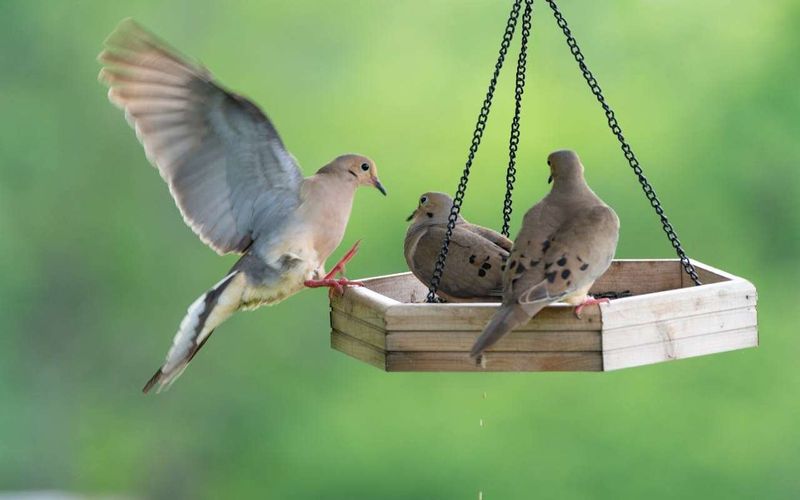
The soft, mournful coo drifting across a quiet morning belongs to the mourning dove, one of the most graceful ground-feeders around. You will often spot them walking calmly beneath feeders, cleaning up spills.
Doves feast mainly on weed seeds, which quietly reduces the number of unwanted plants trying to take over your beds.
Their gentle habits and steady visits reflect a peaceful, seed-friendly yard where they feel unhurried and safe on the ground.
14. Northern Mockingbird
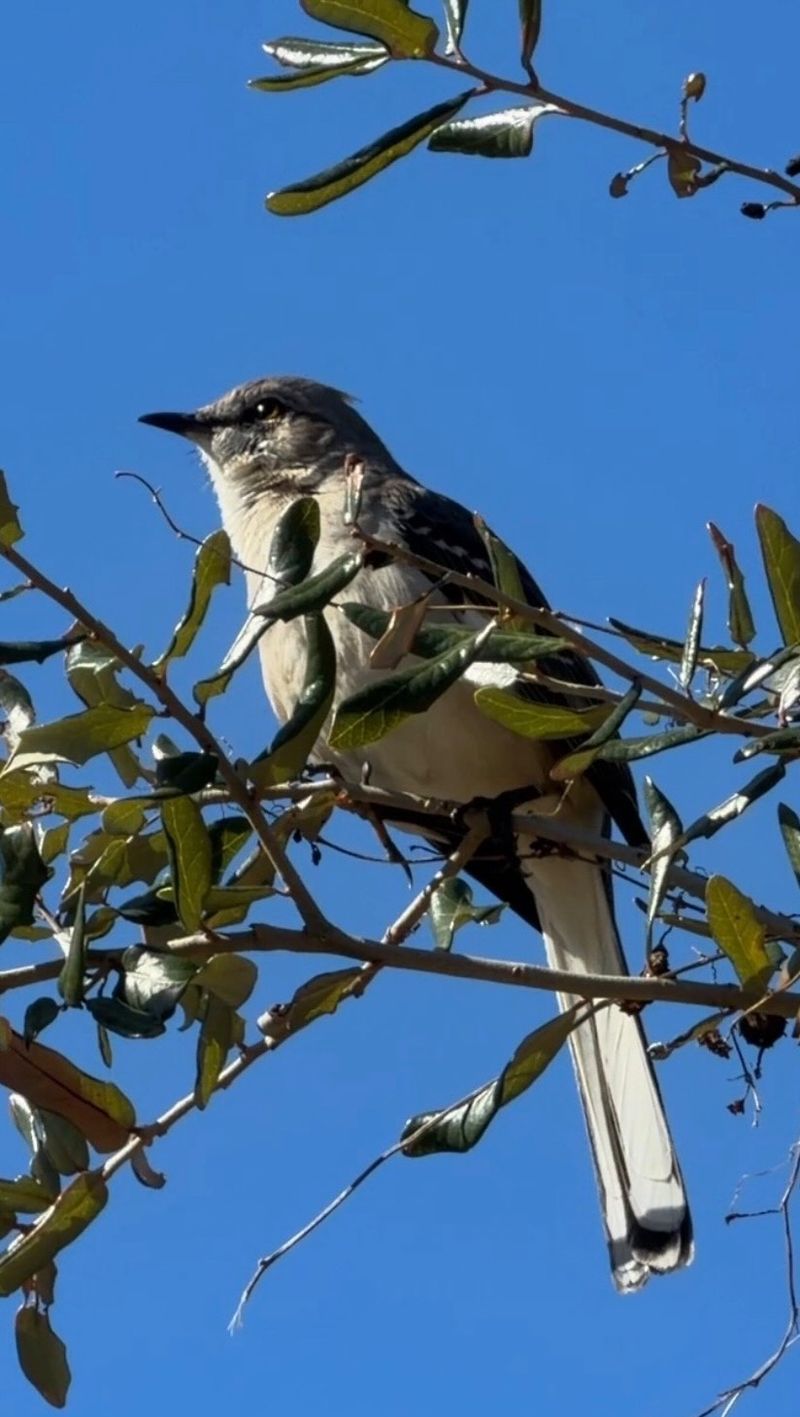
If you hear one bird running through a dozen different songs in a row, you have met the mockingbird. This gray showman can imitate other birds, and sometimes even car alarms and squeaky gates.
Beyond the concert, mockingbirds eat a wide range of insects and berries, helping manage pests while spreading seeds from the fruit they enjoy.
They tend to claim yards with berry bushes and open lawn, so a resident mockingbird means your landscape offers both food and a stage worth defending.
15. Eastern Bluebird
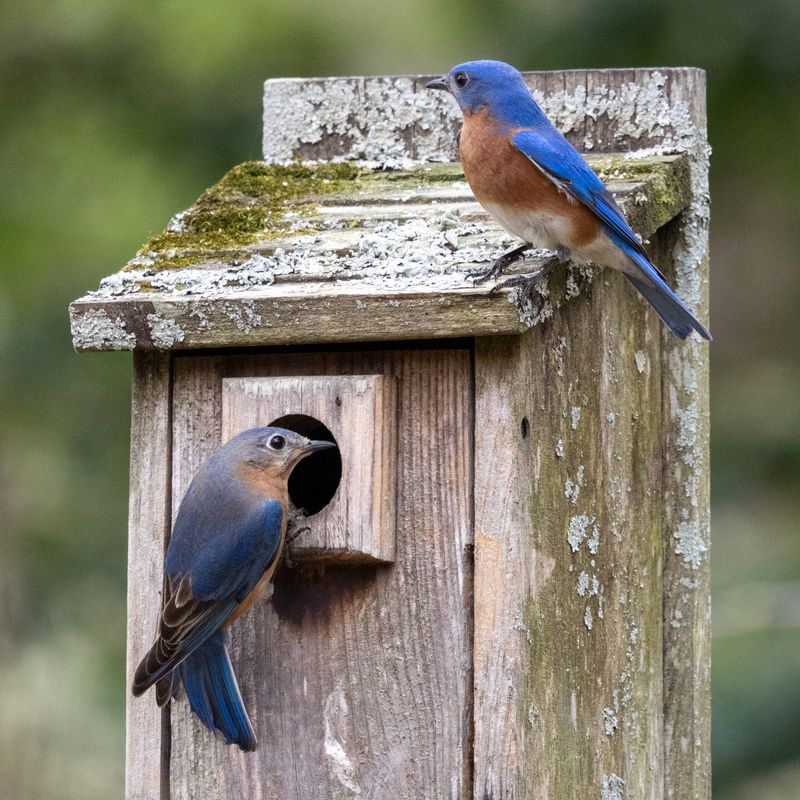
Worth a mention all its own, the eastern bluebird carries a color so pure it almost looks painted. Beloved across the eastern half of the country, it is a symbol of happiness for good reason.
Eastern bluebirds are exceptional pest controllers, dropping from a perch to snatch beetles, grasshoppers, and caterpillars from the grass below.
Their return signals an insect-rich, open habitat with the nest boxes and low grass they prefer. Land one nesting pair and you may enjoy multiple broods in a single season.
16. House Finch
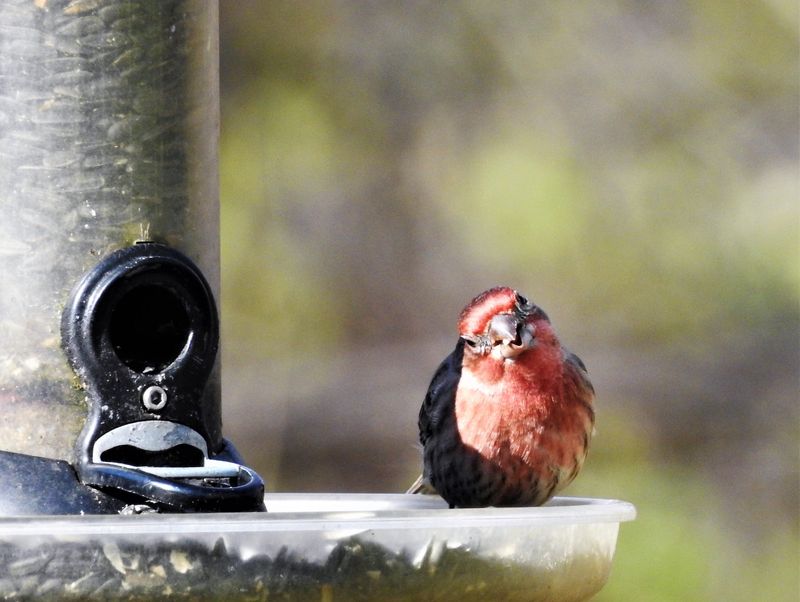
Started out west and now common coast to coast, the house finch is the friendly, chattering regular at countless feeders. Males wear a wash of rosy red across the head and chest that brightens any gray day.
These finches lean heavily on seeds, so they flock to sunflower feeders and seed-bearing plants without much fuss.
A busy little group of house finches usually means your feeding setup is welcoming and reliable, the kind of spot birds pass along to one another.
17. Swallows
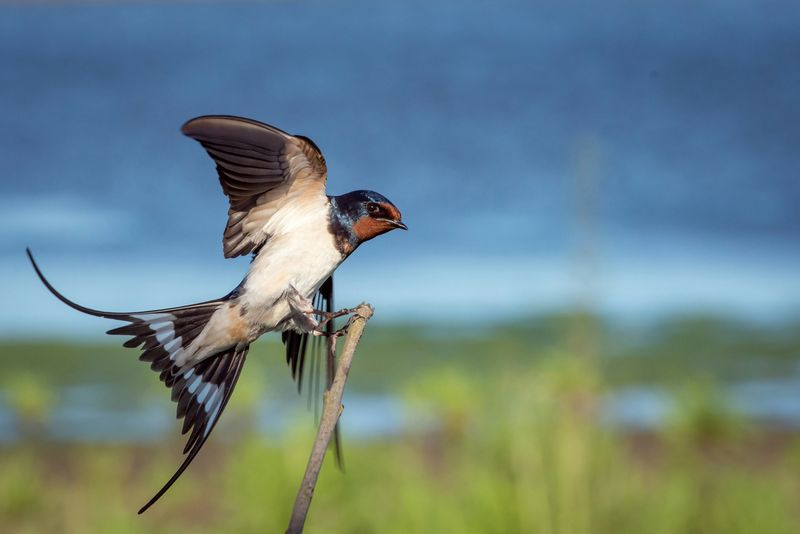
Nothing beats watching swallows carve loops and dives through the evening air like tiny stunt pilots. Every swoop has a purpose, because they hunt flying insects on the wing.
Swallows are among the best mosquito controllers you can invite over, snapping up gnats, flies, and midges by the hundreds each day. A yard with swallows overhead tends to have fewer bites at dusk.
They nest under eaves, in barns, or in special boxes, so their presence means you offer open sky for hunting and safe ledges for raising young.
18. Orioles
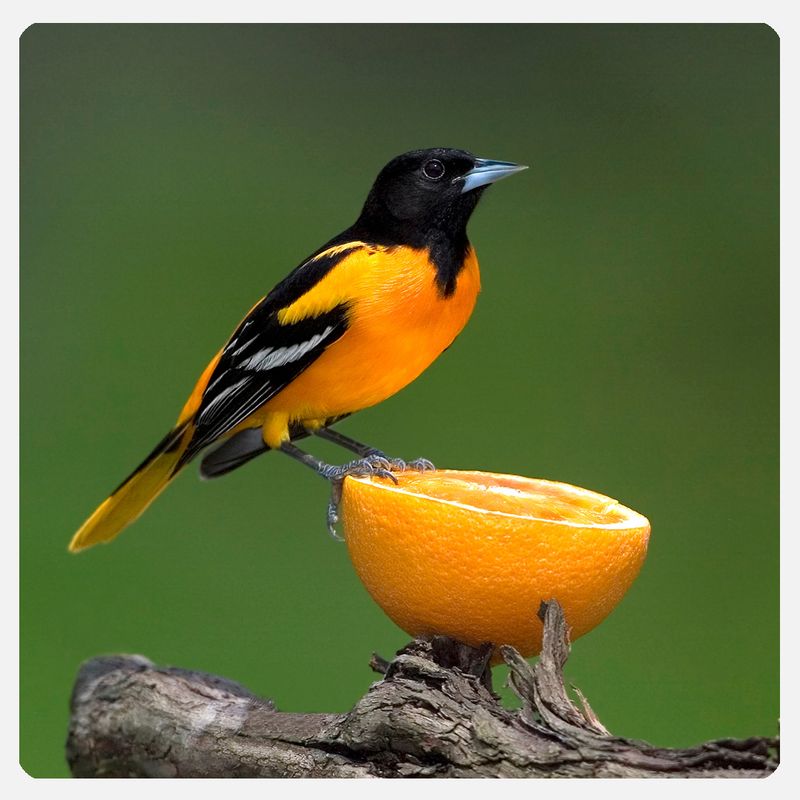
The moment a Baltimore or orchard oriole flames into view, the whole yard seems to light up orange. These fruit and nectar lovers are the tropical splash many gardeners hope for all spring.
Orioles do more than dazzle, though. As they feed at blossoms they help pollinate, and they also pick off caterpillars and other insects that trouble your plants.
Set out orange halves or a nectar feeder and a returning oriole tells you your yard has the sweet, fruitful welcome these picky travelers remember and seek out again.