
8 Reasons You Should Grow Borage In Your North Carolina Front Yard, Not Just The Veggie Patch
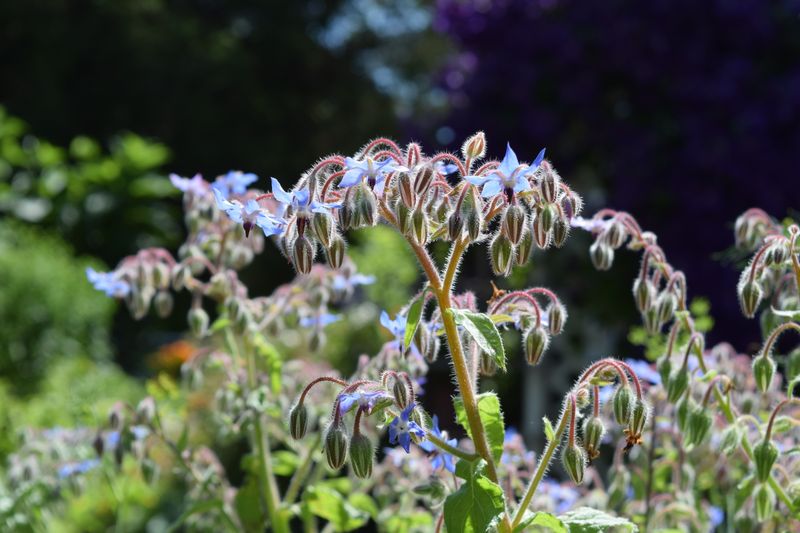
Most gardeners tuck borage away in the veggie patch, but this cheerful blue-flowered herb deserves a spot right out front where everyone can see it. In North Carolina, borage does far more than look pretty.
It feeds bees, hosts butterflies, brings in birds, and quietly helps protect your yard’s whole ecosystem. Here are eight solid reasons to give borage a front-row seat in your landscape.
1. Attracts a Wide Array of Native Pollinators
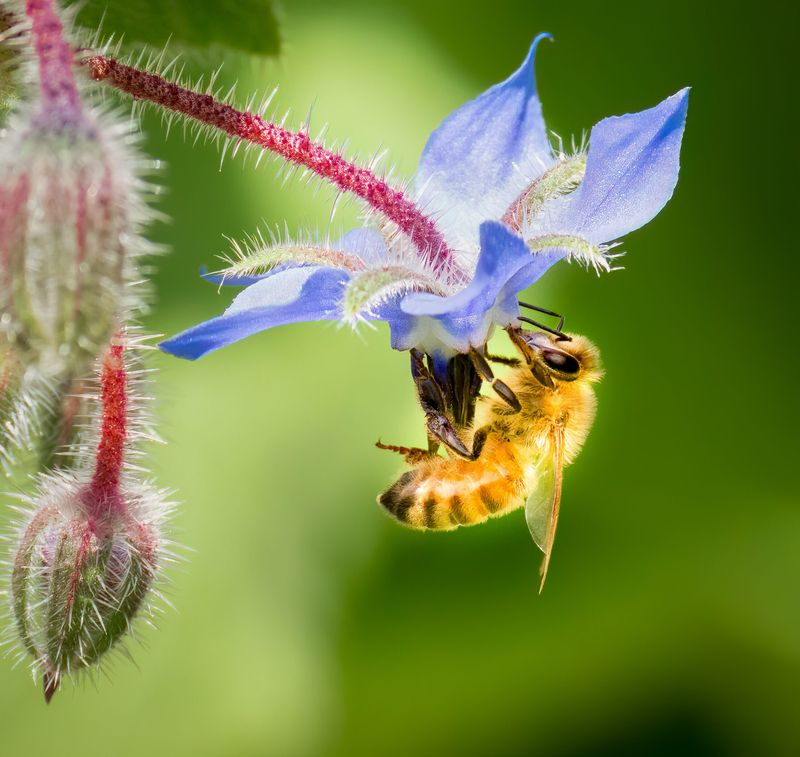
Picture your front yard humming with life on a warm May morning. Borage makes that happen with its bright blue, star-shaped flowers that seem almost designed to catch a bee’s eye.
Native bees, small butterflies, and other local pollinators zero in on those blooms fast.
Each little star holds both nectar and pollen, so visitors leave with a full meal instead of an empty promise. That two-for-one reward keeps native pollinators coming back day after day.
For NC gardeners worried about declining bee numbers, that steady traffic is a quiet win.
Planting borage up front also puts the show where you and your neighbors can actually watch it. You get a front-row view of the tiny native bees that so often go unnoticed in a tucked-away vegetable bed.
Think of it as turning your yard’s edge into a working pollinator pit stop.
2. Supports Honey Bees and Bumblebees with Abundant Forage
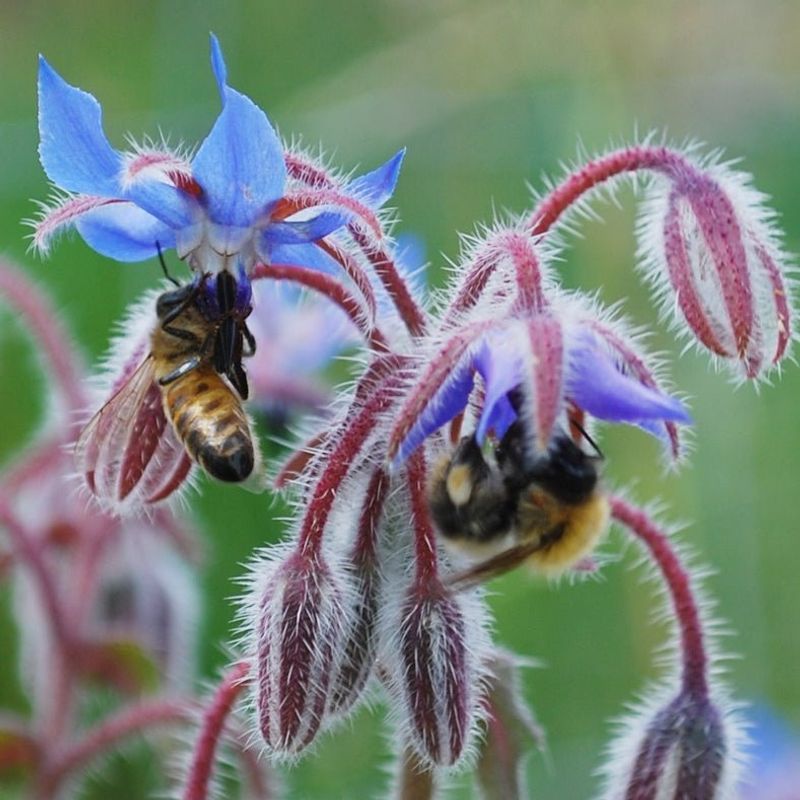
Beekeepers across the Piedmont have a soft spot for borage, and there’s a good reason behind it. The flowers refill their nectar every few minutes throughout the day, so a hungry bumblebee can circle back to the same plant again and again.
Few garden plants keep the buffet stocked quite like this one.
Honey bees treat a patch of borage almost like a favorite diner. That constant, dependable forage helps colonies stay strong during the stretches when other blooms fizzle out.
In a wildlife-friendly NC yard, that kind of reliable food source matters more than a single flashy flush of flowers.
Fun fact: borage is sometimes nicknamed the bee bread plant because of how generously it feeds these workers. Put a cluster near your walkway and you may notice the low, friendly buzz of bumblebees all summer long.
3. Offers a Long Bloom Period for Sustained Pollinator Activity
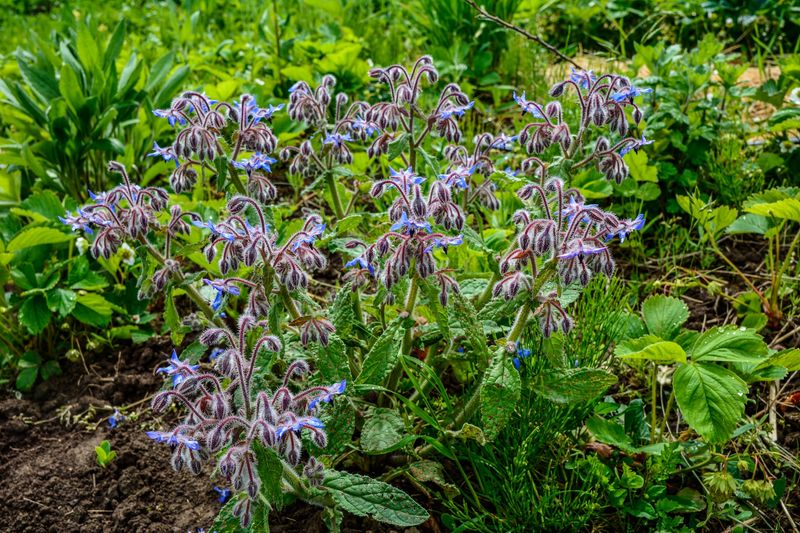
Timing is everything when you’re trying to help pollinators, and borage plays the long game beautifully. It typically starts blooming in late spring and keeps right on going into summer, often lasting until the first fall frost.
That’s months of open flowers, not a quick two-week cameo.
Because North Carolina summers can bake many flowers into an early retirement, a plant that keeps producing nectar and pollen is genuinely valuable. Pollinators need a steady supply through the hottest stretches, and borage helps bridge those gaps between other blooms.
Consistency, it turns out, does more good than a single dazzling display.
For a homeowner, that means a front border that stays alive with color and movement for most of the growing season. You won’t be staring at a tired, spent bed by July.
Instead, you get sustained beauty that pulls double duty as a food source.
4. Serves as a Host Plant for Painted Lady Butterflies
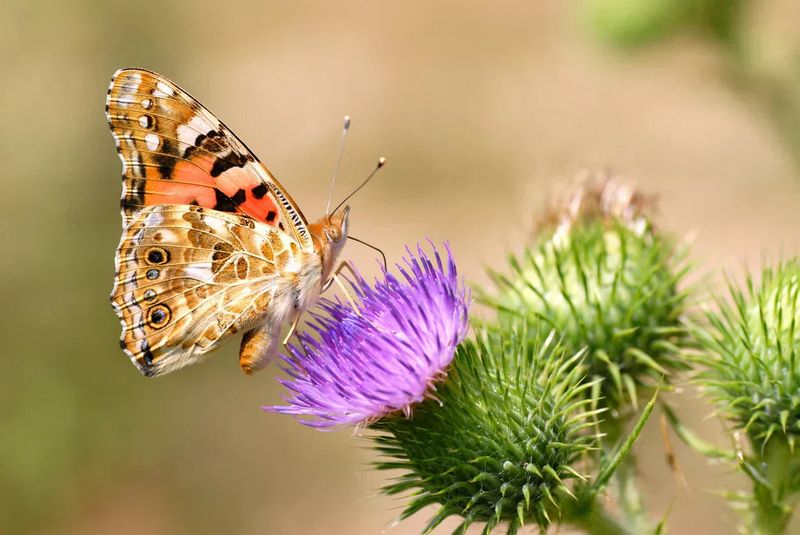
Adult butterflies sipping nectar are a lovely sight, but the real magic starts earlier in the story. Borage doubles as a host plant for the caterpillars of the Painted Lady butterfly, meaning it feeds the next generation, not just the grown-ups.
That makes it a true partner in the butterfly life cycle.
Painted Ladies are one of the most familiar butterflies fluttering through North Carolina yards, so supporting them feels personal and local. When you offer a spot for their caterpillars to munch and grow, you’re helping the whole cycle continue right in your own front bed.
A little chewed foliage is a small price for that payoff.
Kids especially love watching this unfold from egg to caterpillar to winged adult. Plant borage where the family can peek at it, and you may end up with a living science lesson happening a few feet from your porch.
5. Attracts Beneficial Predatory Insects to Control Pests Naturally
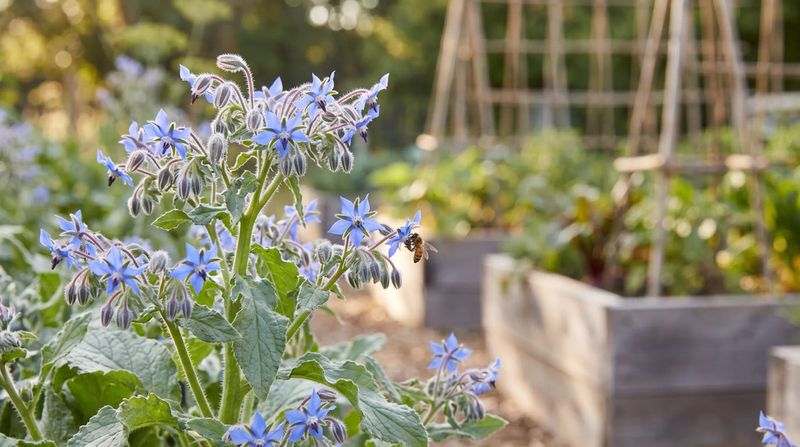
Not every bug in your yard is a problem, and borage helps you recruit the good guys. Its flowers draw in beneficial insects like tiny parasitic braconid wasps, predatory nabid bugs, and hoverflies.
These little allies go to work hunting down aphids, cabbage worms, and other pests you’d rather not see.
That built-in pest patrol can reduce your reliance on chemical sprays, which is great news for the box turtles, songbirds, and pollinators sharing your NC yard. Fewer chemicals means a safer place for the wildlife you actually want around.
It’s stewardship and pest control rolled into one plant.
Set borage near flowers or veggies that tend to attract aphids, and let the beneficial insects set up shop. You may be surprised how quickly a balanced little ecosystem takes over the job you used to do by hand.
6. Provides a Seed Source for Valued Finches, Including Goldfinches
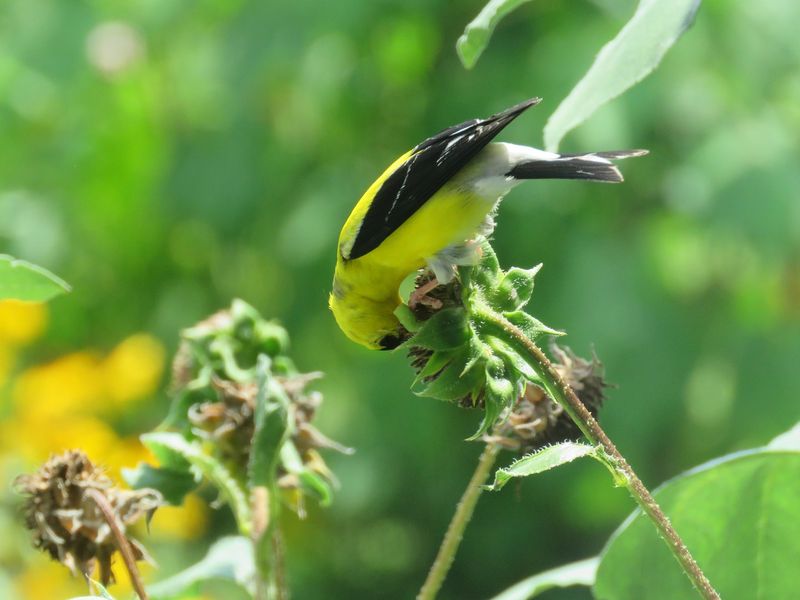
Here’s a payoff that keeps giving even after the flowers fade. Once borage plants set seed, they become a natural feeding station for birds, and finches are among the fans.
American Goldfinches, those flashes of yellow that stick around much of North Carolina all year, are mainly seed-eaters that can benefit from what borage drops.
Rather than deadheading every spent flower, you can let some go to seed and turn your front bed into a small, self-serve bird feeder. Watching goldfinches perch and pick through borage is a treat you won’t get from a plant that’s whisked away the moment it fades.
Leaving those seed heads standing also fits the good-steward mindset perfectly. You’re feeding local wildlife with zero extra cost and giving beloved backyard birds one more reason to call your yard home.
7. Thrives in North Carolina’s Varied Conditions with Minimal Fuss
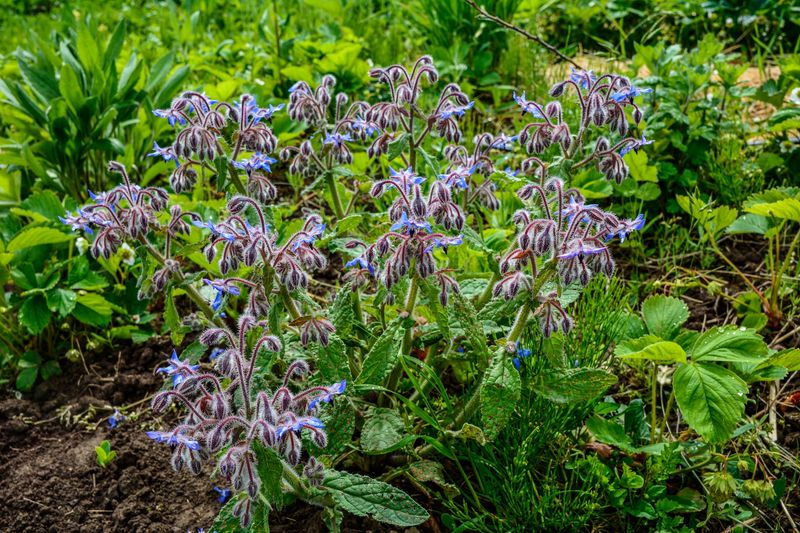
Whether you garden in the sandy Coastal Plain, the clay-heavy Piedmont, or up in the Blue Ridge, borage is remarkably easygoing. It grows in a wide range of soil types, even nutritionally poor ground, as long as the drainage is decent.
That flexibility makes it a friendly pick for almost any NC front yard.
Borage prefers full sun but tolerates a bit of light shade, and once it settles in, it handles dry spells fairly well. For best growth it likes a soil pH around 6.5, though it isn’t fussy about much else.
Low-maintenance plants like this free you up to enjoy your yard instead of babysitting it.
If you’ve struggled to keep pickier plants alive through a hot Carolina summer, borage may feel like a relief. Give it sun and drainage, and it mostly takes care of itself.
8. Readily Self-Seeds for Continuous Beauty and Support
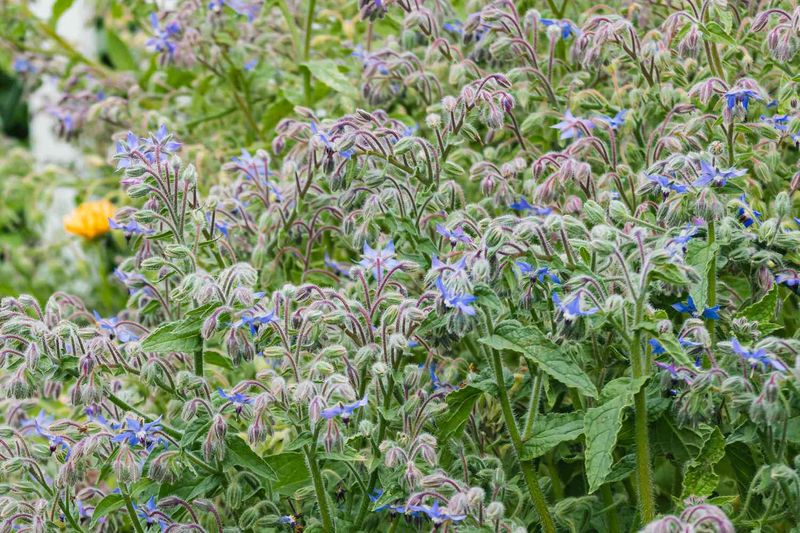
Plant borage once and you may find it becomes a returning guest. As an annual herb, it readily self-seeds, so it often pops back up on its own year after year without any replanting from you.
For a busy homeowner, that’s a garden gift that keeps rewarding minimal effort.
Borage can be an enthusiastic self-seeder, so a little management keeps things tidy. Harvest some flowers before they set seed, or simply pluck out volunteer seedlings where you don’t want them, and you stay in control.
It’s easy to guide rather than fight.
Worth keeping in mind: borage is toxic to cats, so place it carefully if felines roam your yard, and note that people should eat it only sparingly due to compounds that can stress the liver and lungs. Handled thoughtfully, though, borage delivers years of blue blooms and steady ecosystem support with hardly any work on your part.