
8 Smart Ways To Use Epsom Salt On Your Tomatoes (And 7 That Quietly Do More Harm Than Good)
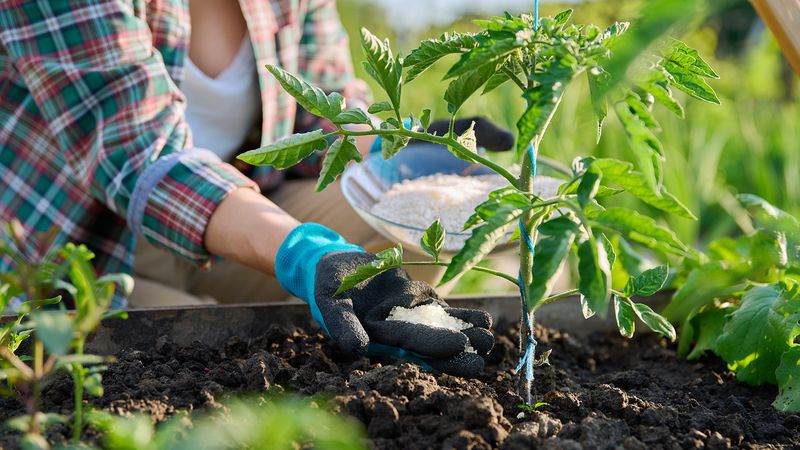
Epsom salt has floated around gardening circles for ages as a magic cure for tired tomato plants. The truth is a little messier: it can genuinely help in some situations and quietly cause trouble in others.
Knowing the difference comes down to understanding what Epsom salt actually is, which is just magnesium and sulfur, and what your tomatoes really need. Let’s walk through the eight smart ways to use it and the seven habits that might be hurting your plants without you realizing.
1. Fixing Yellowing Leaves From Magnesium Deficiency
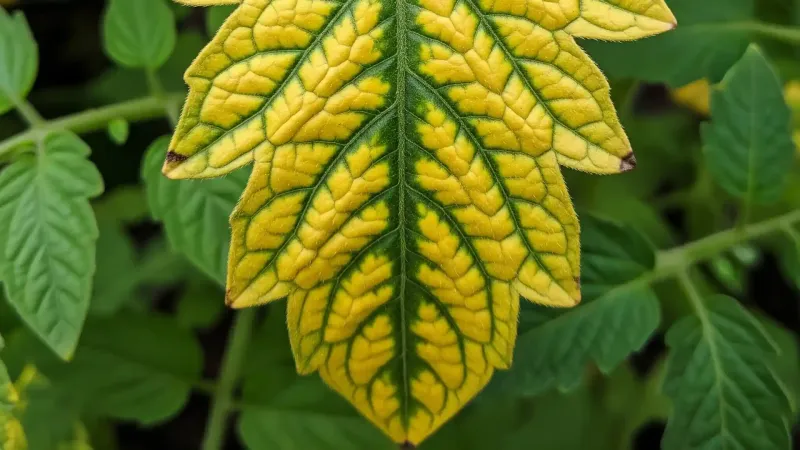
Picture your tomato plant’s older, lower leaves turning yellow while the veins stay stubbornly green. That patchy, almost marbled look has a name: interveinal chlorosis, and it often points to a magnesium shortage.
Magnesium sits at the very center of every chlorophyll molecule, which is the pigment that keeps leaves green and photosynthesis humming. When there is not enough of it, the plant pulls magnesium from its oldest leaves to feed the new growth, leaving those bottom leaves looking sickly.
Because Epsom salt is magnesium sulfate, it can deliver that missing nutrient quickly. A modest dose dissolved in water and poured around the base can help the green return to leaves that have been fading.
Just confirm the yellowing truly matches magnesium deficiency and is not a symptom of overwatering or a nitrogen problem, which look different and call for different fixes.
2. Encouraging More Blossoms And Fruit
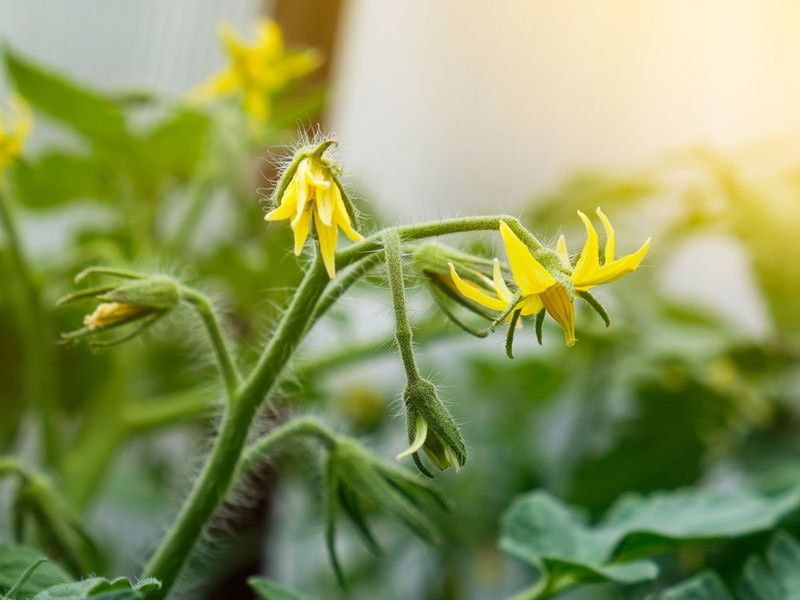
Every tomato grower dreams of a plant loaded with flowers that actually turn into fruit. Magnesium plays a quiet supporting role in that goal by helping strengthen cell walls and keep the plant’s internal machinery running smoothly.
When magnesium levels are healthy, tomatoes tend to move nutrients around more efficiently, and that steady flow can translate into more blossoms setting and holding onto the vine. Growers who spot a magnesium shortfall sometimes notice a nice uptick in flowering once the deficiency is corrected.
Keep your expectations grounded, though. Epsom salt only boosts blooms when a magnesium deficit was holding the plant back in the first place.
If your soil already has plenty, dumping on more will not conjure extra flowers, so this trick works best as a correction rather than a routine feeding.
3. Helping Tomatoes Absorb Other Nutrients
Think of magnesium as a behind-the-scenes helper that flips on switches inside the plant. It activates a whole crew of enzymes, and several of those enzymes are directly tied to how well tomatoes take up and use other nutrients.
With magnesium doing its job, elements like nitrogen and phosphorus get processed and moved where they are needed instead of sitting unused. That means a magnesium-healthy plant can make better use of the fertilizer you already give it.
So when a genuine deficiency exists, a measured dose of Epsom salt can improve the whole nutrient picture, not just the magnesium line item. The catch, as always, is balance.
Too much magnesium starts to elbow other nutrients out of the way, which flips this benefit into a problem worth watching for.
4. Greener, More Vigorous Foliage
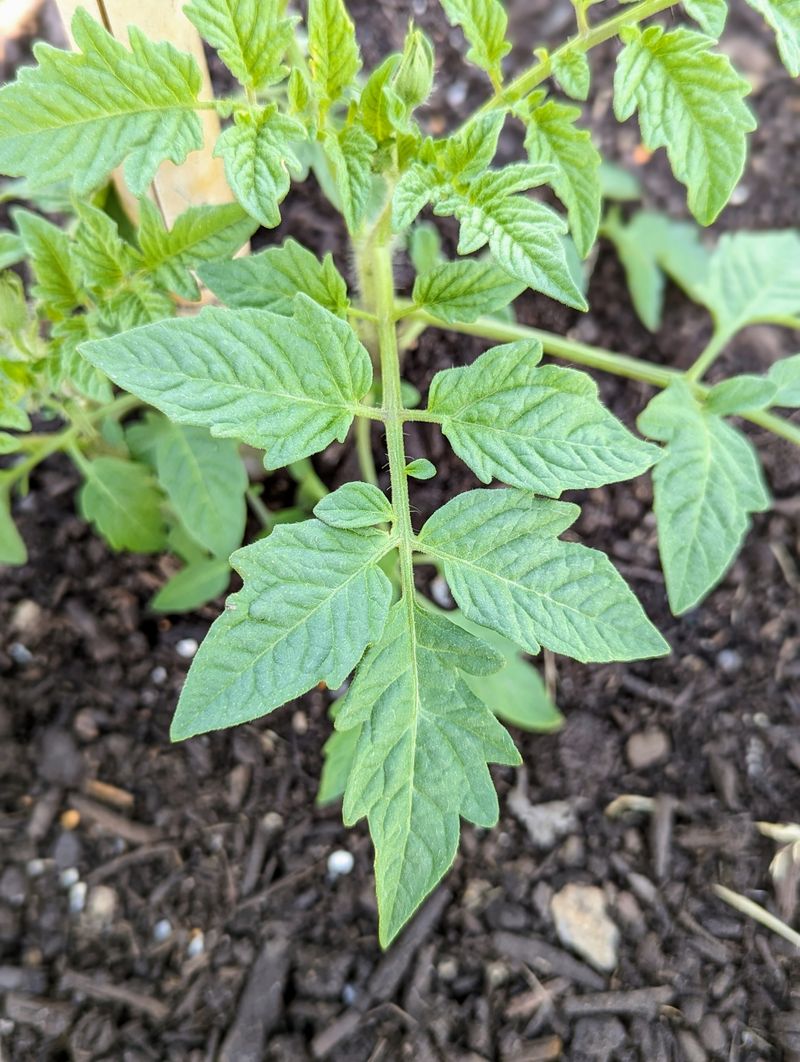
There is something deeply satisfying about a tomato plant with leaves so green they almost glow. Since magnesium is the core building block of chlorophyll, giving a deficient plant what it needs can bring back that rich, lush color.
Deeper green foliage is not just about looks. Healthier leaves mean more photosynthesis, and more photosynthesis means more energy for the plant to funnel into growth and fruit.
A well-leafed tomato is essentially a bigger solar panel.
When you correct a magnesium shortage, the transformation can be noticeable within a couple of weeks as pale, tired leaves firm up and darken. Remember this only applies if magnesium was actually the missing piece.
On a plant that already has plenty, extra Epsom salt will not make leaves any greener, so save it for the plants that truly need the lift.
5. Supporting Overall Growth And Vigor
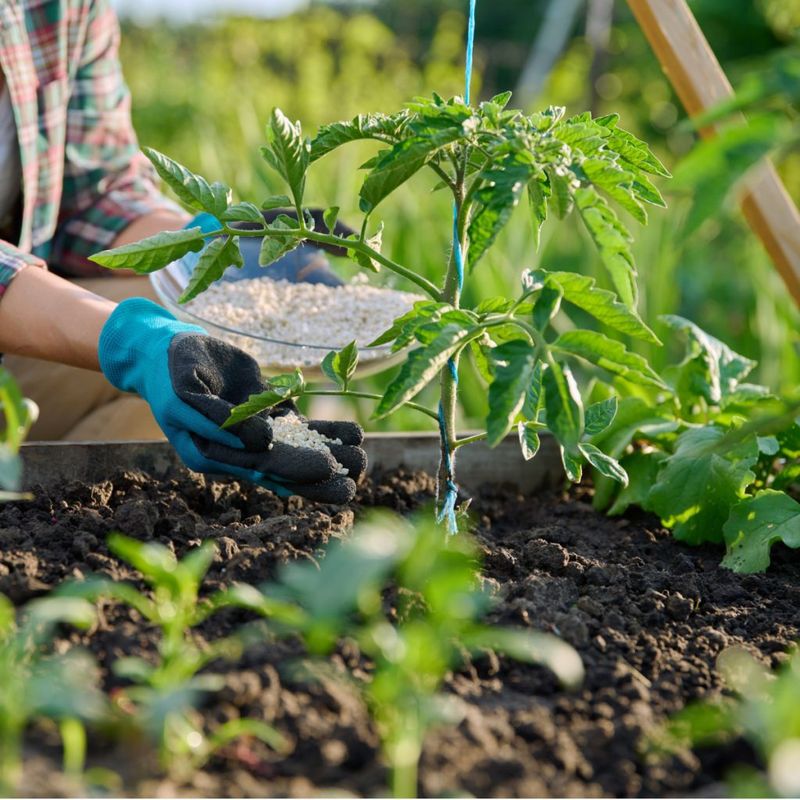
A tomato plant firing on all cylinders is a joy to watch: sturdy stems, steady new growth, and that overall look of a plant that clearly feels good. Magnesium contributes to that vigor by tying together better nutrient uptake and stronger chlorophyll production.
When those two systems work well, the plant has both the raw materials and the energy to keep pushing forward. Growers dealing with a magnesium-starved plant often describe it as looking stalled, and a proper correction can help it get moving again.
Use Epsom salt here as a targeted pick-me-up rather than a daily vitamin. Vigor comes from a well-rounded soil, good watering, and enough sun, with magnesium filling in only when it is genuinely low.
Treat it as one supporting player on a larger team, and your plants will thank you.
6. A Slight Boost For Alkaline Soils
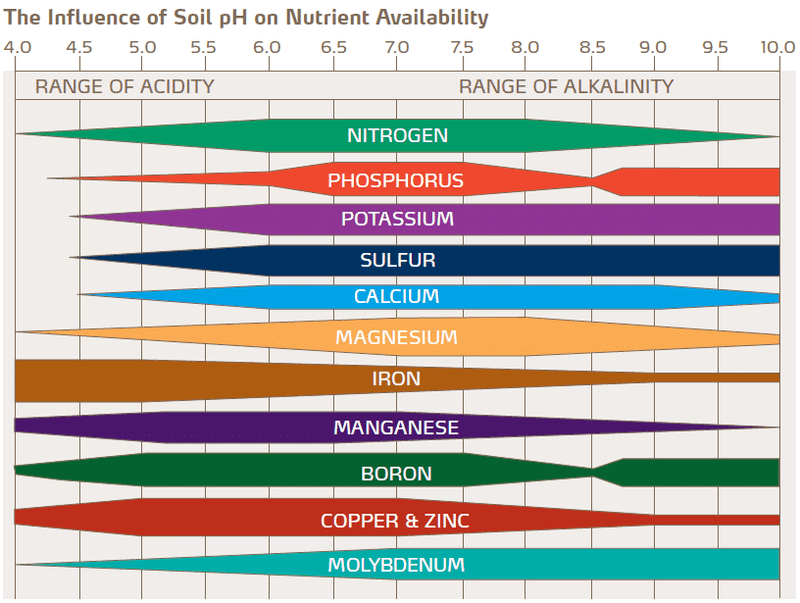
Soil pH quietly controls how easily plants can grab the nutrients sitting in the dirt. In gardens with alkaline soil, meaning a higher pH, some nutrients get locked up and become hard for tomatoes to reach.
The sulfur half of Epsom salt can nudge soil pH down a touch, which in certain alkaline regions may help make those trapped nutrients a little more available. It is a mild effect, not a dramatic overhaul, so think of it as a gentle assist rather than a full soil amendment.
If you garden where soils run naturally alkaline, this small side benefit can be a nice bonus on top of the magnesium. For serious pH correction, though, dedicated amendments like elemental sulfur do the heavy lifting far better.
Epsom salt just happens to lean slightly in the helpful direction.
7. Mixing It Into The Planting Hole
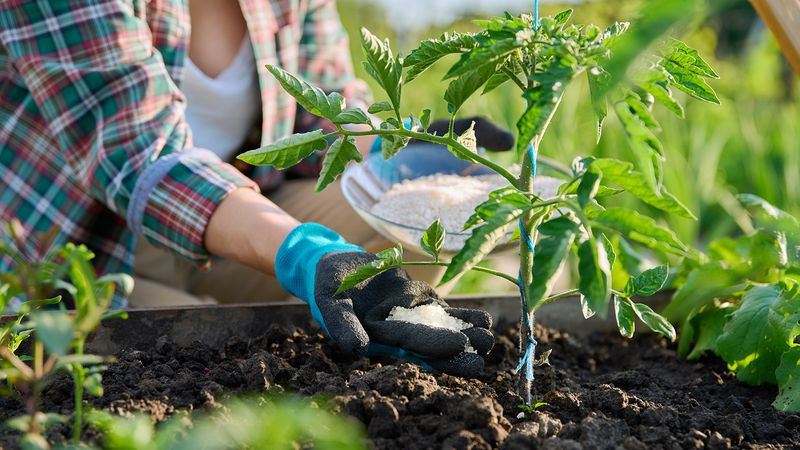
Timing matters, and one of the tidiest ways to use Epsom salt is right at the moment you set your seedlings into the ground. Before you drop a young tomato plant into its hole, you can work a small amount of Epsom salt into the soil at the bottom.
One to two tablespoons per hole is the usual guidance. Mixing it into the loose soil down there gives the roots easy access to magnesium as they stretch out and settle into their new home.
Do this only if you have reason to believe your soil runs low on magnesium, such as a soil test or a history of deficiency symptoms in past seasons. When the need is real, this early head start can set plants up for a strong beginning.
When the need is not there, it is one more thing that quietly tips the balance toward too much salt, so use it thoughtfully.
8. Using A Foliar Spray For A Fast Fix
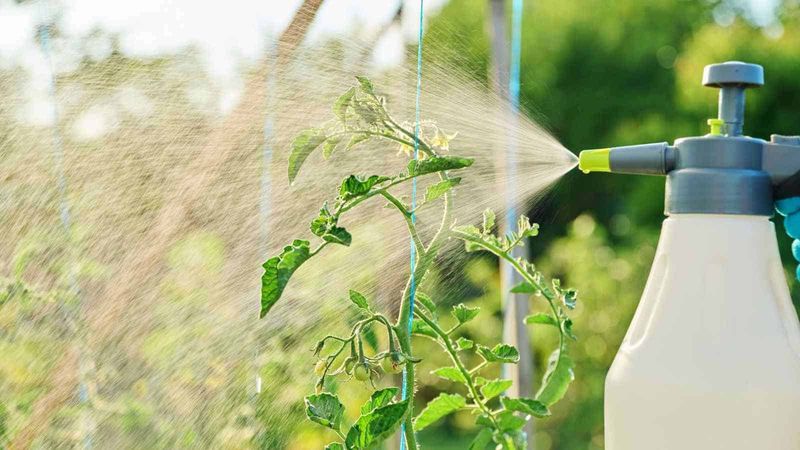
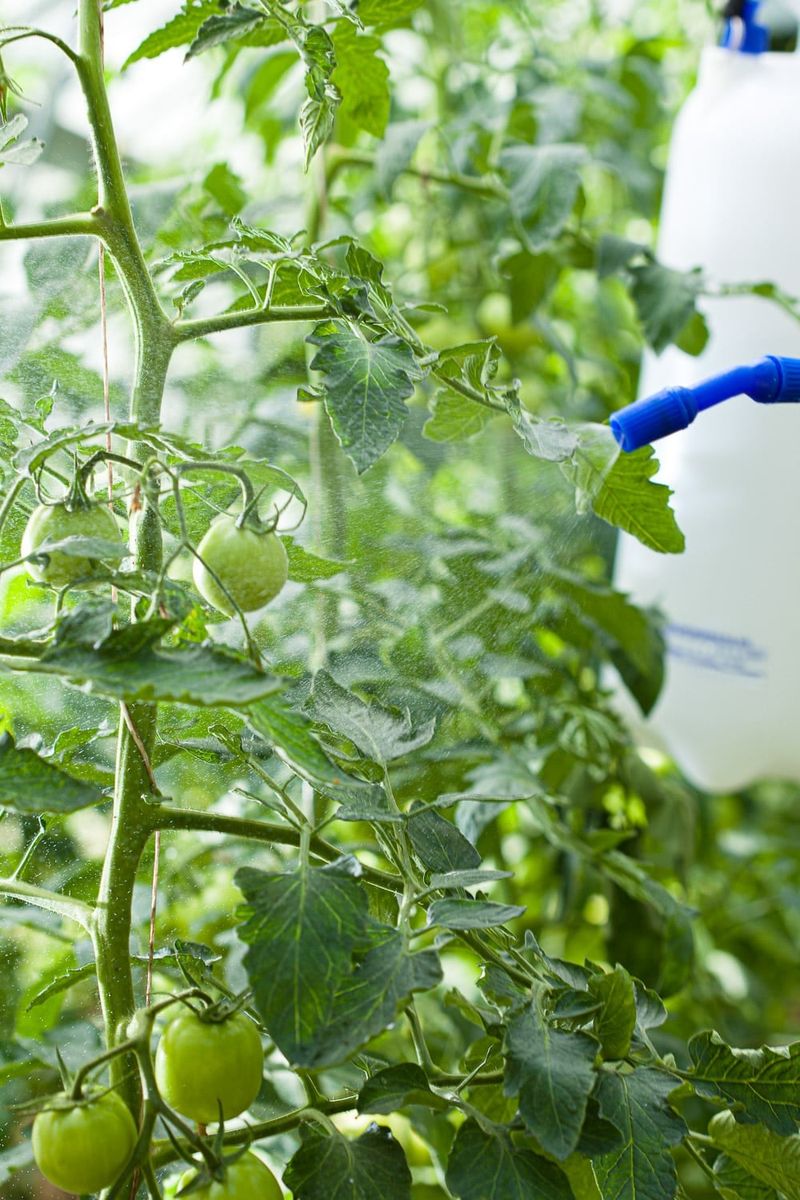
When a plant is showing clear magnesium deficiency and you want results quickly, spraying the leaves beats waiting on the soil. Leaves can absorb magnesium directly, so a foliar spray gets the nutrient into the plant faster than pouring it around the roots.
The common recipe is one to two tablespoons of Epsom salt dissolved in a gallon of water, misted over the foliage. Many gardeners repeat it every two to four weeks while a deficiency is being corrected, then ease off once the plant recovers.
Aim your spraying for the cooler parts of the day, like early morning or evening, and skip it when hot sun is beating down. Applied at the right time on a genuinely deficient plant, a foliar spray is probably the most effective way to use Epsom salt on tomatoes.
Applied carelessly in the heat, it becomes one of the harmful mistakes further down this list.
9. Expecting It To Stop Blossom End Rot
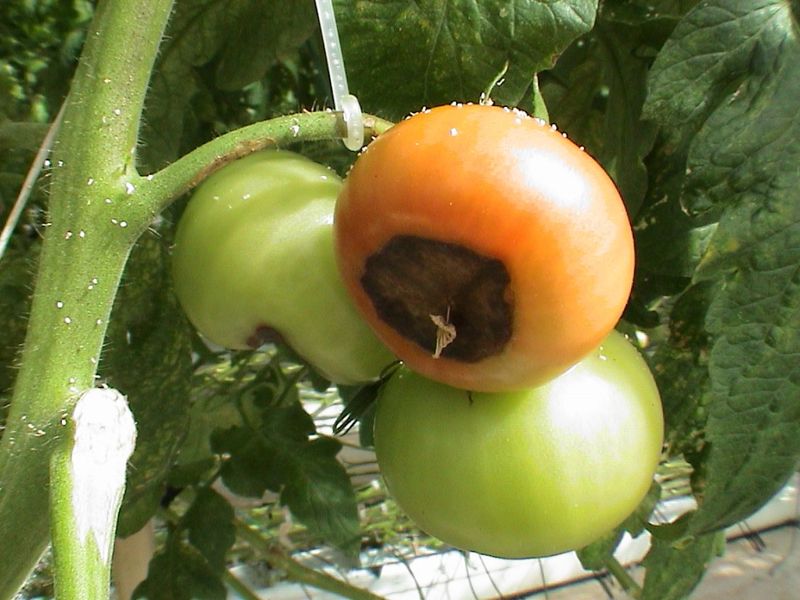
Here is the myth that trips up more tomato growers than any other. Blossom end rot, that ugly sunken brown patch on the bottom of your tomatoes, is often blamed on things Epsom salt supposedly fixes, but Epsom salt does not prevent it and can actually make it worse.
The real culprit behind blossom end rot is a calcium problem, usually the plant’s inability to move calcium into the fruit, frequently driven by inconsistent watering. Epsom salt adds magnesium, and magnesium competes with calcium for uptake.
By loading up on magnesium, you can crowd out the very calcium your tomatoes are struggling to use, tipping an already-stressed plant further toward rot. If blossom end rot is your enemy, focus on steady, even watering and adequate calcium instead.
Reaching for Epsom salt here is a well-meaning move that quietly works against you.
10. Over-applying And Throwing Nutrients Out Of Balance
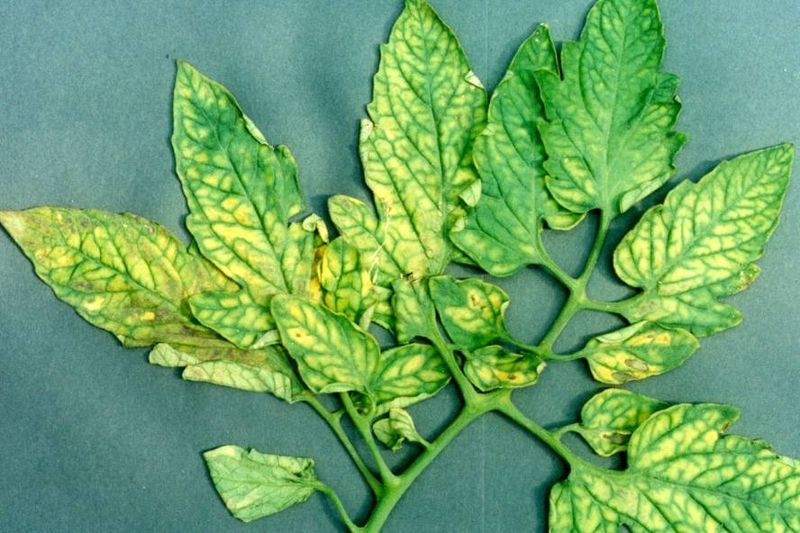
More is not better, and that lesson hits hard with Epsom salt. When your soil already holds enough magnesium and you keep piling it on, you set off a tug-of-war inside the plant that nobody wins.
Excess magnesium interferes with the plant’s ability to absorb other essential nutrients, including calcium, potassium, iron, manganese, and boron. Suddenly a plant that looked fine can start showing deficiency symptoms that have nothing to do with magnesium at all.
The frustrating part is how easy it is to misread. You see a struggling plant, assume it needs a boost, add more Epsom salt, and unknowingly deepen the imbalance.
Restraint is the smarter move. Unless you have real evidence of a magnesium shortage, holding back protects the delicate nutrient balance your tomatoes depend on.
11. Building Up Salt In Your Soil
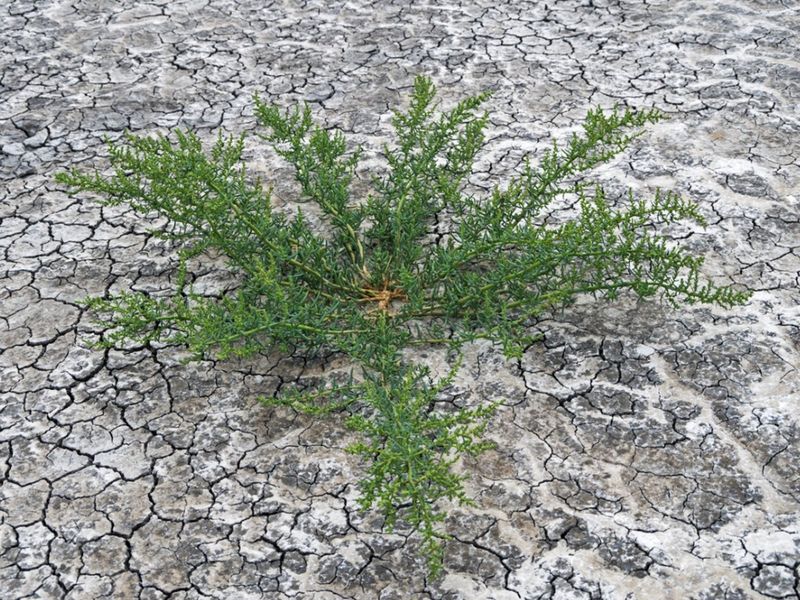
The word salt in Epsom salt is not just a name. It is chemically a salt, and pouring it into your garden season after season can leave a growing residue behind in the soil.
As salts accumulate, the soil becomes saltier than tomato roots are happy with. High salinity can cause salt injury, mess with the plant’s water balance, and make it harder for roots to do their job of drawing in moisture and nutrients.
Container gardeners and folks in dry climates with little rain to flush the soil are especially vulnerable, since the salts have nowhere to go. What starts as a helpful supplement slowly turns into a hidden stressor sitting in the root zone.
Regular, unnecessary applications are exactly how gardeners create a problem they never saw coming.
12. Treating It Like A Complete Fertilizer
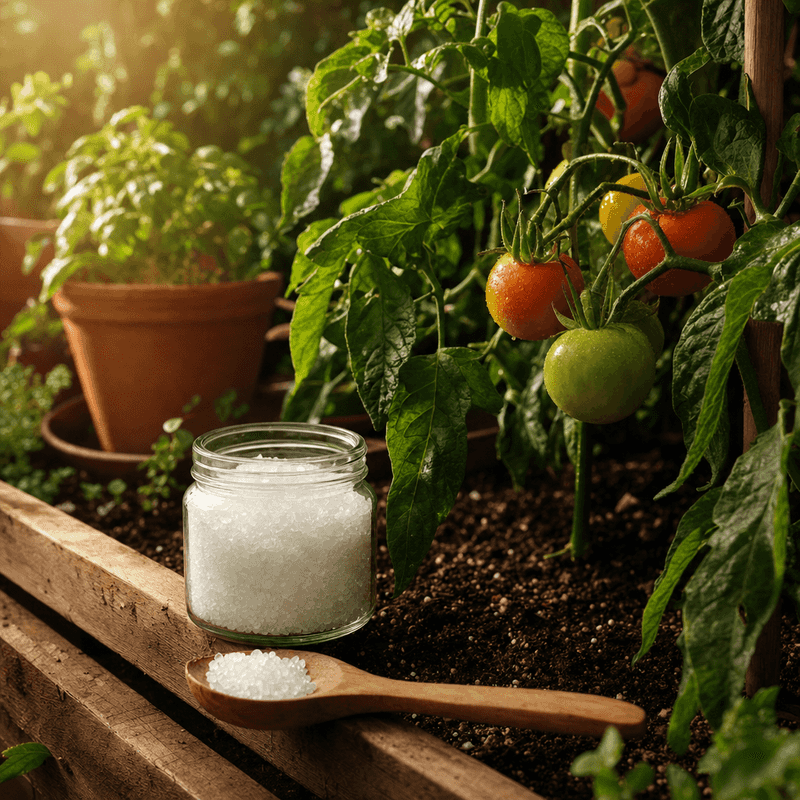
Some gardeners reach for Epsom salt as if it were an all-in-one plant food, and that is where things go sideways. Epsom salt supplies exactly two things: magnesium and sulfur.
That is the entire menu.
Tomatoes, on the other hand, are hungry plants that need a whole spread of nutrients, including nitrogen, phosphorus, potassium, and a range of trace elements to grow, flower, and fruit well. Epsom salt covers almost none of that list.
Lean on it as your main fertilizer and your plants will slowly run short on everything it does not provide, leaving you with a lush green plant that still underperforms or a struggling one that puzzles you. Use a balanced tomato fertilizer for the heavy lifting and let Epsom salt play its narrow, specific role only when magnesium is the actual gap.
13. Adding It During Seed Germination
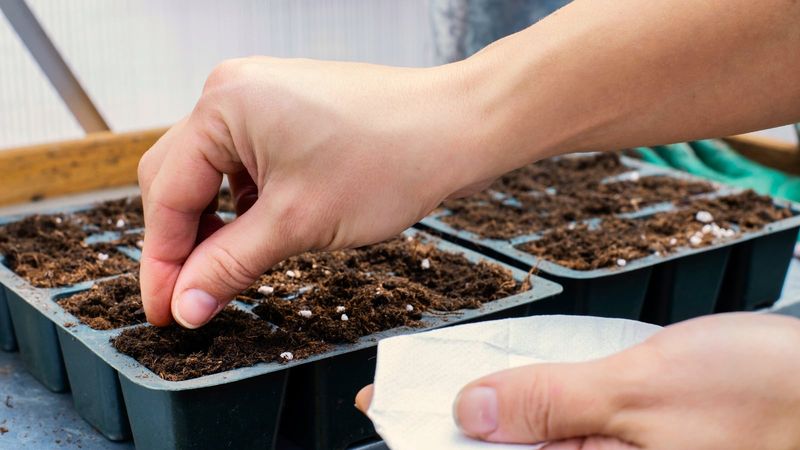
There is a stubborn belief that sprinkling Epsom salt into your seed-starting routine gives baby tomatoes a stronger send-off. In practice, it does nothing helpful and can even set them back.
Germinating seeds carry their own tiny food supply and rely on moisture, warmth, and oxygen far more than on added minerals. Tossing extra salts into that delicate early environment does not speed anything up.
Instead, it can raise the salt level around fragile emerging roots at the worst possible moment.
Young seedlings are far more sensitive to salt stress than established plants, so the risk outweighs any imagined reward. If you want vigorous seedlings, focus on quality seed-starting mix, consistent moisture, and good light.
Save the Epsom salt conversation for later in the plant’s life, and only if a genuine magnesium need shows up.
14. Spraying Leaves In Hot, Sunny Weather
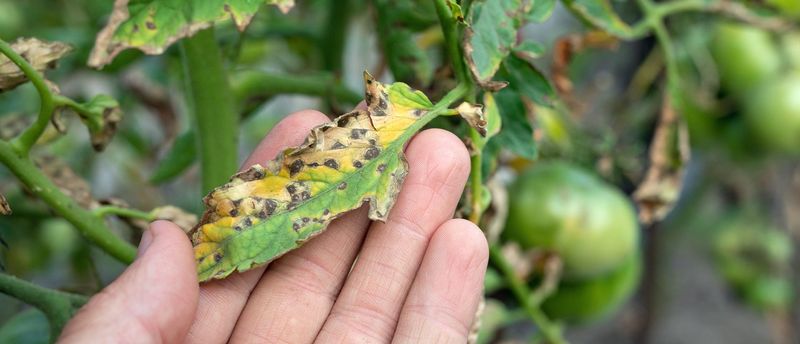
Timing can turn a helpful foliar spray into a leaf-scorching mistake. When you mist Epsom salt solution onto tomato leaves during the hottest, brightest part of the day, you are asking for trouble.
Droplets sitting on the foliage under intense sun, combined with the salt content, can lead to foliar burn, leaving behind crispy, damaged patches on the very leaves you were trying to help. The plant ends up worse off than before you started.
The fix is simple and costs nothing: spray in the early morning or the evening when temperatures are lower and the sun is gentle, and hold off if rain is about to wash it all away anyway. Same spray, same recipe, just a smarter clock.
Get the timing wrong and a genuine benefit flips into needless harm.
15. Using It Without A Soil Test First
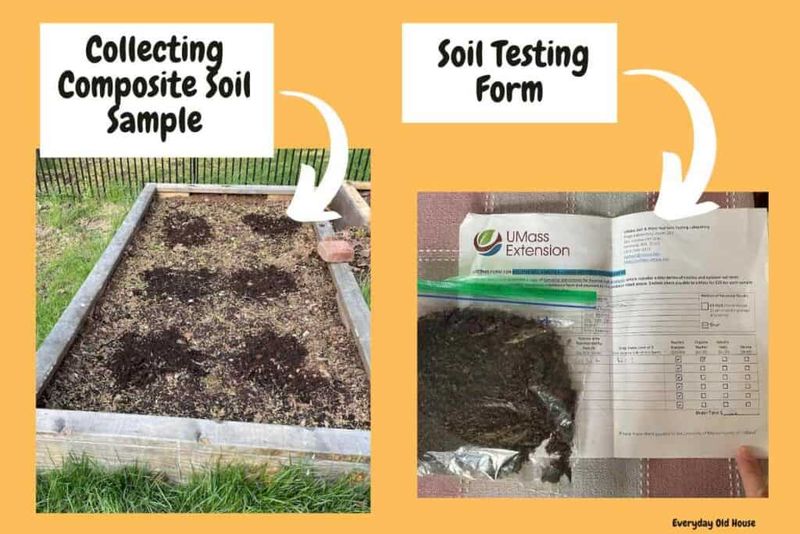
The single biggest Epsom salt blunder is also the easiest to avoid: applying it without ever checking whether your soil actually needs magnesium. Guessing is how most of the earlier problems begin.
A simple soil test tells you exactly where your magnesium levels stand. If they are already adequate, adding more will not green up leaves, boost blooms, or improve growth.
All it can do is nudge you toward salt buildup, nutrient imbalance, and the other quiet troubles on this list.
Home test kits are cheap, and many local extension offices offer affordable lab testing that reads far more accurately. Spend a few dollars and a little patience before you spend anything else.
Once you know your soil truly runs low on magnesium, Epsom salt becomes a smart, targeted tool. Without that knowledge, it is just a gamble with your tomatoes on the line.