
9 Dreamy Flowering Shrubs To Plant Instead Of Hydrangeas When You Want Something Fresh
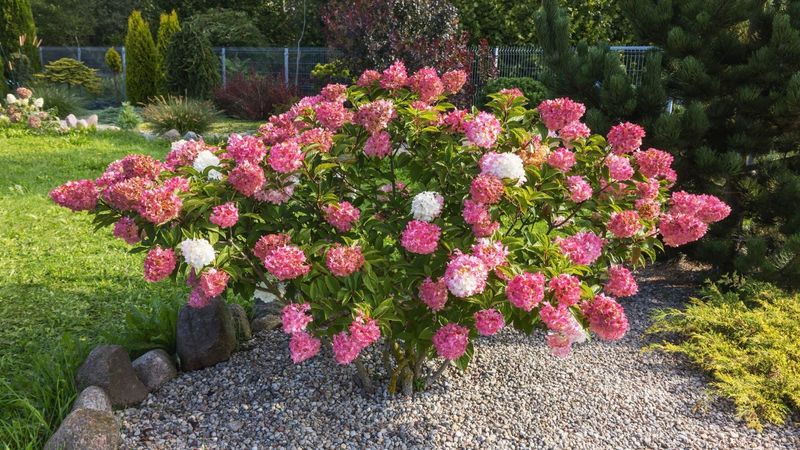
Hydrangeas are lovely, but they are everywhere, and sometimes your yard deserves a fresh face. Plenty of other flowering shrubs bring big blooms, bold color, and easy care without following the crowd. Whether you garden in a sunny southern backyard or a cooler northern bed, there is a shrub here that will feel like a happy surprise. Here are nine dreamy options that give you the wow factor of hydrangeas with personalities all their own.
1. Butterfly Bush (Buddleia)
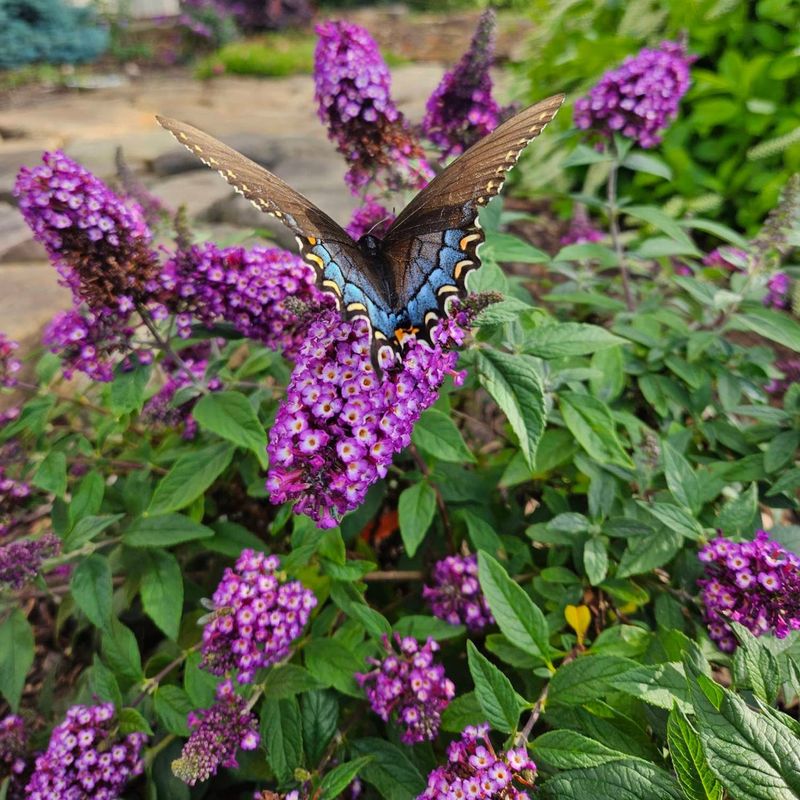
Picture a shrub so busy with visitors it looks like a living airport for pollinators. Butterfly bush earns its name honestly, sending up long cone-shaped blooms in purple, pink, or white that swaying monarchs and swallowtails simply cannot resist.
It shrugs off summer heat across most of the US, blooming from midsummract into fall with almost no fuss. Give it full sun and well-drained soil, and it rewards you with color long after many neighbors have called it quits.
A quick heads-up for gardeners in the Pacific Northwest and parts of the East Coast: some older varieties can reseed aggressively and are considered invasive there. Look for sterile or seedless cultivars like the Lo and Behold series, which stay tidy and behave in the backyard.
Snip off the spent flower spikes and you may coax a second wave of blooms. Come late winter, cut it back hard, and it springs back bushier than ever.
2. Weigela
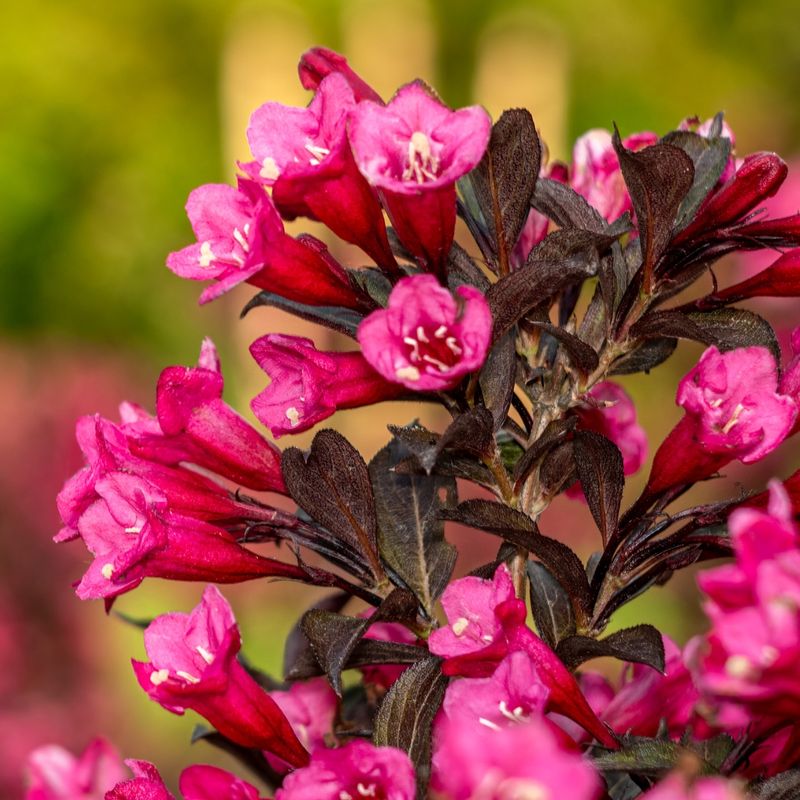
Old-fashioned charm meets modern toughness in weigela, a shrub your grandmother probably grew and hummingbirds still adore. In late spring it covers itself in trumpet-shaped flowers, usually rosy pink, that seem to glow against the foliage.
Newer varieties bring more to the table than just flowers. Cultivars like Wine and Roses pair deep burgundy leaves with hot-pink blooms, so the plant looks dressed up even when it is not flowering.
Hardy through much of the country, weigela asks for little beyond a sunny spot and occasional pruning right after it blooms. It tolerates clay soils that would sulk with fussier plants, making it a solid pick for tricky suburban lots.
Fun bit of trivia: weigela was named after German scientist Christian Ehrenfried Weigel, which explains its unusual spelling and pronunciation that trips up nearly everyone at the garden center.
3. Spirea
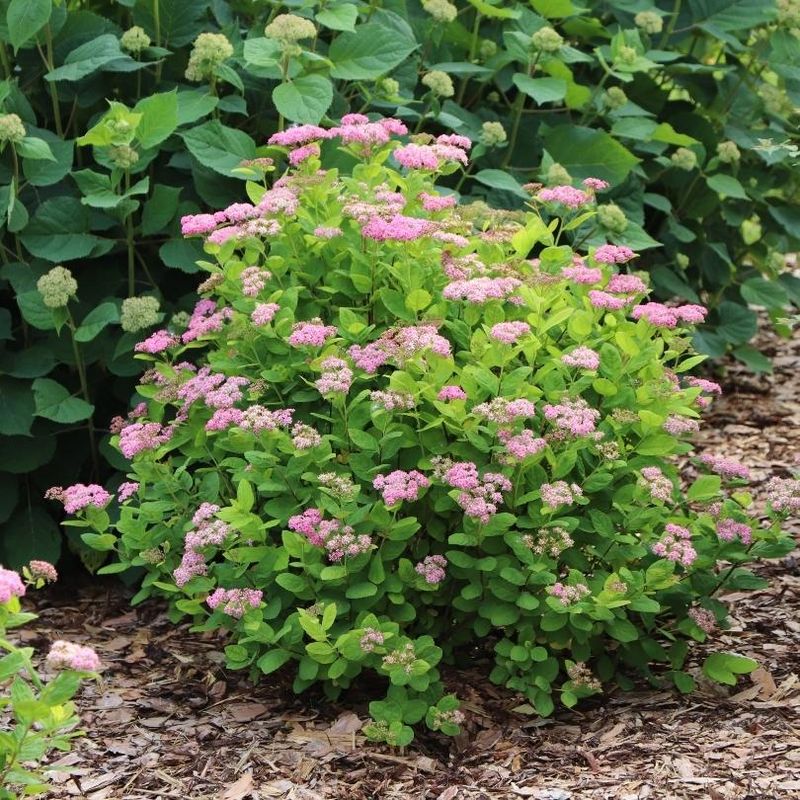
If you want a shrub that practically raises itself, spirea belongs on your short list. Compact and rounded, it produces clusters of tiny pink or white flowers that sit on top of the foliage like frosting on a cupcake.
Gardeners love it because it fits almost anywhere: line a walkway, tuck it into a foundation bed, or mass several for a low informal hedge. Varieties like Goldflame even offer leaves that shift from bronze to gold to green through the seasons.
It handles cold winters and hot summers with equal calm, thriving across a huge swath of US growing zones. A light shearing after the first flush of flowers often triggers a fresh round of blooms.
Bees find the flat flower clusters easy to land on, so a spirea in bloom hums with gentle activity all afternoon.
4. Lilac (Syringa)
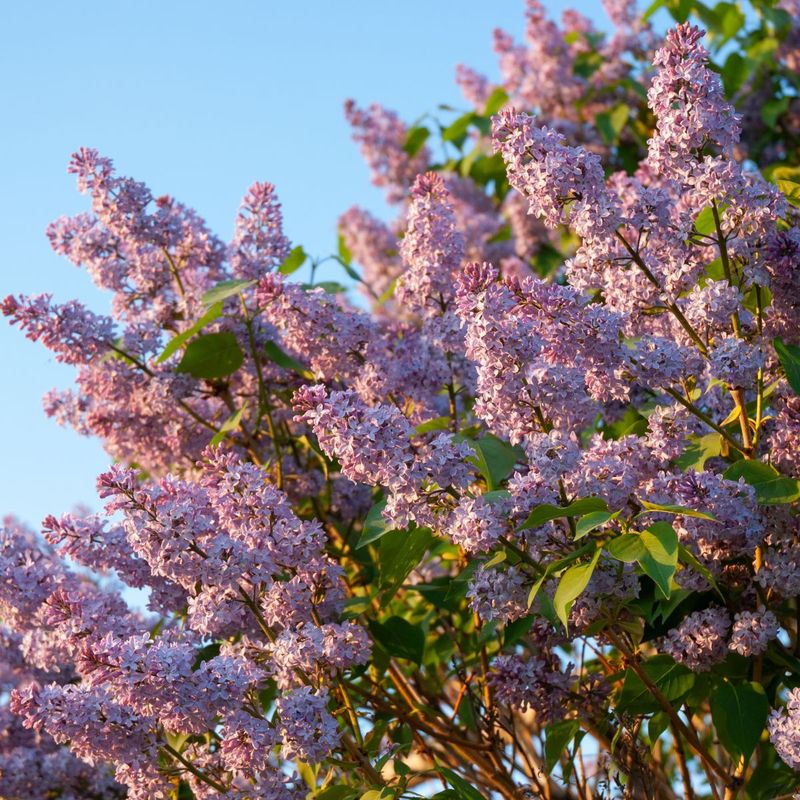
Nothing announces spring quite like the perfume drifting from a blooming lilac. One deep breath near those purple, lavender, or white flower panicles and you understand why people plant lilacs purely for the scent.
Northern gardeners have the advantage here, since lilacs need a good cold winter to bloom their best. Zones 3 through 7 are the sweet spot, and a mature shrub can live for decades, often outlasting the house it stands beside.
Beyond the classic common lilac, dwarf types like Bloomerang rebloom later in the season, stretching the show past the usual few weeks. Cut a few stems for a vase and your whole kitchen smells like May.
Give it full sun and slightly alkaline soil, prune right after flowering, and resist crowding it. Good airflow keeps powdery mildew at bay so the leaves stay clean through summer.
5. Rose of Sharon (Hibiscus syriacus)
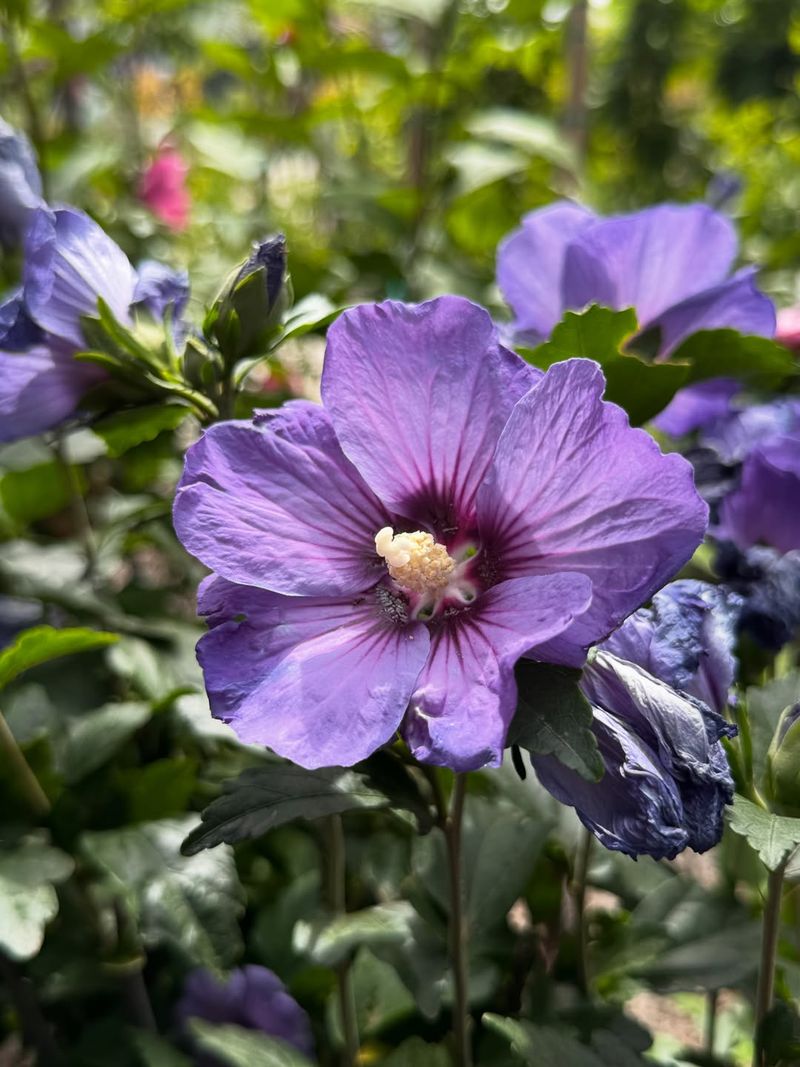
Late summer can feel like a dull stretch in the garden, and that is exactly when Rose of Sharon steals the show. Just as many shrubs wind down, this one erupts in wide hibiscus-style blooms in shades of white, pink, lavender, and true blue.
Tall and upright, it works beautifully as a flowering screen or a back-of-the-border anchor. Hummingbirds and bees treat each blossom like a landing pad from July straight through September.
It handles heat and humidity that would flatten fussier plants, making it a favorite across the South and Midwest. The one drawback is prolific self-seeding, so newer sterile varieties like the Chiffon and Satin series save you from pulling seedlings all spring.
Prune in late winter to shape it and encourage bigger flowers on the new growth.
6. Ninebark (Physocarpus)
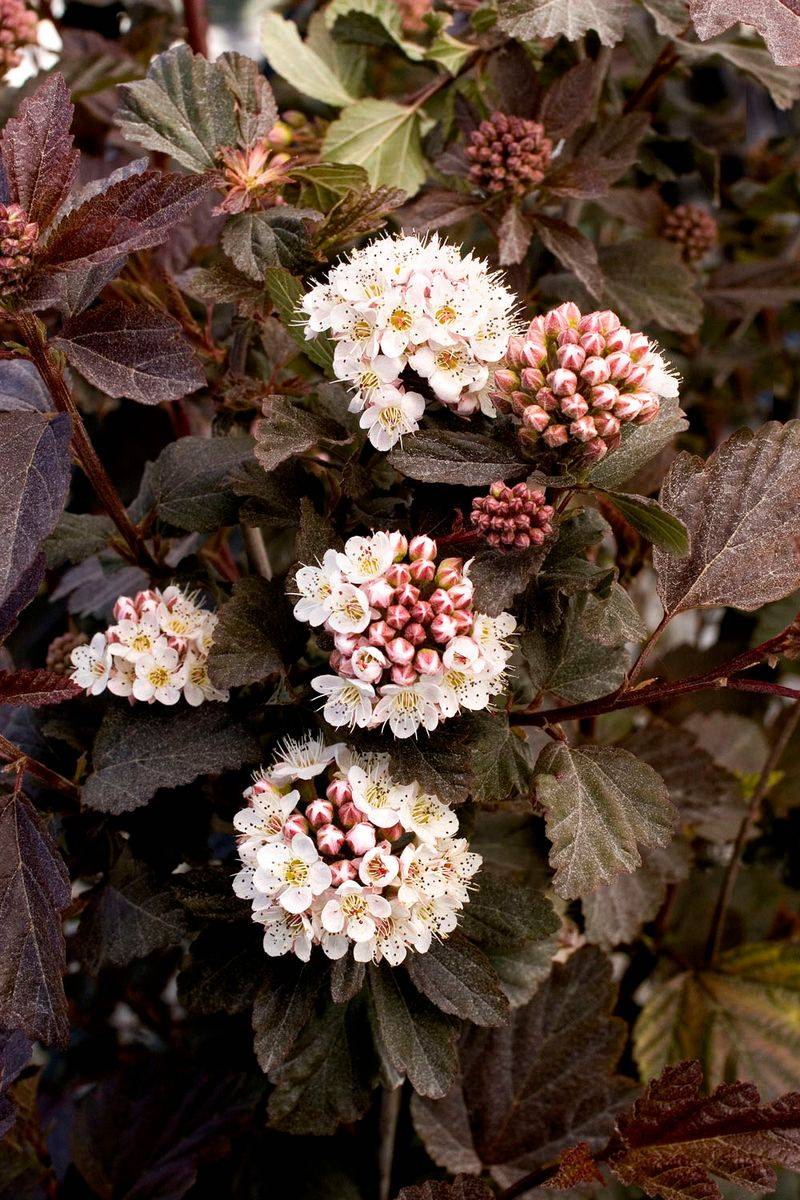
Foliage is the secret weapon that makes ninebark a standout even before its flowers open. Cultivars like Diabolo and Coppertina wear deep burgundy or amber leaves that hold their color all season, giving your bed a rich backdrop.
Come early summer, clusters of small white-to-pink flowers dot the branches, followed by reddish seed capsules that add texture into fall. The peeling, papery bark reveals layers underneath, which is where the quirky name comes from.
Native to much of North America, it is remarkably tough, tolerating cold, drought, and poor soil once established. That native pedigree means local pollinators and birds already recognize it as a food source.
Because it fills space fast, ninebark makes an easy low-maintenance hedge for larger yards. A hard prune every few years keeps it dense rather than leggy.
7. Beautyberry (Callicarpa)
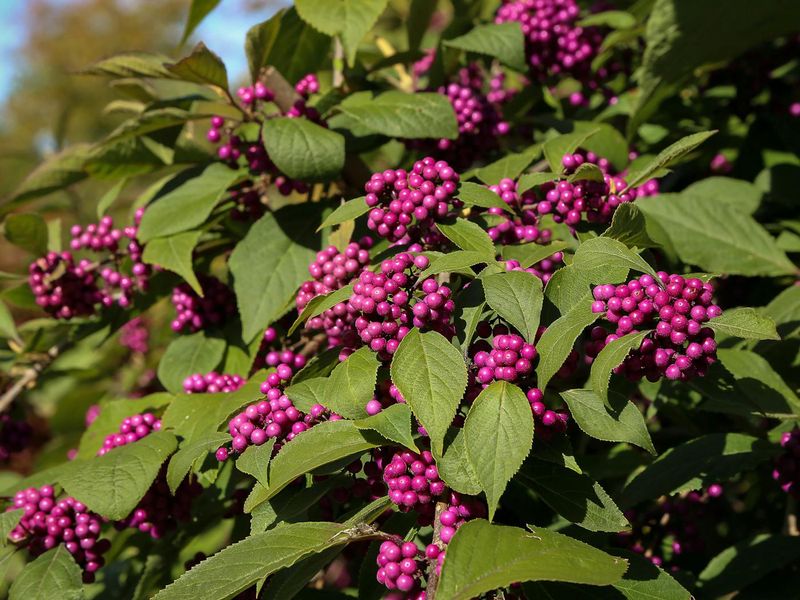
Most shrubs on this list dazzle with flowers, but beautyberry saves its best trick for autumn. After modest summer blossoms fade, the stems load up with clusters of vivid purple berries so bright they look almost artificial.
Songbirds flock to those berries once cooler weather arrives, turning the shrub into a front-row seat for backyard birdwatching. The color lingers well after the leaves drop, glowing against a gray November sky.
American beautyberry is native to the Southeast and handles heat, humidity, and part shade with ease. Interesting note for summer: crushed beautyberry leaves have long been used as a folk mosquito repellent, and the plant may help keep biting bugs at bay near a patio.
Cut it back hard in late winter since berries form on new growth. It bounces right back and fruits even more generously the following fall.
8. Deutzia
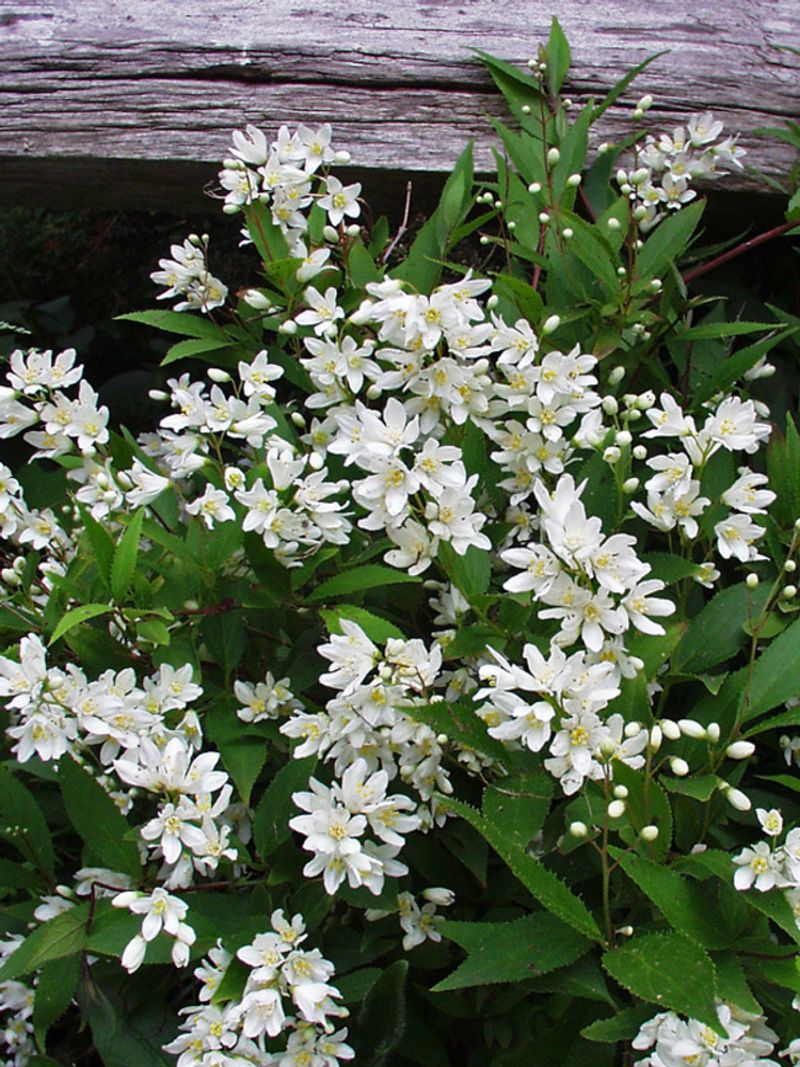
Underrated is the word that comes to mind for deutzia, a graceful shrub that deserves way more backyard fame. In late spring its arching branches drip with dainty star-shaped white or pink flowers, creating a soft cascading effect.
Low-growing varieties such as Nikko form neat mounds barely knee-high, perfect for edging a path or spilling over a low wall. Some newer types add golden or plum-tinged foliage that carries interest well past bloom time.
Easygoing by nature, deutzia adapts to sun or part shade and is not picky about soil. It rarely bothers with pests or disease, so you can plant it and mostly forget it.
Bees find the little blossoms irresistible, and the whole plant seems to shimmer when a breeze moves through those flower-laden stems.
9. Mock Orange (Philadelphus)
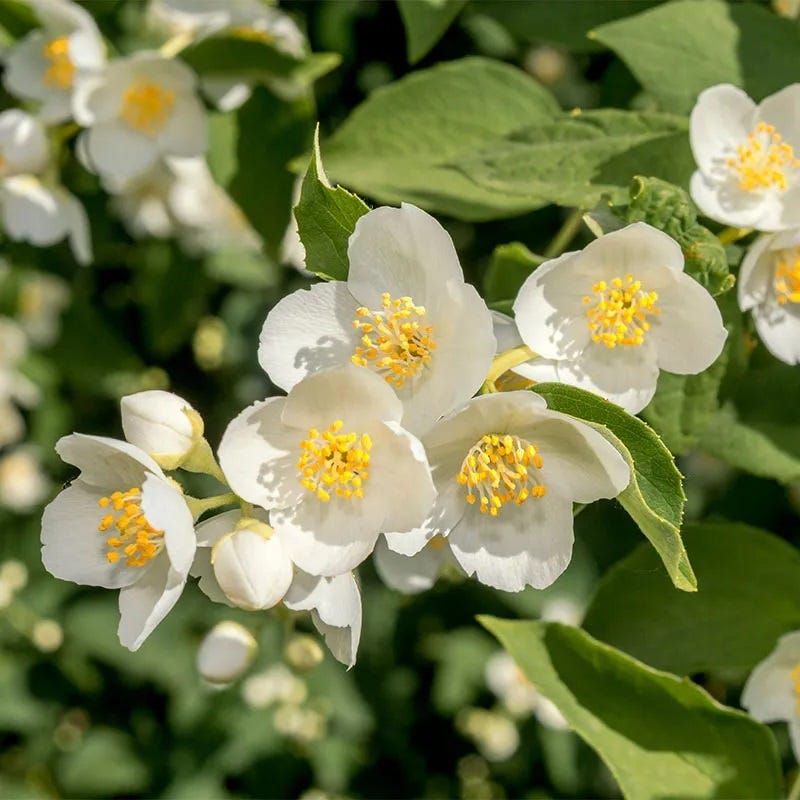
Close your eyes near a blooming mock orange and you would swear a citrus grove moved into your yard. Its crisp white flowers release a sweet orange-blossom fragrance that fills the whole garden for a few glorious weeks in late spring.
The blooms themselves are simple and pure white, often with a sunny yellow center, standing out against fresh green leaves. Cut a handful for the house and the scent travels room to room.
Hardy across a wide range of US zones, it grows into a full rounded shrub that works as a fragrant privacy screen. Give it sun to light shade and prune right after flowering, since it blooms on the previous year’s wood.
It has been a cottage-garden staple for generations, and one whiff explains why gardeners keep passing it down. For a shrub that trades flashy repeat blooms for pure sensory joy, few things beat it.